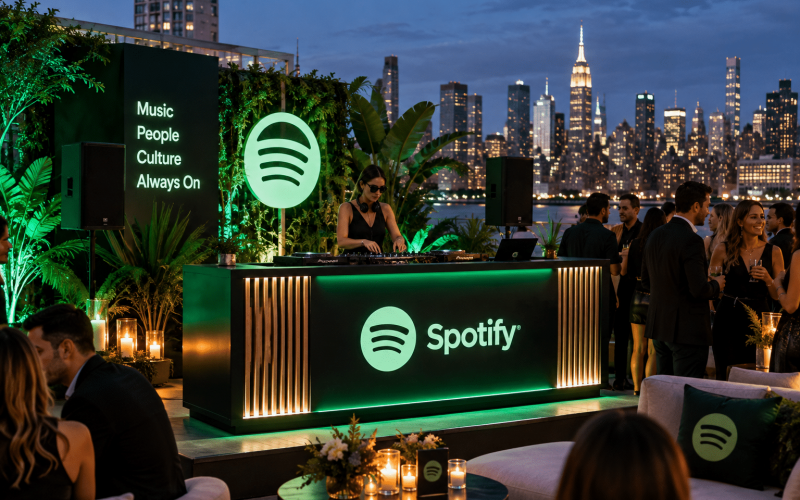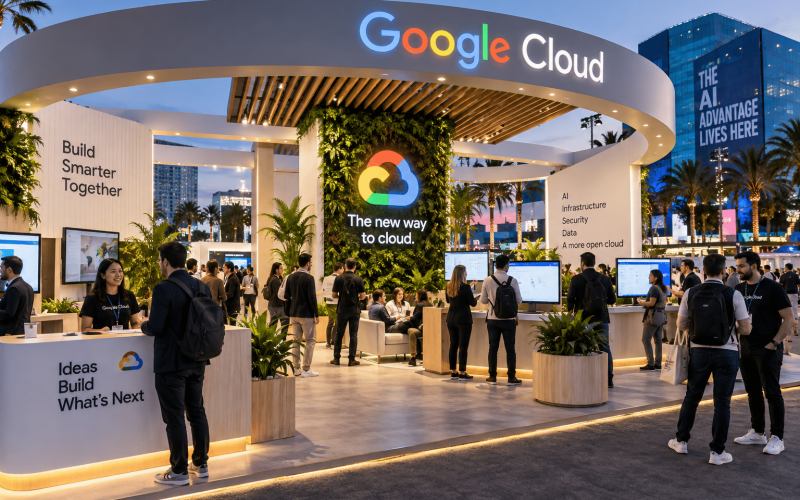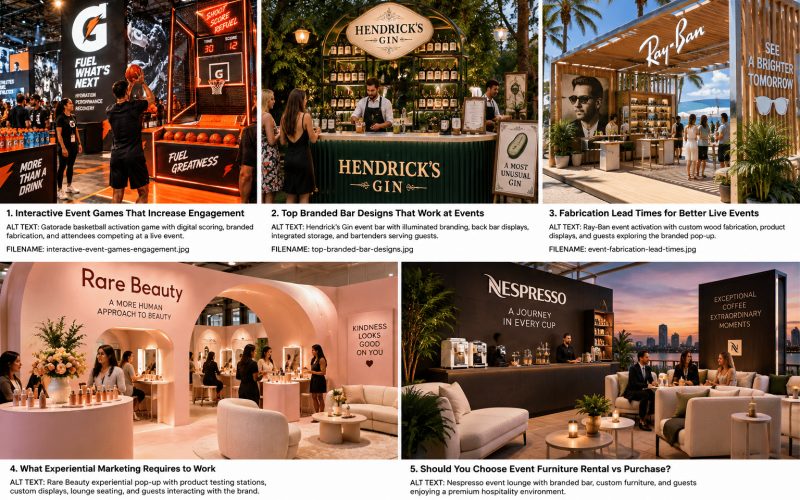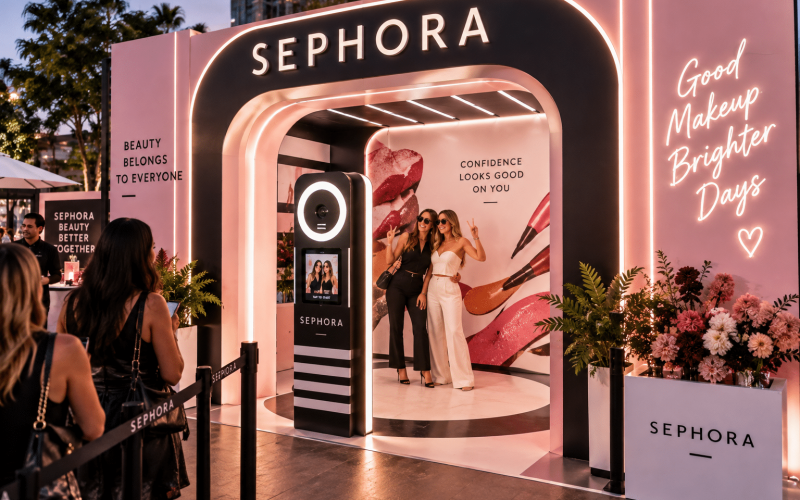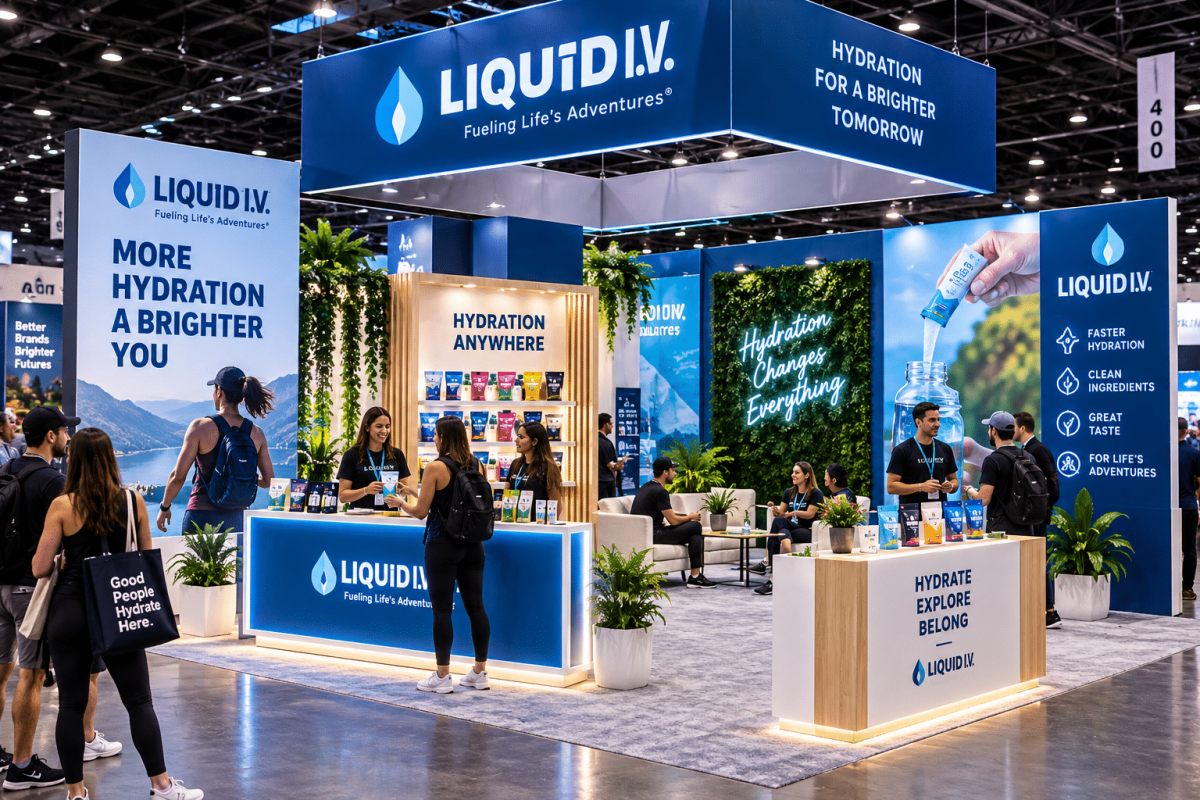
A custom booth builder review should go beyond attractive renderings and a competitive quote. For brand teams, agencies, and event producers, the real question is whether a builder can turn a creative direction into a finished environment that arrives on time, fits the venue, supports the attendee experience, and represents the brand accurately under show-floor pressure.
A booth can look impressive in a proposal and still create problems when materials, engineering, installation, storage, shipping, or last-minute revisions enter the picture. The strongest evaluation process looks at how a partner works, not just what they have photographed.
What a Custom Booth Builder Review Should Evaluate
Custom booth builders are not interchangeable vendors. One may excel at modular rental systems, while another is structured for one-off fabrication. Some handle design and build in-house; others subcontract key production steps. Neither model is automatically wrong, but each affects cost, accountability, lead time, and quality control.
Start by defining the job your booth needs to do. A 10-by-10 sales-focused exhibit has different requirements than a large-scale product launch, a multi-city pop-up, or an interactive brand activation. If the program requires custom fixtures, integrated technology, high-touch finishes, or unusual structures, fabrication depth matters more than a large inventory catalog.
A useful review considers four connected areas: fabrication capability, project management, logistics, and brand execution. A weakness in any one area can compromise the final installation.
Fabrication Quality Is More Than Finish Samples
Ask to see examples that resemble the complexity of your project, not just a gallery of finished booths. A polished photo does not reveal how the structure was engineered, how panels align after transport, whether branded graphics were protected in transit, or how the booth performs after multiple install cycles.
A capable fabrication partner should be able to speak clearly about material selection, structural requirements, finish durability, lighting integration, graphic production, and how components are packed and handled. They should also identify where a design may need adjustment before production begins. That is not a creative compromise. It is often what protects the concept from becoming costly or unreliable on site.
For example, a high-gloss custom wall may create the intended premium look, but it can be more vulnerable to scratching than a durable laminate or textured finish. A good builder explains the trade-off and recommends an approach based on the event schedule, expected reuse, and budget.
Review the Builder’s Ability to Translate Design Intent
Creative concepts often include visual references that are not construction documents. A booth builder must interpret those references into dimensions, materials, details, and installation methods without losing what made the concept effective.
Look for a team that asks specific questions early: Where will attendees enter and exit? What needs to be seen from across the aisle? Which product moments require power, security, or staff access? How will the structure fit venue rules and overhead restrictions? These questions show that the team is thinking about the physical experience rather than simply pricing a rendering.
The builder should also be comfortable with iteration. An early estimate may change as the footprint, finishes, attendee flow, or technology needs become clearer. What matters is whether revisions are documented, priced transparently, and managed without causing confusion across the design, production, and event teams.
Project Management Is Part of the Product
Trade show execution leaves little room for vague ownership. The builder should provide a defined point of contact, a practical schedule, approval milestones, and visibility into what happens between approved artwork and show-site installation.
During a custom booth builder review, ask how the company manages changes after production begins. Small adjustments are common. A revised logo file, added monitor, changed product display, or altered electrical requirement can affect multiple pieces of the build. The right partner will identify those connections quickly and provide a clear path forward.
It is also worth asking who owns each operational task. Does the builder coordinate freight, drayage, installation and dismantle, union labor requirements, venue paperwork, and storage? Or does your team need to manage some of those services separately? A builder with a narrower scope can still be the right choice, provided responsibilities are explicit before deadlines begin to stack up.
For programs with tight launch dates, request a realistic critical path rather than a broad assurance that the project can be completed. A credible plan accounts for design approval, engineering where required, material procurement, fabrication, quality checks, packing, shipping, and site access. Any timeline can look comfortable until one delayed approval compresses the entire production window.
Compare Quotes by Scope, Not Just Total Cost
A low booth quote can be a legitimate savings, but it can also reflect missing scope. Comparing only the total number makes it difficult to see what is included and where exposure may appear later.
Ask each prospective builder to clarify the treatment of custom fabrication, graphics, electrical components, furniture, flooring, crating, freight, installation, dismantle, venue services, and storage. You do not need every item bundled into one price. You do need to know whether it is included, excluded, estimated, or dependent on a future decision.
Custom builds are especially sensitive to late changes because materials and labor are committed in stages. The least expensive original proposal may become the most expensive option if it does not account for the operating realities of the event. Conversely, a higher initial quote may be justified if it includes stronger materials, better project oversight, reusable components, or fewer handoffs.
Reuse deserves close attention. If a booth is intended for multiple shows, ask which elements are designed for repeated assembly and which are event-specific. A large custom scenic feature may be worthwhile for a flagship launch but impractical for a program that travels monthly. Modular frames, replaceable graphics, rental furniture, and reusable branded assets can reduce long-term costs without making the experience feel generic.
Questions to Ask Before Selecting a Booth Builder
Before awarding the project, use the review process to get direct answers to the operational issues that most affect execution:
- Can you show projects with comparable size, finishes, interactivity, and timeline requirements?
- Which production capabilities are handled directly, and which are managed through outside partners?
- What assumptions are built into the quote, including venue, freight, labor, and electrical requirements?
- How are revisions, approvals, and change orders documented during production?
- What is the contingency plan if a component is damaged, delayed, or needs adjustment on site?
The answers should be specific. Broad statements about quality or service are less useful than a clear explanation of who does what, when decisions are needed, and how problems are resolved.
When a Custom Build Is Not the Best Answer
A custom booth is not always the most efficient solution. If the objective is fast deployment across several smaller events, a rental-based environment with custom graphics and selected fabricated focal points may deliver more flexibility. If the event is a single appearance with limited attendee dwell time, investing heavily in unseen structural detail may not improve the outcome.
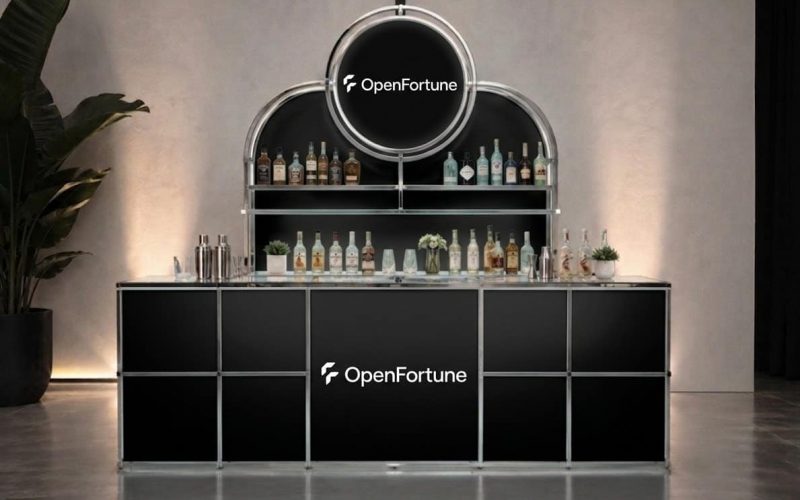
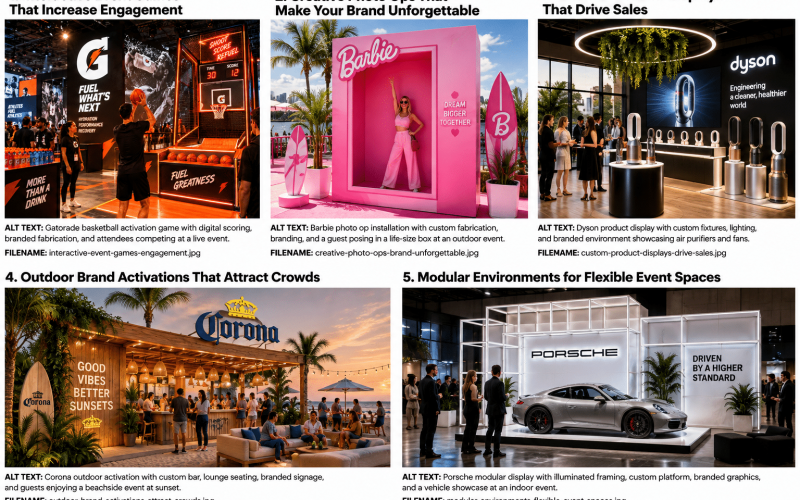
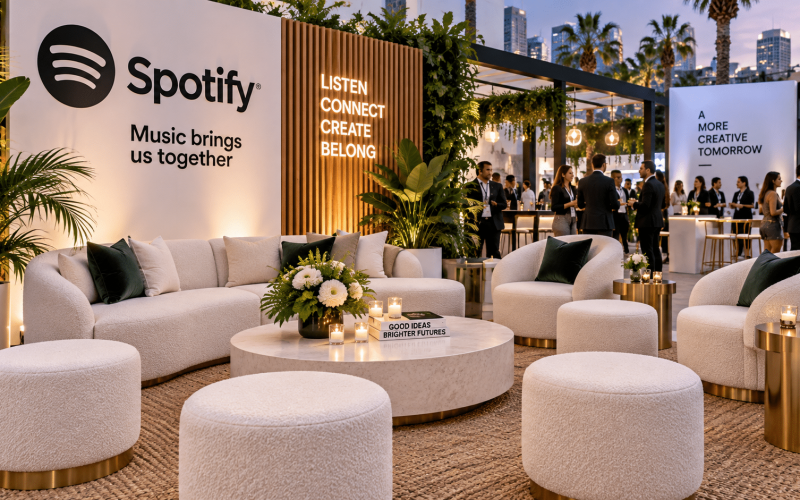
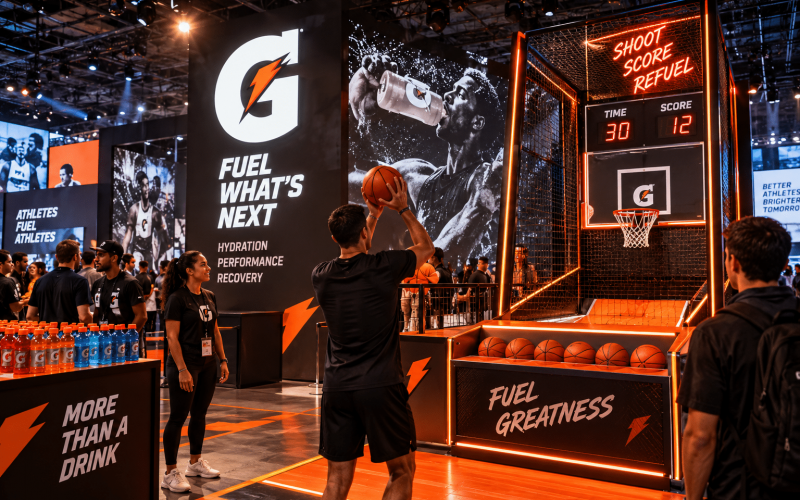
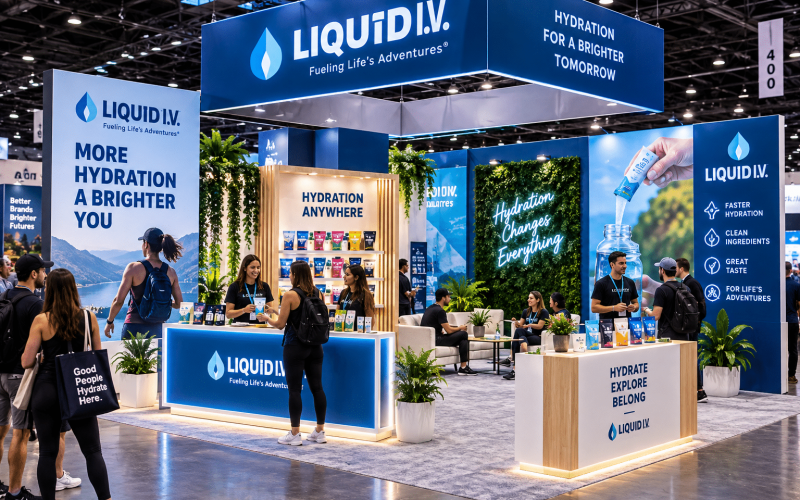
The best approach often combines custom and rental elements. Custom fabrication can carry the brand’s distinctive features: a sculptural product display, branded bar, interactive game, retail-style fixture, or signature architectural moment. Rental furniture, flooring, monitors, and standard structural components can control costs and simplify logistics.
This hybrid approach is particularly useful for agencies and marketers balancing high visual expectations with changing event footprints. It allows the brand experience to remain recognizable without rebuilding every square foot for each show.
Look for a Partner Built for Live Environments
The most valuable booth builder understands that an exhibit is not simply a constructed object. It is a working event environment with attendees, staff, products, technology, venue constraints, and a limited window to make an impression.
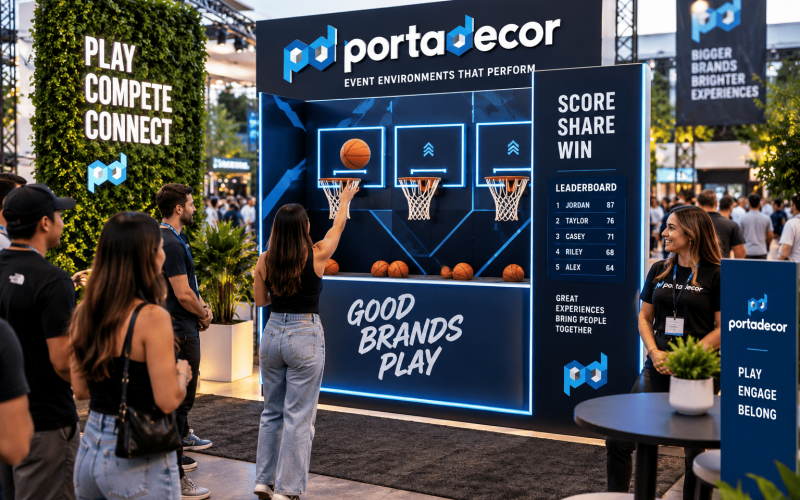
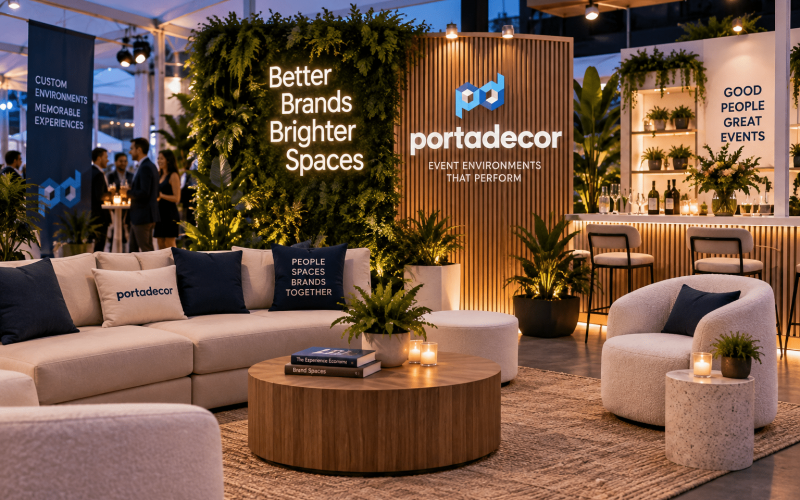
Fabrication-first event partners such as Portadecor can be especially effective when a program needs more than standard exhibit hardware: custom products, branded furniture, interactive elements, activation components, and trade show booth environments built around a specific experience. The fit depends on the project, but specialized event fabrication can reduce the disconnect between an ambitious concept and its on-site reality.
Choose the partner that asks informed questions, documents the details, and can explain how the booth will perform from shop floor to show floor. That level of preparation gives your creative team more room to focus on the audience experience that the booth is there to create.