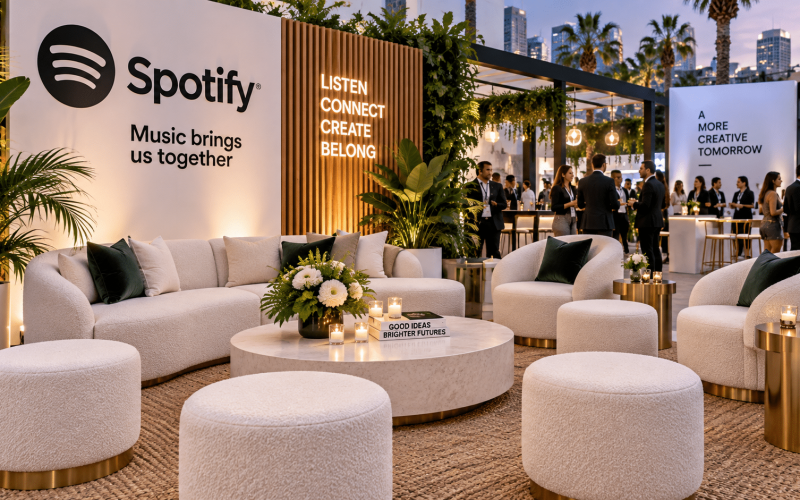
A branded lounge can look exceptional in a rendering and still fail on an event floor. If the entrance creates a bottleneck, the product demo takes too long, the furniture does not support the intended behavior, or the staff cannot reset the experience between guests, the concept loses momentum. Experiential marketing succeeds when creative ambition is supported by practical event execution.
For brand teams, agencies, and event producers, that means treating a live activation as more than a visual installation. It is a temporary environment with a job to do: attract the right audience, create a meaningful interaction, communicate a brand message, and give attendees a reason to remember or share what happened.
What Experiential Marketing Is Built to Do
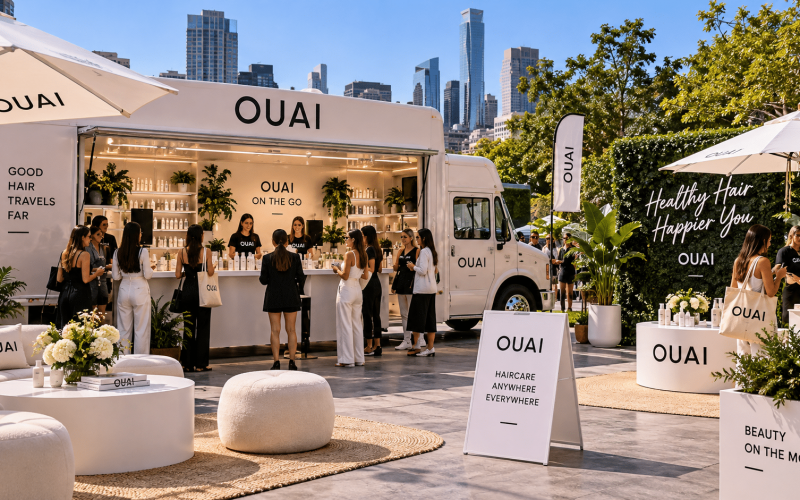
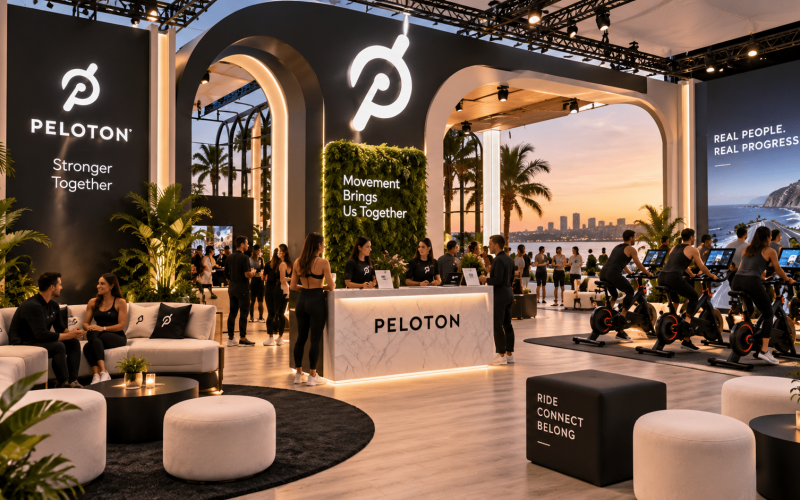
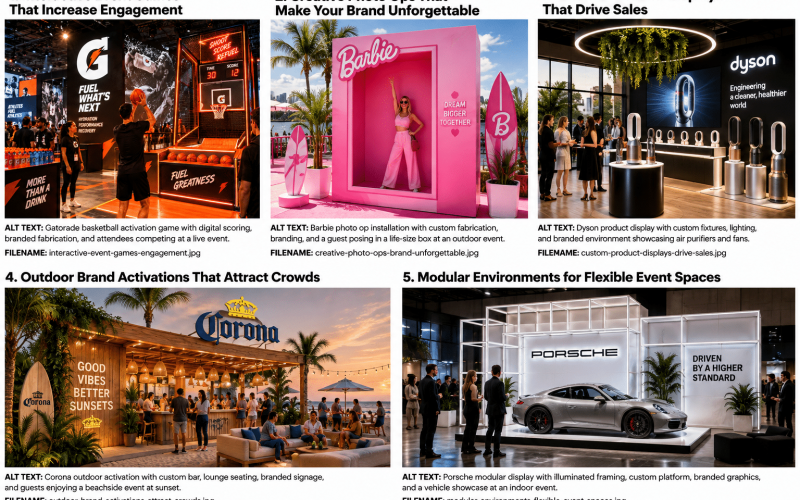
Experiential marketing creates direct, participatory encounters between a brand and its audience. Those encounters can take the form of a product launch, pop-up, sampling event, trade show booth, mobile tour, sponsorship footprint, retail installation, or interactive game. The format changes, but the objective remains consistent: move people from seeing a brand to experiencing it.
The strongest activations give visitors something active to do. They may test a product, make a choice, compete, customize an item, learn through a guided demonstration, or enter a physical setting that makes the brand feel tangible. A well-designed experience gives the audience a role rather than asking them to stand outside the story.
This matters because live events operate in a crowded attention environment. Attendees make quick decisions about where to stop and how long to stay. A recognizable logo helps with visibility, but visibility alone does not create engagement. The environment, interaction, staffing, and flow must work together to turn initial curiosity into participation.
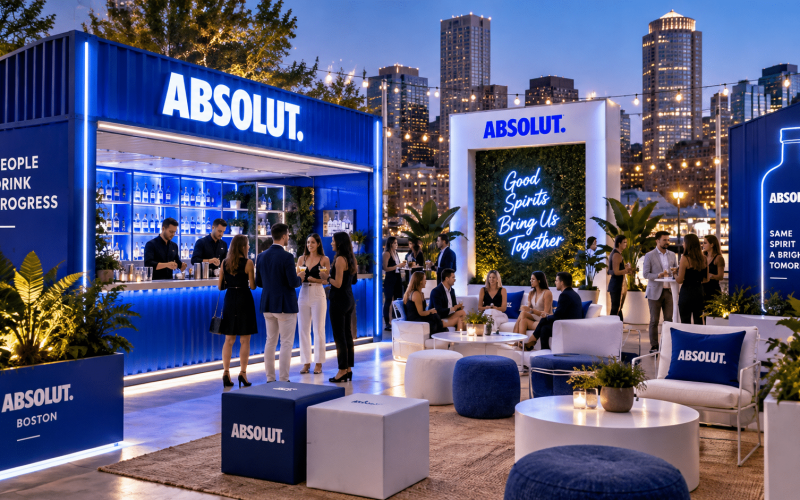
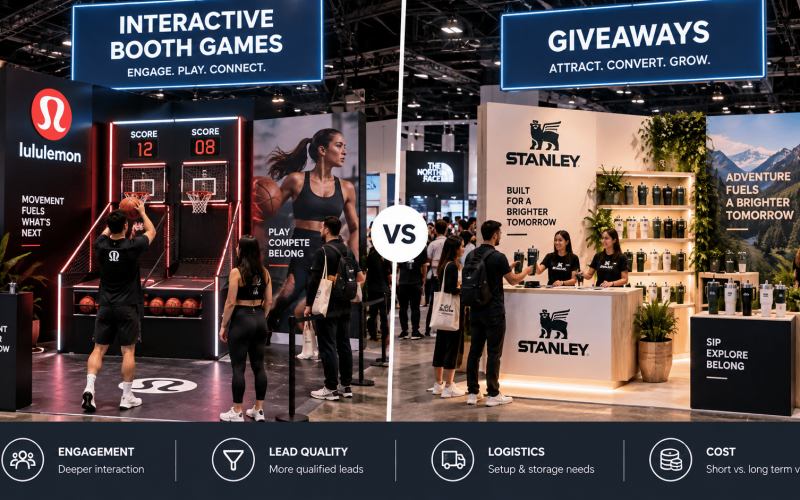
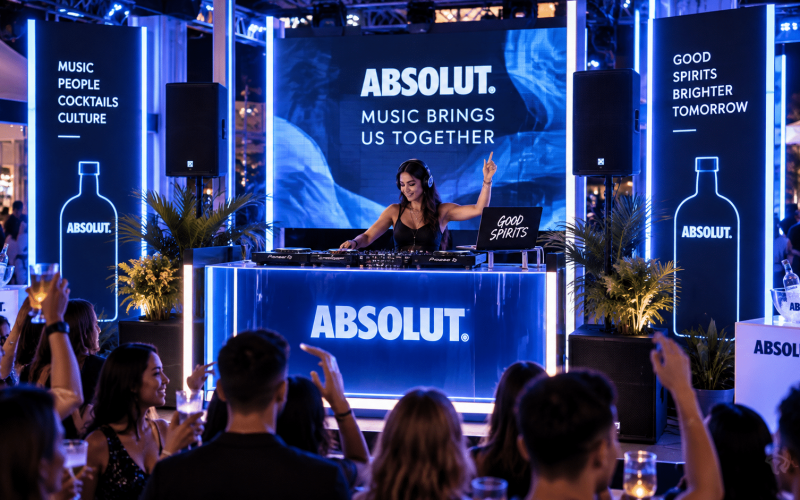
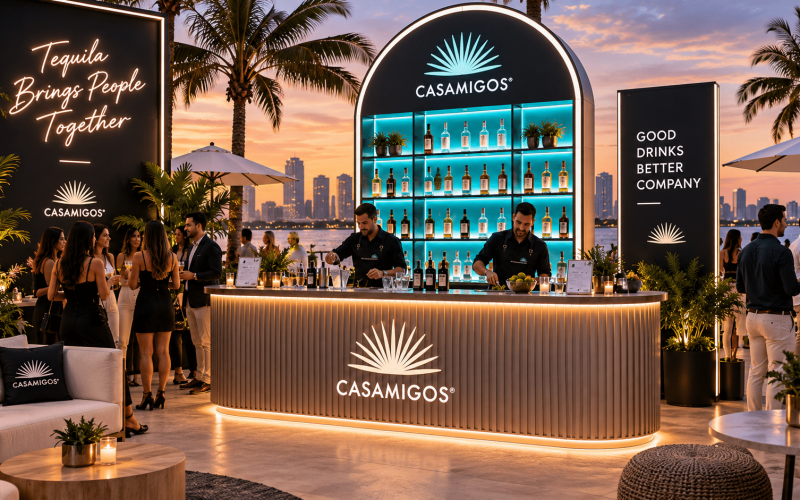
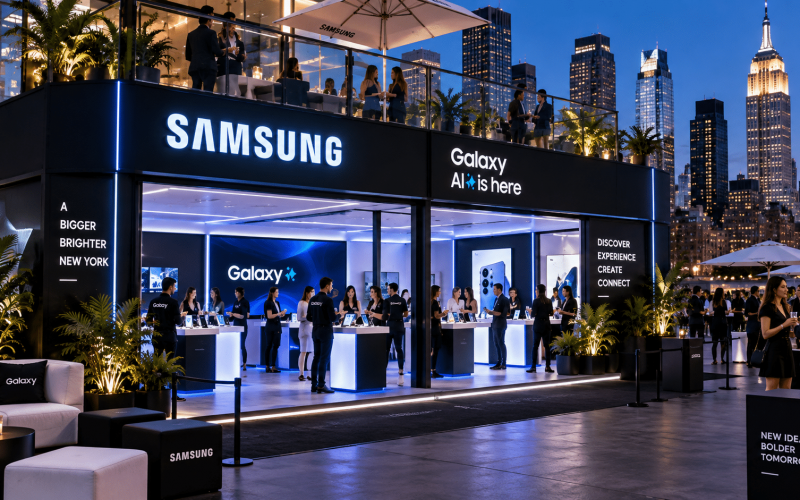
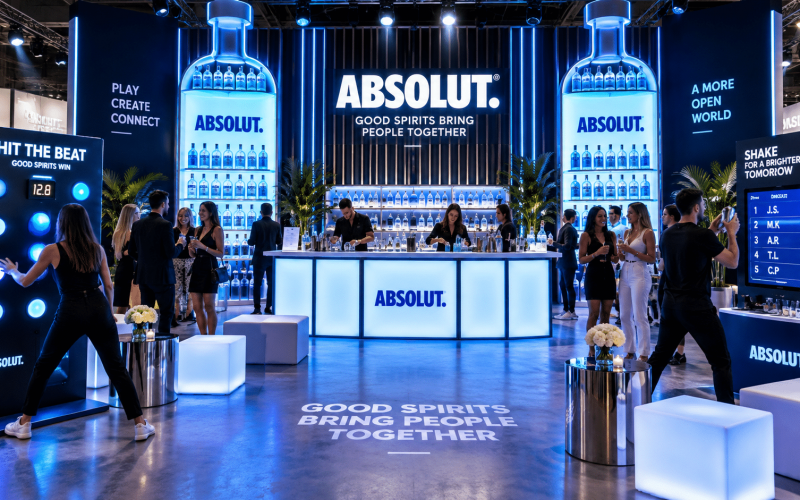
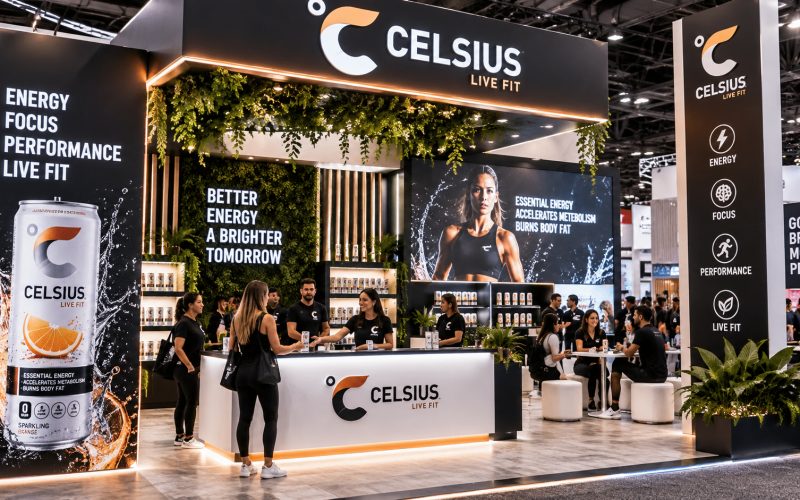
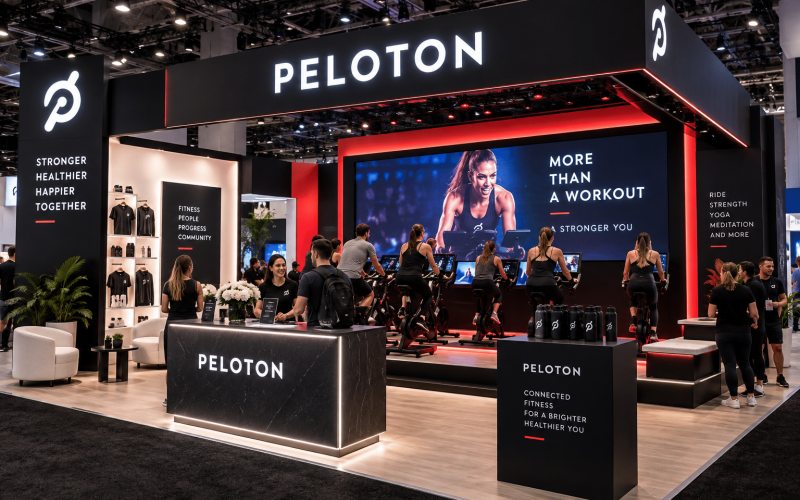
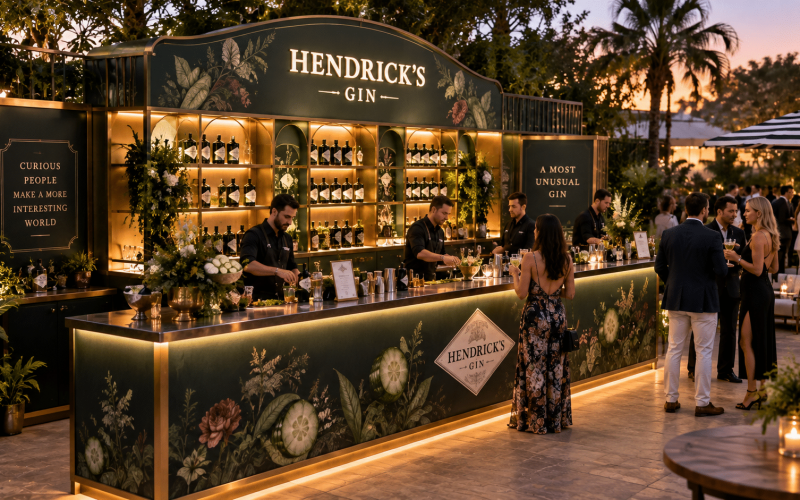
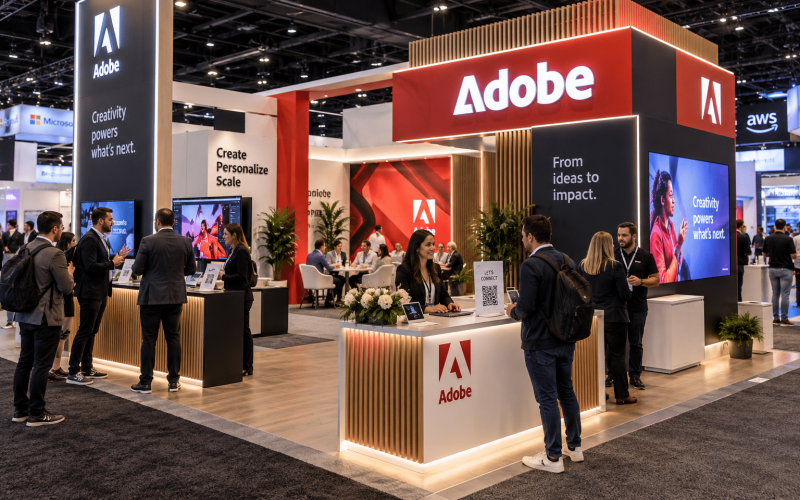
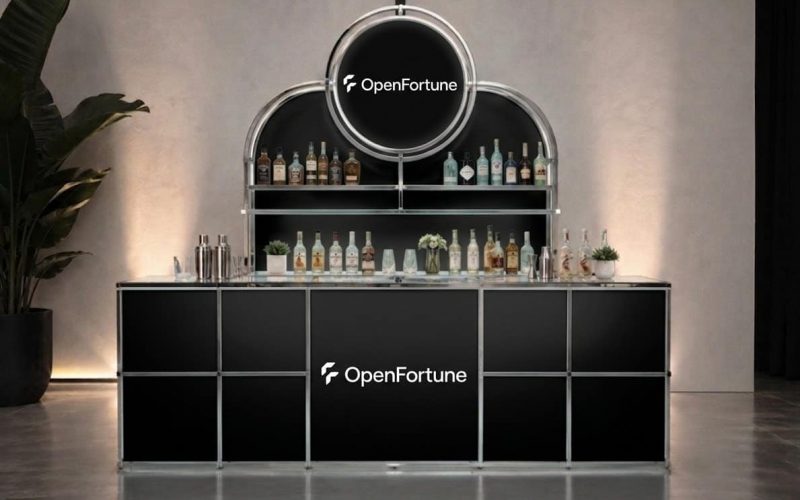
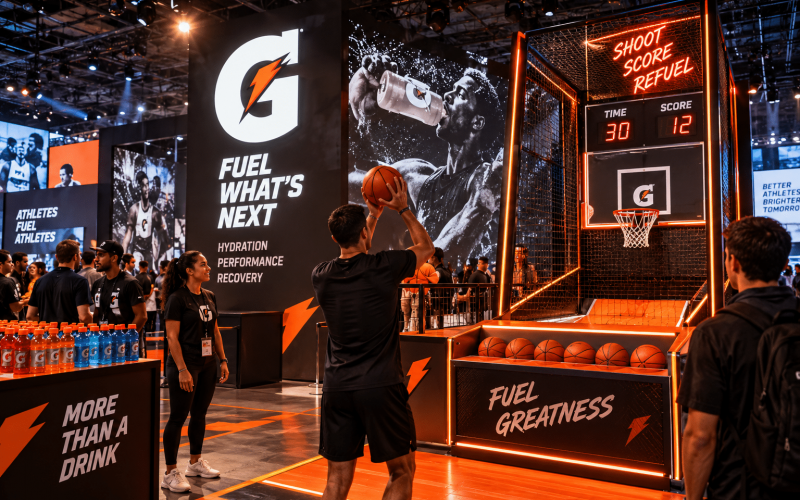
For example, a beverage brand may need a sampling bar that moves guests efficiently while still feeling premium. A technology company may need a product demonstration station with a clear queue, controlled sightlines, and a practical way to capture qualified leads. A consumer brand at a festival may need an interactive game that creates energy from a distance and accommodates high volume. Each requires different physical assets, but all require a clear connection between brand objective and attendee behavior.
Start With the Behavior You Want to Create
Before selecting finishes, furniture, games, or scenic elements, define the desired attendee action. This is the operational question behind every effective brand activation: what should someone do after they notice the space?
For a trade show, the answer may be to enter, speak with a product expert, and book a follow-up meeting. At a public-facing event, it may be to try the product, create content, and opt in for future communication. At a launch event, the goal may be to build anticipation and ensure guests understand the product’s central benefit.
A single activation can serve several goals, but it should have one primary action. When teams try to make every area equally important, guests often receive mixed signals. The result is a beautiful environment without a clear journey.
The attendee journey should be visible in the floor plan. Consider what draws someone in from the aisle or surrounding event area, where they pause, what they interact with, and how they exit. The best layouts make this sequence feel natural. They also account for people who want a quick touchpoint and those willing to spend more time with the brand.
A useful concept can fail if the interaction asks too much too soon. A five-minute game may be appropriate for a controlled VIP event, but it can create lines at a busy convention. Conversely, a thirty-second interaction may produce volume but not enough depth for a complex B2B product. The right format depends on audience, venue, dwell time, and the value of each conversation.
The Physical Environment Is Part of the Message
In live marketing, fabrication quality is not a background detail. It signals how a brand thinks about itself. Finish quality, scale, material selection, lighting integration, graphics, and hardware all affect whether the environment feels intentional and trustworthy.
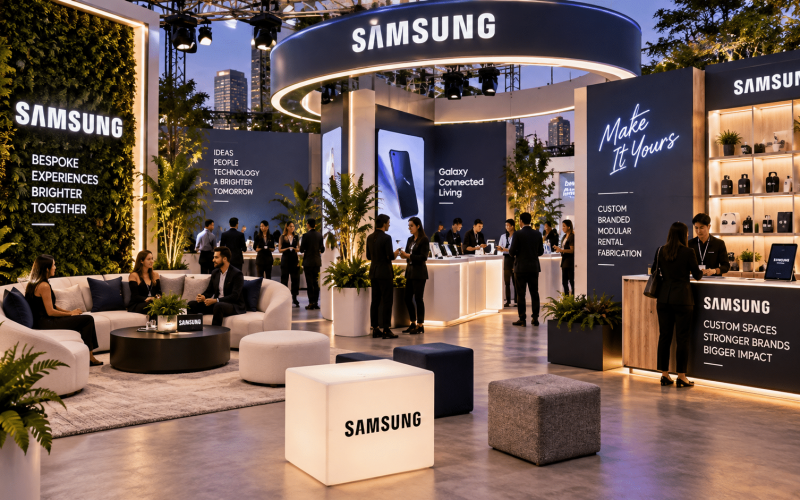
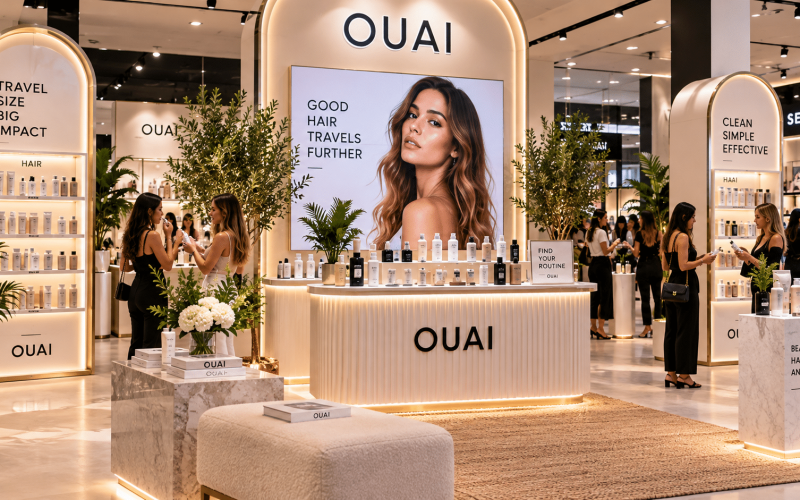
Custom fabrication is especially valuable when the creative concept cannot be expressed through standard event equipment. A distinctive demo counter, branded shelving system, illuminated feature wall, product display, interactive game unit, or shaped seating element can make the experience immediately recognizable. More importantly, it can be designed around the actual use case instead of forcing the activation to fit a generic footprint.
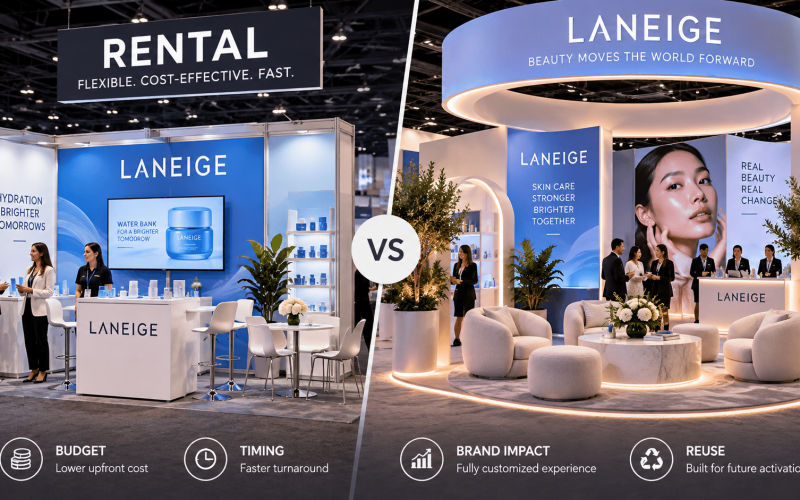
That does not mean every event needs to be custom-built from the ground up. Rentals can be the smarter choice when speed, budget, or repeatable utility matters most. Event furniture, bars, display components, and foundational infrastructure can create a polished base while custom elements carry the brand’s distinctive message. The most effective approach is often a deliberate combination of rental inventory and fabricated focal points.
Teams should also consider what happens after the event. A modular fabrication that can be reconfigured for several markets may justify a larger initial investment. A highly specific build for a one-day campaign may be better suited to a simpler construction method. Reusability is valuable, but only if the asset can be stored, transported, installed, and refreshed without undermining its appearance.
Design for Operations, Not Just the Render
A render does not show the crew carrying components through a loading dock, the venue’s power restrictions, or the speed at which a team must reset a game after each participant. Those details are where event experiences either perform or become difficult to manage.
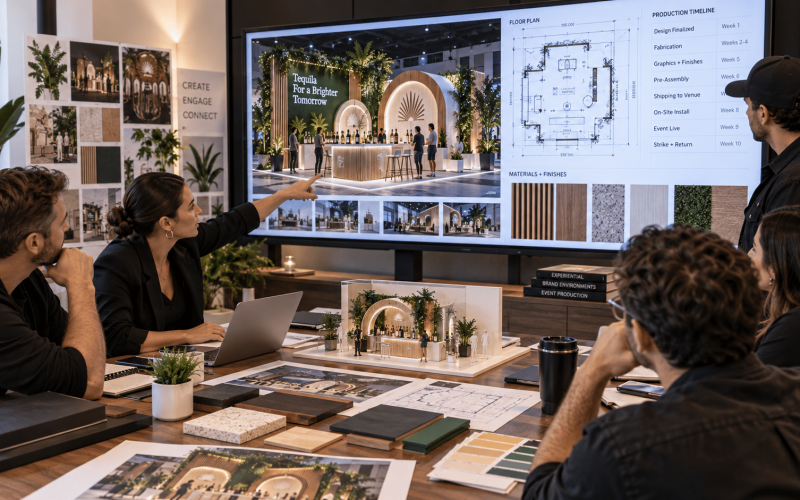
Production planning should begin early enough to test the practical assumptions behind the concept. Confirm dimensions, weight, access points, electrical needs, technology integration, assembly sequence, freight timing, and venue rules. If the activation includes a prize mechanism, touchscreen, video display, sampling equipment, or custom lighting, identify who owns setup, troubleshooting, and guest-facing operation.
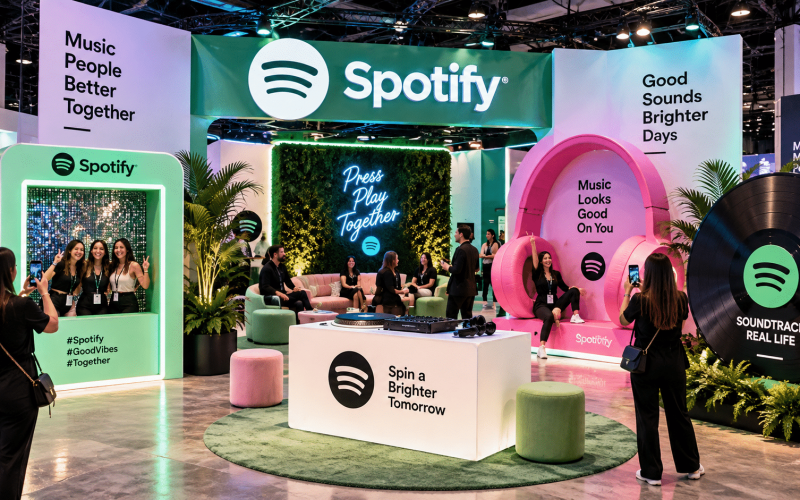
Staffing should influence design as well. An unattended photo opportunity needs intuitive instructions and a low-friction path in and out. A product education experience may require trained brand ambassadors and room for private or semi-private conversations. A game activation needs enough staff to invite participants, explain the rules, manage the line, and reset the unit. Understaffing can make even a well-built environment feel disorganized.
Safety and durability deserve the same attention as appearance. Public-facing assets need stable bases, appropriate edges, durable finishes, and components that can tolerate repeated use. A feature that looks impressive for the first hour but becomes scuffed, unstable, or difficult to clean is not ready for a live event.
Measure More Than Foot Traffic
Foot traffic is useful, but it is only the beginning. A busy footprint does not necessarily indicate a successful activation. Measure performance against the primary action defined during planning.
For a lead-generation program, the relevant measures may include qualified conversations, completed demos, appointments scheduled, and follow-up conversion. For a consumer activation, teams may look at participation rate, sampling volume, opt-ins, social content created, redemption activity, and dwell time. A retail-oriented experience may prioritize product trial, store visits, or promotional code use.
Qualitative feedback matters too. Event teams should document recurring attendee questions, points of confusion, areas where guests hesitate, and moments that create enthusiasm. Those observations often explain the numbers better than a post-event dashboard alone. If visitors love the photo moment but bypass the product message, the next version should connect those two elements more directly.
Measurement works best when it is planned with the experience, not added after fabrication is complete. A lead capture point needs a natural place in the visitor journey. A product trial needs a method for recording participation without slowing the line. Content capture needs sightlines, lighting, and a backdrop designed for the camera. The environment should support the data strategy rather than compete with it.
Choosing the Right Production Partner for Experiential Marketing
Creative ideas become event-ready through disciplined production. The right partner can interpret a concept, flag technical risks early, recommend materials and construction approaches, and build assets that match the expected level of use. That collaboration is particularly important when timelines are tight or multiple stakeholders are reviewing the work.
Look for experience with the specific type of environment being produced. A trade show booth has different demands than a festival activation. A retail pop-up has different requirements than a touring mobile experience. Fabrication capability matters, but so does an understanding of install conditions, attendee flow, shipping realities, and the pace of live operations.
For nationwide activations and custom builds, Portadecor approaches the work as an event production challenge as well as a fabrication project. The objective is not simply to manufacture a branded object. It is to deliver an environment that arrives ready to support engagement, visibility, and reliable execution.
The most memorable live experiences are rarely the ones with the most components. They are the ones where every physical decision helps the audience understand what to do, why it matters, and what the brand stands for. Build for that moment of participation, then make sure the event floor can support it.