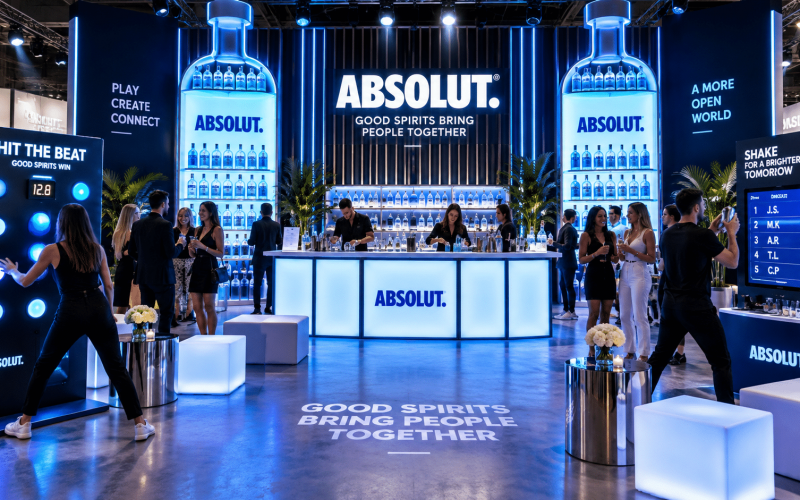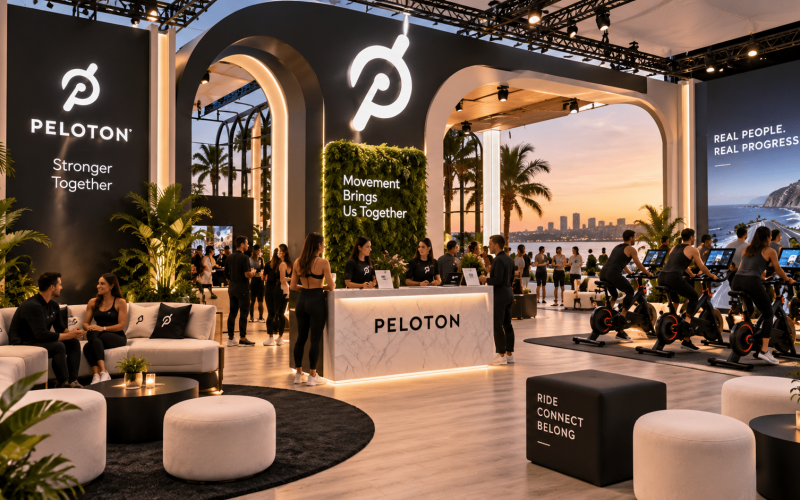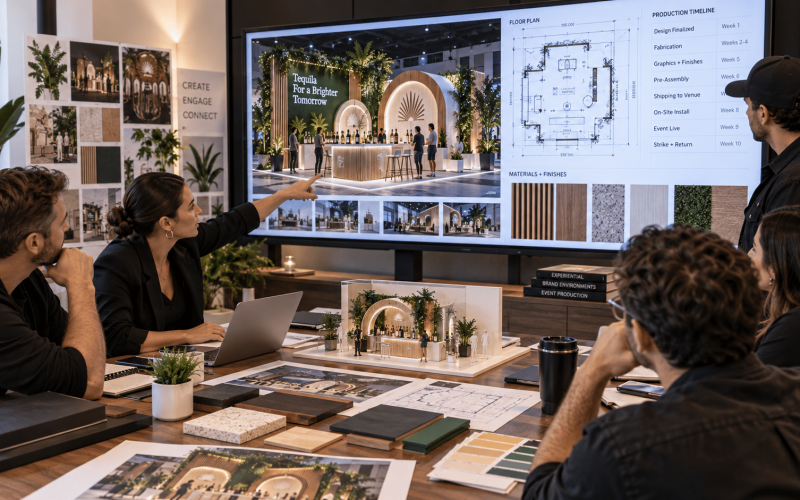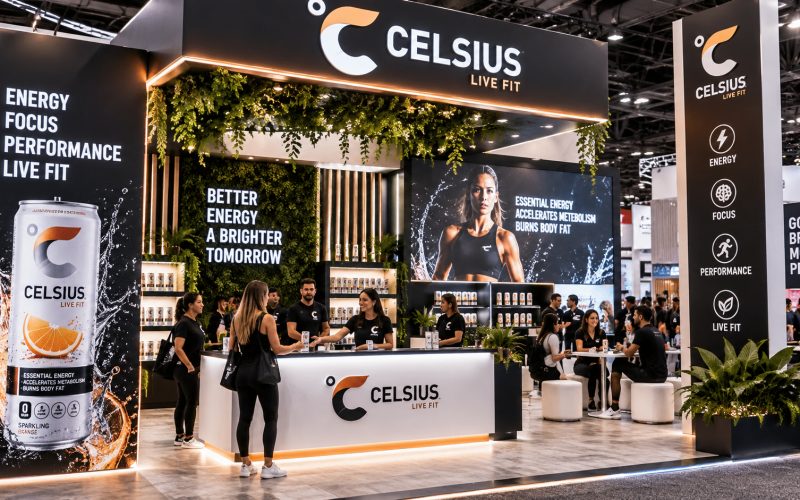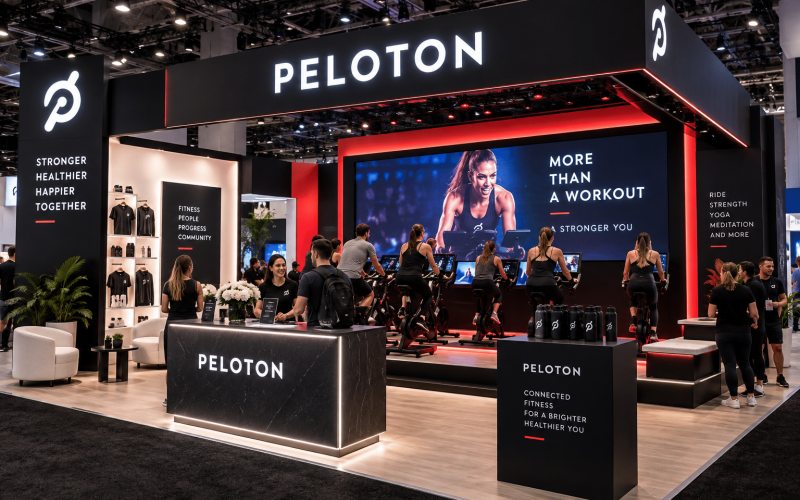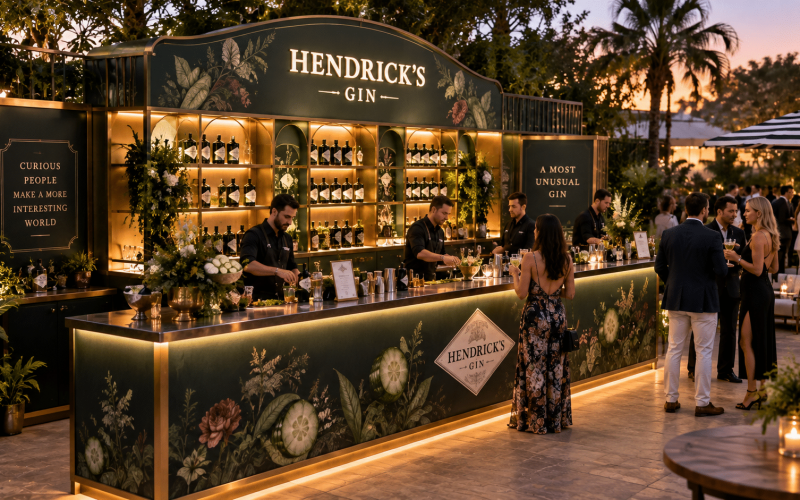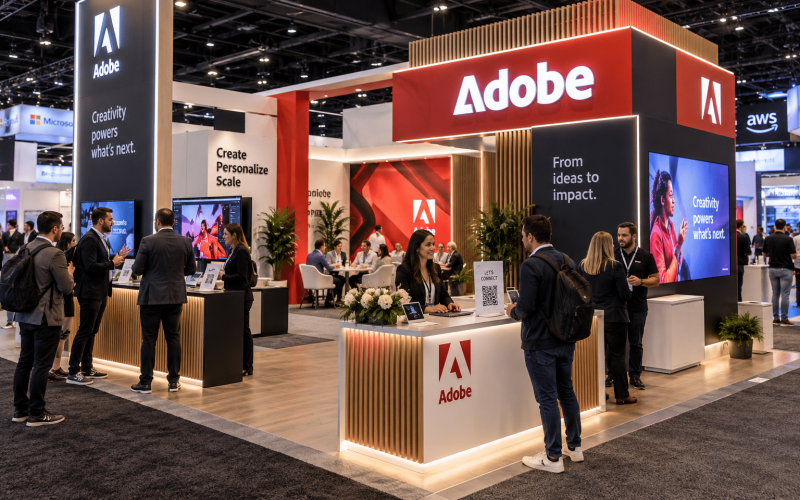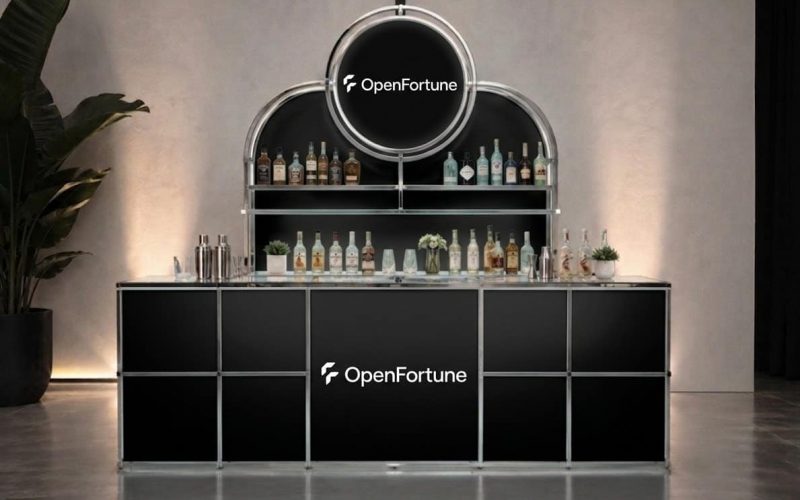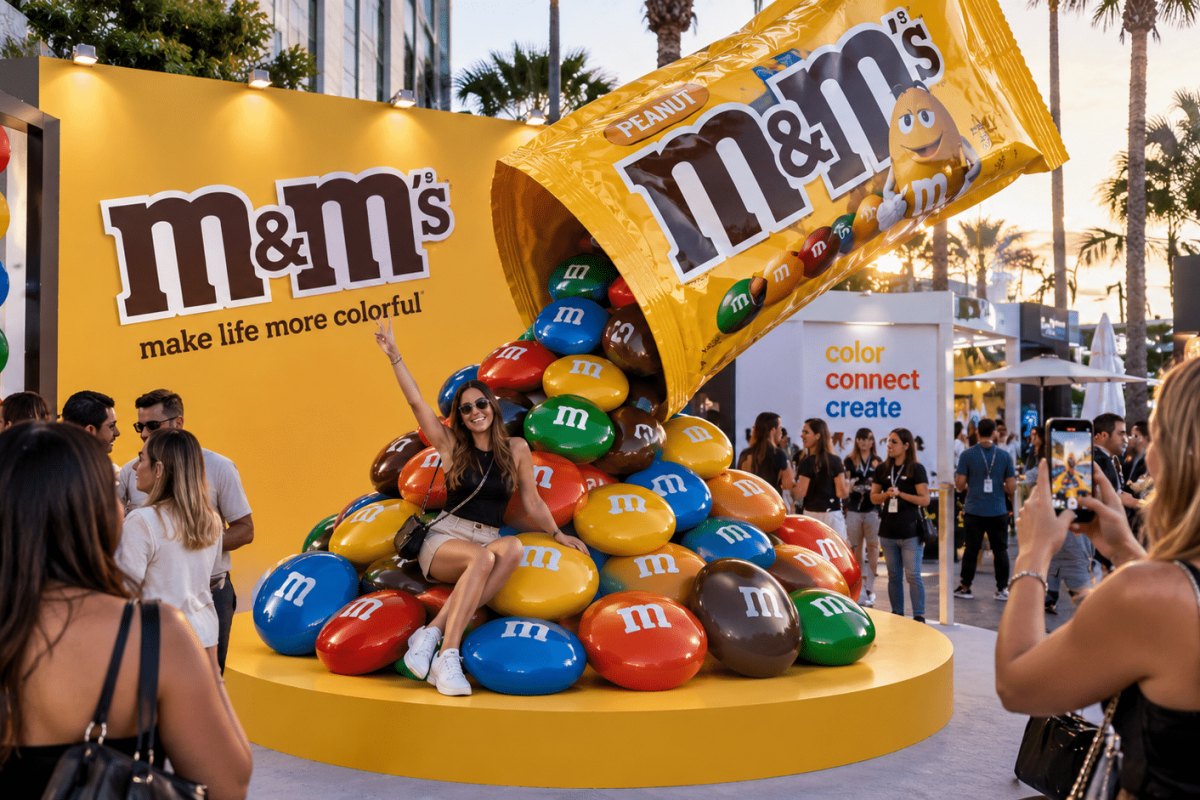
A crowded event floor gives attendees hundreds of reasons to keep walking. A memorable activation gives them one compelling reason to stop, participate, and talk about it after they leave. That is the practical answer to what makes a brand activation memorable: it creates a branded moment that is easy to enter, worthwhile to experience, and difficult to confuse with anyone else’s.
For marketing teams and agencies, memorability is not just a creative objective. It affects dwell time, lead quality, social sharing, product consideration, and the value of every square foot of an event footprint. The strongest activations connect a clear campaign idea to a physical environment that works under real event conditions.
What Makes a Brand Activation Memorable?
Memorable activations combine strategic clarity with sensory impact and operational discipline. A striking set piece can pull people in, but it will not carry an experience that has no purpose. Conversely, a smart campaign message can disappear if the environment does not give people a reason to engage.
The goal is not to add more features. It is to make every element reinforce one clear takeaway: what the brand stands for, what it wants the audience to feel, and what it wants them to do next. When the concept, interaction, custom fabrication, staffing, and follow-up all support that takeaway, the activation feels intentional rather than assembled.
Start with one audience-facing idea
An activation needs a simple premise attendees can understand in seconds. At a trade show, that might be a hands-on product demonstration that proves a performance claim. At a consumer pop-up, it could be a personalized experience that turns a product benefit into something guests can see, touch, or take home.
This premise should answer a practical question for the attendee: Why should I spend time here? “Take a photo” is rarely enough on its own. “See your custom design become a physical product,” “test your skill against the product,” or “build a version that fits your routine” gives participation a clearer reward.
The message does not have to explain the entire brand. In fact, trying to communicate every product feature, campaign line, and brand value often weakens the experience. Select the single idea that matters most for this audience and event, then build around it.
Make the Brand Physical, Not Merely Visible
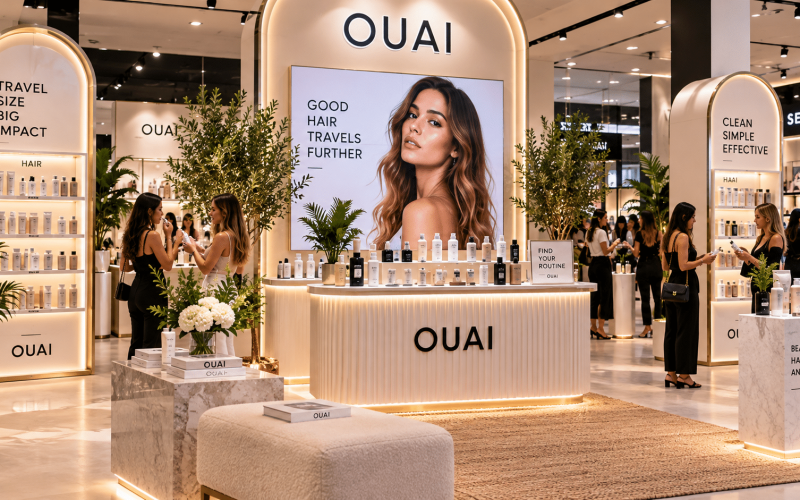
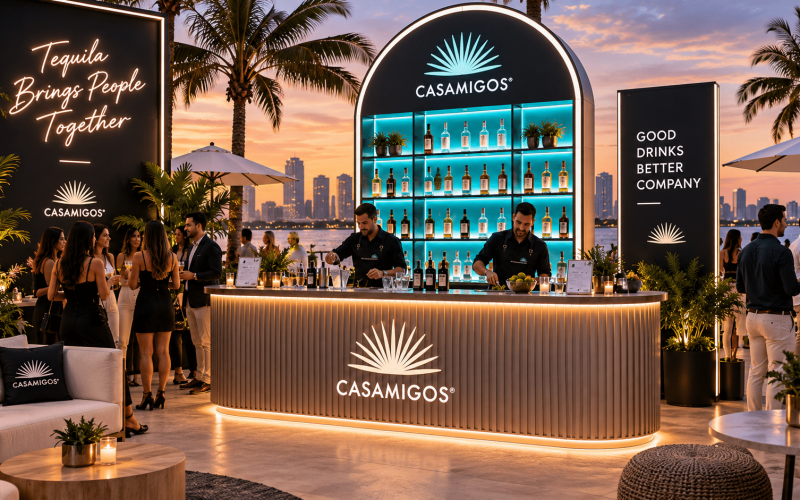
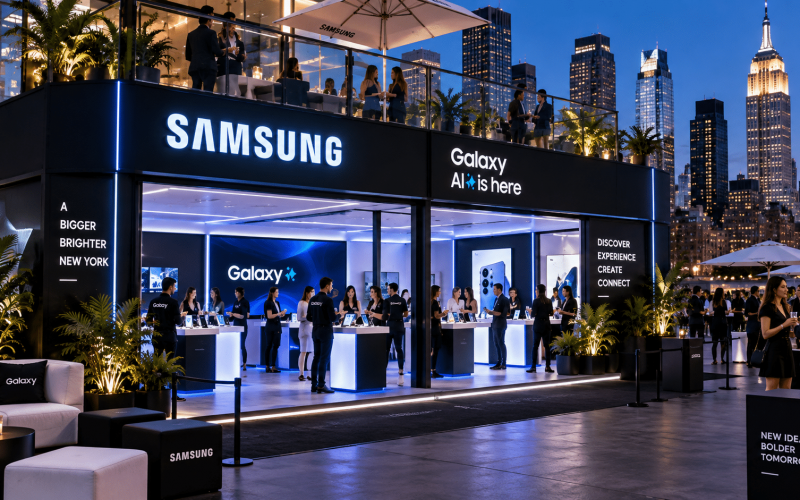
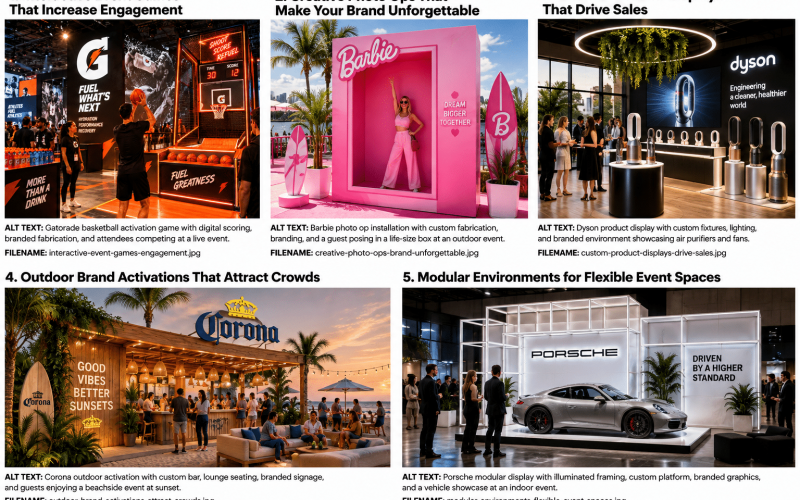
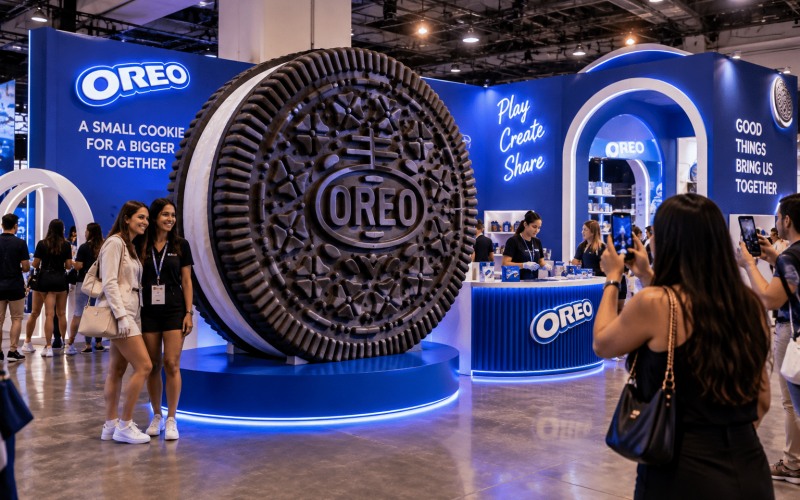
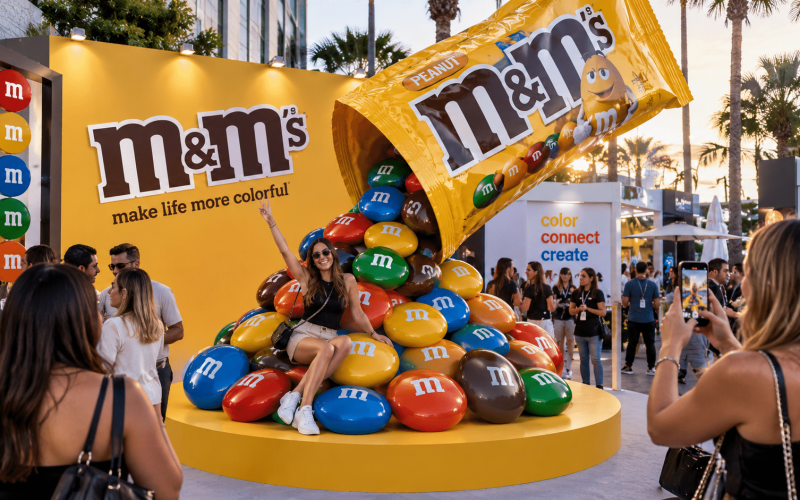
Logo placement matters, but a logo is not an experience. People remember the physical evidence of an idea: the oversized product they could walk through, the custom game that made a product benefit tangible, the lounge that felt like the brand’s point of view brought to life.
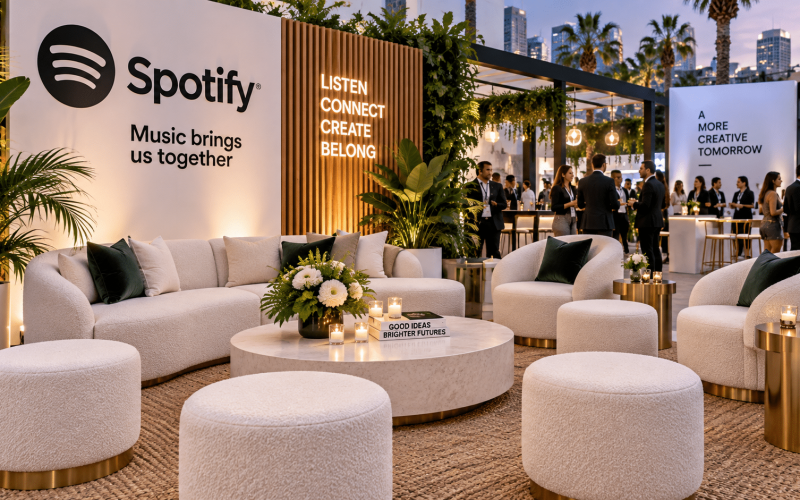
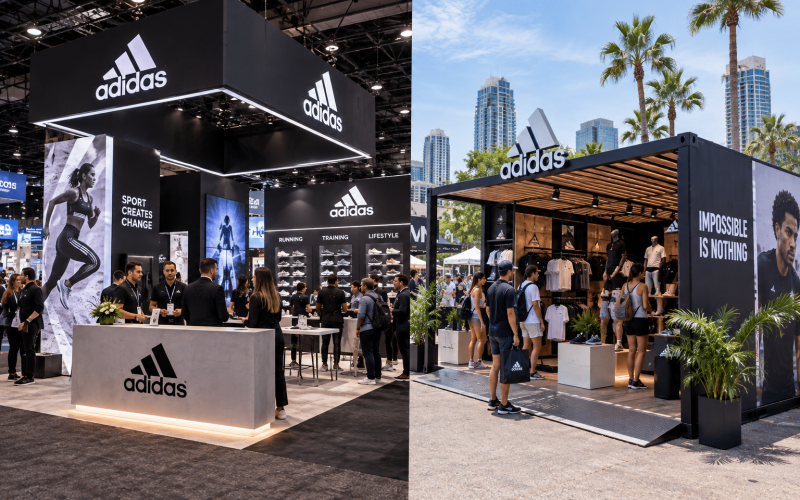
That is where fabrication choices carry strategic weight. Materials, scale, finish, color, lighting, and furniture all signal something before a brand ambassador says a word. A premium product may require refined finishes, controlled lighting, and a composed guest flow. A high-energy consumer campaign may need bold color blocks, interactive stations, and durable surfaces designed for constant turnover.
The important test is whether the environment would still feel connected to the brand if the logos were removed. If the answer is no, the design may be relying on graphics instead of brand expression.
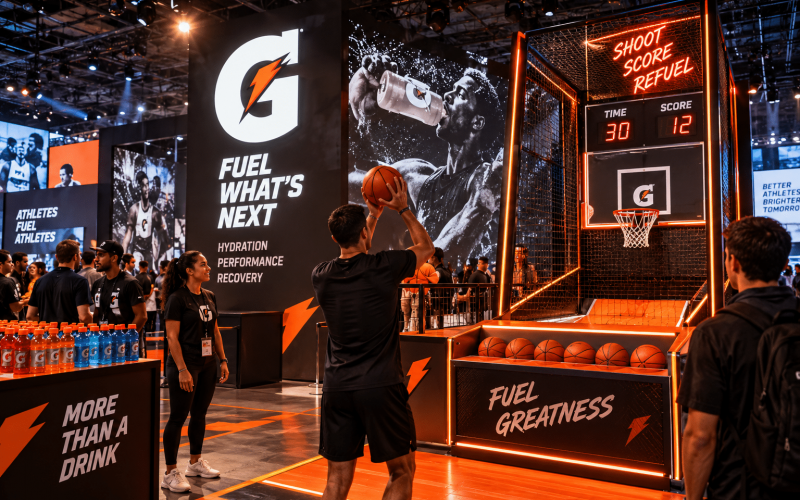
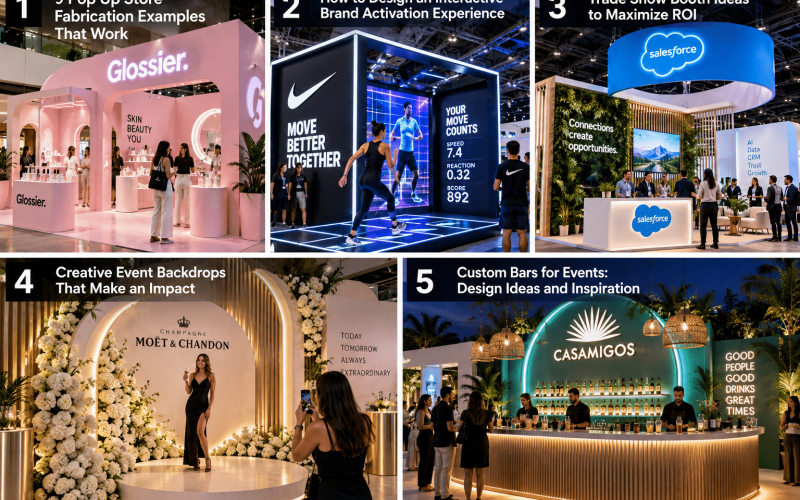
Custom products are especially useful when a standard rental item cannot communicate the intended concept. A fabricated feature wall, demonstration counter, prize game, dimensional product replica, or branded seating element can make an activation recognizable from across the venue while serving a functional purpose on the floor.
Design for participation, not observation
The most effective activations give attendees an active role. They make a choice, test a skill, create something, compare results, or contribute to a shared outcome. Participation creates a stronger memory because the attendee is not simply looking at the brand. They are doing something with it.
The interaction should be intuitive. If guests need a lengthy explanation, multiple waivers, or several steps before the payoff, participation will drop during busy periods. Event environments reward clarity. A person passing by should be able to identify the activity, see other people enjoying it, and understand how to join.
There is a trade-off here. More complex interactions can create deeper conversations and better-qualified leads, particularly in B2B settings. But they also reduce throughput. For a trade show booth with a narrow target audience, a guided product consultation may be the right choice. For a high-volume public activation, a fast game or short challenge may produce better reach. Design the experience around the outcome being measured, not around novelty alone.
Give People a Reason to Share, Then Earn the Share
Social content is valuable when it extends a genuinely good in-person moment. It is less valuable when guests are asked to post before they have experienced anything worth posting.
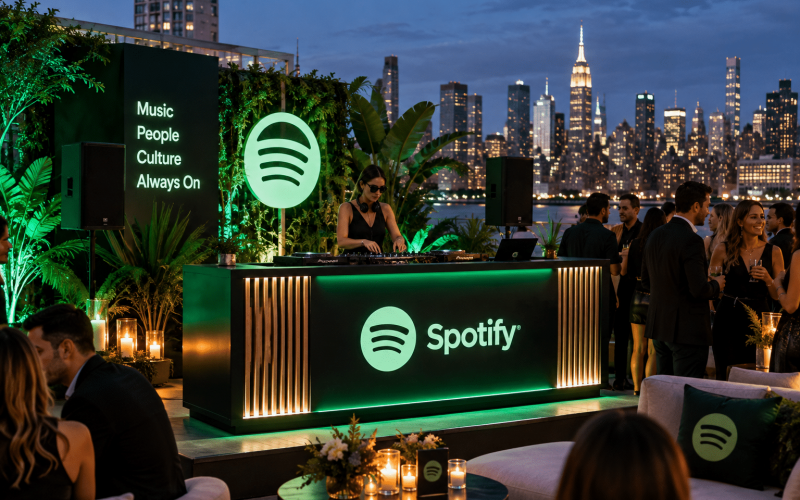
Shareable activations usually include a clear visual focal point, a personal result, or a surprising reveal. A photo moment can work, but it should be more than a branded backdrop. Consider what makes the image meaningful to the participant: a customized output, an impressive physical scale, a playful challenge result, or a setting that cannot be recreated elsewhere.
Build content capture into the environment from the start. That includes sightlines, lighting, queue placement, power access, and enough space for guests to step in and out without blocking the experience. A beautiful fabrication that creates bottlenecks or photographs poorly under venue lighting can undermine the campaign’s reach.
Protect the Experience with Event-Ready Execution
Memorability is often lost in the operational details. A custom installation that arrives late, an interactive element that fails after an hour, or a check-in area that creates a long queue can become the part attendees remember instead.
Fabrication for live events requires more than an attractive render. Components need to be durable, transportable, installable, and appropriate for the venue. The design team must account for loading access, assembly time, electrical needs, safety requirements, storage, reset procedures, and the pace of guest use.
Modularity is particularly valuable for campaigns that travel or need to adapt to different footprints. A system of branded walls, counters, shelving, games, and furniture can be configured for a major trade show, a retail pop-up, or a smaller regional event without losing visual consistency. Rental components can also be a practical choice when they support the concept and protect the budget for the custom elements that audiences will notice most.
Early collaboration between creative, production, and event operations prevents expensive late-stage compromises. The question is not simply whether a feature can be built. It is whether it can be built, delivered, installed, operated, and removed reliably within the realities of the event.
Train Staff to Carry the Brand Moment Forward
Even the best physical environment needs people who can make it feel welcoming and useful. Brand ambassadors and booth staff should know the purpose of the activation, the ideal guest journey, and the right way to transition a fun interaction into a relevant conversation.
Staffing should match the experience design. A self-guided photo opportunity may need only light support. A product demo, game, or personalized output may require dedicated operators to keep lines moving and maintain quality. When staff are underprepared or spread too thin, guests hesitate, equipment sits idle, and the intended brand story becomes inconsistent.
It also helps to define how leads will be handled before the event begins. If the activation collects contact information, the value exchange should be clear and the process should not interrupt the experience. A guest should feel that providing information is part of receiving something useful, not the price of entering the space.
Measure the Memory You Intend to Create
A memorable activation should be assessed beyond foot traffic. Attendance is useful, but it does not reveal whether people understood the message or whether the experience affected future behavior.
Choose metrics that reflect the activation’s specific job. For awareness, that may include dwell time, interactions completed, content captured, or post-event recall. For lead generation, it may include qualified conversations, demo requests, appointments, and follow-up conversion. For product education, measure completion rates, product trials, staff feedback, and the questions guests ask most often.
Qualitative observations matter as well. Watch where people pause, where lines form, which features attract cameras, and when guests leave without engaging. These details reveal whether the physical design and interaction are doing their work. They also make the next activation more effective than the last.
A memorable brand activation is built when the creative idea survives contact with the event floor. Make the audience benefit obvious, make the brand tangible, and build every custom element for real use. When guests can participate without friction and leave with a clear impression, the experience has done more than attract attention – it has earned a place in memory.