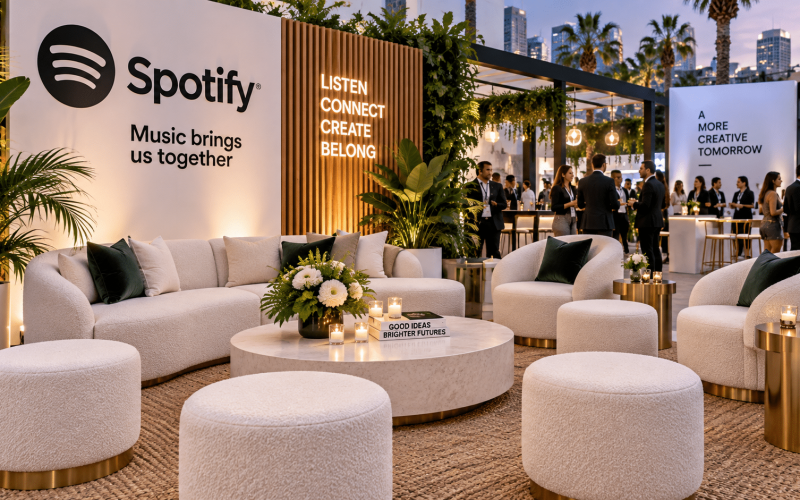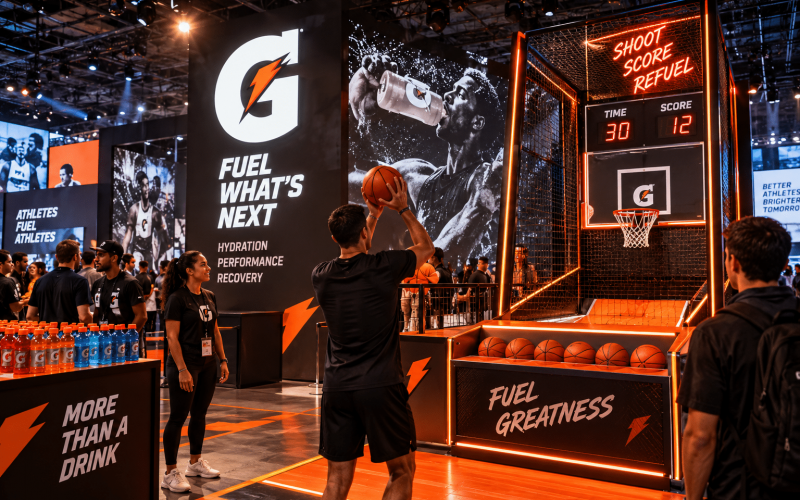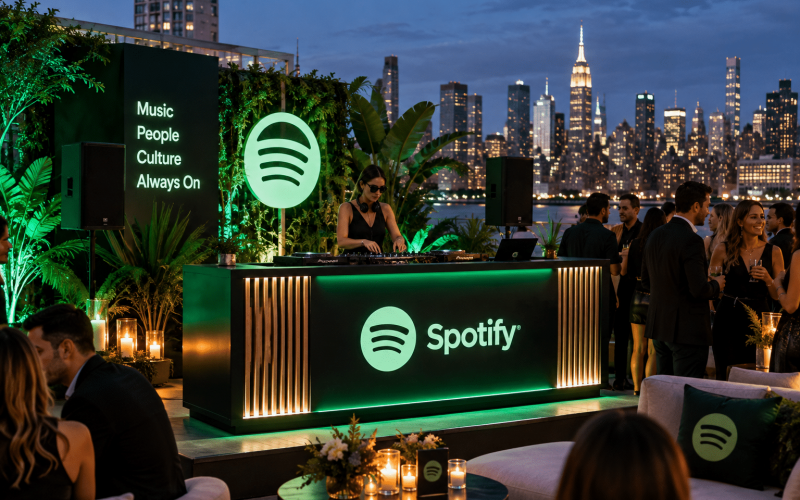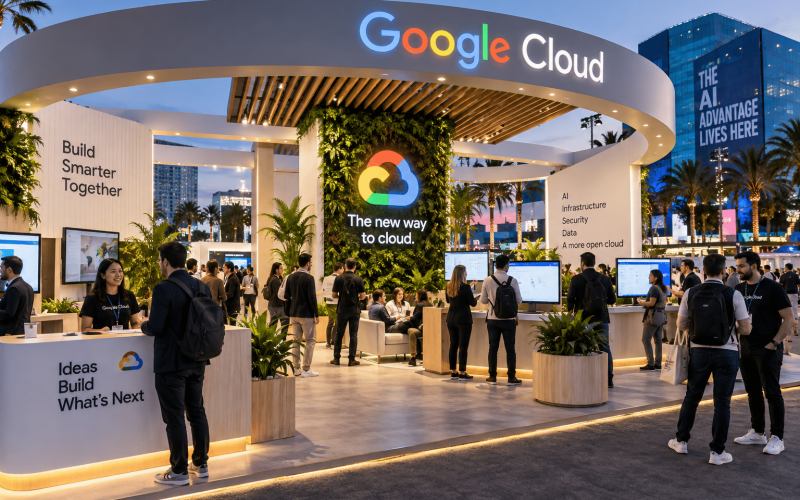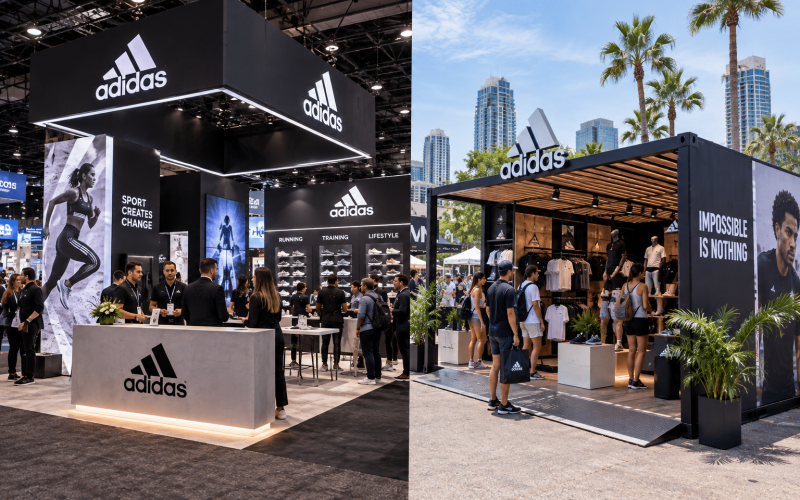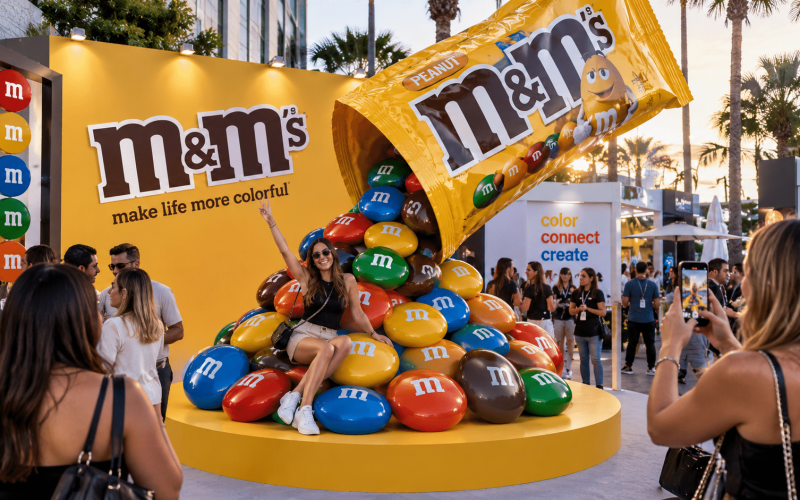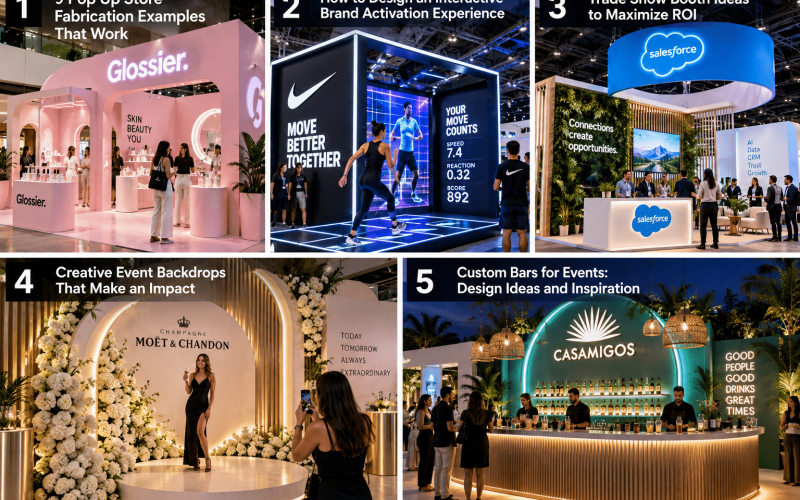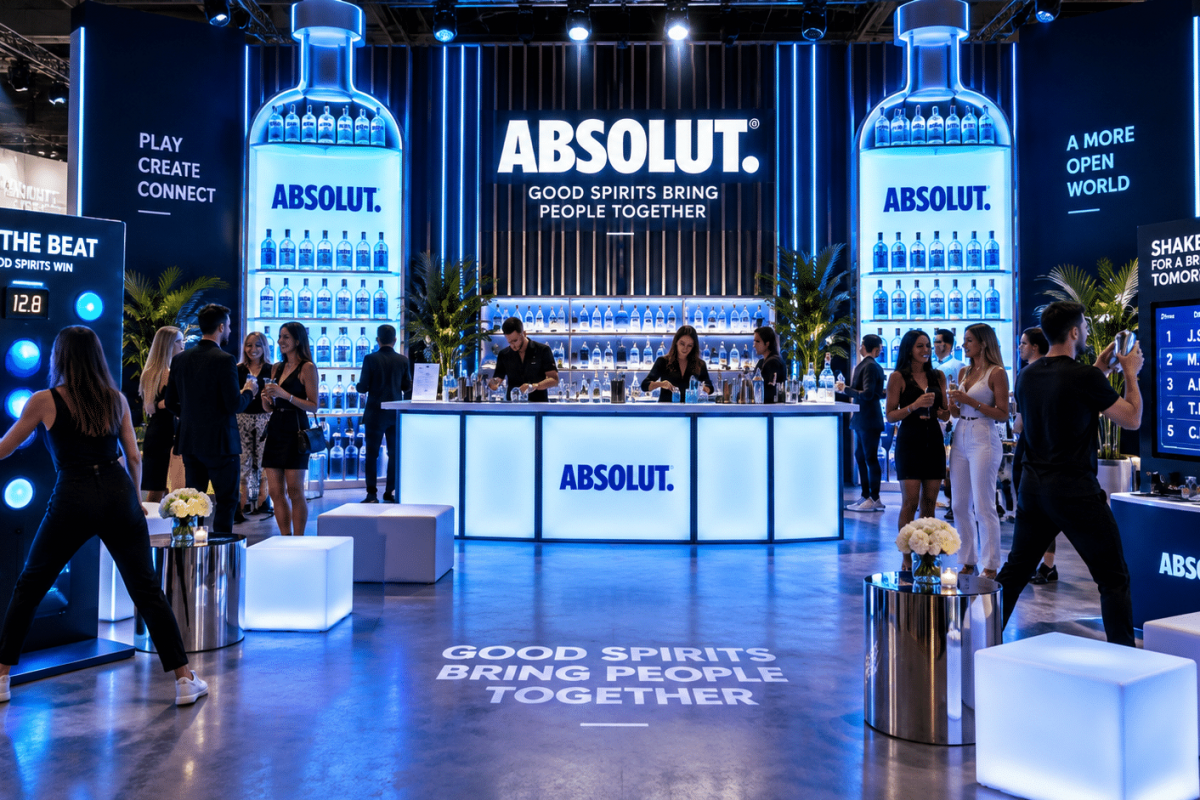
A crowded show floor does not reward the brand with the biggest backdrop. It rewards the brand that gives attendees a reason to stop, participate, and stay. Gamified event experiences create that reason by turning a passive branded environment into an activity with a clear action, a small challenge, and a memorable payoff.
For marketers and event producers, the opportunity is not simply adding a game to an activation. The work is designing an interaction that supports a campaign objective, fits the audience, and can operate reliably through hours of live traffic. The physical build matters as much as the concept. A game that looks compelling in a rendering but creates lines, confusion, or technical failures on site will not deliver the engagement the team planned for.
What Makes Gamified Event Experiences Work
The strongest gamified event experiences give people an immediate answer to one question: what do I do here? A visible goal, simple instructions, and an appealing reward reduce hesitation. Attendees should understand the basic mechanic from a few feet away, whether they are spinning for a prize, competing against a clock, testing product knowledge, or adding to a collaborative challenge.
Good games also create a useful exchange. The attendee gets entertainment, recognition, a prize, or a shareable moment. The brand earns dwell time, conversation, lead data, product education, social content, or a more favorable memory of the activation. If neither side receives clear value, the game can feel like a distraction rather than part of the experience.
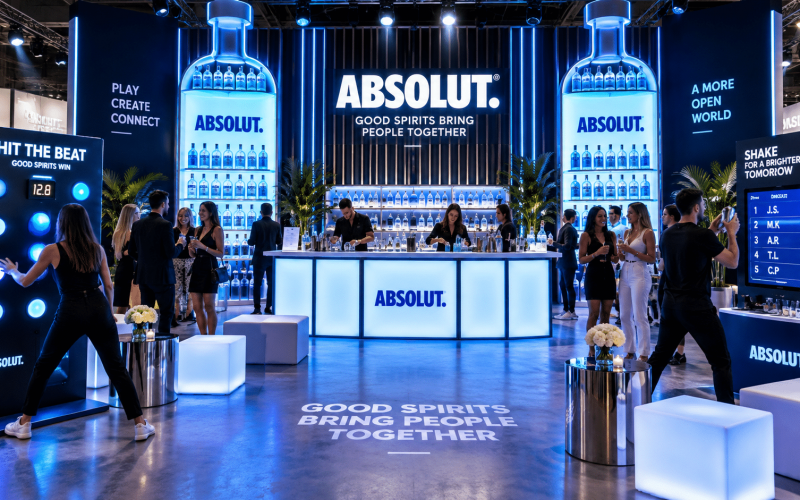
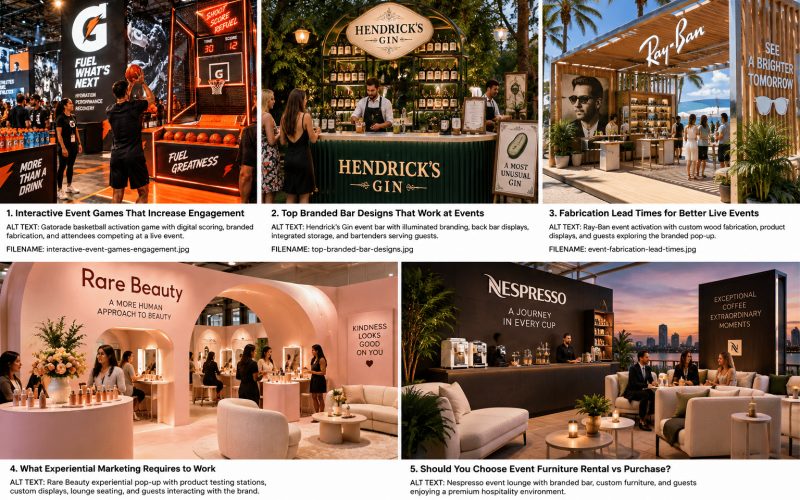
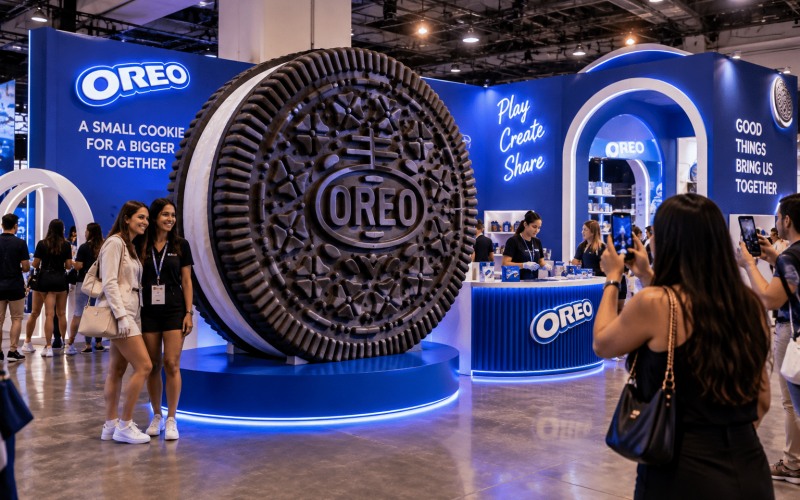
Physical presence is especially valuable in live marketing. A custom-built reaction wall, oversized tabletop game, branded prize claw machine, skill challenge, or digital leaderboard gives an activation visual weight. It creates a scene that communicates the idea before a brand ambassador says a word. That visibility can pull in attendees who were not initially looking for the brand.
The game must fit the brand, not compete with it
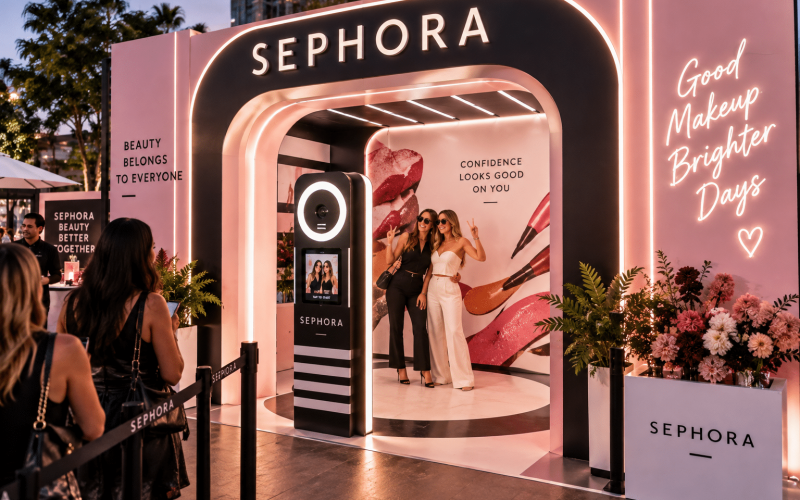
A generic wheel can generate traffic, but it may not communicate anything distinctive. The better approach is to build the game around a product benefit, brand behavior, campaign theme, or audience passion. A beverage brand might use a fast-paced flavor challenge. A technology company might turn product features into a team-based mission. A beauty launch may use color matching, personalization, or a content-driven reveal.
That does not mean every interaction needs complicated storytelling. In many trade show booths, a 30-second game is more effective than a three-minute experience because attendees are managing packed schedules. At a consumer pop-up or festival, a longer challenge may be appropriate because the event itself encourages exploration. The right duration depends on traffic volume, staffing, and the depth of engagement the campaign needs.
Start With the Event Objective
Before selecting a game mechanic, define the outcome that matters most. This decision guides the build, footprint, staffing plan, and data strategy.
If the priority is attracting attention, choose a highly visible mechanic with movement, light, sound, or an oversized physical element. If the goal is lead generation, the game should create a natural moment to collect information without making entry feel like a form. For product education, the challenge should require participants to handle, compare, select, or learn about the product. If content creation is the goal, the game needs a strong visual finish, such as a winning reveal, a photo moment, or a displayed score.
Trying to achieve every objective at once can weaken the activation. A game designed to move 200 people per hour may not be the best place for a detailed sales conversation. A premium product demonstration may need fewer participants and more one-on-one support. Establish the primary measure of success early, then make trade-offs intentionally.
Design the attendee journey, not just the game
A game begins before the first play and ends after the prize is handed over. The attendee journey typically includes attraction, instruction, participation, result, reward, and follow-up. Each stage needs a physical and operational answer.
Can people see the activity from the aisle? Is there clear entry and exit flow? Can a brand ambassador explain the game in one sentence? Where does the line form without blocking neighboring exhibitors? Is the prize area separate from the play area? These questions are not minor production details. They determine whether a promising idea feels organized and welcoming or congested and frustrating.
Custom fabrication can solve many of these challenges. Branded counters can establish check-in points. Built-in shelving and concealed storage can keep prizes accessible but out of sight. Integrated screens, lighting, and signage can make instructions visible. Durable surfaces, secure mounting points, and replaceable components help the unit withstand repeat play across a long event day.
Choose a Mechanic That Can Handle Live Traffic
The best concept is not always the most complex one. Live events involve uneven internet access, limited setup windows, changing venue rules, and attendees with varying comfort levels around technology. A physical game with a straightforward digital layer can often offer the right balance of reliability and measurement.
Consider four operational factors before committing to a mechanic:
- Throughput: Estimate how long each player takes, including instructions, reset time, and prize fulfillment.
- Reset: Identify what must be cleaned, reloaded, recalibrated, or reset between players.
- Staffing: Determine whether the game needs one ambassador, a host and a technician, or a larger team during peak traffic.
- Accessibility: Make sure the experience can be approached and enjoyed by a broad range of attendees, with clear instructions and practical physical access.
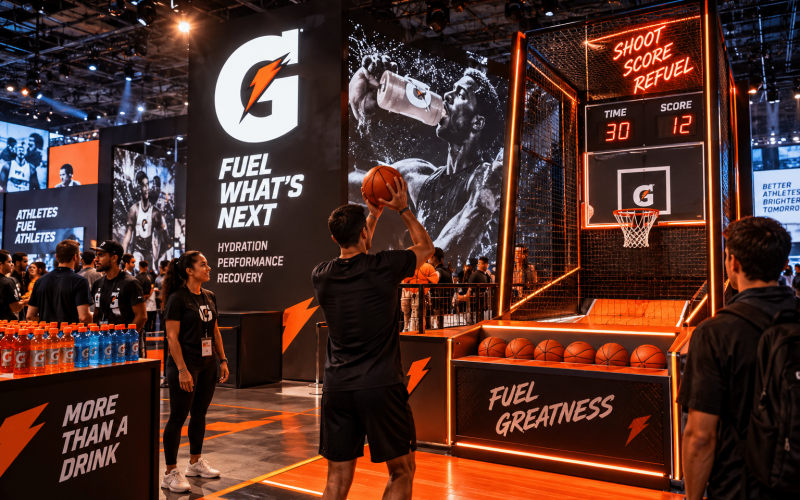
A timed challenge may create energy, but it needs a visible countdown, an efficient reset, and enough room for observers. A prize crane can draw a crowd, but prize sizing, replenishment, and game settings need careful planning. Digital trivia supports lead capture and content updates, but it requires a reliable power plan and a contingency for device or connectivity issues.
Fabrication decisions should support these realities. For example, a modular game enclosure can simplify transport and installation while maintaining a polished branded exterior. Lockable access panels allow staff to reach equipment quickly. Components designed for breakdown and replacement reduce risk when an activation is traveling to multiple markets.
Build for Brand Impact and Durability
A game can be functional without looking like it belongs to the brand. At an activation, that is a missed opportunity. Color, scale, material finishes, graphics, lighting, and the shape of the game itself should reinforce the campaign’s visual system.
This is where event-focused fabrication has a direct effect on results. A custom product can be engineered around the exact interaction rather than forcing the concept into an off-the-shelf display. The result may be an oversized branded controller, a sculptural game board, a custom vending-style prize unit, or a furniture-based challenge that also supports the overall event environment.
Durability should be part of the creative brief. High-touch surfaces, moving mechanisms, and mounted technology need to withstand repeated use. Materials should be selected for the venue and run of show, not just for appearance in a proposal. A one-day indoor trade show has different demands than a multi-city outdoor tour. Storage, shipping, assembly, and eventual reuse should influence design choices from the beginning.
Portadecor approaches these projects as fabricated event assets, where the visual concept and the real-world operating conditions have to work together. That fabrication-first perspective is valuable when a campaign needs a one-of-a-kind interaction that still has to arrive, install, perform, and pack down on schedule.
Measure More Than Foot Traffic
Gamification can produce useful event data, but only when measurement is planned before the build. Total plays and total leads are useful starting points, yet they do not tell the full story. Compare participation with dwell time, completion rate, prize redemption, qualified conversations, social content created, and post-event follow-up activity.
A simple score-based game can show which questions participants miss most often, revealing gaps in product understanding. A choice-based interaction can indicate preferences. A leaderboard can encourage repeat visits, although it may also concentrate attention around a smaller group of highly competitive players. Use the data point only when it helps the campaign. Asking for too much information can reduce participation and damage the experience.
Staff observations matter too. Brand ambassadors can identify where instructions caused hesitation, which prizes motivated action, and whether people watched but did not participate. Those insights make the next market or next event stronger, especially for touring activations.
Avoid the Common Failure Points
The most common mistake is treating the game as a standalone attraction. Without a clear connection to the product or campaign, attendees may remember the prize but not the brand. The second is underestimating throughput. Long lines can signal popularity, but they can also prevent qualified prospects from participating.
Another frequent problem is building too late. Custom elements require time for engineering, fabrication, finishes, testing, packing, and revisions. Bringing a fabrication partner into the concept phase gives the team more options to balance creative ambition, budget, shipping constraints, and venue requirements before those issues become expensive.
A well-planned game does not need to be complicated to be effective. Give attendees a clear reason to play, give staff an experience they can run confidently, and give the brand a physical interaction that could not be replicated by a banner or a screen. That is where an event game earns its footprint.