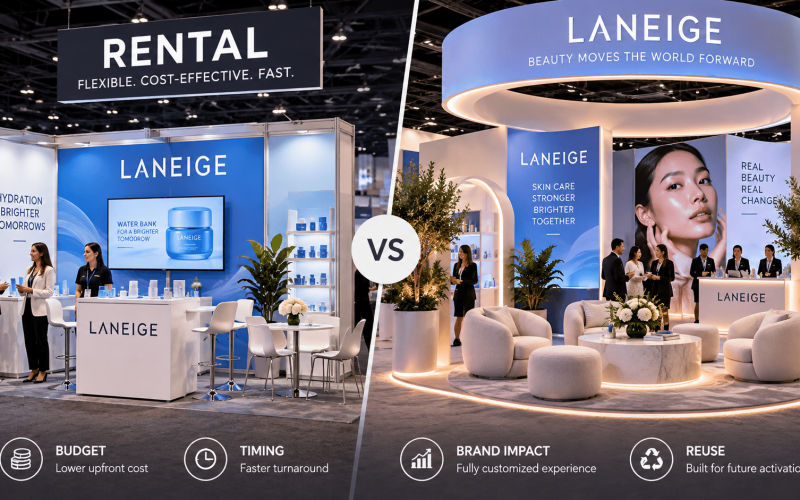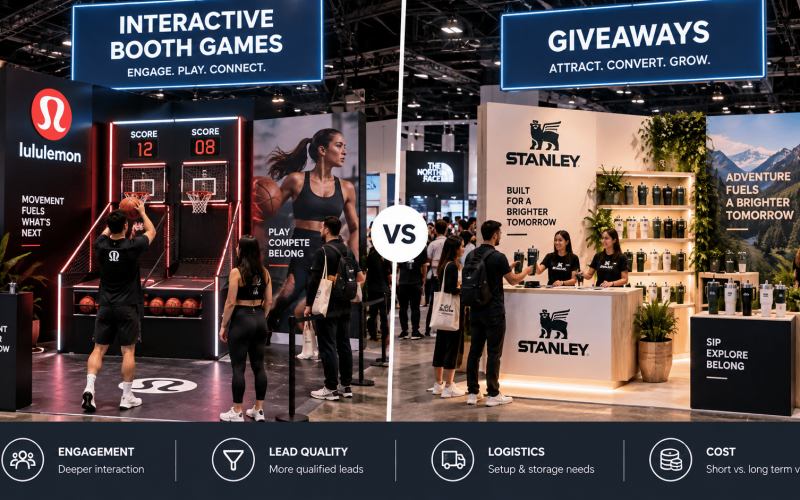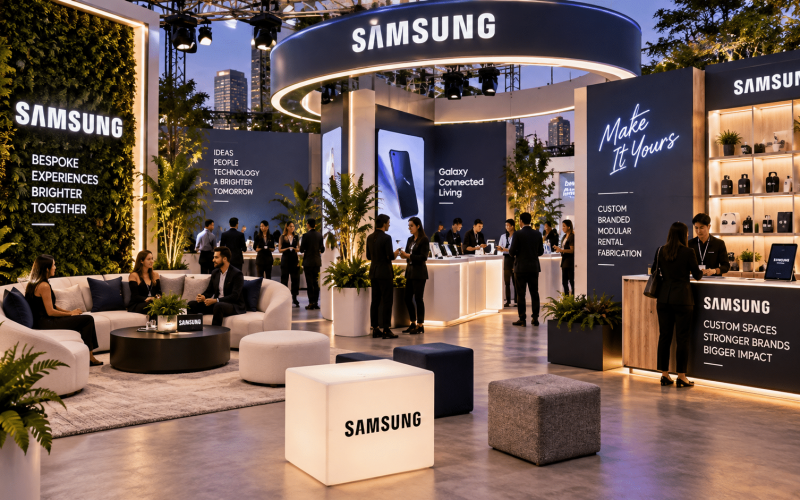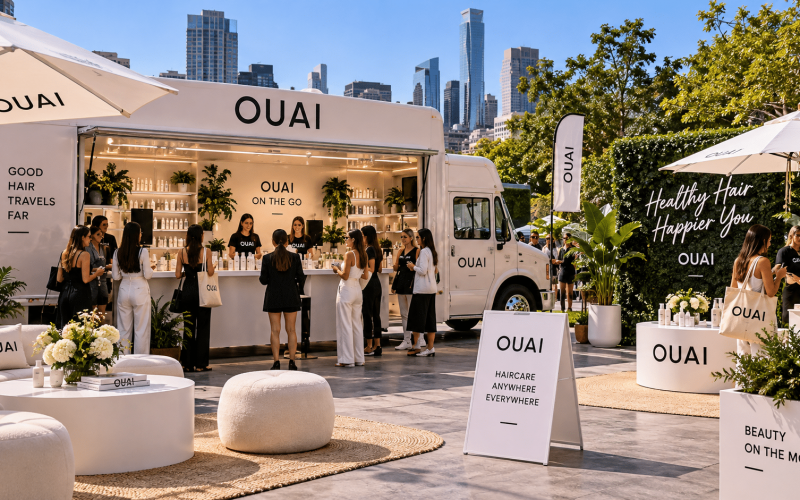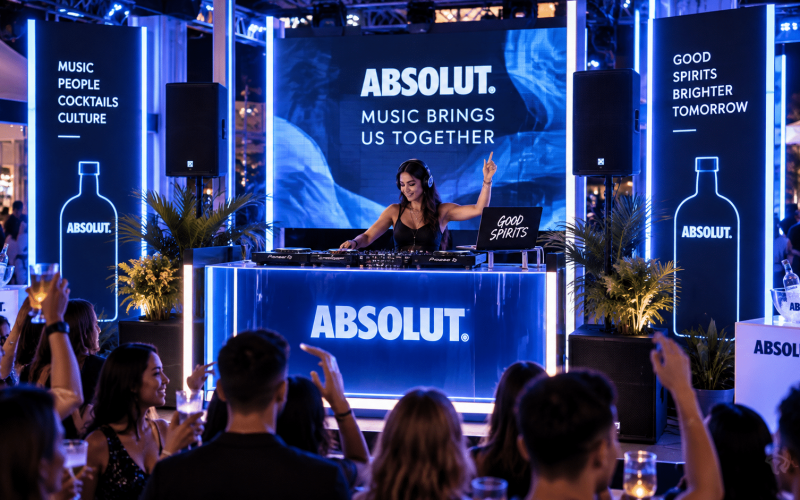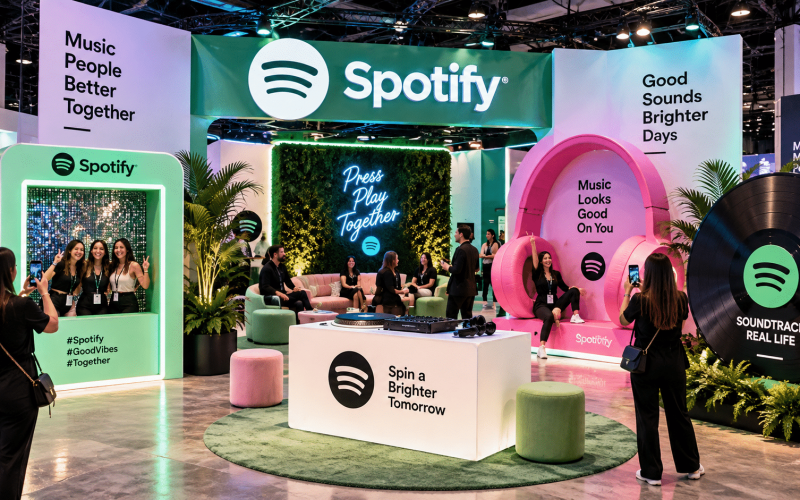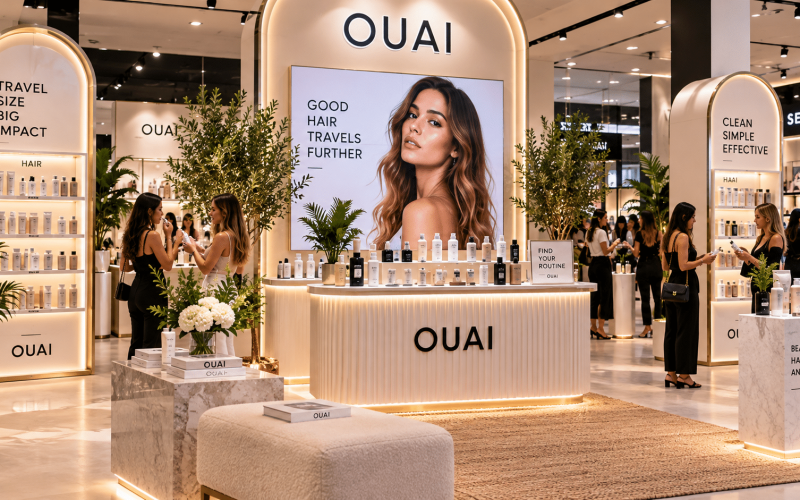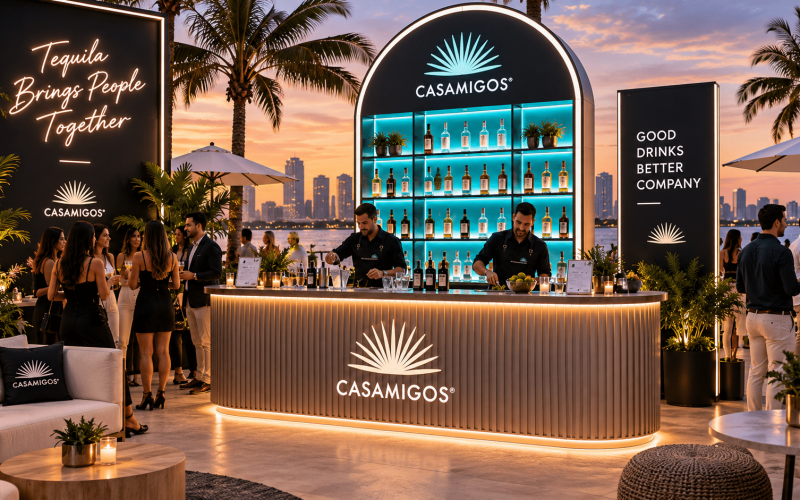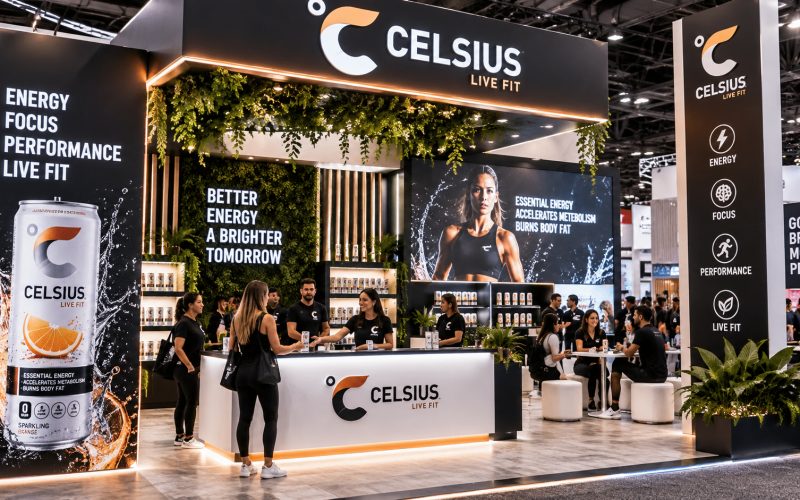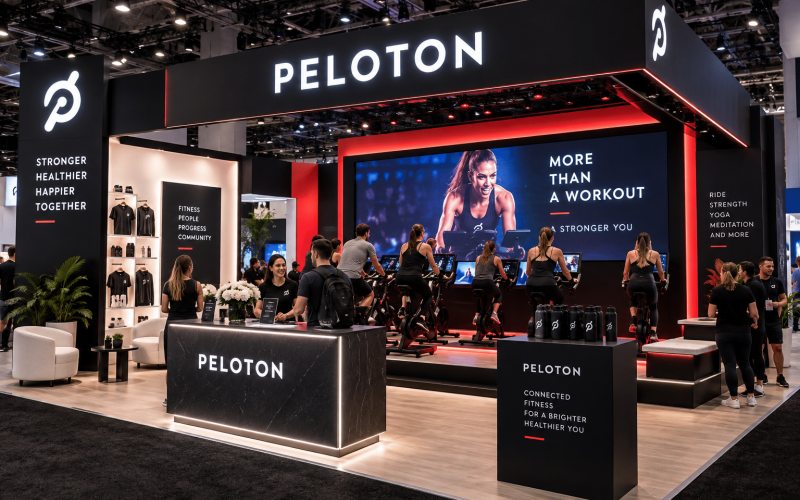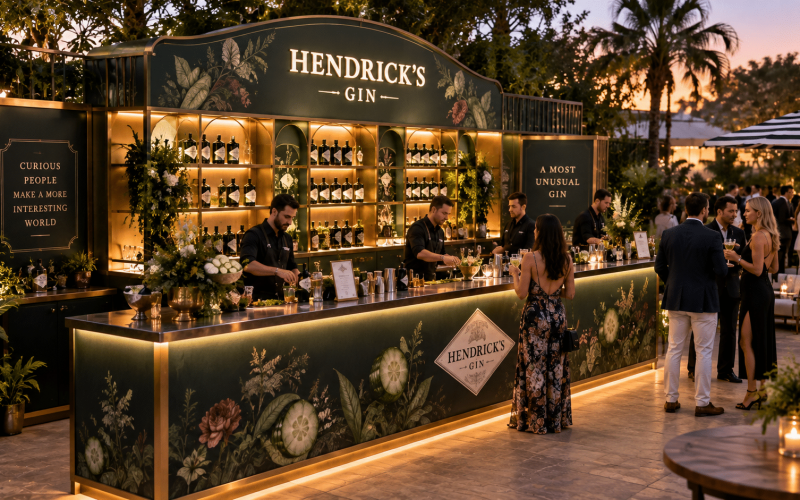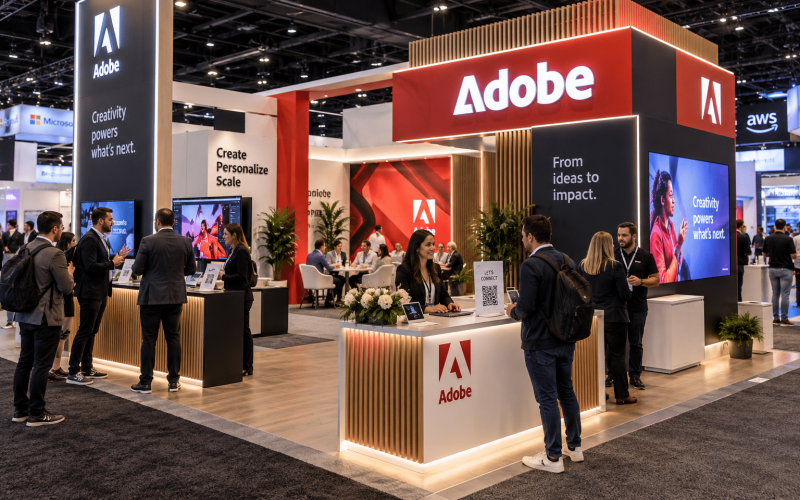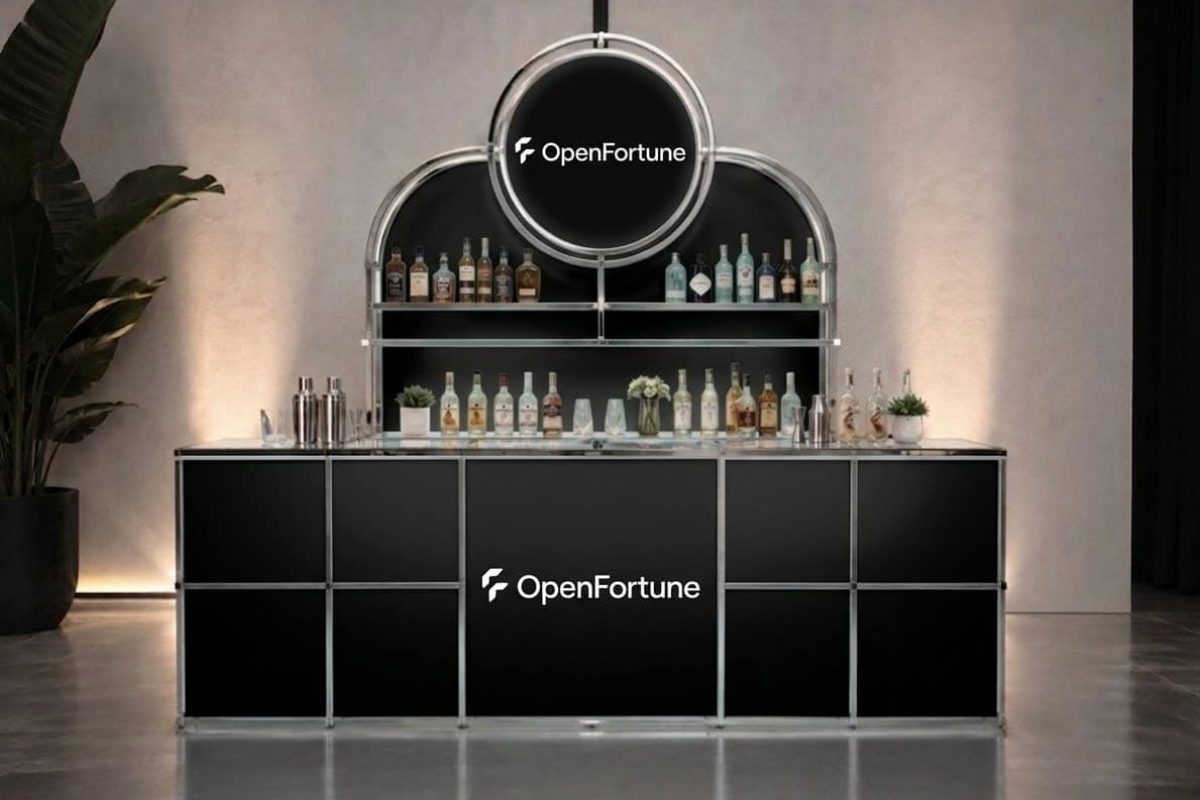
A concept can look finished in a deck weeks before it is ready for an event floor. Fabrication lead times are the bridge between that approved rendering and a durable, branded physical environment that arrives ready to install. For brand teams, agencies, and event producers, understanding that bridge is one of the clearest ways to protect creative quality, budget, and launch dates.
Custom event builds rarely move in a straight line. A trade show booth may require engineering adjustments after venue rules are confirmed. An activation game may need a new mechanism after testing. A branded lounge can change significantly when finishes, seating comfort, freight access, and guest traffic are considered together. The most reliable production schedule accounts for those decisions before the clock becomes the primary decision-maker.
What Determines Fabrication Lead Times?
Fabrication lead time is not simply the number of days a shop needs to build an item. It includes the full sequence required to take a concept from a workable design to an event-ready asset: scope review, design development, engineering, material sourcing, fabrication, finishing, quality control, packing, freight, and installation planning where applicable.
The level of customization has the largest effect. A standard rental component with branded graphics can often move quickly because its dimensions, structural behavior, and production method are already known. A fully custom product – such as a sculptural product display, an interactive game, or a multi-room brand activation – requires more discovery before production can begin. That early planning is not delay for its own sake. It is how the fabrication team confirms that the build can be manufactured, transported, assembled, and used safely in a live environment.
Material selection also matters. Common substrates such as plywood, aluminum framing, acrylic, laminate, vinyl, and printed graphics may be readily available, but availability changes by supplier, finish, thickness, and quantity. Specialty lighting, custom metalwork, molded components, electronics, and uncommon paint colors can introduce longer procurement windows. A design that depends on a single specialty component should have a documented backup plan before fabrication starts.
Complexity adds time in less obvious ways. A large scenic wall may be faster to build than a smaller interactive unit if the wall uses straightforward construction and the interactive unit requires sensors, programming, power management, and user testing. Likewise, a booth with repeated modular elements can be efficient to fabricate, while a booth with many unique shapes, finishes, and connection points demands more labor and coordination.
A Realistic Production Timeline for Custom Event Builds
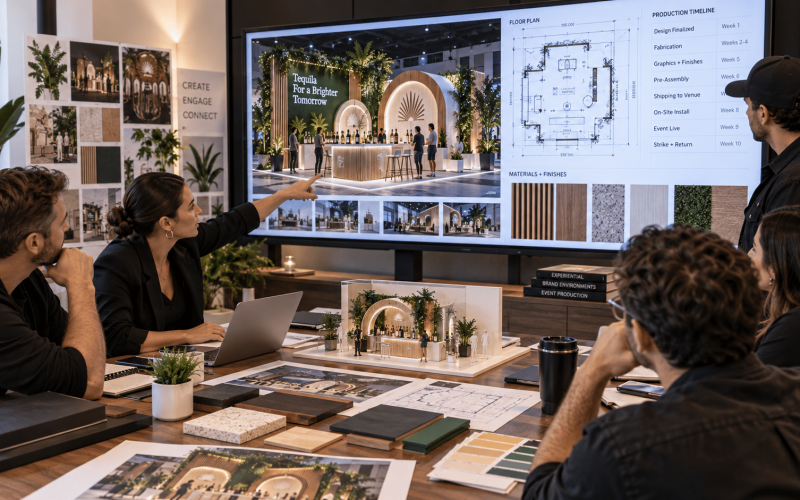
There is no universal lead time for custom fabrication, but most successful projects follow a predictable rhythm. The first phase is design confirmation. During this period, the fabrication partner reviews dimensions, intended use, materials, branding, venue restrictions, shipping requirements, and installation conditions. If the project includes interactive elements, this is also the time to define the guest experience and test technical assumptions.
Next comes engineering and sourcing. Fabricators translate the approved concept into production-ready drawings, cut files, material orders, hardware specifications, and assembly plans. This phase prevents expensive surprises later. A design may be visually strong but require changes if it cannot fit through a loading dock, meet a height restriction, support its own weight, or pack efficiently for shipping.
The shop phase includes cutting, welding, carpentry, CNC work, assembly, finishing, graphics application, and integration of lighting or technology. Time is also needed between certain steps. Paint, adhesives, laminates, and coatings may need cure time. Graphics must be printed, proofed, and applied. Components often need to be built in sections, checked together, then disassembled for transport.
Finally, quality control and logistics turn a finished asset into an event deliverable. The team checks color, alignment, structural stability, functionality, branded details, packing protection, and labeling. For multi-part activations and trade show booths, a pre-build can confirm that every piece fits before it reaches the venue. That step is especially valuable when the installation window is short or the event is taking place across the country.
For a straightforward branded build, several weeks may be sufficient once artwork and specifications are final. More involved booths, custom furniture collections, touring activations, or interactive experiences often benefit from a longer runway. The right answer depends on scope, not just the event date.
Where Event Schedules Usually Lose Time
Most compressed schedules do not begin in the fabrication shop. They begin when a project enters production without final information. A concept can be approved creatively while key details remain open: exact footprint, artwork files, electrical needs, venue access, final product dimensions, storage plans, or the number of expected guests.
Late changes are sometimes necessary, particularly for campaigns tied to product launches or evolving brand direction. The issue is not that changes happen. The issue is whether the team understands their production impact. Changing a graphic panel may be relatively simple. Changing the dimensions of a finished structure can affect materials, engineering, graphics, packing, freight class, and installation labor.
Venue requirements are another common source of lost time. Fire-rated materials, height limits, hanging rules, union labor requirements, dock reservations, and access hours all shape how an activation or exhibit should be built. A fabrication partner should receive venue documentation early enough to build around actual site conditions rather than assumptions.
Freight should not be treated as the last line item. Large custom products require appropriate crating, handling plans, delivery appointments, and enough time to recover from carrier delays. If an asset must travel to multiple markets, the design should also consider durability, reassembly, replacement parts, and storage between events.
How to Shorten Lead Times Without Sacrificing the Build
The fastest path is not always the cheapest path, and the cheapest path is not always suitable for an event that represents a national brand. Speed comes from making decisions early and giving the fabrication team complete, usable information.
Start with a scope that separates must-haves from nice-to-haves. Identify the guest-facing moments that carry the brand experience: the hero display, the product interaction, the photo opportunity, or the central hospitality area. When timelines tighten, this helps the team preserve what guests will actually see and use rather than spreading resources across lower-impact details.
Bring fabricators into the design conversation before final creative approval. Early input can reveal opportunities to use modular construction, standard materials, readily available hardware, efficient shipping dimensions, or existing rental components. These choices can reduce production risk while preserving the intent of the concept.
A practical production brief should include at least the event date, venue location, footprint, approved brand assets, intended guest interaction, power requirements, installation schedule, shipping destination, and budget range. It should also identify who has authority to approve shop drawings, color samples, and change orders. Delays often come from waiting for feedback, not from fabrication itself.
When speed is critical, simplify strategically. A dimensional logo may replace a more elaborate sculptural feature. A high-impact graphic treatment can carry the brand across adaptable rental furniture. A single dependable interactive moment may produce better engagement than several unfinished or difficult-to-operate elements. These are not compromises when they are made deliberately. They are production decisions that protect the event experience.
Choosing the Right Lead-Time Strategy
Projects generally fall into three planning categories. A long-lead project gives the team room for full custom development, specialty materials, prototyping, and pre-build testing. This approach suits flagship activations, major trade show booths, and campaigns that will travel or repeat.
A standard lead-time project balances customization with proven construction methods. It may combine custom branded elements with rental inventory, modular structures, and established fabrication techniques. This is often a strong fit for regional events, launches, and trade show programs where visual impact matters but the production calendar is fixed.
A compressed project requires clear priorities and fast decisions. It can still be polished and brand-aligned, but it may rely more heavily on available materials, existing components, direct graphics, and simplified detailing. The best fabrication partners will explain what is feasible, what introduces risk, and what alternatives can protect the deadline.
Portadecor approaches custom products and event environments with this production reality in mind. The goal is not to promise an arbitrary turnaround. It is to build a plan that matches the creative ambition, event conditions, and operational demands of the program.
The most useful question is not simply, How fast can this be made? Ask what needs to be decided now so the finished experience performs exactly as intended when guests arrive. That question creates the time needed for better fabrication decisions – and a better event floor.