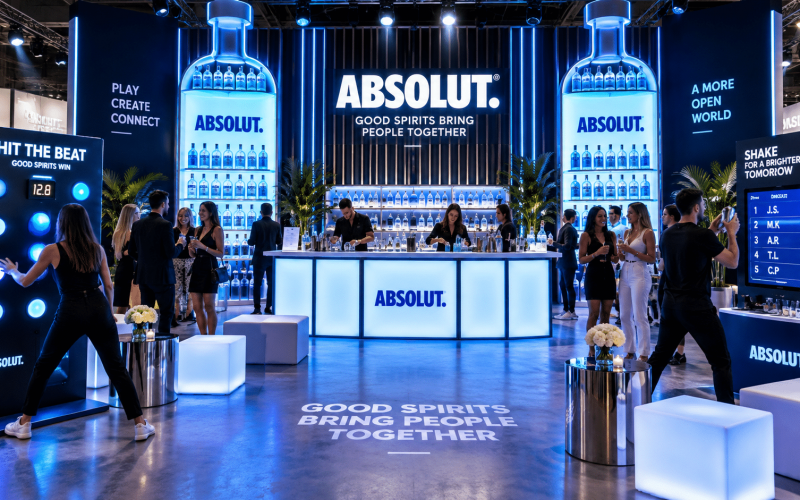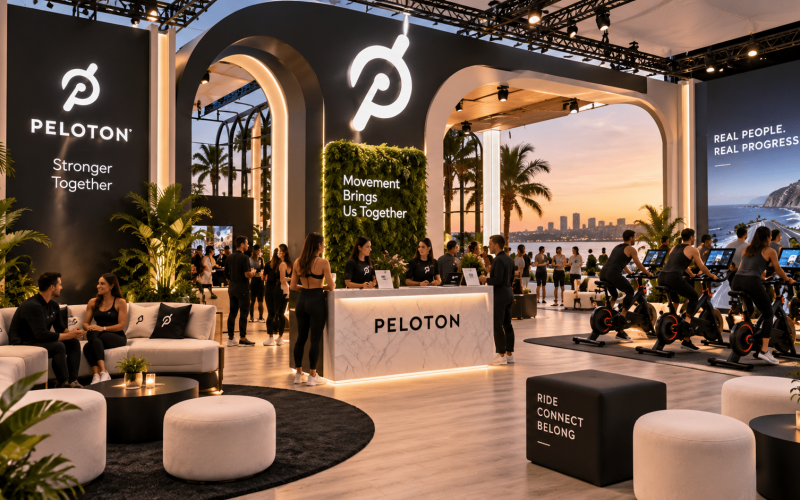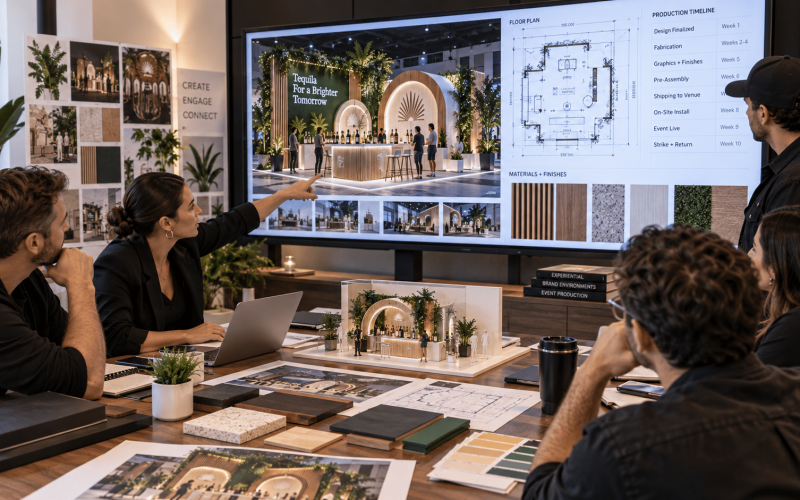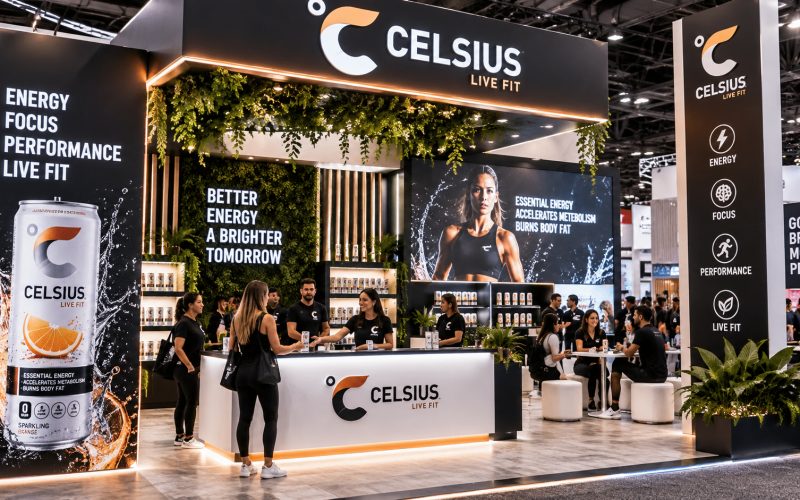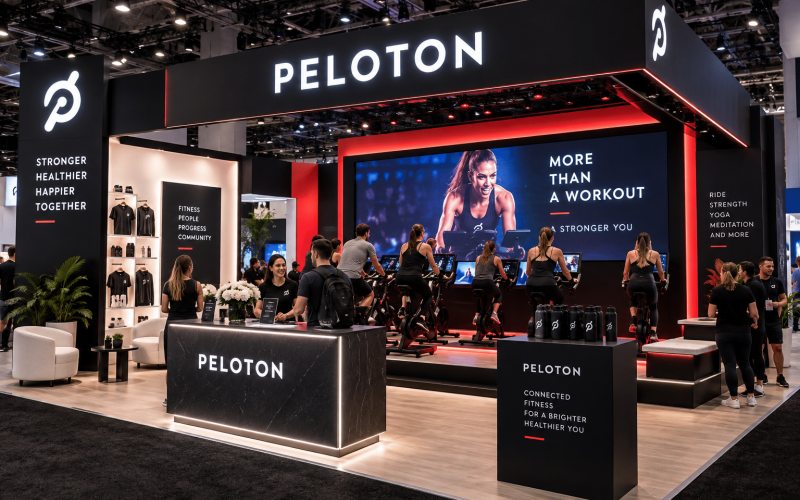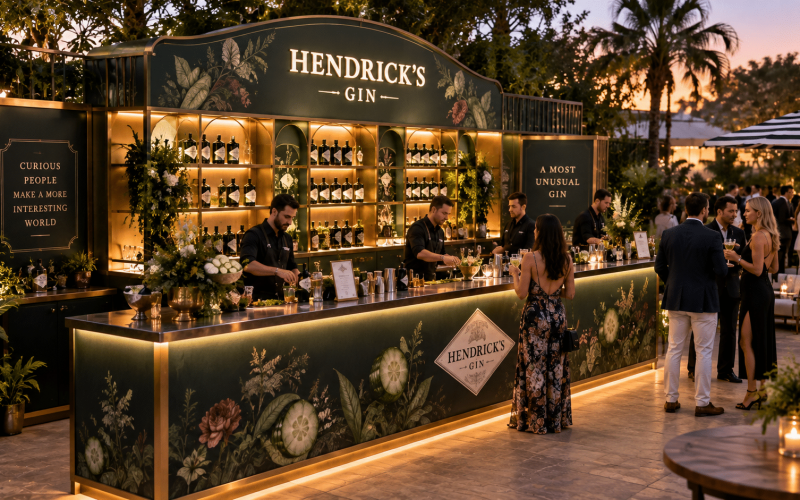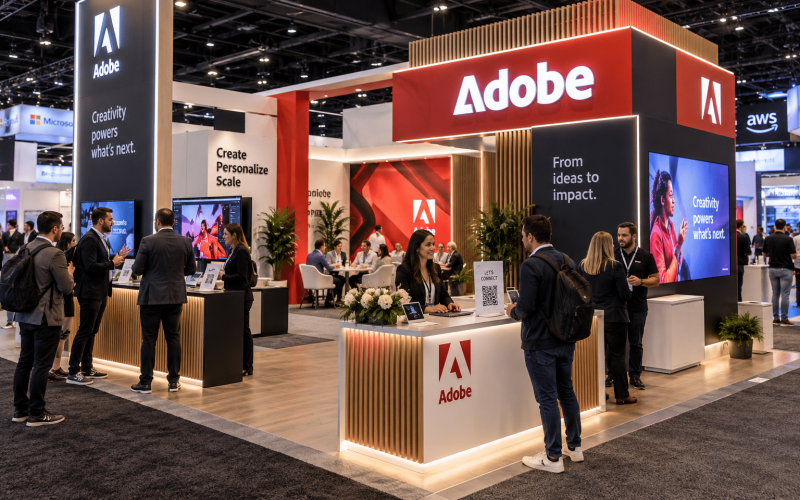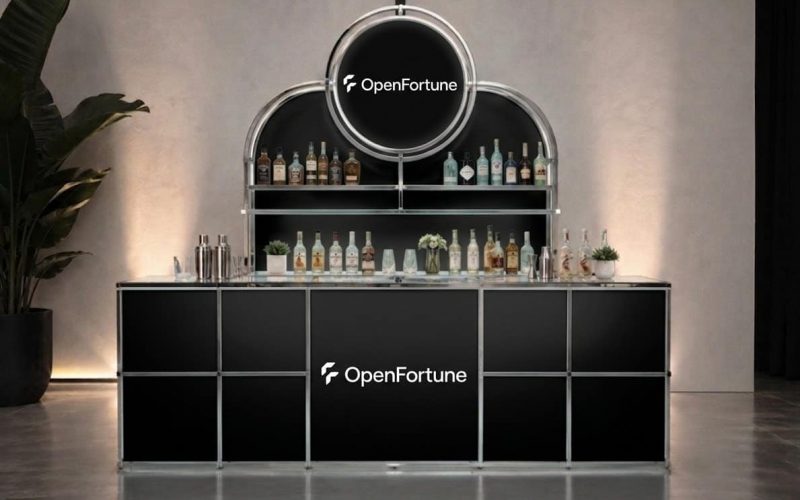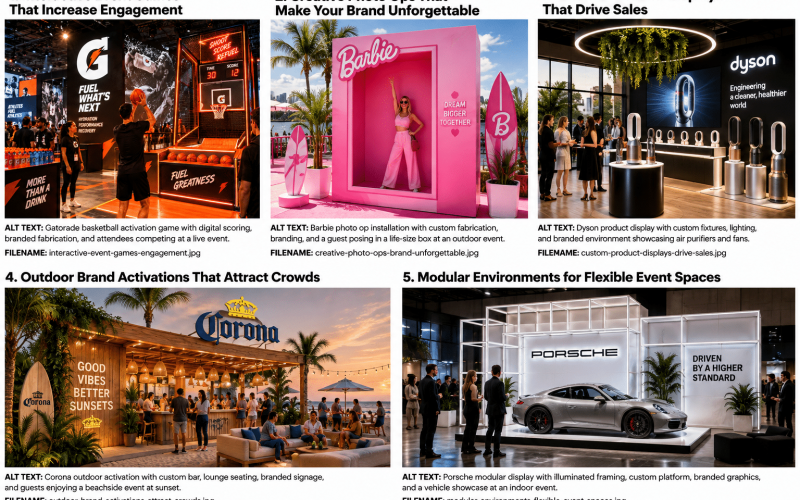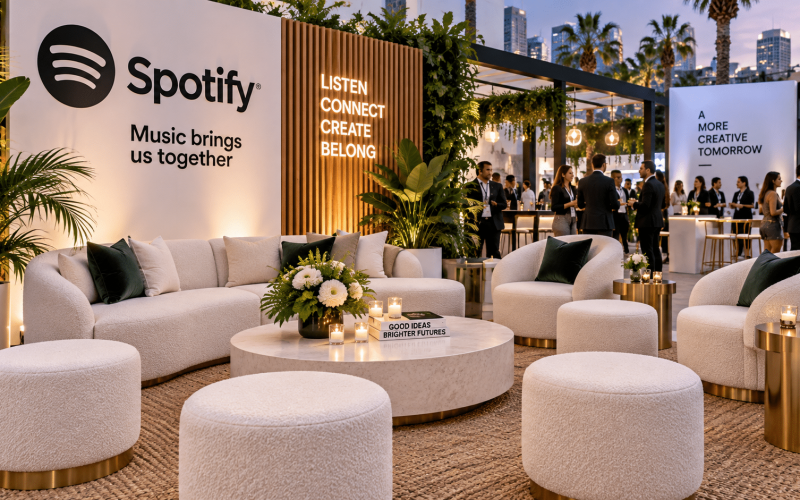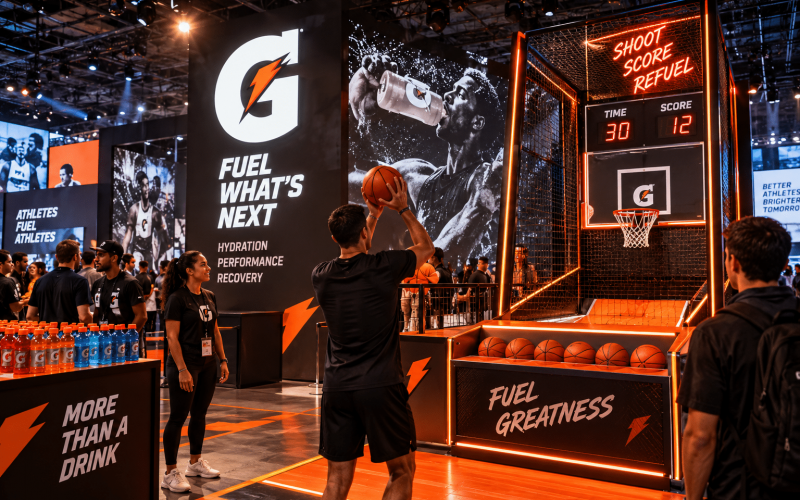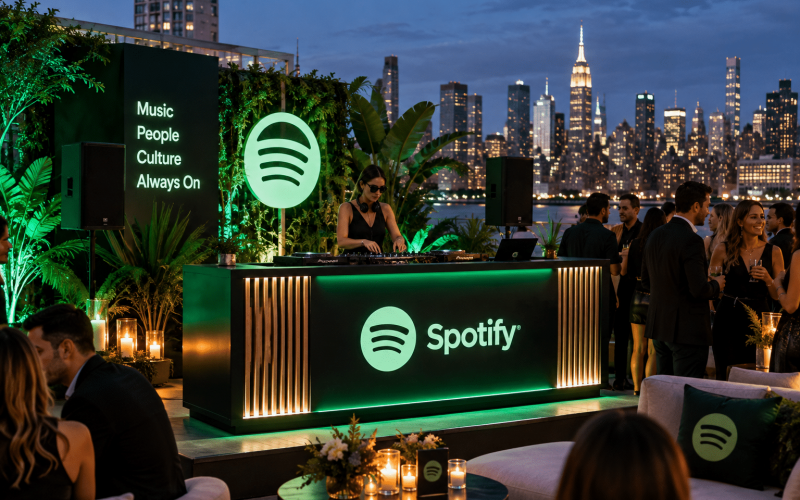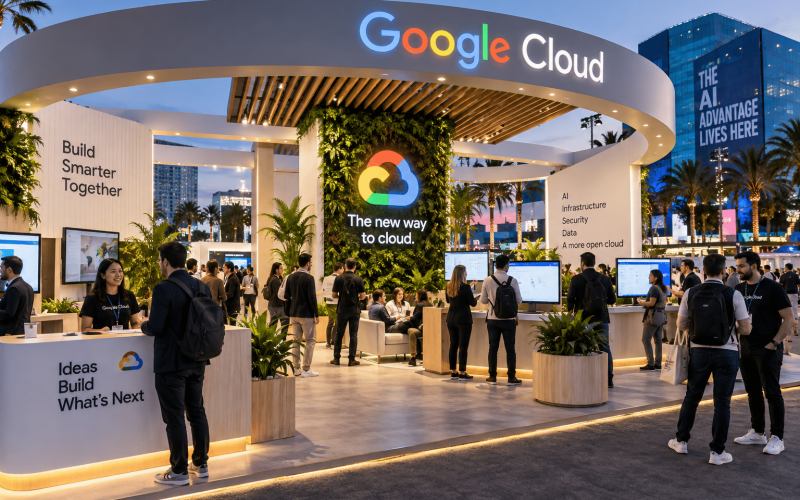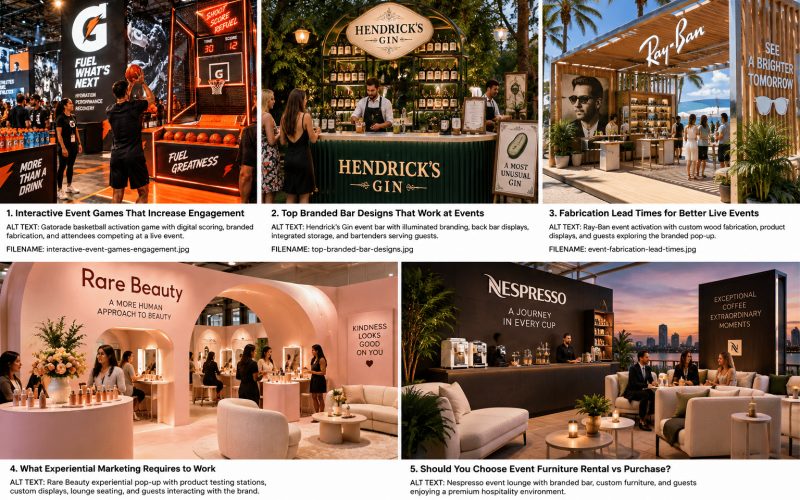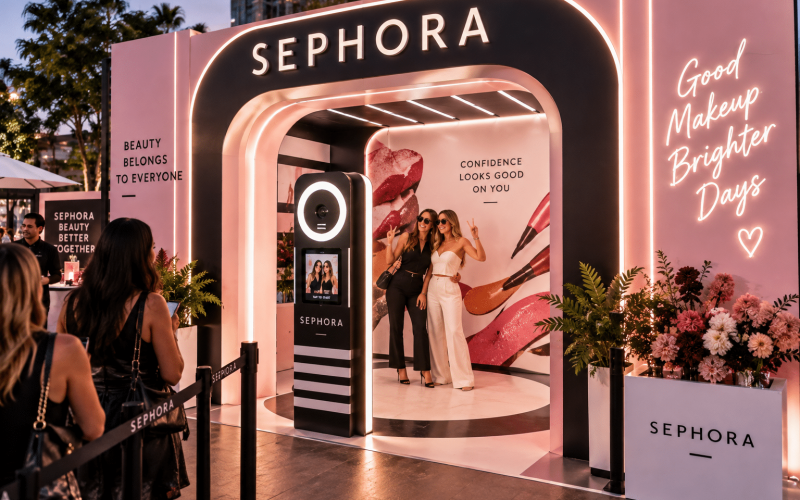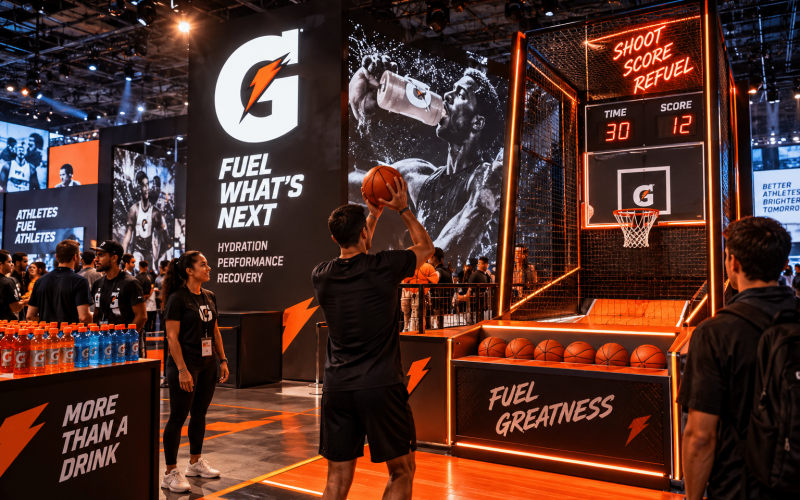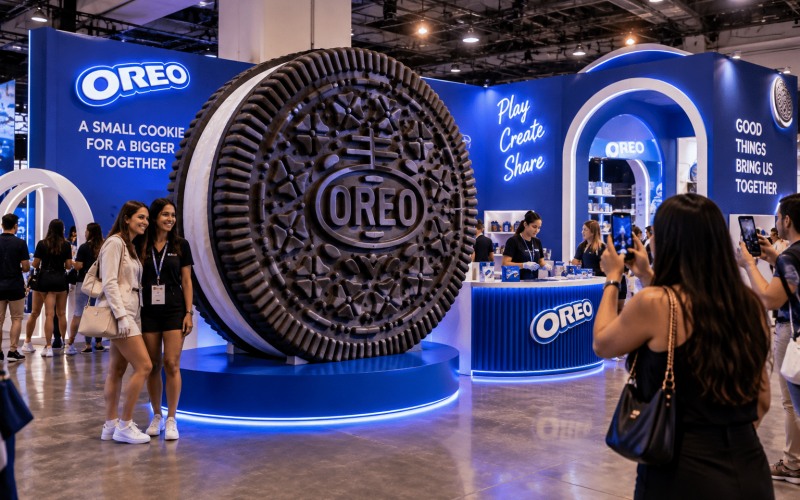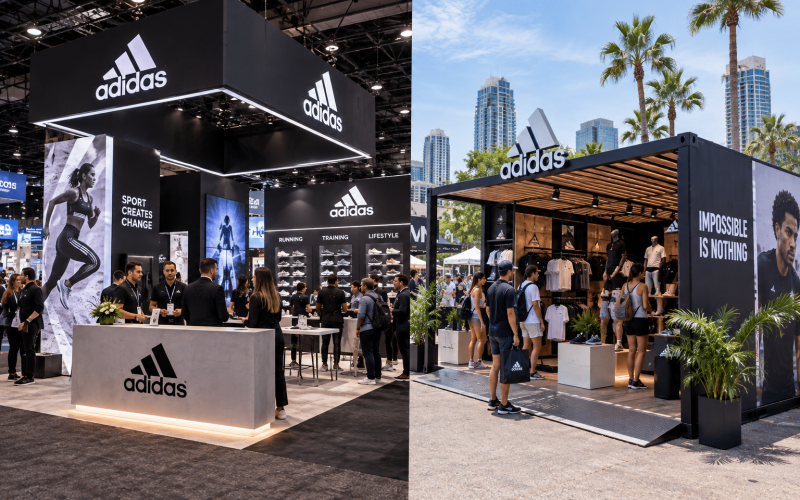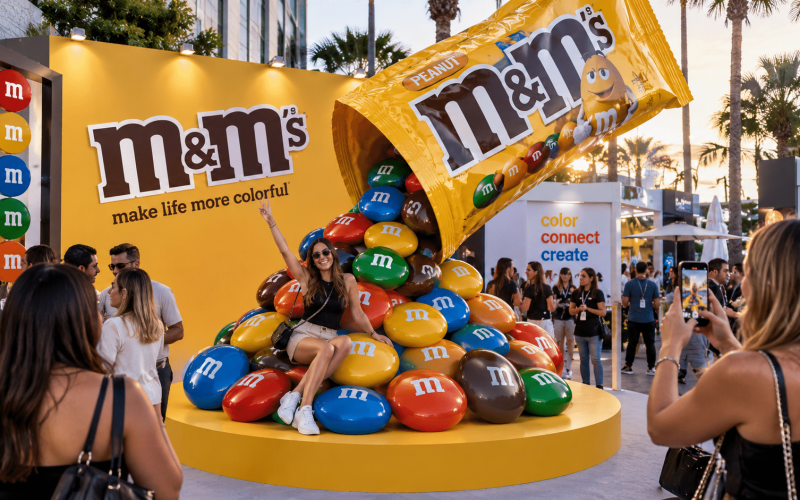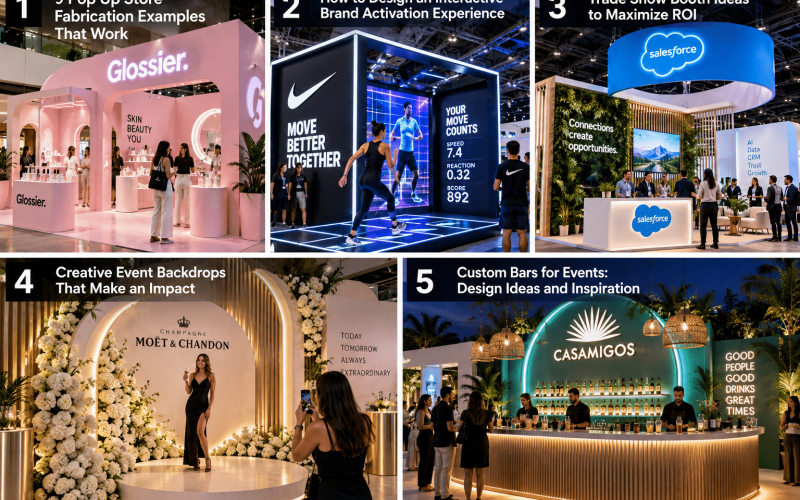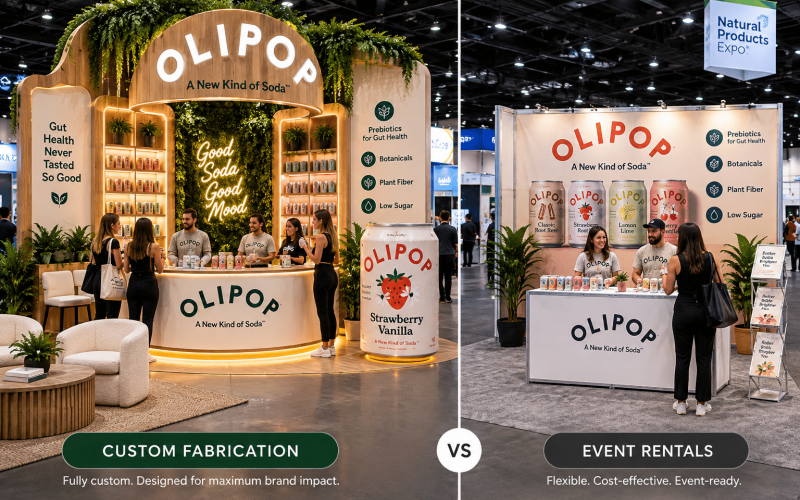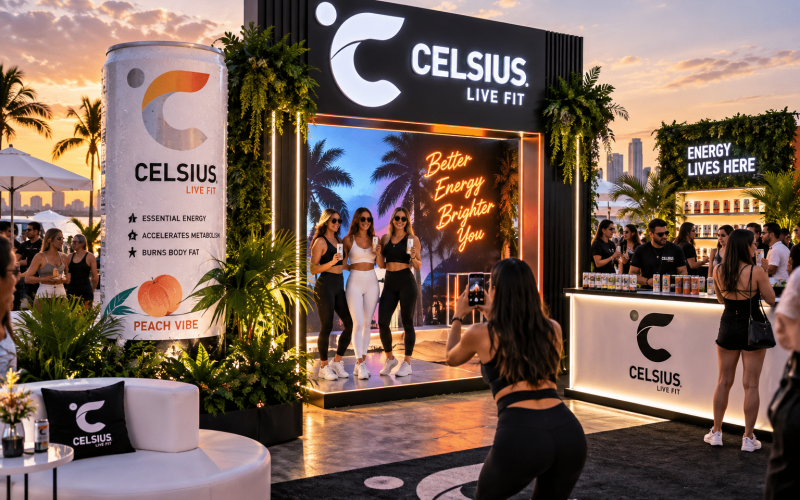
A display can look strong in a rendering and still fail on the show floor. It may be too heavy for the venue, too slow to install, too fragile for shipping, or too generic to do much for the brand. That is why knowing how to fabricate event displays is less about making a structure and more about building something that can survive production, travel, setup, audience interaction, and repeated use.
For event marketers, producers, and agencies, the fabrication process has to support both creative intent and operational reality. The best displays do both. They attract attention, reinforce the campaign, and fit the practical constraints that decide whether an activation runs smoothly or turns into a last-minute fix.
How to fabricate event displays with the end use in mind
Before materials, finishes, or engineering details, start with the job the display has to do. A trade show booth, retail pop-up, roadshow activation, branded photo moment, and product launch environment may all count as event displays, but they are built for different conditions.
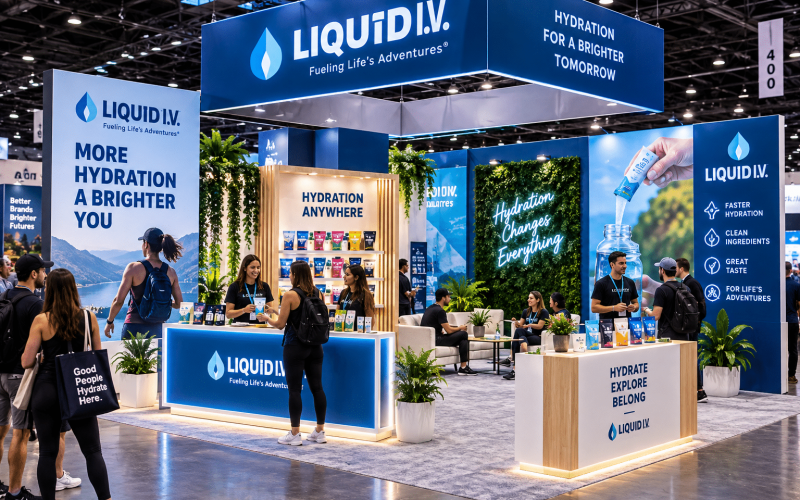
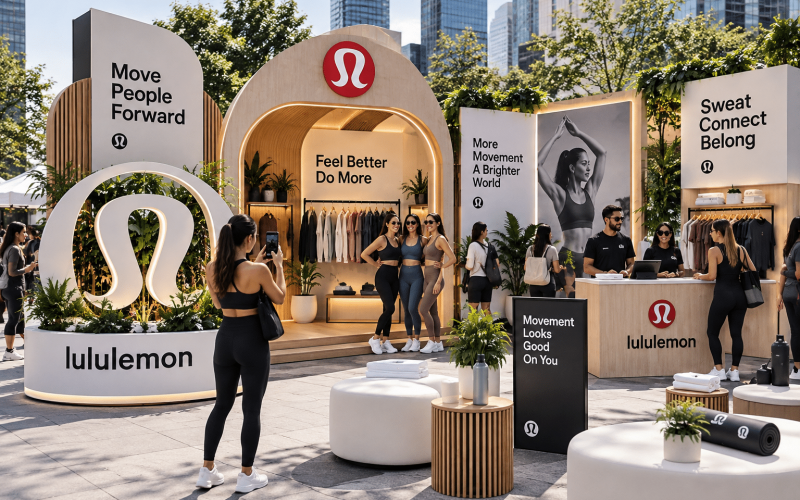
A booth for a convention center needs to consider drayage, freight class, labor windows, and modular packing. A mobile brand activation may need lighter construction, faster assembly, and components that can fit through standard doors and elevators. A one-day media event might prioritize visual impact over long-term reuse, while a touring installation usually needs replaceable graphics and hard-wearing finishes.
This is where many projects go off course. Teams approve a design based on appearance alone, then discover too late that the structure is expensive to ship, difficult to store, or impractical to assemble with the crew on hand. Fabrication decisions should be made against a real use case, not a mood board.
Start with a fabrication-ready concept
A concept becomes fabrication-ready when dimensions, branding, user interaction, and production requirements are defined clearly enough to build against. That does not mean every decision has to be final on day one. It does mean the design needs enough specificity to price accurately and engineer responsibly.
For most event displays, that starts with a few core questions. What is the footprint? What sightlines matter most? Will people walk around it, through it, or use it as a backdrop? Does it need shelves, lighting, screens, lockable storage, product mounting, or interactive elements? Will the display be touched constantly, or mostly viewed from a distance?
Answers to those questions affect structure immediately. A freestanding logo wall is not fabricated the same way as a gaming station, illuminated product pedestal, or branded counter. As soon as the intended use changes, the internal framing, surface materials, access panels, cable routing, and load-bearing needs change with it.
In practice, the most efficient projects align creative and production teams early. That keeps the design ambitious but buildable. It also reduces redesign costs later, when changes tend to be more expensive and more disruptive to timeline.
Materials matter, but so does context
When clients ask how to fabricate event displays, they often start by asking which materials are best. The better question is which materials are right for the event.
Wood products such as MDF and plywood are common for custom builds because they machine well, finish cleanly, and support a wide range of forms. They work well for branded counters, wall units, display fixtures, and architectural elements. Metals add strength and can reduce bulk in structural frames, especially when a display needs durability across multiple uses. Acrylics, laminates, printed panels, foam, and fabric each have their place depending on the visual goal and traffic level.
There are trade-offs. High-gloss painted finishes can look excellent in controlled environments, but they may scuff more easily during shipping and install. Lightweight materials can reduce freight and labor costs, but they may not hold up as well in heavy-use activations. Fabric graphics pack efficiently and are easy to replace, while rigid graphics can create a more permanent premium appearance.
If the display is touring nationally, repairability matters as much as appearance. If it is staying local or has a short run, a different balance may make sense. Good fabrication is rarely about the fanciest material. It is about selecting materials that match the job, the budget, and the expected wear.
Structural planning is what makes a display usable
A strong event display is engineered for more than visual stability. It also needs to account for transport, assembly sequence, user interaction, and venue rules.
Large scenic pieces may need to break into manageable sections that fit standard trucks, freight elevators, and loading docks. Counters and kiosks should be sized with actual human use in mind, including reach range, storage needs, and cable access. Overhead or tall elements may require weighted bases, concealed steel, or venue-specific approvals. Interactive displays often need hidden access for power, media players, and maintenance.
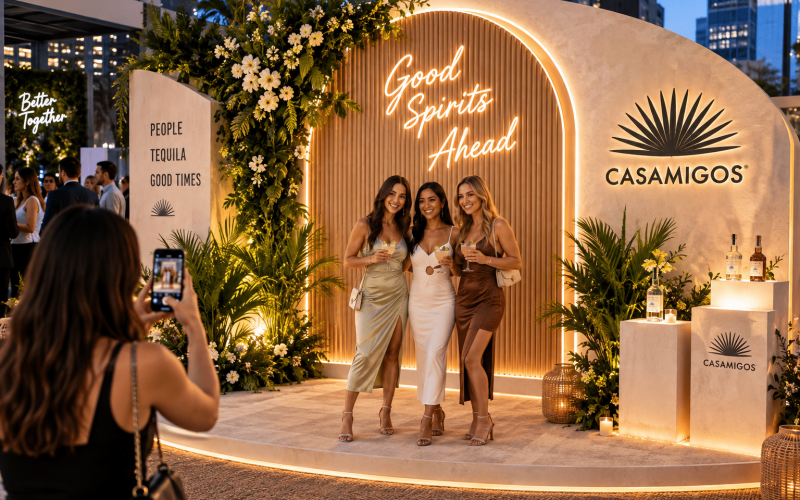
This is where fabrication-first thinking protects the project. A display that looks simple from the front may require extensive internal framing to stay safe and level in a busy environment. If people will lean on it, pose with it, or queue around it, the structure has to support that behavior. Marketing teams often focus on what the audience sees. Fabricators also have to solve for what the audience does.
Graphics, finishes, and brand accuracy
Brand consistency is one of the main reasons companies invest in custom fabrication instead of off-the-shelf event fixtures. But translating a brand into physical form takes more than applying a logo.
Color matching across paint, printed graphics, laminates, and vinyl can vary depending on substrate and lighting. Matte and gloss finishes affect how colors read on site. Texture changes perceived quality. Edge details, reveals, hardware visibility, and material transitions all shape whether a display feels premium, playful, technical, or temporary.
That is why finish planning should happen before fabrication begins, not after the structure is built. If a display includes multiple branded surfaces, mockups or finish samples can help catch issues early. Small decisions make a real difference on the floor, especially in experiential environments where people are standing inches away from the build.
Build for install, strike, and storage
Many event displays are judged on how they look for a few hours, but their true success often depends on everything around those hours. Setup windows are tight. Labor costs add up quickly. Venues have restrictions. If the display is difficult to unload, assemble, or repack, the problem shows up immediately.
Fabrication should account for assembly logic from the start. Parts need to be labeled clearly. Hardware should be standardized where possible. Access points should be intentional, not improvised. Crating or protective packing should match the value and fragility of the display.
Reusable event assets deserve particular attention here. A custom display may cost more upfront than a short-term scenic piece, but if it is designed for repeat deployment, the long-term economics can improve significantly. Modular panels, replaceable graphics, and durable finishes can extend value across campaigns, trade shows, and regional activations. That does require discipline during design. Reusability has to be planned in, not assumed.
How to fabricate event displays on a real timeline
Production timelines are one of the biggest variables in custom event work. A clean concept with enough lead time gives fabricators room to source materials properly, test fit components, and solve issues before install day. A rushed timeline narrows options. Some materials may be unavailable, certain finishes may no longer be practical, and shipping costs can rise fast.
That does not mean short timelines are impossible. It means the fabrication strategy may need to shift. Modular construction, rental integration, simplified finishes, or a reduced custom scope can keep the project moving without compromising the entire event. For example, it may make more sense to custom fabricate the hero elements and pair them with rental components for support pieces, especially when speed matters.
Experienced event fabrication partners know how to make those adjustments without losing the core brand impact. In markets like New York and other high-pressure event environments, that flexibility is often the difference between a workable production plan and an expensive scramble.
Choosing the right fabrication partner
If you are sourcing custom event displays, the right partner should understand more than shop drawings and materials. They should understand venues, activation logistics, audience engagement, and the realities of event production.
Ask how they approach engineering, finishing, packing, and install readiness. Ask whether they fabricate for one-off scenic builds, repeat-use brand activations, trade show booths, or all three. Review whether their process supports collaboration with agencies, producers, and internal brand teams. A good fabrication partner helps refine the build, not just execute a file.
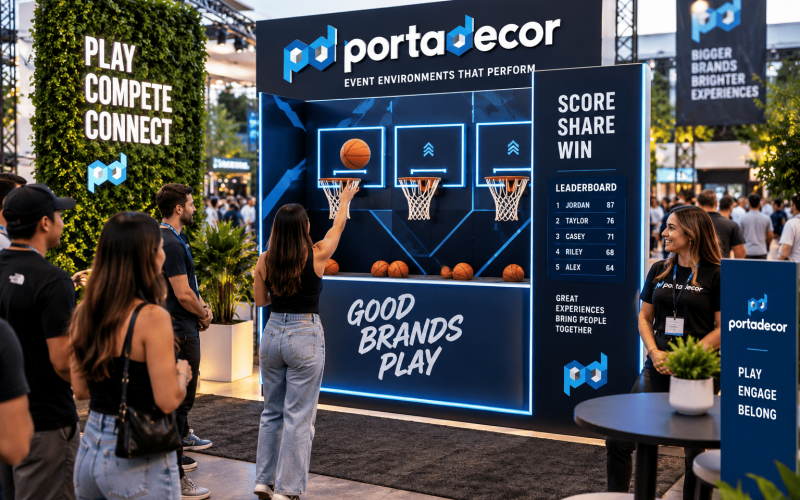
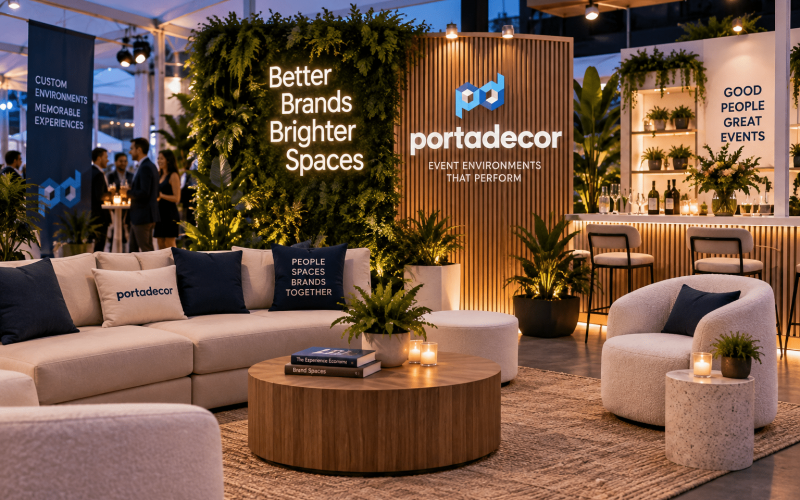
Portadecor operates in that space as a fabrication-first event partner, building custom products and branded environments for experiential programs that need to perform in the real world, not just in presentation decks.
The strongest event displays are not the ones with the most parts or the biggest budget. They are the ones built with enough production discipline to look right, function properly, and hold up under pressure. If the display can do all three, it has a much better chance of doing what it was meant to do – get people to stop, engage, and remember the brand.