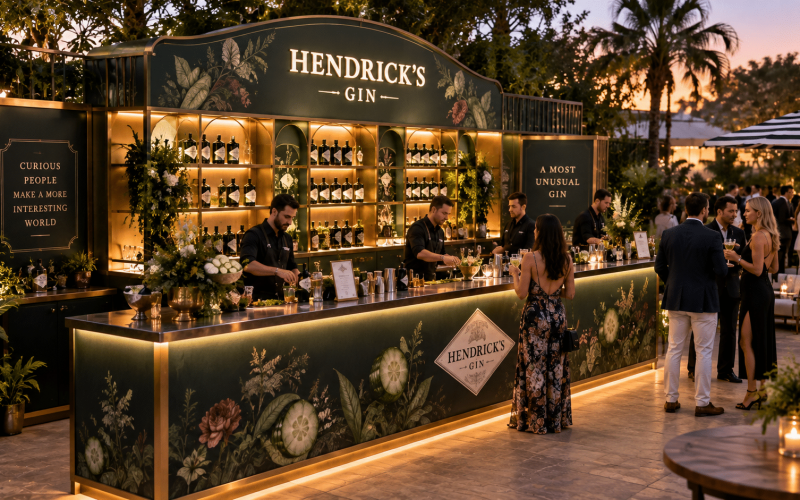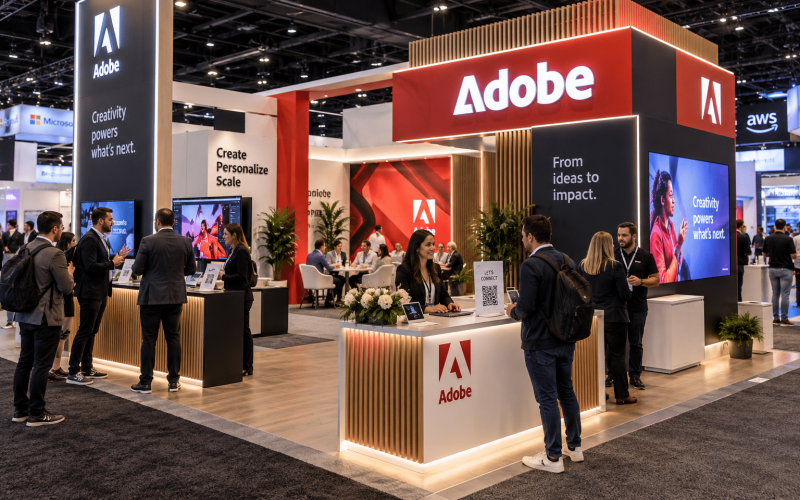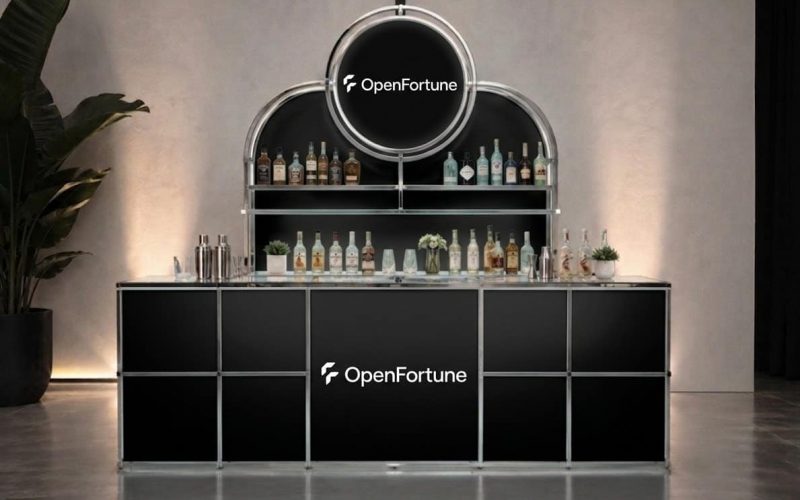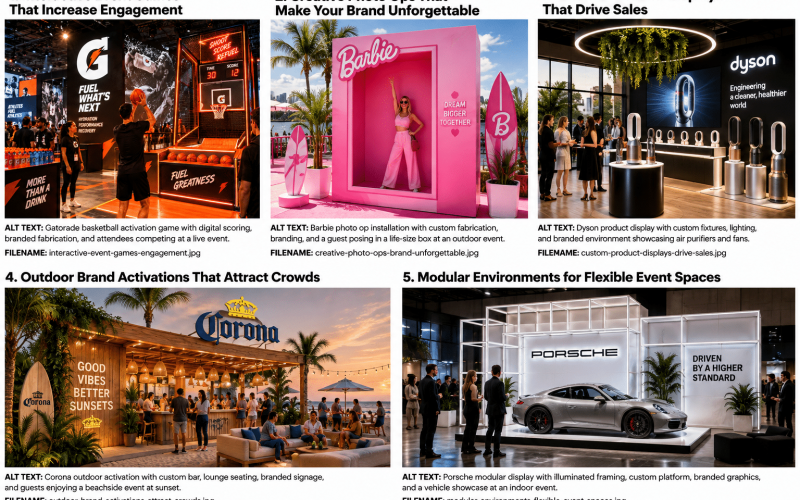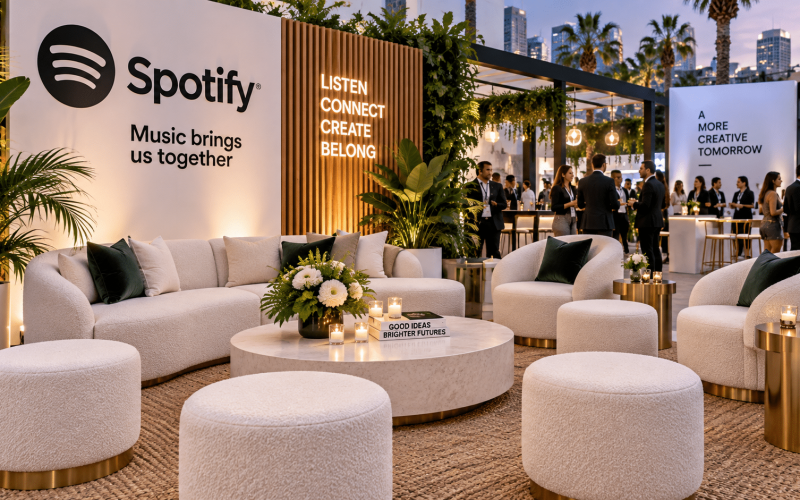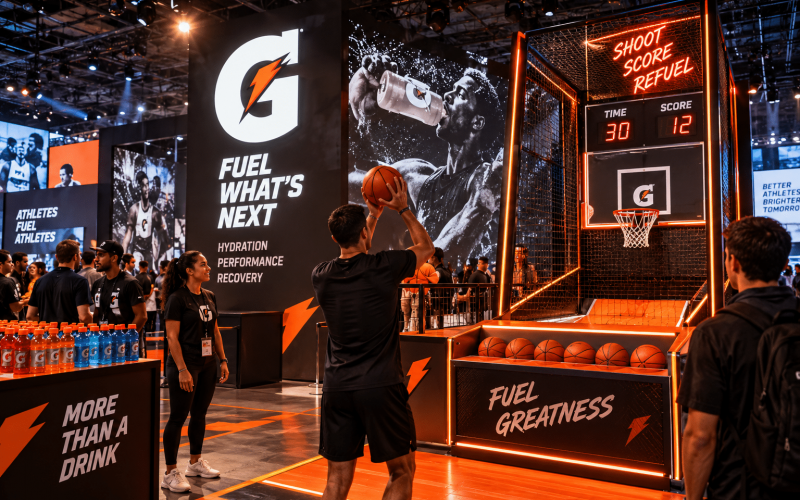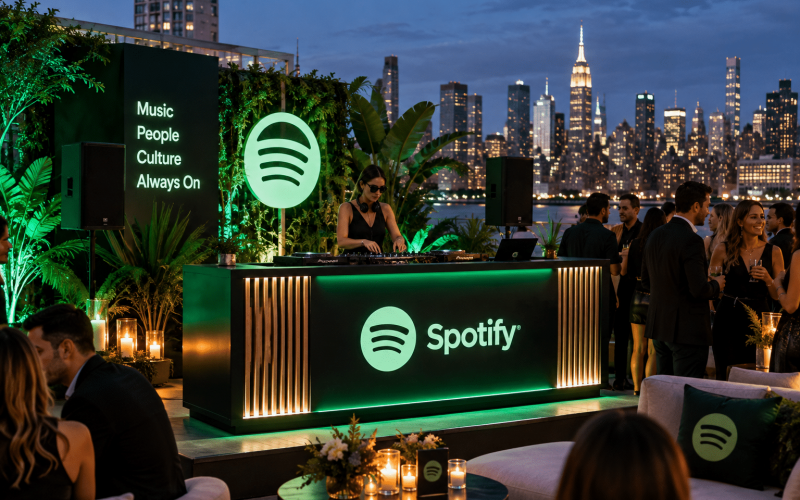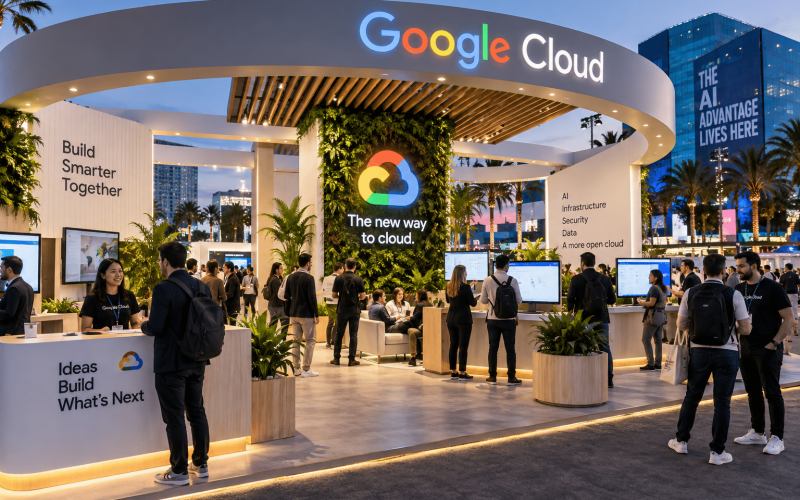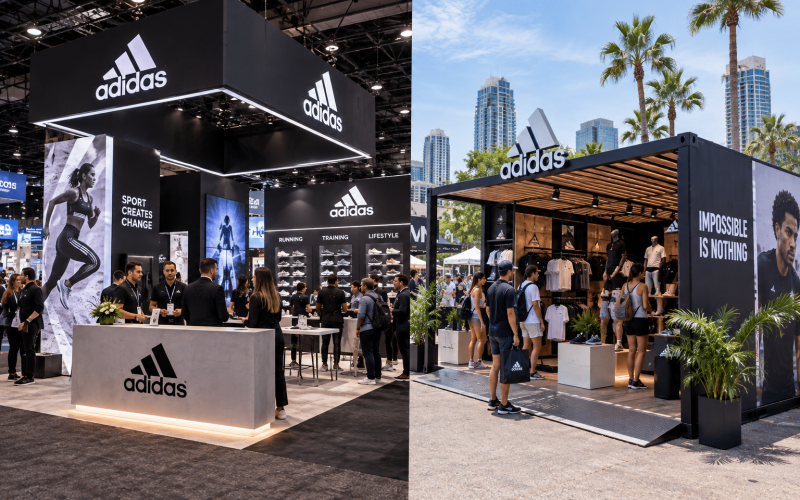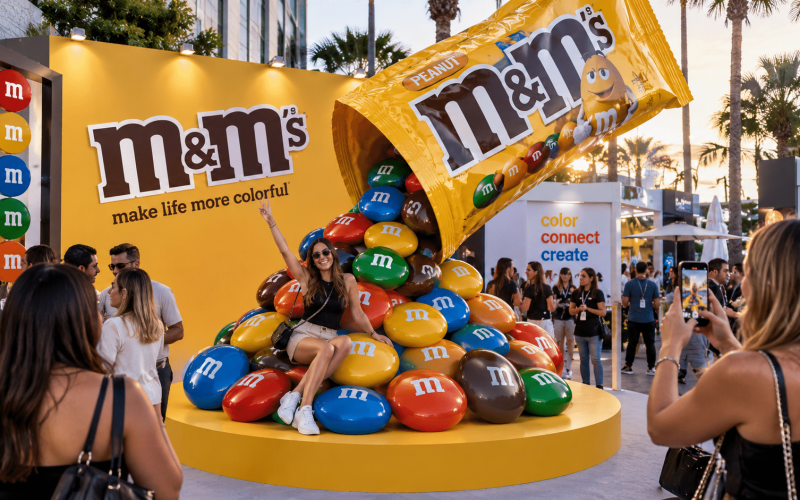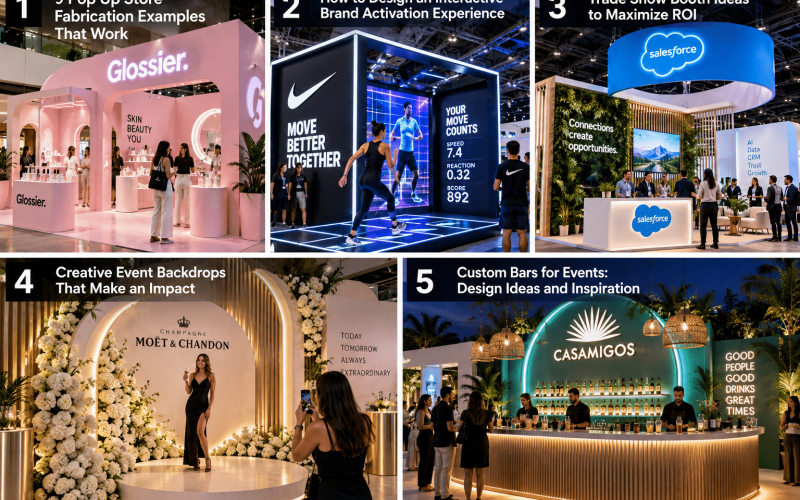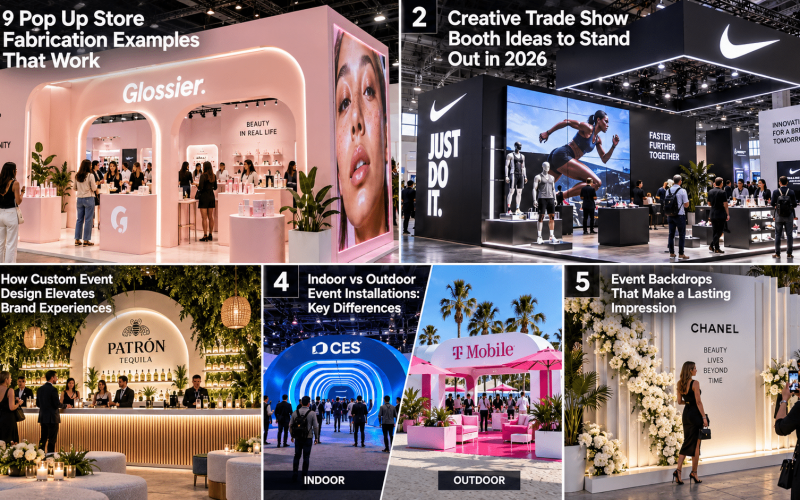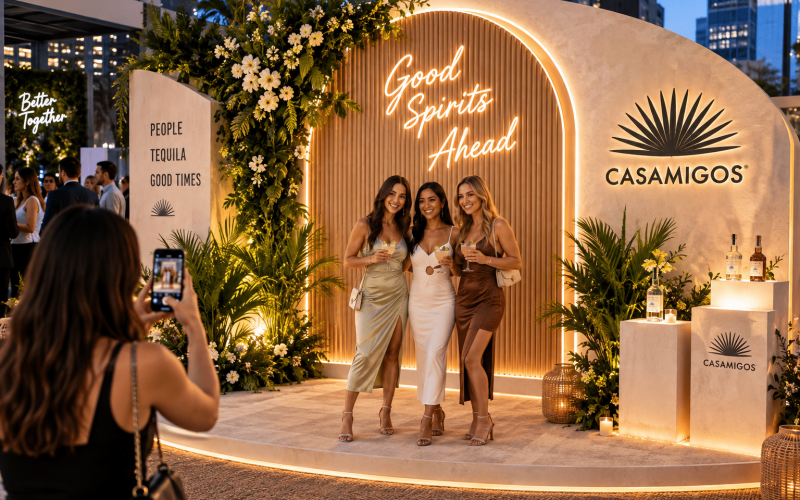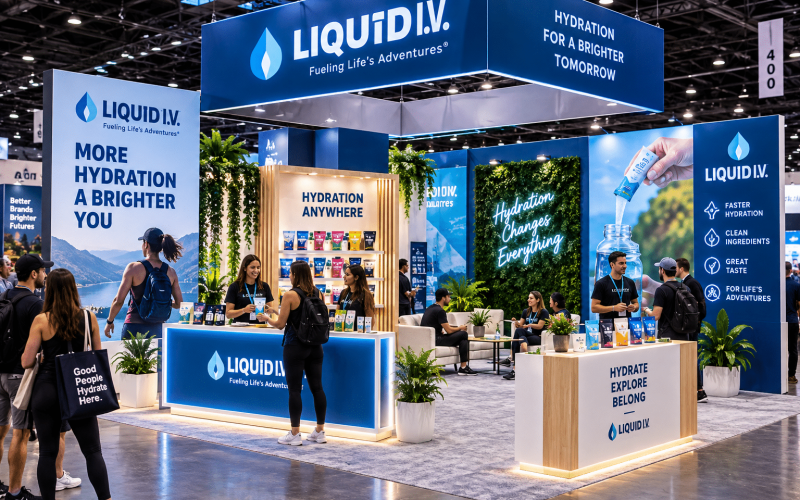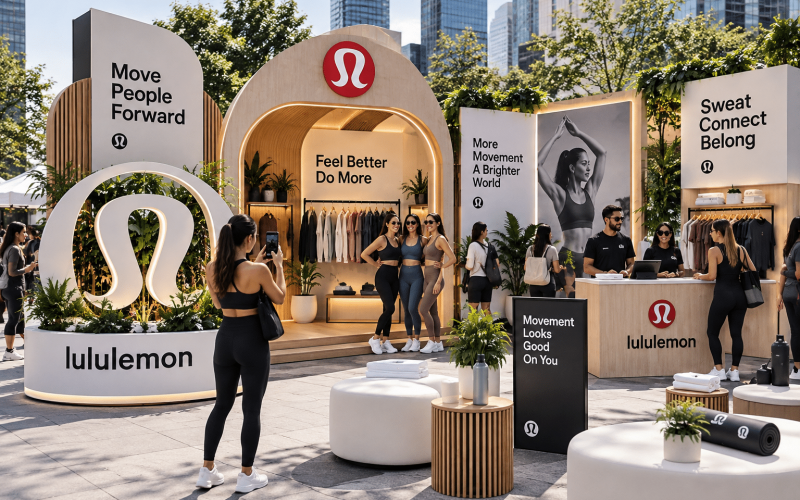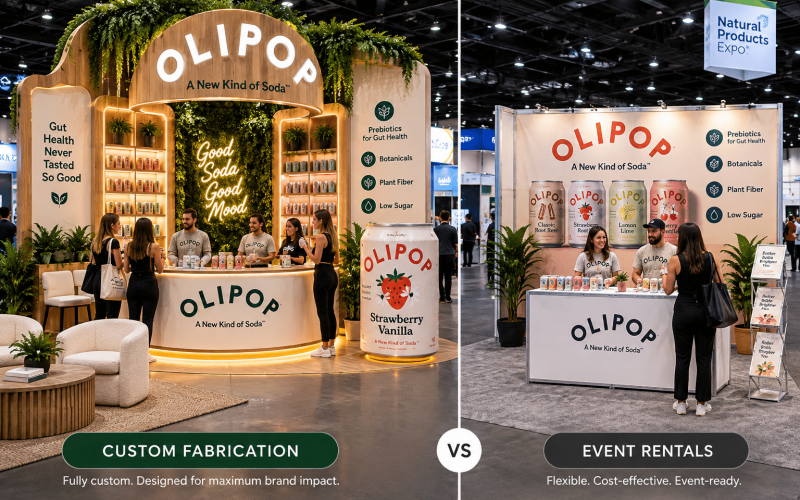
When a launch date is fixed, event fabrication turnaround times stop being a planning detail and become a real operational constraint. A custom branded bar, interactive game unit, trade show booth, or activation set piece only works if it is designed, built, finished, packed, and delivered on schedule. For marketing teams and agencies, the question is rarely just how long fabrication takes. It is what can realistically be produced at the quality level the event requires.
What event fabrication turnaround times actually include
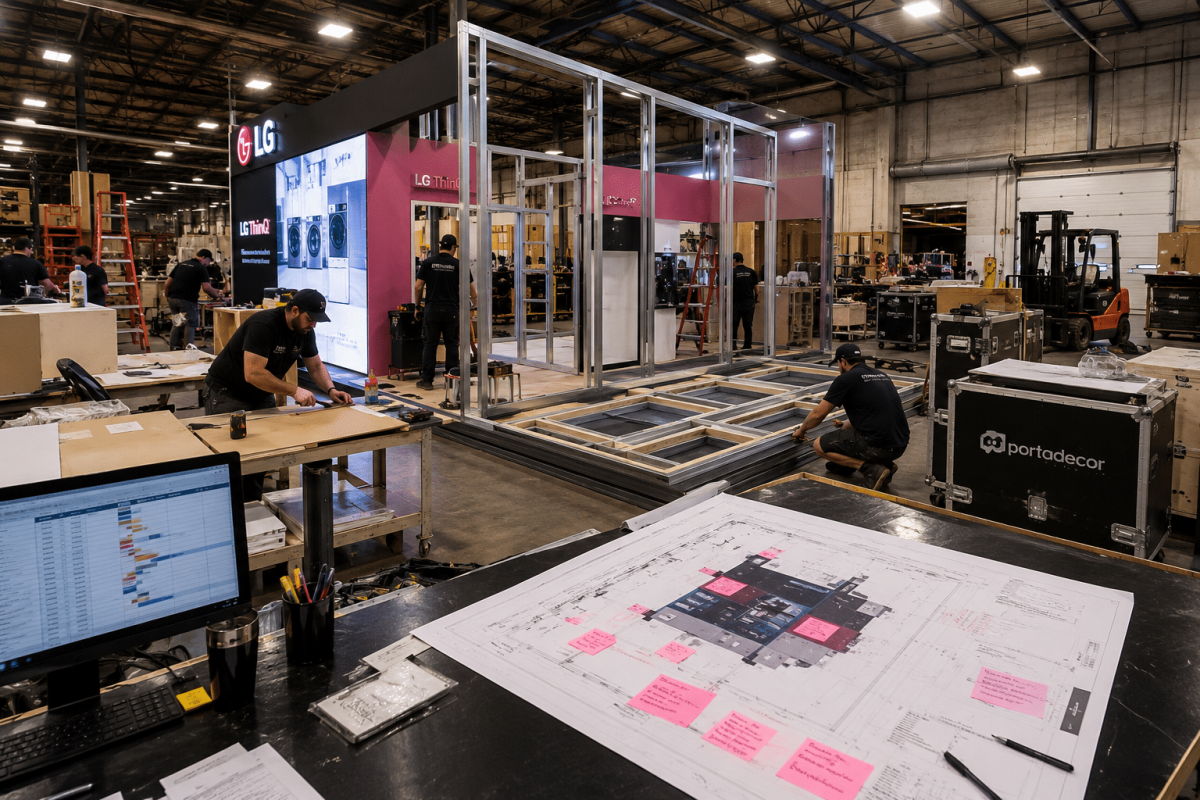
Turnaround time is often misunderstood as shop time only. In practice, it covers the full path from approved concept to event-ready asset. That usually includes design development, engineering, material sourcing, print production, fabrication, finishing, quality control, packing, and freight coordination.
This is why two builds with similar dimensions can have very different schedules. A simple branded counter using standard substrates and straightforward graphics may move quickly. A multi-component activation with lighting, tech integration, custom metalwork, and premium finishes will not move on the same clock.
For experiential projects, the real measure is not how fast a fabricator can start cutting material. It is how reliably the partner can move the project from concept to install without quality issues, missed approvals, or last-minute changes causing failure downstream.
Typical event fabrication turnaround times by project type
There is no universal timeline, but there are useful planning ranges. Smaller custom products with limited complexity may move in a couple of weeks once final approvals are in place. Branded furniture, display pieces, and modular event elements often fall into a moderate production window. Larger trade show booths, immersive environments, and activation builds with multiple fabrication disciplines usually require a longer lead time.
A practical way to think about it is by complexity rather than just size. A compact but highly detailed fabrication with integrated lighting, hidden access panels, and brand-critical finishes can take longer than a larger scenic piece built with simpler materials.
As a general planning framework, many event teams should expect something like this after final design approval: simple custom pieces may take 2 to 4 weeks, mid-level branded fabrication often lands in the 4 to 8 week range, and large-format or highly custom activation environments may require 8 to 12 weeks or more. If shipping, install coordination, and venue requirements are tight, those windows can stretch.
That does not mean shorter schedules are impossible. It means compressed schedules usually require trade-offs in design flexibility, material options, revision cycles, or cost.
Why some fabrication projects move faster than others
The biggest driver is clarity at the beginning. Projects with approved dimensions, artwork, usage requirements, and finish expectations move faster because the shop is not filling in missing information while the clock is running.
Material selection also has a direct effect. Standard laminates, common wood products, stock tubing, and straightforward printed graphics are easier to source on a short timeline. Specialty acrylics, custom powder coating, unusual hardware, imported materials, and one-off finishes introduce sourcing risk. If one critical component slips, the whole build can stall.
Then there is fabrication method. CNC-cut panels, standard cabinetry, and repeatable modular components can often be produced efficiently. Hand-finished scenic builds, custom upholstery, metal forming, and integrated electronics require more specialized labor and more checkpoints.
Approvals are another major factor. Many tight schedules are not lost in fabrication. They are lost in review cycles. If a team needs multiple stakeholder sign-offs on renderings, shop drawings, graphics, and finish samples, that process needs to be accounted for up front.
The hidden schedule risks clients often overlook
Freight is one of the most common blind spots. A build may be completed on time and still miss the event window if shipping is not booked early, crating is not planned properly, or delivery requirements are more restrictive than expected. Trade show venues, convention centers, and urban loading docks can all create timing issues.
Prototype expectations can also affect lead times. If a client wants to see a physical mockup, a sample finish panel, or a working test for an interactive element, that adds time but often reduces risk. For some brand activations, that extra step is smart. For others, it may not be necessary.
Another issue is version creep. A project begins as a branded display and slowly turns into a custom environment with storage, lighting, monitor mounts, swappable graphics, and integrated giveaway units. None of those requests are unreasonable on their own. Together, they change the production schedule.
Venue compliance matters too. Fire ratings, structural requirements, ADA-related access considerations, and union install rules can all affect what gets built and how quickly it can move through production.
How to shorten event fabrication turnaround times without creating problems
The fastest path is not asking a shop to rush at the end. It is removing friction from the beginning. That starts with a clear brief. If the fabricator knows the event date, budget range, footprint, branding goals, interaction requirements, and shipping destination early, they can guide the build toward what is achievable.
Designing with fabrication in mind also helps. Custom does not need to mean inefficient. Modular construction, repeatable parts, practical material choices, and realistic finishes can protect both schedule and quality. In many cases, the best build is the one that delivers strong visual impact without unnecessary manufacturing complexity.
It also helps to lock approvals quickly. One decision-maker or a clearly structured review process can save days. When approvals are fragmented across agency, brand, procurement, and field teams, delays compound fast.
If timing is especially tight, rental components can be part of the answer. Combining custom branded fabrication with pre-existing event furniture or modular structures can reduce production pressure while still delivering a polished result. For regional event programs in markets like New York City, New Jersey, Boston, and Connecticut, that hybrid approach can be especially useful when there is little room for schedule drift.
When rush production makes sense and when it does not
Rush production has a place in experiential work. Sometimes a campaign date cannot move, a venue opens late, or a concept is approved behind schedule. A capable fabrication partner can often compress timelines through parallel workflows, prioritized shop scheduling, and simplified build methods.
But there is a difference between urgency and denial. If a project needs custom engineering, premium finishes, multiple rounds of revisions, and long-distance shipping, calling it a rush job does not change the physical realities. It only increases the chance of cost overruns or compromised execution.
The smarter question is not, can this be rushed? It is, what version of this concept can be delivered on time at the expected quality level? That is where experienced event fabricators add value. They can identify what should stay custom, what can be standardized, and what should be adjusted before the schedule breaks.
What to ask a fabrication partner before the clock starts
A serious production conversation should go beyond asking for a lead time. Ask what inputs are needed before fabrication can start. Ask which materials or finishes are likely to create schedule risk. Ask when graphics are due, whether engineering is required, how quality control is handled, and when freight should be booked.
It is also worth asking how the shop manages change orders mid-project. In event work, changes happen. The issue is not whether they occur but how clearly they are priced, scheduled, and communicated.
For agencies and brand teams managing national activation programs, it also helps to ask whether the assets are built for reuse. A reusable fabrication strategy can justify a slightly longer initial timeline if it reduces cost and production pressure across future events.
Planning around event fabrication turnaround times more effectively
The best outcomes usually come from aligning creative ambition with production reality early. That does not mean lowering the standard. It means building the right thing for the campaign, timeline, and venue.
Strong event fabrication turnaround times come from disciplined scope, quick approvals, practical materials, and a fabrication partner that understands experiential execution, not just general manufacturing. That distinction matters. Live event assets are not built for a showroom. They are built to travel, install, perform under pressure, and represent the brand accurately in public.
If you are planning a custom activation, trade show booth, or branded event environment, the most useful move is to start the fabrication conversation before the design is fully locked. That is usually where schedules stay intact, budgets stay more predictable, and the finished build has a better chance of arriving exactly as the event team needs it.