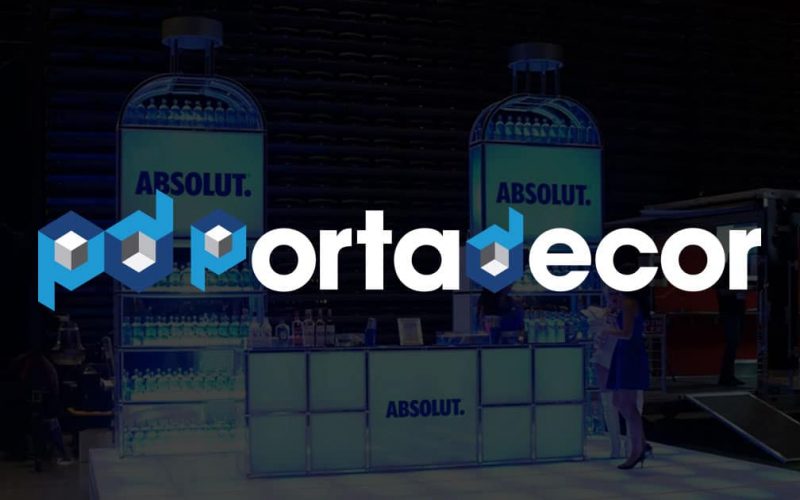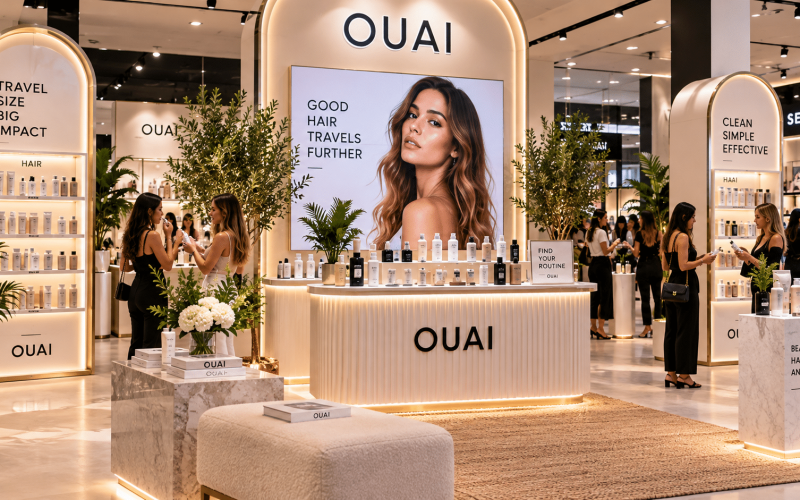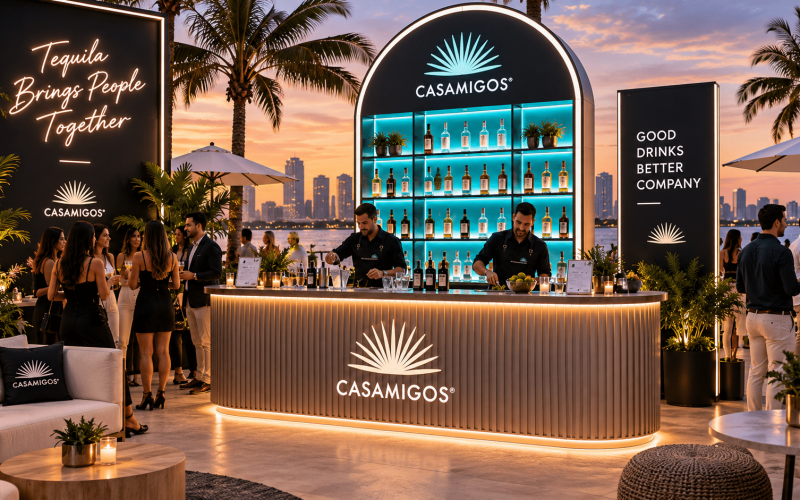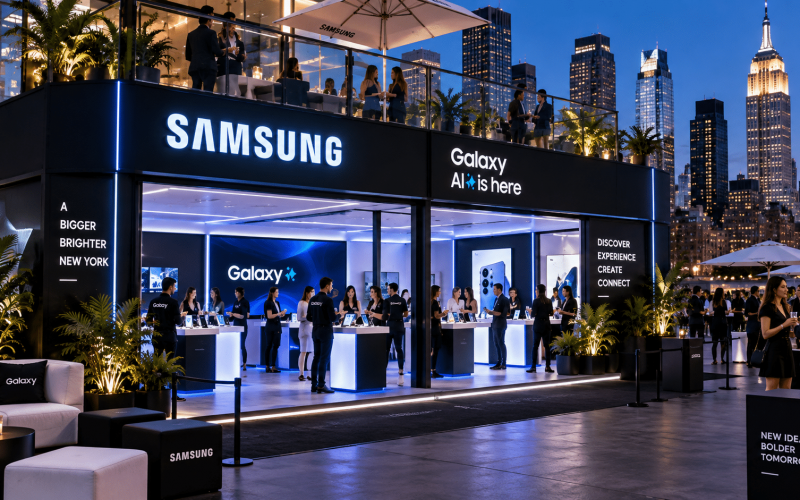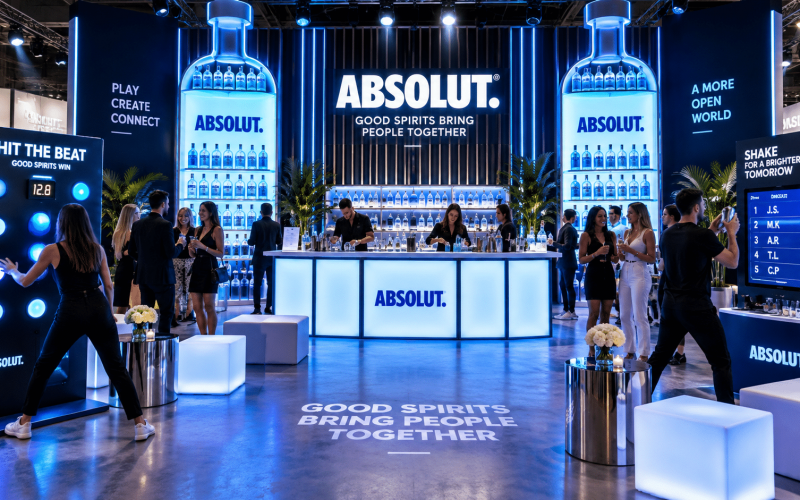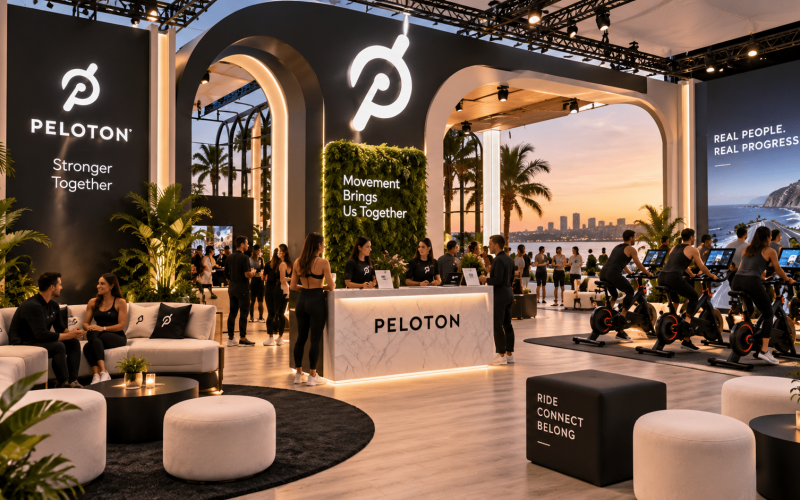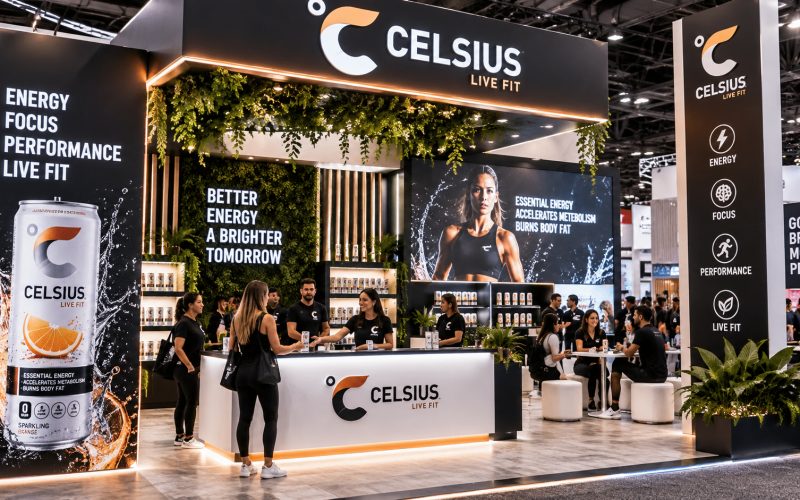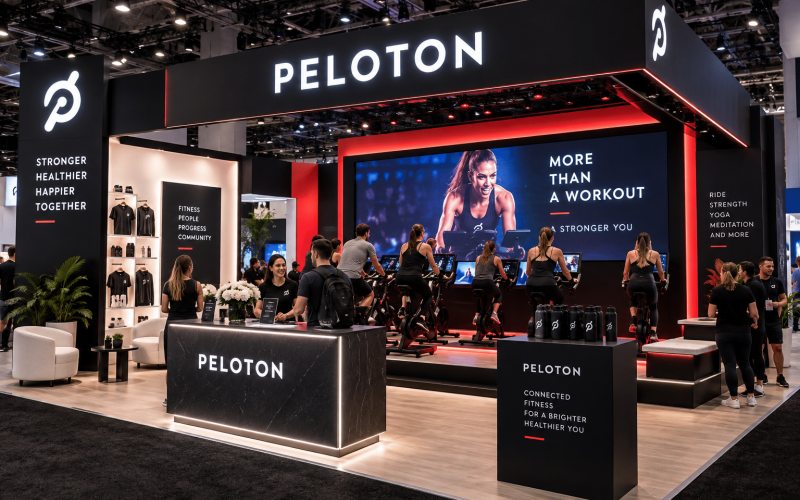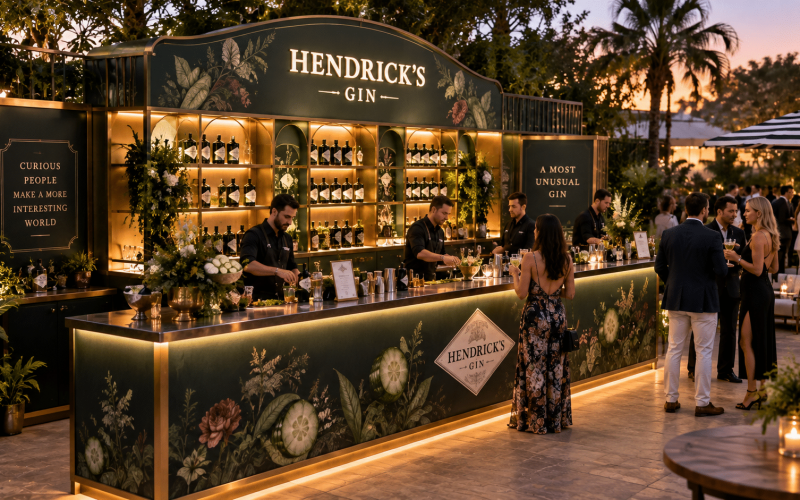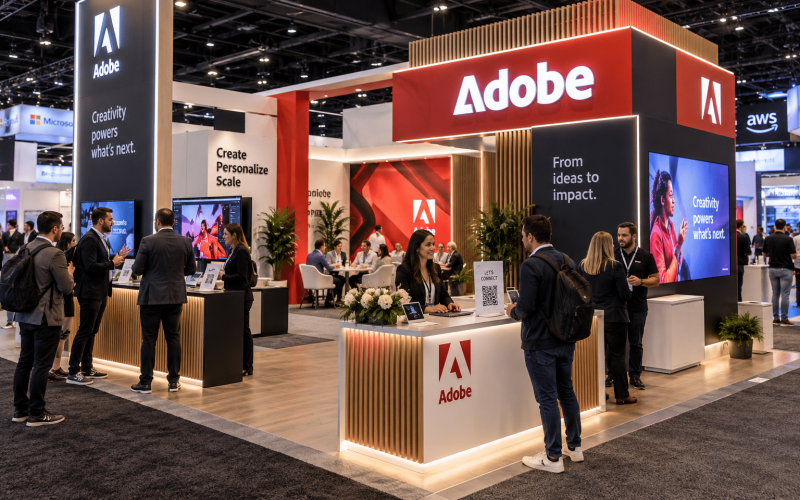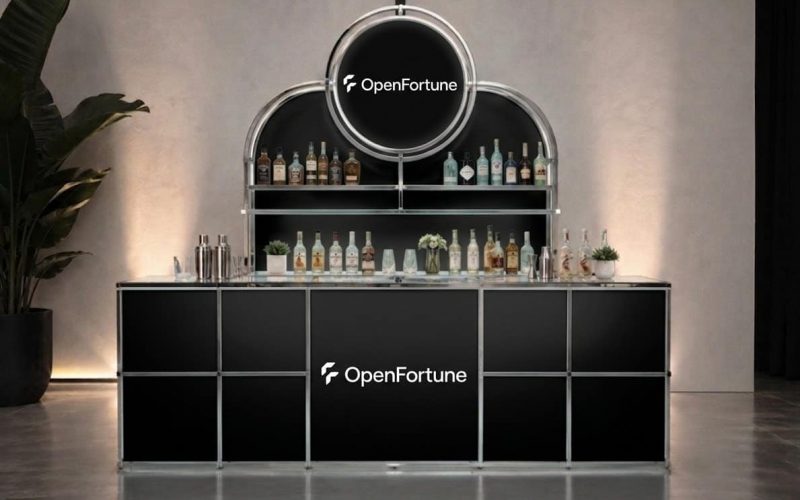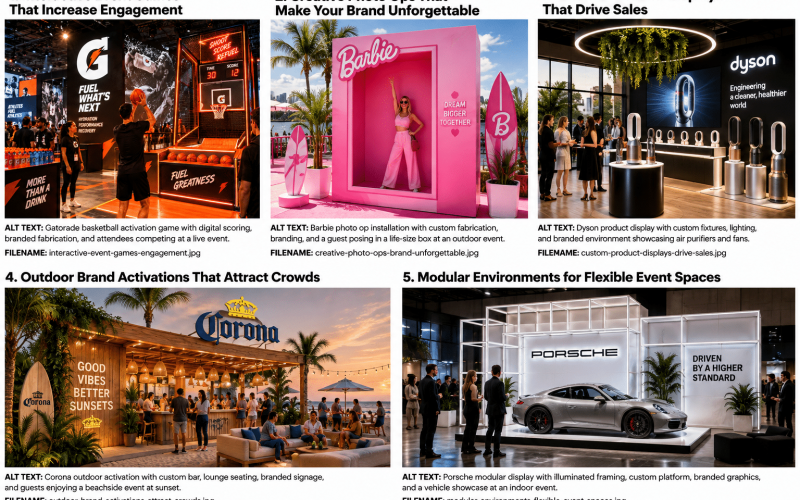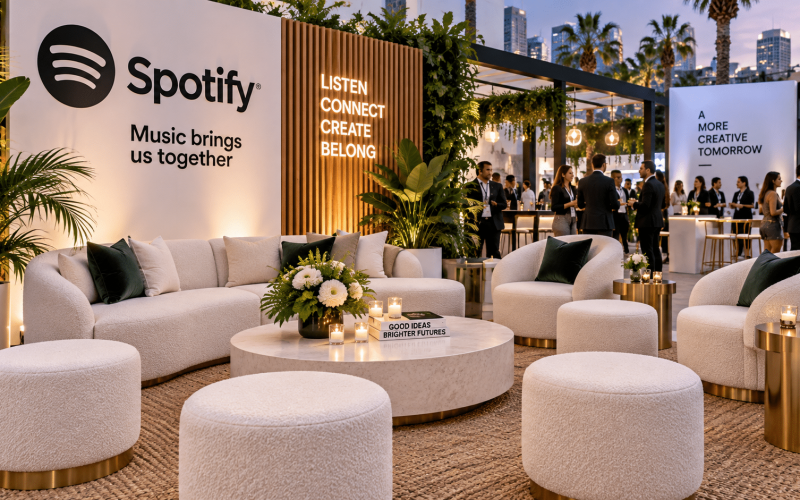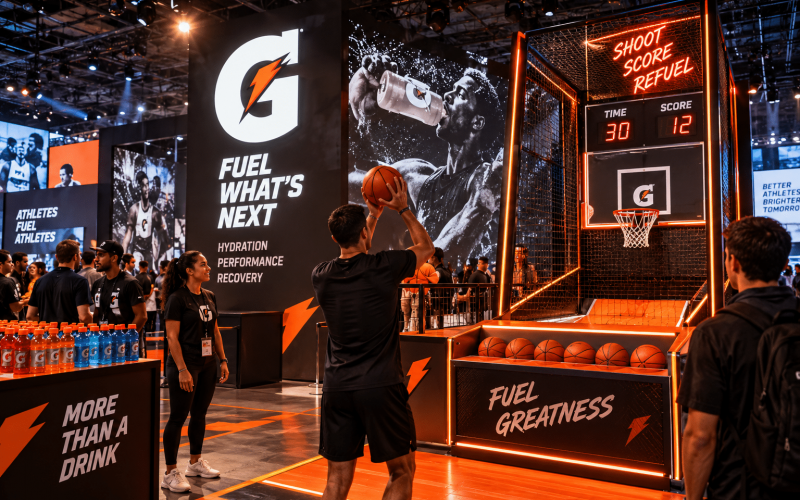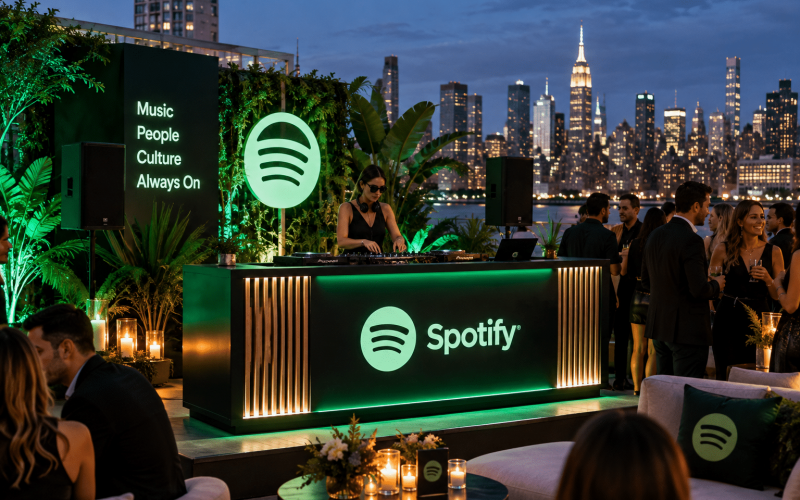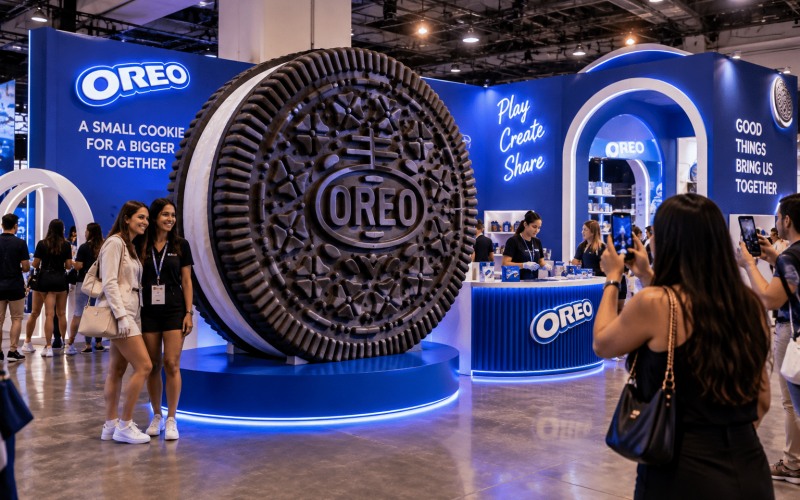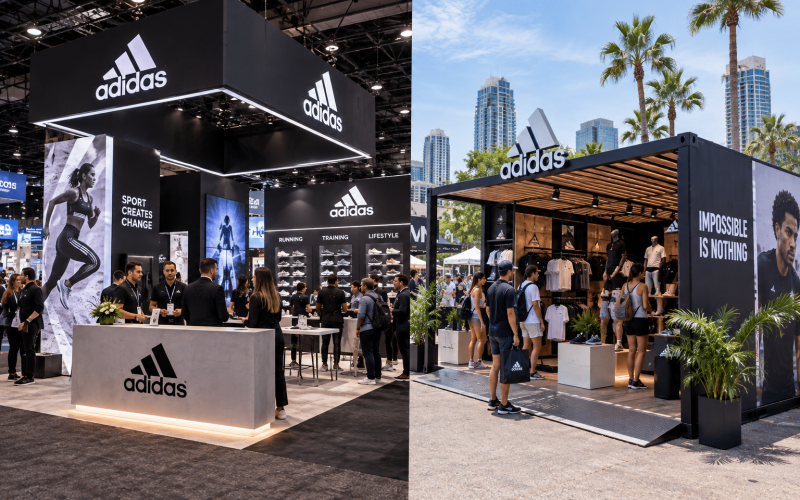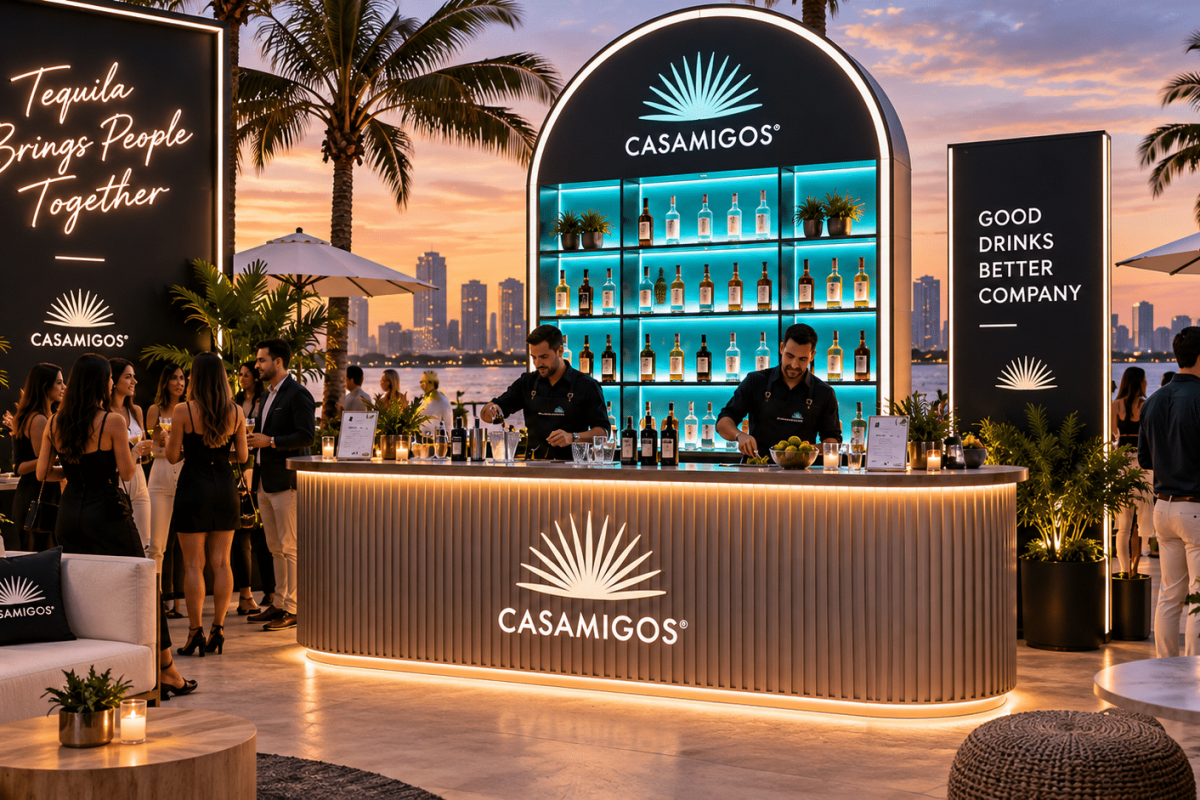
A bar can become the busiest square footage at an event. It is where guests pause, staff interact, products are sampled, and branded moments are photographed. For experiential teams, portable bar rentals are not simply beverage stations. They are flexible, customer-facing fixtures that can support hospitality, product education, lead capture, and visual brand presence without committing to a permanent build.
The right unit makes a compact footprint work harder. The wrong one can create service bottlenecks, hide the brand, complicate venue approvals, or arrive with too little room for staff and supplies. Selecting a portable bar should start with the event’s operational needs, then bring the creative treatment into focus.
Start With the Bar’s Job at the Event
Before choosing finishes, determine what the bar must accomplish. A sampling activation has different requirements than a VIP hospitality lounge, a convention cocktail reception, or a retail pop-up. The service model affects the number of stations, counter depth, storage, equipment access, and circulation around the structure.
A simple welcome drink station may need one bartender, a clean front-facing branded panel, and discreet space for ice and glassware. A high-volume service bar may need multiple points of sale, speed rails, refrigeration, waste management, and enough back-bar clearance for staff to move without colliding. If the bar also serves as a product display, plan dedicated space for merchandise, packaging, or demonstration materials rather than asking the service counter to do every job.
Guest traffic matters just as much as the menu. At a trade show booth, an open-front bar can draw attendees in but may create a crowd that blocks product demos or meeting areas. At a street-level activation, a service window can control the queue and keep operations moving. There is no universal best configuration. The appropriate layout depends on expected volume, staffing, venue rules, and the role hospitality plays in the overall experience.
What to Look for in Portable Bar Rentals
Portable bars are often chosen for speed and flexibility, but rental inventory still needs to meet event-production standards. A polished facade alone is not enough when the event requires long service hours, public interaction, or a high level of brand scrutiny.
Footprint and modularity
Confirm the assembled dimensions, not just the individual panel size. Measure the active service zone, the staff working area, guest queue space, and any required ADA clearance. In tight booth environments, a modular bar can be configured as a straight counter, L-shape, or multi-station layout based on the available floor plan.
Modularity also helps when a program moves between venues. A format that works for a Manhattan rooftop event may need to break down differently for a Boston convention hall or New Jersey brand activation. Ask how components travel, how quickly they install, and whether the setup can adapt without compromising the finished appearance.
Brandable surfaces
The front of the bar is valuable real estate. It should be treated as part of the larger visual system, not an afterthought added the day before load-in. Depending on the design, branding can be applied through printed graphics, dimensional logos, vinyl, custom panels, color matching, illuminated elements, or integrated digital displays.
The best treatment depends on viewing distance and lighting. Fine details that look sharp in a presentation can disappear across a crowded show floor. High-contrast branding, readable messaging, and a finish that photographs well typically perform better than an overloaded graphic. If the bar will be seen from multiple sides, identify which faces need branding and which can remain operational access points.
Service-ready construction
Rental furniture for live events needs to handle repeated use. Look for durable counter surfaces, stable leveling, protected edges, and components that can withstand equipment, ice, spills, and constant guest contact. A fabrication partner should also be able to account for practical details such as cable routing, power access, concealed storage, refrigeration placement, and cleaning needs.
These details are especially relevant when alcohol service is involved. Local permitting, venue policies, health requirements, and caterer specifications can determine whether a bar needs handwashing access, sneeze guards, specific waste handling, or a particular equipment layout. The event producer, caterer, and venue should align on those requirements early. A portable bar supports service, but it does not replace the permits or trained staff required to operate it.
Rental, Custom Build, or a Hybrid Approach?
Rentals are often the right choice when speed, budget control, and repeatable logistics matter most. A well-designed rental bar can be branded for a campaign and removed after the event, reducing the cost and storage burden of a fully custom asset. This approach works particularly well for regional tours, trade show programs, press events, and short-term pop-ups.
A custom build is more appropriate when the bar is central to the campaign concept, must integrate unusual equipment, or will travel through a longer event calendar. It can be built around a specific product ritual, such as a coffee experience, beauty consultation, mocktail lab, or product customization station. The trade-off is a longer design and fabrication timeline, along with storage and maintenance considerations after the program ends.
For many brands, the strongest solution is hybrid. Start with a proven rental base, then add custom branded skins, signage, shelving, lighting, display towers, or interactive features. That approach protects operational reliability while creating a look that is distinct to the activation. It also makes it easier to reuse core components while changing campaign visuals from one market or season to the next.
Design the Full Guest Experience Around the Bar
A bar draws attention, but it cannot carry the activation alone. Plan what happens before, during, and after the transaction or interaction. Clear signage should tell guests what is being served, demonstrated, or offered. Staff need a natural way to explain the product or invite the next step, whether that is a sample, a QR-based opt-in, a meeting, or a social photo opportunity.
Lighting deserves early attention. A backlit logo, under-counter glow, or focused product lighting can make the unit more visible in a busy venue. At the same time, lighting should support the event’s environment rather than compete with it. A luxury hospitality setting may call for warm, restrained illumination, while a consumer launch may benefit from brighter color and more visible motion.
Consider the visual view from the guest side and the operational view from behind the bar. Guests should see a clean, intentional presentation. Staff need quick access to tools, inventory, and waste bins. When storage is ignored, boxes and backup supplies end up visible in the activation, weakening the polished result the creative team worked to achieve.
Build the Production Timeline Backward
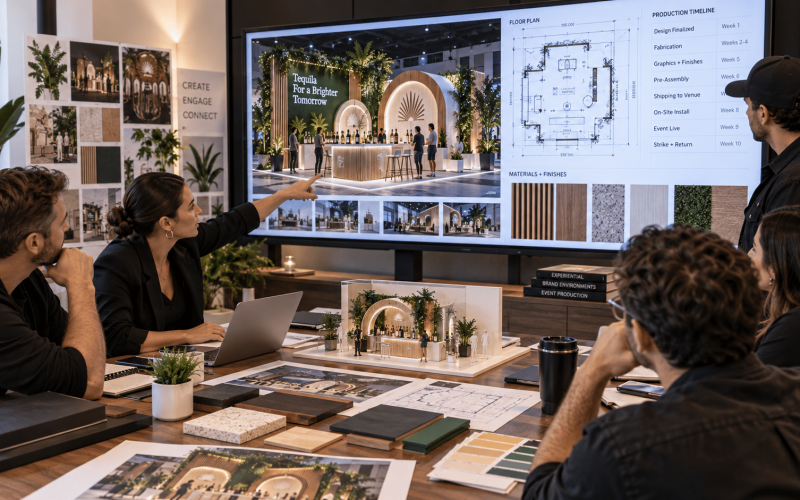
The most common bar-related problems are rarely caused by the bar itself. They come from late decisions about graphics, power, staffing, menu requirements, venue access, or delivery windows. Begin with the event date and work backward through design approval, production, branding, logistics, and installation.
Provide the fabrication or rental partner with the floor plan, venue restrictions, service plan, brand guidelines, and expected guest volume as early as possible. If branded graphics are needed, allow time for artwork review, print production, and application. If the bar must support specialty equipment, confirm weight, electrical load, ventilation needs, and dimensions before fabrication or dispatch.
A site survey is worthwhile for complex programs, particularly when access involves elevators, narrow doors, union labor requirements, or outdoor conditions. The best-looking unit still needs a realistic path from the truck to its final location.
Choose a Partner That Understands Event Execution
A rental provider should do more than deliver furniture. For branded events, the partner should understand how a fixture connects to booth design, guest flow, staffing, graphics, and show-site logistics. That is where fabrication expertise becomes useful: it closes the gap between a creative concept and an asset that can be installed, used, and removed on schedule.
Portadecor supports experiential teams with rental components and custom fabrication built for live brand environments. For rental programs in New York, New Jersey, Boston, and Connecticut, early coordination helps ensure the bar, branding, and event operations arrive as one cohesive plan.
Treat the bar as a working part of the experience, not a last-minute furniture order. When its footprint, branding, and service requirements are planned together, it can turn a necessary hospitality function into one of the event’s most productive brand touchpoints.