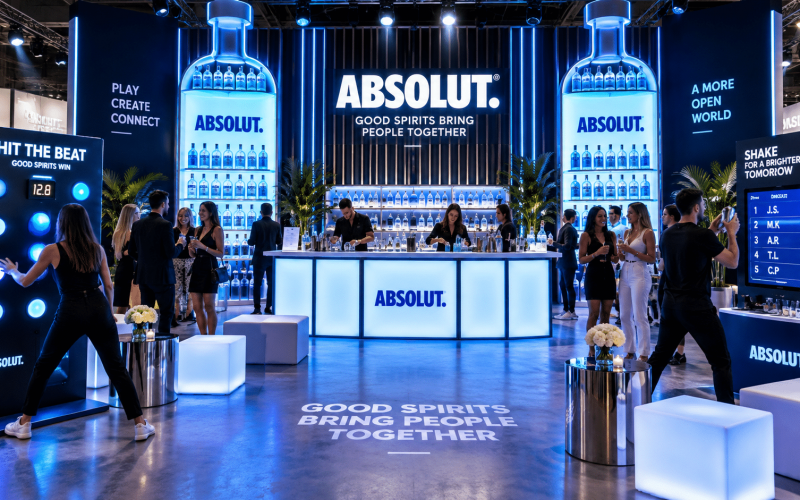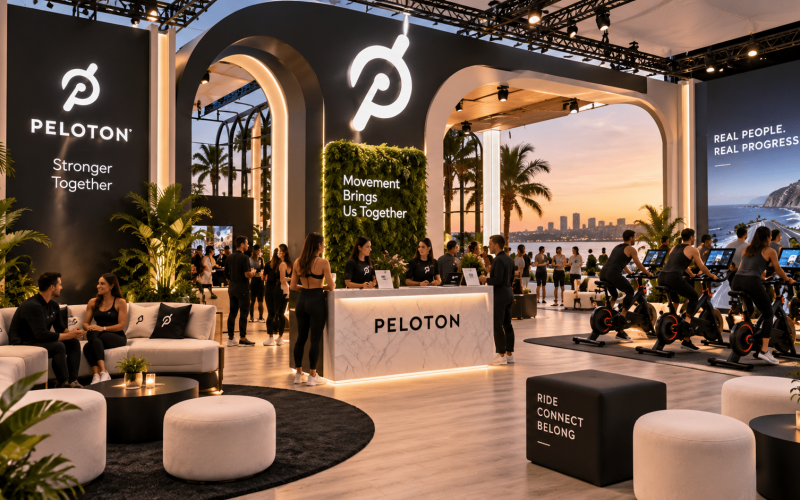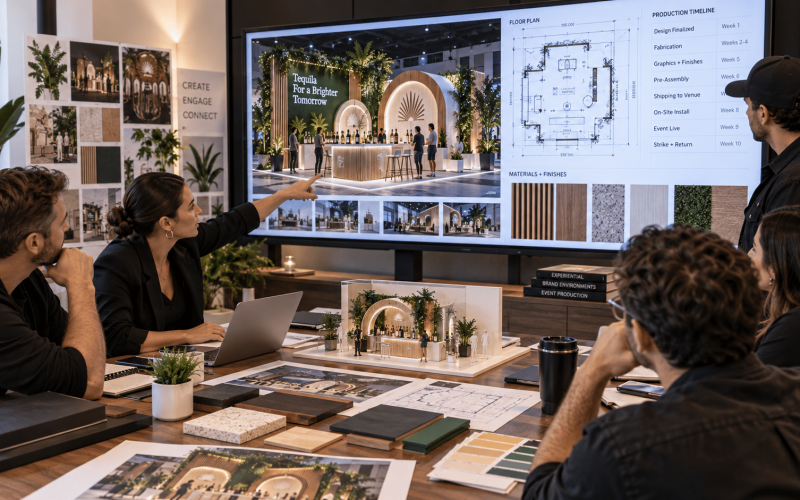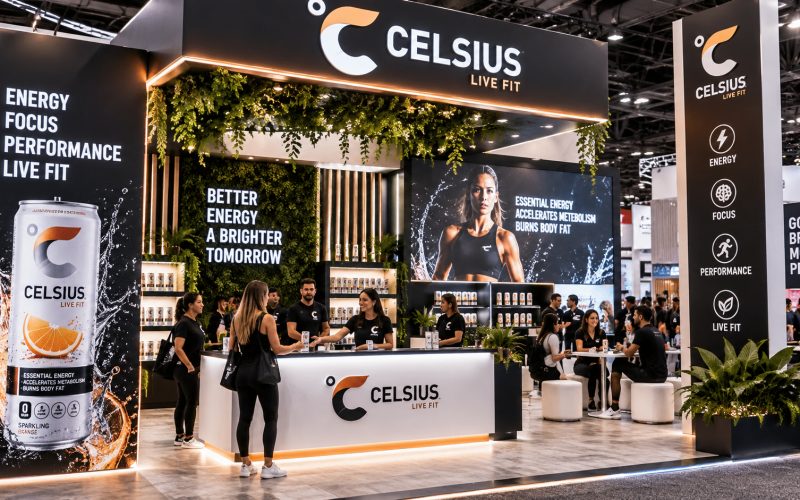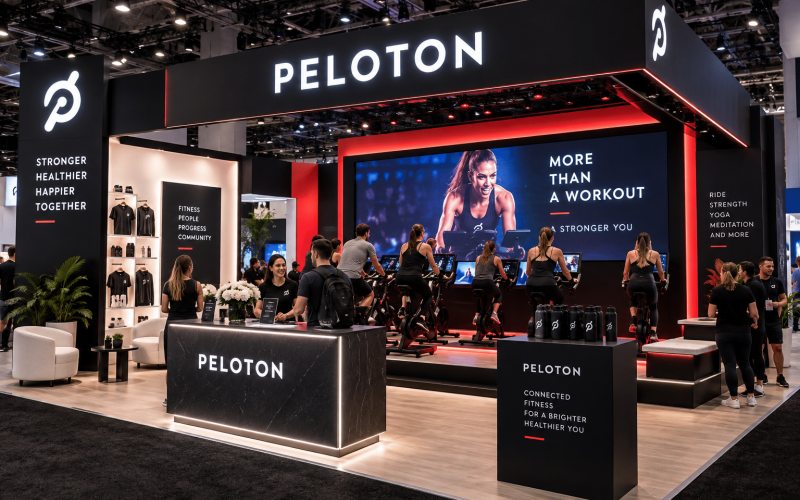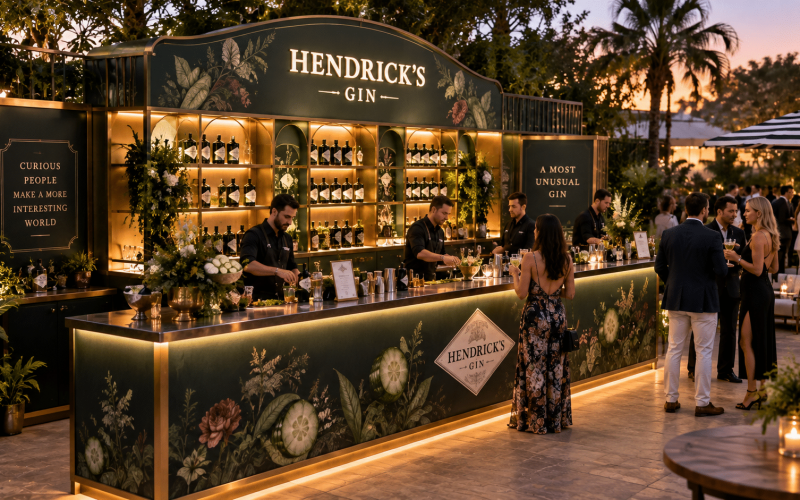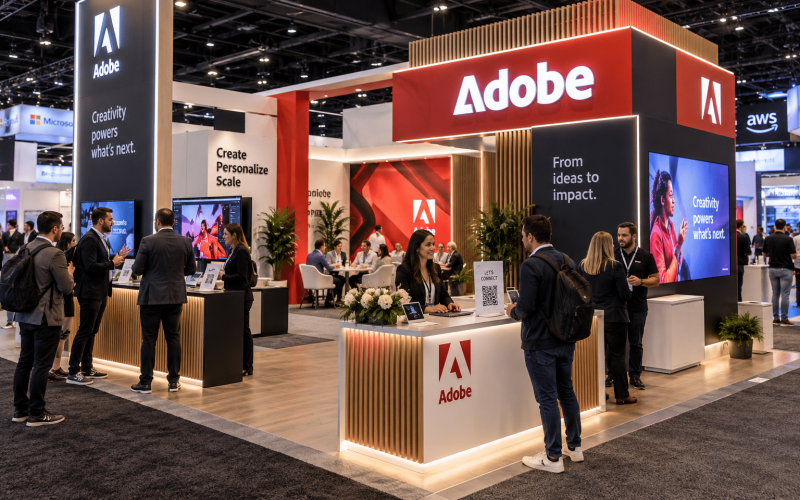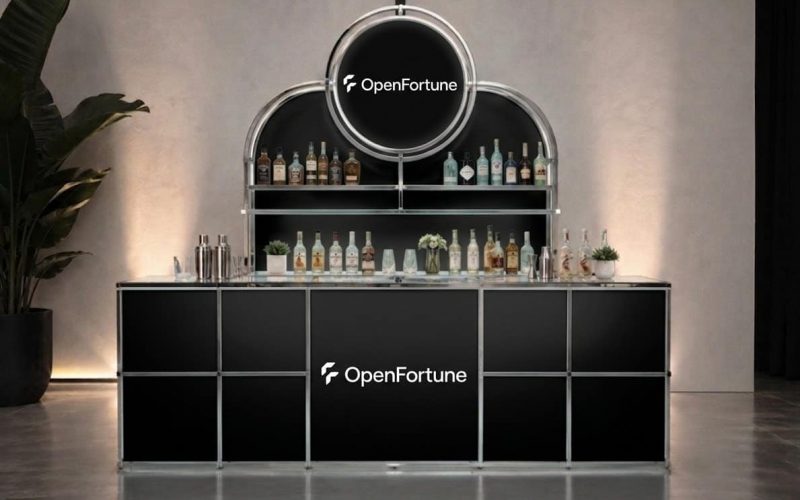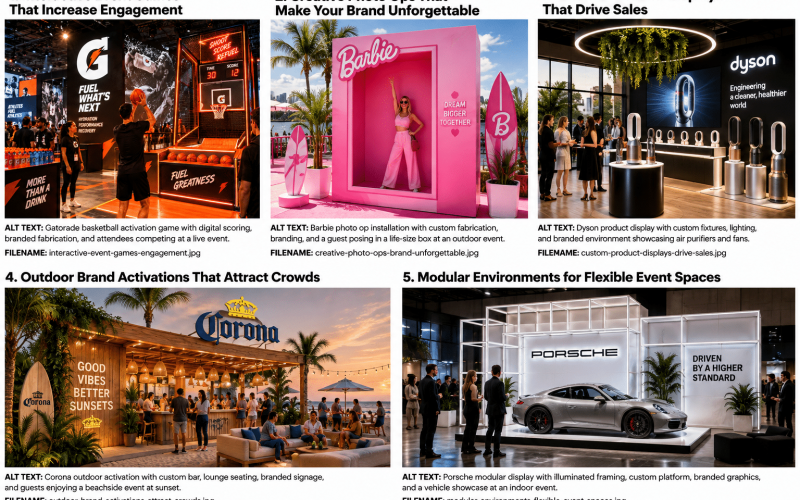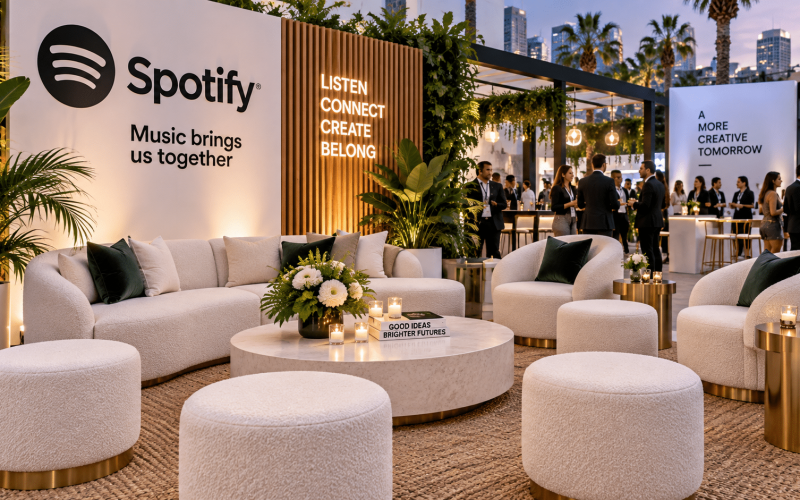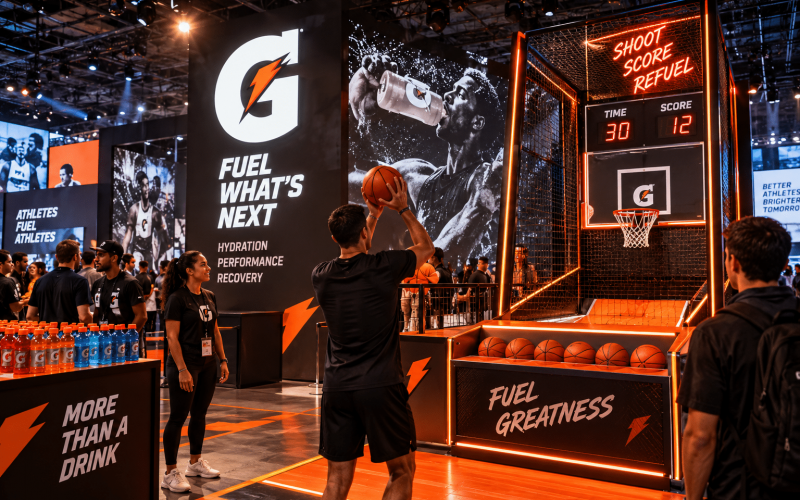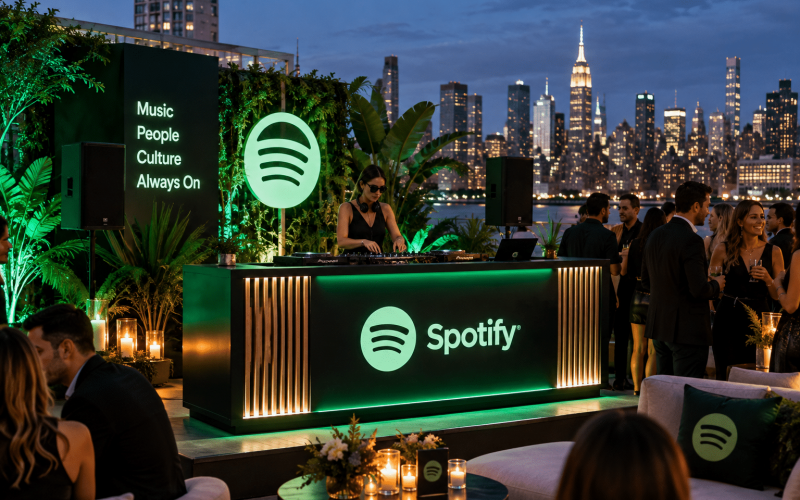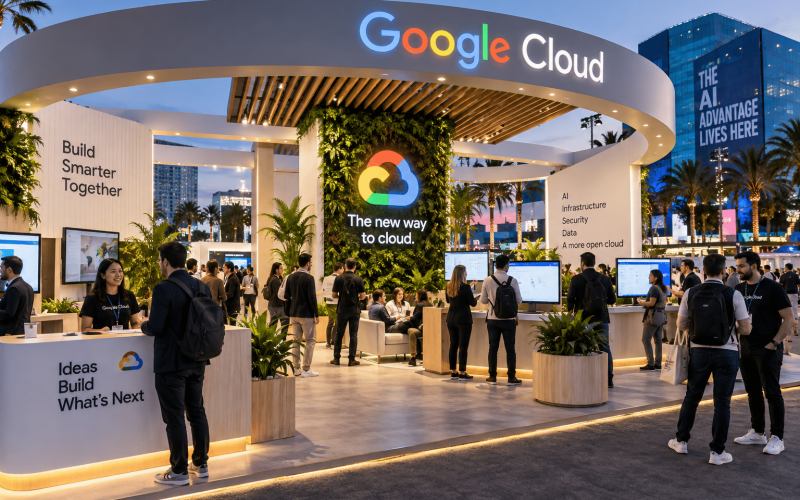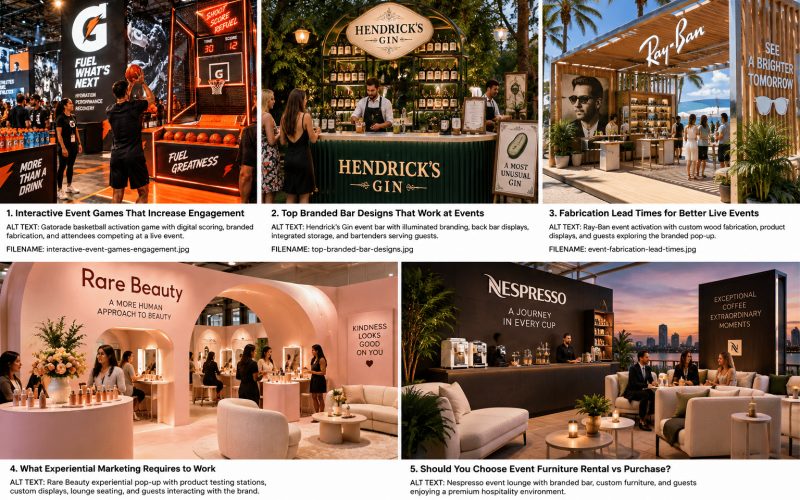
A photo moment has about three seconds to earn attention on a crowded show floor. Attendees decide whether to stop based on what they can see from the aisle, whether they understand the interaction immediately, and whether the result feels worth sharing. The strongest branded photo moment ideas are not simply logo walls. They are fabricated experiences designed around a clear visual payoff.
For brand activations, trade show booths, pop-ups, and launches, the goal is to create an image that carries the brand after the event ends. That requires creative direction, but it also requires practical production decisions: sightlines, durable materials, throughput, lighting, staffing, and a footprint that fits the event environment.
What Makes a Branded Photo Moment Work
A successful photo installation gives guests a role. They are not standing next to branding. They are stepping into a scene, completing an image, reacting to an unexpected feature, or capturing a version of themselves that aligns with the campaign. The brand should be visible in the final content without making the guest feel like a billboard.
Scale matters. A small tabletop prop may support a product demo, but it will rarely stop traffic from across a convention hall. Conversely, an oversized build can create an effective beacon, provided it does not block the booth entrance, create a long queue, or consume the space needed for sales conversations.
The best concept depends on the campaign objective. A product launch may need a photo moment that demonstrates a benefit. A recruiting event may need something social and approachable. A premium brand may prioritize controlled lighting, clean finishes, and fewer guests per hour over a high-volume game mechanic.
12 Branded Photo Moment Ideas Built for Events
1. Oversized Product Replicas
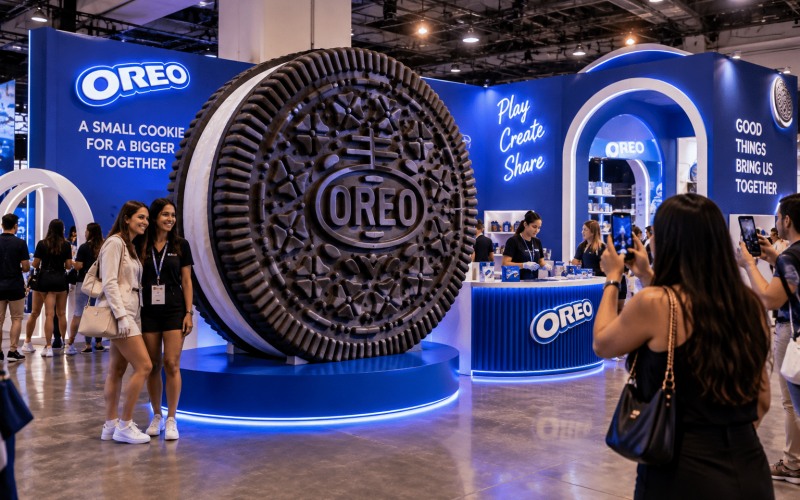
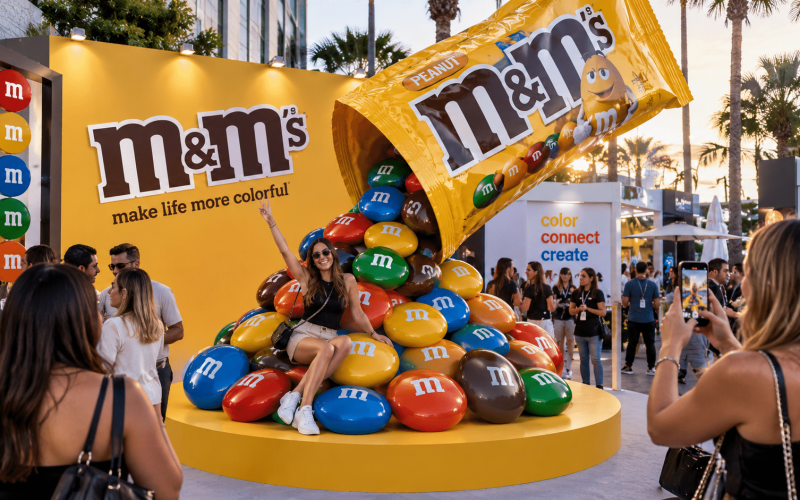
An enlarged product creates immediate recognition and gives attendees a clear reason to pose. Think of a walk-in package, a giant cosmetic compact, a larger-than-life sneaker display, or an oversized beverage can with a usable interior. Custom fabrication lets the replica become more than scenery, with doors, shelving, lighting, or an integrated digital screen.
This approach works especially well when packaging is visually distinctive. The trade-off is that replicas need disciplined engineering and transport planning, particularly when they include curves, glossy finishes, or large illuminated surfaces.
2. The Product Benefit Set
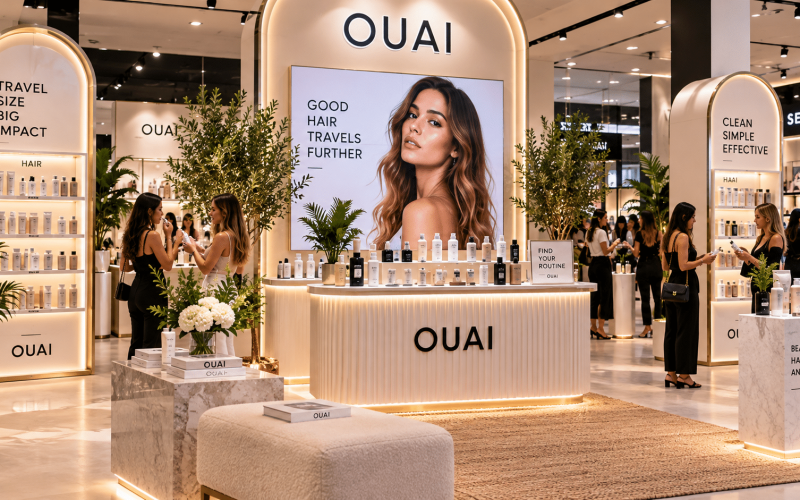
Instead of building around the product itself, build around what it makes possible. A hydration brand might create a cool-down chamber. A travel brand could fabricate a stylized destination portal. A beauty campaign might use a polished vanity set with controlled lighting and a strong before-and-after visual frame.
This is often more effective than a literal product display because it gives creative teams more room to create a story. The connection to the product must still be obvious within the photo, not dependent on a brand ambassador explaining it.
3. Dimensional Logo Installations
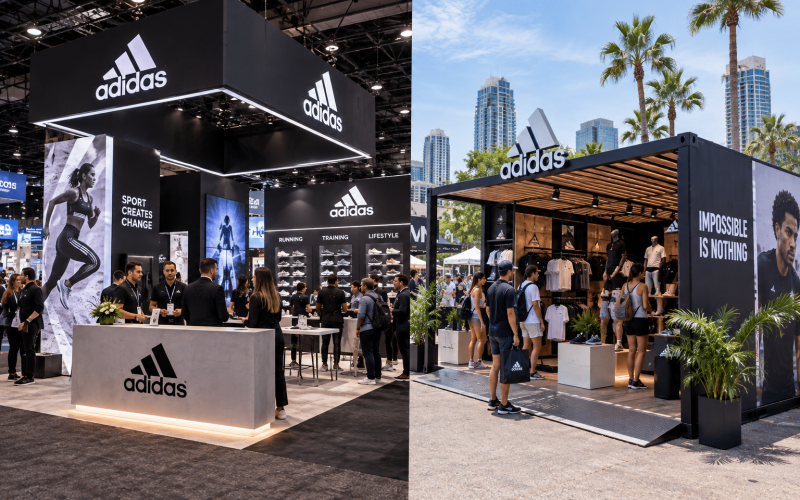
A dimensional logo can work when it is treated as an architectural feature rather than a step-and-repeat. Freestanding letters, layered forms, illuminated contours, or sculptural brand marks give a simple identity system physical presence. Guests can stand within, behind, or alongside the structure.
This option is useful for corporate events, press moments, and trade show booths that need brand impact without a complicated activity. It is also highly adaptable for rental furniture, lounge environments, and changing event footprints.
4. Forced-Perspective Builds
Forced perspective turns a compact footprint into a memorable photo. A tilted room, an oversized chair, a painted floor graphic that aligns with a backdrop, or a narrow set built for one camera angle can produce an image that feels larger than the activation itself.
These installations need clear floor markers and a defined camera position. Without them, guests may miss the intended effect. A staff member or simple instruction graphic can keep the experience moving while protecting the photo quality.
5. Interactive LED Walls
An LED wall can function as a responsive background rather than a passive screen. Motion-triggered graphics, branded animations, personalized text, or visual effects that react to a guest’s movement add energy without requiring a large scenic build.
Digital elements are flexible, but they should not be the only source of visual interest. A small physical foreground element, platform, frame, or branded prop gives the camera depth and makes the moment feel more intentional.
6. Prize Vaults and Transparent Displays
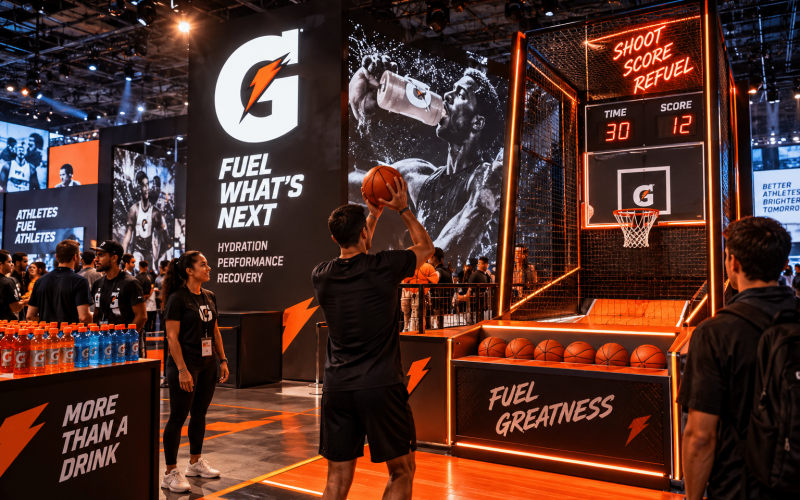
A transparent prize vault, wind chamber, claw game, or token-activated display gives attendees something to do before the photo is taken. The resulting content captures real reactions, which is often more valuable than a posed image.
These concepts are effective for lead generation and promotional campaigns, but the mechanics must be reliable. Build in access panels, power planning, secure storage, and a contingency for resets. The production detail behind a simple game is what protects the guest experience.
7. Statement Seating
Custom seating can become the photo moment when it has a distinctive silhouette, branded upholstery, or unexpected scale. A sculptural bench, throne, curved lounge, or oversized chair supports both social content and practical dwell time inside the activation.
This is a strong choice for events where guests may wait, recharge, or meet with staff. It is less effective when the campaign needs a high-energy action shot. In that case, seating can support the environment while another feature drives the main capture.
8. Branded Vending or Retail Moments
A custom vending machine, storefront façade, or retail display can turn product sampling into content. Guests might select a prize, receive a personalized item, or open a branded compartment that reveals a surprise. The visual of the transaction becomes part of the story.
The key is to make the branded interaction readable from outside the booth. If the machine looks like a generic giveaway station, it will not create the same draw as a fully integrated custom product.
9. Seasonal or Location-Based Sets
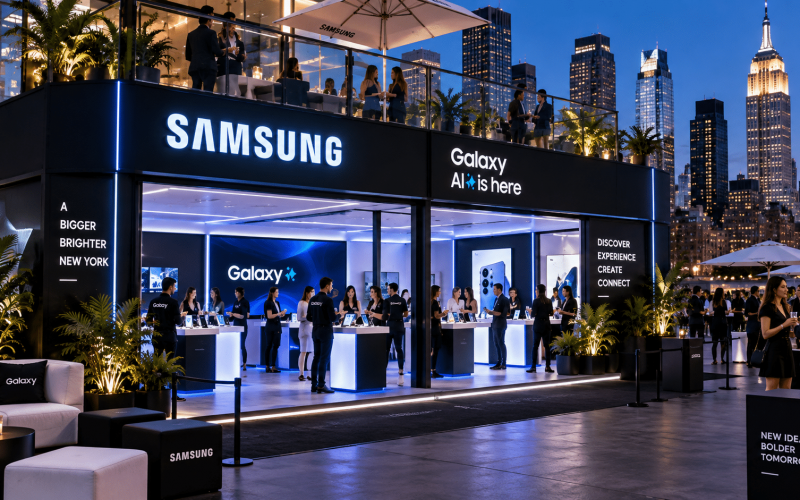
A campaign can borrow visual cues from the host city, season, or event theme without losing its brand identity. A New York street-style set, a summer boardwalk scene, or a stadium-inspired locker room can make a national campaign feel grounded in the moment.
This route can create strong relevance, especially for tours and pop-ups. It requires careful brand control, though. Local references should enhance the campaign, not overwhelm its core colors, product message, or visual system.
10. The Reveal Wall
A reveal wall turns a photo into a participation mechanic. Guests pull a panel, open a door, rotate a cube, or trigger a flip element to uncover a message, product, or prize. The build creates anticipation, and the reveal provides the reaction worth capturing.
Because many people will touch the same elements, material selection matters. Hardware, hinge systems, edge protection, and replaceable graphics should be specified for repeated use, not just the first day of the event.
11. Custom Frames and Portals
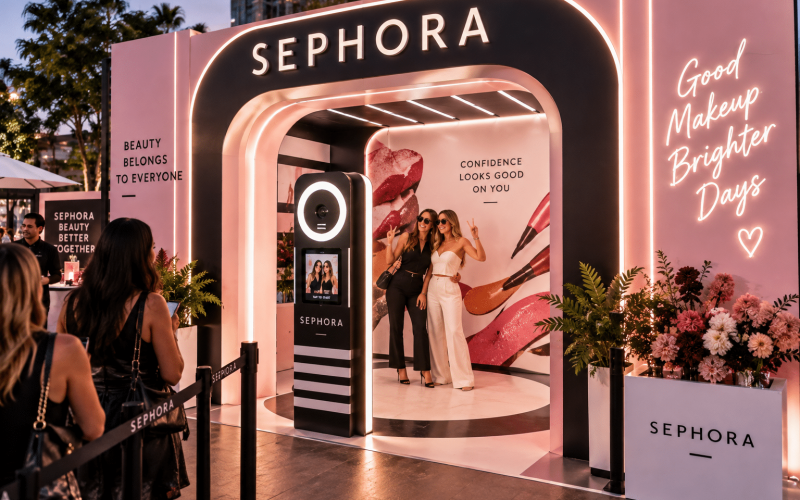
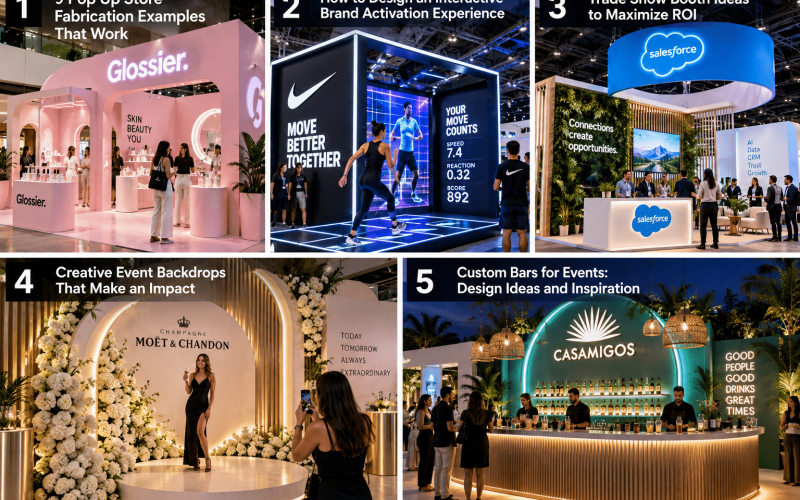
An architectural frame can direct attention exactly where the campaign needs it. Fabricated arches, tunnel entrances, windows, product-shaped portals, and layered frames create a clear composition while helping define traffic flow.
Portals are especially useful in larger trade show booths because they can make the activation visible from multiple angles. They also give photographers and guests an instinctive place to stand without extensive instructions.
12. Community Content Walls
A community wall displays guest photos, written responses, creator content, or campaign messages as the event progresses. It gives attendees a reason to return and makes participation visible to people who have not yet engaged.
For this idea to work, establish moderation rules and content turnaround times before the event. A blank or outdated wall can weaken the installation. When managed well, it turns individual captures into visible social proof.
Design the Moment for Cameras and Operations
A camera-ready build needs more than an attractive backdrop. Start with the intended shot: vertical social video, a phone photo, a professional event image, or all three. A scene designed only for a wide horizontal camera may leave guests with weak mobile content.
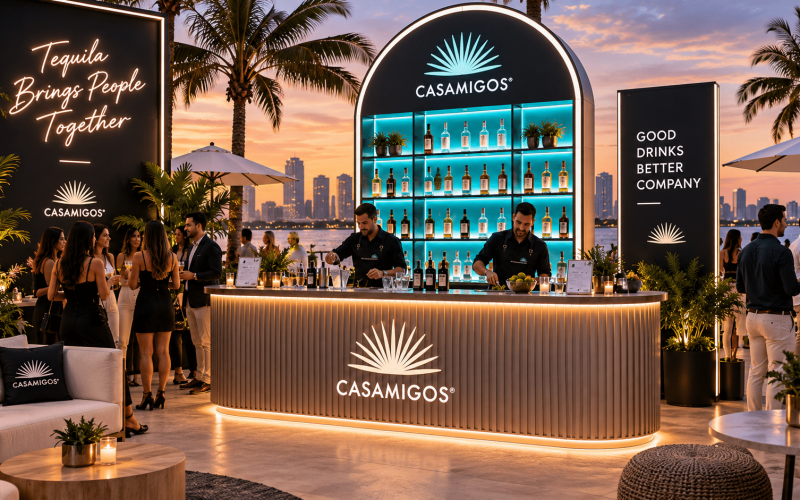
Lighting deserves early attention. Front-facing light should flatter people, while accent lighting can define the structure and make brand colors visible. Avoid relying only on overhead venue lighting, which is often uneven and difficult to control. Glossy materials can look premium, but they may also create glare, so finish selection should follow the lighting plan.
Then plan the guest path. Create a visible entrance, a place to wait, a clear capture zone, and an easy exit. If a photo moment becomes popular, queue management quickly becomes part of the brand experience. A tight line in front of the booth can signal demand, but a line that blocks access or leaves guests confused costs engagement.
Portadecor approaches these installations as event-ready custom products, balancing the creative concept with fabrication details that affect setup, durability, transport, and onsite use. That distinction matters when an idea has to perform across multiple tour stops or through several days of heavy event traffic.
Measure More Than Photo Volume
A high number of photos is encouraging, but it is not the only measure of success. Track dwell time, completed interactions, lead captures, QR scans, product samples distributed, and the number of guests who continue into the rest of the booth. If content sharing is a primary goal, define the campaign hashtag, consent process, and delivery method before production begins.
It also helps to review the installation from the attendee’s perspective after the first hour. Are people naturally finding the best camera angle? Is branding visible in user-generated content? Are ambassadors spending too much time explaining the mechanic? Small operational changes can improve performance without changing the fabricated environment.
The right photo moment gives attendees a reason to step in and gives the brand a reason to be remembered. Build for the image, but engineer for the real conditions around it: crowds, cameras, repeat use, and the fast decisions people make on a live event floor.