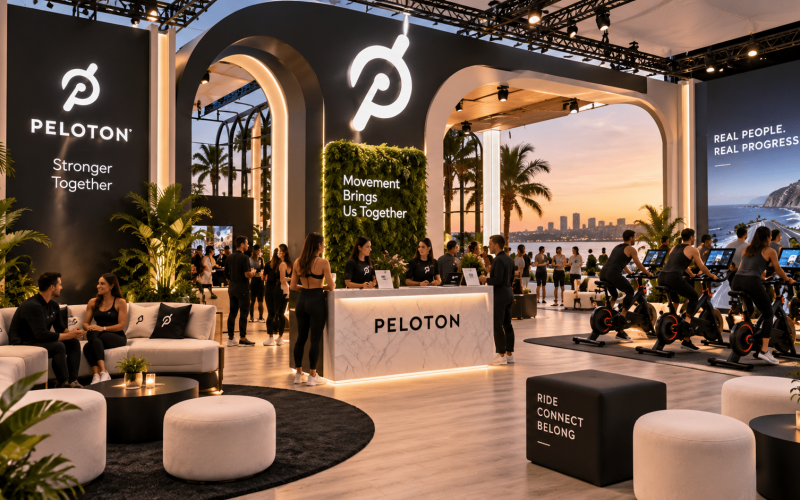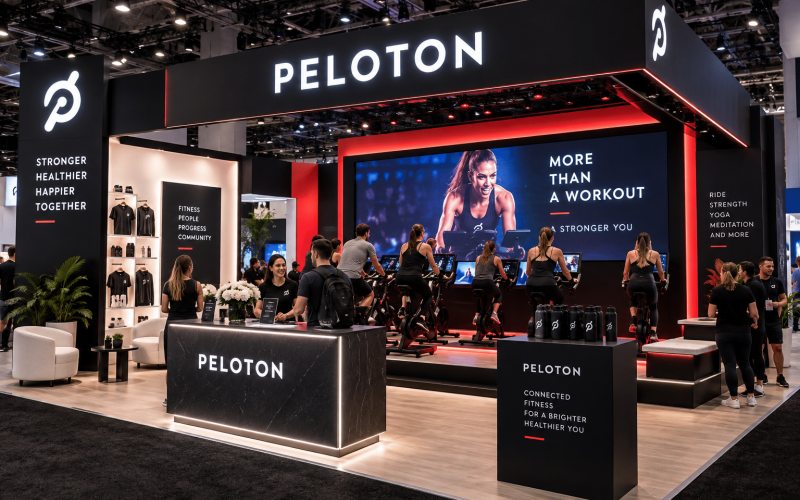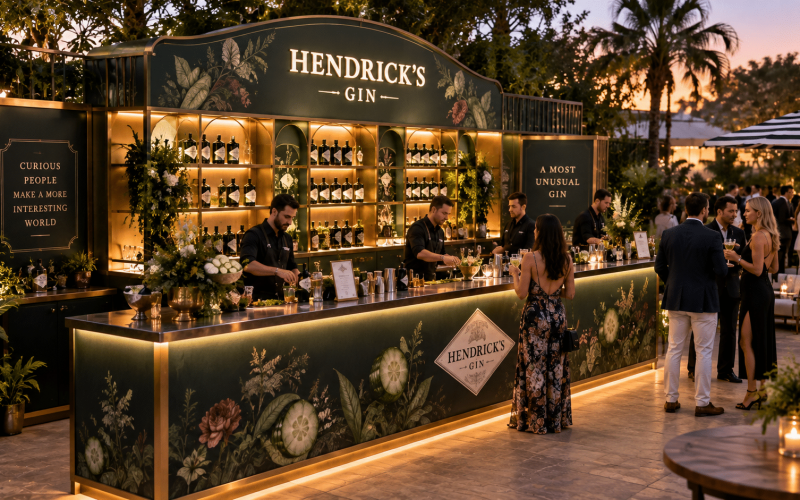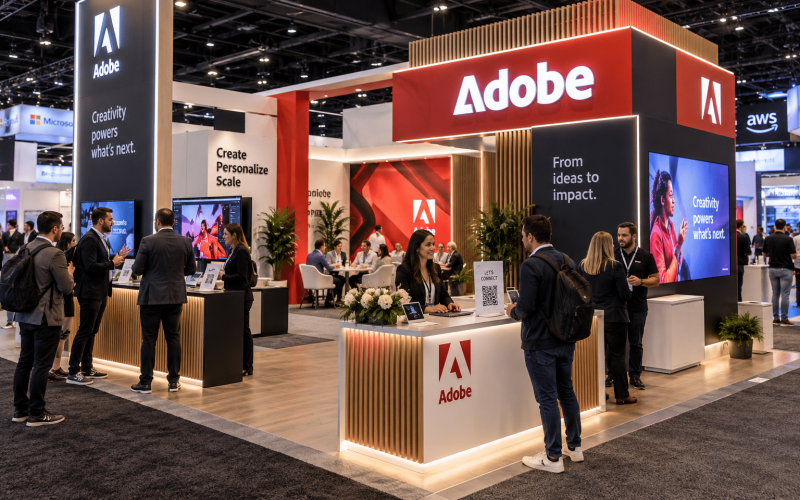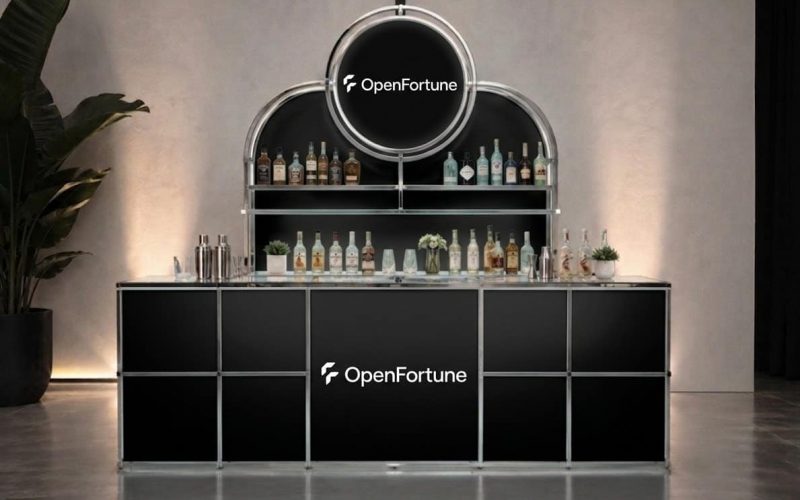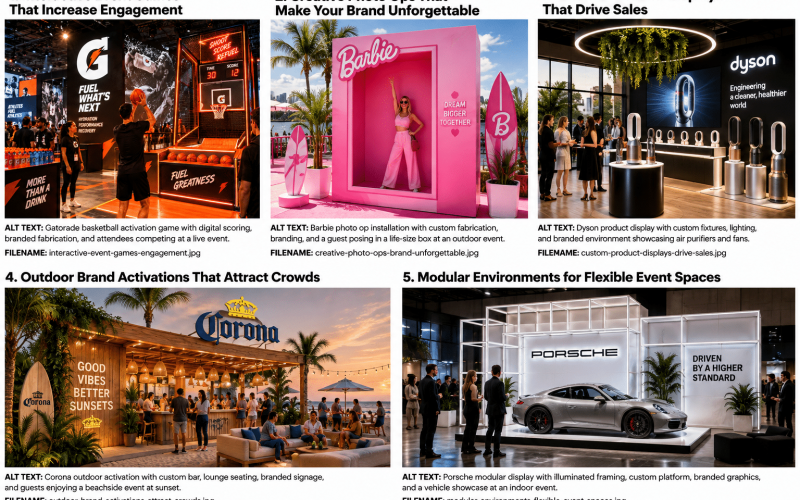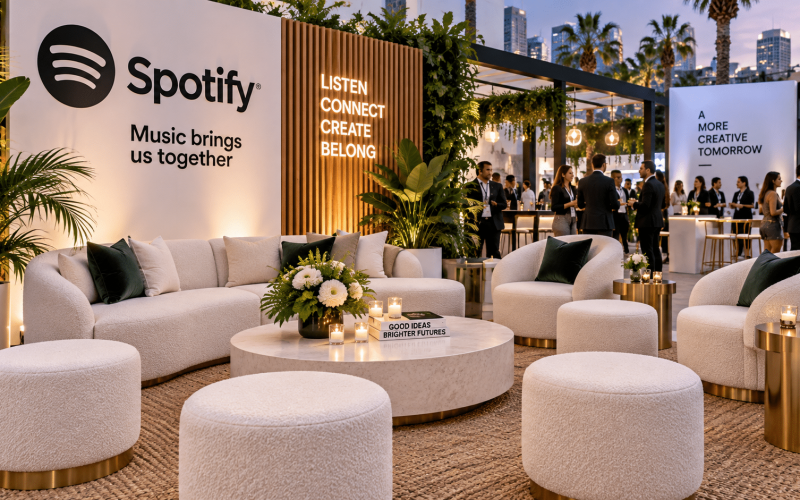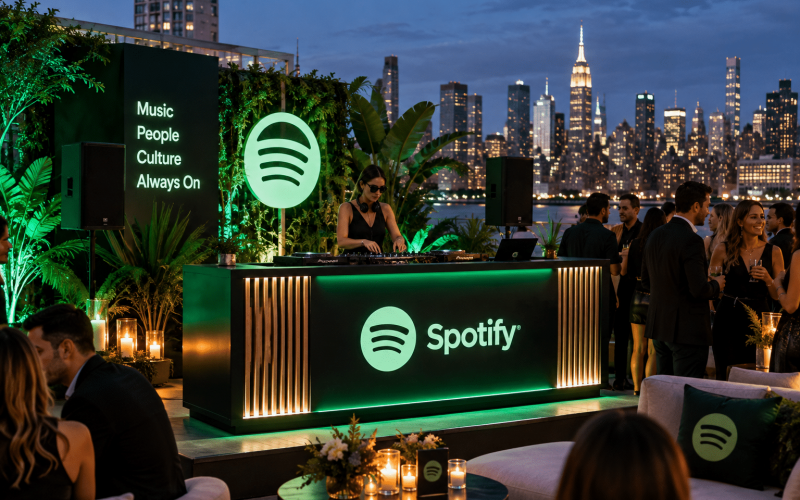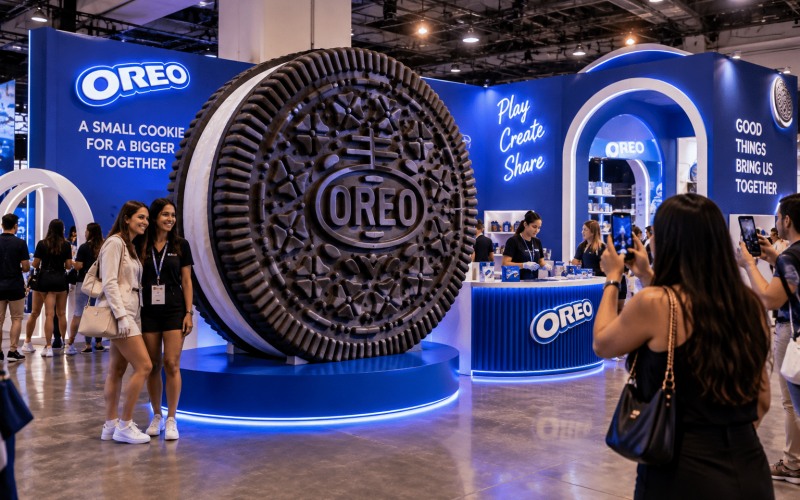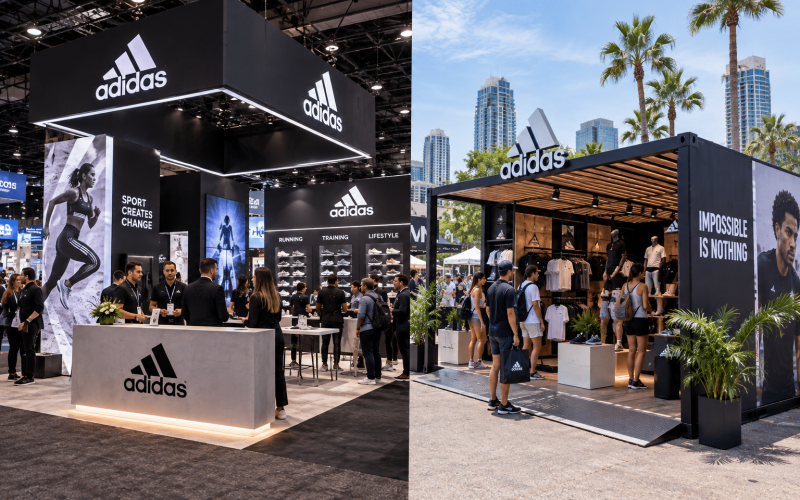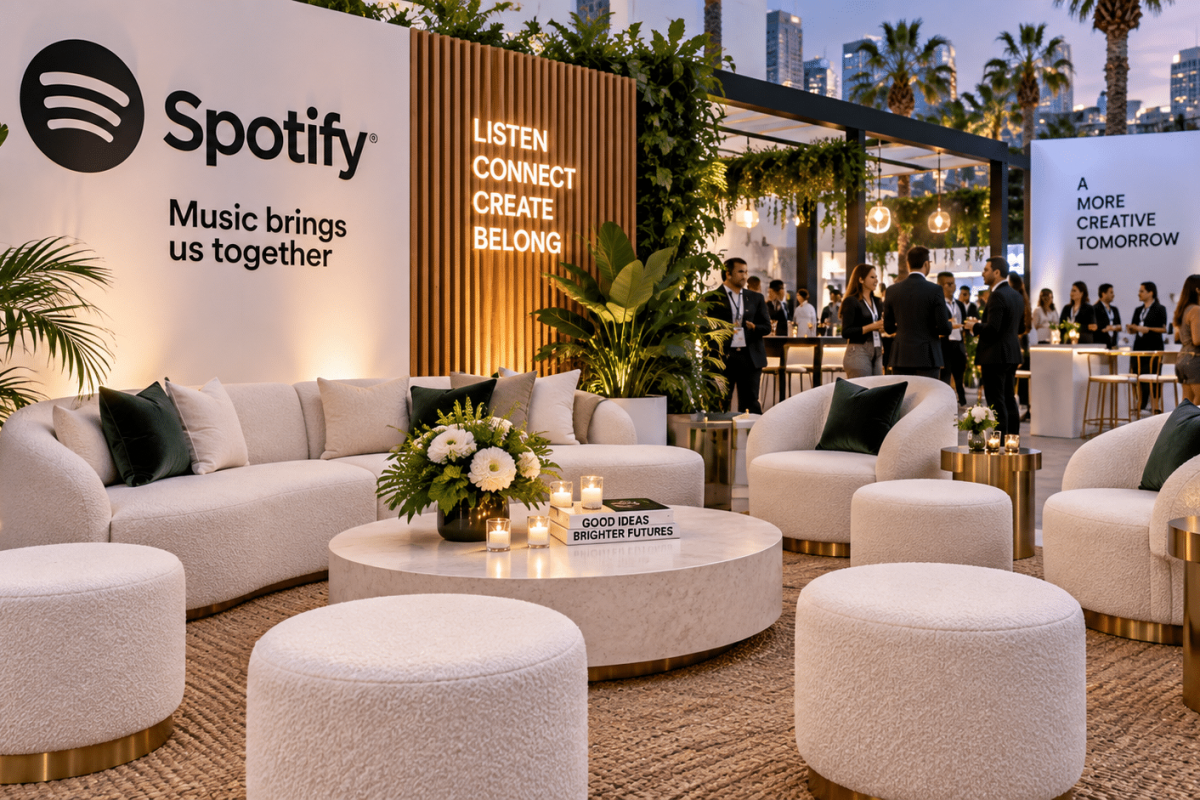
A branded lounge can make a product launch feel considered, while a row of mismatched seating can make even a strong booth concept look unfinished. That is why the event furniture rental vs purchase decision is not simply a line-item comparison. It affects your creative flexibility, freight plan, setup schedule, storage obligations, and ability to deliver a consistent brand experience from one market to the next.
For experiential teams, the right answer depends on how often the asset will be used, how much brand customization it needs, and who will manage it after the event closes. Rental is often the practical choice for short-run environments. Purchase can become the smarter investment when an activation platform is designed to travel and repeat.
Event Furniture Rental vs Purchase Starts With the Event Plan
Start with the campaign, not the catalog. A one-day media event in Manhattan, a three-day trade show booth, and a six-city product sampling tour have different demands even when they all require tables, stools, lounge seating, display counters, and branded moments.
Rental works best when the event has a defined, limited run and the furniture itself is not the main brand asset. You select pieces that support the intended look, arrange for delivery and pickup, and return them after the event. This reduces the need to own, warehouse, maintain, and transport inventory that may not fit the next program.
Purchase makes more sense when furniture is part of a repeatable activation system. A custom demo bar, branded retail fixture, modular seating system, or interactive game station may be used across multiple events and need to look identical each time. In those cases, ownership gives the brand control over the physical asset and its future use.
The key question is not, “Which option costs less today?” It is, “Which option gives this campaign the most value over its usable life?”
When Event Furniture Rental Makes Sense
Rental is a strong operational choice for trade shows, pop-ups, corporate events, press previews, and single-market activations. It lets event producers furnish an environment without turning temporary needs into permanent inventory.
For a short event, rental costs are easier to forecast. The quote can include furniture, delivery, placement, pickup, and, depending on the scope, coordination with the event schedule. Your team avoids upfront fabrication costs and does not have to make room for furniture after the show floor closes.
It also preserves creative flexibility. A fashion-forward lounge setup that fits one launch may not suit next quarter’s automotive display or wellness activation. Renting allows agencies and brand teams to change the furniture profile based on the campaign concept, venue footprint, audience, and visual direction.
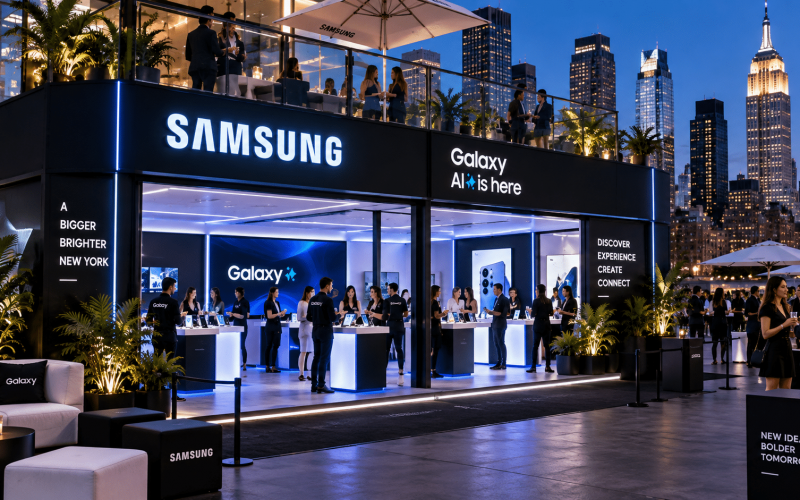
Rental is particularly useful when space is tight or venue access is complicated. In New York City and other dense event markets, loading windows, elevators, union rules, street access, and limited back-of-house storage can shape the entire production plan. Working with an event-focused rental partner helps keep furniture delivery aligned with installation timing instead of leaving it to an internal team or general freight provider.
There are limits. Standard rental furniture may not fully match a campaign’s color palette, dimensions, or creative requirements. While accessories, graphics, wraps, and custom elements can elevate a rental package, there is a point where extensive modification is less efficient than fabricating a dedicated asset.
When Purchasing Is Better for the Brand
Purchase is usually justified by repetition, customization, and long-term control. If your team is planning a roadshow, recurring retail pop-up, annual trade show program, or multi-market brand activation, owning selected assets can lower the cost per use over time.
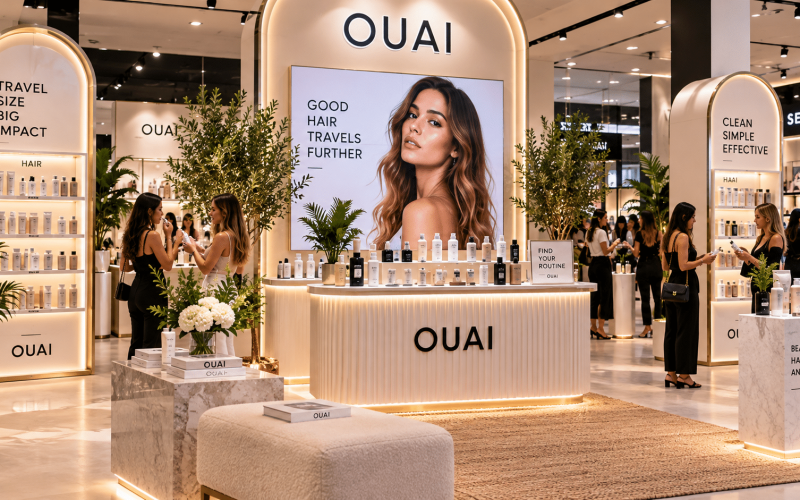
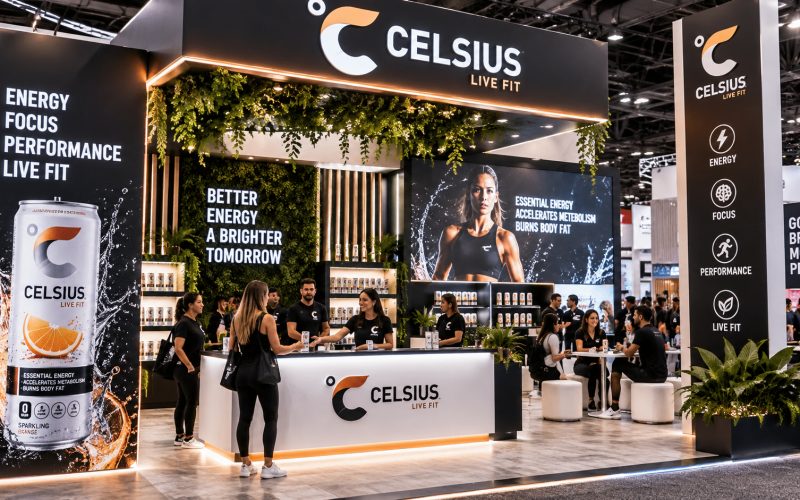
The strongest purchase cases involve furniture that does more than fill a room. A custom-built welcome counter can hold product, conceal cables, support staff workflow, and carry branded graphics. A modular display unit can adapt to different footprints. A branded game table can become the visual and engagement center of an activation. These are not interchangeable rental pieces. They are campaign assets designed around the customer experience.
Ownership also protects brand consistency. Your team knows the finish, dimensions, functionality, and condition of the furniture being installed. That matters when a brand has exacting standards or when agencies need a physical environment to align with approved creative across markets.
However, purchasing creates responsibilities that can be easy to underestimate during planning. Someone must coordinate storage, inventory, maintenance, repairs, cleaning, freight, and refurbishment. If graphics change, the asset may need new panels, wraps, or surfaces. If the campaign is discontinued after two appearances, a custom piece can become a storage expense rather than a marketing investment.
A purchase plan should include the full asset lifecycle before fabrication begins. Ask where it will live, how it will ship, whether it breaks down for transport, how quickly it can be installed, and whether its branded components can be updated for future campaigns.
Compare Total Cost, Not the Initial Quote
The clearest way to evaluate rental versus purchase is to model the total cost across the planned program. The first quote rarely tells the whole story.
With rentals, account for the rental period, delivery, pickup, labor, venue access requirements, damage coverage, and any custom branding or modifications. A low daily rate can rise quickly if the event has difficult delivery conditions or requires multiple setup windows.
With purchased furniture, include design, engineering, fabrication, finishing, graphics, packaging, freight, storage, installation, strike, repairs, and future updates. A custom asset may have a higher initial cost but prove more efficient if it is used frequently and replaces repeated rental spending.
Usage frequency is the practical breakpoint. If the furniture will appear once or twice, rental is often the more responsible budget decision. If it will be deployed across a full season of shows or multiple years of programming, ownership deserves serious consideration. The break-even point varies because freight distances, storage rates, fabrication complexity, and event labor all influence the calculation.
Do not overlook the cost of a poor fit. Furniture that cannot accommodate product demos, charging, staff storage, accessibility, or audience flow may look acceptable in a rendering but underperform in the field. The right asset should support the activation’s job, whether that is lead capture, product trial, hospitality, content creation, or retail conversion.
A Hybrid Model Often Produces the Best Result
Many effective event environments use both approaches. Purchase the assets that carry the brand and rent the supporting pieces that change with each venue.
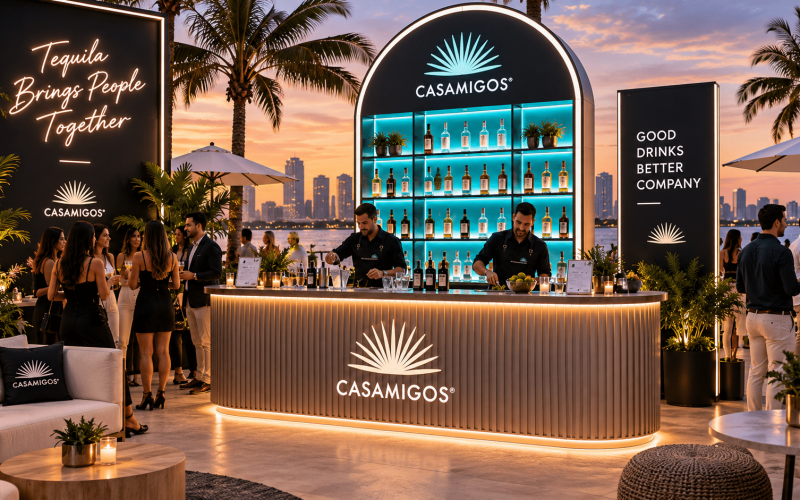
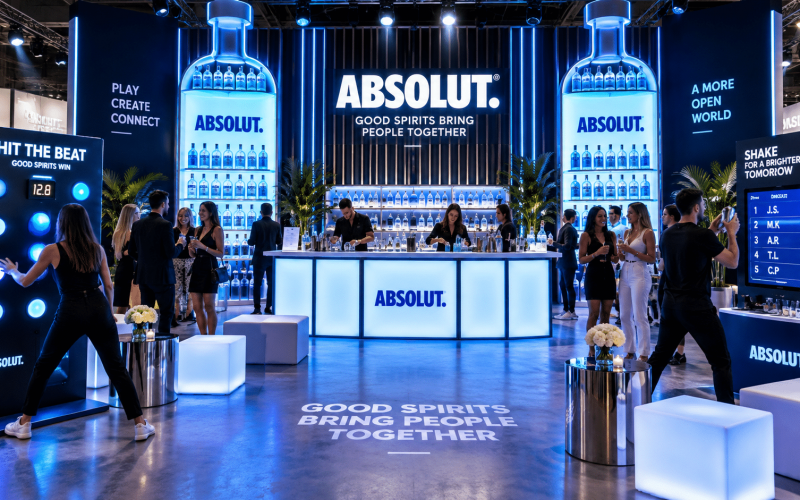
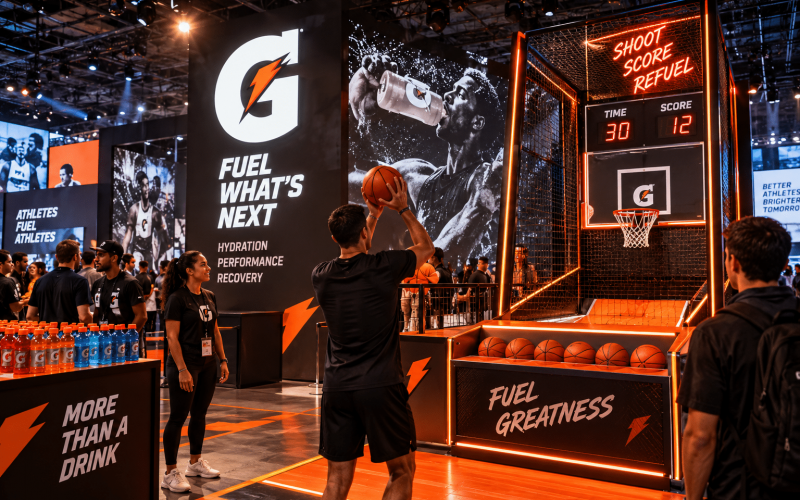
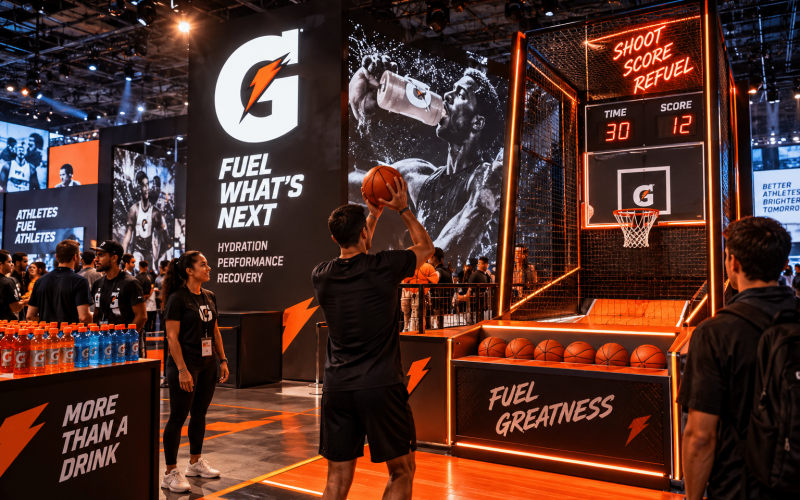
For example, a beverage brand might own a custom tasting bar, illuminated product displays, and branded game elements while renting lounge chairs, side tables, stanchions, and back-of-house furnishings. The permanent assets create recognition and functionality. The rental package adjusts for the footprint, attendee count, and local venue requirements.
This approach is especially useful for marketing agencies managing multiple client programs. It keeps the custom fabrication budget focused on high-impact elements while giving producers flexibility to scale the environment up or down. It also reduces the risk of overbuilding a complete furniture package before the program has proven its value.
A fabrication-first event partner can help identify which pieces should be engineered for reuse and which are better sourced as rentals. At Portadecor, that assessment can include custom products, branded finishes, installation needs, transport considerations, and the practical realities of activation staffing and audience flow.
Questions to Settle Before You Commit
Before approving either route, get clear on the program’s expected number of uses, markets, venue types, storage owner, transport plan, and required brand life. Also define what must be custom. A logo on a standard counter is different from a counter designed around a specific product, interaction, or service workflow.
Ask whether the event footprint will stay consistent. If every stop has different dimensions, modular purchased assets or a rental-heavy plan may be more effective than large fixed pieces. If the brand needs a controlled, repeatable environment for every appearance, custom ownership may better protect the experience.
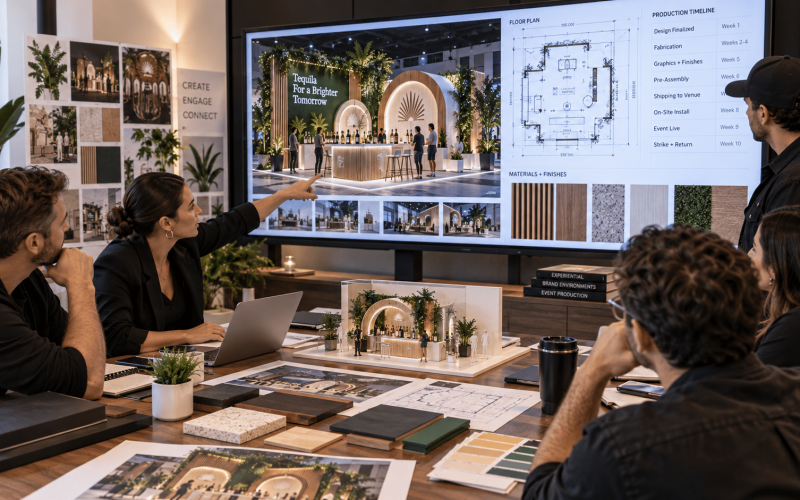
Finally, evaluate the lead time honestly. Rental inventory can be a practical solution when the schedule is compressed. Custom fabrication requires adequate time for design development, approvals, production, finishing, and logistics. Rushing a custom build can compromise choices that would have made the asset more durable, transportable, and useful over multiple events.
The best decision is the one that gives your team the right physical environment without creating avoidable work after the audience leaves. Build what carries the brand and earns repeat use. Rent what supports the moment, adapts to the venue, and does not need to follow the campaign home.