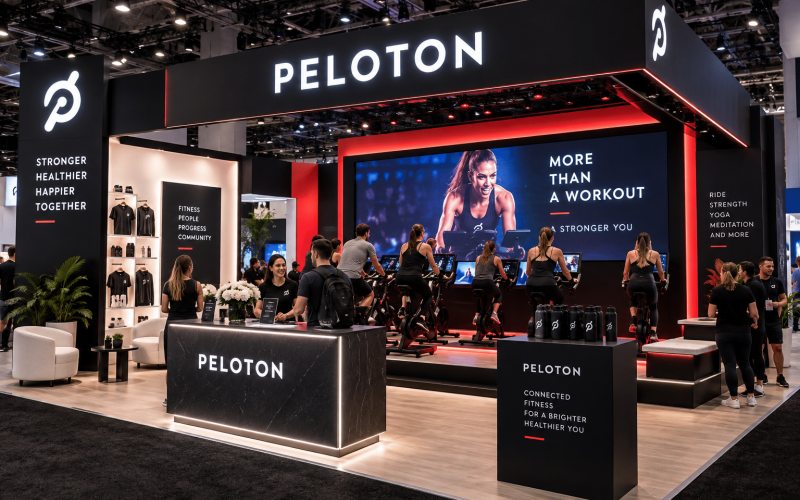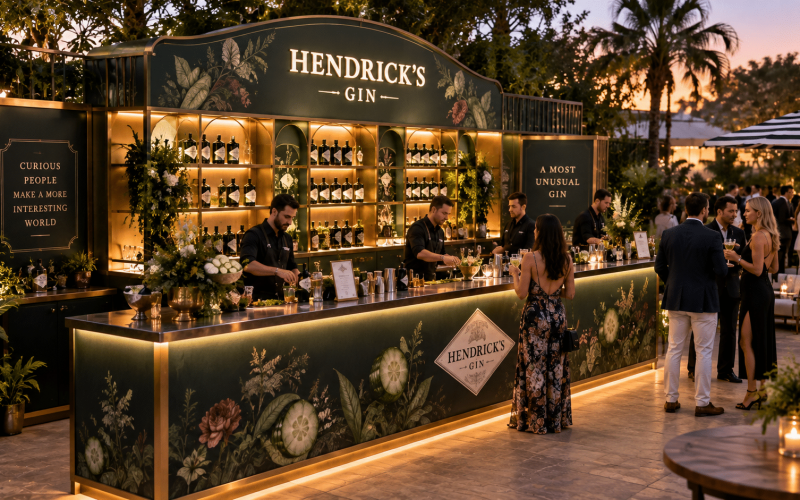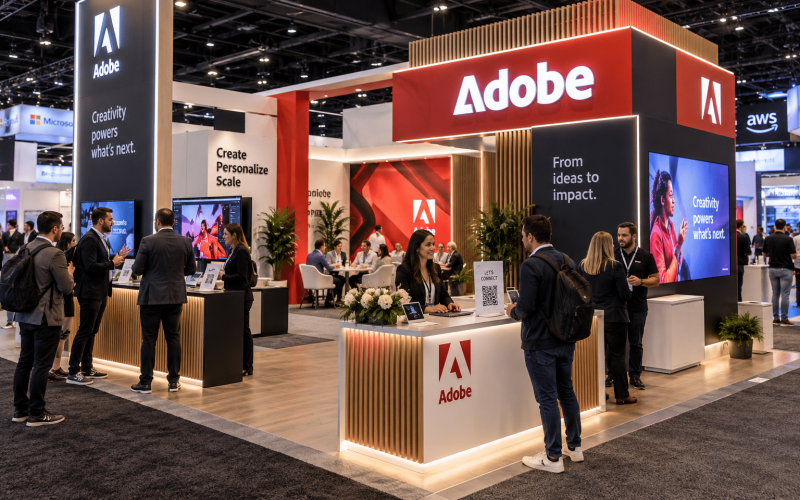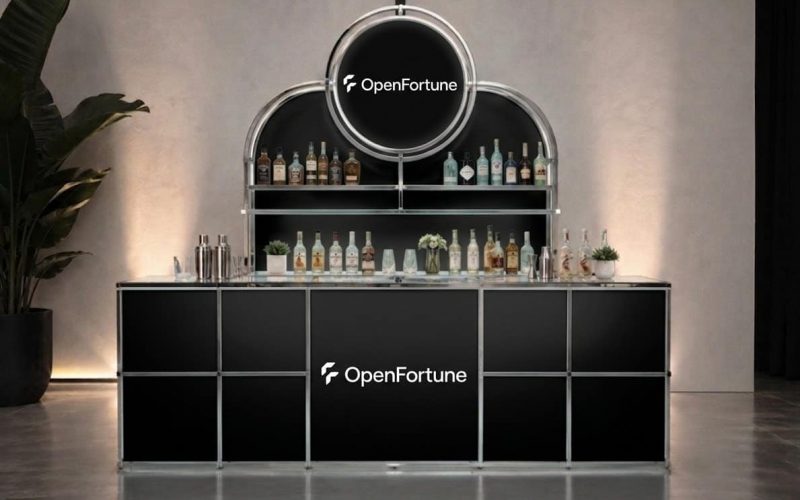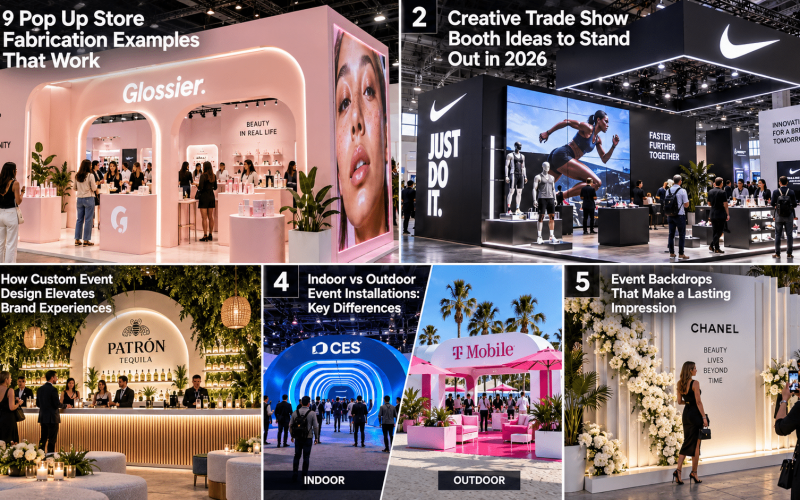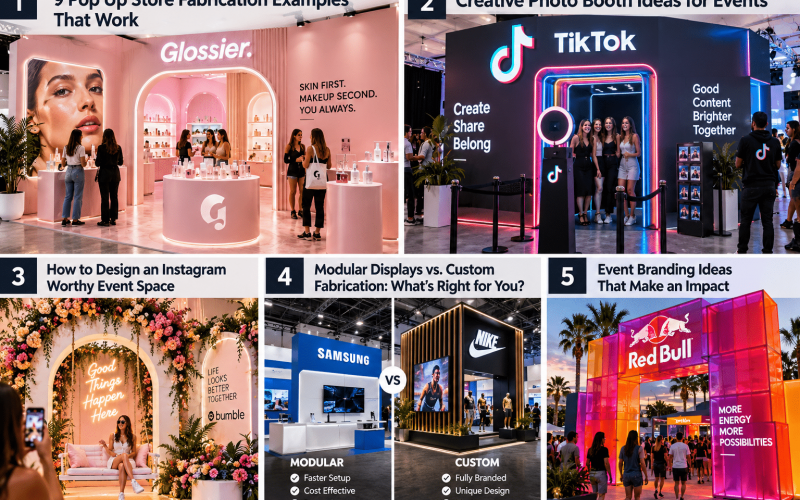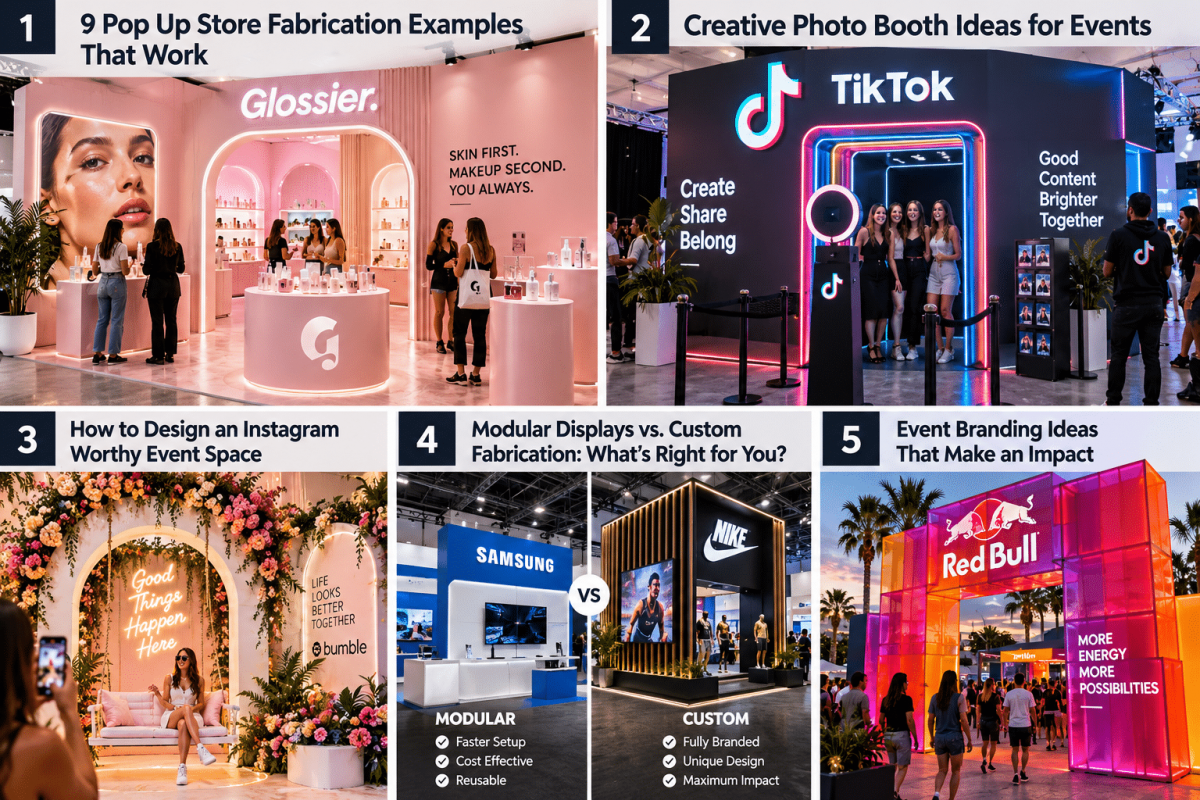
A lounge can either extend the brand experience or become expensive background scenery. The best event lounge furniture supports the way guests move, wait, talk, recharge, and share content while making the activation, trade show booth, or pop-up feel intentional. For event producers and brand teams, the selection process is not about choosing the most decorative sofa. It is about specifying furniture that works for the audience, venue, footprint, campaign goals, and production schedule.
Start With the Experience, Not the Furniture
Before selecting a sectional, bar table, or set of club chairs, define what the lounge needs to accomplish. A hospitality area for VIP conversations has different requirements than an open seating zone designed to pull attendees into a product demonstration. A lounge beside a trade show booth may need to create privacy without blocking sightlines. A consumer activation may need quick turnover, social-media-ready visual impact, and room for staff to reset the space throughout the day.
Consider the guest behavior you want to support. If people are expected to stay for 15 to 30 minutes, prioritize genuinely comfortable seating, surfaces for drinks or devices, and spacing that allows conversation. If the lounge is a short stop between activity stations, use smaller seating groups and standing-height pieces that keep traffic moving. The goal is not to maximize the number of seats. It is to create a usable environment that supports the program.
A strong furniture plan also gives the event team a clear operational purpose for every zone: check-in, waiting, consultation, charging, sampling, hospitality, or recovery. When a piece has no job, it often consumes valuable floor space without improving the guest experience.
What Makes the Best Event Lounge Furniture
The best event lounge furniture balances four competing demands: visual impact, guest comfort, brand alignment, and operational practicality. The right balance depends on the event, but overlooking any one of these areas can weaken the finished environment.
Comfort Should Match Dwell Time
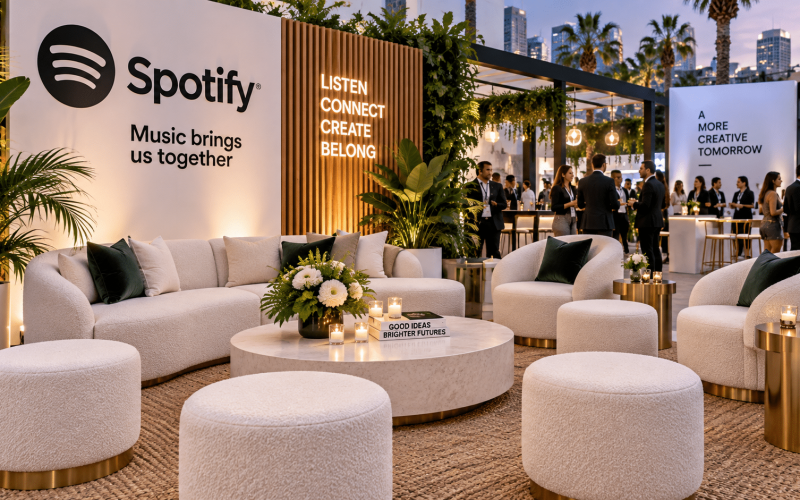
Deep lounge seating can encourage guests to settle in, but it is not always the right choice. Low sofas and soft ottomans are effective for an upscale hospitality setting, a media lounge, or a relaxed product launch. They can be less effective when guests need to stand quickly, hold a conversation with booth staff, or move through a high-volume footprint.
Seat height matters. Standard-height chairs and sofas are easier for a broad range of guests to enter and exit, while low-profile furniture creates a more editorial look but can slow traffic. Add occasional tables when guests will have beverages, brochures, devices, or product samples. A beautiful lounge without functional surfaces quickly becomes inconvenient.
Scale Must Work With the Floor Plan
Oversized sectionals can make an empty space feel grounded, but they can overwhelm a compact booth or narrow activation footprint. Conversely, underscaled chairs can disappear in a large venue hall and make the space feel temporary. Furniture should be plotted in the floor plan rather than selected as isolated pieces.
Leave enough circulation space for guests, staff, photographers, catering, cleaning, and accessibility needs. A furniture layout that looks generous in a rendering may become restrictive once power runs, product displays, stanchions, and branded elements are installed. Build the lounge around clear access paths, especially at busy entry points and around interactive components.
Materials Need to Survive Live Events
Event furniture receives more wear than furniture in a typical office or showroom. Guests shift chairs, set down drinks, bring bags into the lounge, and use surfaces continuously. Upholstery, tabletops, and finishes should be selected with real event conditions in mind.
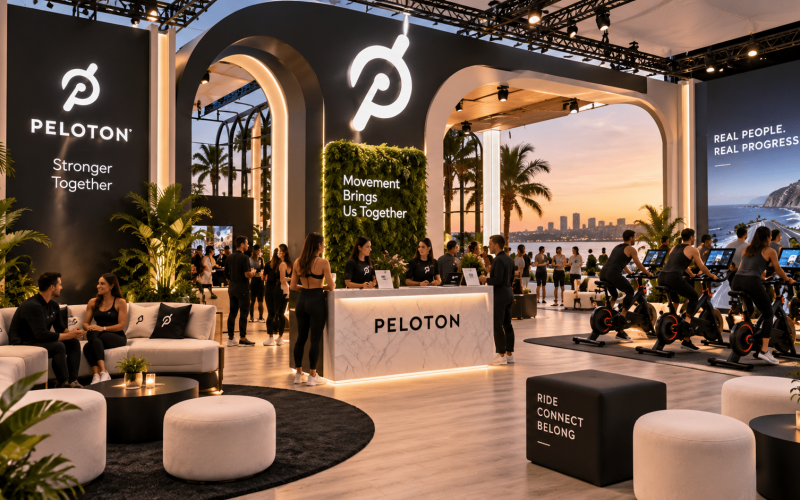
For high-traffic public events, durable, cleanable surfaces are usually the practical choice. White upholstery and glossy finishes can look premium, but they require more attention during multi-day programs. Darker neutral tones can conceal wear, while branded pillows, cushions, rugs, and custom accessories provide color without making the entire furniture package difficult to maintain.
The Furniture Must Belong to the Brand
Brand consistency does not require putting a logo on every chair. In fact, excessive branding can make a lounge feel promotional rather than inviting. The better approach is to use furniture as part of a coordinated physical system that reflects the campaign’s color palette, tone, materials, and visual hierarchy.
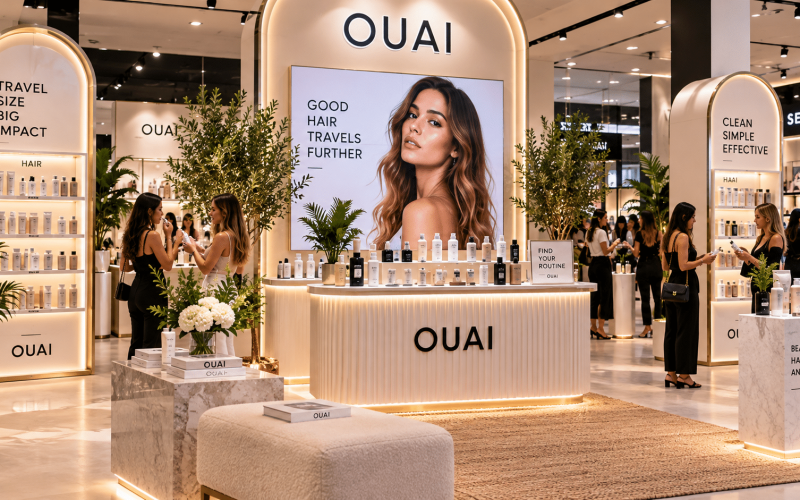
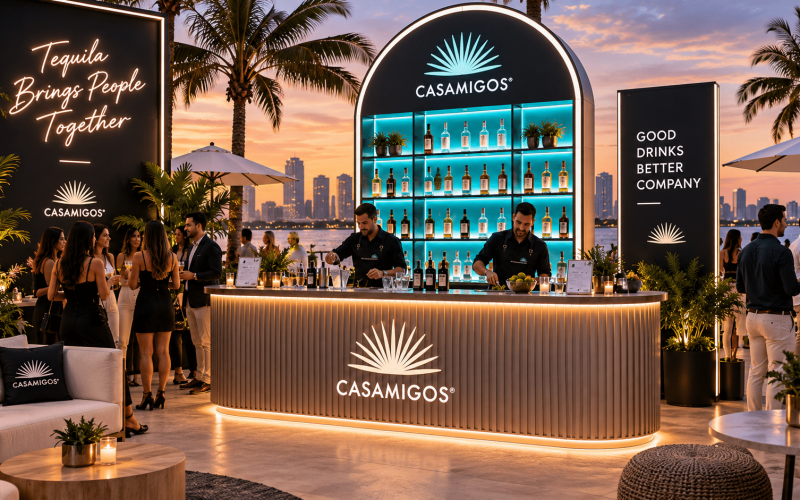
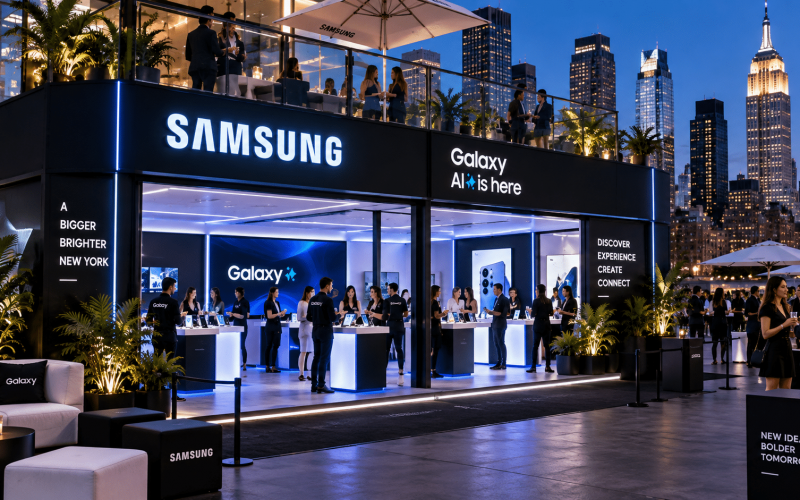
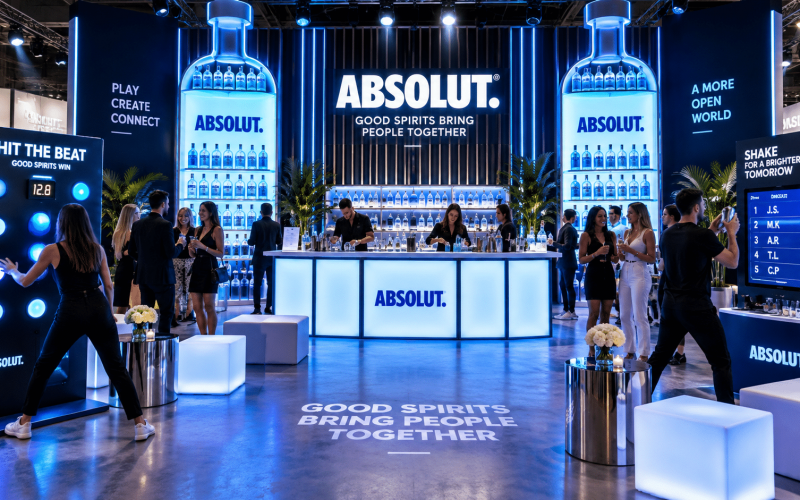
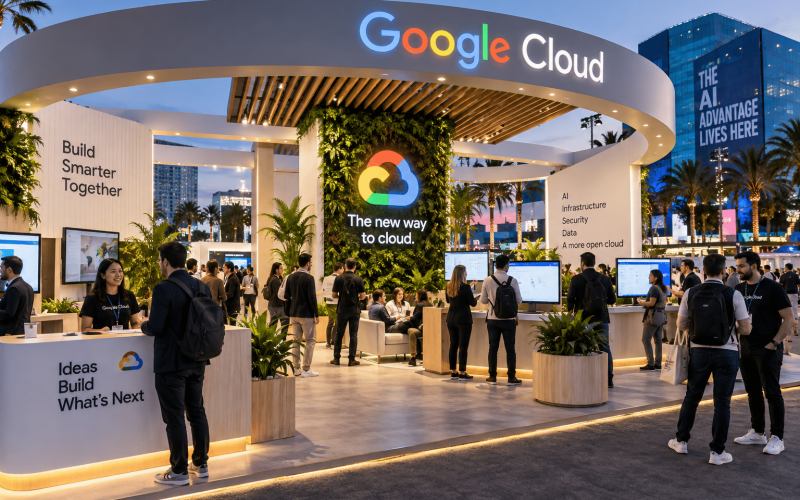
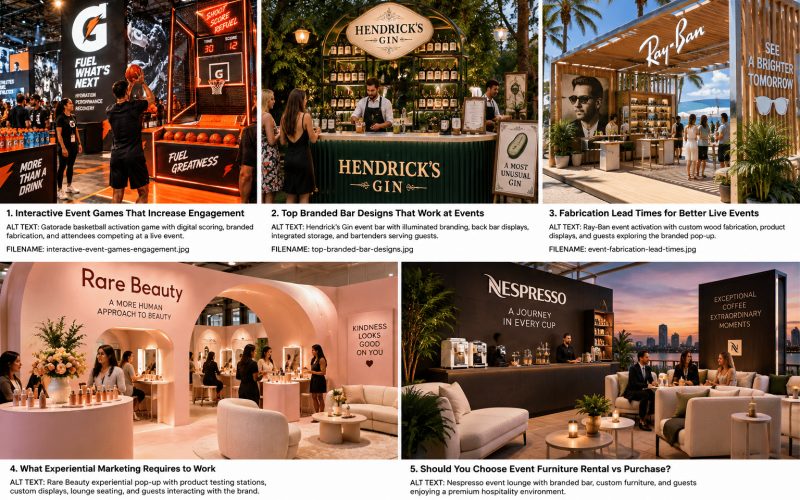
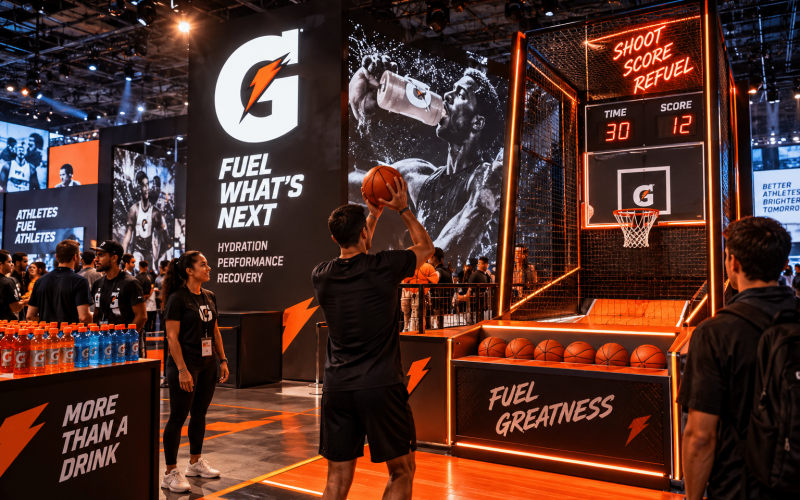
A technology brand might use clean-lined seating, illuminated tables, integrated charging, and custom fabricated displays. A beauty or wellness campaign may benefit from softer textures, rounded silhouettes, mirrors, and refined product-touchpoint surfaces. A beverage activation may need standing tables, durable seating, and service counters that can handle constant turnover. The furniture should reinforce the environment’s purpose instead of competing with the hero product or message.
Choose Rental, Custom, or a Hybrid Approach
The right sourcing strategy depends on the campaign’s scale, creative requirements, and reuse plan. Rentals are often the most efficient route when standard lounge styles fit the concept and timing is tight. They simplify short-term use and are particularly useful for event programs in New York, New Jersey, Connecticut, and Boston where local rental logistics can reduce transportation complexity.
Custom furniture and fabricated lounge elements are appropriate when the environment needs a distinctive form, integrated function, or a branded visual signature that rental inventory cannot deliver. This may include a custom banquette shaped around a product display, a branded communal table with power integration, modular seating with dimensional logos, or a sculptural installation that doubles as a guest seating area.
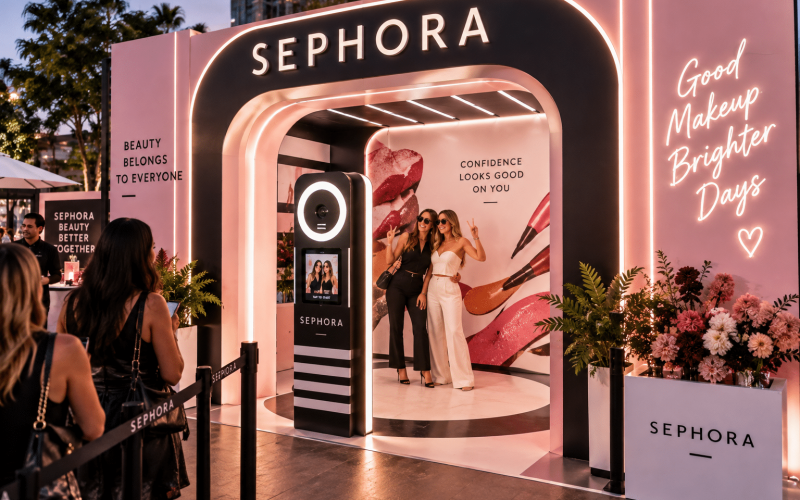
A hybrid approach is frequently the strongest production decision. Use rental sofas, chairs, and tables for the foundational lounge package, then invest fabrication dollars in the pieces attendees will notice, photograph, and remember. Custom arches, display walls, branded table wraps, backdrops, game elements, and charging stations can transform familiar rental furniture into a purpose-built brand environment.
Plan Lounge Zones for Conversation and Content
A single row of identical seating rarely creates the strongest event lounge. Group pieces into small, legible zones that serve different guest needs. A larger sofa arrangement can support hosted conversations, while pairs of chairs and side tables create quieter one-on-one spaces. High-top tables near the edge of the footprint give people a place to pause without committing to a longer stay.
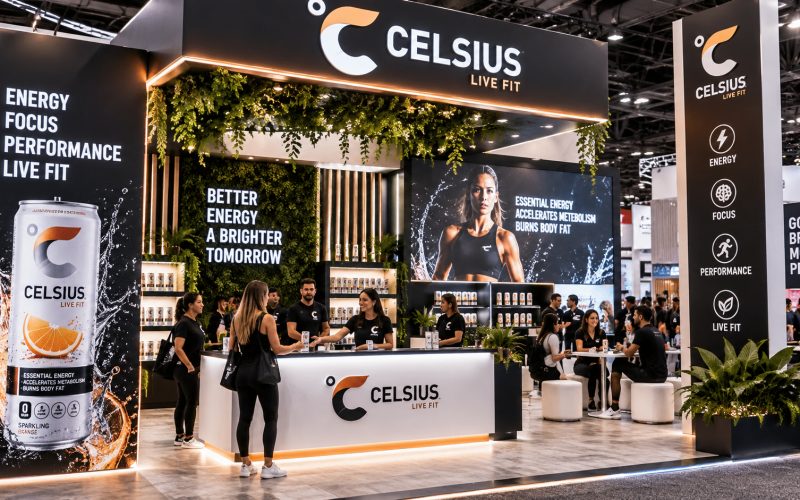
Pay attention to what sits behind the furniture. A lounge becomes more camera-ready when its backdrop is designed rather than accidental. This does not mean every wall needs a step-and-repeat. A custom graphic panel, dimensional brand mark, product display, textured fabrication, or strategic lighting can give guests a clear visual context while keeping the area polished in photos and video.
Lighting deserves the same attention. Lounge furniture can lose its impact under flat convention-center lighting. Floor lamps, integrated illumination, illuminated tables, or overhead scenic lighting can establish warmth and separation. Still, avoid placing lighting only for appearance. Guests need enough light to navigate, read materials, and use the space safely.
Build Logistics Into the Specification
Furniture decisions affect load-in, installation, cleaning, storage, labor, and strike. Confirm dimensions, weight, access restrictions, elevator capacity, union requirements, fire ratings, and venue rules before the final package is approved. A large custom piece may look right on paper but create avoidable complications if it cannot reach the event floor in one piece.
For multi-day events, plan for daily maintenance. Determine who will remove cups, wipe surfaces, fluff cushions, relocate drifting chairs, and inspect any branded wraps or custom components. If the lounge includes power, confirm cable routing, outlet requirements, and whether charging access remains safe and easy to use once the space is occupied.
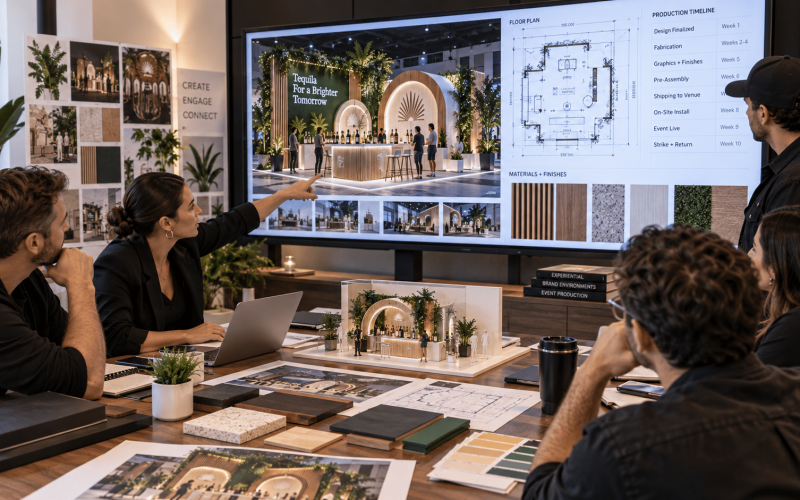
When working with custom products, engage the fabrication partner early enough to protect both creative quality and production timing. Details such as upholstery selection, print finishes, embedded lighting, modular connections, and branded dimensional elements require real engineering and shop time. Early collaboration also makes it easier to value-engineer the package without sacrificing the central idea.
A Better Standard for Event Lounge Design
The strongest lounge environments do more than give guests a place to sit. They make the event easier to navigate, give staff a more useful setting for engagement, and place the brand in the background of meaningful conversations and shareable moments. Portadecor approaches these spaces as part of the complete physical experience, combining event furniture with custom fabrication when the concept calls for more than off-the-shelf inventory.
Choose pieces that earn their footprint, specify them around real guest behavior, and reserve custom investment for the elements that make the lounge unmistakably connected to the campaign. That is how furniture becomes an active part of the activation rather than a collection of items placed around it.