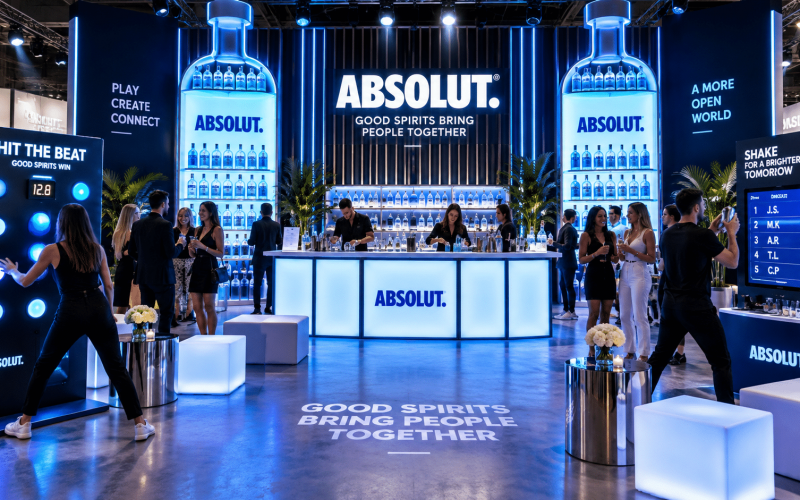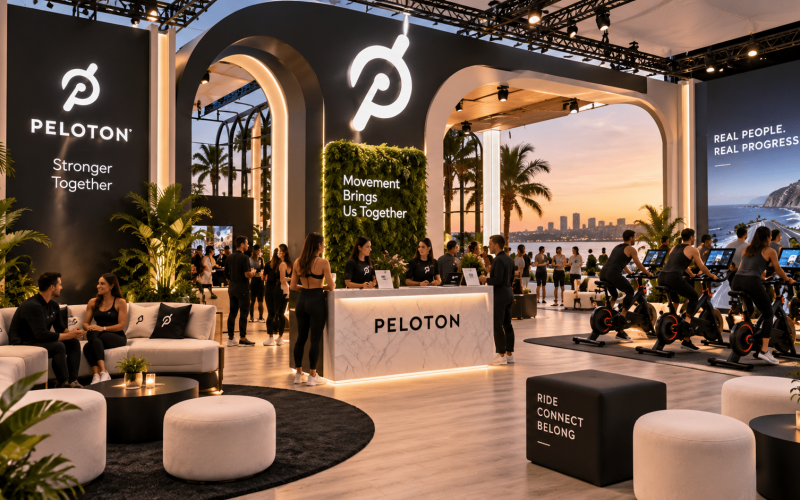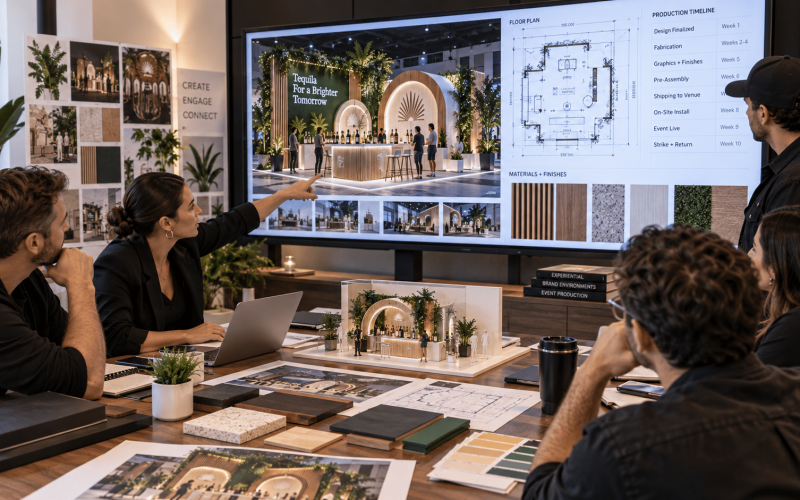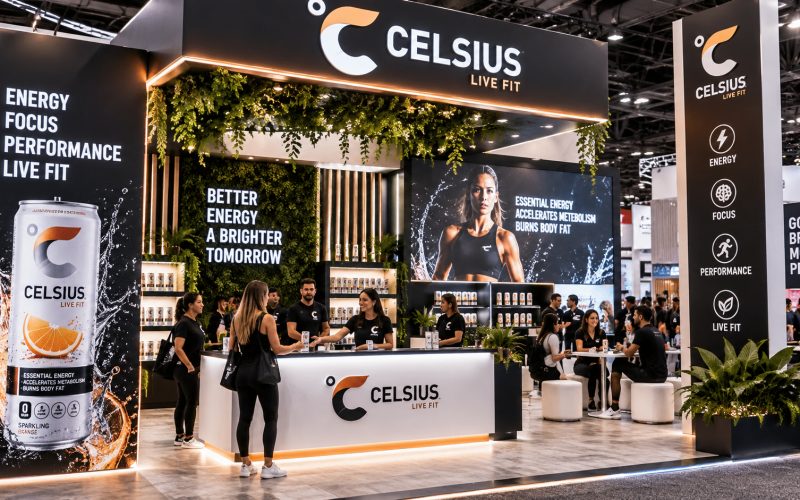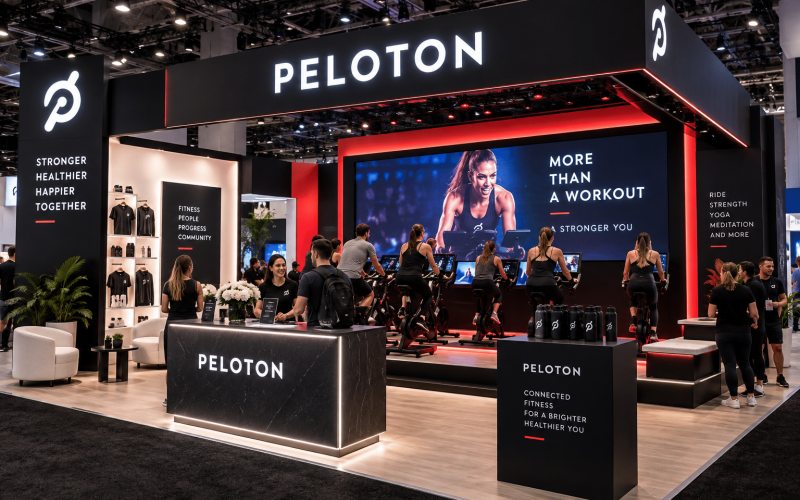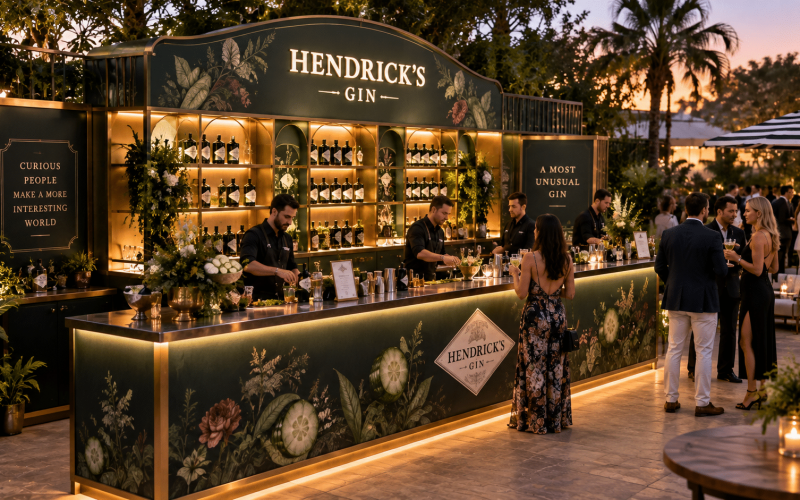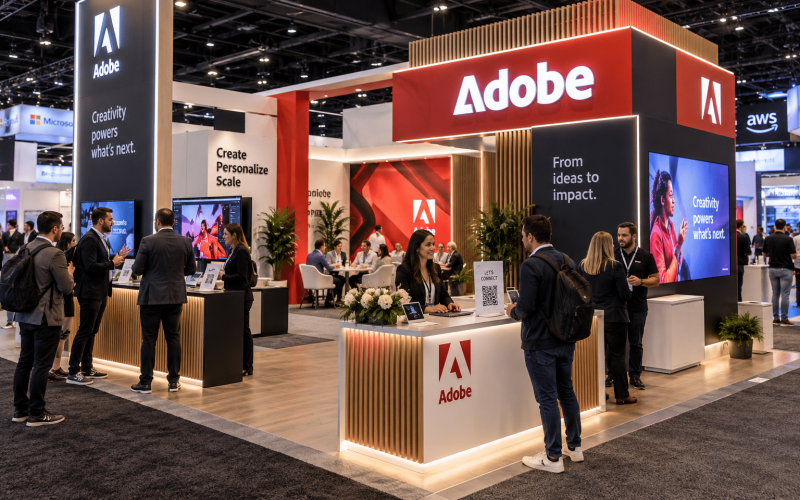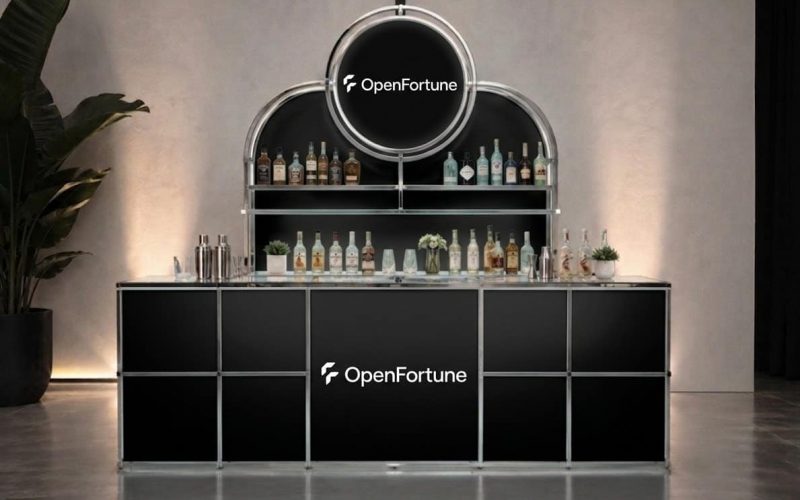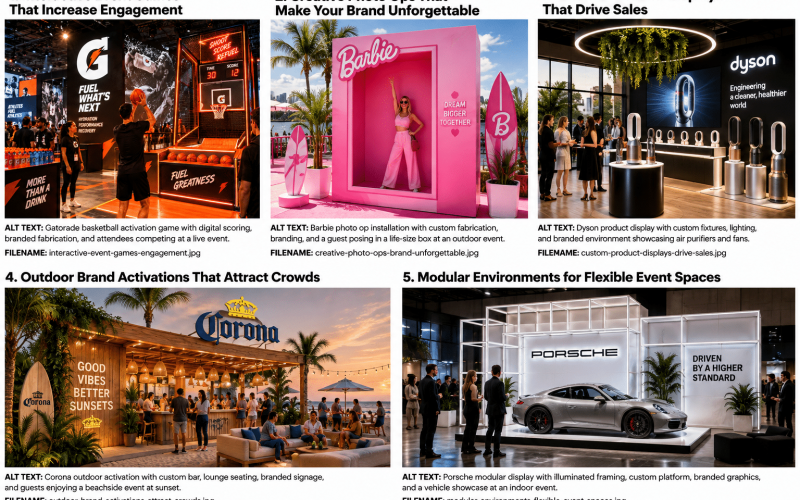
An interactive event game guide is not a list of novelty ideas. For brand teams, it is a planning tool for creating an experience that earns attention, communicates a message, and keeps moving when the show floor gets busy. The game must be fun, but it also has to fit the footprint, staffing plan, brand standards, prize strategy, and event schedule.
The strongest event games turn a simple interaction into a reason to stop. They give attendees a clear action, a quick payoff, and an easy next step – whether that means scanning a badge, sampling a product, meeting a sales representative, or sharing branded content. When the activity is built around the campaign objective rather than added as decoration, it becomes a productive part of the activation.
Start With the Outcome, Not the Game
Before choosing a wheel, trivia challenge, reaction game, or prize vault, define what success looks like on-site. A game designed to build awareness will operate differently from one built to capture qualified leads. The first may prioritize visual impact and high participant volume. The second may need an answer flow that reveals product interest, collects opt-in information, or routes attendees to the right team member.
Set one primary objective. Common goals include increasing booth traffic, extending dwell time, introducing a new product feature, generating leads, creating social content, or giving sales teams a natural conversation opener. Trying to make one game do all of these at once often produces a slow, confusing experience.
Also decide what attendees should understand before they leave. If a participant wins a prize but cannot connect the activity to the brand, the game may create traffic without creating recall. The mechanics, visuals, prompts, and reward should all reinforce one message.
Choose an Interactive Event Game Format That Fits
The right format depends on event conditions as much as creative preference. A high-volume convention floor requires fast onboarding and short play cycles. A VIP launch event may benefit from a more deliberate, premium interaction. Consider how much space, power, connectivity, staff attention, and reset time the experience requires.
Fast-play games for high traffic
Spin wheels, button-triggered games, digital trivia, prize cranes, and quick-reaction challenges work well when participants need to understand the activity immediately. The best versions take less than a minute, have visible movement, and make the prize or outcome clear from several feet away.
These formats are useful for trade show booths, street teams, and open-floor activations where attendees may only have a few minutes. Their trade-off is depth. They can attract a large crowd, but they need strong branding and a clear follow-up step to turn a quick play into a meaningful marketing interaction.
Skill-based games for product storytelling
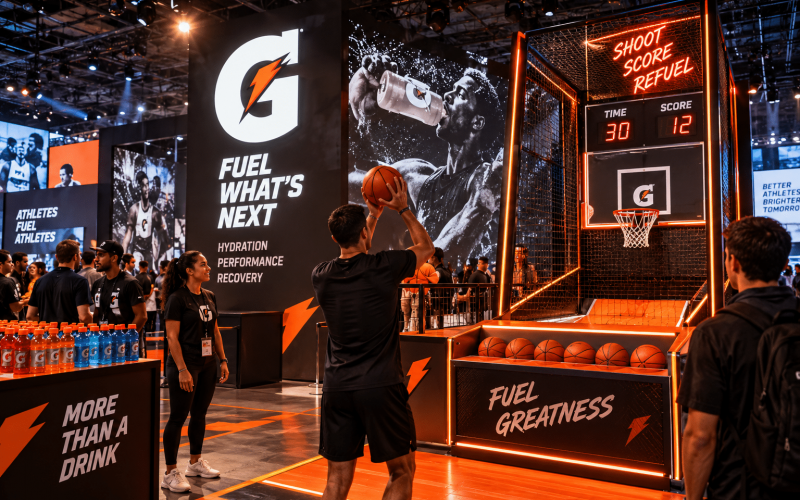
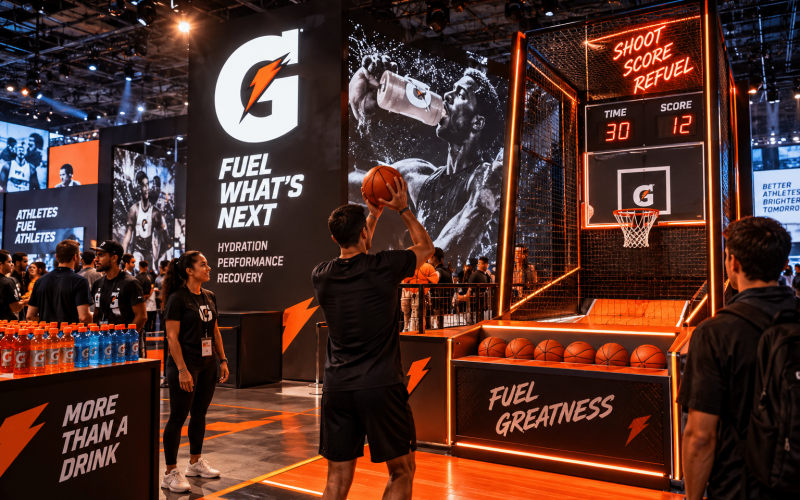
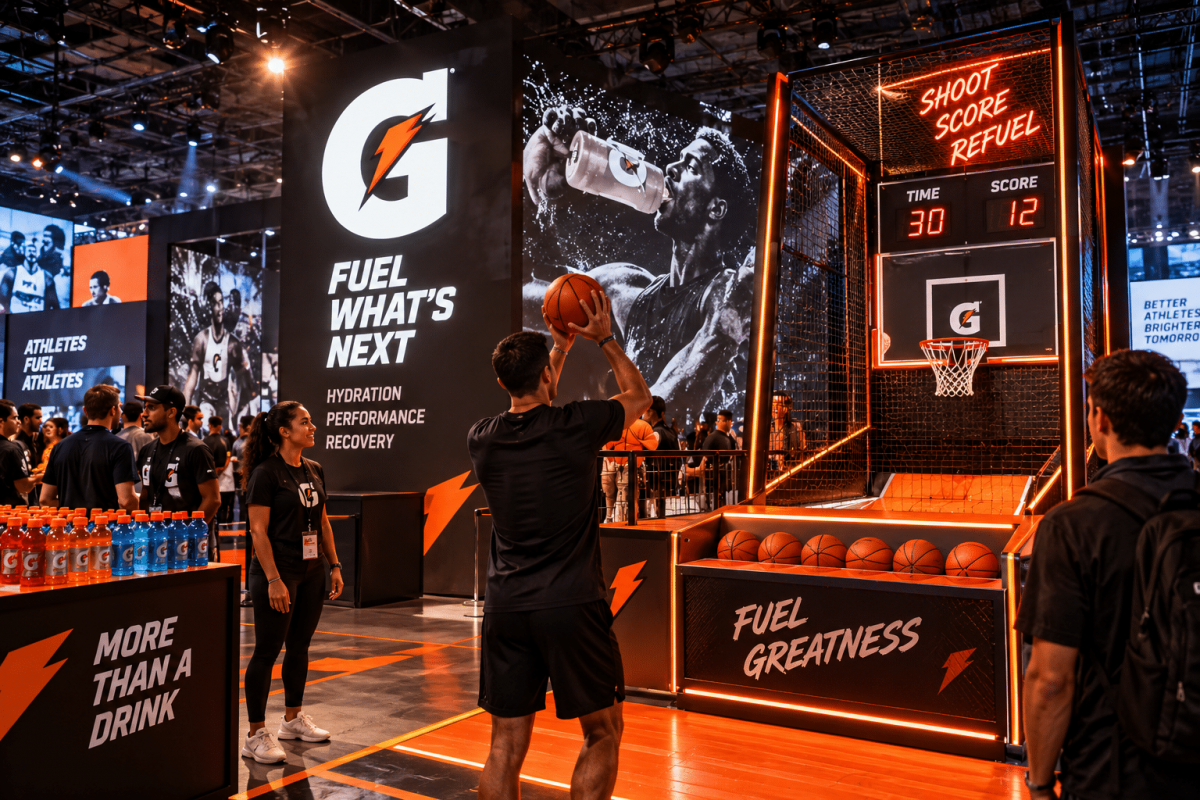
Games based on accuracy, speed, memory, or problem-solving can create a stronger connection to a product benefit. A beverage brand might use a timing challenge that reflects refreshment or energy. A technology company might build a simple task around speed, precision, or customization. The concept should be recognizable without requiring a lengthy explanation.
Skill-based games can encourage repeat play and friendly competition, which increases dwell time. However, they should not be so difficult that participants abandon the activity or so complex that staff must constantly troubleshoot. A clear difficulty curve matters: easy enough to start, challenging enough to feel rewarding.
Immersive games for larger footprints
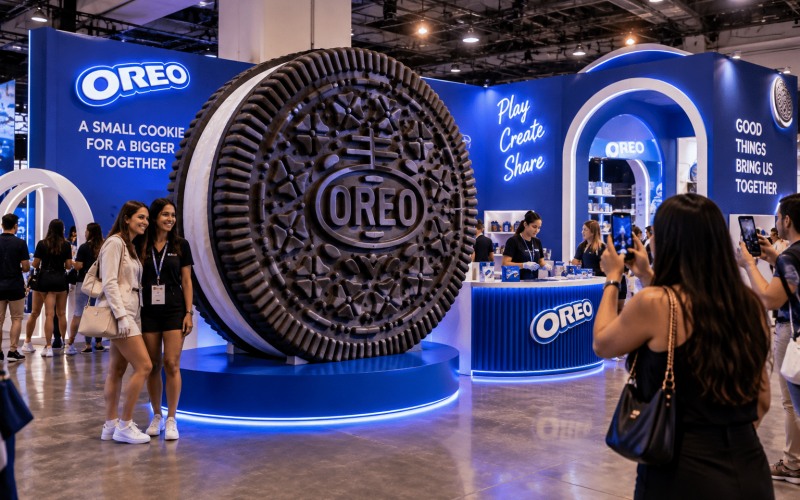
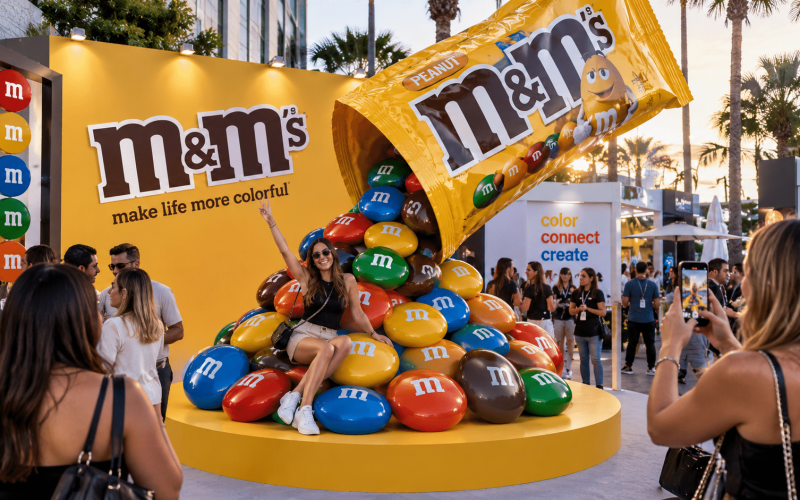
For pop-ups, product launches, and major brand activations, custom game environments can become the centerpiece of the event. These may include oversized physical games, branded arcade-style cabinets, timed challenge rooms, multi-station competitions, or custom-built set pieces with integrated lighting and technology.
Immersive concepts create stronger visual impact and more content opportunities, but they require greater planning. Queue management, accessibility, reset procedures, transportation, installation, and staffing need to be part of the design conversation from the beginning. A large-format game that photographs well but processes only a handful of people per hour may not support a high-traffic campaign.
Design the Physical Experience Around the Brand
A generic game with a logo applied at the end rarely feels like a true brand activation. The physical form, colors, copy, surfaces, and participant journey should reflect the campaign’s creative direction. Custom fabrication makes this possible by turning campaign elements into playable objects rather than relying only on printed graphics.
Start with the participant’s line of sight. What catches attention from the aisle? What communicates the game in a few seconds? What makes the prize or result visible? Large dimensional elements, controlled lighting, kinetic components, and clear branded signage can give an activation presence without overwhelming the core interaction.
Then consider the participant’s touchpoints. Buttons, handles, screens, ball drops, game tokens, and prize dispensers must withstand repeated use. Materials and construction details matter because event equipment is handled continuously, moved between venues, and expected to look polished under close inspection. Fabrication choices should balance visual ambition with safety, durability, and transport requirements.
Portadecor approaches these decisions as event production requirements, not just design details. A custom game needs to arrive ready to install, operate as intended, and remain aligned with the brand through the full event schedule.
Plan for Throughput Before You Build
A game can be visually impressive and still underperform if it creates an unmanaged line. Estimate how many people can participate per hour by looking at play time, instructions, prize distribution, resets, and photo moments. If each interaction takes three minutes, one station can only process about 20 participants per hour before allowing for normal delays.
If the event expects heavy traffic, simplify the rules or add parallel play stations. A host can explain the activity, while another team member handles prizes and lead capture. This division keeps the experience moving and prevents the person running the game from becoming responsible for every task at once.
Prize strategy also affects speed. Instant-win items are easy to distribute but can feel disposable if they have no connection to the brand. Higher-value rewards can create excitement, but they may require verification, inventory control, or a later drawing. Match the reward to the effort required and make the rules visible before anyone steps into line.
Build Lead Capture Into the Natural Flow
Lead capture should support the game, not interrupt it. Asking attendees to complete a long form before they can play creates friction, especially at busy events. In many cases, the better sequence is play first, then invite participants to scan, register, or speak with a representative as they collect a reward or receive their score.
The information requested should match the campaign objective. For a broad awareness program, a simple email opt-in may be sufficient. For a sales-focused trade show, qualification questions can be useful if they are brief and relevant. Be transparent about what participants are agreeing to and ensure the capture method works with venue connectivity limitations.
Track more than lead volume. Useful measures include participation rate, average dwell time, completed plays per hour, social content created, product demonstrations initiated, and the percentage of participants who take the intended next step. These numbers help teams decide whether the game was a traffic driver, a conversation starter, or a true lead-generation tool.
Decide Between Rental, Custom, and Hybrid Builds
Rental game components can be the practical choice for regional events, tight schedules, or concepts that do not require a fully original structure. They can reduce production time and provide reliable, event-tested equipment that is ready for branding and on-site use.
Custom fabrication is the stronger option when the game itself is central to the campaign, when the creative requires a distinctive physical form, or when the asset will travel across multiple stops. A hybrid approach often works well: use proven rental components for basic functionality, then build custom branded surrounds, signage, counters, prize displays, and scenic elements that make the experience campaign-specific.
The choice depends on budget, timeline, expected reuse, and how closely the interaction needs to express the brand. The most effective solution is not always the most complex one. It is the one that gives attendees a clear reason to participate and gives the event team a dependable way to deliver the campaign promise on the floor.
A well-planned game should feel effortless to the attendee and highly intentional to the brand team. When the interaction, fabrication, staffing, and measurement plan are developed together, the game becomes more than a crowd magnet – it becomes a physical experience people remember and a campaign asset teams can use with confidence.