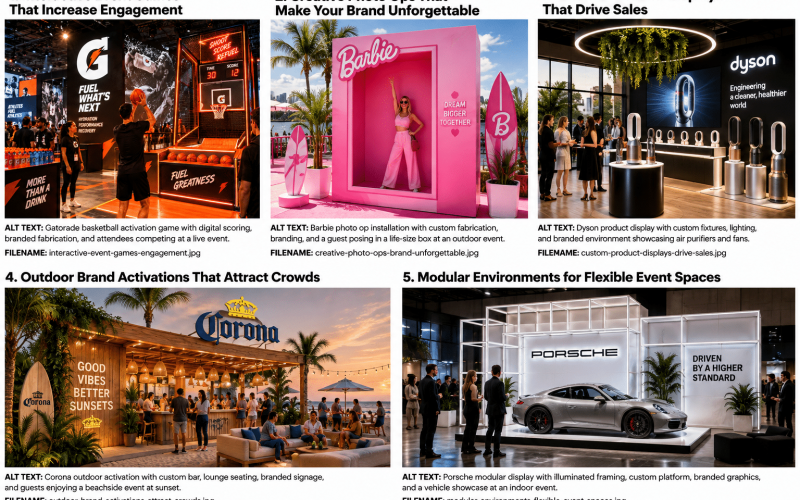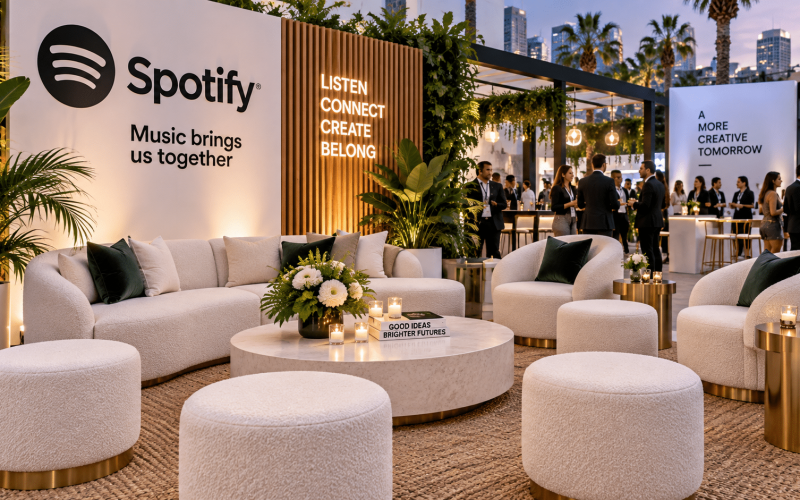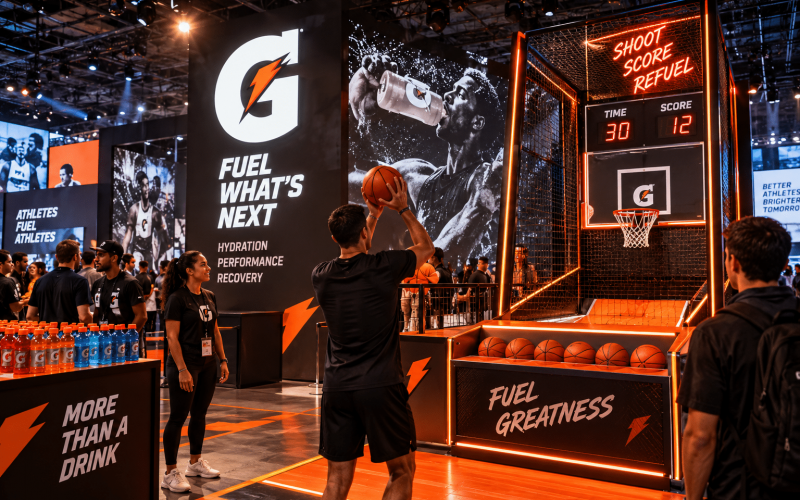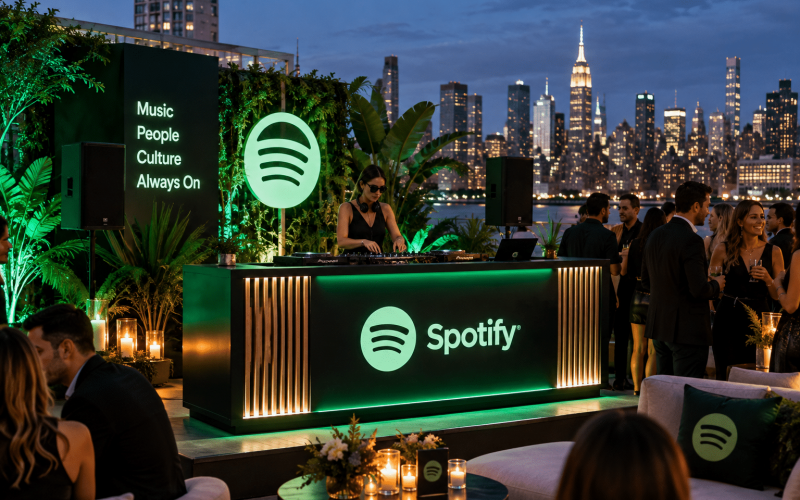
A strong creative concept can lose impact quickly when the fabrication brief leaves room for interpretation. This agency fabrication briefing guide helps experiential teams turn campaign ideas into buildable, brand-ready environments without late-stage surprises around cost, timelines, materials, or venue requirements.
For agencies producing a brand activation, trade show booth, pop-up, or product launch, the brief is not just a handoff document. It is the production foundation. It gives the fabricator enough information to recommend the right construction approach, identify risks early, and produce an environment that looks intentional from the first attendee photo to final breakdown.
Start With the Event Objective
Fabrication should support the event’s job, not simply reproduce a render. Begin the brief by explaining what the experience needs to accomplish. Is the priority product trial, lead capture, social content, retail-style merchandising, VIP hospitality, or a high-volume interactive moment? Each objective affects the layout, staffing needs, durability requirements, and guest flow.
A photogenic entrance piece may be the right investment for a media-driven launch. A busy consumer activation may need a more open layout, durable surfaces, quick-reset game components, and storage that keeps supplies out of sight. For a trade show booth, sightlines, meeting space, product display, and installation restrictions may carry more weight than a large sculptural feature.
Include success measures when possible. A target number of guests per hour, a required number of product demos, or a planned content capture moment gives the fabrication team practical context. It helps determine whether a concept needs one hero feature or several activity zones working at the same time.
Define the Build Scope Before Discussing Details
The most useful briefs separate what is confirmed from what is still under development. A fabricator can work with an early concept, but it needs to be clear which elements are non-negotiable and which are open to recommendations.
Describe every physical component expected in the environment: walls, counters, bars, shelving, seating, signage, display cases, product fixtures, games, flooring, lighting elements, storage, and branded architectural features. If the project includes rentals alongside custom products, identify them separately. A lounge chair may be a rental with custom upholstery or branding, while a product display plinth may require a purpose-built solution.
Do not assume that a beautiful rendering communicates dimensions, construction, or functionality. Attach reference images, plans, elevations, and 3D files where available. Then add plain-language notes about how each element is meant to work. For example, a counter may need concealed power, lockable storage, a water-resistant work surface, and enough clearance for two brand ambassadors. Those details affect the build from the outset.
Identify What Attendees Can Touch
Anything guests lean on, sit on, open, spin, play, or photograph deserves special attention. These are the areas most likely to reveal whether a build was designed for live use or only for presentation.
State expected interaction levels and audience mix. A display for a controlled press event has different needs than an outdoor public activation with hundreds of guests. If children may participate, if products are heavy, or if guests will use a component repeatedly, say so in the brief. This allows the production team to specify appropriate hardware, finishes, reinforcement, and safety features.
Provide Real Dimensions and Venue Conditions
Fabrication decisions change when a concept moves from a studio floor to a convention hall, city sidewalk, hotel ballroom, or festival footprint. The more complete the site information, the more accurate the recommendation and quote.
Provide the footprint, ceiling height, entrance dimensions, loading dock access, freight elevator limits, approved load-in windows, floor plans, and any known venue rules. If an event is outdoors, include anticipated weather exposure, ground surface, power availability, and wind requirements. A branded structure that works in a protected indoor setting may need different materials, ballast, and anchoring for an outdoor event.
The brief should also clarify who is responsible for permits, union labor, electrical service, rigging, fire review, and venue approvals. These responsibilities vary by venue and market. Leaving them unspecified can create a costly gap late in production.
For programs in New York City and other dense event markets, access restrictions and loading schedules can be as consequential as the design itself. A fabrication plan must account for how components will be delivered, moved, assembled, and removed within the actual operating conditions.
Set a Budget Range That Supports Decisions
A budget range is not a limitation on creative thinking. It is a tool for making the right fabrication decisions early. Without it, a production team may develop a solution that is technically impressive but misaligned with the campaign’s available spend.
Share whether the budget is for fabrication only or includes shipping, installation, labor, electrical, storage, and strike. Also clarify whether the assets are intended for a single event, a multi-city tour, or future reuse. A one-day activation can sometimes use lighter, more economical construction. A touring program may justify modular frames, replaceable graphics, road cases, and more durable finishes.
Material selection is one of the largest variables. Painted wood, laminate, acrylic, metal, printed graphics, upholstery, LED integration, and specialty finishes can all create a different look and cost profile. The right choice depends on visual goals, touchpoints, lifespan, transportation needs, and the event setting. Ask the fabricator to recommend options at more than one price point when the budget is still being finalized.
Build the Timeline Backward From Show Open
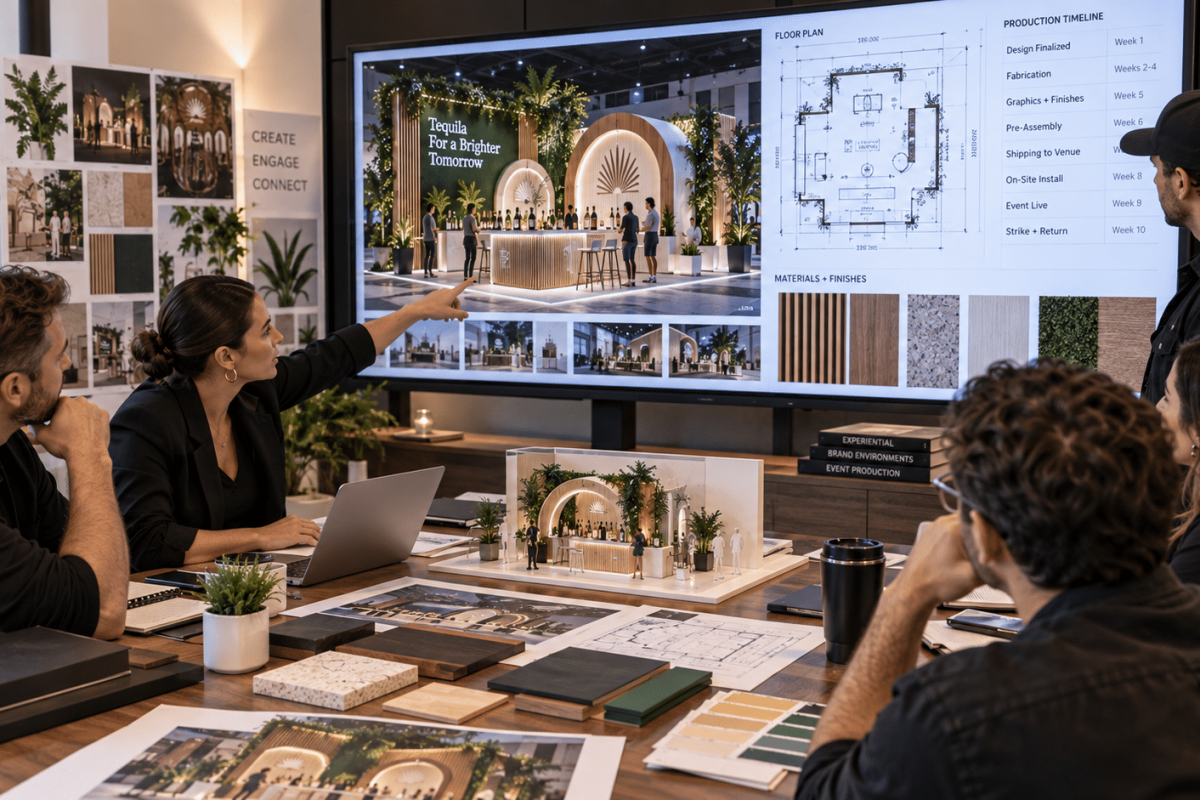
Show open is not the fabrication deadline. The deadline must account for design development, engineering where needed, material procurement, fabrication, finishing, quality control, packing, shipping, site installation, and contingency.
Give the team the event date, but also provide key approval dates. When will the brand approve final artwork? When is the venue plan expected? When must the build ship? Which stakeholders can approve construction changes quickly? A clear approval path prevents a project from sitting idle while the production clock continues.
Custom fabrication has dependencies. A late logo update can affect graphics, paint masks, CNC files, and production sequencing. A footprint change can alter flooring, wall lengths, and freight requirements. Agencies do not need every answer before engaging a fabrication partner, but they should flag unknowns that could change the scope.
Plan for Review, Not Just Production
For high-visibility builds, include a review stage in the schedule. This may involve material samples, finish approvals, a shop visit, photos of the work in progress, or a pre-install mockup of a critical feature. The appropriate level of review depends on budget and complexity, but it is usually less expensive than correcting an issue on site.
Be specific about brand-sensitive items such as logo placement, color matching, typography, product positioning, and approved finishes. Supply brand guidelines and final artwork files, not just a low-resolution reference image. Physical production can expose inconsistencies that are easy to overlook on screen.
Address Logistics, Installation, and Asset Life
A fabrication brief should explain what happens after the build leaves the shop. Confirm delivery location, installation dates, on-site contacts, staffing expectations, and strike requirements. If the environment must be installed overnight, built around other vendors, or reset between sessions, that operational reality should influence the construction plan.
Also decide the intended life of the assets. Will they be discarded after the event, returned to storage, refurbished, or reused with new graphics? Reuse can reduce future production costs, but only if the original build is designed for it. Modular graphic systems, removable brand panels, replaceable parts, and documented packing plans make future deployments more practical.
Portadecor approaches custom fabrication with this full event lifecycle in mind: how the asset will look, how it will perform under live conditions, and how it will move through installation and strike.
Questions to Resolve Before Fabrication Begins
Before releasing a project for production, make sure the team can answer these questions:
- What must be custom-built, and what can be rented or sourced?
- Which components are guest-facing, interactive, or safety-sensitive?
- What are the exact site, power, access, and venue restrictions?
- Who owns final approval for artwork, finishes, and construction changes?
- Does the asset need to travel, store, or support future events?
A complete brief does not need to eliminate every unknown. It needs to make unknowns visible early enough for the right people to solve them. Give your fabrication partner the event objective, physical scope, operating conditions, budget direction, and decision timeline, and the result is more likely to be a polished experience that performs as well as it presents.