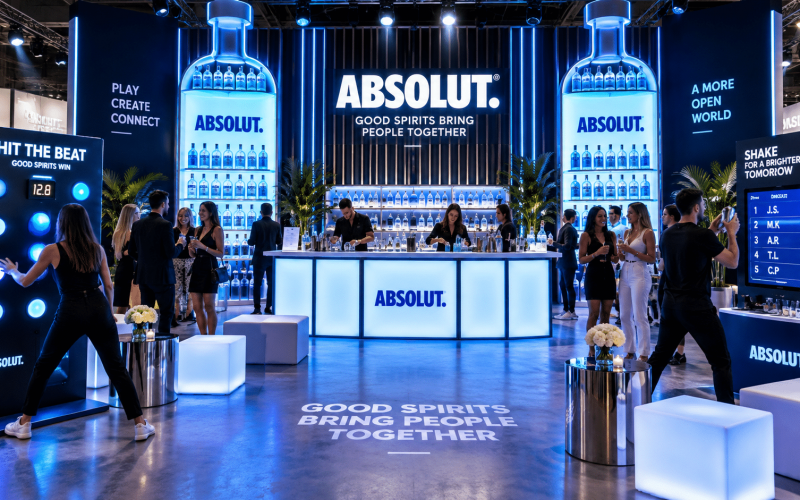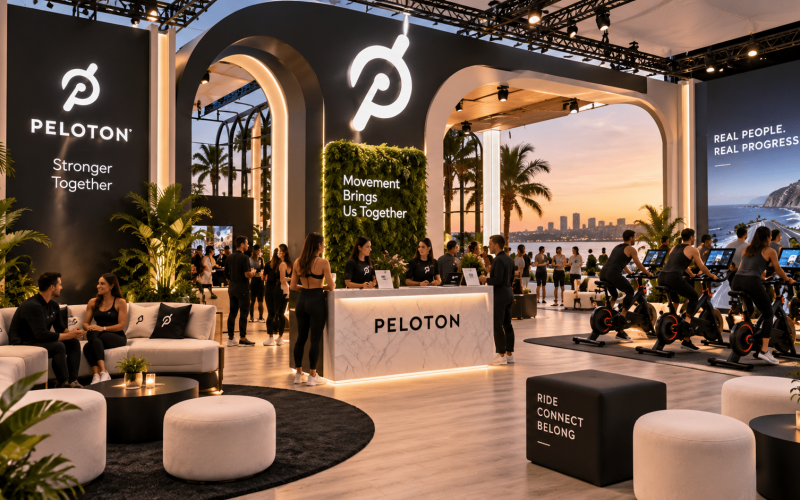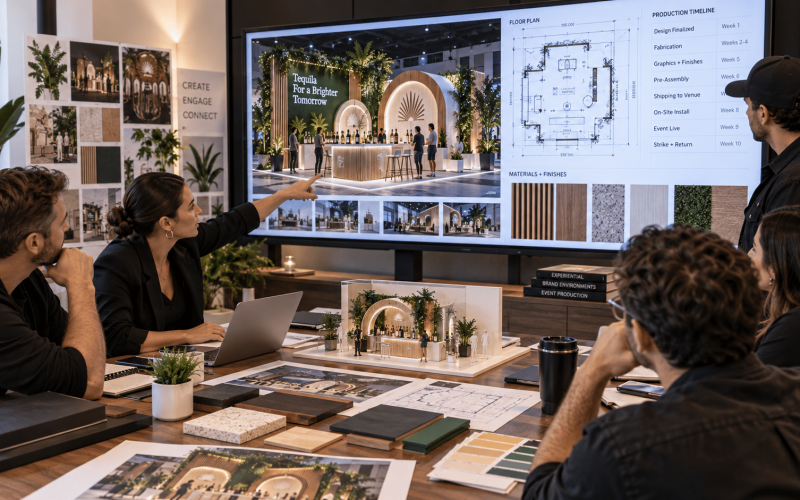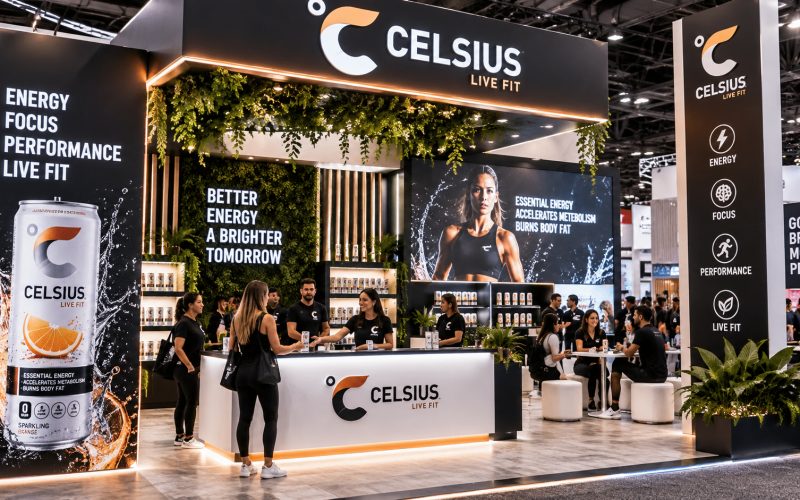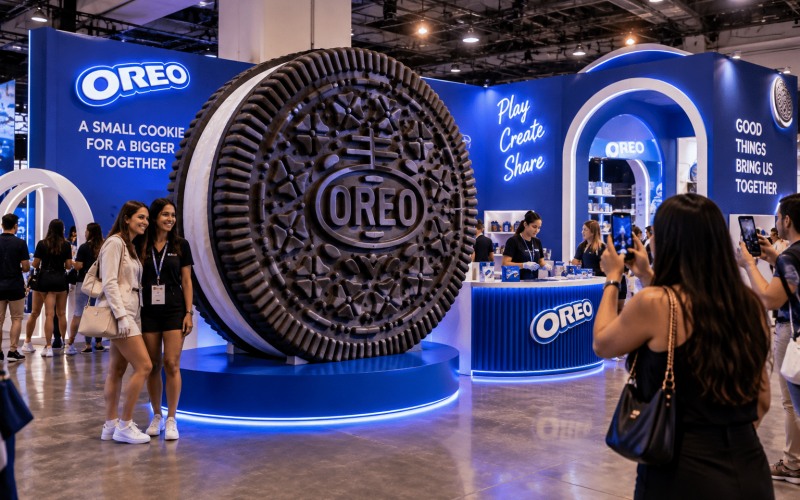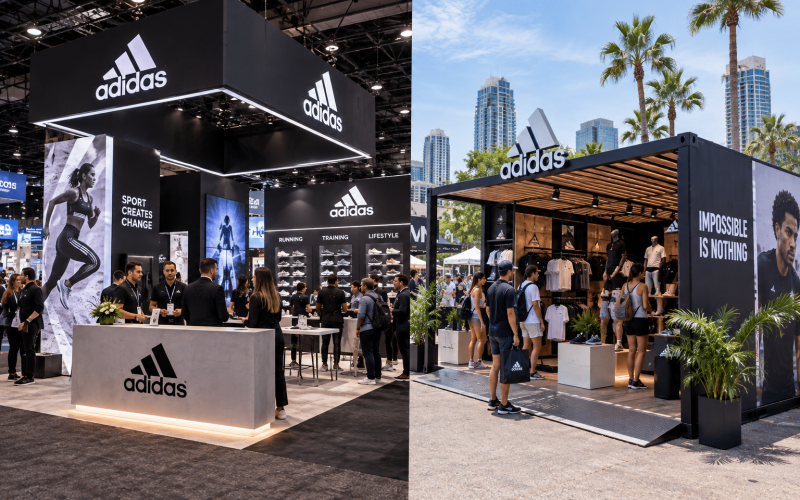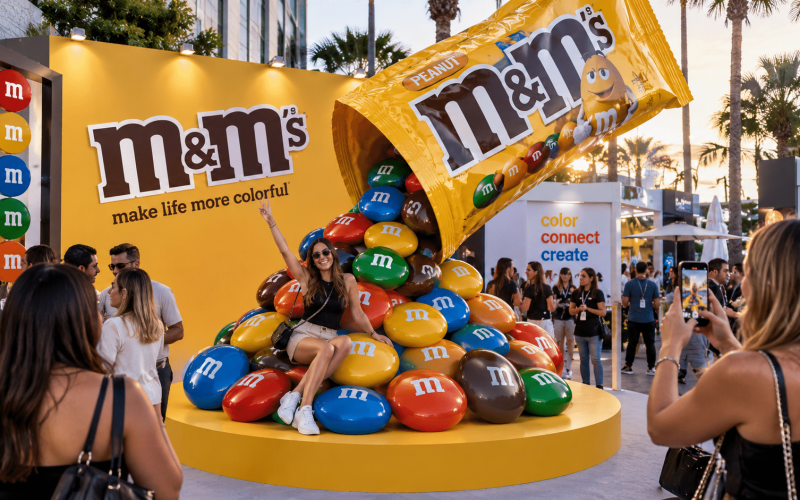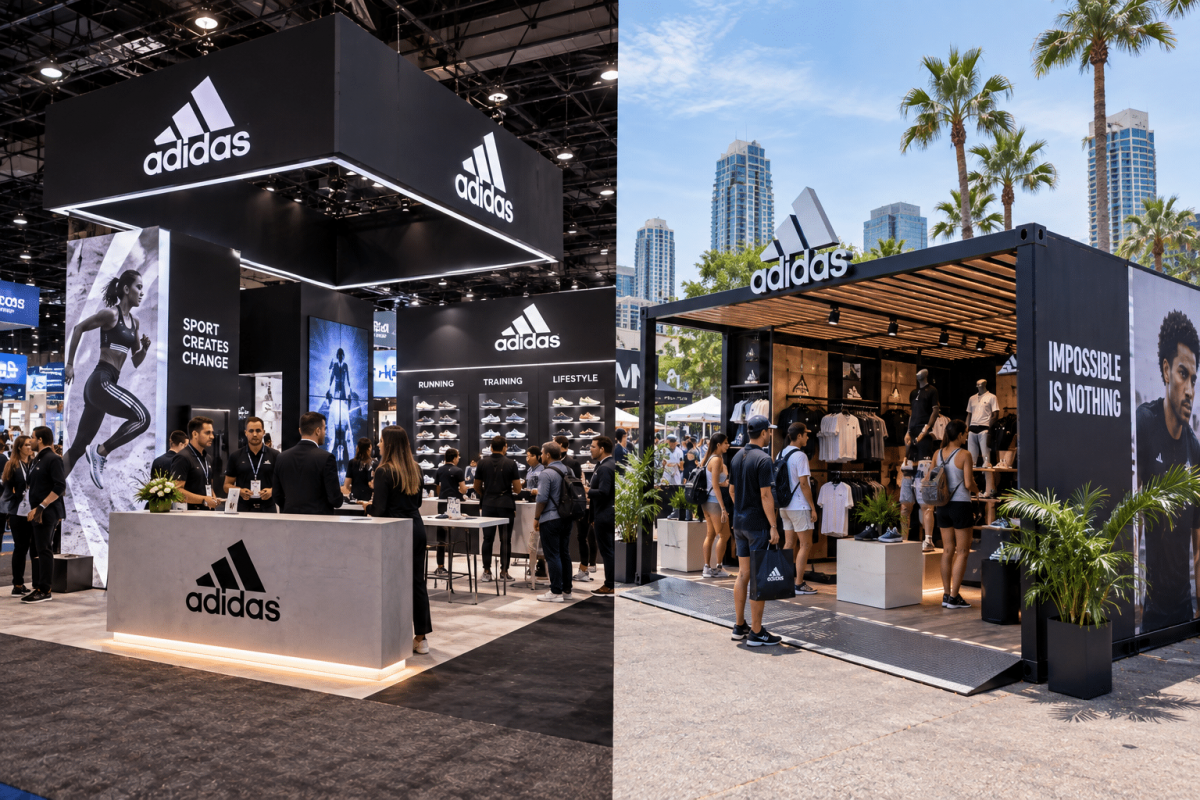
A 20-by-20 trade show footprint and a weekend retail pop-up can both put your brand in front of people, but they ask very different things of your team. When evaluating trade show booths vs popups, the right choice is less about which format looks more impressive and more about where your audience is, what action you need them to take, and how long the experience needs to work.
For marketers and event producers, this is a production decision as much as a marketing decision. Each format has different requirements for fabrication, staffing, transport, compliance, attendee flow, and measurement. Choosing early helps ensure the creative concept can be built, installed, and operated without compromising the brand experience.
Trade Show Booths vs Popups: The Core Difference
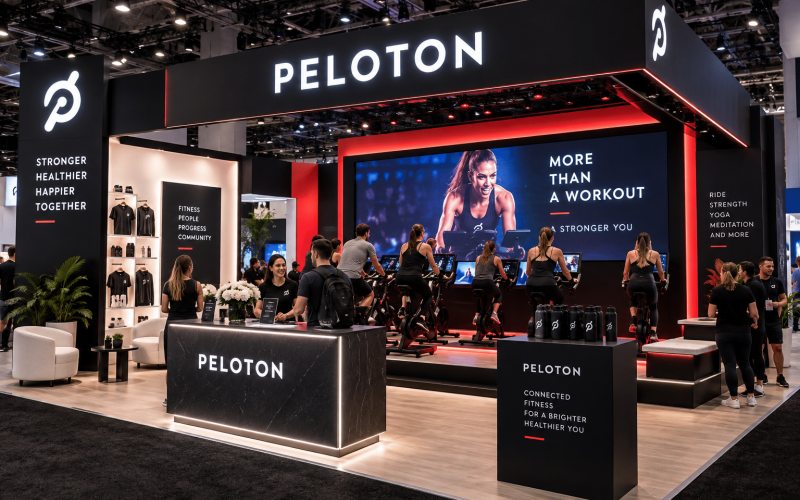
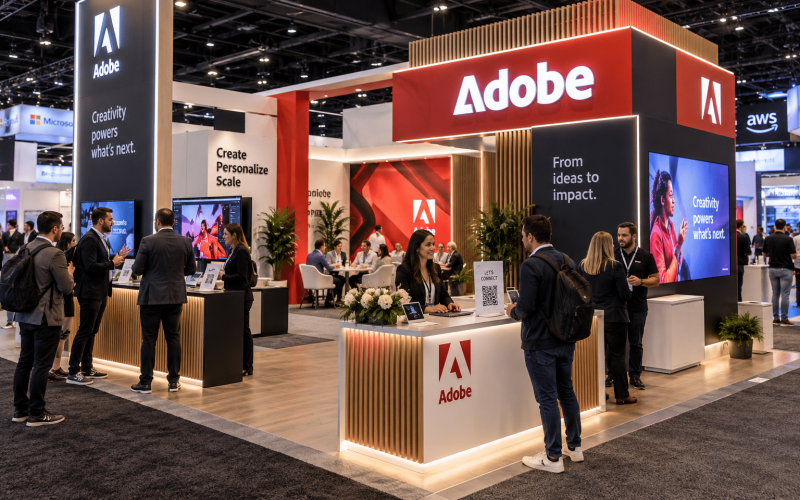
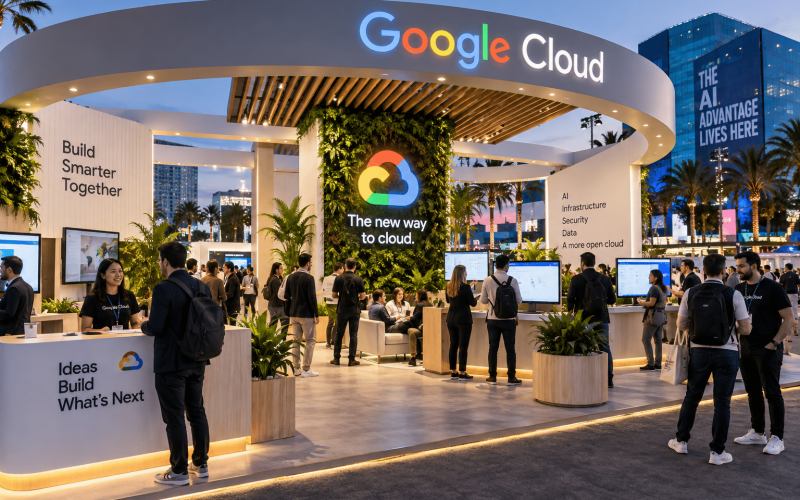
A trade show booth operates inside an organized industry event. The audience has already gathered around a shared category, business need, or professional interest. Your job is to earn attention among competing exhibitors, create a clear reason to stop, and move qualified visitors into a conversation, demo, meeting, or follow-up process.
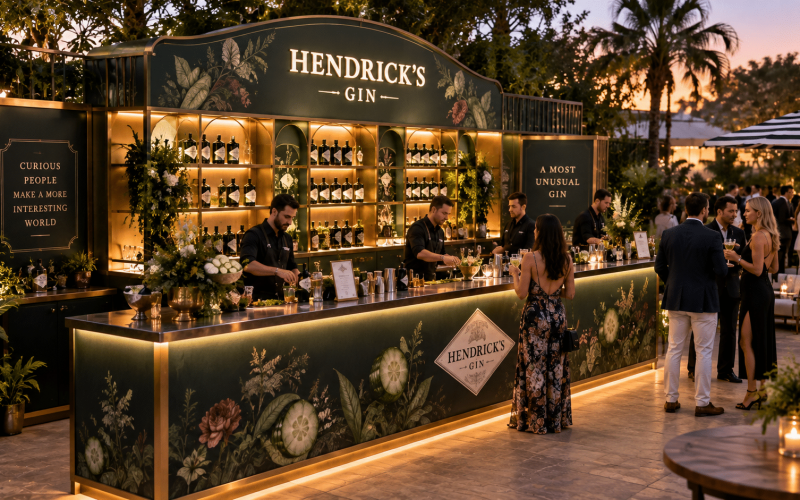
A popup brings the experience to a location selected by the brand. It may live in a storefront, public plaza, venue, campus, festival, or high-traffic neighborhood. Rather than competing directly with a convention floor, a popup has to create its own draw. That can give a brand more control over the full environment, but it also places more responsibility on the event team to generate traffic.
The distinction shapes nearly every decision that follows. Trade show booths prioritize visibility, lead capture, and efficient interaction in a compressed event window. Popups can support those goals, but they are often better suited to immersion, product trial, cultural relevance, and consumer-facing storytelling.
When a Trade Show Booth Is the Stronger Investment
Trade shows make sense when the audience concentration is the main advantage. If a major industry event puts customers, channel partners, media, buyers, and competitors in one building, exhibiting provides access that may be difficult to recreate independently.
A well-planned booth does not need to be oversized to perform. It needs a visible message, an intuitive layout, and a credible physical presence. Custom fabrication can turn a standard footprint into an environment with product displays, demo stations, hospitality areas, interactive elements, storage, and branded focal points that support the sales conversation.
Trade show booths are particularly effective when your team needs to:
- Launch or demonstrate a product to an industry-specific audience
- Generate qualified leads and book meetings with decision-makers
- Give sales teams a dedicated environment for private conversations
- Build credibility by showing up alongside established competitors
- Support a recurring annual event strategy with reusable assets
The trade-off is control. Show management determines move-in windows, height restrictions, fire and electrical rules, approved vendors, floor plans, and often the operating schedule. Those limitations are manageable, but they need to inform the design from the start. A concept that looks great in a presentation can become expensive or impractical if it ignores venue rules, shipping requirements, or union labor conditions.
Trade shows also create a demanding visual environment. Visitors are exposed to dozens or hundreds of messages in a few hours. Your booth needs to communicate its value quickly from the aisle, then reward people who step inside with a more substantial interaction.
What to build for the trade show floor
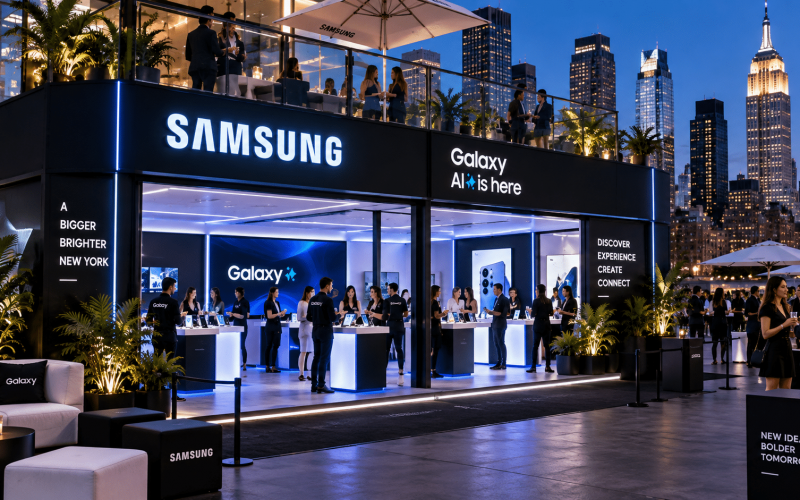
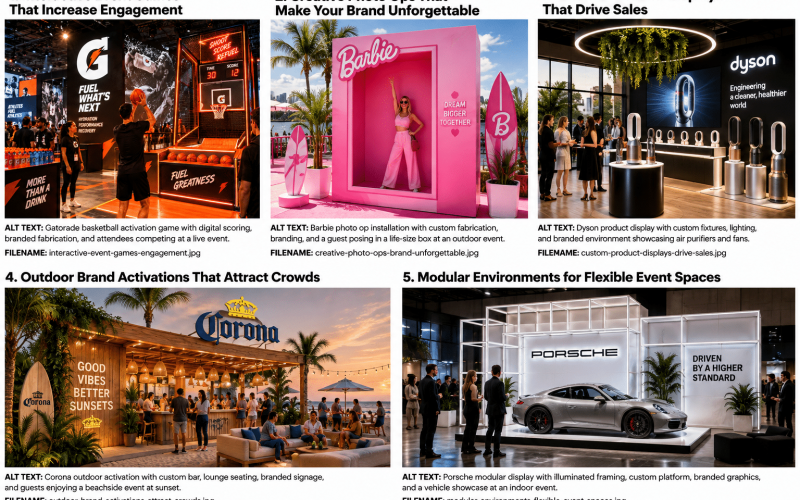
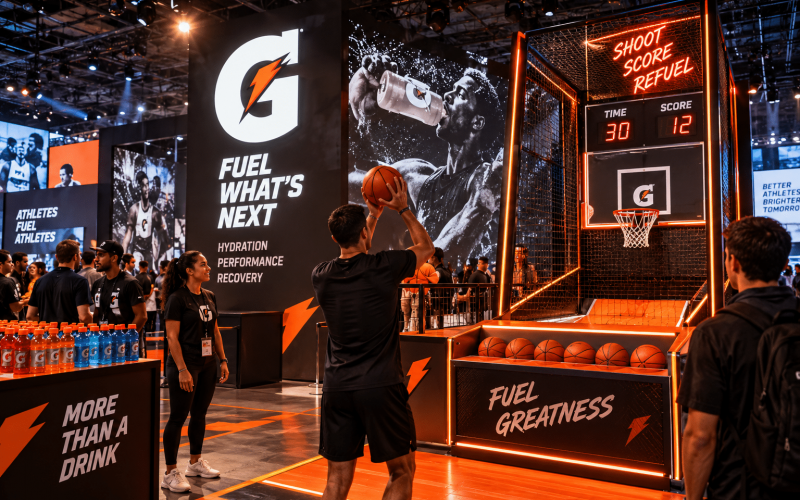
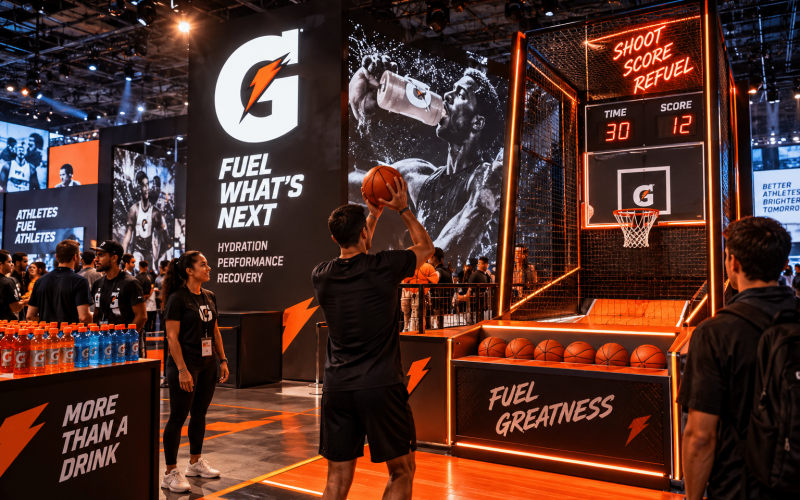
The strongest booth environments balance open access with clear zones. A high-impact sign or branded structure draws attention from a distance. Product storytelling, interactive games, or hands-on demos create reasons to stop. Seating or meeting areas give sales teams room to convert interest into useful conversations.
It is also worth considering what travels from show to show. Modular walls, branded counters, display structures, furniture, and graphic systems can be designed for a repeatable program. Custom assets do not have to mean single-use assets. The right fabrication plan can protect visual quality while making storage, transport, and reconfiguration more practical.
When a Popup Creates More Value
A popup is the stronger format when the brand needs to create a destination, not simply occupy a place within someone else’s event. It gives marketing teams more ownership of the attendee journey, from the moment someone sees the exterior to the final product interaction or social share.
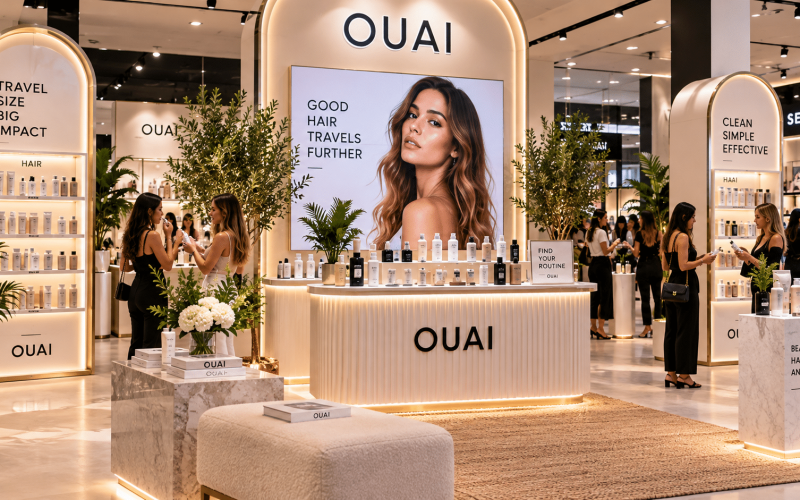
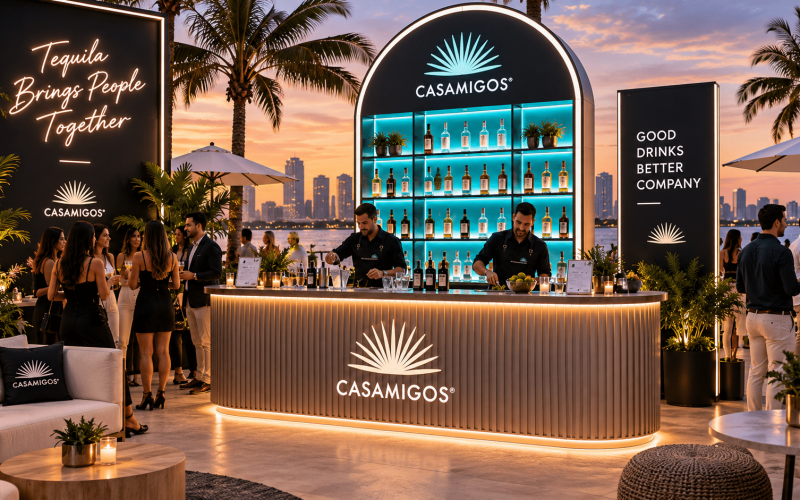
This format works especially well for consumer product launches, sampling campaigns, influencer programming, retail moments, local market tests, and cultural events. A popup can make the brand feel present in a specific community or city, especially when the location itself supports the story.
The upside is creative control. You can shape the exterior, entry, music, lighting, furniture, merchandise display, service areas, and exit experience around one cohesive idea. A temporary environment can feel as intentional as a permanent retail space when the fabrication, graphics, and operational details are planned together.
The challenge is that traffic is not guaranteed. A strong location helps, but a popup still needs promotion, street visibility, partnerships, event programming, or other reasons for people to attend. A beautifully fabricated space that nobody knows about will not produce the desired return.
What to build for a popup experience
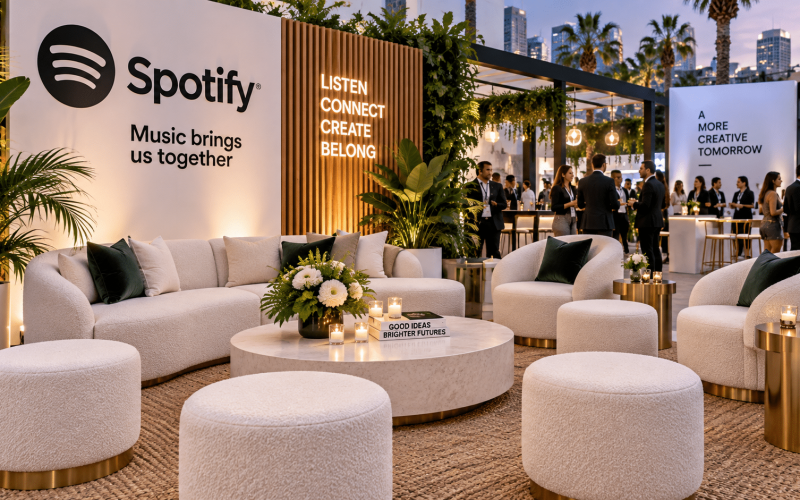
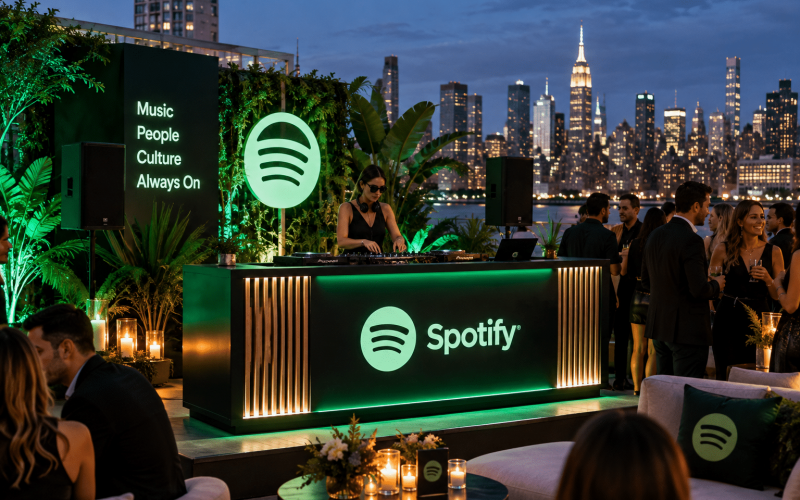
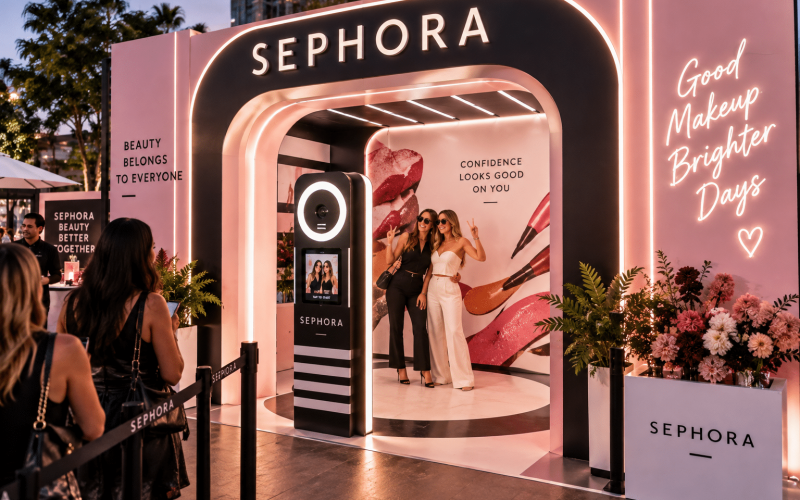
Popups need to work from the outside in. Exterior branding and window treatments should communicate what is happening before someone enters. Inside, the environment should make the next action obvious: try the product, participate in an activity, capture content, receive a sample, or speak with a brand representative.
Because popups are often located in nontraditional spaces, operational planning matters just as much as the creative. Load-in access, power, flooring protection, permits, ADA access, security, weather exposure, waste removal, and daily reset procedures all affect the final result. A fabrication partner that understands live events can design around these realities rather than treating them as late-stage problems.
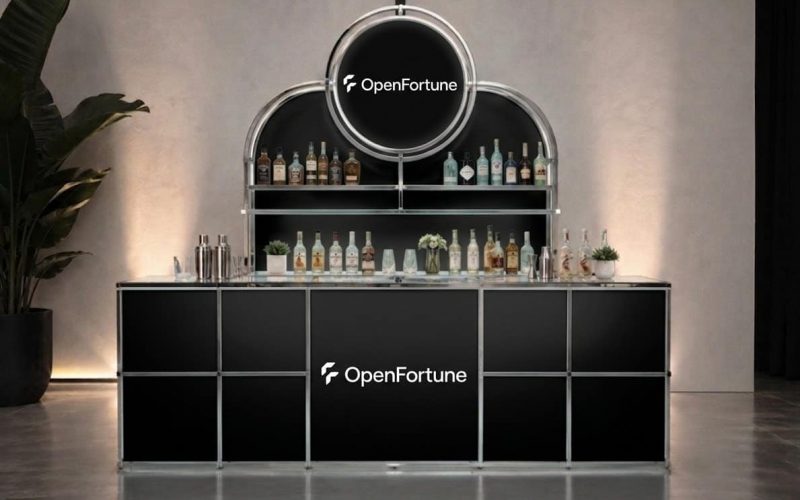
For shorter campaigns or programs with several stops, rentals can also be a practical part of the mix. Rental furniture, counters, games, and support pieces can reduce the amount of custom material needed while keeping the signature branded elements focused where they make the greatest impact.
Compare Budget Beyond the Footprint
A smaller popup is not automatically less expensive than a trade show booth, and a large booth is not automatically the higher-risk choice. Budget depends on what is included in the event environment and what the venue requires.
Trade show costs often include exhibit space, booth fabrication, drayage, shipping, installation and dismantle labor, electrical, internet, rigging, cleaning, show services, travel, and staffing. The booth itself may be only one part of the total spend. For recurring events, durable and adaptable fabrication can help spread asset costs over multiple shows.
Popup budgets may include lease costs, permits, insurance, build-out, storefront or site modifications, utilities, security, cleaning, staffing, local promotion, daily operations, and strike. If the activation is outdoors, weather contingencies and site infrastructure can add significant requirements.
The most useful question is not, “Which format costs less?” Ask, “What result needs to justify this investment?” If the goal is 150 qualified B2B conversations, a focused trade show booth may be efficient. If the goal is thousands of product trials, localized content, and direct consumer feedback, a popup may create more value even with higher operational complexity.
Match the Format to the Audience Journey
The best choice comes down to attendee intent. At a trade show, people typically arrive ready to compare vendors, research solutions, and make business connections. Your environment should make it easy to understand your offer and speak with the right team member.
At a popup, visitors may be curious, social, shopping, or simply passing by. The experience needs a faster emotional hook. Product trial, photo moments, customization, games, hospitality, and limited-time programming can create the reason to enter and stay.
This is where teams often make the wrong comparison. They evaluate trade show booths and popups as structures rather than as audience experiences. The structure matters, but it exists to support behavior. A booth should help a prospect move from aisle awareness to a useful sales conversation. A popup should help a visitor move from curiosity to participation, affinity, or purchase.
Consider a Hybrid Event Strategy
Many brands do not need to choose one format permanently. A trade show booth can establish industry presence and generate sales opportunities, while popups extend the campaign into consumer markets or priority cities. The visual system can carry across both environments, creating consistent recognition while adapting to different goals.
For example, a product launch may begin with a trade show reveal for distributors and media, then continue with consumer popups that offer hands-on trials and content creation. Shared custom products, display elements, branded furniture, and interactive components can create continuity without forcing identical layouts.
Portadecor approaches these projects as physical brand systems, not isolated event builds. That means considering what needs to be custom fabricated, what can be rented, what must travel, and what will make the experience work under real event conditions.
Start with the audience action that matters most, then build the environment around it. When the format, fabrication plan, and event operations are aligned early, the final experience has a much better chance of earning attention and producing measurable results.