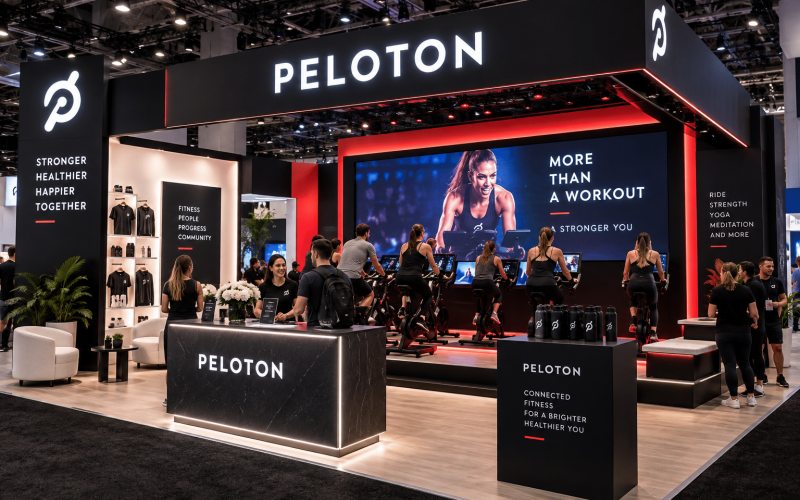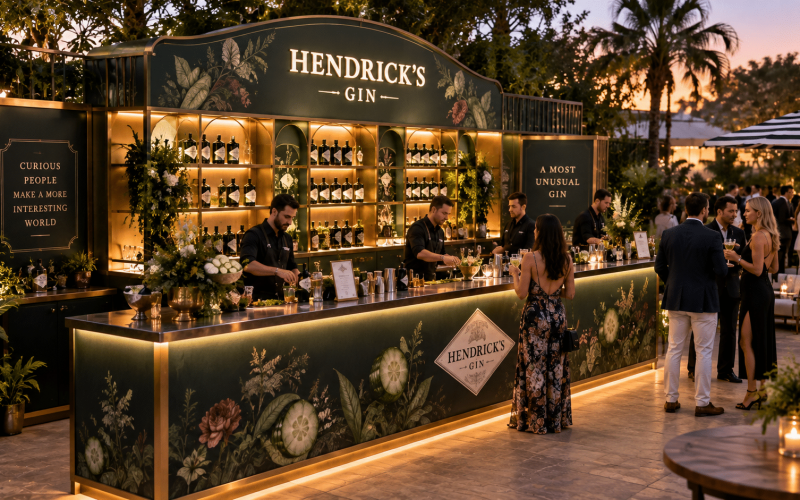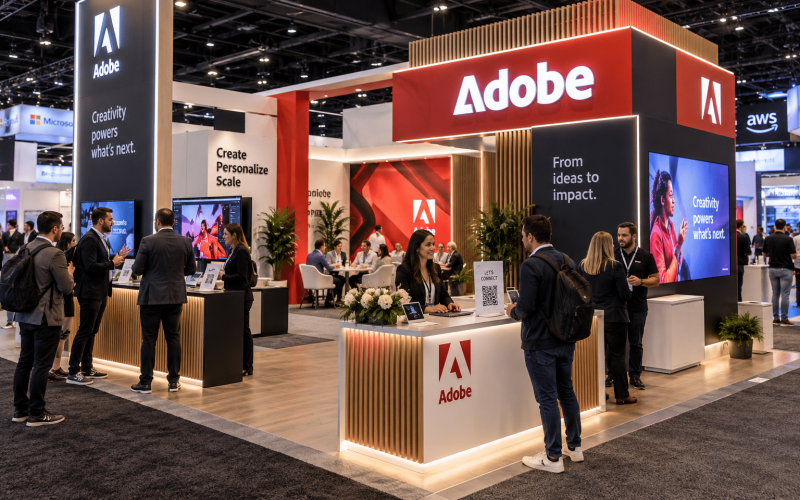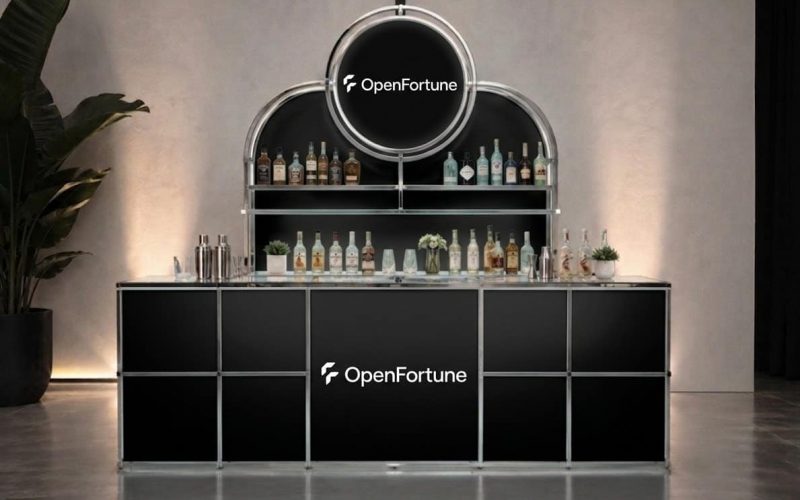
A creative render can win internal approval in minutes. Turning that render into a safe, durable, shippable, on-brand event environment is where the real work begins. Knowing how to source an event fabrication partner helps marketing teams and agencies avoid the most expensive production problems: missed details, unclear ownership, weak materials, late changes, and installations that do not match the approved concept.
The right partner is not simply a vendor that can build something. They need to understand how physical brand experiences are designed, transported, assembled, used by attendees, photographed, and broken down. That requires fabrication capability, event-specific judgment, and a production process that can hold up under a live deadline.
Start With What Must Be Built
Before evaluating fabricators, define the job beyond the creative idea. A request for a “branded activation” can mean very different things depending on the footprint, audience flow, venue rules, event schedule, and desired level of reuse. A clear brief gives prospective partners enough information to determine whether the project is practical, what it will require, and where risk may sit.
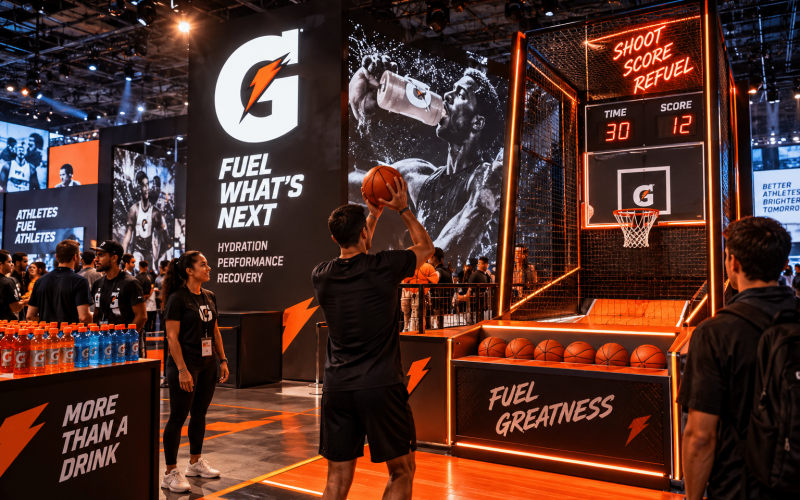
Include the event date, venue or market, floor plan, renderings, brand guidelines, budget range, and installation requirements. Identify which elements are custom products, which may be rented, and which need to travel to multiple markets. If an experience includes interactive game elements, lighting, AV integration, product display, or large-format graphics, call that out early. Each affects structure, power, finishes, access, and production sequencing.
It also helps to separate the non-negotiables from the preferences. Your team may need a specific silhouette, a precise branded color, storage capacity, or accessibility features. Other details may be open to fabrication recommendations. This distinction gives a capable partner room to engineer a better solution without compromising the brand idea.
How to Source an Event Fabrication Partner
The best sourcing process looks beyond a portfolio. Strong photography is useful, but it does not show whether a partner managed engineering, met an impossible load-in window, built for repeated use, or handled last-minute venue restrictions. Ask about work that resembles your project in complexity, function, timeline, and audience use.
Look for a fabricator whose capabilities match the work rather than one that treats every project as a general build. A trade show booth, a retail-style pop-up, and a street-team activation can all require custom fabrication, but their operational needs are different. The right partner should understand the difference between a beautiful object and an event-ready asset.
Evaluate the partner’s approach in four areas:
- Design translation: Can they review a concept and identify practical issues before production begins?
- Fabrication depth: Do they have experience with the materials, finishes, structural components, graphics, and interactive elements your concept requires?
- Event execution: Can they plan for packing, freight, venue access, installation, strike, storage, and reuse?
- Communication: Will you receive clear drawings, approvals, production updates, and early notice when a decision affects cost or schedule?
A fabrication partner should be comfortable discussing trade-offs directly. For example, a high-gloss finish may look excellent in a presentation but show wear quickly during a multi-city tour. A lightweight material may reduce freight costs but limit the scale or stability of the structure. A custom shape may be feasible, yet require additional crating or a longer lead time. Good production guidance protects both the creative vision and the event budget.
Review Process, Not Just Past Projects
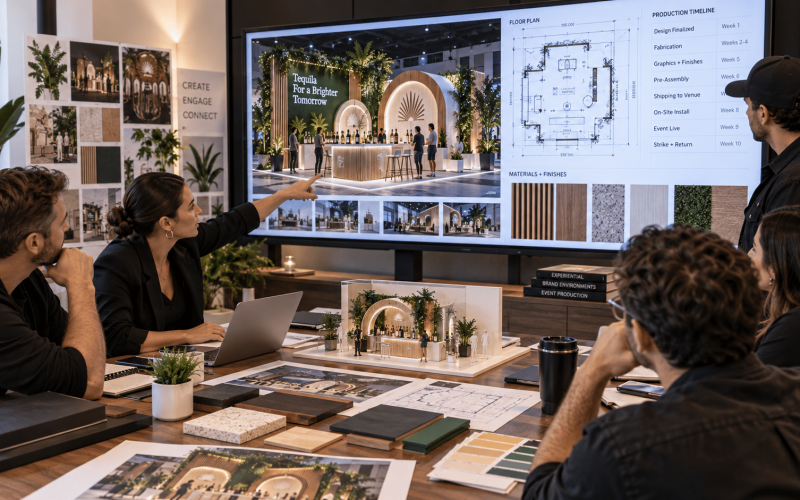
Ask a prospective partner to walk you through their production process from creative handoff to final installation. The answer should be specific. You want to hear how they review files, develop shop drawings, confirm materials, manage approvals, schedule fabrication, conduct quality checks, and prepare assets for shipping.
Shop drawings are especially important. A polished rendering may communicate the intended look, but it rarely answers every fabrication question. Dimensions, connection points, hardware, electrical access, graphics placement, and assembly methods need to be resolved before the build is underway. When the project includes custom furniture or an interactive feature, this documentation becomes even more valuable.
Pay attention to who owns project management. Some shops are highly skilled builders but rely on the client or agency to coordinate logistics, graphics, vendors, and venue details. That may work well if your production team has the capacity. If you need a more complete execution partner, confirm that responsibility is built into the scope from the start.
The same applies to installation. A fabrication company may deliver a finished structure, while another can coordinate install crews, union requirements, site timing, and post-event strike. Neither model is automatically better. The right choice depends on the team you already have and how much event support the project needs.
Test Their Ability to Protect the Brand
Experiential work is judged quickly and visually. Attendees may never know the complexity behind a custom build, but they will notice crooked graphics, mismatched colors, exposed hardware, wobbly counters, and surfaces that look worn by the second day. Your fabrication partner must treat brand standards as production requirements, not decorative suggestions.
Ask how they manage color matching, finish samples, print proofs, and physical mockups. For significant activations, a sample approval can prevent costly surprises. Materials behave differently under venue lighting, and printed color can vary across substrates. A finish that looks right under shop lighting may read differently on a trade show floor or outdoors.
Also ask how the build will be used. If guests will lean on a counter, pull open drawers, charge phones, spin a game wheel, or pose for photos, the structure needs to withstand that behavior. Fabrication decisions should account for traffic, cleaning, weather exposure, and the number of events the asset must survive.
Compare Estimates on Scope, Not Price Alone
A low estimate can be attractive, particularly when an event budget is under pressure. But fabrication quotes are only comparable when the scope is equally clear. One proposal may include engineering, graphics coordination, crating, delivery, installation, and strike. Another may cover only the build. The second figure will appear lower until those omitted needs become separate costs.
Review assumptions line by line. Confirm quantities, materials, finishes, graphics, hardware, electrical components, packing, shipping origin, freight method, labor, and installation hours. Ask what is excluded and what would trigger a change order. This is not about expecting a fixed price under every condition. It is about creating a shared understanding of what the number covers.
For budget planning, request options when appropriate. A good fabrication partner can often present a preferred build, a value-engineered alternative, and a rental-plus-custom approach. Renting standard event furniture or structural components while custom-building the branded focal points may preserve impact without placing every dollar into one-time assets.
Confirm Timeline and Decision Points Early
Event fabrication schedules are not measured only by the show date. They are shaped by design finalization, client approvals, material lead times, graphics production, freight windows, venue regulations, and install access. A partner cannot protect the deadline if major creative or scope decisions remain open too long.
Ask for a schedule with real approval milestones. You should know when final drawings are needed, when graphics must be released, when production begins, and when late changes become expensive or impractical. If a concept is still evolving, be honest about it. A qualified partner can recommend how to phase the work, such as locking structural elements first while finalizing replaceable graphics later.
For nationwide activations, logistics should be part of the sourcing discussion from day one. Reusable assets need practical packing plans, clear labeling, durable crates, and instructions that make setup repeatable across markets. A beautiful custom build that is difficult to ship or assemble can become a burden after its first event.
Choose a Partner That Can Challenge the Brief Productively
The most valuable fabrication partners do more than take orders. They ask the questions that reveal issues before they become onsite problems: How will guests enter and exit? What happens if the venue has low ceilings? Does the experience need ADA access? Can the asset fit through a freight elevator? What is the backup plan if a component is damaged in transit?
That level of involvement should feel productive, not obstructive. A fabrication-first partner is there to make the concept buildable and event-ready, while preserving what makes it distinctive. Portadecor works in that space by translating brand concepts into custom products, activations, trade show booths, and physical environments built for live use.
Start sourcing before the design is fully locked whenever possible. The earlier a qualified fabrication partner can review the concept, the more choices you have to improve materials, manage costs, reduce risk, and create an event experience that performs as well in the venue as it does in the pitch deck.