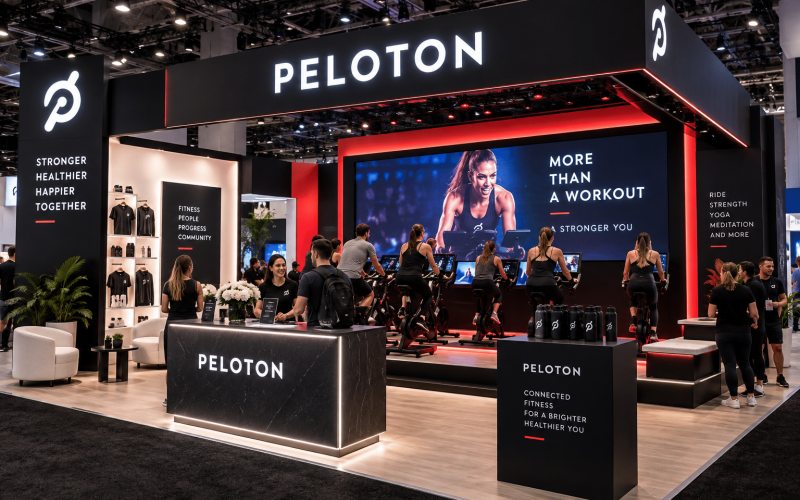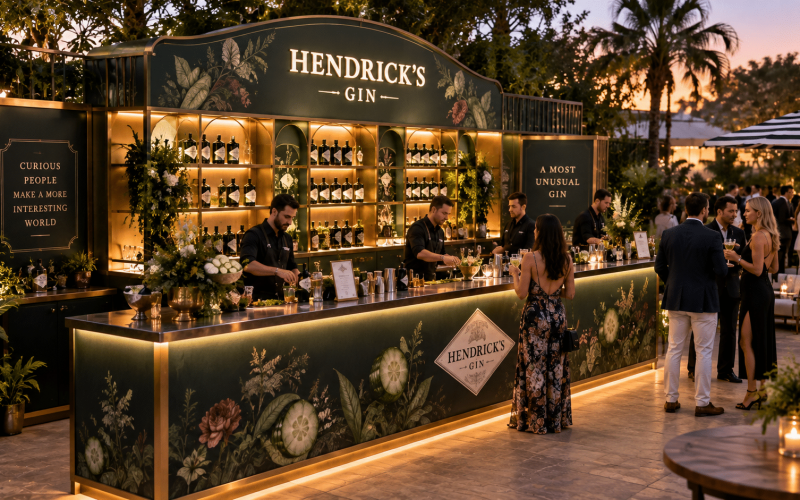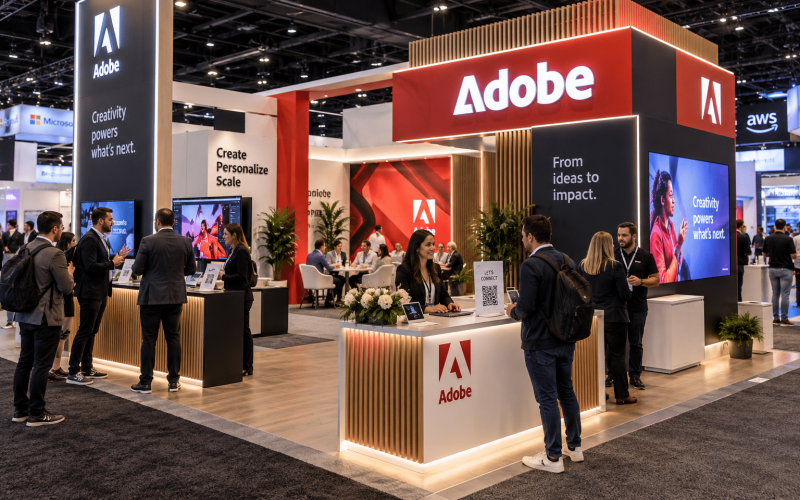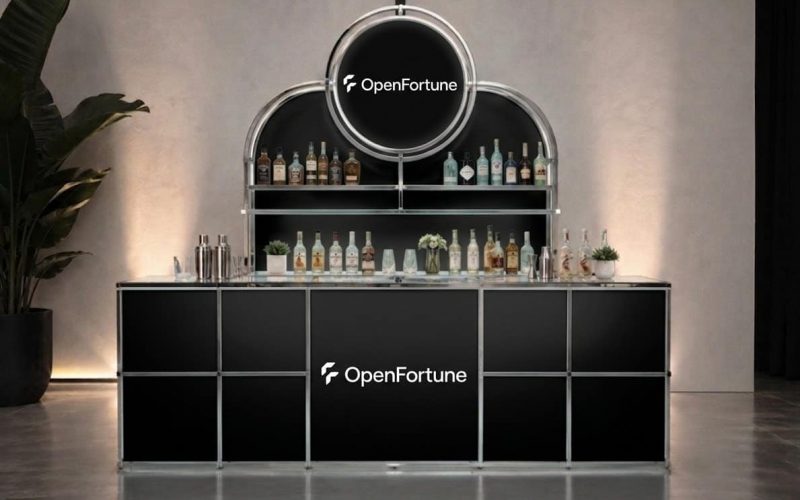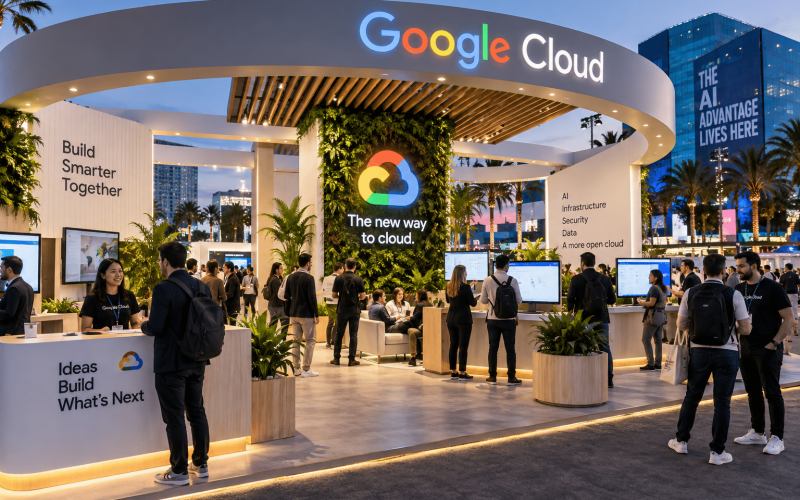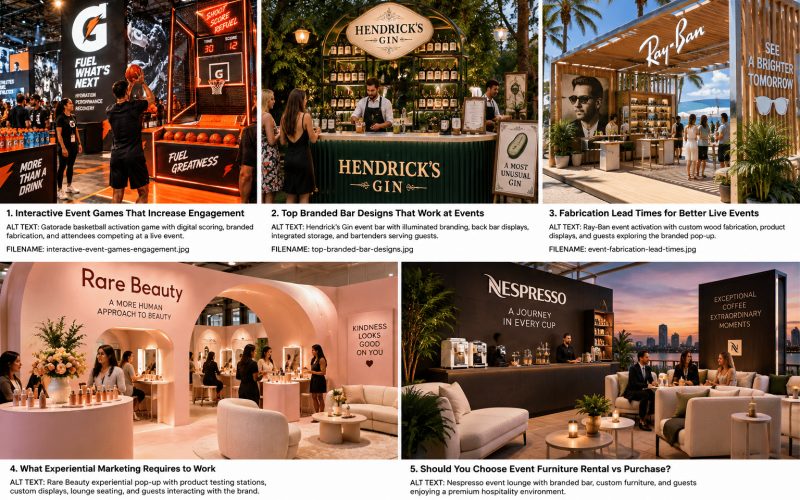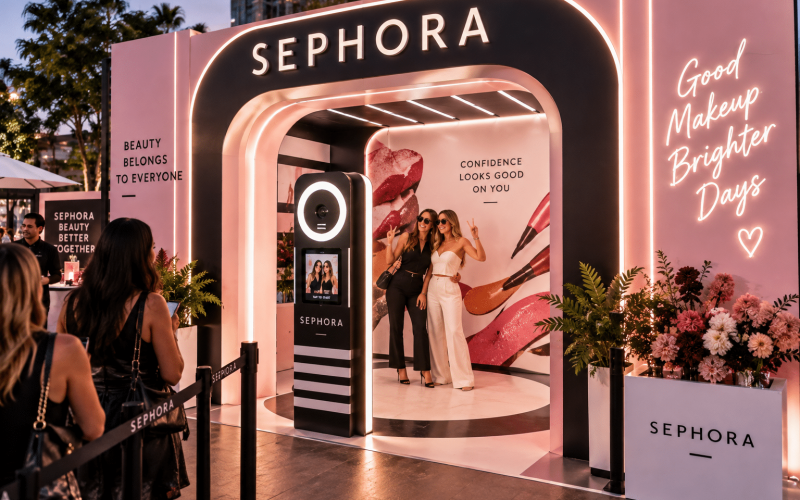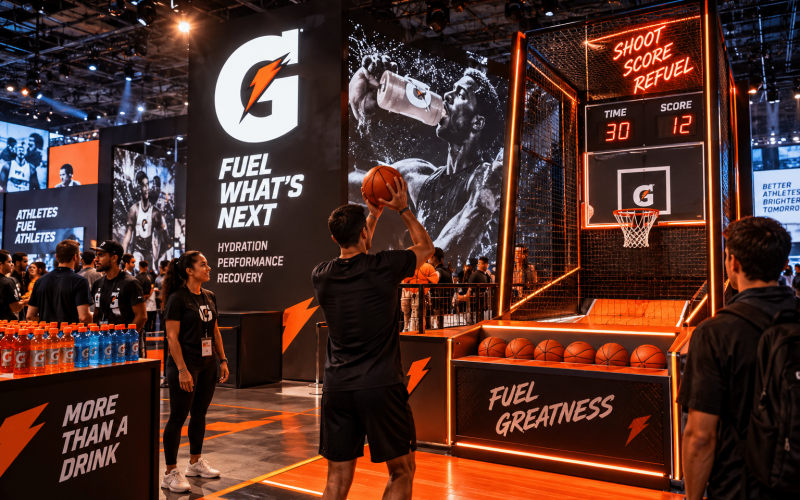
A loading dock reservation can decide whether a polished activation opens on time or starts with flight cases in the lobby. That is the working reality behind a New York event rental guide: rentals are not simply a furniture selection. They are a production decision shaped by venue rules, access windows, floor plans, brand standards, and the audience experience you need to create.
For brand teams, agencies, and event producers, the right rental plan makes a temporary environment feel deliberate. It gives guests a place to gather, supports the flow of an activation, frames product moments, and keeps the footprint camera-ready without committing budget to assets that may only be used once.
New York Event Rental Guide: Start With Site Reality
New York venues vary widely. A street-level retail pop-up, a Manhattan hotel ballroom, a Brooklyn warehouse, and a convention center can each have very different rules for load-in, elevator use, insurance, floor protection, delivery timing, and on-site labor. Confirm those constraints before selecting furniture or designing a fabrication package.
Start with the venue’s technical documents, not the mood board. Request the approved loading entrance, dock dimensions, elevator measurements, freight access schedule, union requirements where applicable, and any restrictions on adhesives, rigging, open flame, power distribution, or wall attachment. Ask whether deliveries can remain staged on site and whether a late-night strike is required.
This early work protects the creative idea. A lounge built around oversized modular seating may look right in a rendering but fail if it cannot move through a service elevator. A branded bar may need a different footprint when the venue requires clear egress paths. The strongest event plans treat venue restrictions as design inputs, not last-minute production problems.
Measure the guest journey, not only the room
A floor plan should account for what attendees do from arrival to exit. Where do they check in? Where will a line form? Where does product interaction happen? Is there a place for staff to reset supplies without crossing the guest-facing environment?
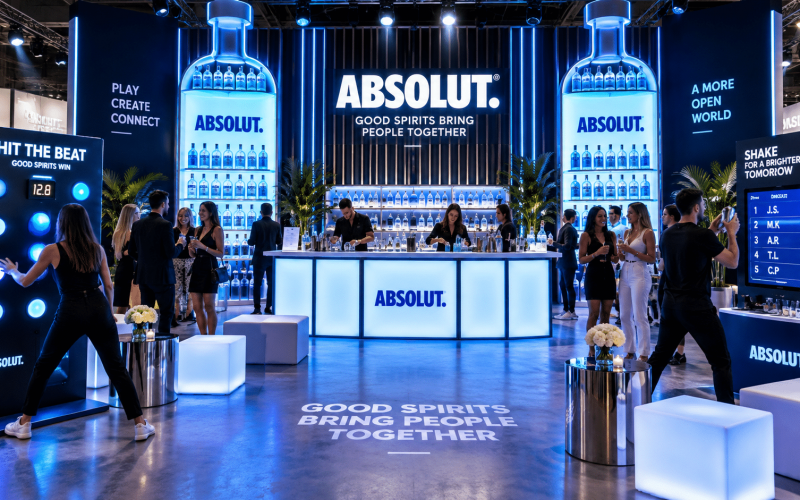
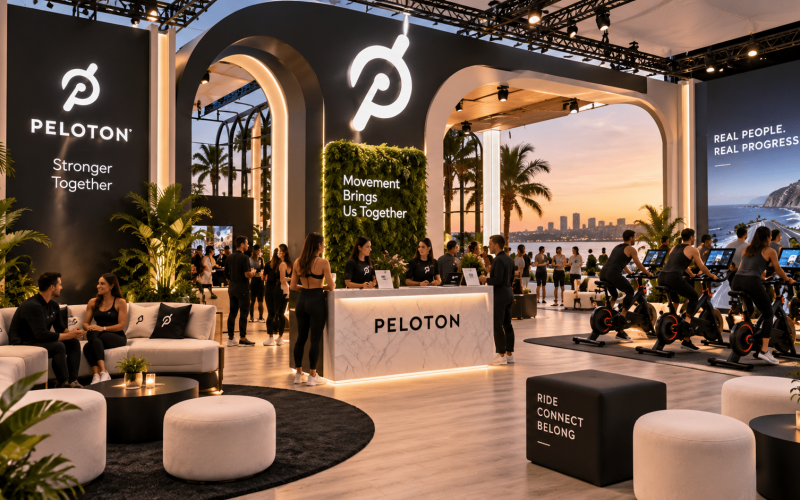
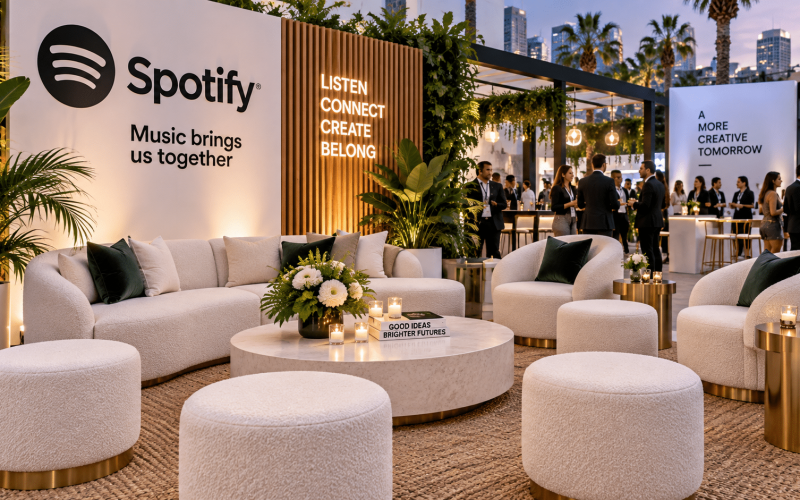
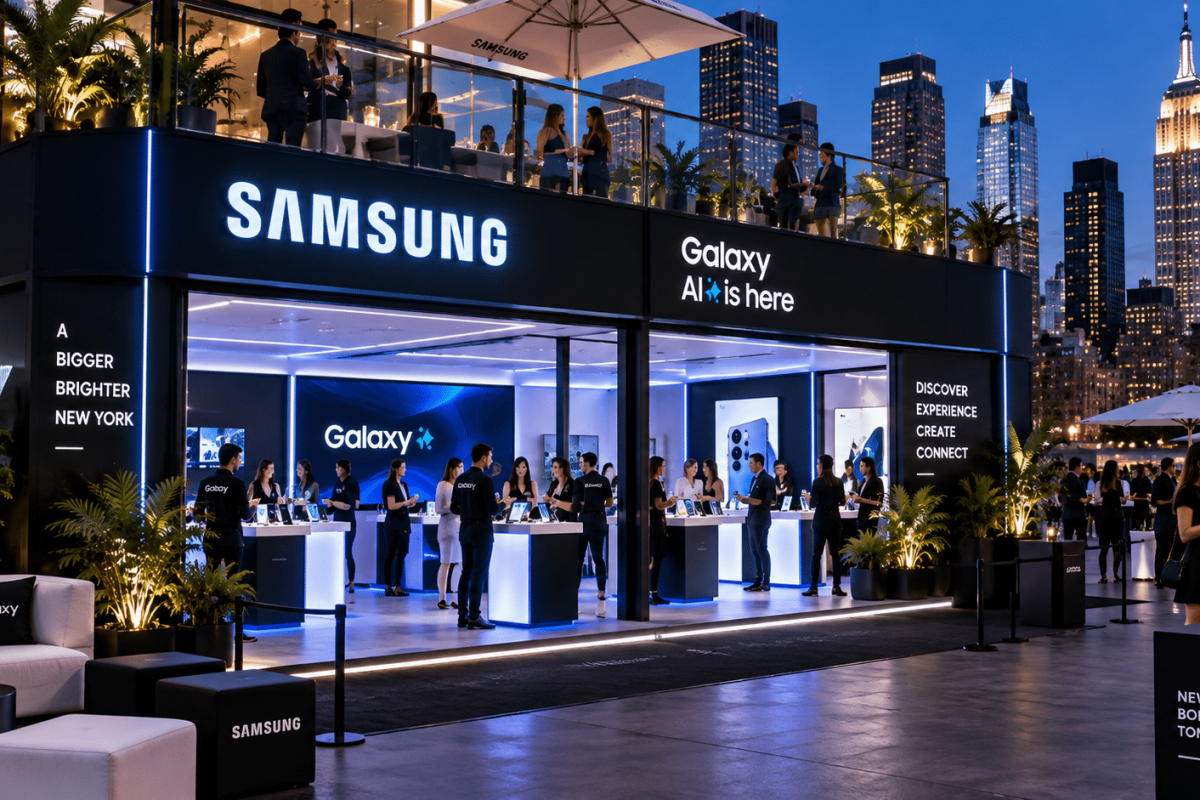
Rentals can create practical zones without building permanent walls. Sofas and occasional tables define a hospitality area. Highboys support standing conversations near a bar or product demo. Display plinths establish product hierarchy. Stanchions, planters, and shelving can guide traffic when a footprint needs soft separation. Every piece should either support use, improve flow, or strengthen the visual system.
Build the Rental Package Around the Experience
The fastest way to overspend is to rent objects one by one without a clear function for each area. Define the experience first, then identify the components needed to operate it. A press preview needs controlled photo moments, seating for interviews, and surface area for hospitality. A consumer activation may need queue management, game stations, device charging, storage, and high-throughput interaction points.
For most branded events, the rental package falls into four working categories:
- Guest furniture, including lounge seating, chairs, cocktail tables, dining tables, and stools.
- Service infrastructure, such as bars, back bars, registration counters, storage, and staff work surfaces.
- Display and engagement elements, including plinths, shelving, photo backdrops, game components, and demo stations.
- Environmental finishing pieces, such as rugs, planters, lighting accents, signage supports, and room dividers.
The categories overlap by design. A custom branded counter can be both a service point and a central visual asset. A shelving system can hold product while helping define the perimeter of a pop-up. Think in terms of roles, then select pieces that do more than one job when space or budget is tight.
Rent standard assets, fabricate the brand-defining moments
Rental inventory is ideal for elements that need to be functional, adaptable, and cost-conscious. Seating, tables, bars, shelving, and display fixtures provide the operational base. Custom fabrication is most valuable where brand recognition, product storytelling, or audience participation depends on a distinct physical form.
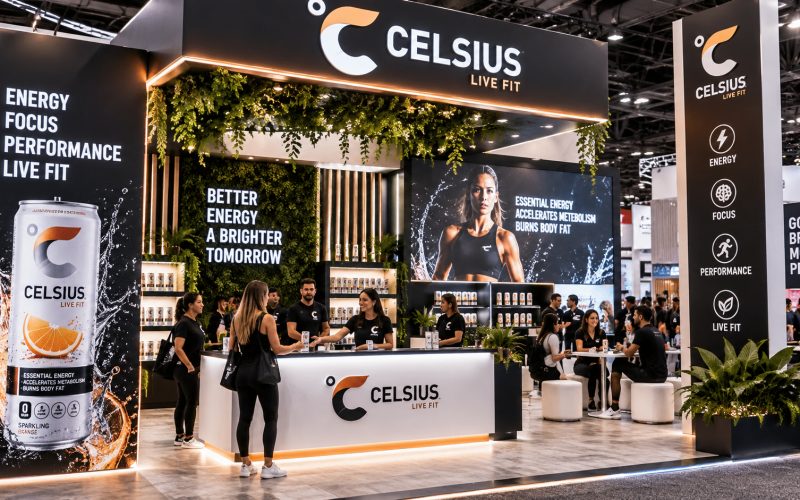
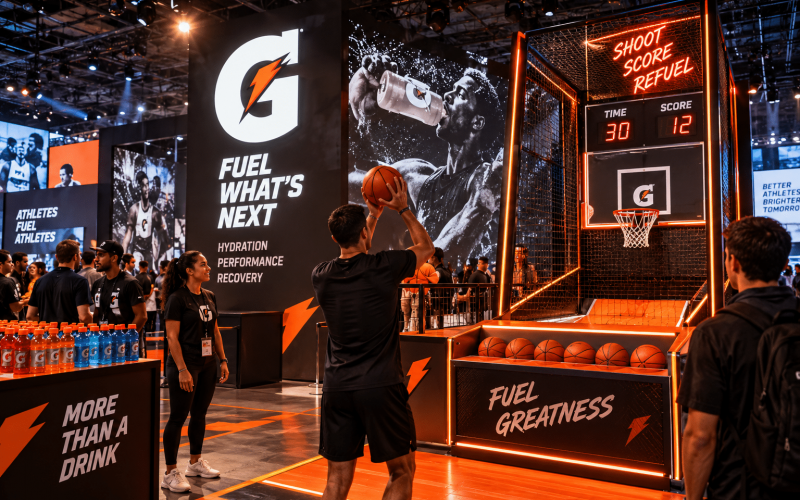
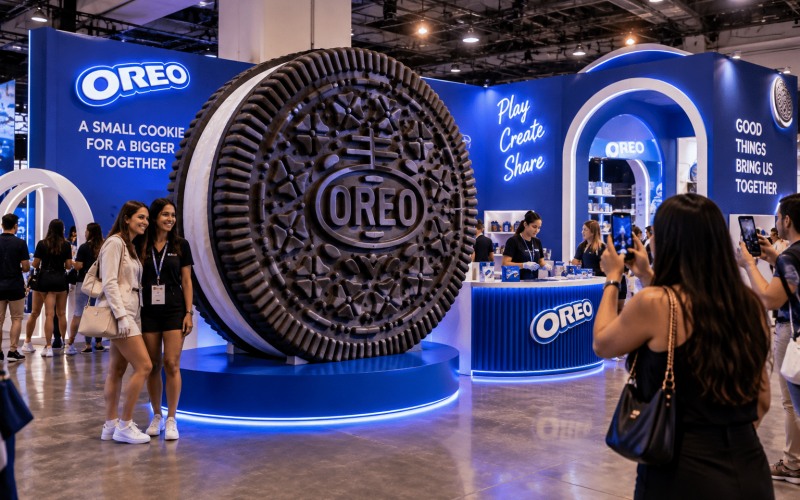
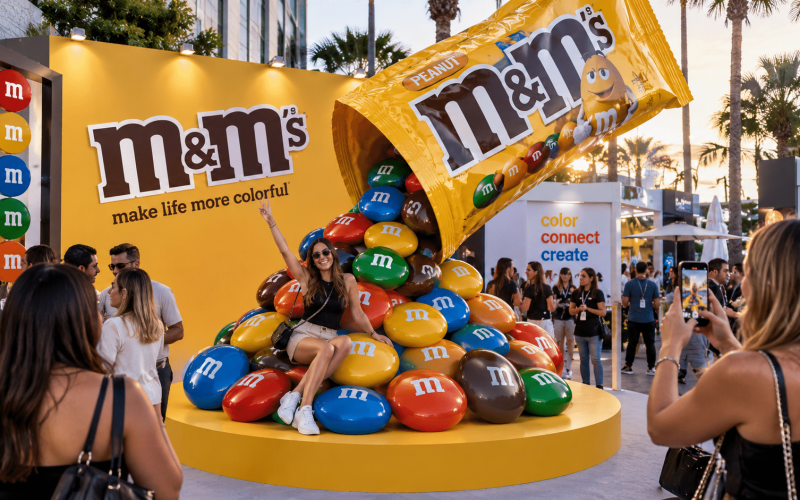
That may be a branded game, dimensional logo feature, custom counter, oversized product replica, interactive wall, or trade show centerpiece. The right balance depends on campaign duration and reuse potential. For a one-night program, it may make sense to use high-quality rentals for the majority of the environment and invest custom budget in one unmistakable hero feature. For a multi-city tour, durable custom assets may offer better value because they can be packed, shipped, and reinstalled across multiple markets.
Portadecor approaches this as one production system: rentable event components establish the environment, while custom fabrication gives the campaign its own physical identity.
Plan for Brand Consistency Beyond the Logo
Brand consistency is often reduced to graphics, but the material choices and proportions of rental furniture carry equal visual weight. A refined beauty launch and a streetwear drop can use the same basic room layout while requiring completely different seating, finishes, lighting, and display language.
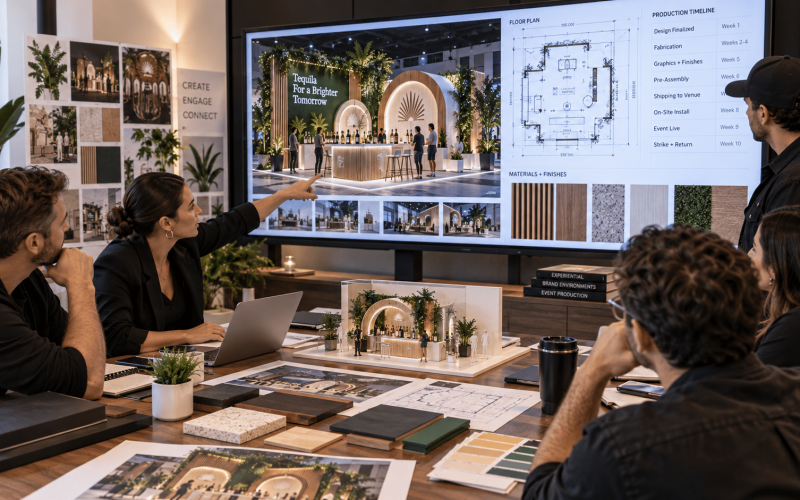
Prepare a practical visual brief for the rental and fabrication team. It should show approved colors, desired materials, hero product imagery, key camera angles, expected guest count, and the event’s primary objective. Clarify whether the setting should feel premium, playful, editorial, technical, energetic, or hospitality-led. Those choices affect everything from stool height to the finish on a display plinth.
Photography matters here. If social content, press capture, or creator attendance is part of the program, identify the camera-ready views on the floor plan. Keep freight cases, staff supplies, cables, and temporary storage outside of those views. A photo moment needs appropriate depth, controlled lighting, and enough open space for guests and photographers to use it without disrupting traffic.
Protect the Schedule With an Earlier Rental Decision
Event rentals are often treated as a late-stage task because the items appear straightforward. In New York, that approach can create avoidable pressure. Popular dates, concurrent trade shows, seasonal holiday events, and compressed venue access can all reduce available inventory and installation flexibility.
Reserve core pieces once the footprint and guest count are reasonably stable. You can refine accent items later, but the foundational inventory should be secured early enough to coordinate delivery windows, labor, and any custom integrations. This is especially important when rentals must work with branded wraps, built components, integrated lighting, or technology.
Allow time for a production review before final approval. Confirm that counters are the right working height, seating quantities match expected dwell time, rugs do not create trip hazards, and power has a route to every interactive element. If a component needs branding, verify the application method and whether it can be installed off-site or must be completed after delivery.
Budget for the full operating picture
The rental line item is only one part of the cost. Delivery, pickup, labor, floor protection, assembly, venue fees, storage, overtime, and damage waivers can materially change the final number. Ask for a scope that separates these charges so the team can make informed trade-offs.
A lower item rate is not always the lower total cost. A rental package that arrives in fewer deliveries, installs efficiently, and reduces on-site modifications may be the better operational choice. Likewise, a custom element can justify its cost when it eliminates the need for several rented pieces or creates a stronger reason for guests to stop, participate, and share.
Use Rentals to Make the Environment Work Harder
The best event environments do not ask a guest to admire the setup from across the room. They give people a reason to enter, stay, interact, and remember the brand. Rentals support that goal when they are selected as part of an operational and creative system rather than as decoration.
Before finalizing the order, walk the plan from the perspective of a guest, a brand ambassador, a photographer, and the load-in crew. If each can move through the space without friction, and the brand’s key moment is clear from the first few steps inside, the rental plan is doing its job.