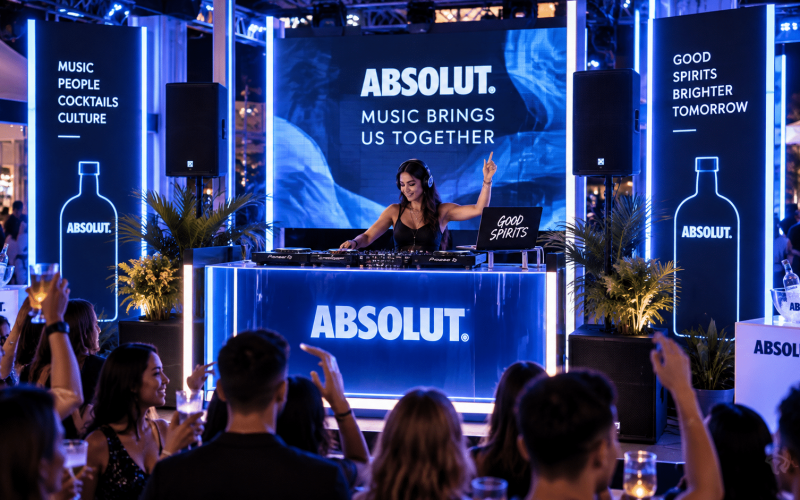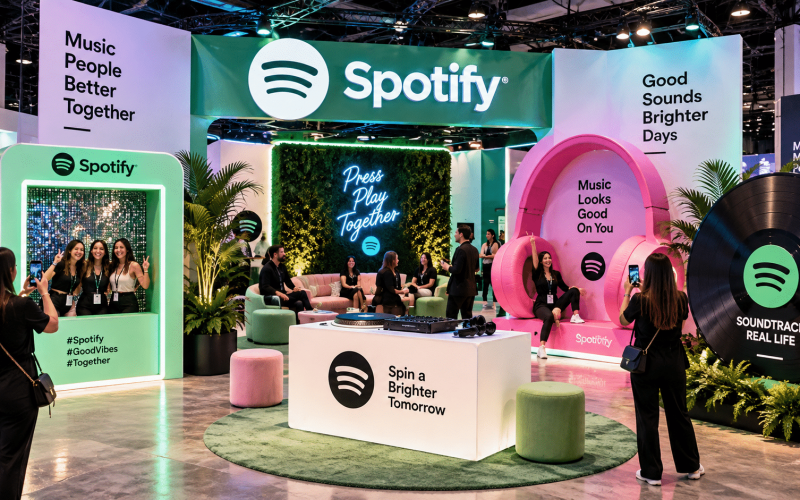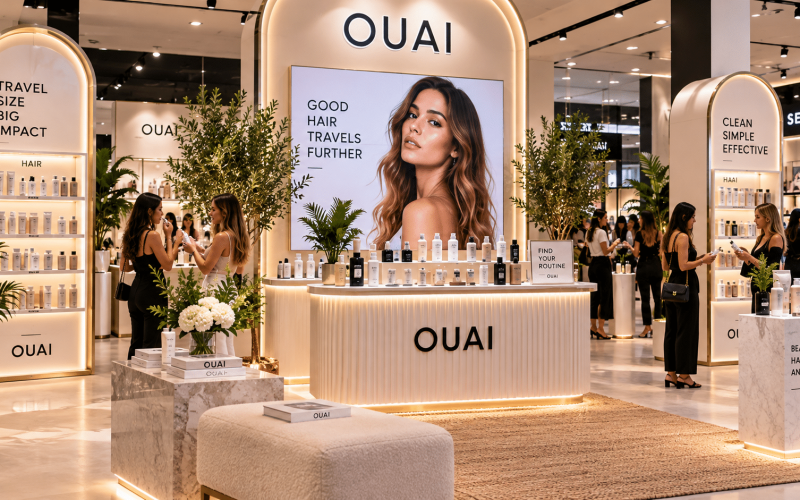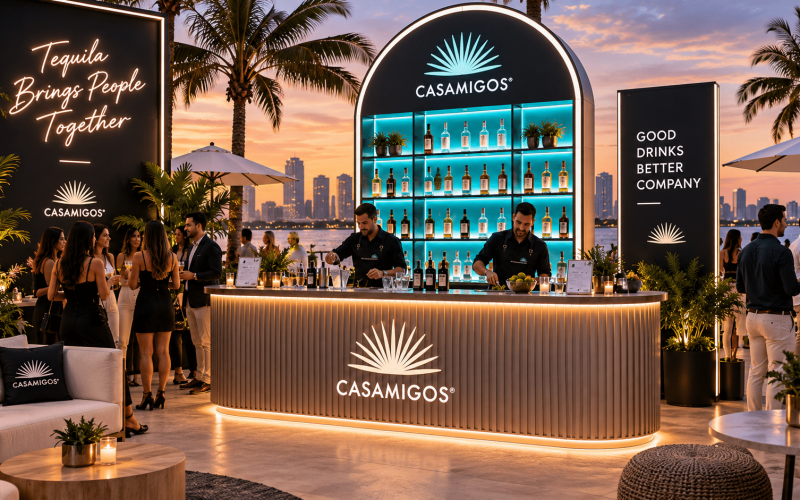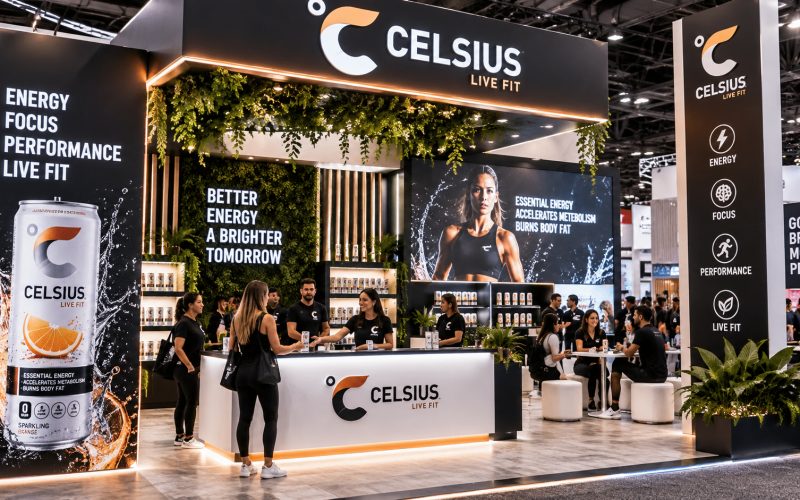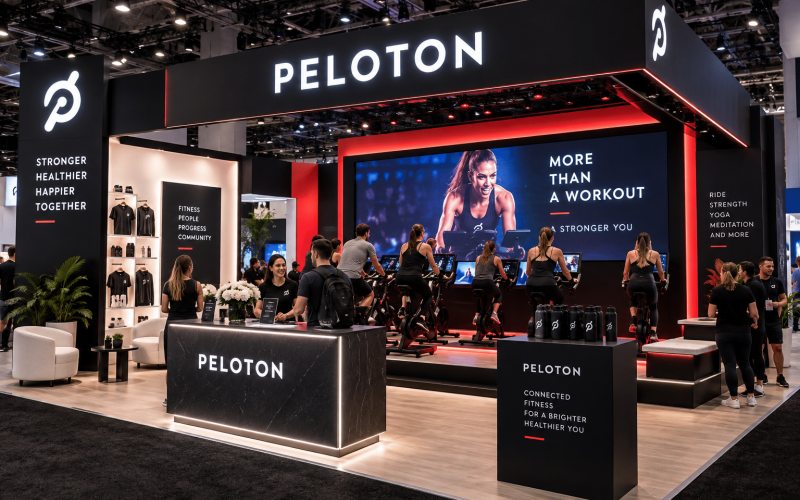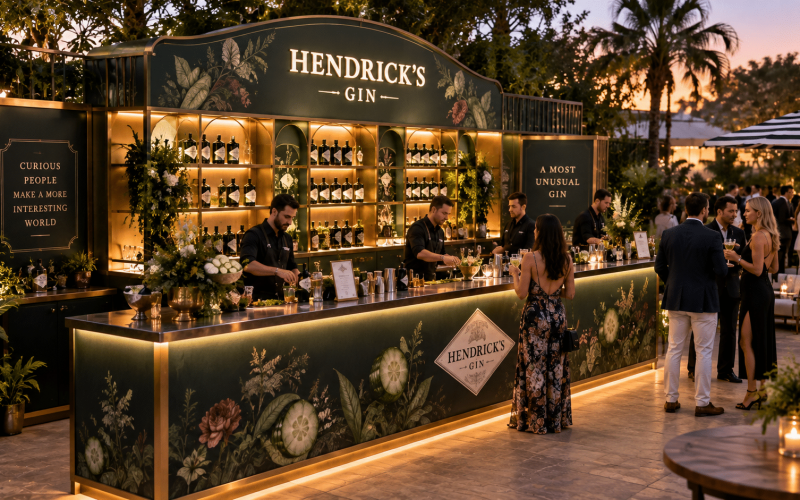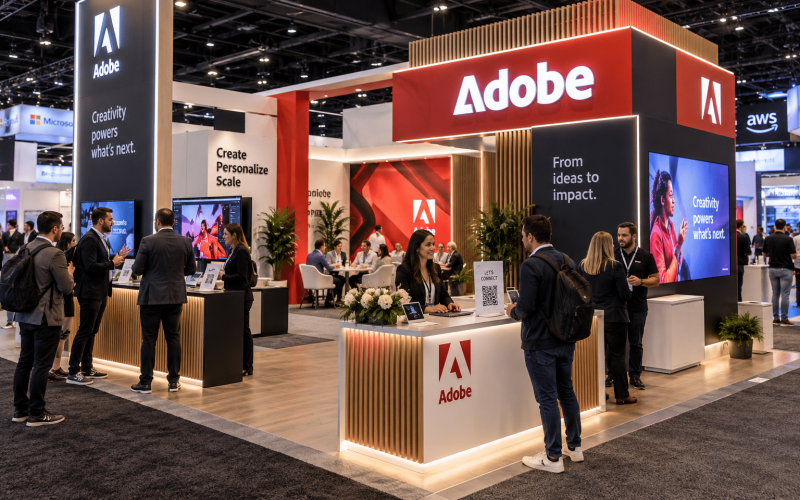
A branded popup has a short window to do a long list of jobs. It must stop traffic, communicate what the brand stands for, give visitors a reason to participate, support staff workflow, and photograph well from multiple angles. Knowing how to build branded popups means designing for all of those demands at once, not simply placing a logo on a booth wall.
The strongest popup environments are built around a clear visitor experience and supported by fabrication decisions that make that experience possible in the real world. That requires early alignment between marketing, creative, production, venue operations, and the team responsible for running the activation.
Start With the Job the Popup Must Do
Before selecting finishes, furniture, or interactive elements, define the primary business outcome. A product sampling popup has different requirements than a lead-generation lounge, a retail launch, or a trade show booth. Trying to make every installation do everything often produces a crowded footprint with no clear reason for people to enter.
Choose one primary action you want visitors to take. That might be testing a product, taking a photo, speaking with a representative, creating user-generated content, or making a purchase. Then identify the secondary actions that support it. If product trial is the goal, the environment needs a clear demonstration area, enough counter space, accessible storage, and a natural path to conversion or data capture.
The creative concept should serve that action. A bold visual idea may earn attention from across an event floor, but it needs a practical connection to the visitor journey. Ask what people see first, what draws them inside, where they pause, what they do, and how they leave with the brand still in mind.
How to Build Branded Popups Around a Visitor Journey
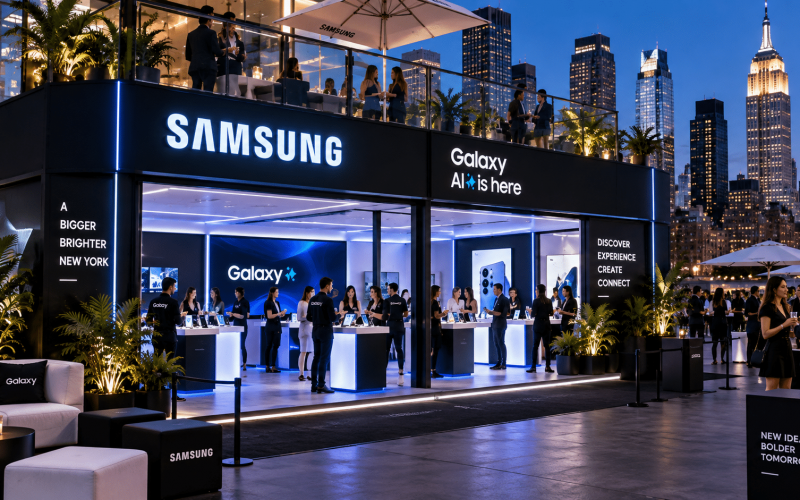
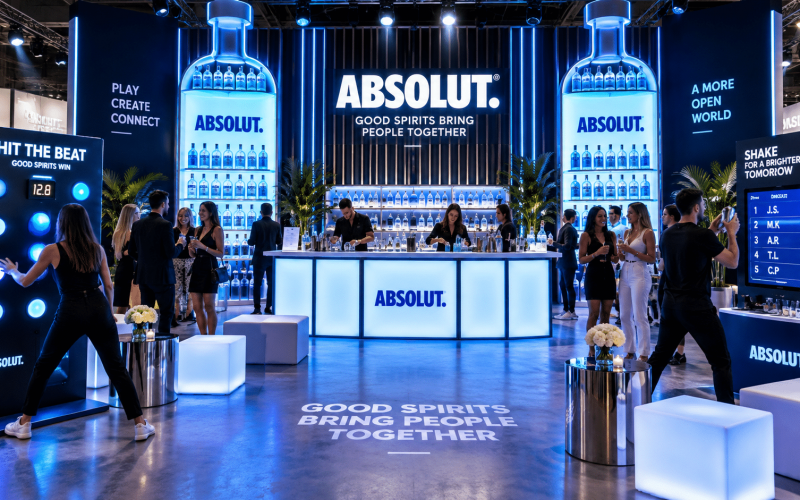
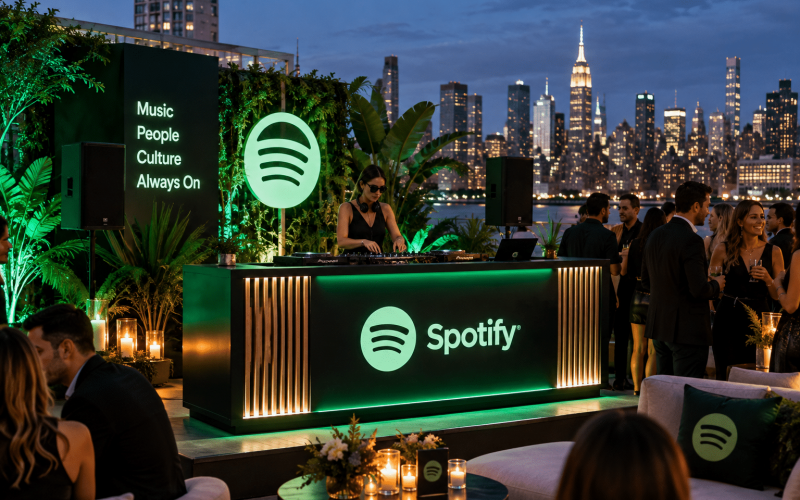
A popup should feel easy to understand without a staff member explaining it from the sidewalk. That starts with a visible entry point and a focal feature that establishes the experience immediately. Depending on the campaign, this could be a sculptural product display, a branded game, an oversized prop, an illuminated sign, or a working product demonstration.
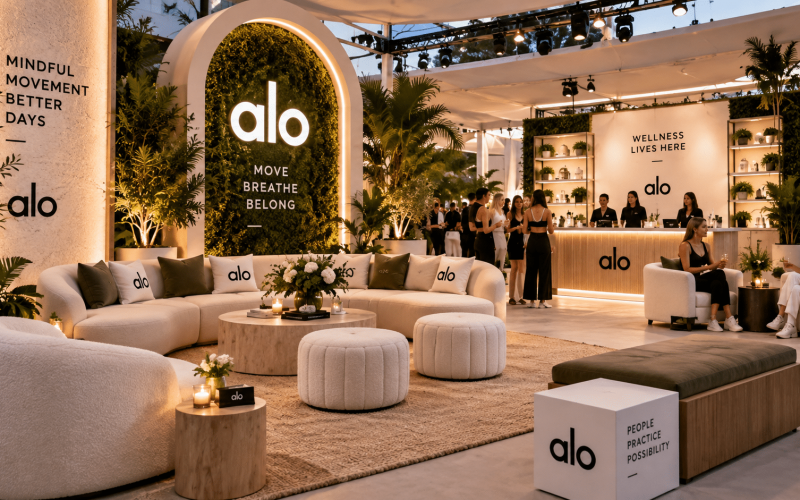
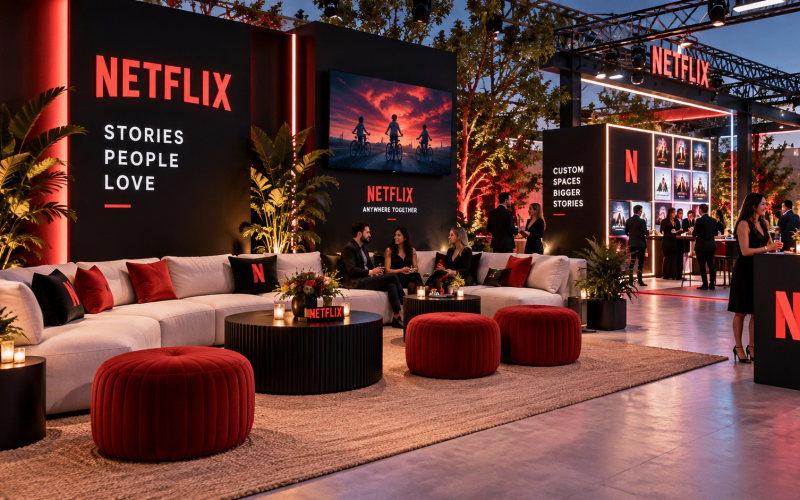
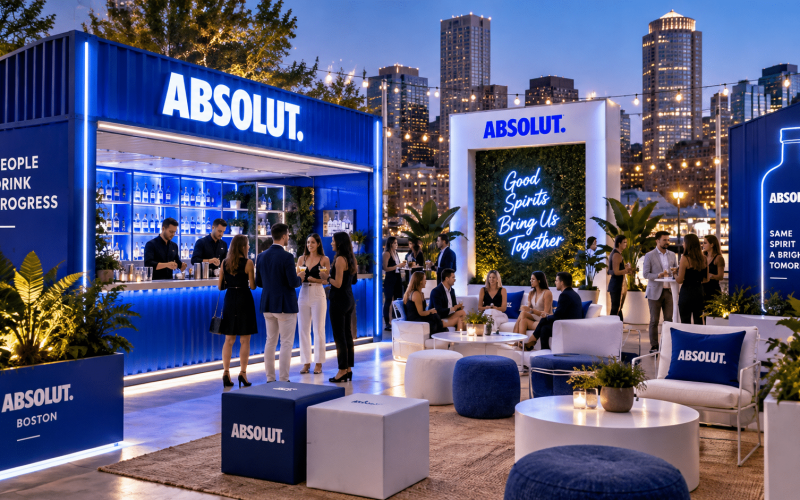
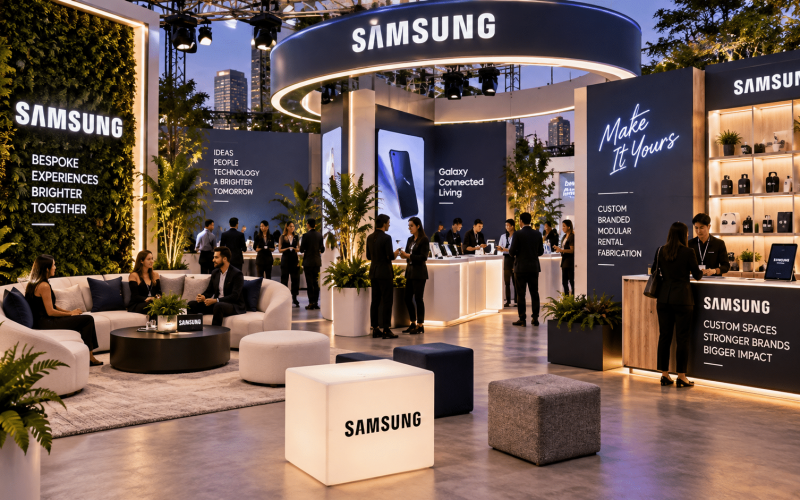
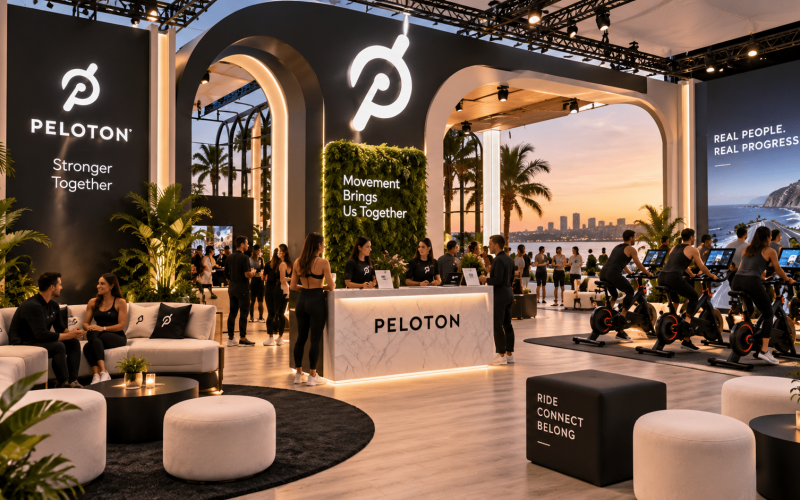
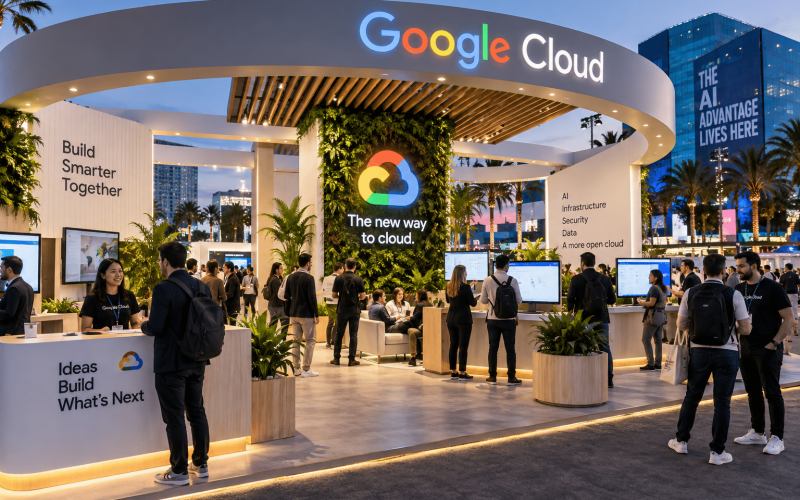
From there, organize the space in zones. The attraction zone creates the first impression. The engagement zone gives people something meaningful to do. The conversion zone supports lead capture, sales, sampling, or follow-up. A support zone keeps inventory, supplies, personal items, and operational equipment out of sight.
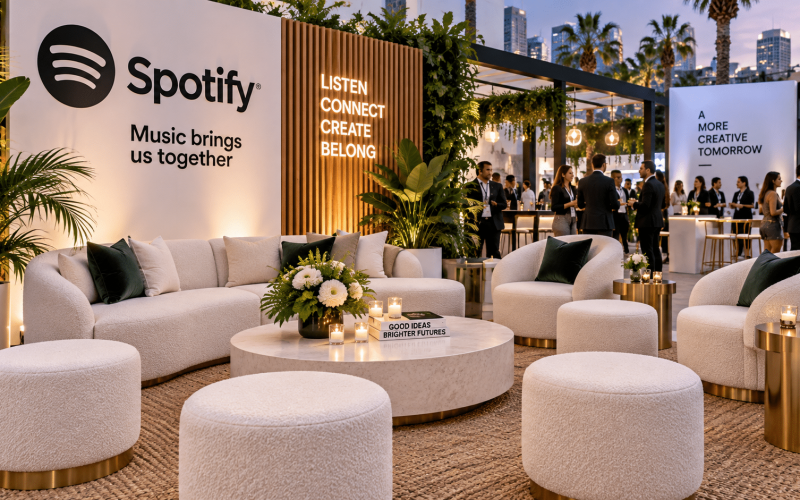
The zones do not need walls between them. In a compact footprint, custom counters, display fixtures, flooring changes, lighting, and furniture placement can create definition without closing off the environment. The key is preventing congestion. A photo moment that backs up into the main entrance can make the entire activation look inaccessible, even when the concept is strong.
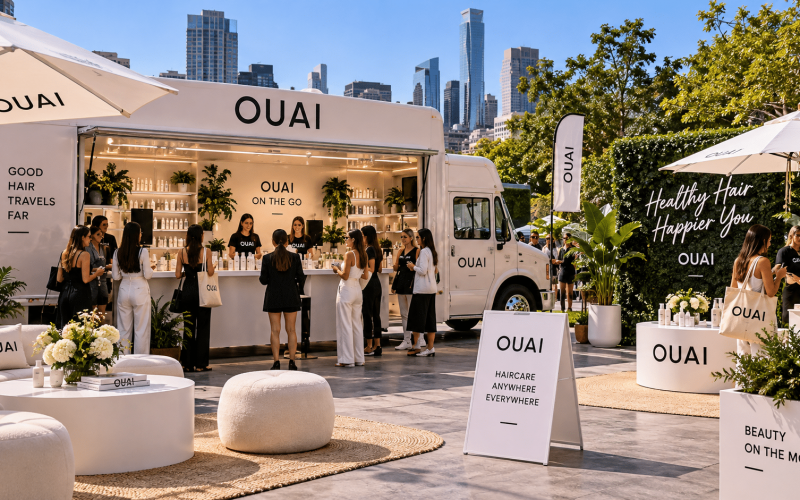
Plan for different traffic conditions. A setup that works with six visitors can fail when 30 people arrive after a keynote or during a busy weekend window. Build enough space for a queue, allow staff to circulate behind service points, and maintain accessible routes through the installation. If the activation will operate outdoors, account for weather cover, weighted structures, surface conditions, and power distribution from the beginning.
Translate Brand Standards Into Physical Design
A brand guide is a starting point, not a fabrication drawing. Colors, typography, imagery, and messaging must be adapted to materials, viewing distances, lighting conditions, and the speed at which people move through an event.
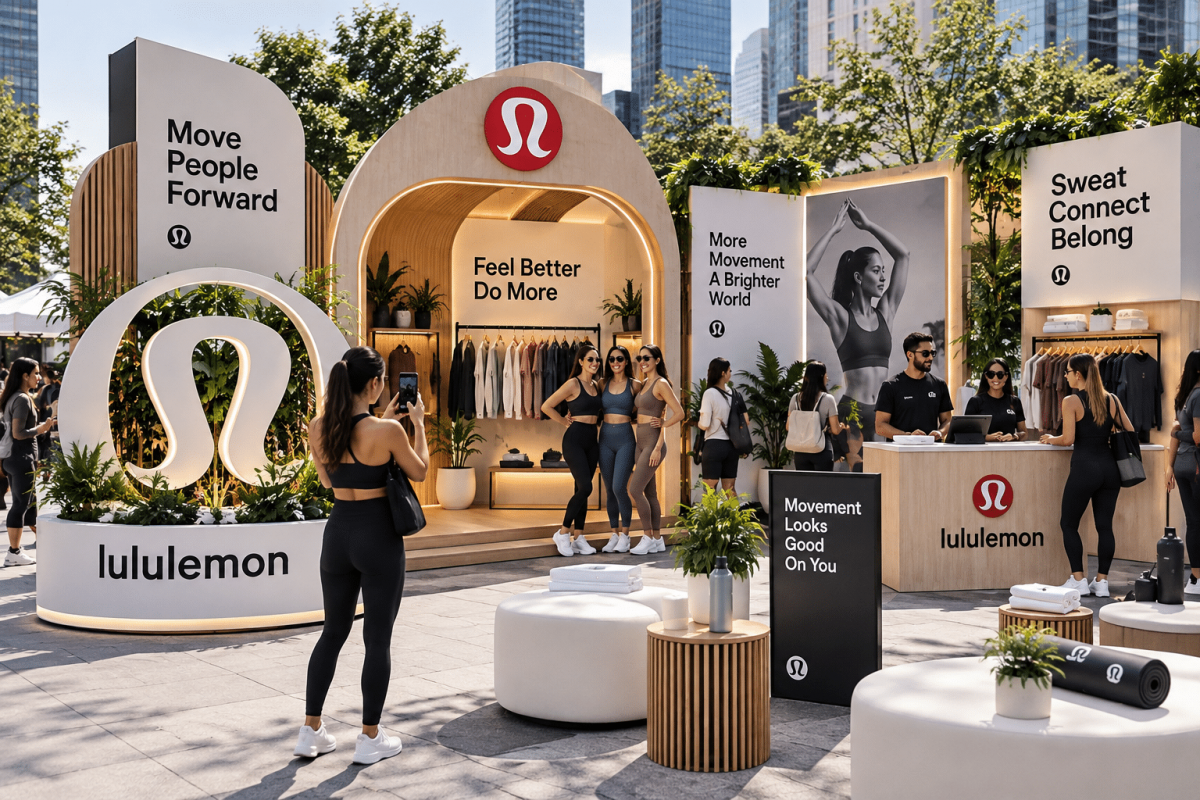
Use hierarchy rather than placing every campaign message on every surface. The brand name or campaign promise should read from a distance. Product benefits and calls to action belong closer to the interaction point. Fine copy may work on a countertop display or take-one card, but it will not communicate from 20 feet away.
Material choice shapes perception as much as graphics do. Gloss acrylic can feel polished and high-energy. Wood, textured laminates, and fabric can create warmth or a more premium setting. Painted dimensional elements add depth that flat printed walls cannot provide. LED accents, edge lighting, and integrated screens can increase visibility, but only when they support the visual system rather than compete with it.
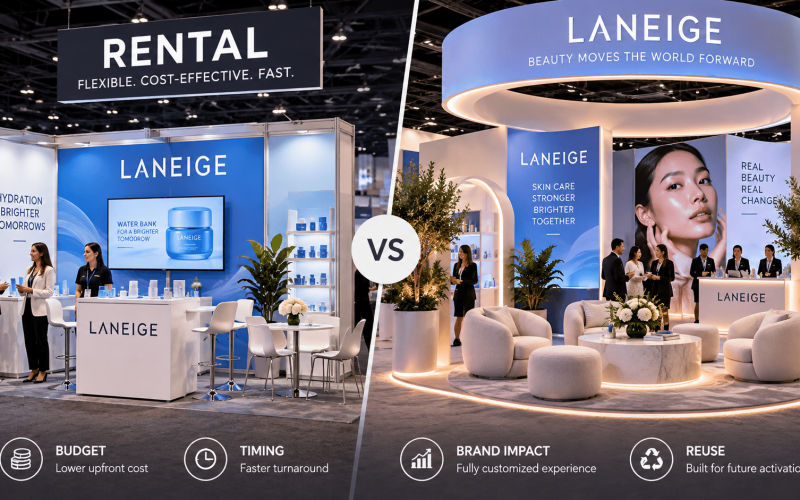
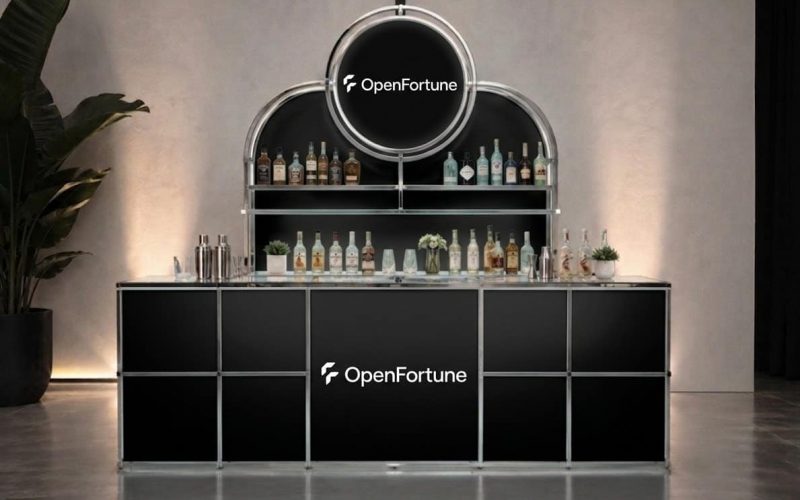
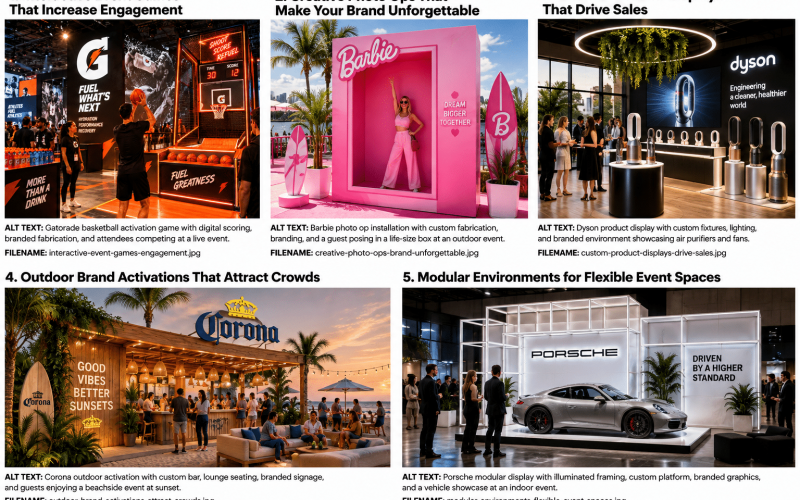
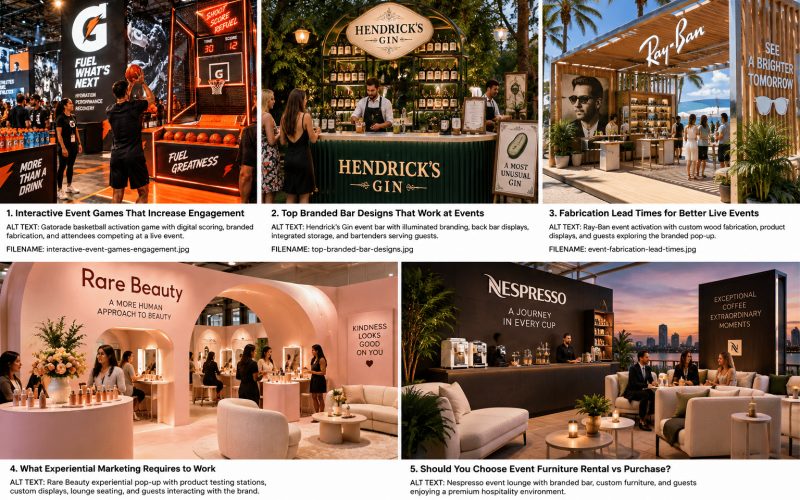
Custom fabrication is particularly valuable when the brand needs a recognizable physical signature. A distinctive archway, modular retail fixture, oversized product form, interactive game cabinet, or sculptural display can become the asset people associate with the campaign. The trade-off is that custom elements require enough lead time for engineering, material sourcing, finishing, and quality review. If the schedule is compressed, prioritize one or two high-impact custom features and use rental components where they make operational sense.
Build for Operations, Not Just the Render
A polished rendering can hide the details that determine whether a popup runs smoothly. Every major element should be reviewed for assembly, transportation, stability, access, cleaning, storage, and staff use.
Consider what happens behind the branded façade. Where do staff store replenishment inventory? Where are batteries charged? How are cables concealed? Does a monitor have ventilation? Can the team reset an interactive element between guests? Can a countertop be wiped down quickly during service? These are production questions, but they directly affect the customer experience.
Modularity is often the right answer for campaigns with multiple stops. A system of repeatable wall panels, counters, shelving, signage, and display units can adapt to different footprints while preserving a consistent look. Components should be sized for realistic loading conditions and designed to install in a sensible sequence. A modular system may not be as architecturally dramatic as a one-off build, but it can reduce shipping complexity, setup time, and long-term campaign costs.
Do not assume that a venue will provide every utility you need. Confirm electrical capacity, internet availability, load-in access, freight elevator dimensions, ceiling restrictions, fire requirements, floor protection rules, and operating hours before fabrication is finalized. A custom build that cannot clear a door or connect safely to venue power creates expensive last-minute changes.
Make Interaction Worth the Visitor’s Time
A branded popup does not need technology to be engaging, but it does need a reason for guests to participate. The best interactions are easy to understand, quick enough for the event setting, and relevant to the product or brand story.
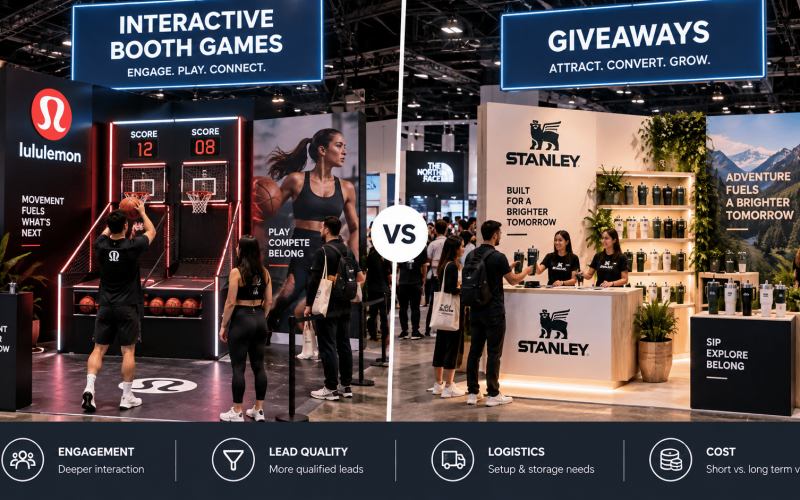
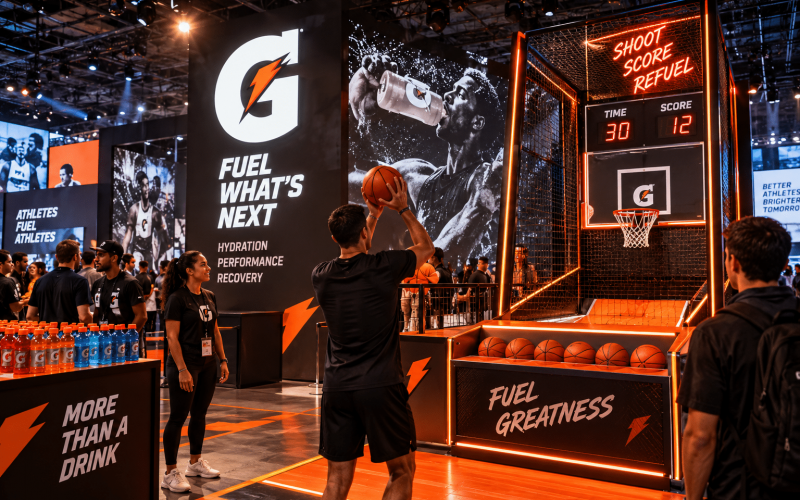
For some campaigns, a guided product demonstration is more effective than a digital game. For others, a physical challenge, prize mechanism, customization station, or content capture moment can generate stronger engagement. The right choice depends on the audience, the dwell time available, and what the brand can realistically fulfill after the event.
Avoid adding an interactive feature solely because it looks impressive in a pitch deck. If it requires extensive staff intervention, frequent troubleshooting, or a long reset, it may create a bottleneck. Test the interaction under real operating conditions and define a backup plan for technology, power, and connectivity issues.
Staffing should be part of the build plan. Staff need clear sightlines, room to greet visitors, safe access to equipment, and a place to stand that does not block the experience. Their talking points should match the physical journey. When the environment and staff script reinforce the same message, the activation feels intentional rather than promotional.
Plan Fabrication and Production Early
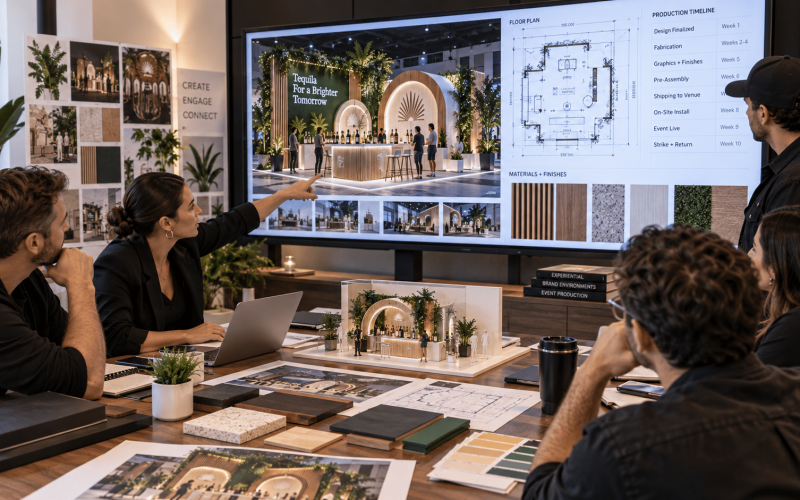
The most efficient branded popups are not rushed from concept directly into production. Start with a site plan, dimensions, brand assets, desired interaction, venue information, and an honest timeline. Those inputs allow a fabrication partner to recommend the right mix of custom products, printed graphics, furniture, lighting, and structural elements.
A production review should cover finishes, paint matches, print proofs, hardware, edge details, safety, and assembly methods. Request a clear understanding of what is included in the scope: fabrication, graphics, packing, shipping, installation, strike, storage, and repairs between events. The lowest initial quote can become the most expensive option if it omits the operational pieces needed to launch the activation successfully.
For national campaigns, durability matters. Components may be loaded in and out repeatedly, handled by different crews, and installed on uneven floors. Build for that reality with protected finishes, replaceable graphic panels, reinforced connection points, labeled parts, and detailed install documentation. A popup that looks excellent only on opening day is not a successful event asset.
Measure What the Environment Delivered
Measure performance against the original objective, not only against foot traffic. Count product trials, qualified leads, content captures, sales, dwell time, staff conversations, or redemption rates as appropriate. Pair those numbers with practical observations from the event team: where queues formed, what visitors asked, which features drew attention, and what created friction.
Photos and video are useful evidence, but they should document more than the hero shot. Capture the entry, the queue, staff positions, visitor behavior, and any points where the layout did not perform as planned. Those details inform the next build and help determine whether an asset should be reused, reconfigured, or redesigned.
A well-built popup becomes more valuable after the first event because it produces operational knowledge as well as brand exposure. With the right fabrication strategy, the same core environment can evolve across markets, product launches, trade show booths, and brand activations. Portadecor approaches that work as a production partnership: build the physical experience to match the creative vision, then make sure it can perform where the audience actually meets the brand.