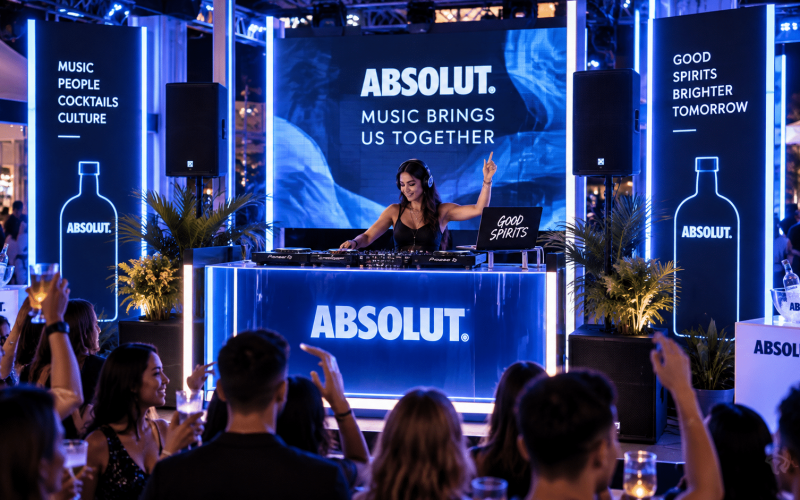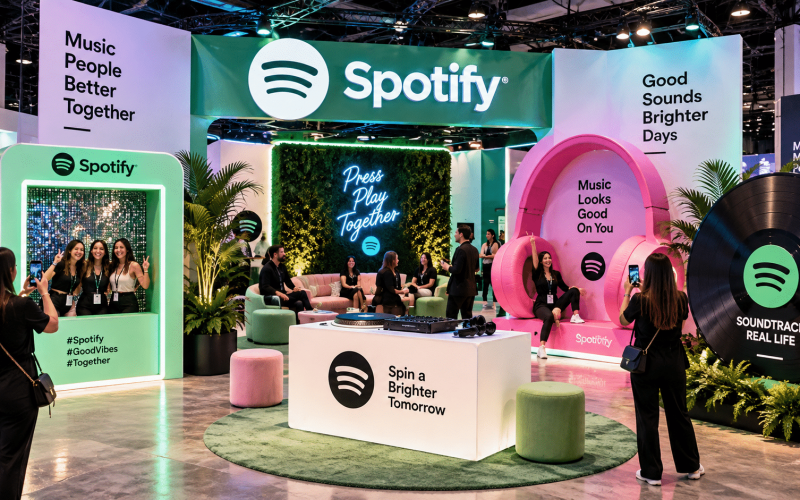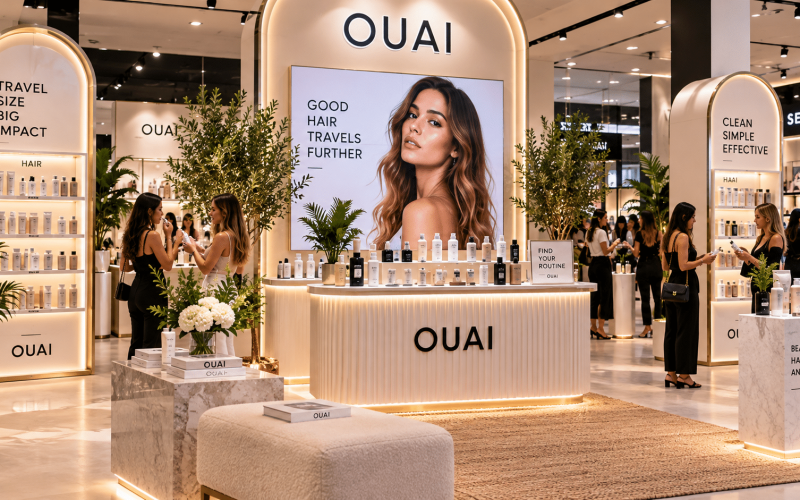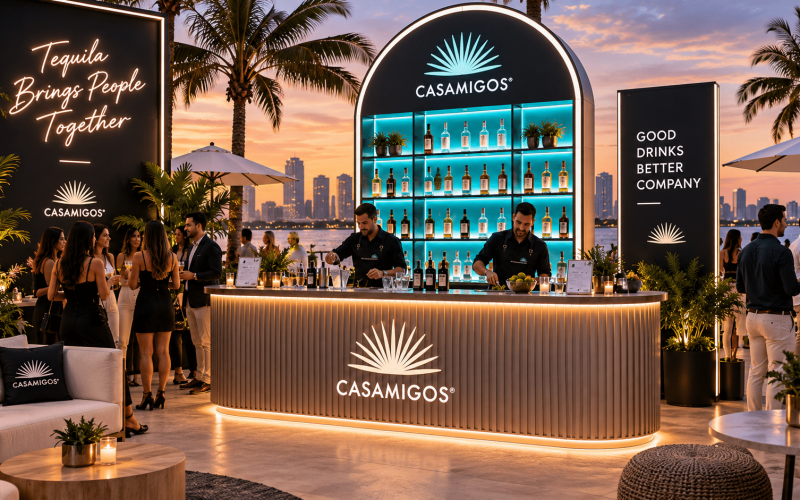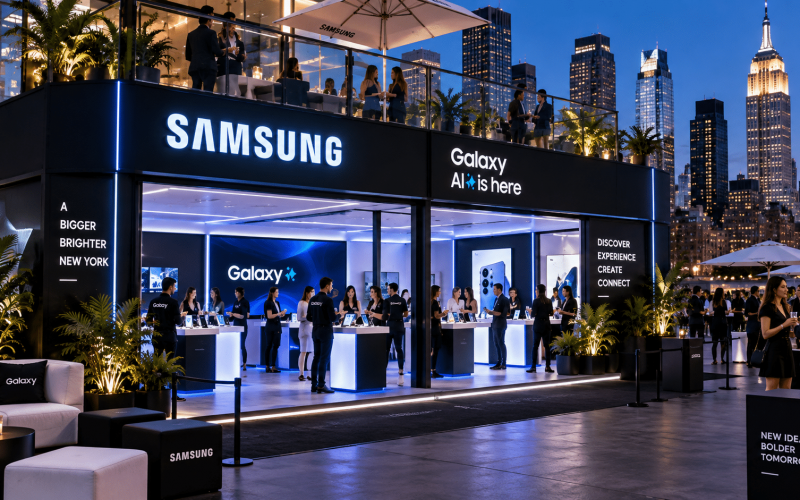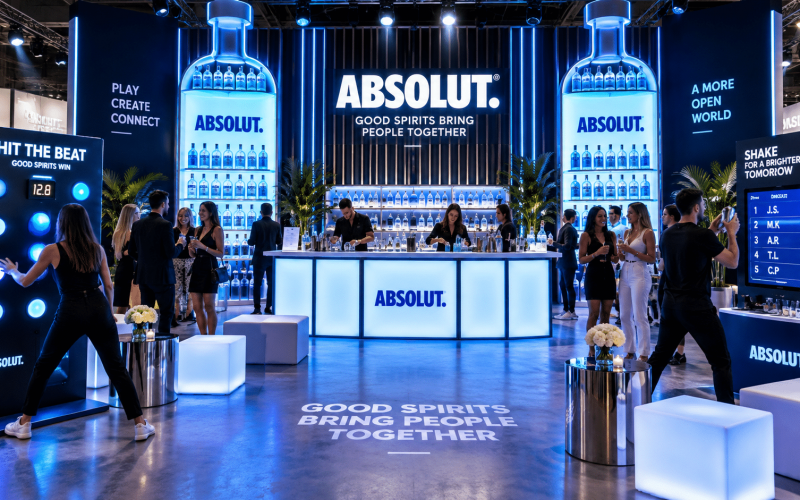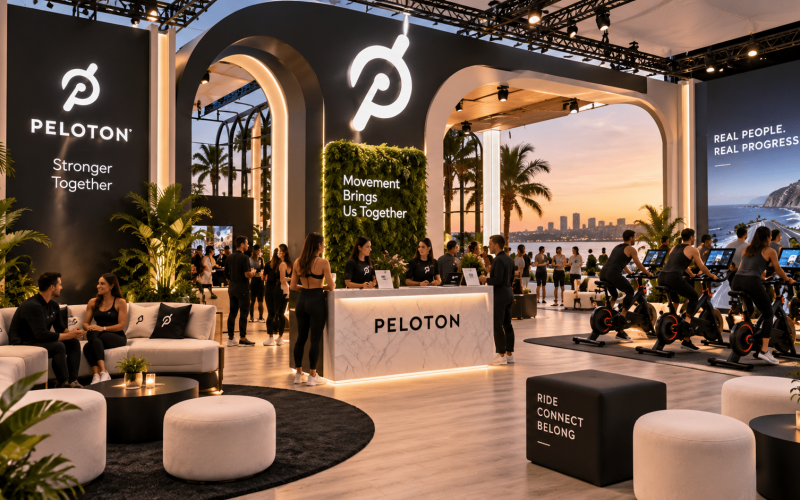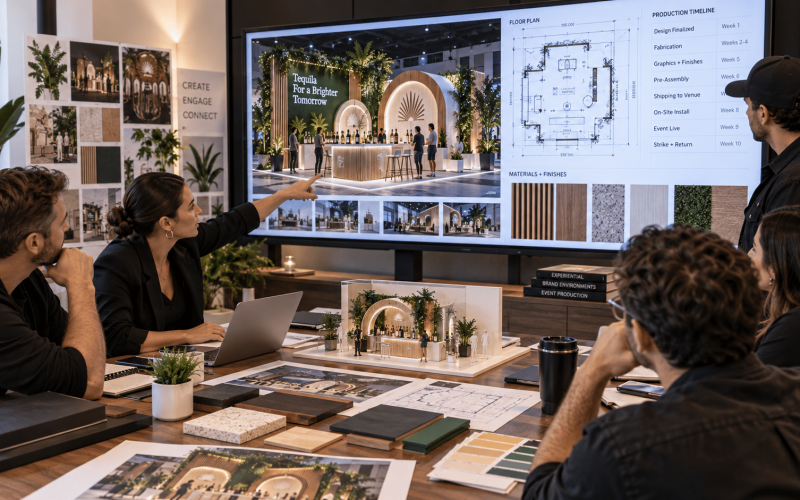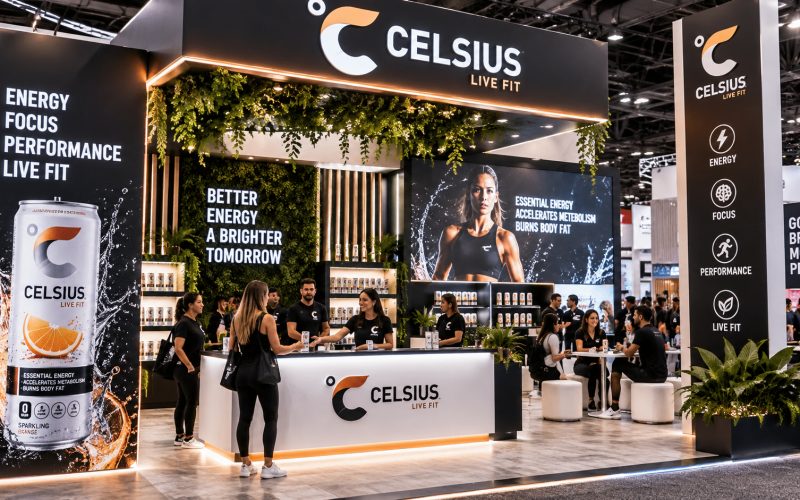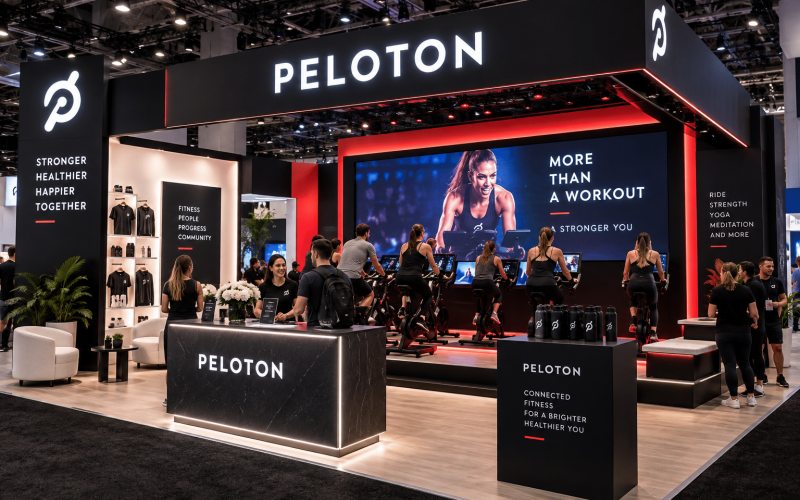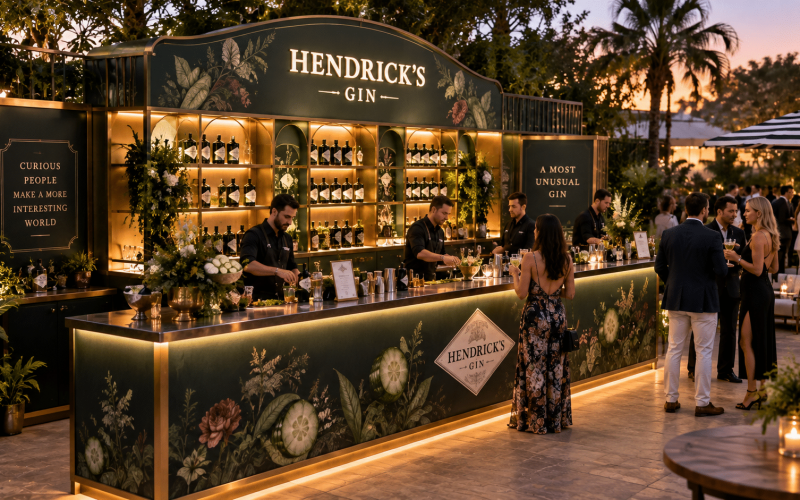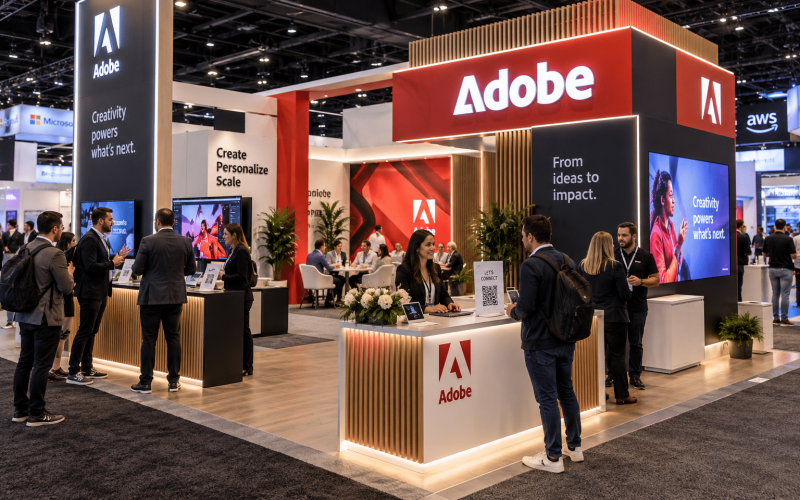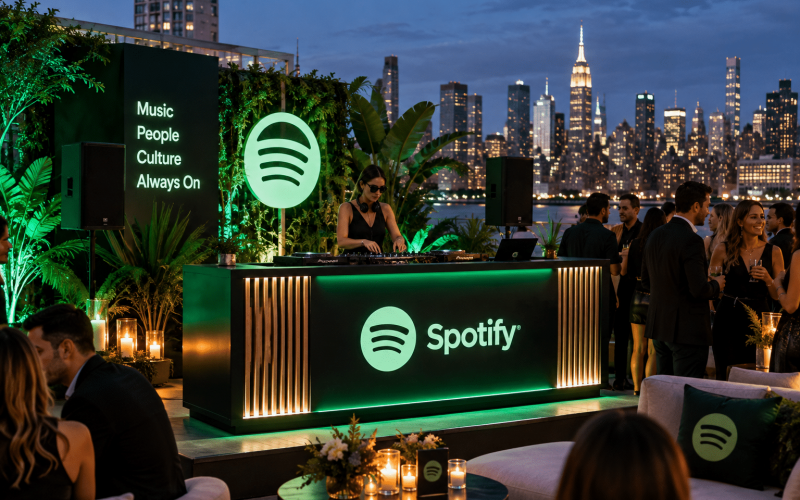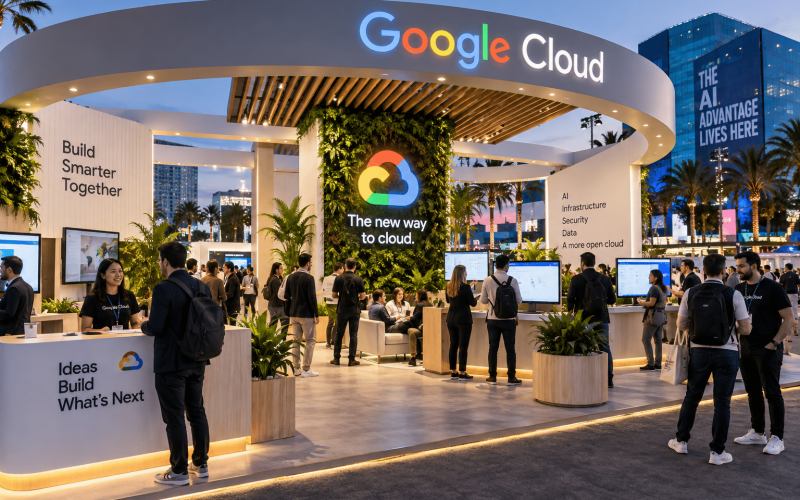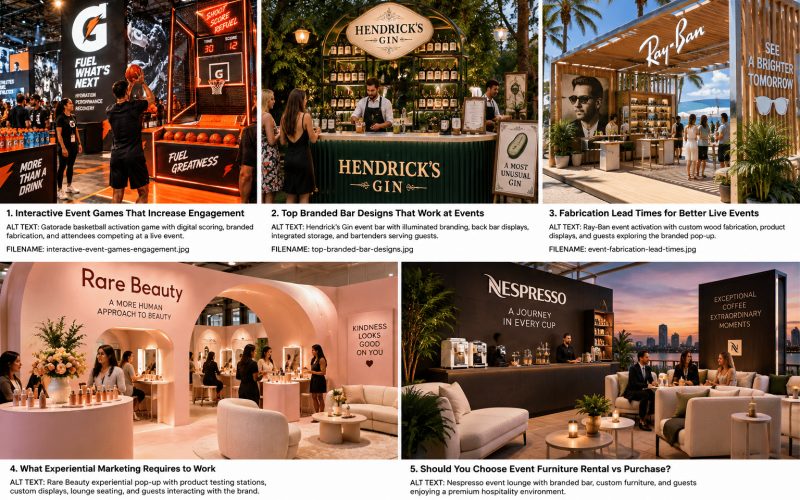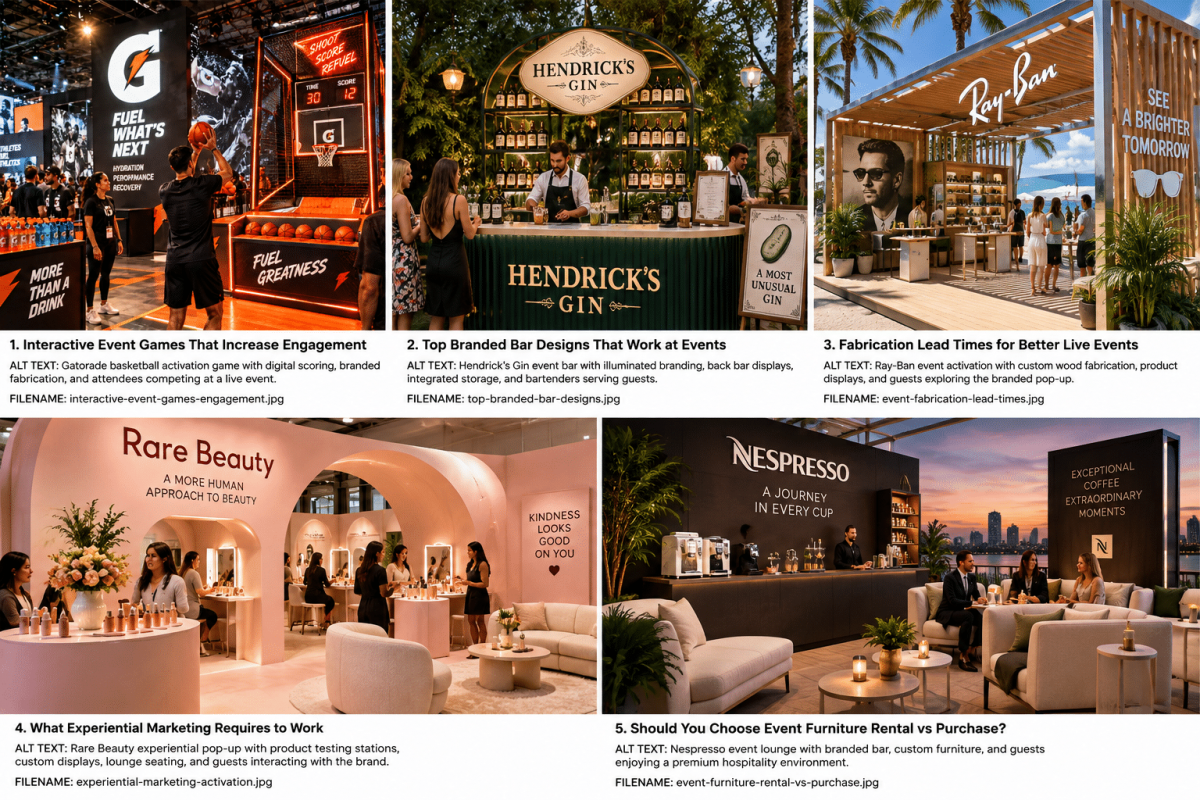
A strong campaign can lose momentum the moment its concept meets an underbuilt footprint, a late delivery, or a guest experience that does not function as promised. Brand activation agency support is most valuable when it closes the gap between the creative deck and the physical environment attendees actually encounter.
For agencies and in-house experiential teams, that support is not simply extra labor. It is a production partnership that helps protect the idea, manage technical realities, and deliver an activation that looks intentional from the first guest interaction to final load-out.
What Brand Activation Agency Support Should Cover
An activation partner should be able to translate campaign goals into practical event components. That starts with understanding the audience, venue, run of show, staffing plan, and desired guest behavior. A product sampling experience requires different design choices than a lead-generation game, product launch, or trade show booth.
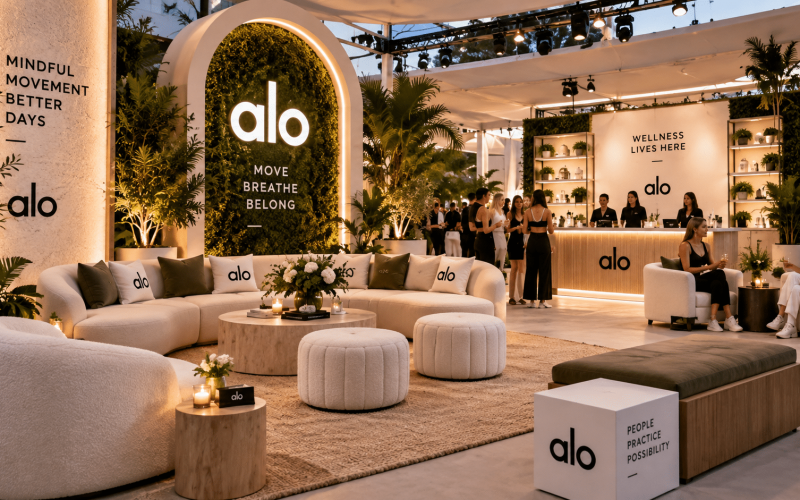
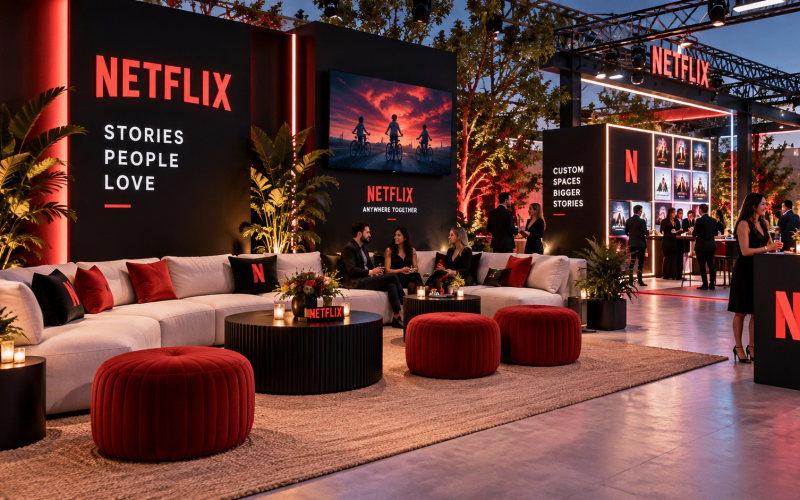
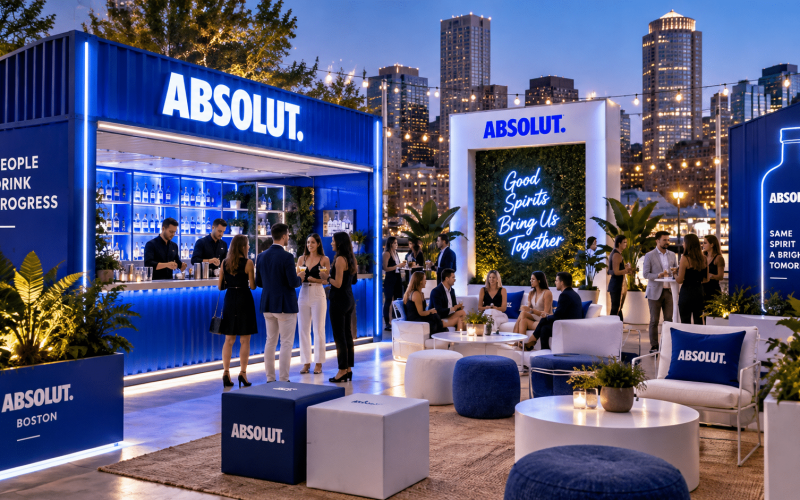
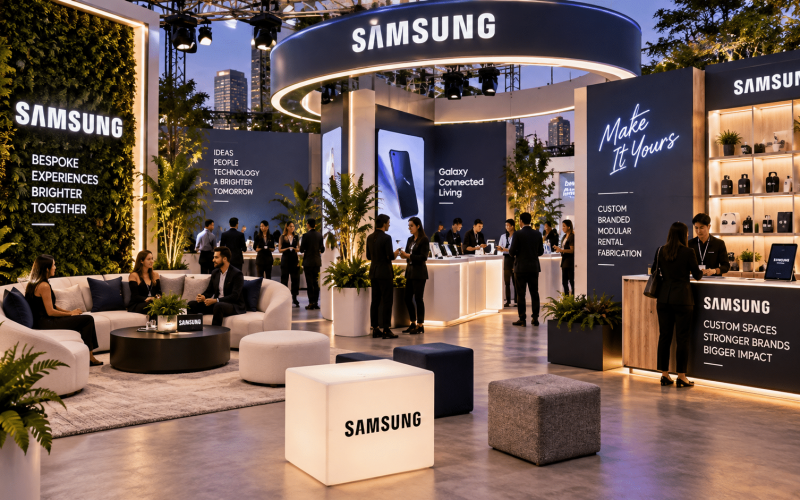
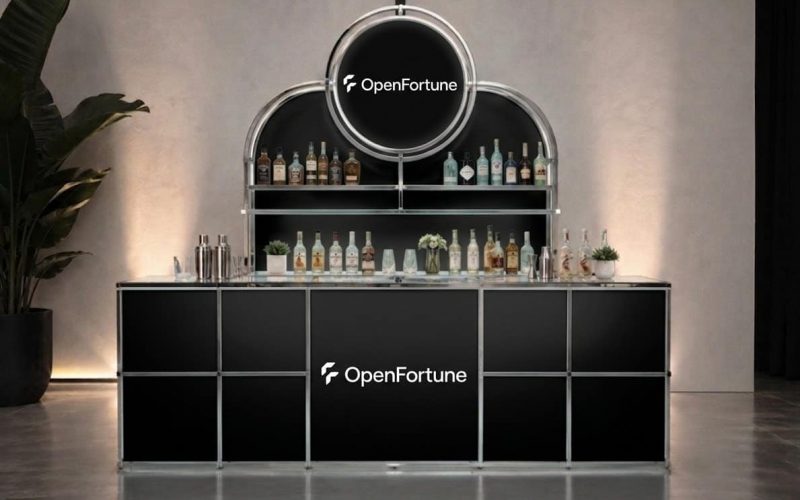
The right support also accounts for the assets behind the visible set. Custom counters, branded kiosks, display walls, furniture, signage, storage, charging access, game mechanics, and queue management all affect how the experience operates. These details can be easy to overlook in an early concept phase, but they determine whether an activation feels polished or improvised onsite.
A fabrication-focused partner brings another layer of value: buildability. Not every render can be produced efficiently, transported safely, installed within venue restrictions, and maintained across multiple event dates. Early production input helps teams preserve the strongest parts of a concept while making informed choices about materials, finishes, dimensions, and modularity.
Where Agency Support Makes the Biggest Difference
The most productive relationships begin before final creative approval. Once a design is locked without considering access points, shipping dimensions, electrical needs, or assembly time, changes become more expensive and schedules become tighter.
Turning a concept into a build plan
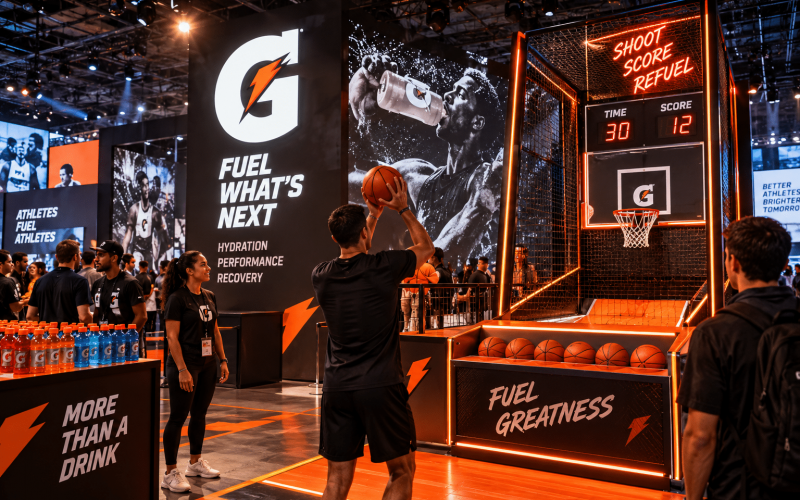
A visual direction needs more than an attractive rendering. It needs fabrication drawings, material recommendations, finish specifications, hardware decisions, and a clear plan for how pieces connect. If the activation includes an interactive game or digital element, the physical build must also accommodate screens, controls, cable paths, ventilation, and service access.
This stage is where teams can make smart trade-offs. A custom structure may create a stronger visual statement, while a modular system may be the better investment for a multi-city tour. Premium finishes can elevate a flagship launch, but durable, repairable surfaces may make more sense for frequent public interaction. The best answer depends on campaign duration, budget, venue conditions, and how often the assets will be reused.
Building for real attendee behavior
Guests do not engage with an activation as neatly as a rendering suggests. They lean on counters, pull at doors, set down bags, gather in groups, and move unpredictably through the space. A successful environment has to withstand that use without losing its visual quality.
That is why event furniture and custom fabrication should be designed around actual traffic patterns. A photo moment needs enough room for a small group and the staff member managing it. A product demo needs storage close at hand without exposing clutter. A game needs a clear start and finish so guests understand where to enter, play, and exit.
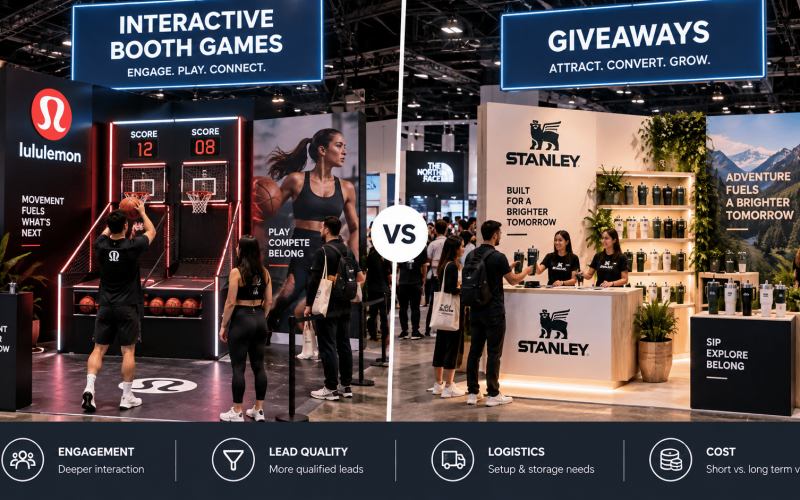
Physical design can also improve measurable outcomes. Better sightlines draw traffic from the aisle. Clear branded touchpoints support recall. A well-positioned lead capture station helps staff transition from conversation to action without creating a bottleneck. These are operational decisions, but they directly influence engagement and conversion.
Managing the production timeline
Experiential schedules often compress quickly. A client approval may arrive late, venue rules may change, or campaign messaging may need an update close to launch. Agency support should bring structure to those moments rather than add another approval layer.
A reliable production process typically includes a defined scope, production schedule, proofing checkpoints, fabrication milestones, and a plan for delivery and installation. It also requires transparency about what can be changed late in the process and what cannot. A logo update on a graphic panel is different from changing the structural footprint of a custom bar or booth.
When timelines are aggressive, prioritization matters. Teams may protect the primary branded focal point and simplify secondary elements. They may use rental furniture for standard seating and tables while directing the custom budget toward the feature wall, product display, or interactive centerpiece. This approach can keep the experience on-brand without forcing every component to be built from scratch.
Choosing the Right Brand Activation Agency Support Model
Not every event needs the same level of production involvement. Some agencies need a fabrication partner to build approved designs. Others need help developing physical solutions from a loose creative direction. The scope should match the team’s internal capabilities and the project’s risk level.
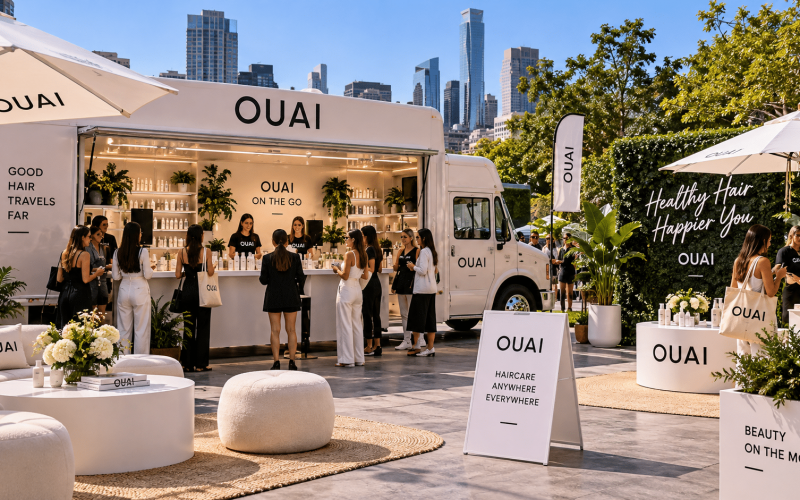
For a single trade show appearance, the priority may be a durable booth system, branded product displays, and an installation plan that fits show hours. For a touring activation, teams may need modular custom products that pack efficiently, withstand repeated handling, and can be reconfigured in different footprints. For a pop-up, the emphasis may shift toward visual impact, guest flow, and fast installation in a retail or street-level setting.
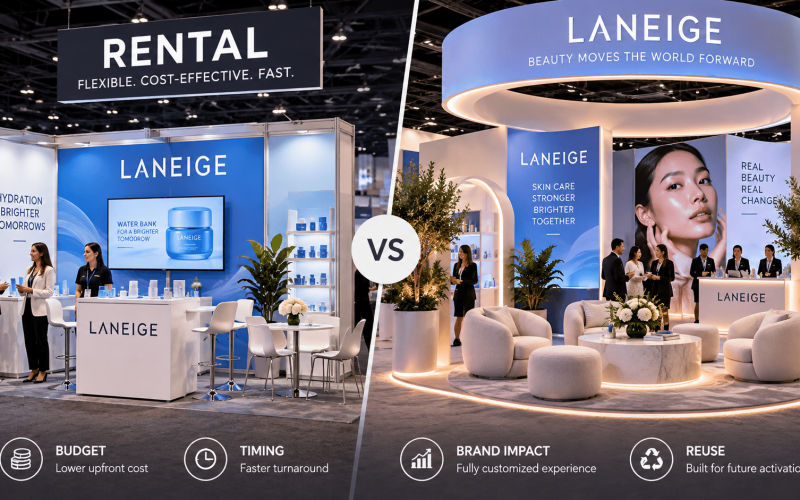
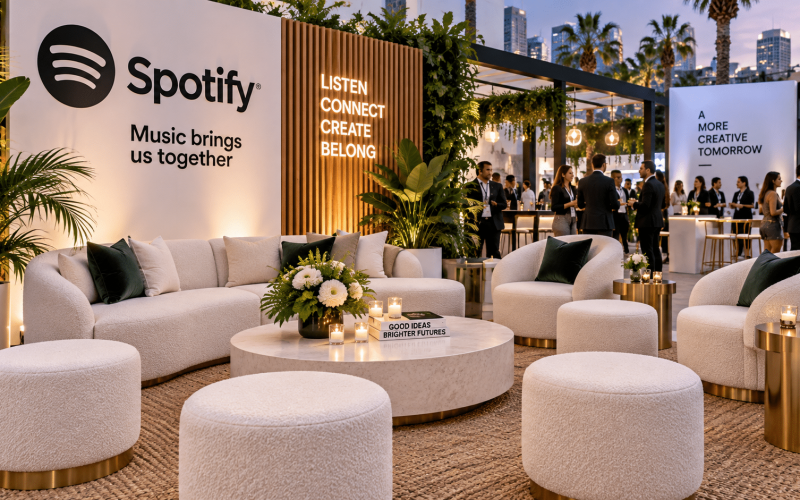
Support is especially useful when one partner can coordinate custom fabrication with event-ready rentals. Rental components can reduce lead times and control spending for items that do not need to be brand-specific. Custom elements then carry the campaign identity where it matters most. This blended model is often more practical than treating every piece as either fully custom or entirely off-the-shelf.
Questions to Ask Before You Commit
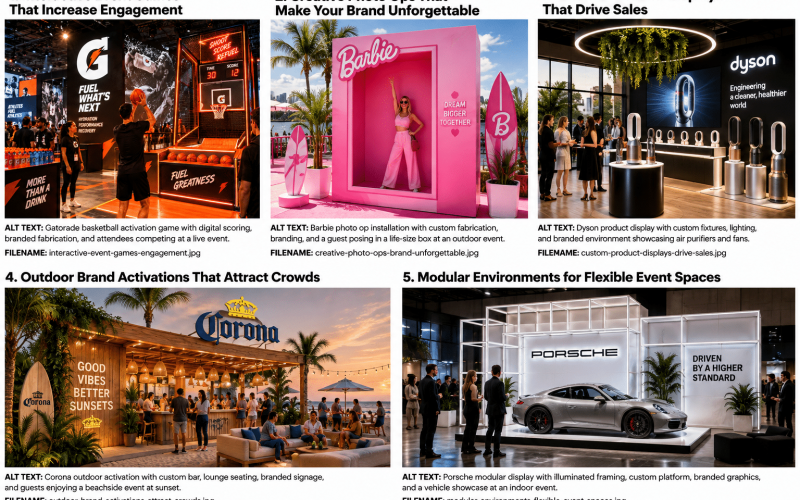
Before selecting a production partner, agencies should look past the portfolio images and ask how the work gets executed. The answers reveal whether a vendor is equipped for live-event realities.
Ask whether the team fabricates in-house or relies primarily on third parties. Confirm how designs are engineered for transport, installation, and guest use. Discuss lead times honestly, including approvals, graphics, specialty materials, and freight. If the experience includes rentals, clarify condition standards, delivery windows, pickup responsibilities, and replacement plans.
It is also useful to ask how changes are handled. Live campaigns evolve, and a capable partner will explain the cost and schedule impact of revisions before moving forward. Clear communication is not a soft benefit. It prevents avoidable surprises when budgets and launch dates are already fixed.
For nationwide activations, teams should also confirm the plan for shipping, installation coordination, and asset storage between events. A build that performs well in one market must still arrive in usable condition for the next stop. Designing for repeat deployment from the beginning can reduce damage, labor, and last-minute repair work.
Measure Support by Execution, Not Just Appearance
A finished activation should be evaluated on more than whether it photographs well. Did it attract the intended audience? Could guests understand the experience without extensive staff explanation? Did the environment hold up through the event? Did the setup allow the team to work efficiently?
These questions help agencies refine future programs. If guests gathered around an interactive moment but struggled with the instructions, the solution may be better signage or a different physical layout. If staff spent too much time retrieving products or managing a queue, storage and traffic flow need attention. If a feature generated attention but was difficult to transport, a modular revision may be the right next step.
The goal is not to eliminate every constraint. Budget, timeline, venue rules, and campaign ambitions will always require choices. The goal is to make those choices early, with a partner that understands how branded environments are manufactured, moved, installed, and used.
Portadecor supports agencies and brand teams with custom fabrication, activation-ready products, trade show environments, and event rentals built around practical execution. When the physical experience is treated as a core part of the campaign rather than a final production task, creative ideas have a far better chance of performing the way they were intended to.