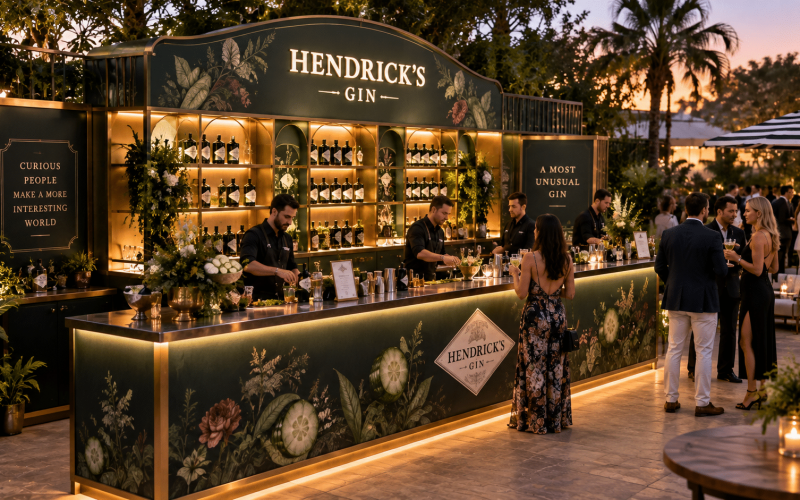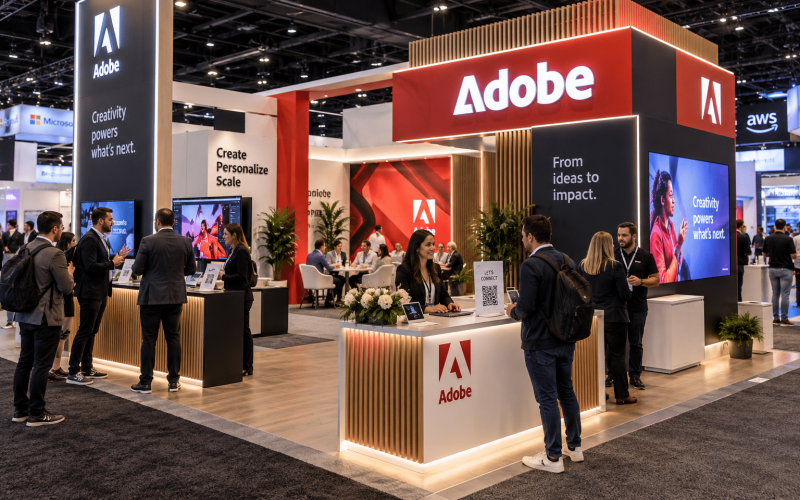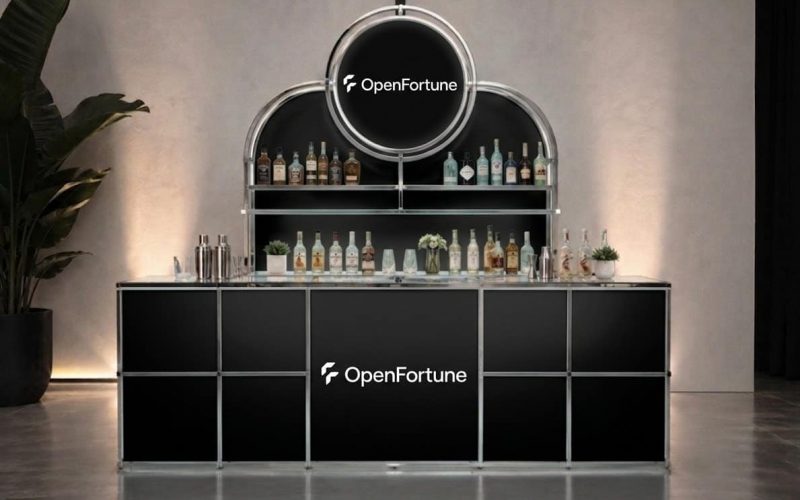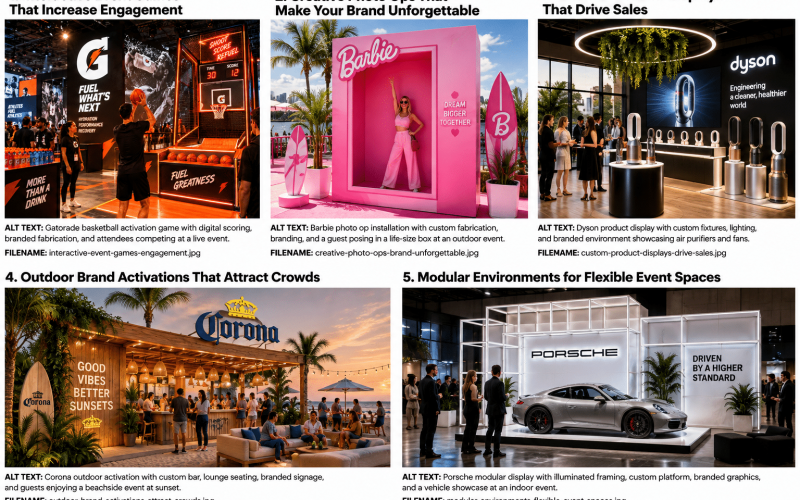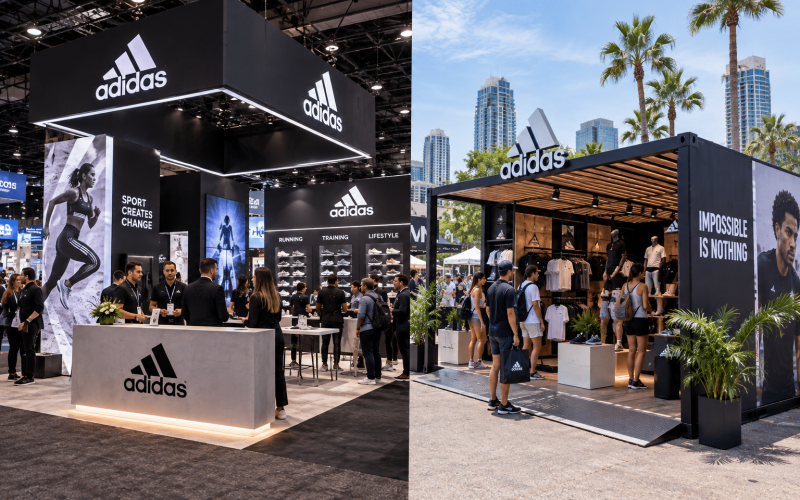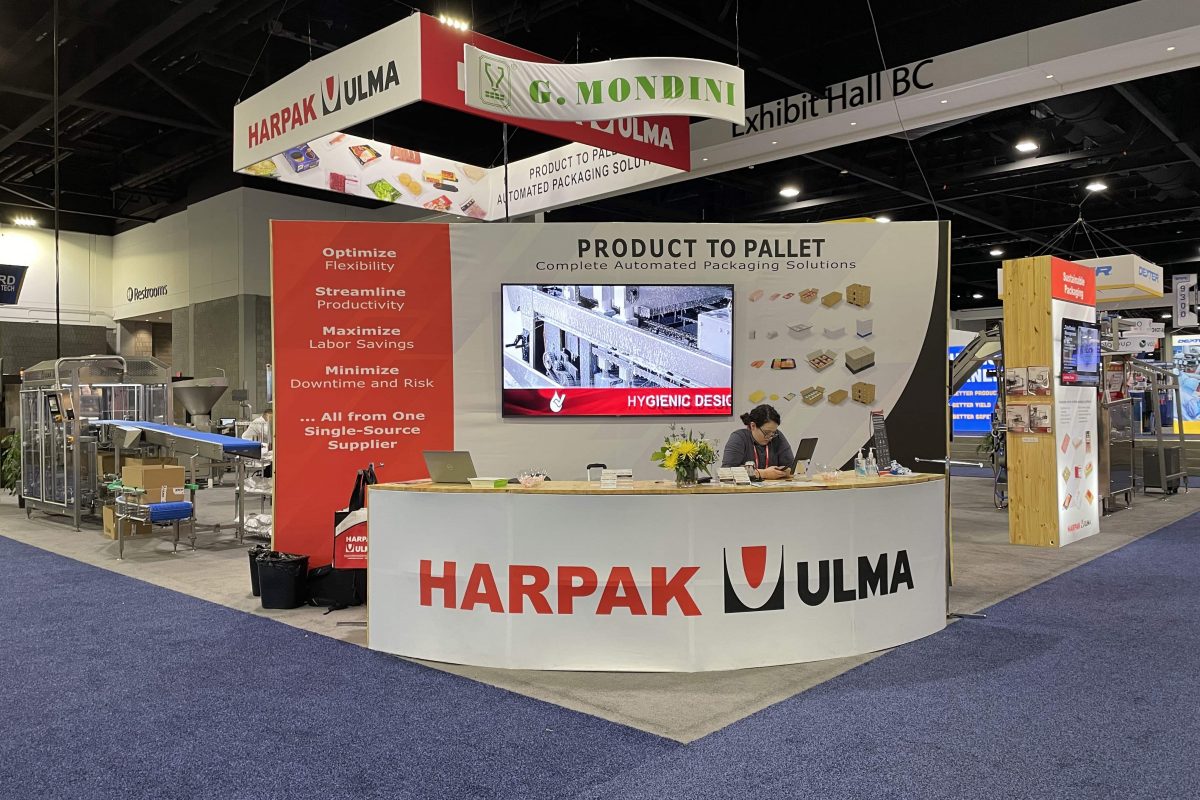
A trade show counter gets judged fast. Before an attendee reads your headline wall or asks for a demo, they have already decided whether your booth feels polished, credible, and worth approaching. That is why the best custom trade show counters are not just branded furniture pieces. They are working assets that support traffic flow, product interaction, staff efficiency, and the overall quality of your exhibit.
For event marketers and booth producers, the right counter has to do more than look good in a rendering. It needs to hold up on the show floor, fit the footprint, support the activation, and align with the brand environment around it. A counter that photographs well but lacks storage, cable management, or durable finishes usually creates problems once the booth opens.
What makes the best custom trade show counters
The best custom trade show counters are designed around use case first, then fabrication method, then graphics and finish. That order matters. If the piece is primarily a reception point, it needs a different height, frontage, and staff-side layout than a counter built for sampling or product demos.
In practical terms, the best counters balance five things: brand presence, durability, utility, transport considerations, and booth integration. Brand presence gets attention, but utility is what determines whether your team actually likes using the piece during a two- or three-day event. Good counters give staff enough surface area to work, keep clutter hidden, and create a clean face toward attendees.
Durability is where many off-the-shelf options fall short. Lightweight units can work for some programs, especially when budget and portability lead the decision, but heavy use environments often require stronger fabrication, better edge detailing, more stable bases, and finishes that do not chip after repeated setup. For brands investing in larger exhibits, custom fabrication usually produces a more convincing and longer-lasting result.
Choosing a counter by booth function
A custom counter should support the specific behavior you want inside the booth. If you start with shape or graphics alone, you can end up with a piece that looks on-brand but slows your staff down.
Reception counters
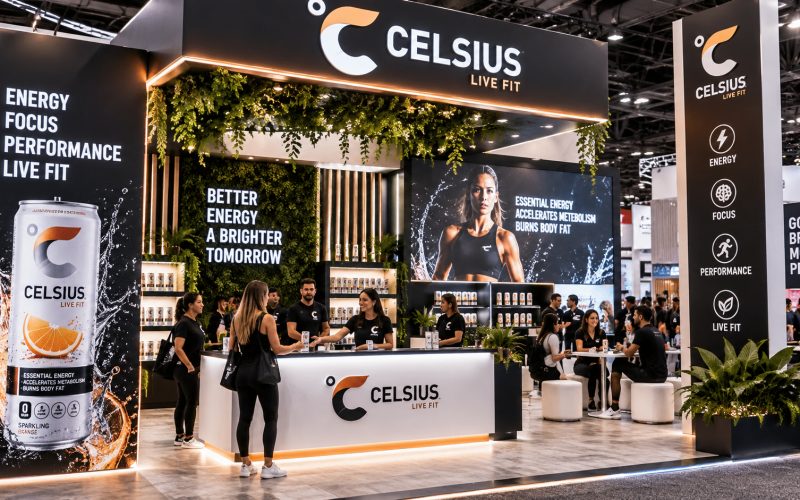
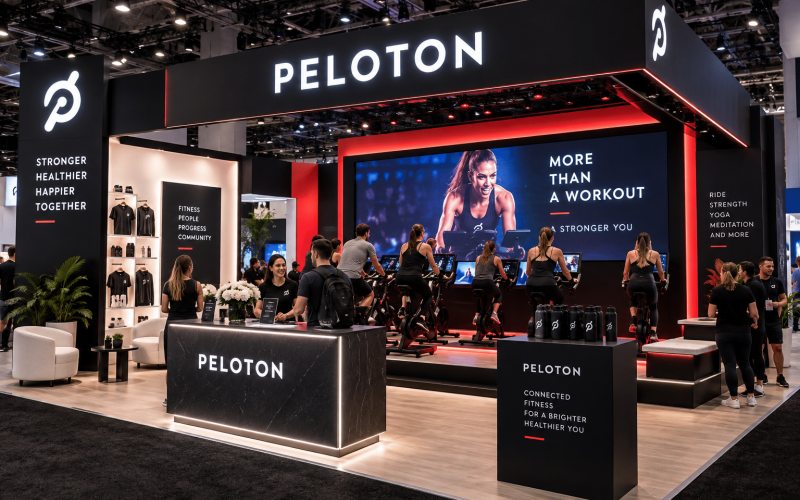
Reception counters are usually the first touchpoint. Their job is simple on paper: greet visitors, answer quick questions, and create a controlled front edge to the booth. In practice, they need enough visual presence to anchor the entrance without blocking sightlines. A reception counter often works best with a clean branded front panel, internal storage for literature or personal items, and a staff-side shelf or work surface.
This is also the counter type where finish quality matters most. Any visible seam, warped panel, or low-grade graphic application tends to stand out immediately because attendees view the unit from the front and close up.
Demo counters
Demo counters need a different build logic. They often carry screens, tablets, charging components, sample products, or interactive hardware. That means cable routing, ventilation, and equipment access become part of the design from the beginning.
If your booth includes tech-driven engagement, the counter should feel like part of the activation rather than an afterthought. A beautifully wrapped shell with extension cords running out the back does not hold up in a premium environment. The stronger option is a fabricated unit with concealed power planning, service access, and enough structural support for the equipment being used.
Sampling and hospitality counters
Sampling counters need surface area, easy cleaning, and workflow efficiency. Staff should be able to restock quickly without turning the attendee side into a mess. If food or beverage is involved, material choice matters more than usual. Some finishes look great in production but show wear quickly under spills, ice buckets, or constant wiping.
Hospitality counters also need the right proportions. Too deep and they waste floor space. Too shallow and the team loses prep room. This is where custom fabrication has a clear advantage because dimensions can be tuned to the actual booth plan rather than forced from a standard catalog size.
Lead capture and consultation counters
Not every trade show interaction happens standing in an open aisle. Some brands need a semi-private point for qualification conversations, order entry, or detailed product discussion. These counters usually benefit from a more intentional staff-side layout, integrated shelves, and enough width for a laptop or paperwork without looking crowded.
A common mistake is using a narrow branded podium for this function. It saves space, but it rarely supports a comfortable business conversation. If your team needs to capture meaningful leads, a more functional consultation counter often performs better than a smaller, more decorative unit.
Custom vs modular vs rental counters
This decision depends on event frequency, budget, timeline, and how much brand specificity you need.
Custom counters make the most sense when the booth is part of a broader branded environment and consistency matters. They allow exact dimensions, materials, finishes, lighting, storage, and detailing that match the exhibit architecture. They also help when your activation includes unusual equipment, interactive components, or product displays that standard counters cannot support.
Modular counters can be a smart middle ground. They work well for programs that need repeatability, easier shipping, or reconfigurable formats across multiple shows. The trade-off is that they may not deliver the same fully integrated look as a purpose-built fabricated piece.
Rental counters are useful when you need speed, lower upfront cost, or market-specific execution. For brands exhibiting in New York, New Jersey, Boston, or Connecticut on a tight timeline, rentals can make sense if the goal is clean branding and practical function rather than a permanent fabricated asset. The limitation is customization depth. Rentals can be branded effectively, but they usually have more constraints on form, materiality, and built-in functionality.
Design details that separate average from effective
Good counter design is rarely about one hero feature. It is the accumulation of practical decisions that improve booth performance.
Storage is one of the biggest. Staff need a place for bags, giveaways, backup collateral, cleaning supplies, chargers, and personal items. When storage is missing, clutter ends up visible, and the booth looks less organized within the first hour.
Material choice also affects perceived quality. Laminates, painted finishes, dimensional logos, acrylic accents, and woodgrain surfaces all create different impressions. The right combination depends on the brand and the event setting. A tech launch may call for cleaner, more minimal surfaces, while a premium consumer brand may benefit from warmer materials or layered textures. There is no universal best finish, only the right finish for the environment and expected wear.
Lighting can improve a counter dramatically, but only when it is integrated well. Edge lighting, under-counter glow, or illuminated logos can add visibility. Poorly planned lighting, on the other hand, can create hotspots, expose wiring, or compete with nearby graphics.
Mobility matters too. Some counters need to knock down for shipping. Others are better as rigid fabricated pieces for repeated local use or white-glove install. This is an operational choice as much as a design one. The more custom the piece, the more important it is to plan for packing, handling, and setup from the start.
How to evaluate the best custom trade show counters for your program
The right evaluation process is less about picking a style and more about pressure-testing how the unit will function on show day. Ask whether the counter supports the booth goal, whether it helps staff work efficiently, and whether it fits the installation model.
You should also look at how the counter relates to the full environment. A custom piece should not feel visually disconnected from the back wall, product displays, overhead signage, or flooring. The strongest booths treat counters as part of the architecture, not as add-ons placed in front of it.
Fabrication quality is another deciding factor. Clean edges, stable construction, accurate color application, and dependable assembly all matter in experiential settings. Agencies and brand teams typically do not have room in the schedule for field fixes on a counter that arrived with avoidable build issues.
A capable fabrication partner will usually ask the right questions early: What is happening at the counter? How many staff use it at once? What needs to be stored, powered, displayed, or concealed? How often will it travel? Those questions shape better outcomes than choosing a shape from a reference image and adding a logo.
For brands that need more than furniture, this is where a fabrication-first approach helps. A counter can be designed as a working event asset that supports activation goals, not just booth decoration. That is often the difference between a unit that fills space and one that improves engagement.
The best counter is the one that makes your booth easier to run, clearer to approach, and stronger as a branded environment. If it does all three, it is doing real work on the show floor – and that is what makes it worth building.