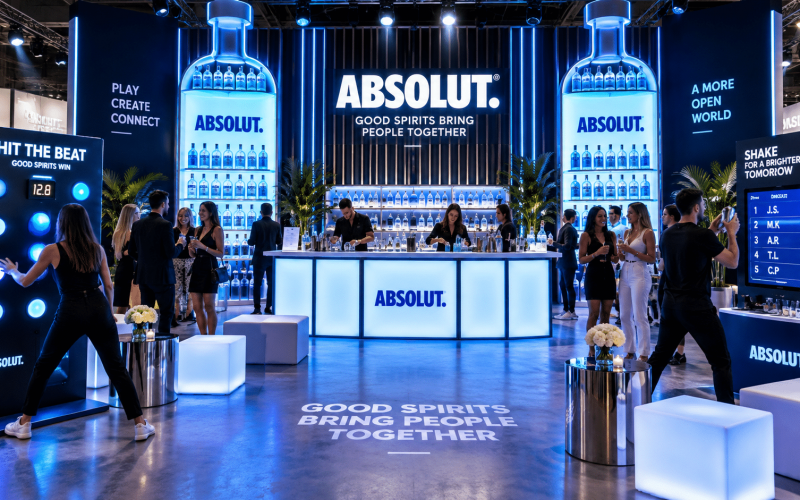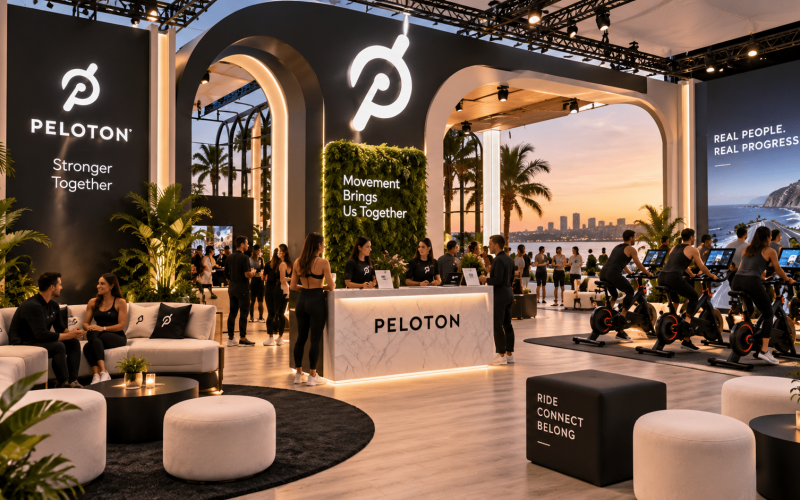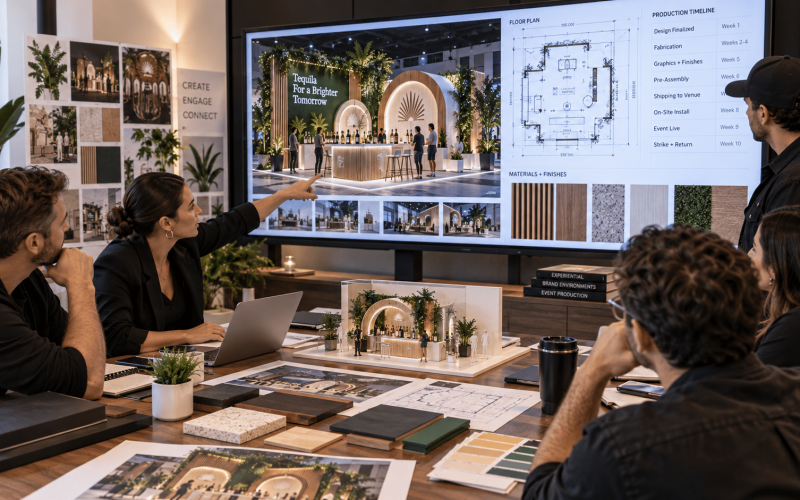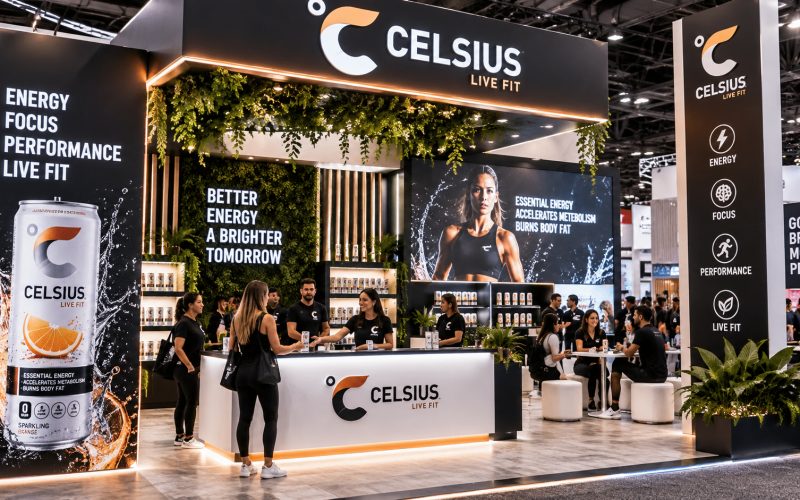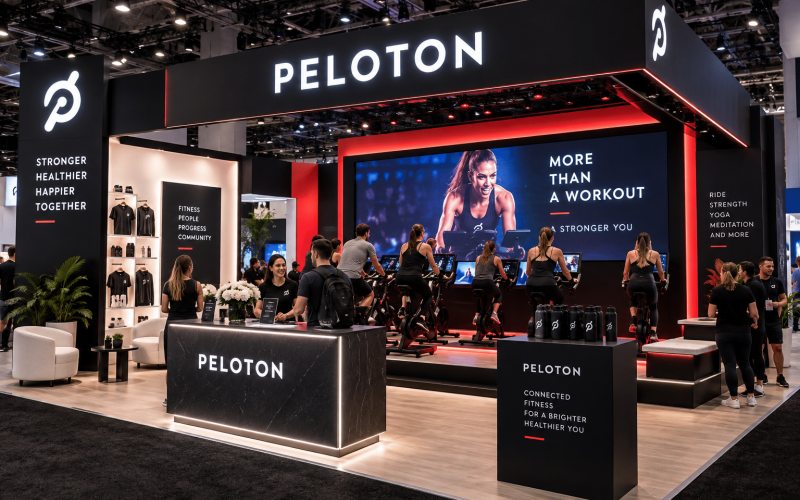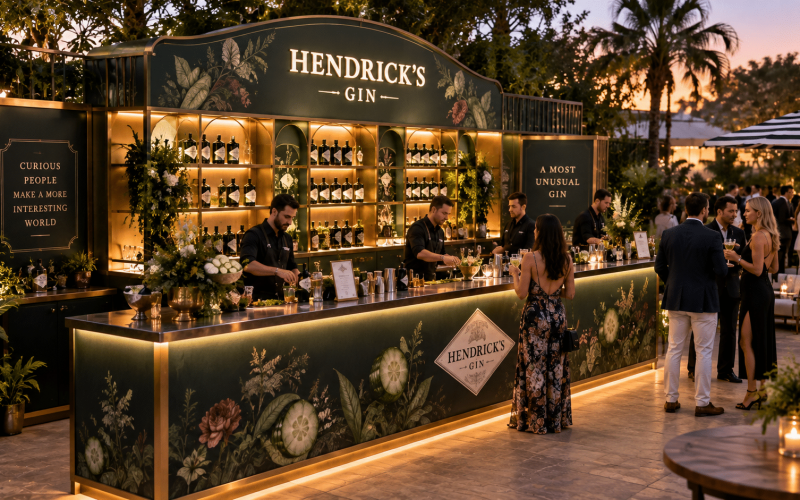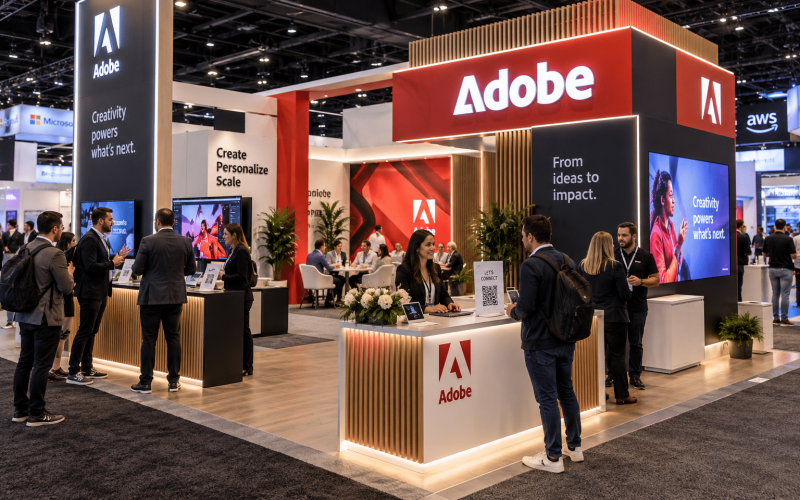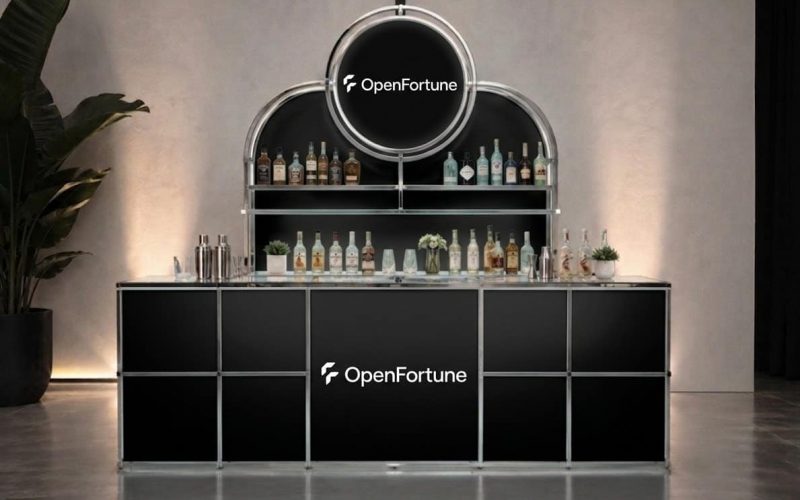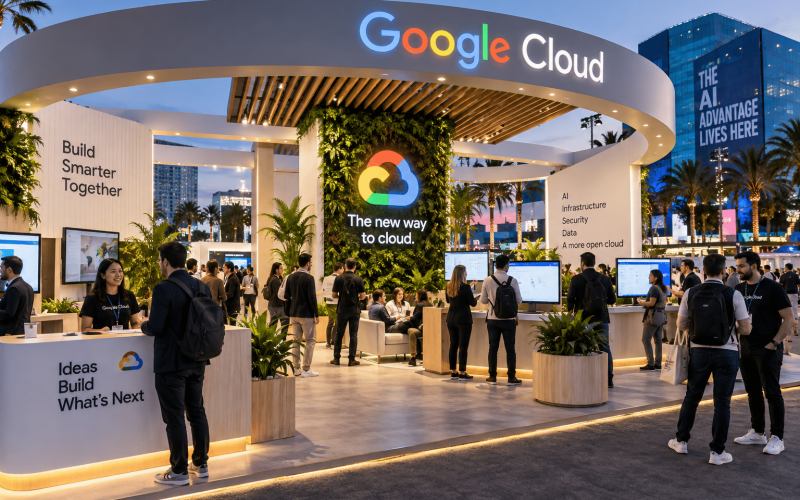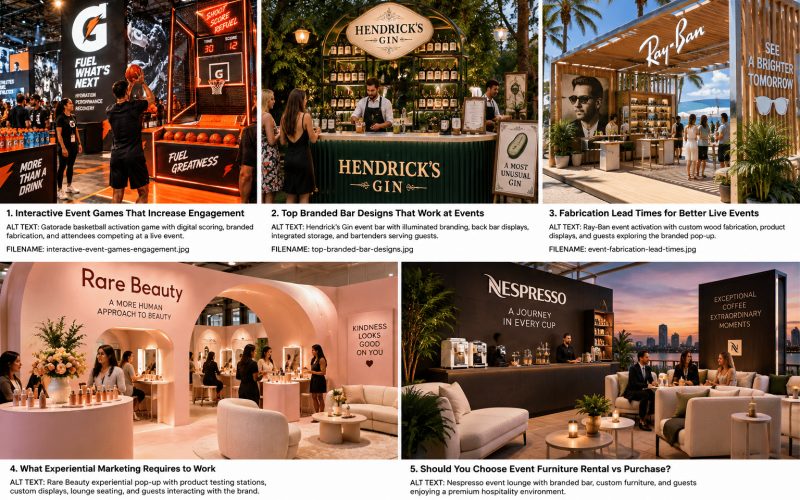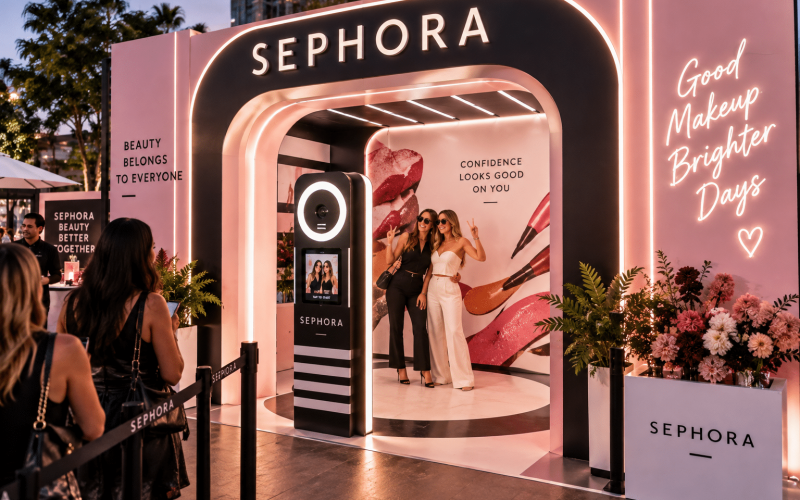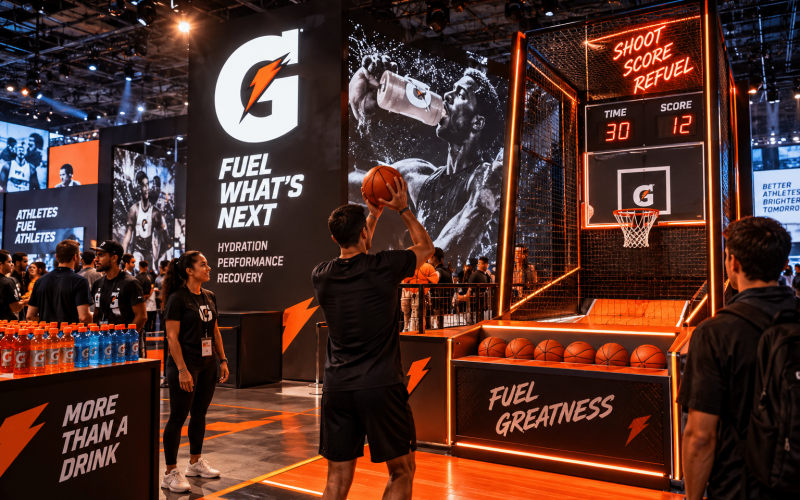
A Boston popup can have a short window to make an impression. Whether it is a retail takeover in Back Bay, a campus activation, a convention-adjacent event, or a street-level product launch, the environment has to look intentional from the first guest through breakdown. Branded popup rentals Boston teams use effectively combine a polished visual presence with the practical flexibility needed to work around venue rules, delivery schedules, and changing event footprints.
For brand marketers and agencies, renting does not mean settling for a generic setup. The right rental package gives a creative concept physical structure: branded counters, lounge seating, display walls, shelving, game elements, signage, and functional guest-facing stations. The value comes from selecting components that support the campaign objective, then integrating custom branding where the audience will see and use it.
Start With the Experience, Not the Inventory
The first question is not which furniture pieces to rent. It is what the guest should do, notice, and remember. A product sampling program needs a fast, intuitive service counter and clear traffic flow. A lead-generation activation may need a check-in point, an interactive game, and a comfortable area for follow-up conversations. A social-first launch needs a visual focal point that carries the brand in photographs without overwhelming the space.
This distinction matters because popup environments are often compact. Every object must earn its footprint. A large branded backdrop may create immediate visibility, but it can be a poor trade if it blocks circulation or leaves no room for staff to engage guests. Conversely, an attractive lounge can encourage dwell time, but only if the activation has a reason for guests to stay.
Before specifying rentals, define three operational facts: the primary guest action, the expected volume of attendees, and the available event footprint. Those details determine whether the build should prioritize throughput, conversation, demonstration, or content capture.
What a Branded Rental Package Should Include
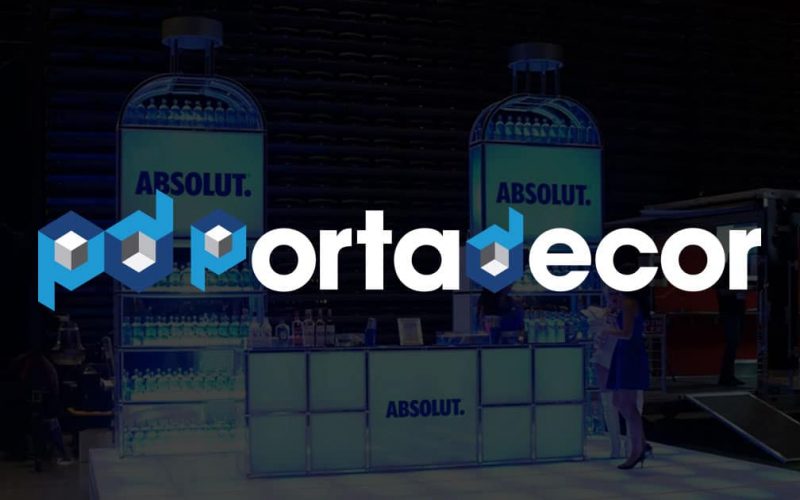
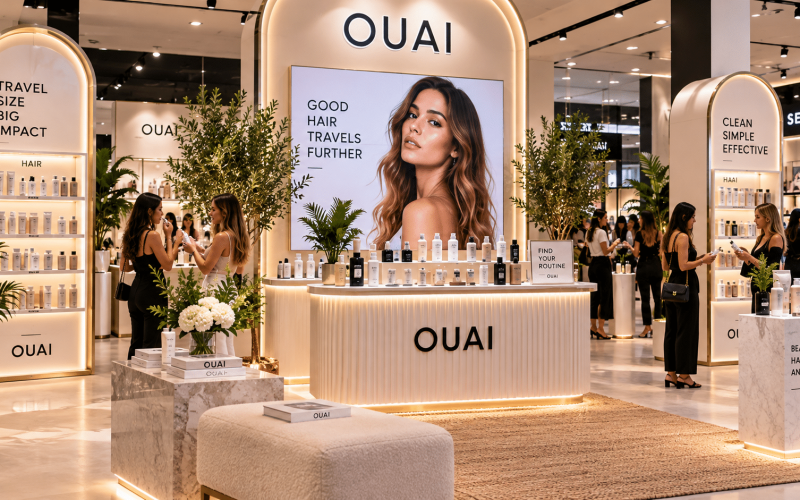
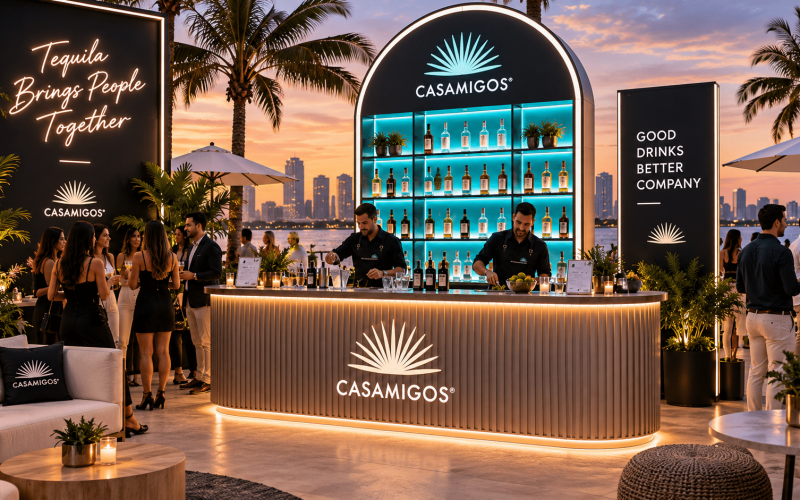
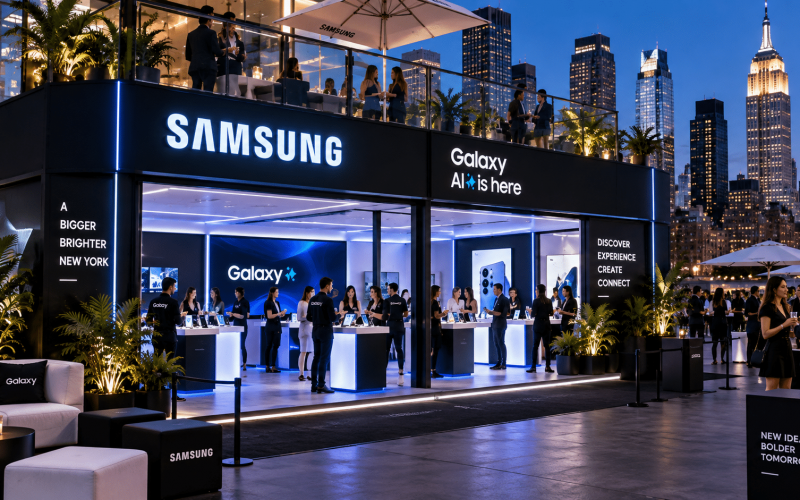
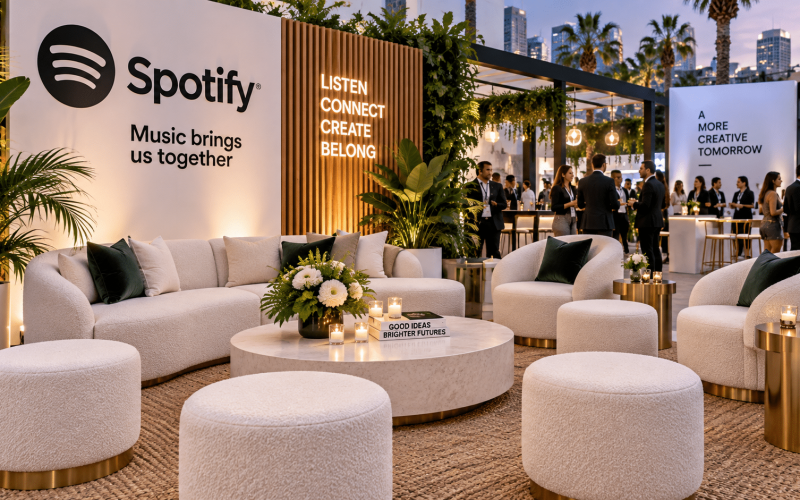
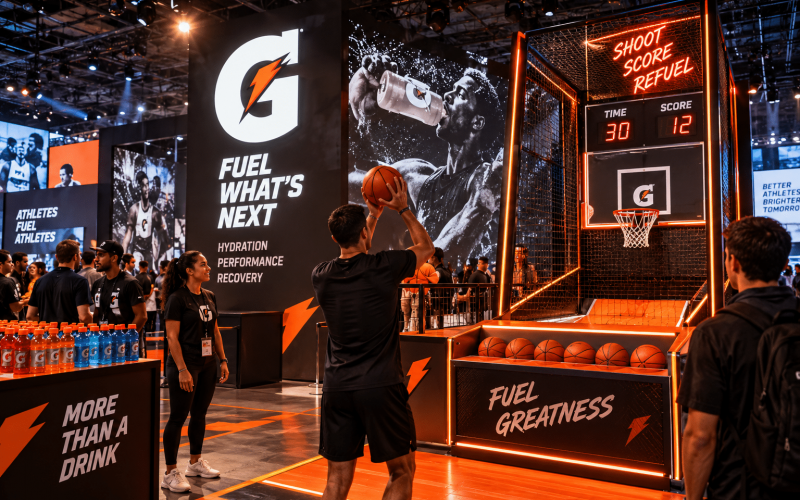
A strong popup package is built in layers. The base layer creates function and comfort. This can include tables, stools, benches, lounge seating, display fixtures, and storage-capable counters. The branded layer makes the installation recognizable through printed graphics, vinyl applications, dimensional logos, custom panels, and coordinated color treatment. The final layer adds interaction, such as a prize wall, product demo station, digital component, or custom game element.
The balance between rental and custom fabrication depends on campaign life. If the activation is a one-weekend program or a single market stop, rental furniture with branded graphic treatments is often the most efficient approach. It delivers a finished look while avoiding the cost and storage burden of building every component from scratch.
If the program will travel through multiple markets, includes a proprietary interaction, or needs a distinctive product display, custom-built assets may be the better investment. A fabricated hero element can become the recognizable centerpiece of the campaign, while rental components fill out the footprint and adapt to each venue. This hybrid model is common because it protects the creative idea without overbuilding the entire environment.
Branding That Works in Real Event Conditions
Branding should be visible at the speed people move through the event. That means prioritizing the surfaces guests face first: the front of a counter, the rear wall behind a demo, a freestanding sign at the entry, or the side of a display visible from the main aisle.
Too many small logos can make a popup feel busy without improving recall. One clear branded moment, supported by consistent colors and materials, is usually more effective than applying graphics to every available surface. The goal is not simply to decorate rental furniture. It is to create an environment that feels designed for the campaign.
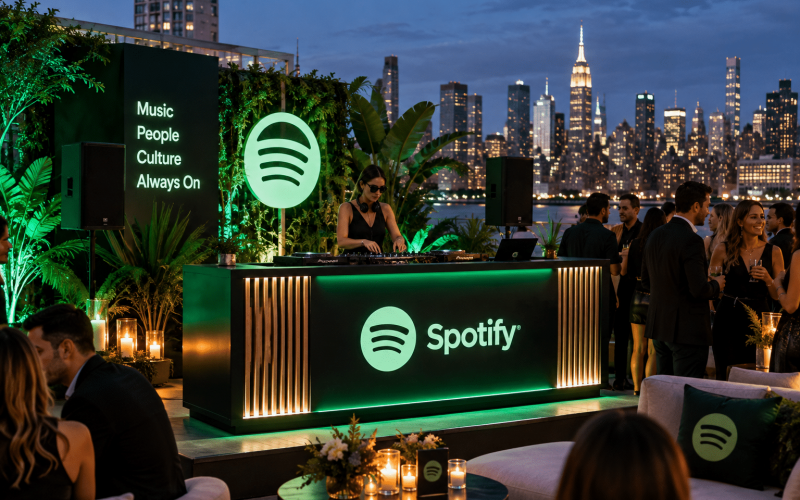
Graphic choices should also account for lighting, sightlines, and photography. Matte finishes can reduce glare in bright venues. Dimensional letters can add depth to a photo moment. High-contrast messaging is easier to read from a distance, particularly in crowded convention or street-event settings.
Boston Logistics Shape the Build
Boston offers high-value event locations, but the operational details can be unforgiving. Loading access, tight urban streets, limited staging areas, historic building restrictions, elevator dimensions, union requirements, and venue-approved installation windows can all influence the rental plan.
A concept that looks simple in a rendering may require significant adjustment once site access is confirmed. Large assembled pieces can be difficult to bring into an upper-floor venue. Heavy items may be impractical for a location with stairs and no direct loading route. Outdoor installations need a plan for wind, uneven pavement, and weather protection. For these reasons, modular components are often an advantage. They can be delivered, moved, and installed efficiently while still presenting as one cohesive branded environment.
The best time to solve these issues is before production begins. Provide the venue address, event schedule, floor plan, loading instructions, ceiling height, door and elevator measurements, and any restrictions on adhesives, power, or hanging signage. A fabrication and rental partner can then specify pieces that fit the site instead of asking an onsite crew to force a design into an unsuitable space.
Build for Flow, Staffing, and Reset Time
A popup is a working environment, not just a photo set. Staff need room to greet visitors, replenish samples, store supplies, operate equipment, and reset the space between rushes. If those functions are not planned into the layout, branded surfaces quickly become cluttered and the experience loses its polish.
Consider the guest journey from approach to exit. Can visitors understand what is happening before they reach the first counter? Is there a natural queue that does not block passersby? Can staff direct guests from one activity to the next without shouting across the space? Is there an exit moment that reinforces a call to action, product takeaway, or social share?
For high-traffic activations, a two-sided layout can prevent bottlenecks. One side manages entry and participation while another handles product handoff, lead capture, or prize redemption. In smaller spaces, a single branded counter may serve multiple purposes, but it should include concealed storage so the public-facing area stays clean.
Avoid the Common Rental Shortcuts
The most frequent mistake is treating rentals as an afterthought once the creative is approved. When furniture, graphics, and layout are sourced separately, the result can look assembled rather than designed. Mismatched finishes, poorly sized graphics, and furniture that does not support the guest action all reduce the perceived quality of the activation.
Another issue is choosing a rental package solely by unit price. Lower-cost pieces may require more labor to brand, more space to stage, or more time to assemble. They may also fail to meet the visual standard expected for a premium launch. Total execution cost includes delivery, installation, custom treatments, onsite adjustments, and strike – not just the daily rental rate.
Finally, avoid filling the footprint simply because space is available. Open space can improve visibility, make queueing manageable, and give a hero product or branded feature room to stand out. The right amount of inventory is the amount that supports the experience without creating visual noise.
Choose a Partner That Can Handle Both Rental and Fabrication
When a project includes custom branding, the handoff between creative, fabrication, rentals, logistics, and installation is where many schedules become vulnerable. A partner with event-specific manufacturing capability can evaluate the concept against real materials, production timelines, and site conditions early in the process.
Portadecor supports this kind of execution by pairing activation-ready event rentals with custom fabrication for branded physical experiences. That combined approach is particularly useful when a campaign needs more than branded furniture: a custom product display, dimensional signage, interactive game, or distinctive feature that cannot be pulled from standard inventory.
The practical decision comes down to repeatability and differentiation. Rent the elements that need to be flexible across sites. Fabricate the elements that define the campaign. Coordinate both under one production plan so the finished popup arrives looking like a single environment.
A Better Standard for Popup Planning
The strongest branded popup rentals are not the ones with the most furniture or the largest graphics. They are the ones that make the intended interaction easy, keep operations under control, and give the brand a physical presence worth remembering. When the rental plan is shaped by guest flow, site logistics, and a clear brand hierarchy, even a limited footprint can deliver a high-impact event experience.