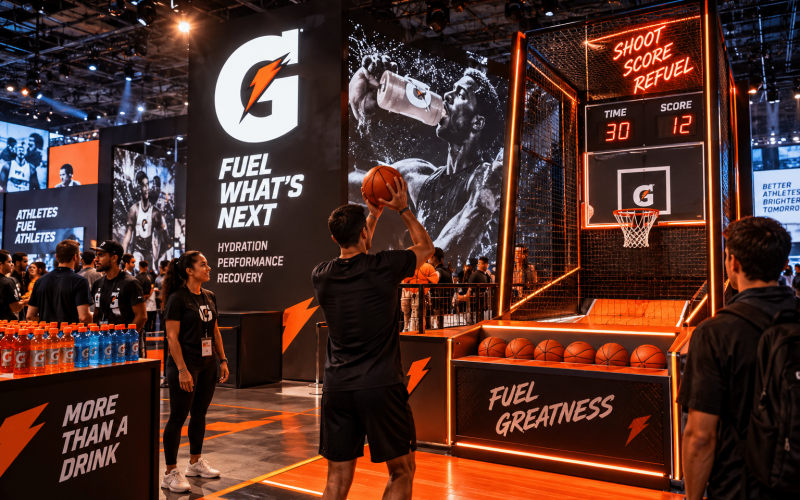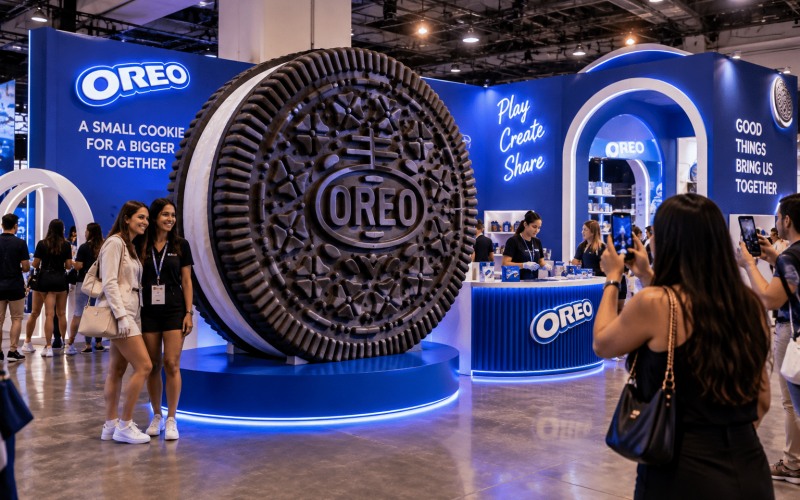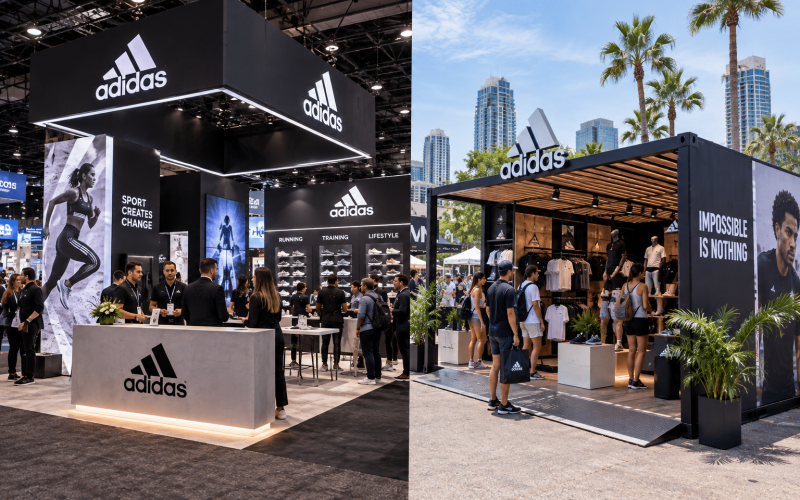
A brand activation can look sharp in a render and still fail on show day for one simple reason: logistics were treated like a back-end task instead of part of the activation strategy. This brand activation logistics guide is built for marketers, agencies, and event teams that need the physical experience to perform as well as the creative concept.
In experiential marketing, logistics is not just freight, labor, and timing. It is the system that determines whether custom products arrive intact, whether interactive elements actually work under event conditions, and whether the build can be installed, reset, and removed without burning budget. Strong logistics protects the brand experience. Weak logistics exposes every decision that was made too late.
What a brand activation logistics guide should cover
The real job of logistics starts long before a truck is booked. It begins when the concept is still flexible enough to be engineered for transport, venue access, labor windows, and storage. If the design team wants oversized scenic pieces, built-in tech, custom furniture, product display walls, and a game element, each of those choices affects crating, lead times, assembly method, and on-site footprint.
That is why the best activation teams treat fabrication and logistics as one conversation. A beautiful custom build that takes ten hours to assemble in a venue with a four-hour install window is not a successful build. A branded counter that chips in transit because the finish was not selected with shipping in mind is not production-ready. Execution quality depends on practical planning as much as creative direction.
Start with the event format, not just the idea
Not every activation needs the same logistics model. A one-day media event, a touring pop-up, a convention booth, and a retail parking-lot roadshow all have different demands. The format affects how you should design, pack, ship, and staff the program.
For a single-location launch, you may be able to prioritize visual impact and custom finishes because the asset only needs one install and one strike. For a multi-city activation, modularity matters more. Components need to break down fast, survive repeated handling, and fit standard freight constraints. Touring programs usually reward simpler engineering, even when the creative ambition is high.
This is where trade-offs matter. Teams often want a custom environment that feels fully built-out while also expecting low freight costs and fast resets. Sometimes that is possible. Often it means revising dimensions, reducing material weight, changing finish selections, or designing branded features that can travel in sections rather than as one oversized piece.
Align fabrication decisions with logistics early
Fabrication-first planning solves problems before they become line items. Materials, joinery, finish durability, hidden hardware, and packing methods all influence field performance. If an activation includes custom furniture, product demo stations, counters, shelving, walls, or interactive game units, each asset should be designed with transport and installation in mind.
Durability is one of the first questions to resolve. A finish that looks excellent in a showroom may not hold up through warehouse handling, truck loading, and multiple event days. Similarly, acrylic details, printed graphics, and powered elements need protection strategies built into the packaging plan. Good fabrication teams think about the crate as part of the deliverable, not an afterthought.
Assembly is another major variable. Tool-heavy builds increase labor time and create more room for field error. Modular systems with clear labeling and repeatable connections tend to reduce install risk. That does not mean every activation should be simple. It means complexity should be intentional and supported by the event schedule, venue rules, and budget.
The venue will shape your plan more than you think
A strong brand activation logistics guide has to account for venue realities, because venues create most of the non-negotiable constraints. Access doors, freight elevators, loading dock rules, union labor requirements, overnight work restrictions, approved install hours, and electrical regulations all affect the build.
This is where many activation plans get compressed. A concept may technically fit the booth footprint or event space, but that does not mean it can physically get into the building or be installed during the allotted window. Even simple assets can become difficult if they require special handling, long assembly time, or last-minute electrical troubleshooting.
Early venue review helps avoid expensive redesigns. It is much easier to adjust dimensions, split a scenic wall into sections, or change a base structure before fabrication begins than after assets are built. Event teams should pressure-test the plan against the venue packet, access schedule, and labor environment as soon as possible.
Shipping, storage, and staging need their own strategy
Freight is rarely just a transportation task. It affects timing, cost control, and asset condition. Custom activation assets often move through multiple touchpoints: fabrication floor, warehouse, outbound freight, marshalling yard, show site, return freight, and storage. Every handoff adds risk.
That is why packing method matters as much as carrier selection. Soft-packed scenic pieces may save money up front but create damage exposure that costs more later. Custom crates increase investment, but for reusable assets or high-finish builds, they usually protect value. The right answer depends on whether the activation is one-time, repeat-use, local, or nationwide.
Storage planning is also easy to underestimate. After an event, assets may need short-term staging before the next stop, long-term warehousing for future reuse, or refurbishment before redeployment. If those decisions are not made in advance, teams end up paying rush handling fees or rebuilding pieces they could have preserved.
For brands running activations across the US, especially when custom fabrication is paired with regional rentals or local labor, a centralized logistics plan becomes even more important. Consistency in packing, labeling, asset tracking, and condition reporting keeps the program manageable at scale.
Build the install around real labor conditions
Install and dismantle are where schedule assumptions get tested. Field crews need clear documentation, accurate packing, and realistic labor estimates. If the activation depends on a custom environment with integrated graphics, lighting, AV, or game mechanics, the install sequence should be mapped before the first asset ships.
A common mistake is planning labor around best-case timing. In real conditions, trucks arrive late, docks back up, electrical access changes, and venue approvals take longer than expected. A workable schedule includes buffer. It also separates critical-path tasks from cosmetic ones so the activation can still open strong if a small detail slips.
The handoff between fabrication and field operations is especially important. The people building the assets should understand how they will be assembled on site. The people installing them should know where tolerances are tight, where surfaces are vulnerable, and what to do if a component arrives damaged. That is where an experienced production partner adds value beyond making the pieces.
Staffing, replenishment, and daily operations matter too
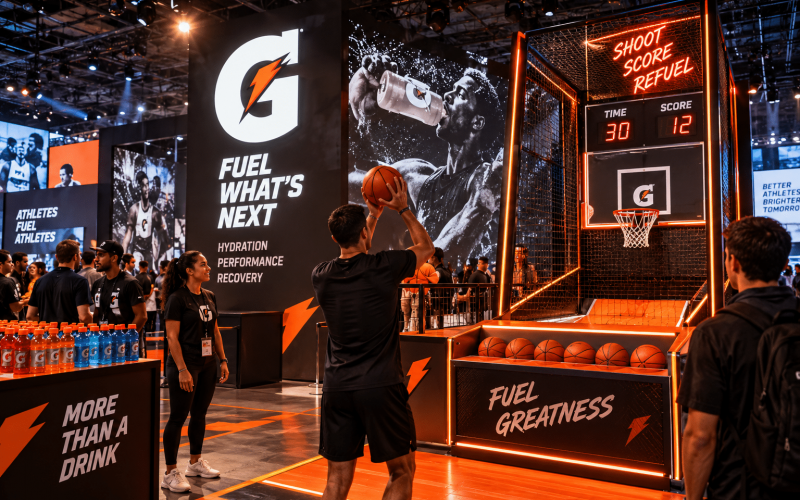
Logistics does not end when the activation opens. Daily operation can make or break the audience experience. If the program includes sampling, branded giveaways, product demos, or game play, teams need a plan for replenishment, reset, and troubleshooting.
This is particularly important for high-traffic activations. Counters get scuffed, inventory disappears faster than forecast, and interactive components need resets between waves of attendees. A well-built environment supports those realities. Storage should be concealed but accessible. Traffic flow should keep staff functional without interrupting the guest experience. Even simple choices, like where extra product sits or how trash is removed, affect how polished the activation feels.
It also helps to define ownership clearly. Someone should own on-site asset condition, someone should own inventory, and someone should own escalation if repairs or replacements are needed. Without that structure, small issues linger until they become visible brand problems.
The smartest logistics plans protect reuse
Not every activation asset should be disposable. For many brands and agencies, reuse is one of the most practical ways to improve ROI. But reuse only works when the original fabrication and logistics plan support it.
That means designing components for repeat assembly, choosing finishes that can survive multiple shows, and documenting how assets are packed and stored. It may also mean combining custom hero pieces with rental inventory where appropriate. This is often the most efficient balance: custom where the brand needs distinction, rental where the environment needs speed and flexibility.
Portadecor often works in that space where custom fabrication, branded environments, and activation execution need to function as one system. That approach tends to reduce friction because the assets are built with event realities in mind from the start.
How to use this brand activation logistics guide in real planning
If there is one practical takeaway, it is this: bring logistics into the concept phase, not the cleanup phase. Ask early how the build ships, how it installs, how it survives handling, how it stores, and whether it should be reused. Those questions do not limit creativity. They protect it.
The most effective activations are not just visually strong. They are engineered to arrive ready, install on schedule, perform under pressure, and come back out without drama. When that happens, the audience only sees the brand. And that is exactly the point.