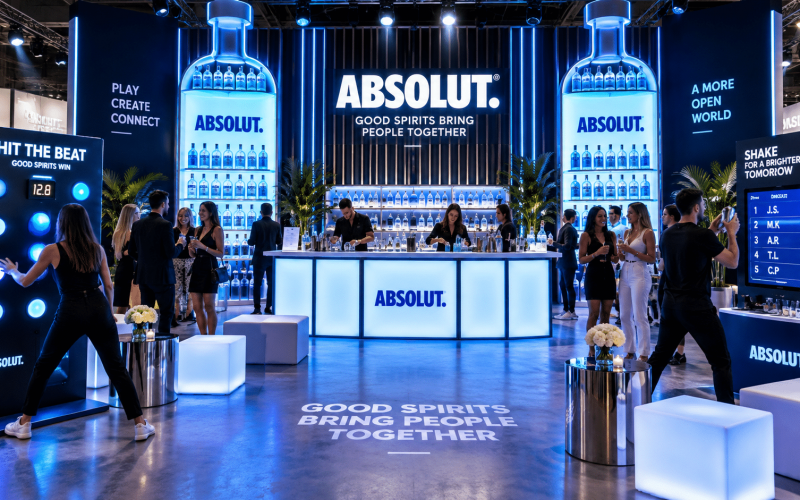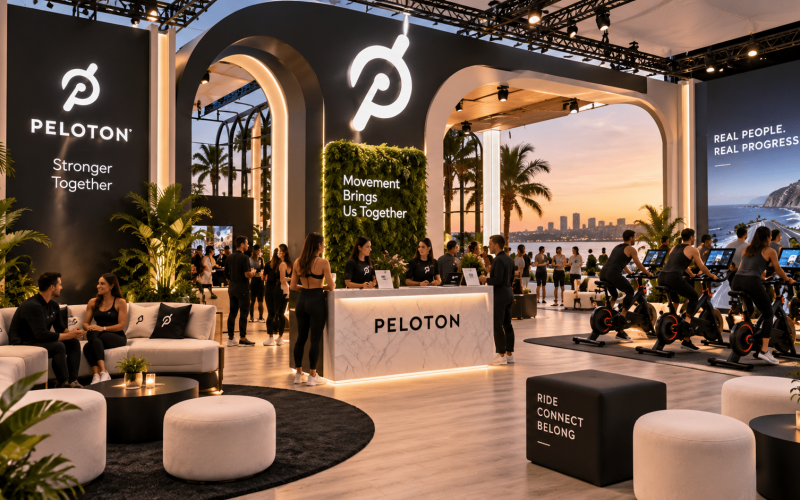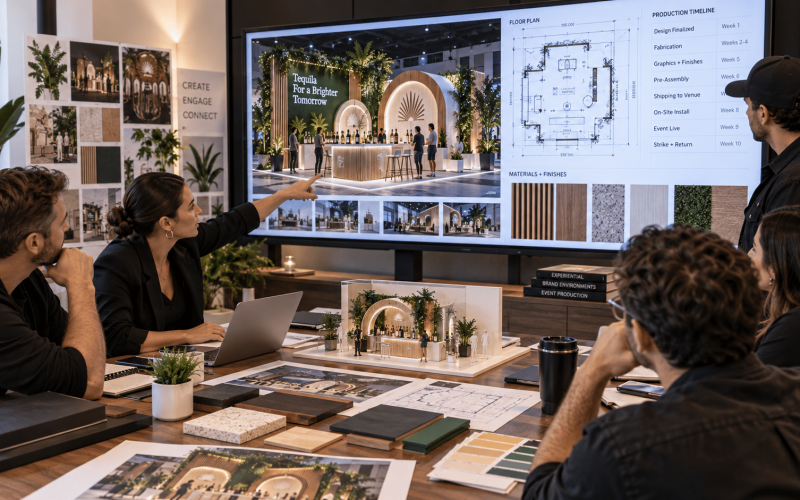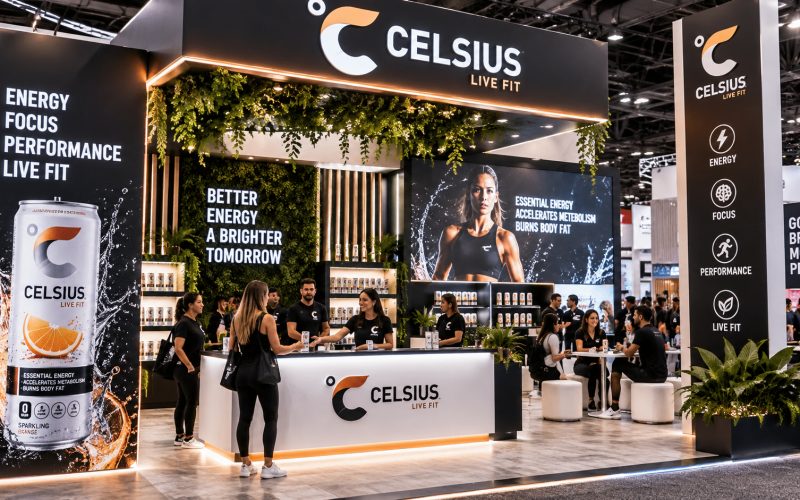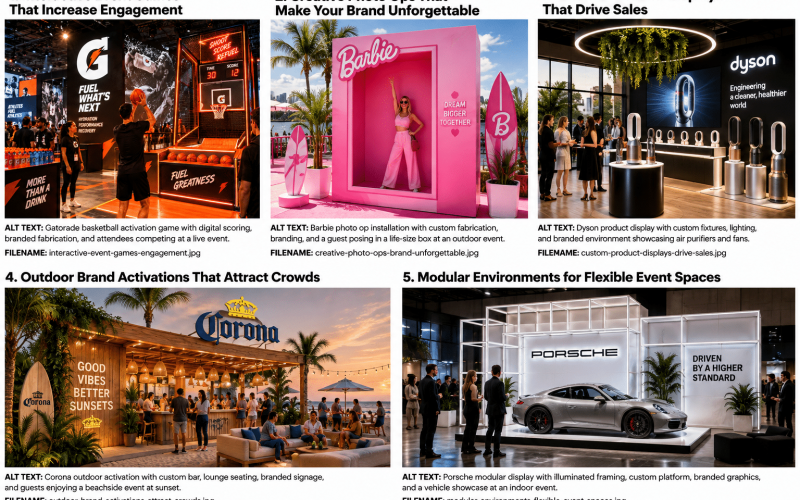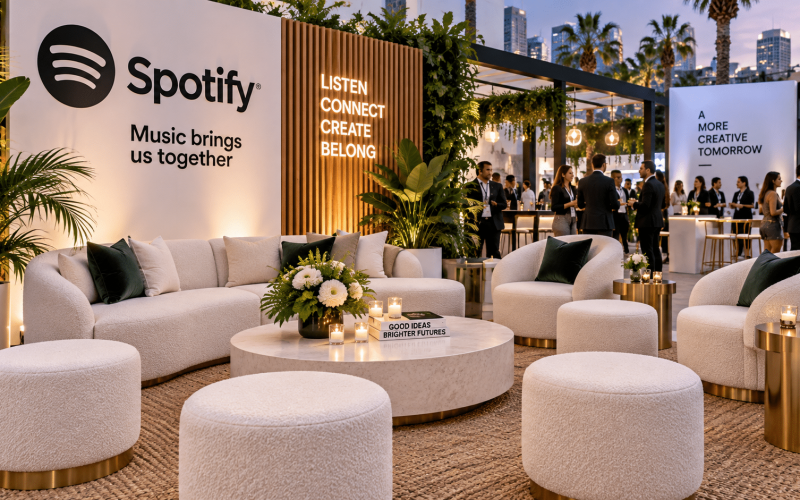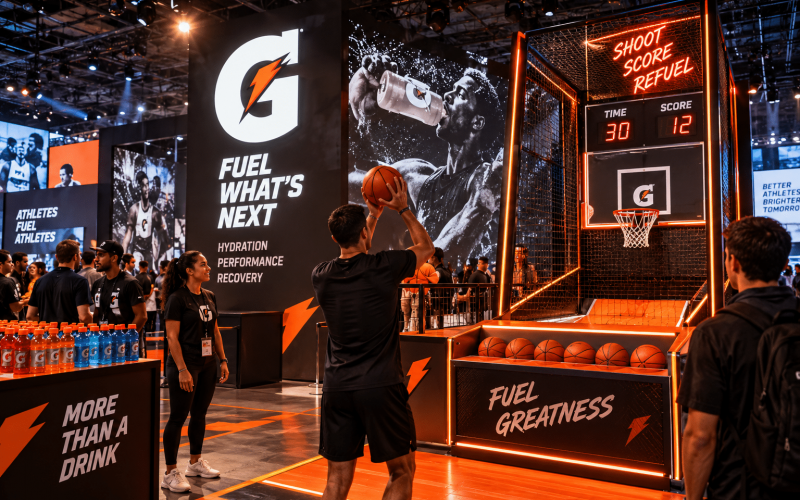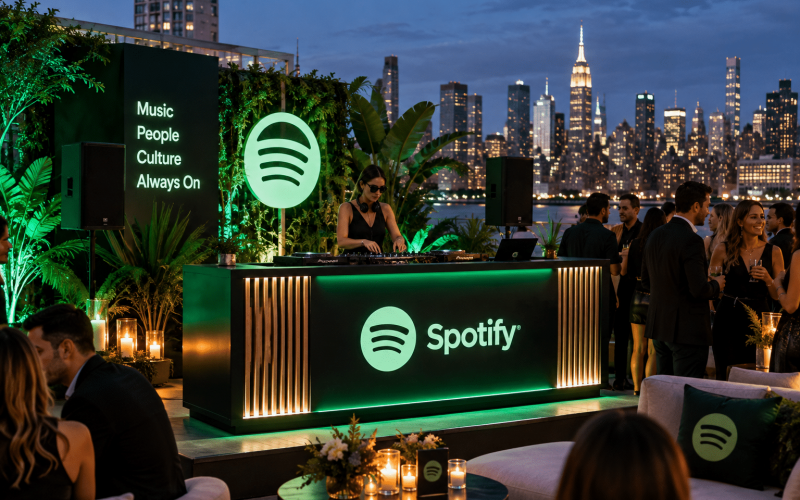
If your event traffic slows the moment the giveaway table empties, the issue usually is not attendance. It is engagement design. The best interactive event games give people a reason to stop, participate, share information, and remember the brand after the booth, pop-up, or activation is over.
For marketers, agencies, and event producers, that matters because a game is not just entertainment. It is a physical engagement tool. Done well, it supports dwell time, lead capture, product education, social content, and brand recall. Done poorly, it creates a line with no strategic value. The difference comes down to choosing the right format, building it correctly, and aligning it with the event objective.
What makes the best interactive event games work
The strongest game concepts are easy to understand in under five seconds, visually clear from a distance, and fast enough to keep traffic moving. They also need a purpose. Some games are built for volume and foot traffic. Others are better for qualified conversations, product demos, or premium brand storytelling.
That is why there is no single best option for every event. A high-throughput trade show booth needs something different than a branded lounge at a consumer activation. Space, staffing, prize structure, venue rules, and fabrication requirements all affect what will actually perform on site.
A good test is simple. If the game can attract attention, communicate the brand, and support the next action you want attendees to take, it is worth considering. If it only fills time, it is probably taking up valuable floor space.
12 best interactive event games for activations and trade shows
1. Prize wheel
The prize wheel remains one of the best interactive event games because it is instantly recognizable and easy to operate. It creates movement, sound, and anticipation, which helps pull traffic from across the floor.
Its limitation is that many brands use it without much strategy. If every attendee spins and leaves, the interaction stays shallow. It performs better when the spin is tied to a product question, a badge scan, a social follow, or a short sales conversation. Custom branding, durable construction, and a clean footprint make a major difference in how polished it feels.
2. Plinko wall
Plinko works well when you need quick participation and strong visual appeal. The ball drop is satisfying to watch, and the vertical format helps the game stand out in crowded environments.
It is especially useful for branded activations where you want repeatable play and good spectator value. The trade-off is noise control and line management. If the wall is oversized or placed poorly, it can create congestion around the booth rather than drive visitors through it.
3. Digital trivia kiosk
Trivia is one of the most effective ways to connect gameplay with product messaging. Instead of generic fun, you can build questions around product features, campaign themes, or category education.
This format works best when the interface is simple and the content is not too difficult. If the questions feel like a test, participation drops. If the experience is fast, branded, and tied to a prize or leaderboard, trivia can support both lead capture and message retention.
4. Reaction games
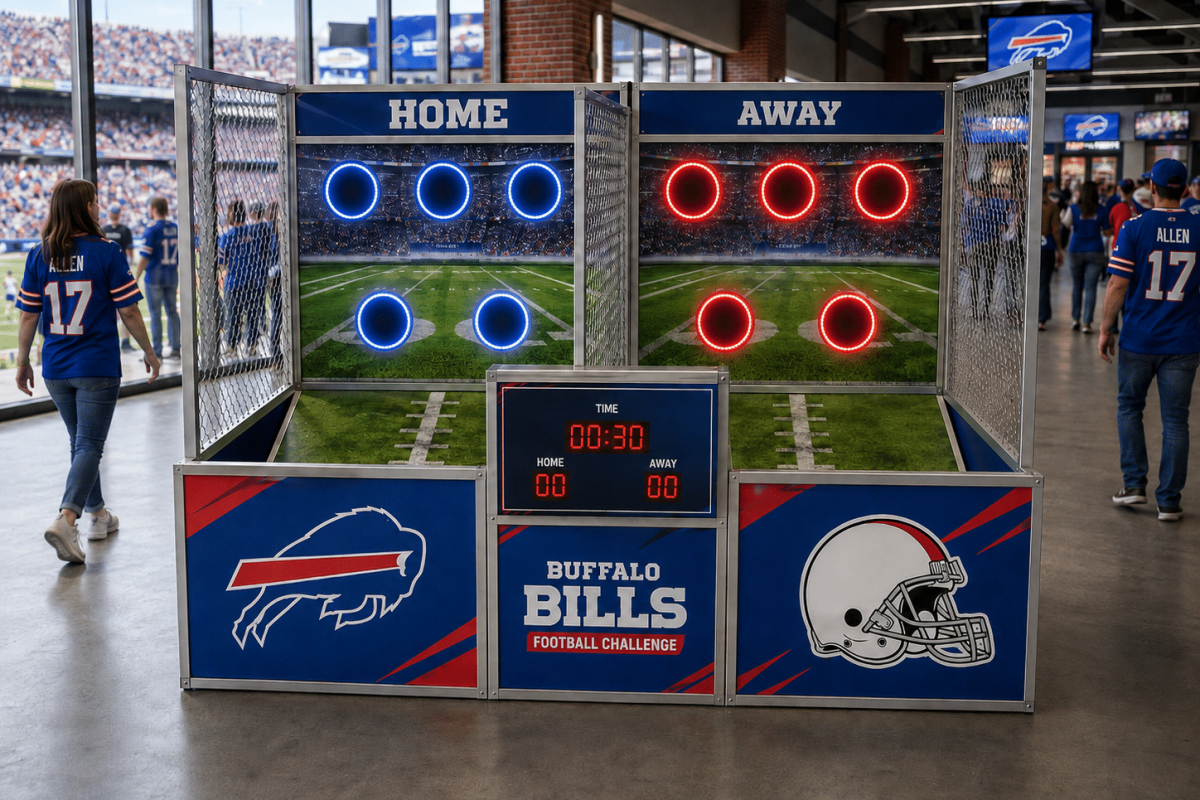
Reaction-based games, whether digital tap games or physical light-trigger challenges, are ideal for high-energy environments. They are competitive, fast, and easy to understand without explanation.
For sports, beverage, tech, and lifestyle brands, they also fit naturally with performance-driven messaging. The key is fabrication quality and reset speed. If the hardware feels flimsy or the game takes too long to restart, throughput suffers quickly.
5. Branded claw machine
A claw machine gives you nostalgia, spectacle, and prize distribution in one footprint. It is especially strong for consumer-facing activations because people immediately understand the mechanic and often film themselves playing.
It does require careful planning. Prize loading, electrical needs, and machine reliability are practical concerns, not small details. Custom wrapping and curated prizes are what turn it from a novelty into a real brand asset.
6. Giant tabletop games
Oversized versions of familiar games, such as branded connect-style or strategy games, work well in lounges, sponsorship areas, and networking-focused environments. They lower the pressure of engagement and create a more relaxed form of interaction.
These are not always the best choice for hard lead generation. They are better at extending dwell time and encouraging natural conversations. If your event goal is hospitality, soft engagement, or content-friendly design, they can be highly effective.
7. Memory match games
Memory match is useful when you need direct product association. Players flip cards, tiles, or digital panels to match products, logos, messages, or campaign visuals.
This format is flexible because it can be physical or digital, simple or premium. It is a strong fit for brands with multiple SKUs or visual storytelling needs. The challenge is keeping it fast. If each round drags, spectators lose interest and staff spend too much time on one participant.
8. Interactive vending machine
An interactive vending machine adds surprise to the prize experience. Instead of a standard giveaway bowl, attendees complete an action to receive a product sample, branded item, or promotional reward.
That action might be scanning a badge, posting on social, answering a question, or completing a short digital interaction. This format is strong for launches and sampling campaigns because it feels more controlled and premium than open distribution. It also helps manage giveaway inventory more strategically.
9. Photo challenge with physical prompts
Photo moments are everywhere, but a photo challenge adds a reason to participate. The strongest version combines a branded physical environment with a quick prompt, timer, or task that encourages action rather than passive posing.
This works well for social amplification, especially when scenic fabrication is part of the activation. It is less effective if the branding is weak or the challenge feels forced. The environment has to look intentional enough that people want to share it without being asked twice.
10. Spin-to-win with digital lead capture
This is a more strategic version of the standard wheel. The mechanic stays familiar, but the experience is integrated with data collection, qualification questions, or CRM workflows.
For trade shows, that matters. The game draws people in, but the system behind it helps turn participation into usable follow-up. If your team cares about measurable outcomes rather than just booth buzz, this version usually outperforms a standalone game asset.
11. Product skill challenges
If the product has a natural use case, a skill challenge can be one of the best interactive event games available. Think speed assembly, timed accuracy, or head-to-head use tests built around the product itself.
This format does more than entertain. It demonstrates value in real time. It is especially strong for brands that want proof, not just awareness. The caution is that it requires smart rules, safe execution, and a setup that can handle repeated use without constant adjustment.
12. Custom hybrid games
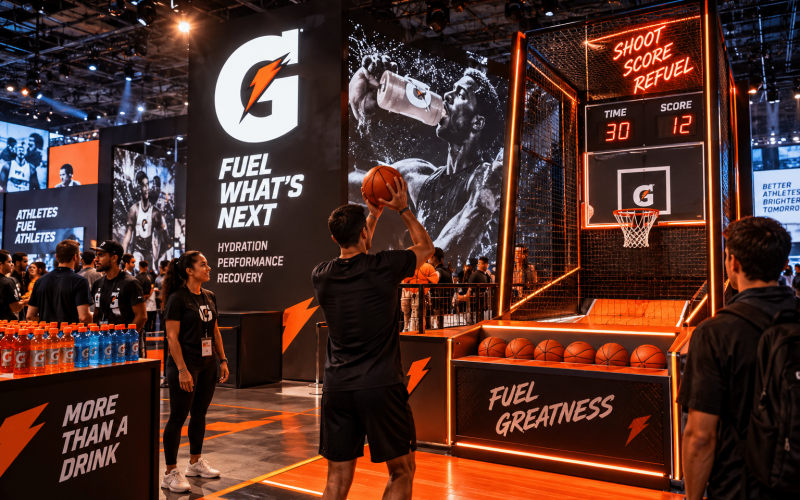
Sometimes the best answer is not an off-the-shelf format. A custom hybrid game can combine physical fabrication, digital scoring, branded scenic elements, and product storytelling into one activation piece.
This route makes sense when the campaign is high-visibility, the brand standards are strict, or the event needs a distinctive centerpiece. It requires more planning and production discipline, but it also gives marketing teams more control over aesthetics, function, and audience flow. For agencies and brands investing in flagship activations, custom usually delivers a stronger return than generic rental inventory.
How to choose the best interactive event games for your objective
Start with the event goal, not the game type. If the priority is traffic, choose a format that reads quickly from a distance and allows rapid turnover. If the priority is qualified lead capture, build in a step that supports meaningful interaction before the reward is given.
Audience also matters. A B2B trade show crowd will tolerate less friction than a consumer festival audience, but they usually respond well to games that respect their time and connect clearly to the product. A younger consumer audience may engage more readily with visual spectacle and shareable moments, but only if the activation feels worth posting.
Budget should be evaluated in terms of effect, not just asset cost. A cheaper game that looks generic or breaks brand consistency can underperform compared to a more tailored build. On the other hand, not every event calls for full custom fabrication. Rentals and modular builds are often the right answer when timing is tight or the footprint changes across markets.
Fabrication matters more than most teams expect
In experiential environments, game design is only half the job. The other half is execution. Stability, finish quality, brand integration, portability, and on-site setup all affect whether the game feels premium or improvised.
That is where fabrication-first planning pays off. A game asset has to survive transport, repeated use, and fast installation while still looking campaign-ready. For agencies and brands managing multiple stakeholders, that reliability matters just as much as the creative idea itself.
This is also why custom products and branded structural elements should be considered early. The best game concept can lose impact if the surrounding environment does not support it. Integrated counters, prize displays, kiosks, scenic backdrops, and branded enclosures often make the interaction cleaner and more effective.
The best games are built around behavior
The strongest activations do not ask attendees to work hard to understand what is happening. They use familiar mechanics, clear branding, and a visible reward structure to shape behavior quickly. That is what makes a game commercially useful, not just entertaining.
For teams planning trade show booths, pop-ups, or nationwide brand activations, the right move is usually a game that fits the space, serves the KPI, and can be fabricated or sourced with production realities in mind. If you approach game selection that way, the result is not just a crowd. It is an experience that earns attention and supports the business goal behind the event.