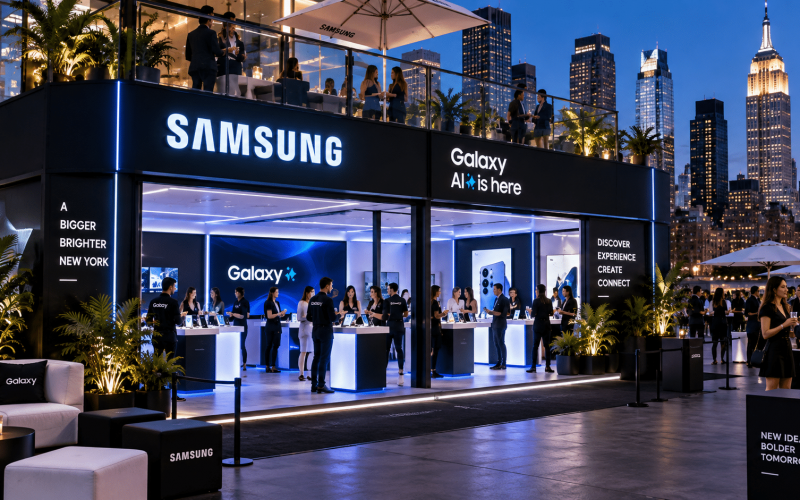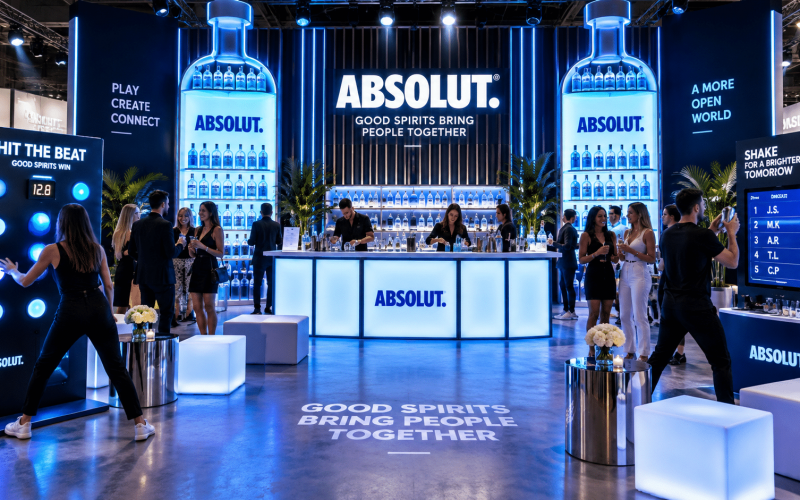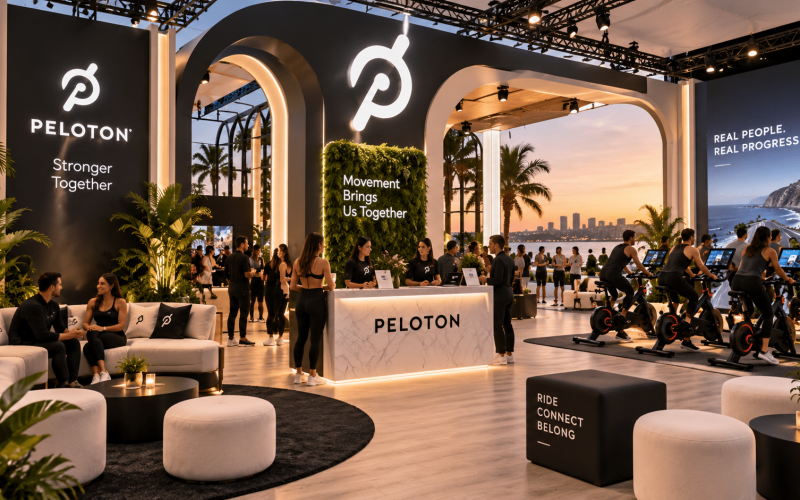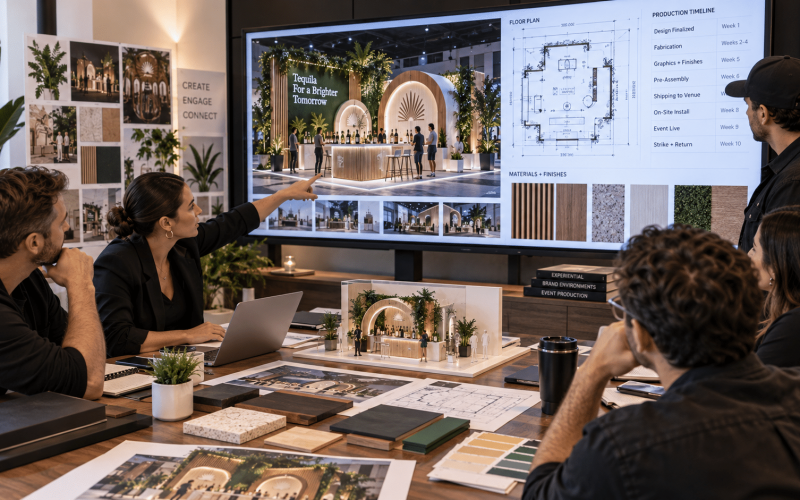
A stock rental package can fill a footprint, but it rarely carries a brand on its own. The right rental customization options turn familiar event components into a cohesive environment that supports a campaign, gives guests clear visual cues, and makes the activation feel intentionally built rather than temporarily assembled.
For marketing teams and agencies, customization is not simply a question of adding a logo. It is a production decision that affects sightlines, guest flow, content capture, transport, installation time, and budget. The most effective approach starts with the experience the event needs to deliver, then applies branded finishes and custom elements where they will have the greatest impact.
What Rental Customization Options Can Include
Event rentals offer a strong base for pop-ups, trade show booths, press events, product sampling programs, and brand activations. Furniture, counters, shelving, seating, bars, display structures, games, and lighting can often be adapted to fit a campaign’s visual system without requiring every component to be fabricated from scratch.
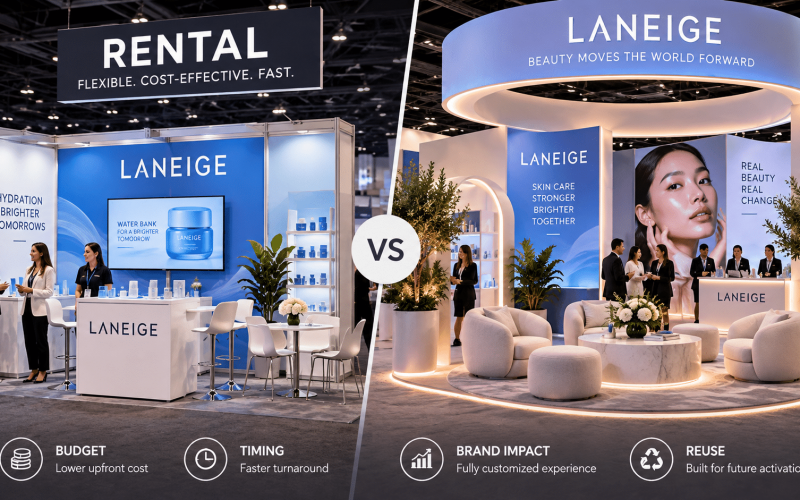
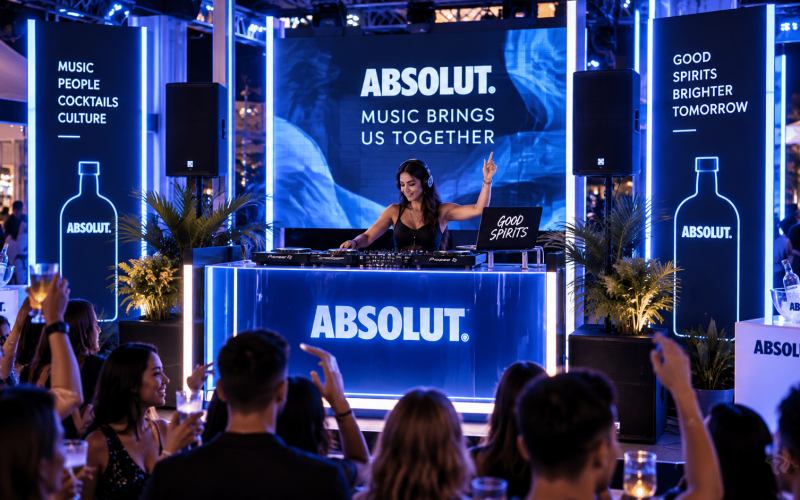
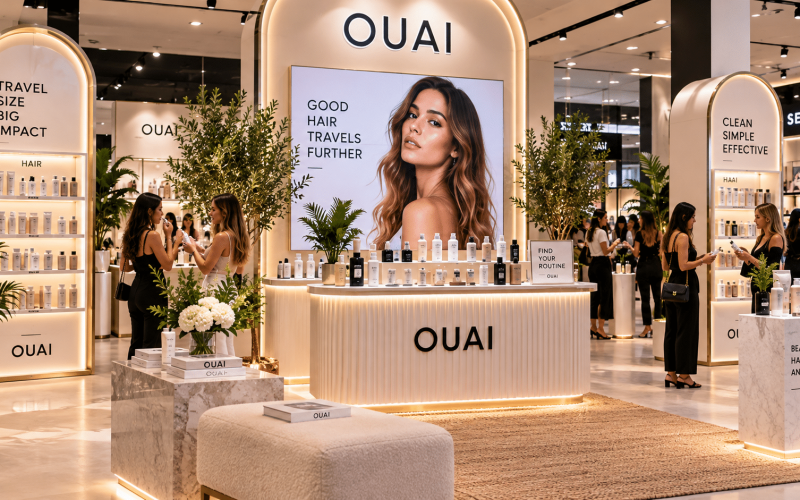
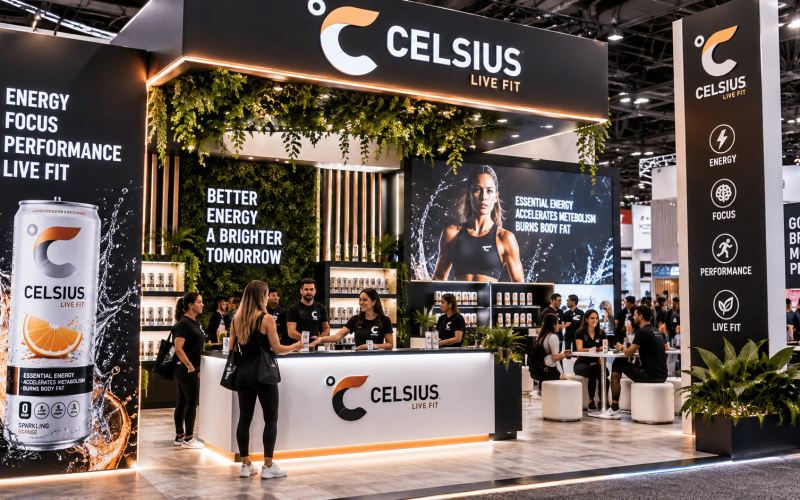
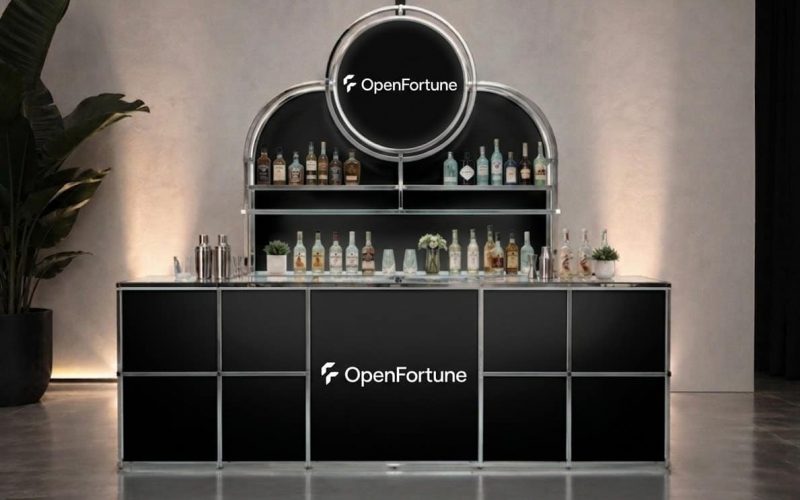
Graphics are usually the most visible customization layer. This can include printed vinyl, removable wraps, branded panels, dimensional logos, custom color treatments, and interchangeable signage. A plain counter, for example, can become a product demonstration station when its front panel, work surface, and back wall are designed around a specific product story.
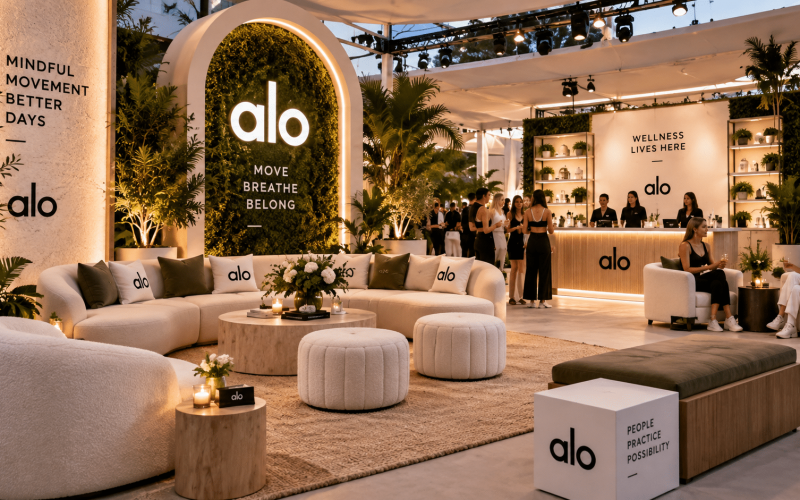
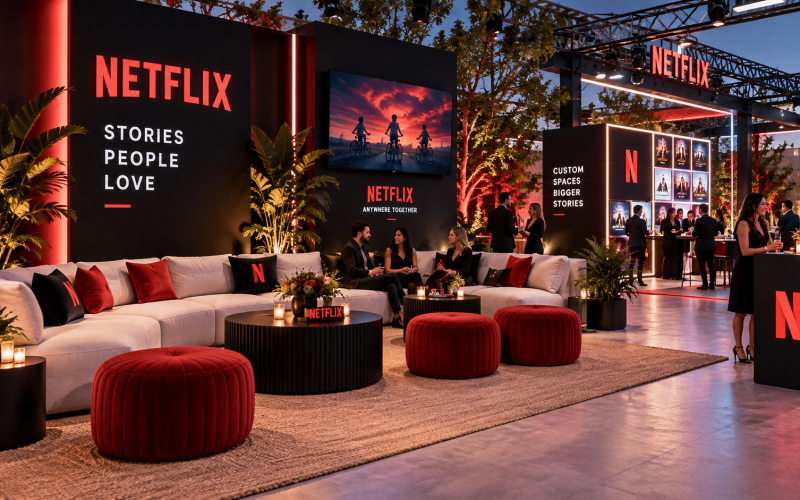
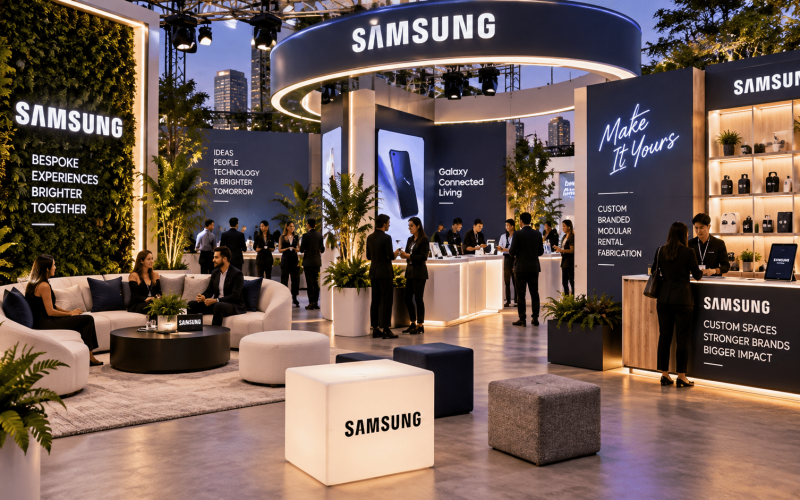
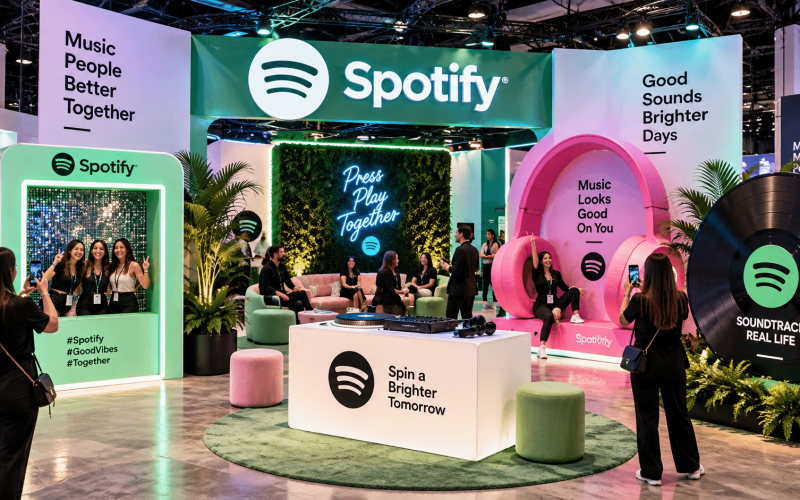
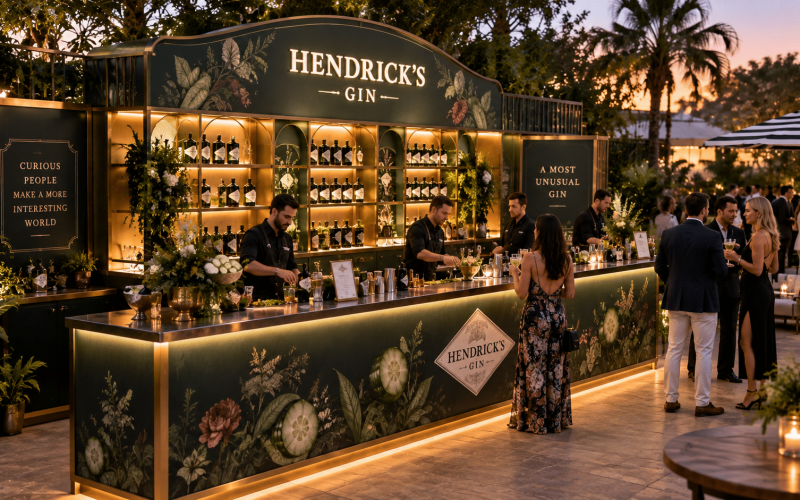
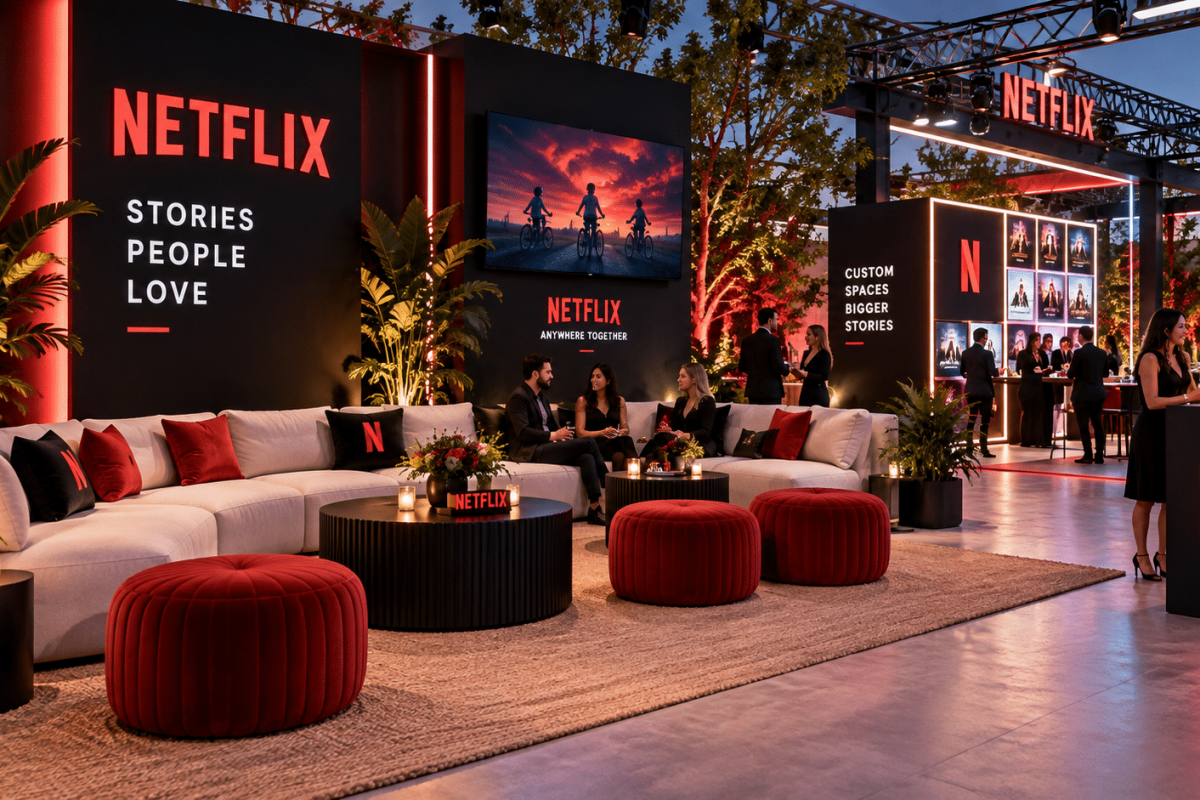
Furniture customization can do more than improve appearance. Lounge seating in brand colors can define a hospitality zone. Custom tabletops can support product display or sampling. Branded shelving can organize merchandise, giveaways, or educational materials while keeping the footprint clean. The best selections balance the campaign’s visual direction with real event use: where guests will sit, set down a drink, charge a phone, or engage with staff.
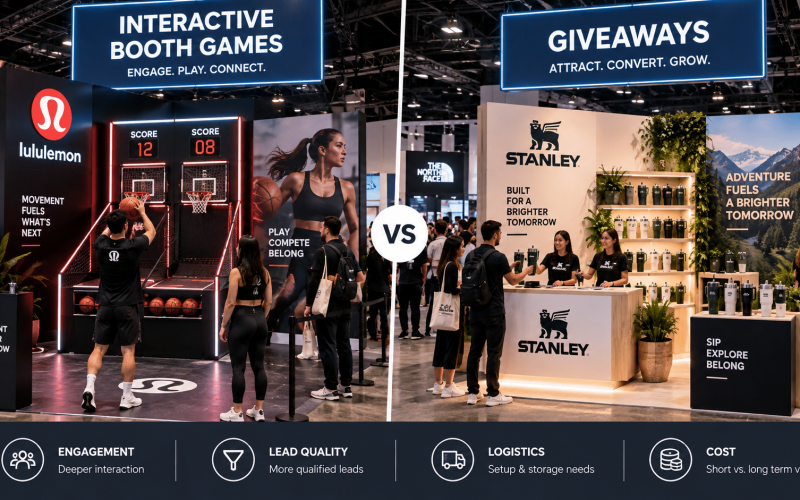
Interactive elements are another valuable category. A rented game structure, prize wall, leaderboard, photo moment, or digital engagement station can be finished with custom graphics and campaign-specific rules. This gives teams a high-engagement feature without the cost and lead time of developing a fully proprietary experience for every market stop.
Where Customization Creates the Most Value
Not every rental piece needs branding. In fact, covering every surface with graphics can make an environment feel crowded and reduce the visibility of the primary message. Focus customization on the elements that guests will see first, touch directly, or photograph most often.
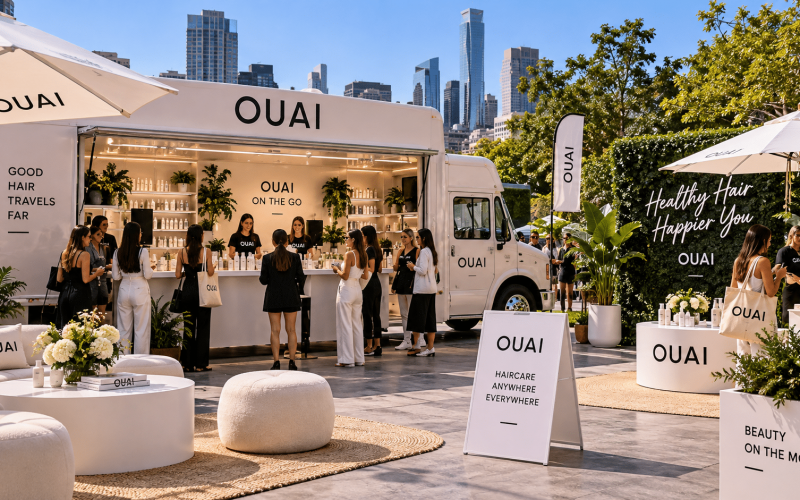
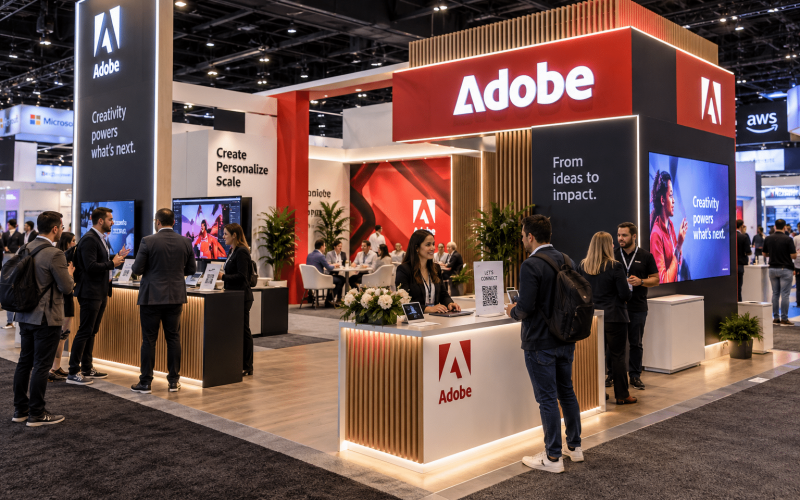
The entry point deserves special attention. A branded arch, sign, product pedestal, or visual landmark can establish the experience before a guest reaches the main footprint. At a trade show, this role may be handled by a tall header or back wall. At a street-level pop-up, it may be a freestanding sign and an unmistakable product display visible from a distance.
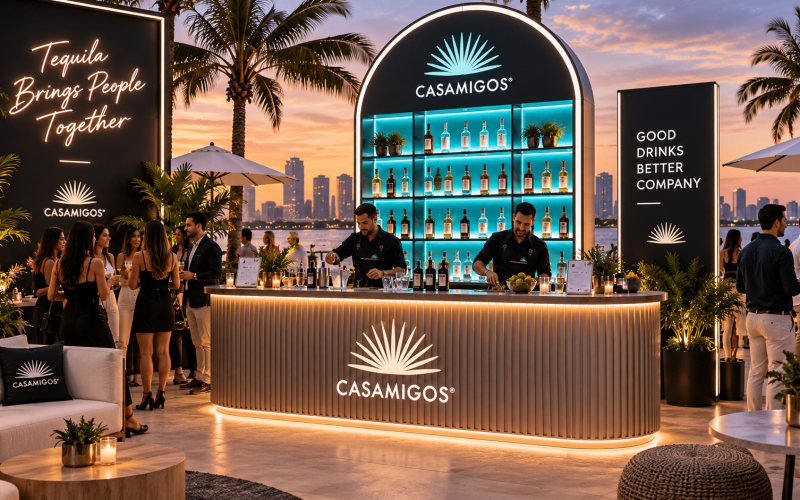
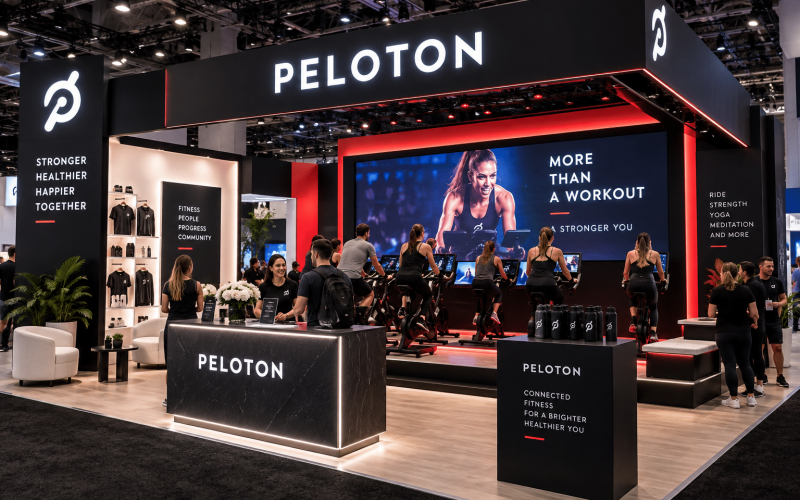
The main interaction station is another high-value investment. Whether it is a bar, sampling counter, check-in desk, retail fixture, or game table, this is where the brand team and attendees spend the most time together. Customizing that station reinforces brand consistency in close-up photos and gives staff a more polished workspace.
A single high-impact photo opportunity can often outperform several smaller decorative treatments. The photo moment should be designed for the way attendees actually use their phones. It needs adequate lighting, a clear focal point, enough room for individuals or groups, and branding that remains visible without overwhelming the image.
Rental Customization Options by Event Goal
The right solution depends on what success looks like for the event. A product launch, a lead-generation booth, and a consumer sampling activation may use similar rental components, but they need different customization priorities.
For product launches and media events
Product visibility comes first. Use custom display pedestals, shelving, risers, and backdrops to keep the product at the center of the environment. Finishes should complement the product rather than compete with it. If the product is small, premium, or highly detailed, controlled lighting and clean display surfaces may be more valuable than large-format graphics.
For trade show booths
Trade show customization needs to work at two distances. From across the aisle, visitors should understand the brand and core message quickly. Inside the booth, sales teams need functional stations for demos, conversations, lead capture, and storage. Rental furniture can create a polished meeting area, while custom headers, graphic panels, counters, and product displays establish a booth identity that does not look like a standard package.
For consumer brand activations
Engagement and throughput are usually the priorities. Custom games, branded queue systems, sampling counters, prize redemption areas, and photo moments can organize the guest journey. The design must account for volume. A visually strong interaction that takes five minutes per guest may not be right for a high-traffic festival, while a quick game or product trial can keep the line moving and extend the brand’s reach.
For multi-market tours
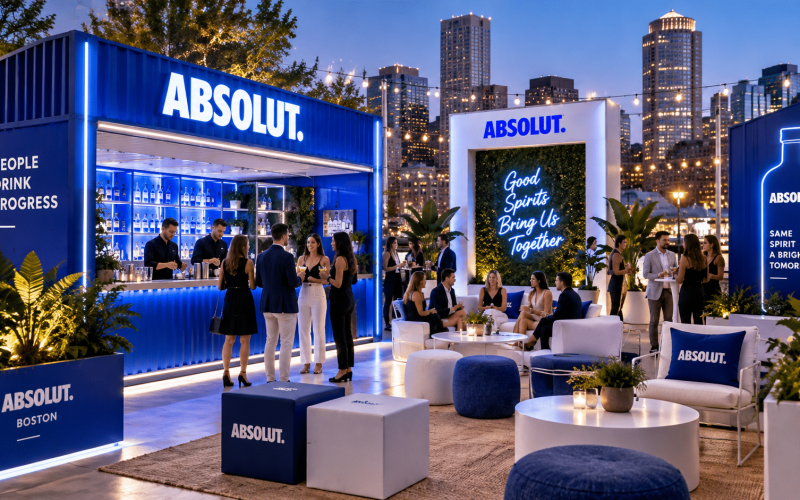
Repeatability matters as much as appearance. Rental customization should be designed for consistent installation across venues while allowing enough flexibility for different footprints. Modular graphics, adjustable counters, lightweight signage, and interchangeable branded elements can help a campaign maintain its look from New York to Boston without rebuilding the experience at every stop.
Decide What to Rent, Customize, or Fabricate
The practical question is not whether to rent or build. It is which parts of the environment should be rented, which should receive custom finishes, and which elements need full fabrication.
Renting is often the right choice for foundational components that are common across events: seating, tables, bars, basic counters, stanchions, flooring, and certain display fixtures. These pieces are efficient, proven, and well suited to short-term use. Custom graphics and accents can bring them into the campaign’s visual system.
Custom fabrication makes more sense when the object itself is central to the brand experience. A sculptural product display, a one-of-a-kind game, a branded retail fixture, or an architectural focal point may need dimensions, materials, and engineering that standard rentals cannot provide. Fabrication is also worth considering when the same asset will be used repeatedly across a long tour, multiple trade shows, or future campaigns.
There is a trade-off. Fully custom assets offer more creative control, but they require earlier decisions, more production coordination, and storage or reuse planning after the event. Rental-based environments can move faster and reduce long-term asset management, but customization may be limited by the structure, finish, and available inventory of the underlying piece.
A strong event production partner can combine both approaches. A rented lounge, counter package, and support furniture can anchor the footprint, while fabricated branded elements create the signature moments that attendees remember.
Plan Customization Around Real Event Conditions
Customization should be approved with venue and operations requirements in mind. A graphic concept that looks strong in a rendering may need adjustments for fire ratings, load-in access, ceiling height, power placement, union rules, outdoor weather, or local signage restrictions.
Measure the environment before committing to branded wraps or panels. A counter’s usable graphic area may be smaller than its overall dimensions because of trim, access doors, hardware, or structural supports. Similarly, a backdrop needs to account for camera angles, staff positions, and any equipment that could block the message.
Material choice matters. Matte finishes often photograph better than glossy surfaces under event lighting. Durable laminates and wrapped panels hold up better around high-touch stations. For outdoor activations, graphics and structures need to handle wind, moisture, direct sunlight, and uneven surfaces. The cheapest finish is not always the most economical if it needs to be replaced mid-campaign or fails to present well in photos.
Timing matters just as much. Custom graphics may be a relatively fast addition, but dimensional lettering, specialty finishes, custom lighting, and fabricated components require longer lead times. Lock the event footprint, brand direction, and final copy early enough to leave room for production, proofing, revisions, and installation planning.
Build a Clear Customization Brief
The fastest way to keep a project on track is to give the production team a clear brief before design and fabrication begin. The brief should define the event objective, venue or footprint dimensions, attendee profile, expected traffic, event dates, budget range, and the assets that need to be included.
Brand files are equally important. Provide approved logos, color specifications, font guidance, campaign artwork, product imagery, and any required legal language. If the event will be photographed or filmed, call out the camera-facing surfaces and the messages that must remain visible in content.
It also helps to identify what cannot change. A product launch may require a specific hero display. A sponsor activation may have mandatory partner logos. A trade show may impose strict height limits. When these constraints are known early, the creative and production teams can spend time improving the experience instead of redesigning around late-stage issues.
For agencies and brand teams managing multiple vendors, one partner that understands rentals, custom fabrication, and activation execution can reduce handoffs. Portadecor helps translate campaign concepts into physical event environments by combining rentable event components with custom-built, brand-ready elements.
The most useful customization is not the most elaborate one. It is the choice that makes the experience clearer, more usable, and more recognizable to the people standing in front of it. Start with the guest journey, invest in the moments that earn attention, and let every branded element serve a purpose.