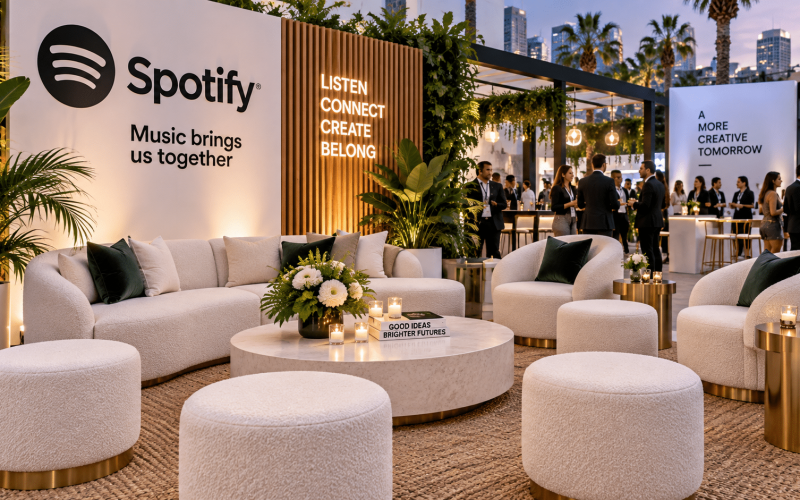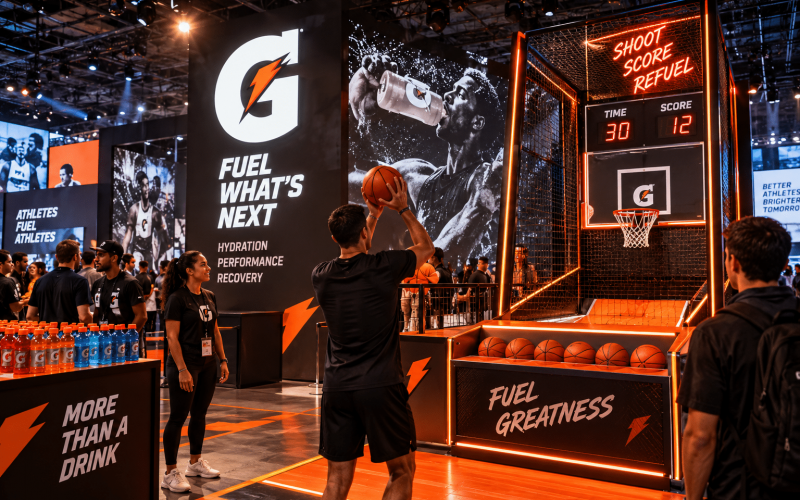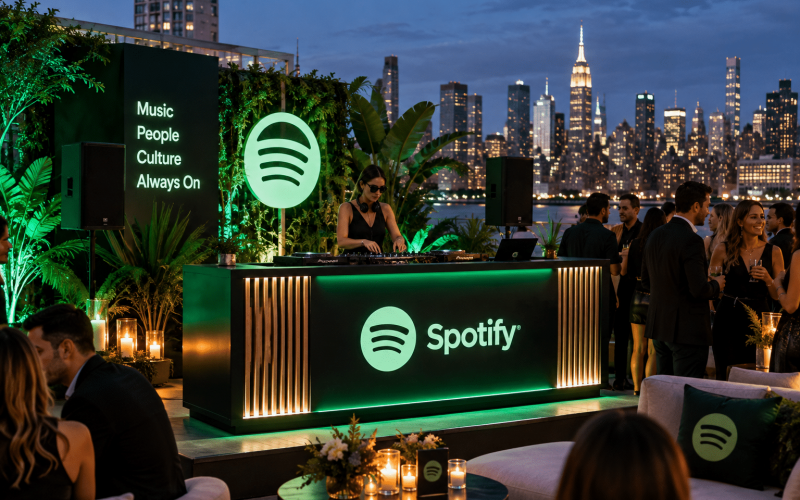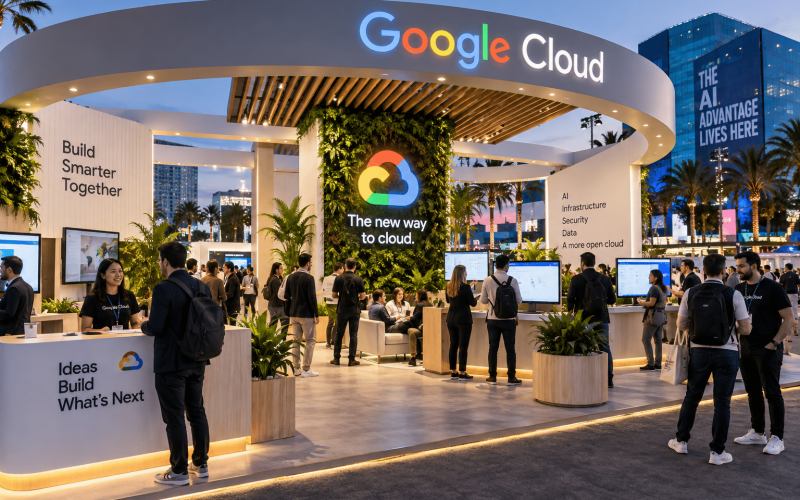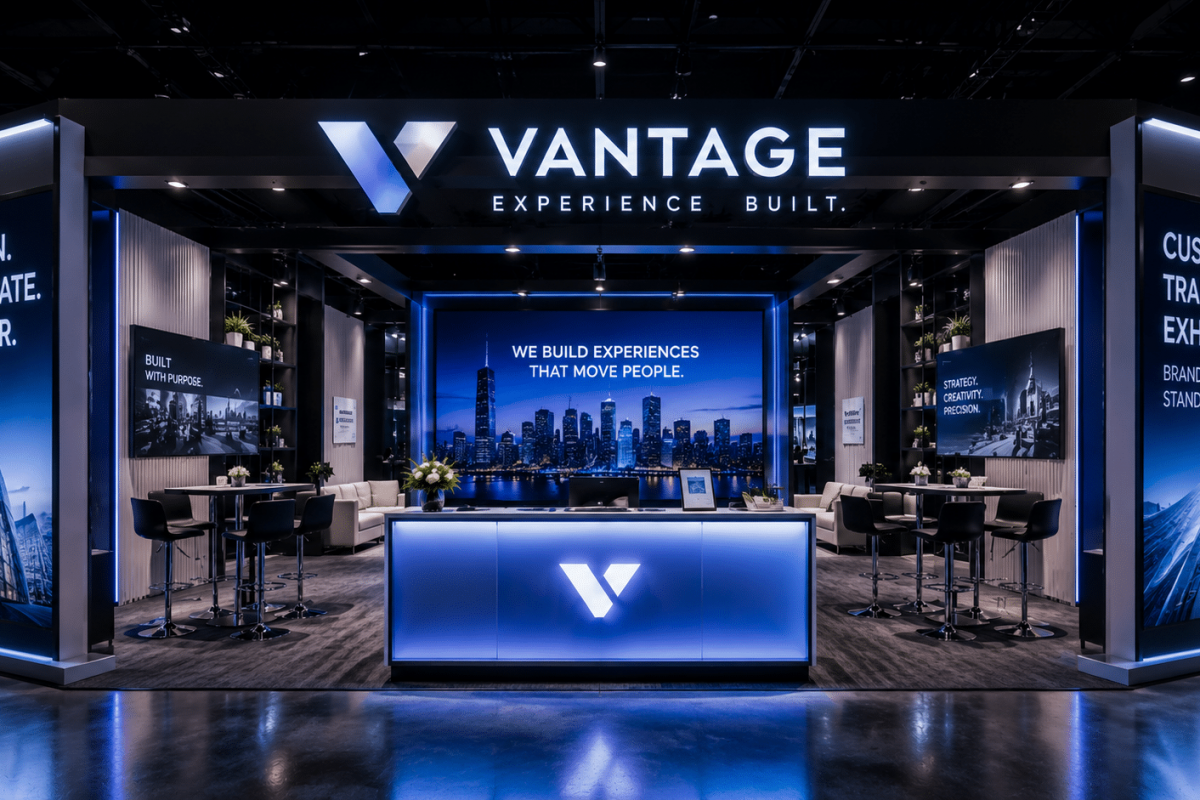
Trade show results are usually decided long before the show floor opens. If your booth plan starts with graphics and ends with a last-minute shipping scramble, costs climb, details slip, and the experience rarely performs the way it should. A strong trade show booth planning guide starts earlier – with clear objectives, real operational constraints, and a booth strategy built around audience behavior.
For brand marketers, event producers, and agencies, booth planning is not just a design exercise. It is a production decision, a logistics decision, and a lead-generation decision at the same time. The strongest exhibits look good, move people efficiently, support staff workflow, and hold up under live event conditions.
What a trade show booth planning guide should actually solve
A useful plan does more than produce a booth footprint and a rendering. It should answer a few practical questions before fabrication begins. What do you need this exhibit to accomplish? How will visitors enter, engage, and exit? Which components need to be custom-built, and which can be rented to control budget and lead time? What has to ship, install, store, and possibly travel to the next event?
That is where many booth programs either gain efficiency or lose it. A beautiful concept can still fail if the monitor heights are wrong, storage is missing, demo traffic backs up into the aisle, or the build relies on materials that cannot withstand repeated use. Good planning protects both the creative idea and the event outcome.
Start with event goals, not booth features
The first step in any trade show booth planning guide is defining what success looks like. That sounds obvious, but teams often skip it and go straight to a list of desired booth elements. A product launch booth, a lead-capture booth, and a relationship-building booth may all occupy the same square footage, but they should not be planned the same way.
If the goal is volume, the booth should be easy to approach and easy to understand from a distance. If the goal is deeper conversations with qualified buyers, you may need more controlled meeting space and fewer attention-grabbing features. If the goal is immersive brand exposure, then custom fabrication, tactile elements, and a stronger environmental build may matter more than a dense graphics package.
This is also the moment to define the metrics that matter. Badge scans alone rarely tell the full story. Many exhibitors should also track scheduled meetings, average dwell time, demo participation, content capture, social engagement, or post-show opportunity value. The right KPI mix influences layout, staffing, and the type of physical environment you build.
Match the booth type to the show
Not every event deserves the same booth investment. A major industry expo may justify a larger custom exhibit with integrated product displays and interactive elements. A regional event or short-run campaign may be better served by modular components, rental furniture, and a smaller custom build focused on a few branded moments.
The trade-off is simple. Fully custom environments give you stronger brand control and more visual distinction. Modular and rental-based solutions offer speed, flexibility, and lower reuse risk when your event calendar changes. In many cases, the best answer is a hybrid approach.
Plan the attendee journey before the renderings
Booth design works better when it is based on movement, not just appearance. Attendees make decisions fast on a crowded floor. They need to understand what your brand is offering within seconds, and the space needs to support that decision without friction.
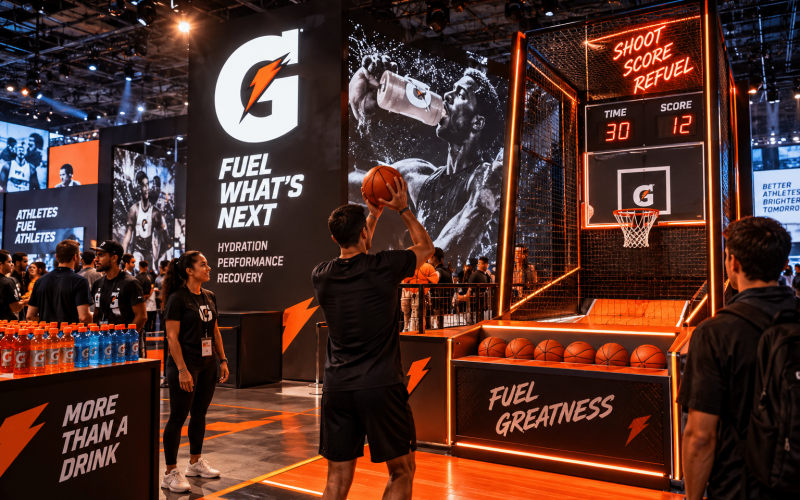
Think through the approach from the aisle first. What is visible at ten to fifteen feet away? What message lands immediately? Once people step in, where do they naturally go next? If you are showing a product, demonstrating technology, or running a game-based activation, the queueing and viewing conditions matter as much as the visual design.
A common planning mistake is trying to do too much in a small footprint. Meeting space, storage, product display, interactivity, hospitality, and lead capture can all compete with one another. If everything is a priority, the booth becomes hard to read and hard to staff. A tighter plan with one clear hero experience usually performs better.
Build around real use cases
It helps to map the booth around three kinds of activity: attraction, engagement, and conversion. Attraction gets people to notice the space. Engagement gives them a reason to stay. Conversion gives your team a practical next step, whether that is a demo, a lead form, a meeting, or a product conversation.
Each activity needs physical support. Attraction may come from height, lighting, branded architectural elements, or a well-placed interactive feature. Engagement may require counters, touchpoints, screens, or game mechanics. Conversion often depends on quieter meeting zones, accessible technology, and a staff setup that does not feel chaotic.
Fabrication choices affect performance and budget
This is where booth planning becomes a production discipline. Materials, construction methods, finishes, and modularity all shape cost, timing, durability, and show-floor impact.
Custom fabrication is often the right move when the brand needs a distinctive physical presence, unusual forms, or integrated functional elements that off-the-shelf systems cannot deliver. It is also valuable when the exhibit needs to support a broader campaign and maintain consistency across multiple event formats.
But custom does not automatically mean smarter. If an exhibit will travel heavily, get refreshed often, or serve different venue sizes, a highly specialized build can create storage and reconfiguration issues. A more flexible fabrication strategy may be better, with custom focal elements paired with standardized counters, shelving, furniture, or display structures.
This is where an experienced fabrication partner becomes useful early, not late. Production input during planning can prevent avoidable issues with crating, weight, install complexity, and material wear. It can also identify where rental components make sense without weakening the booth experience.
Logistics should shape the plan from day one
A booth can look perfect on paper and still become a difficult show if logistics were treated as an afterthought. Shipping timelines, target move-in windows, labor rules, access limitations, and install sequencing all affect what should be built.
For example, a booth with multiple custom sections may need to break down into manageable components for transport and union labor handling. A design with heavy integrated lighting or complex overhead structures may require more planning time, more on-site coordination, and a larger install budget. None of those factors are necessarily deal-breakers, but they need to be accounted for early.
Storage is another overlooked issue. Staff need a place for personal items, product stock, literature, giveaways, tools, and cleaning supplies. If that space is missing, the booth quickly looks disorganized. In practical terms, concealed storage often delivers more value than one more graphic panel.
Staffing and booth operations need physical support
A strong booth plan supports the team that has to work inside it all day. That means enough circulation room, clear demo positions, useful counters, accessible power, proper lighting, and sightlines that let staff monitor activity.
If you expect long conversations, build for comfort. If you expect quick lead capture, build for speed. If you are running a high-energy activation, make sure staffing positions do not block the audience view or create unnecessary bottlenecks. The best booth environments reduce staff friction rather than asking teams to work around design decisions.
Messaging should be simple enough to read in seconds
Trade show messaging is usually too dense. On a busy floor, visitors will not stop to decode a layered value proposition buried in text. Your booth should communicate who you are, what you do, and why it matters almost immediately.
That does not mean every exhibit needs oversized slogans. It means the main message should be clear, visible, and supported by the physical environment. Product categories, live demos, category cues, and branded fabrication can all help tell the story faster than copy alone.
If the booth includes digital content, keep it disciplined. Screens should support engagement, not replace it. In many cases, looping videos and motion graphics are most effective when they reinforce the in-person conversation rather than compete for attention.
Budget planning is really scope control
Most booth budgets go off track because scope is not managed tightly enough. New requests appear after design approval. Brand teams add features. Show teams add technical needs. Agencies add presentation layers. The exhibit ends up carrying more than the budget was built to support.
A better approach is to separate must-haves from nice-to-haves early. Decide which elements are essential to the event objective and which ones can be scaled up or down based on timing and cost. That gives you room to protect the booth’s core function even if constraints change.
For many exhibitors, the smartest investment is not always a larger footprint. It may be better fabrication quality, more reusable assets, stronger branded furniture, or one well-executed interactive moment. Portadecor works with brands and agencies in exactly this zone – where fabrication decisions need to support both creative impact and event realities.
The final review should happen before production, not after problems appear
Before anything goes into fabrication, pressure-test the plan. Review the booth from the perspective of marketing, operations, staffing, and logistics. Confirm dimensions, technology needs, storage, transportation, setup assumptions, and show regulations. Check that the physical design still aligns with the original event goal.
This review is where practical questions surface. Can staff actually work the booth comfortably? Will product samples be easy to access? Is the branded focal point visible from the aisle you care about most? Are there components that should be rented instead of built? A short pre-production review often saves far more than it costs.
Trade show booths perform best when planning stays tied to outcomes, not just aesthetics. If your team can align goals, attendee flow, fabrication strategy, and logistics before the build starts, the booth has a much better chance of doing what it is supposed to do on show day. Good booth planning is not about adding more elements. It is about making the right physical decisions early enough that the final environment can work as hard as your team does.