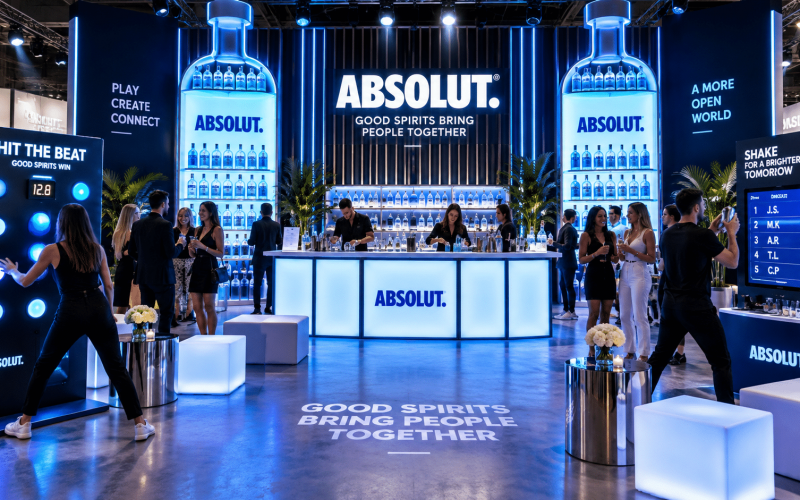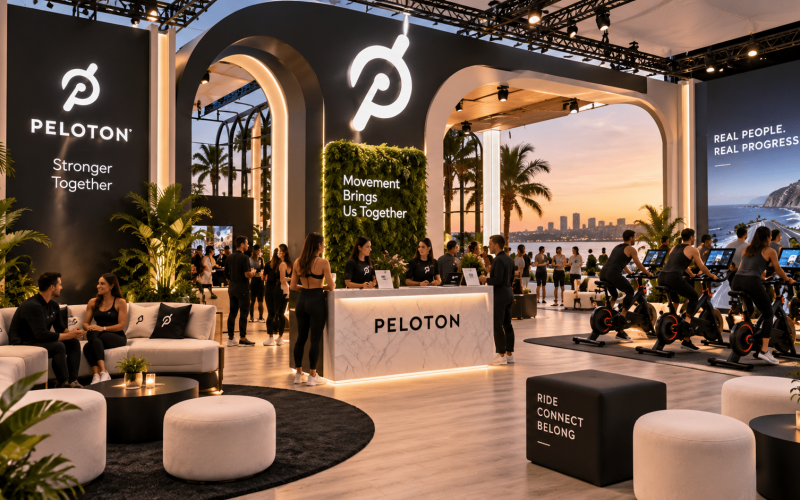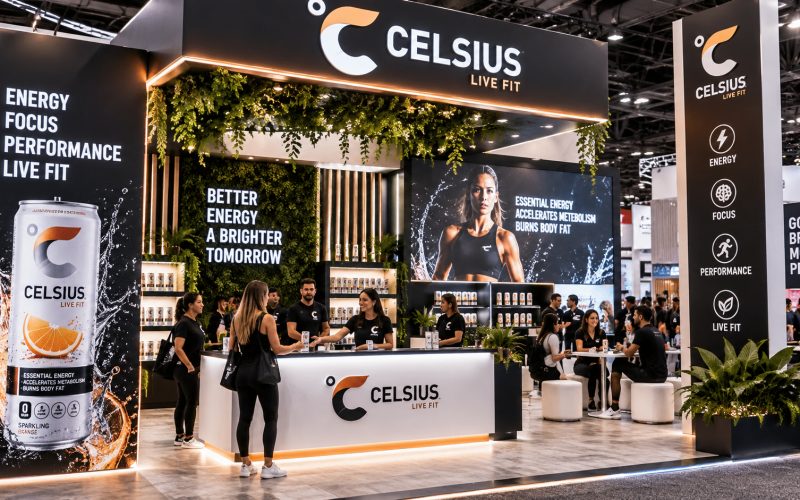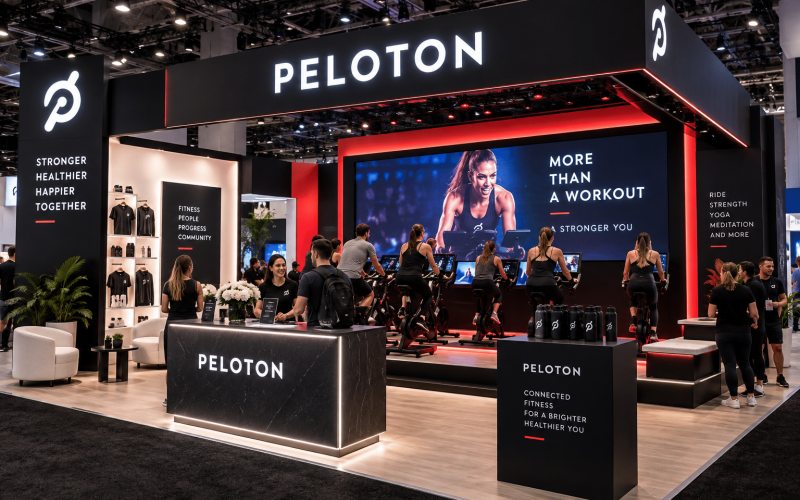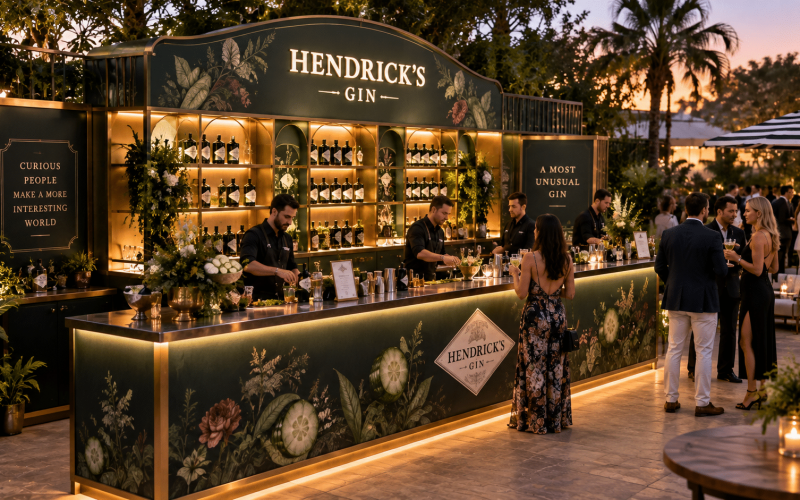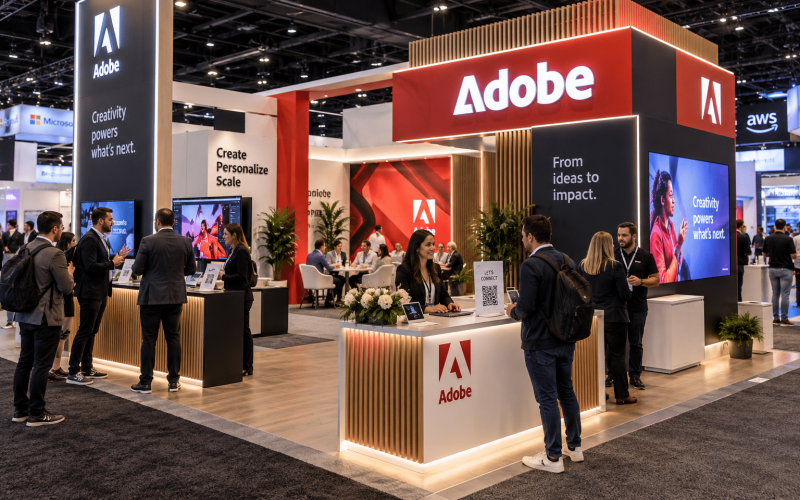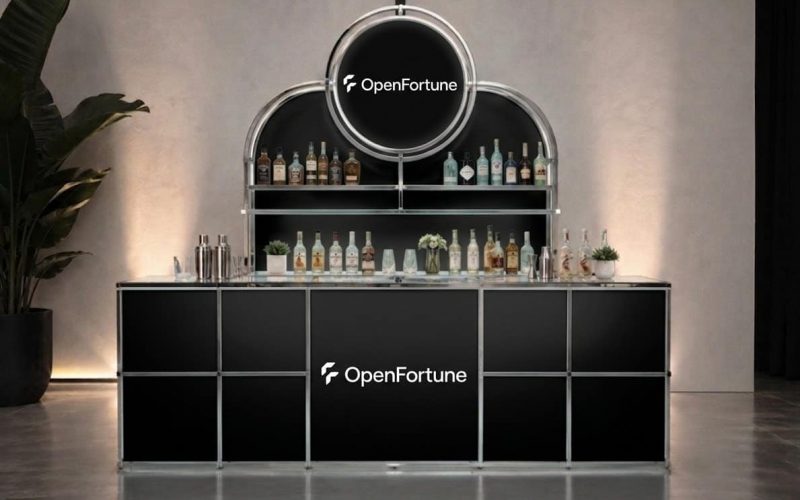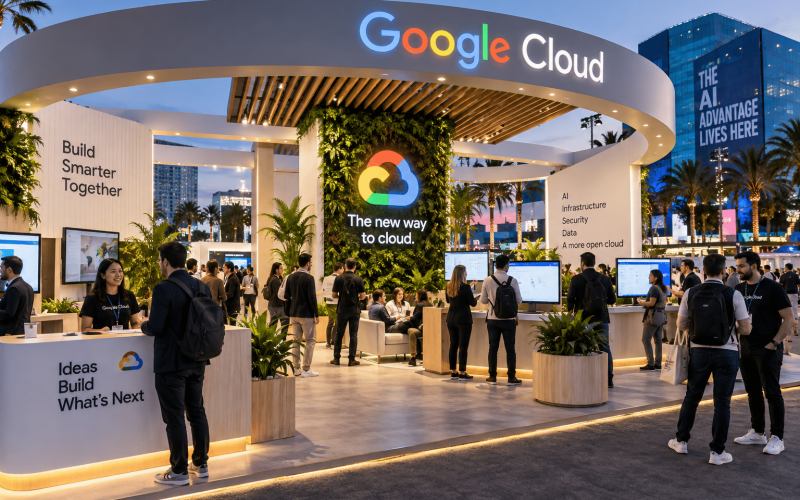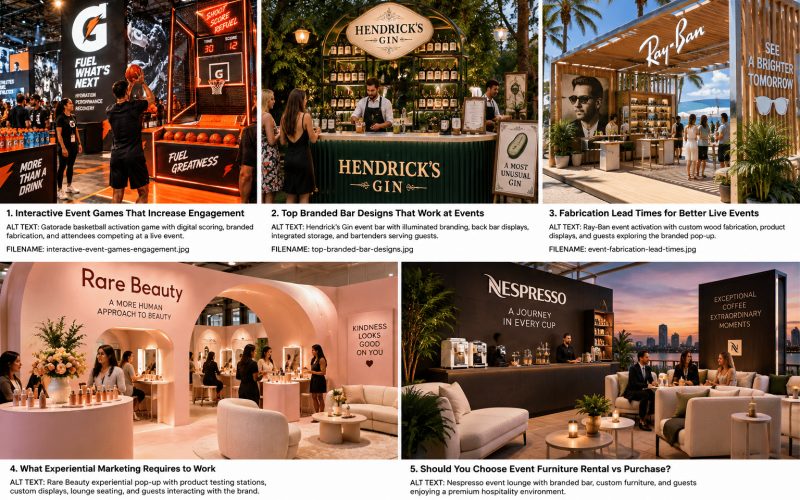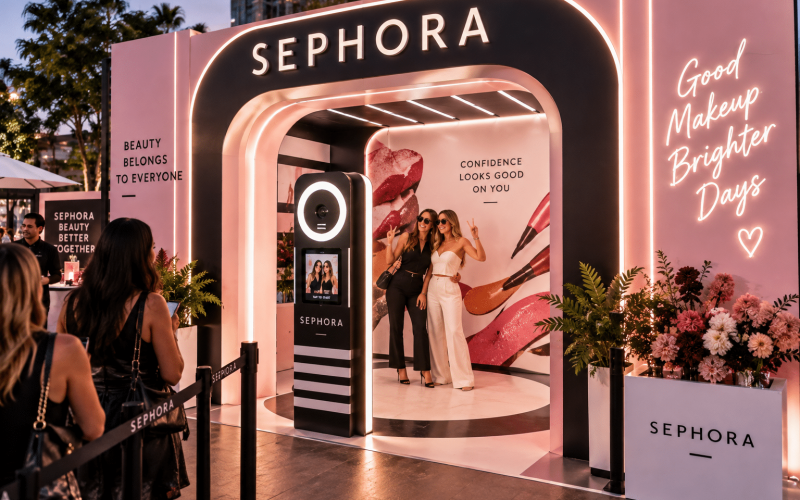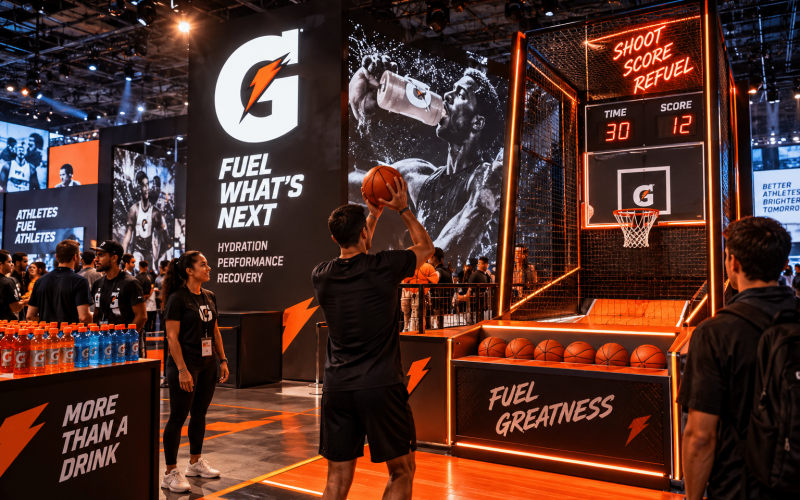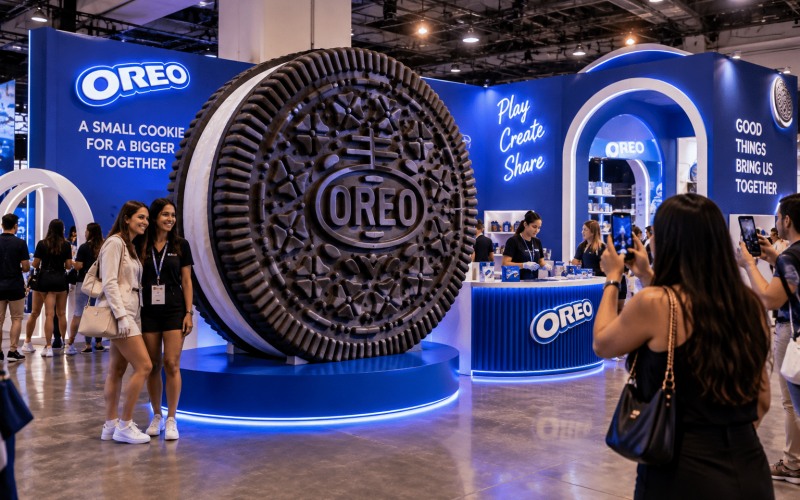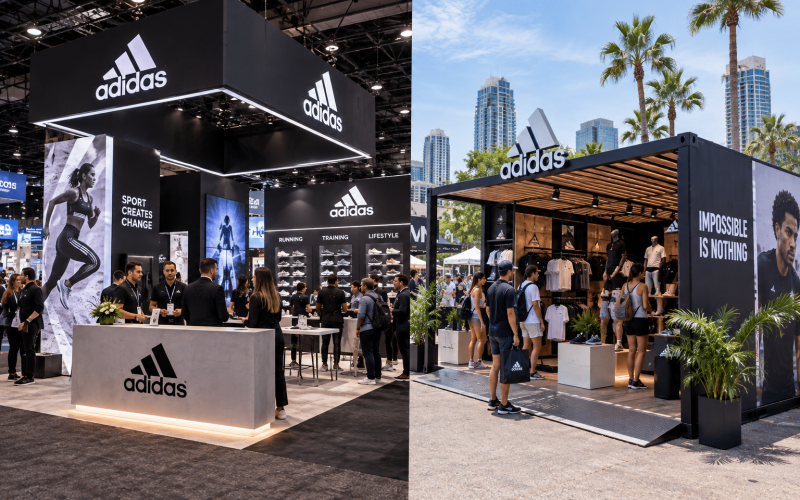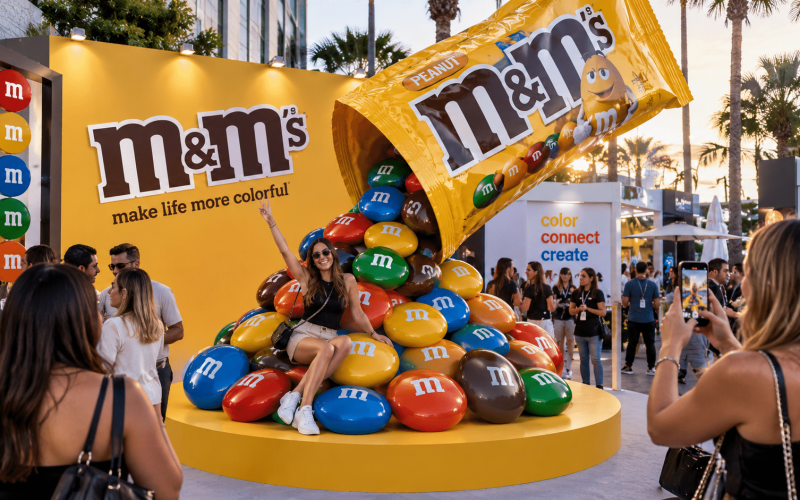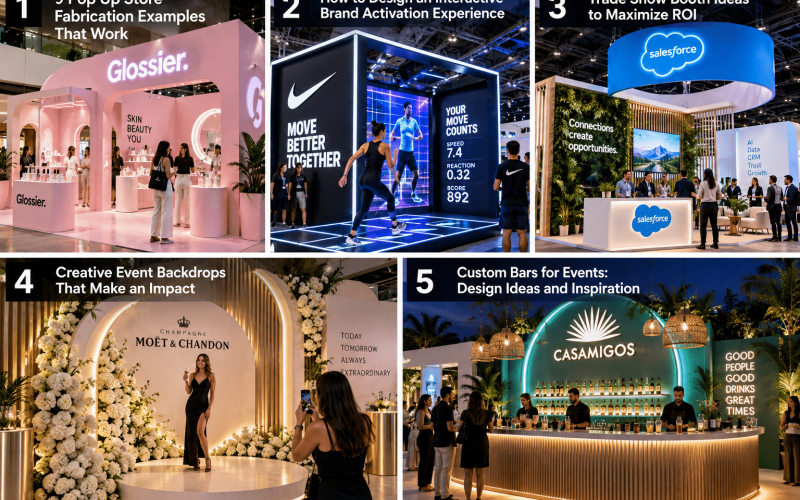
A branded lounge that photographs well but wobbles under guest traffic is not a win. Neither is a sleek demo counter that looks right in a rendering but arrives too large for the freight elevator. Custom event furniture fabrication sits at the point where creative intent meets real-world event pressure, and that is exactly why it matters for activations, trade shows, pop-ups, and branded environments.
For marketers and producers, furniture is rarely just furniture. It shapes flow, supports product interaction, carries branding, hides power and storage, and affects how attendees experience the space. Off-the-shelf pieces can sometimes fill a gap, but when the environment needs to reflect a campaign, handle repeated use, and fit a tight footprint, custom fabrication becomes the smarter path.
What custom event furniture fabrication actually solves
Custom event furniture fabrication is the process of designing and building furniture specifically for a live event use case rather than adapting retail products after the fact. That distinction matters because event conditions are different from residential or standard commercial settings. Pieces need to travel, assemble efficiently, hold up during installation and strike, and still present well under lighting, photography, and high attendee traffic.
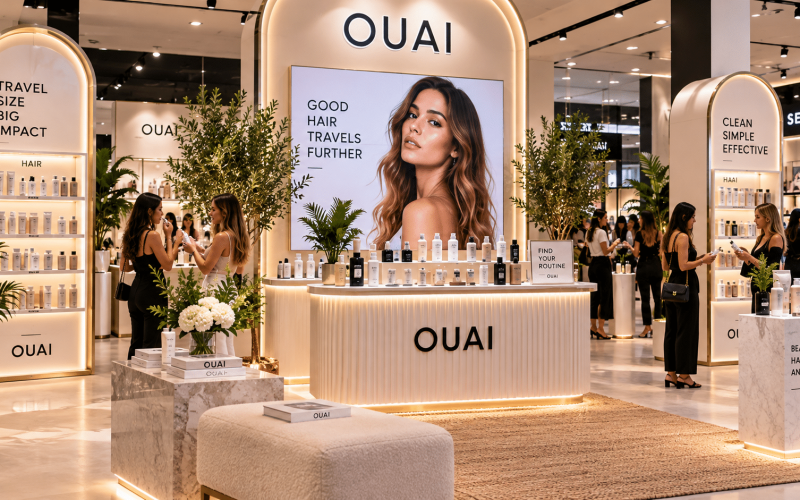
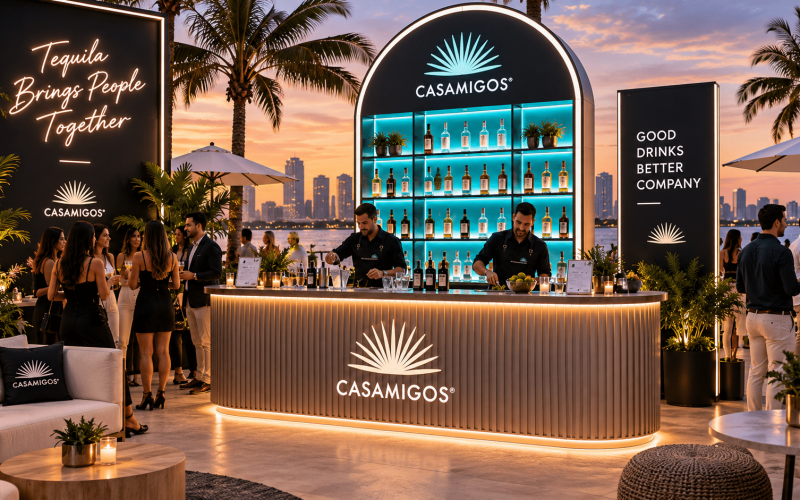
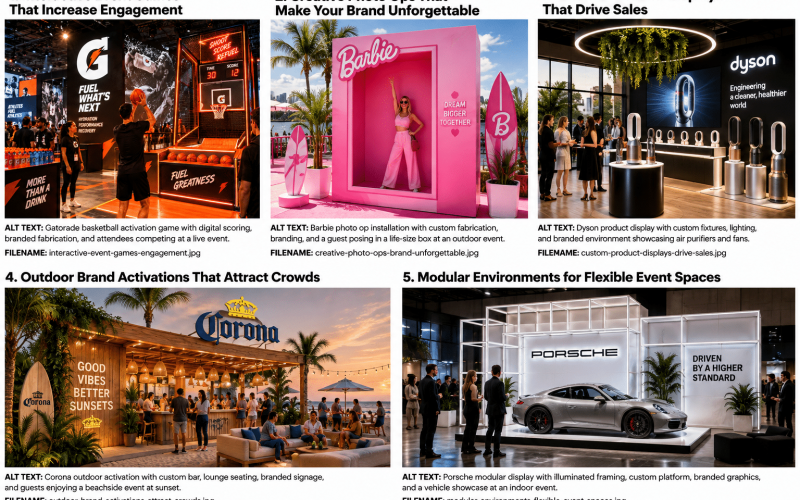
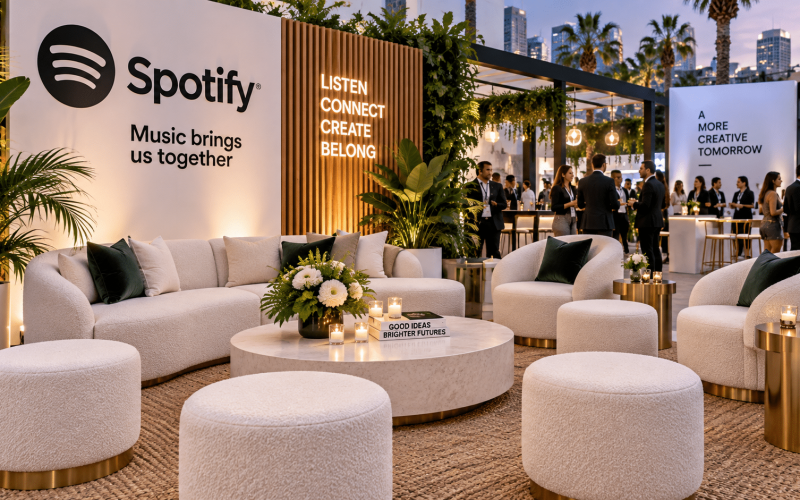
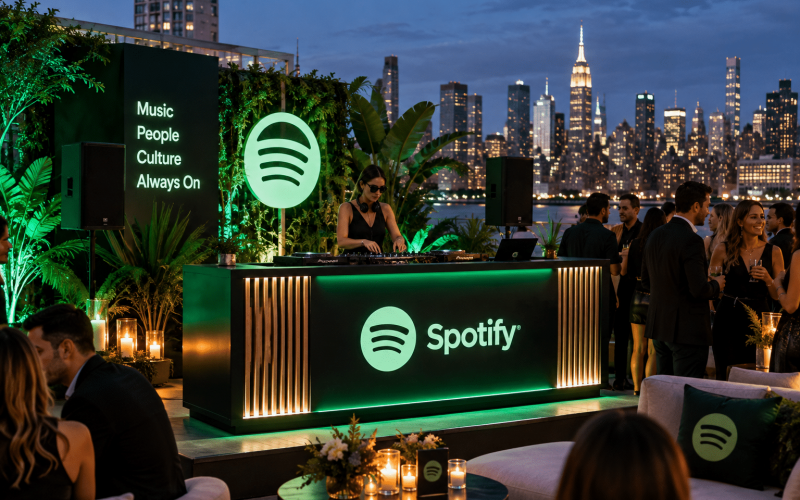
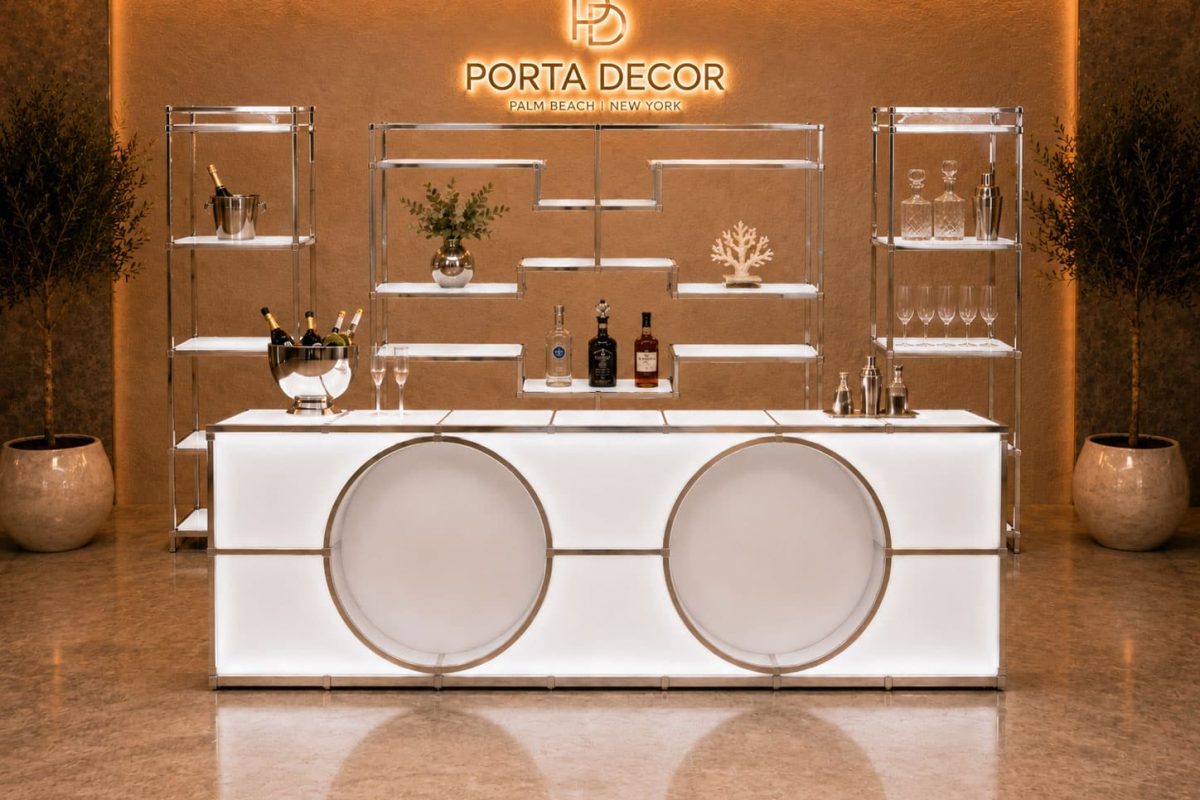
In practical terms, a custom-built bar, branded pedestal, reception desk, product display table, or modular seating system can be engineered around the activation instead of squeezed into it. That means dimensions can match the booth footprint, brand colors can be integrated into the finish package, and structural details can be planned around transportation and reuse.
The result is not just a better-looking environment. It is a more functional one. When furniture is fabricated for the event itself, teams can improve attendee flow, create cleaner brand presentation, and reduce the workarounds that show up later in production.
Why event teams choose custom over standard inventory
The main reason is control. Custom pieces give brands and agencies more control over appearance, footprint, user experience, and execution. If a campaign needs a high-gloss counter with integrated LED lighting, lockable storage, hidden cable management, and a shape that mirrors the brand identity, standard inventory is unlikely to cover all of that without visible compromises.
There is also the issue of consistency. National campaigns, trade show programs, and repeat activations often require a reliable visual system across multiple events. Custom fabrication makes that repeatability possible, especially when the same furniture package needs to be rebuilt, refreshed, or deployed in variations.
That said, custom is not always the answer. If the event is short-term, budget-sensitive, and does not need unique branding or dimensional control, rental inventory may be the better fit. The right approach depends on the campaign life span, the importance of brand-specific detailing, and how often the asset will be reused.
Where custom event furniture fabrication adds the most value
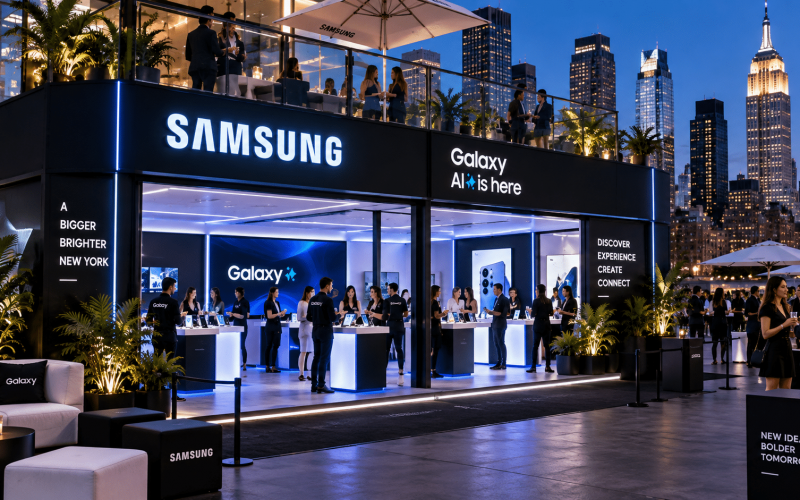
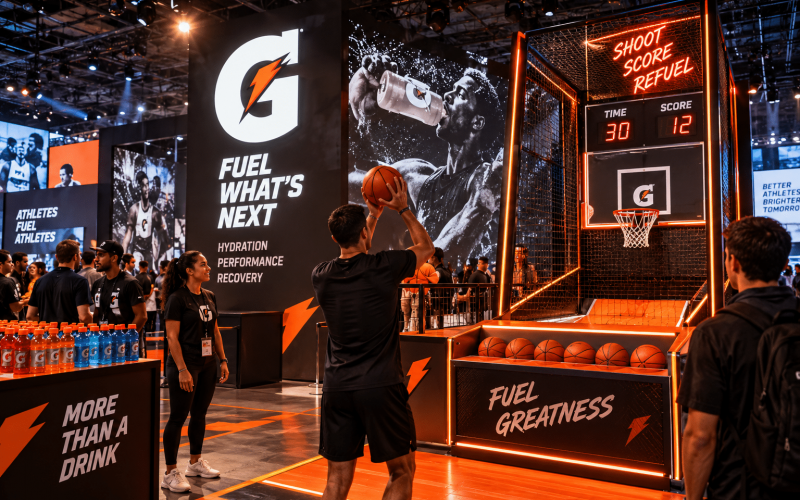
The strongest use cases are usually the ones where furniture has to do more than fill space. Brand activations often need furniture that supports sampling, demos, guest interaction, or social sharing. Trade show booths may need reception counters, meeting tables, charging stations, and product display fixtures that fit a specific layout while supporting lead capture and storage.
Pop-ups and retail-style event environments benefit when furniture helps create immersion. A display table may need concealed product stock. A lounge unit may need to break down for shipping. A branded kiosk may need to support touchscreens, power access, and durable surfaces that can handle heavy public use.
Experiential campaigns also tend to involve visual standards that are difficult to meet with generic pieces. When every surface contributes to the brand experience, fabrication gives teams the ability to match form, finish, and function instead of settling for near enough.
The fabrication process that keeps projects on track
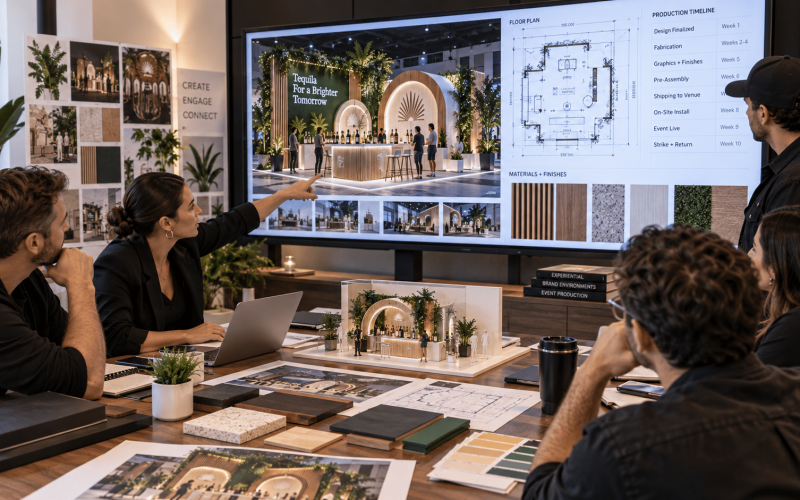
A good build starts long before production. The early phase should define how the piece will be used, where it will travel, who will install it, and what the environment demands. That includes dimensions, materials, finish expectations, branding elements, lighting, storage, accessibility, and any interactive features.
From there, design development should translate creative direction into production-ready plans. This is where experienced event fabricators earn their value. A concept may look strong in a presentation but still require changes to improve durability, simplify assembly, reduce shipping volume, or meet venue realities.
Design has to account for operations
This is where many projects either stay efficient or become expensive. A monolithic statement piece may look impressive, but if it cannot fit through standard loading access or requires a large crew to handle, the operational cost rises quickly. Modular construction, knockdown components, and reusable crate planning can make a major difference.
Event furniture also needs to be built with on-site realities in mind. Flooring may be uneven. Timelines may be compressed. Electrical access may not be where the rendering assumed it would be. Small fabrication decisions, like adjustable feet, reinforced edges, replaceable graphics, and concealed hardware access, often have a big impact during install.
Materials and finishes are not just aesthetic choices
Material selection should reflect how the piece will be used and how long it needs to last. A premium painted finish can deliver strong visual impact, but it may require more care in transit than a laminate application. Upholstery can add comfort and style, but it also introduces maintenance and wear considerations if the piece is headed into a high-traffic public environment.
The right material package depends on the campaign. One-off media events may prioritize appearance above long-term durability. Touring activations usually need a more balanced approach. Trade show assets that ship repeatedly should be designed for serviceability, not just for day-one presentation.
What to look for in a fabrication partner
Event teams do not just need a shop that can build. They need a partner that understands experiential execution. There is a difference between fabricating furniture as a general millwork exercise and fabricating furniture for live events where timing, branding, logistics, and field conditions all matter.
A qualified partner should be able to review concepts through an event production lens. That includes identifying risks early, recommending construction methods that support installation, and advising on whether a piece should be custom built, rented, or approached as a hybrid solution.
Communication matters as much as craftsmanship. Event schedules shift, creative evolves, and approvals can compress late in the process. A strong partner can adapt without losing control of production quality. For agencies and brand teams, that reliability is often the difference between a smooth show and a salvage operation.
Custom fabrication versus rental furniture
This is not an either-or decision in every project. Many successful event environments use both. Custom fabrication is best where the piece needs to be branded, function-specific, uniquely sized, or central to the activation. Rentals are often better for standard seating, soft lounge support, or volume needs that do not justify a custom build.
The hybrid model is often the most efficient. A campaign may use custom hero pieces such as branded bars, demo stations, and focal-point display furniture, while surrounding them with rental seating or tables that support the environment without driving unnecessary fabrication cost.
For teams activating in New York, NYC, Manhattan, New Jersey, Boston, or Connecticut, that flexibility can be especially useful when balancing custom focal elements with rental support for regional event execution. For nationwide fabrication programs, the same logic applies at scale.
Why better furniture improves event performance
The value of custom event furniture fabrication is not limited to aesthetics. Well-built pieces improve how an event works. They create clearer traffic patterns, support staff efficiency, protect product, and help attendees interact with the brand more naturally. They also photograph better because the environment feels intentional rather than assembled from mismatched parts.
That matters when the event is part of a larger marketing system. The booth, activation, or pop-up is not just a physical setup. It is content, brand theater, and a lead-generation environment. Furniture that is designed around those goals helps the entire space perform at a higher level.
For brands and agencies under pressure to deliver polished live experiences, custom fabrication is often the difference between getting through the event and actually owning the space. Portadecor works in that gap between concept and execution, where furniture needs to do more than look good on a mood board.
If the piece has to carry the brand, survive the schedule, and support the experience once the doors open, it should be built that way from the start.