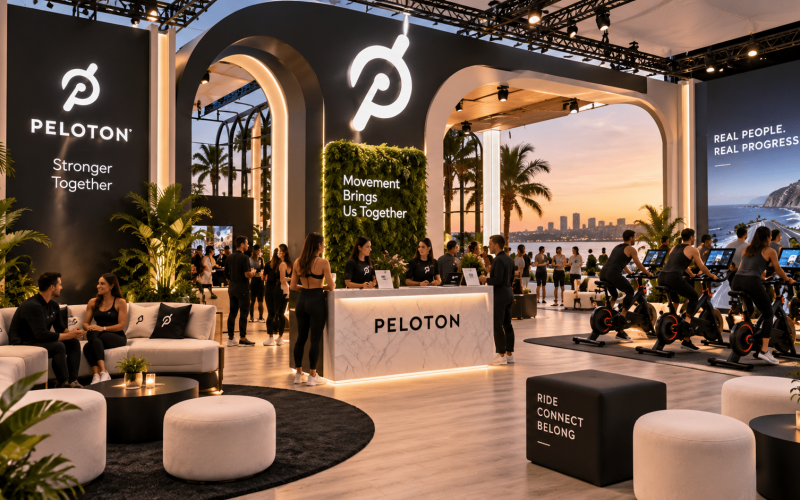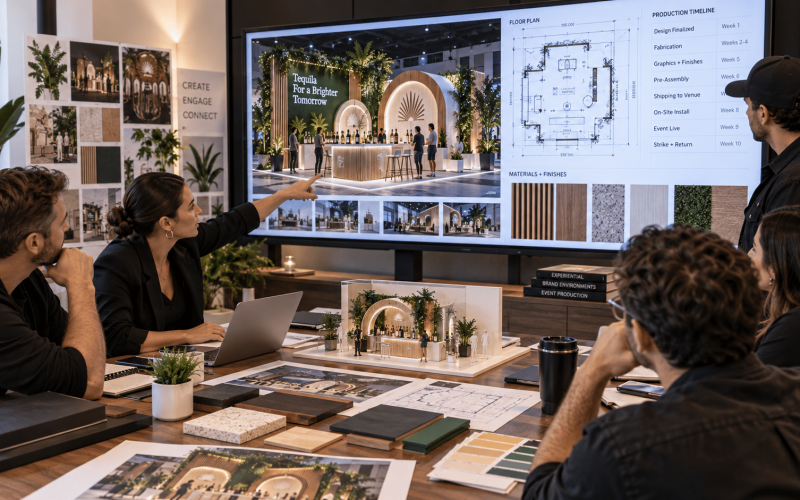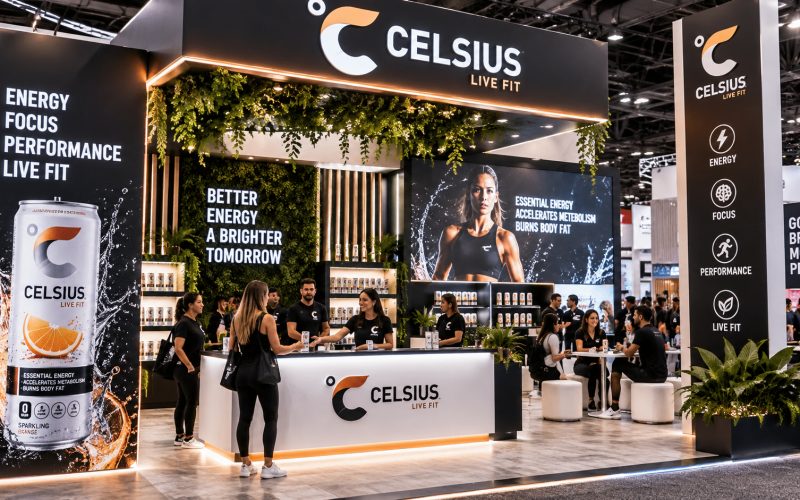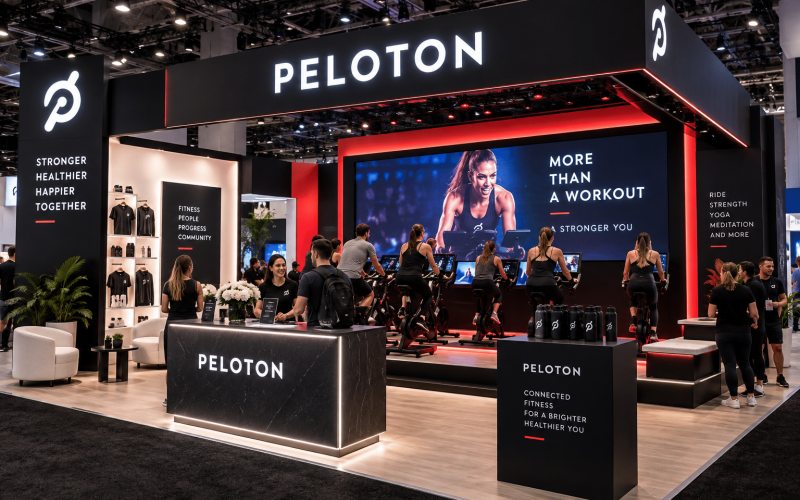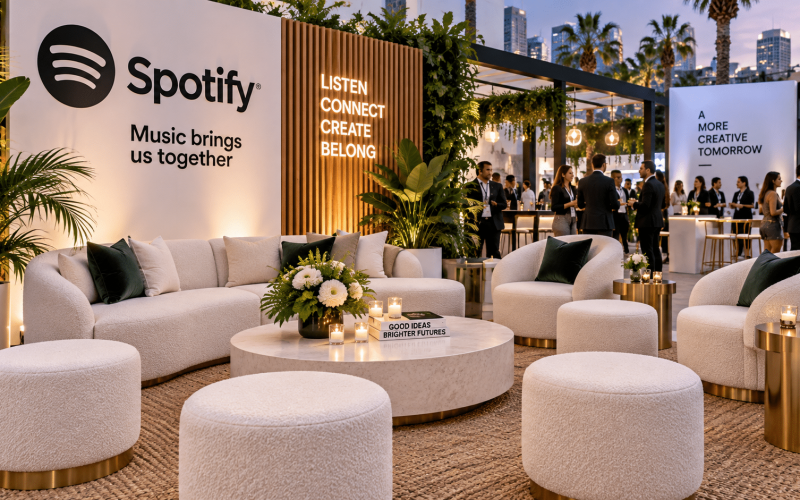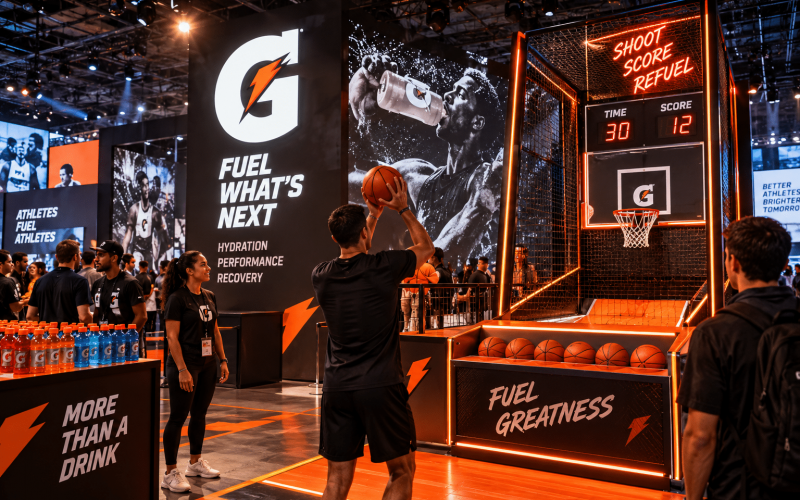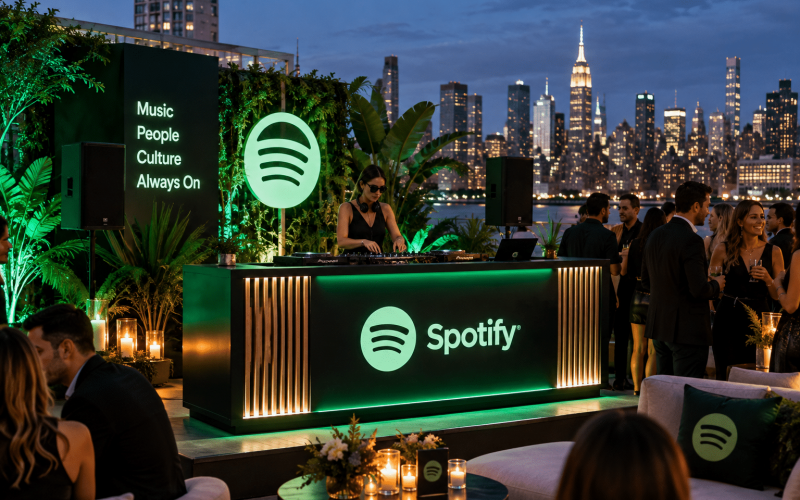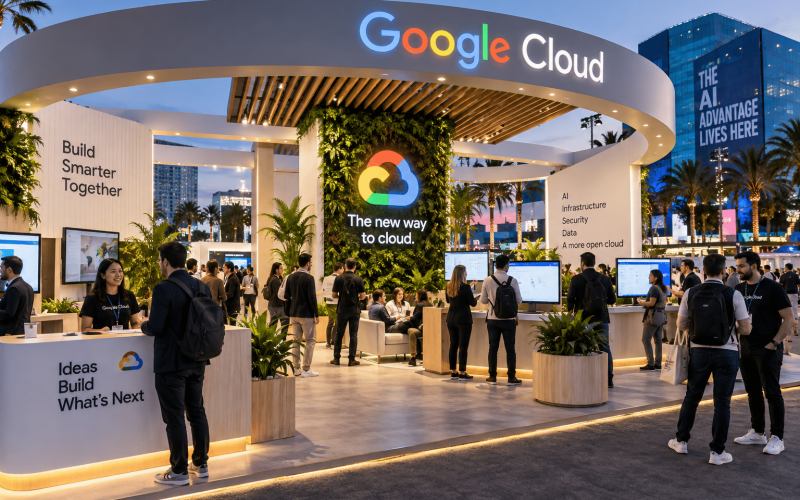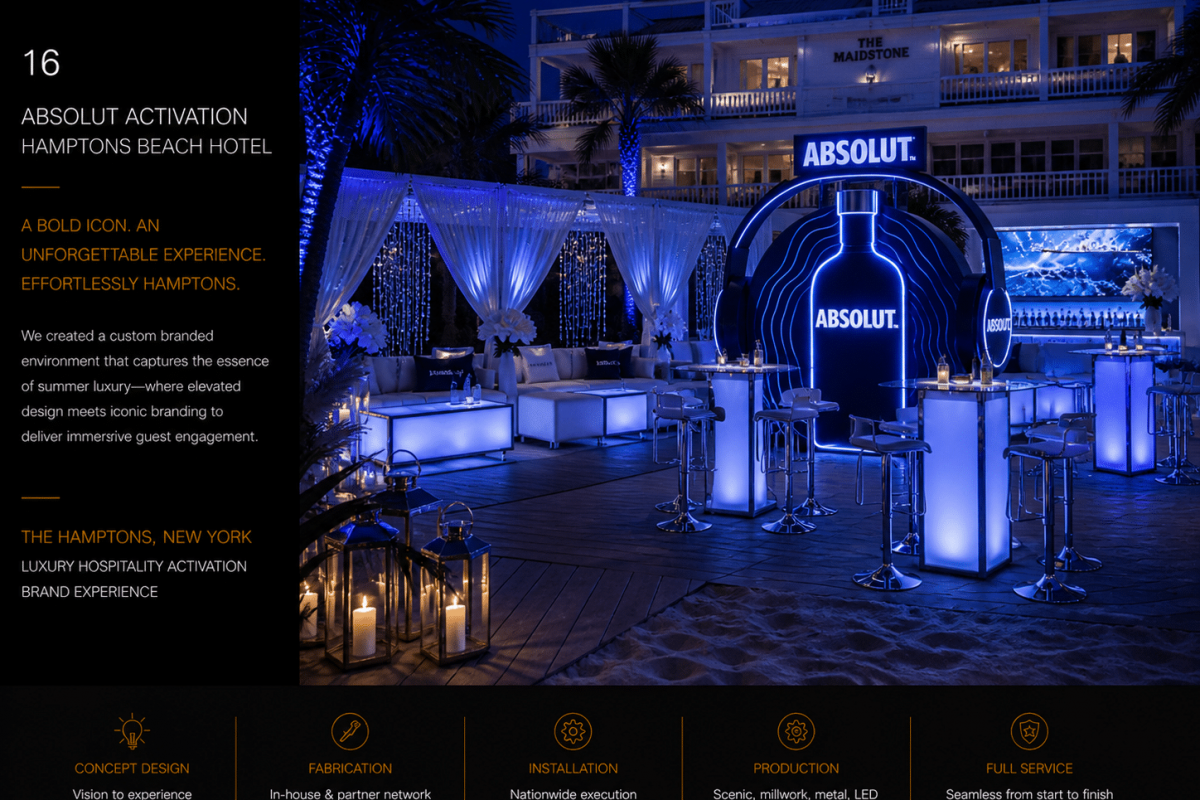
A campaign can look airtight on a pitch deck and still fall apart in the field. The gap is usually not the concept. It is the build. Nationwide brand activation fabrication is what turns a creative idea into something that can ship, install, perform, and hold up across real venues, real timelines, and real audience traffic.
For brand marketers, agency teams, and event producers, that distinction matters. A local one-off build and a scalable activation system are not the same product. If your campaign needs to appear in multiple markets, support repeat installs, or maintain a consistent branded experience across venues, fabrication has to be planned as part of execution strategy, not treated as a final production step.
What nationwide brand activation fabrication actually involves
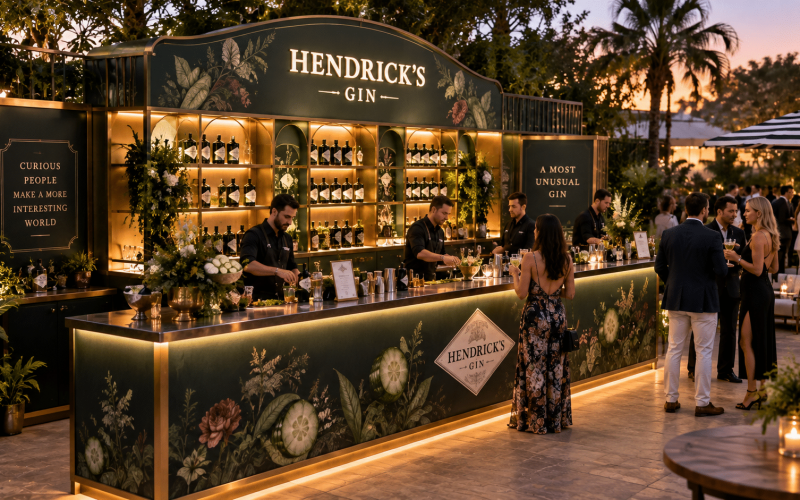
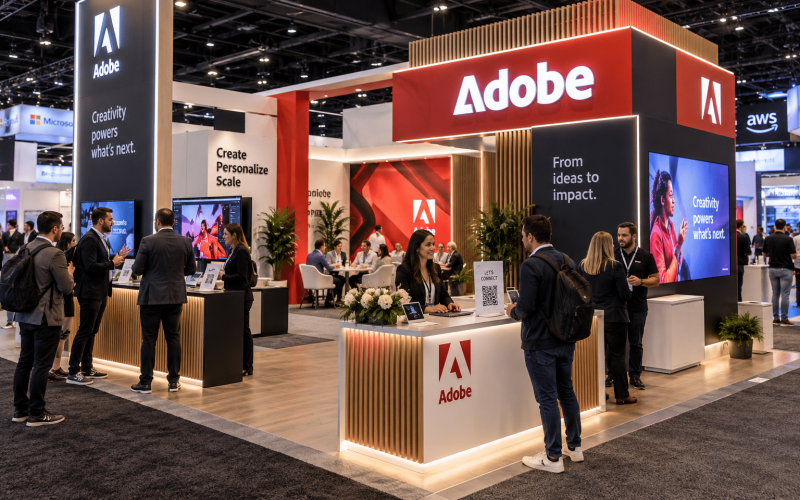
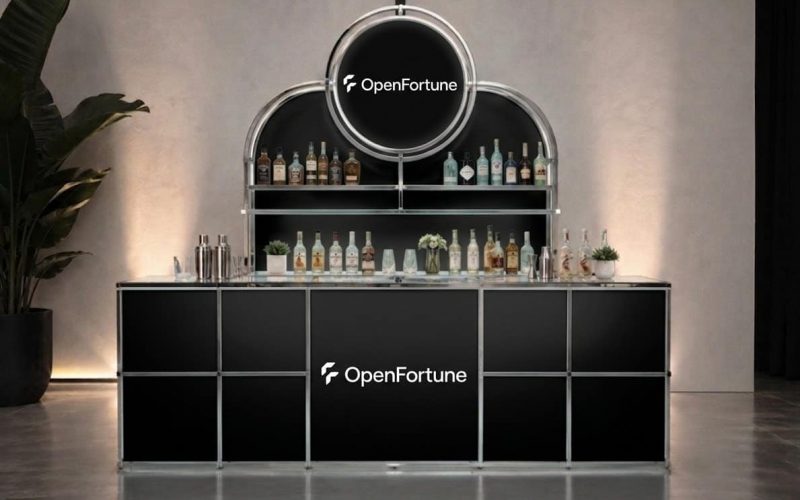
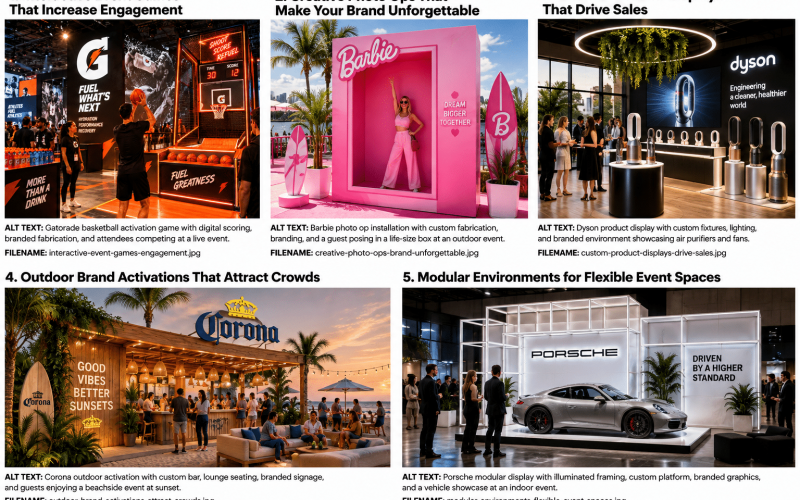
At a basic level, nationwide brand activation fabrication is the design, engineering, production, and preparation of physical branded assets for deployment across the US. That can include custom scenic elements, branded counters, interactive displays, modular structures, product showcases, signage, event furniture, game units, and trade show environments.
What makes it nationwide is not just shipping to different states. It is building with replication, transport, setup conditions, and brand consistency in mind. A fabrication partner has to think beyond the hero rendering. Materials, tolerances, finishes, crating, packing logic, install method, and replacement planning all affect whether the activation works market after market.
This is where many campaigns get exposed. A structure may look strong enough in a studio review, but if it chips in transit, requires specialty labor in every city, or takes twice the install window available on site, the problem is no longer creative. It is operational.
Why fabrication strategy matters early
The strongest activations usually have one thing in common. Fabrication realities were considered before the design was locked. That does not mean creativity gets watered down. It means the concept is developed with production discipline behind it.
When fabrication enters too late, teams often end up choosing between speed, quality, and budget under pressure. A feature wall may need to be simplified. A custom game may need to be rebuilt for safety. A scenic moment may need to be broken into more pieces than originally planned, which affects labor and freight. None of these decisions are unusual, but they are less painful when they happen early.
Early fabrication planning helps answer the questions that actually determine field success. Can the build be modular? Can graphics be refreshed without remaking the structure? Will the footprint adapt to different venue constraints? Can a branded environment be installed by standard event labor, or does it require a specialist team every time? Those answers shape cost and performance more than most teams expect.
The core components of a scalable activation build
A nationwide activation needs more than visual impact. It needs a build system. That system usually starts with a durable core structure, then layers in interchangeable branded elements so the campaign can evolve without full rebuilds.
Modularity is often the difference between a useful asset and an expensive one. A modular fabrication approach allows an activation to fit different footprints, travel more efficiently, and support future reuse. That may mean break-apart counters, collapsible scenic frames, replaceable graphic panels, or multi-use product display elements that can be reconfigured for different stops.
Material selection is equally important. There is no universal best material. It depends on the activation type, the expected lifespan, the finish requirements, and how often the assets move. A beautiful surface finish that photographs well may still be the wrong choice if it scratches during standard handling. On the other hand, overbuilding everything can create unnecessary freight and labor costs. Good fabrication is not about using the heaviest material. It is about matching the build to the campaign.
Then there is engineering for setup. If a branded environment takes six hours to assemble but the venue only gives a three-hour window, the issue is not the venue. The issue is the fabrication plan. Hardware choices, connection points, leveling, access to power, and packed sequence all need to support real event conditions.
Consistency across markets is the real test
The reason brands invest in nationwide brand activation fabrication is consistency. If an audience sees the campaign in Chicago, Austin, and Los Angeles, the experience should feel intentional and aligned, not like three local versions interpreting the same idea.
That consistency is built in production, not fixed later with styling. Fabrication standards have to account for color matching, finish quality, graphic fit, brand proportions, and repeatable assembly. Small inconsistencies become obvious fast in experiential work because audiences interact with the build at close range and teams often capture content on site for paid and organic distribution.
Consistency also matters internally. Marketing teams need confidence that what was approved is what shows up. Agency teams need fewer field surprises. Producers need a realistic understanding of install time, freight requirements, and maintenance needs. A reliable fabrication process gives every stakeholder a cleaner path from concept to launch.
Where campaigns usually go off track
Most activation problems are predictable. The footprint is approved before venue variables are understood. The design includes finishes that do not travel well. Interactive components are specified without enough thought for power, supervision, or wear. Shipping cases are treated as an afterthought. Or the fabrication partner is brought in to execute drawings that were never developed for field conditions.
Another common issue is building only for the first event. That approach can work for a one-day launch, but it creates waste fast when the same campaign needs to tour or reappear in multiple markets. If the asset is not built for repeat handling, repair access, and storage, the total program cost climbs even if the initial fabrication quote looked competitive.
There is also a trade-off between custom impact and repeat efficiency. A fully custom sculptural build can create a stronger visual statement than a modular system. But if the campaign has to travel widely and install quickly, a more engineered modular approach may deliver better business value. The right answer depends on campaign goals, budget, timeline, and lifespan.
Choosing a fabrication partner for nationwide activation work
Not every fabricator is built for experiential campaigns. General fabrication capability is useful, but nationwide activation work requires an understanding of event conditions. The partner should know how branded environments are used, transported, assembled, photographed, and maintained across multiple stops.
That changes the conversation. You are not just asking whether a shop can build a custom piece. You are asking whether they can produce activation-ready assets that support event logistics, consistent branding, and repeatable deployment. A strong partner will ask practical questions early, flag production risks before they become field issues, and help value-engineer without stripping out the idea.
This is also why service range matters. If your activation includes custom fabrication along with branded furniture, scenic pieces, display elements, and interactive components, it is more efficient when those categories are managed with one production mindset. It reduces handoff issues and improves fit, finish, and timeline control.
For many experiential teams, the best outcome comes from working with a fabrication partner that understands both custom manufacturing and live event use. Portadecor operates in that space, supporting brands and agencies that need physical experiences built for real deployment, not just presentation.
How to think about budget without weakening the build
Budget pressure is normal in activation work, especially when there are multiple markets involved. The answer is not automatically to remove custom elements. Often the smarter move is to identify which parts of the build drive audience impact and which parts can be standardized.
A branded centerpiece, product interaction zone, or game element may deserve full custom attention because it carries the experience. Back-of-house structures, storage integration, and repeated framing elements can often be optimized for efficiency. That balance preserves visual impact while controlling production and logistics costs.
It also helps to think in terms of total campaign cost, not just fabrication line items. A cheaper build that requires more labor, more repairs, or more reprinting can become the more expensive option over time. A better-engineered asset may cost more upfront and less across the life of the program.
Why fabrication quality affects brand perception
Audiences may not know how an activation was built, but they notice when something feels finished and intentional. Clean edges, stable structures, consistent graphics, strong material choices, and polished brand integration all contribute to credibility. The opposite is true too. Wobble, visible wear, awkward seams, and improvised fixes send a message, whether the brand intended it or not.
That is why fabrication is not just a production function. It is part of the brand experience. When the physical build matches the ambition of the campaign, the activation works harder for everyone involved – the attendees on site, the client team reviewing performance, and the agency responsible for execution.
If your campaign needs to show up consistently in more than one market, fabrication should be treated as infrastructure, not decoration. The strongest activations are not only well designed. They are well built for the way events actually happen.