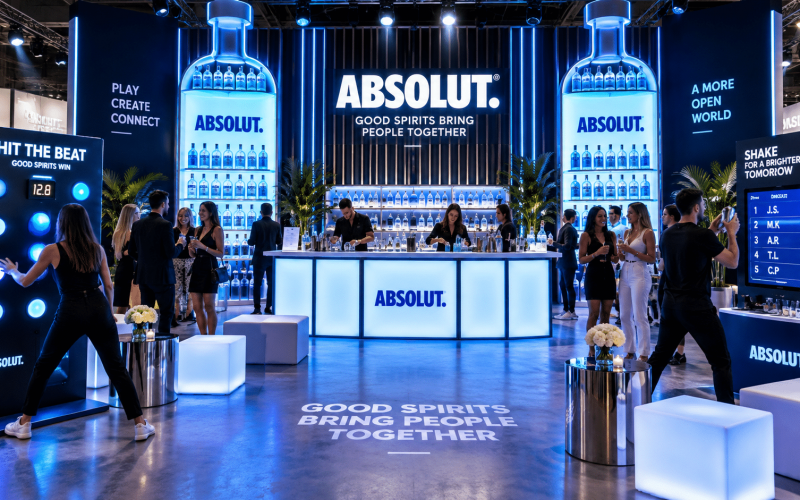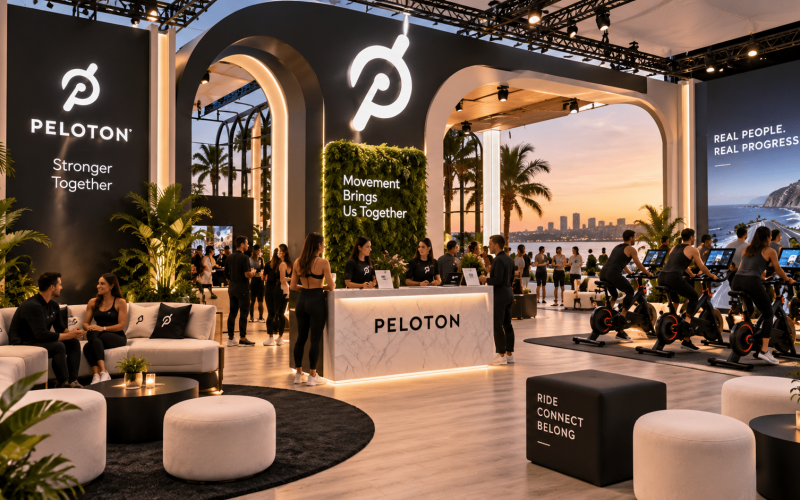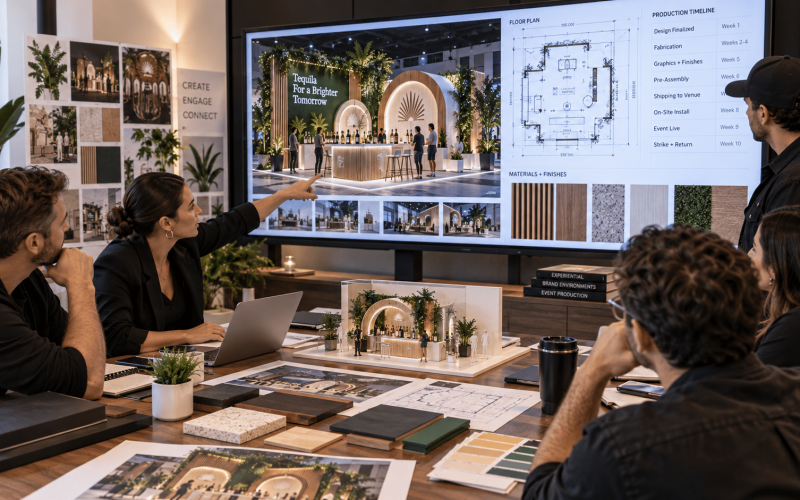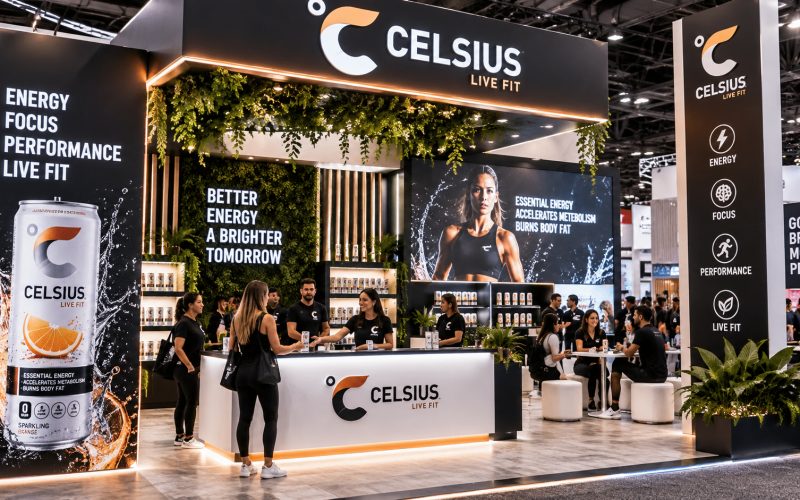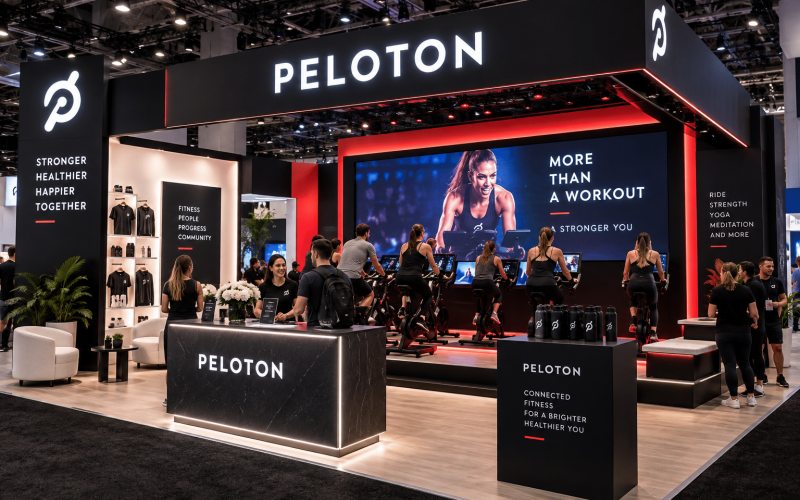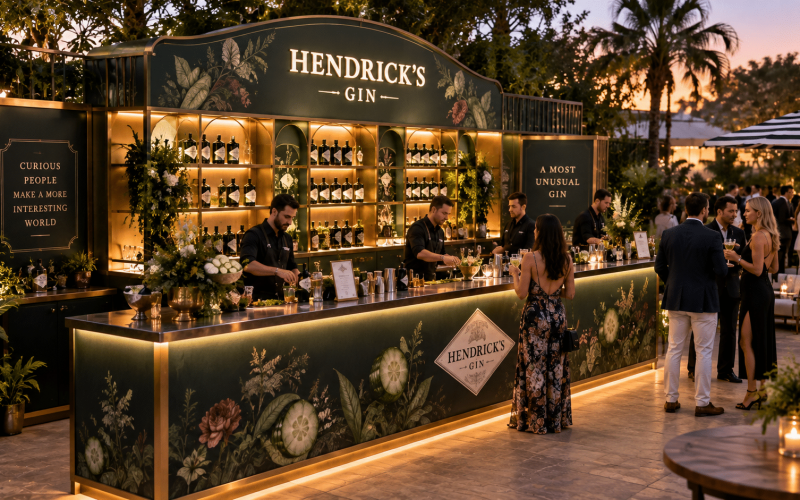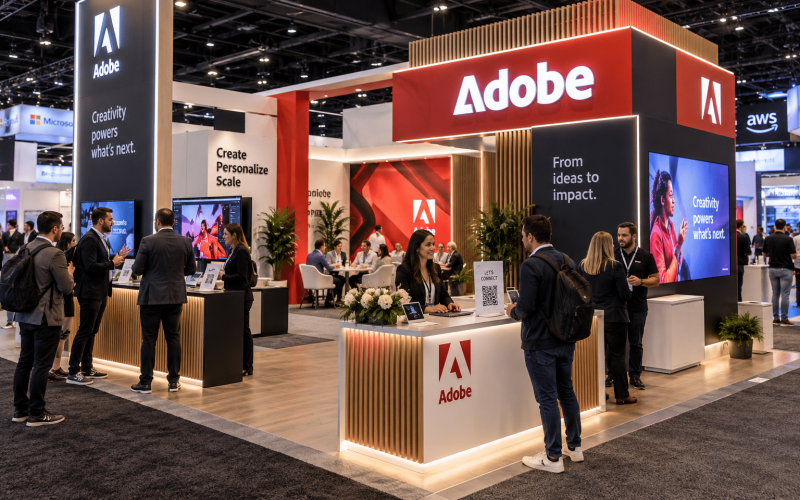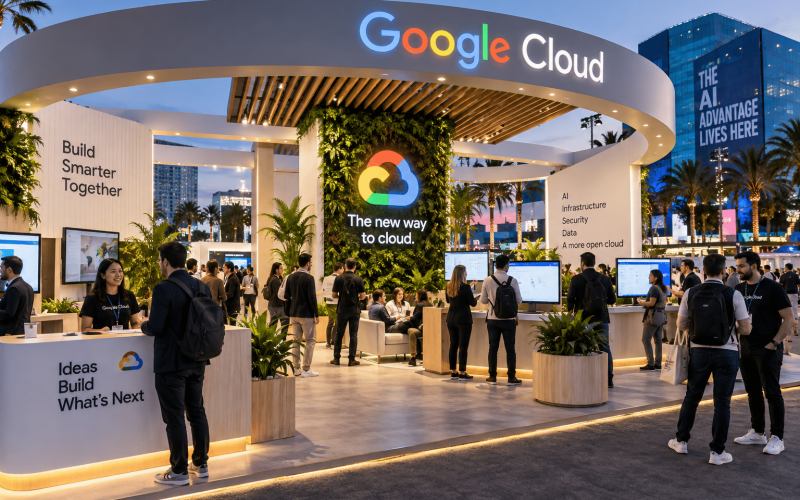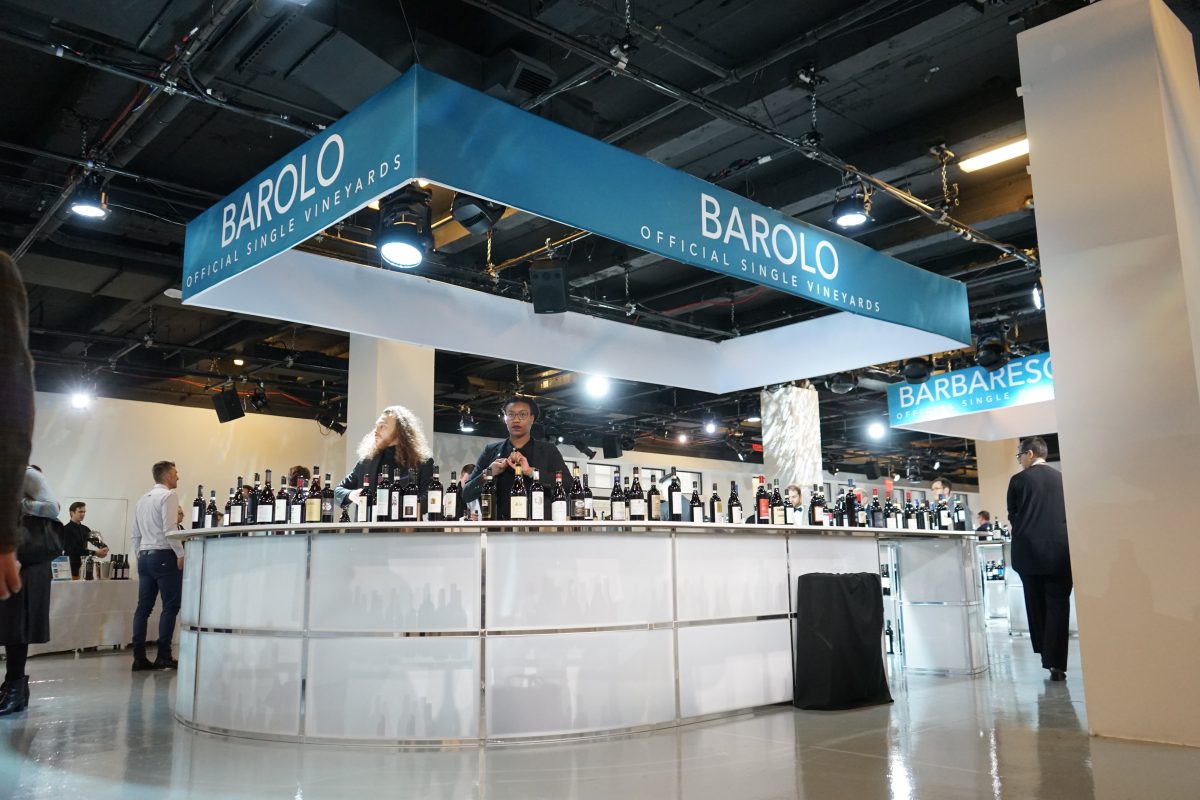
A strong booth can carry a lot of pressure. It has to stop traffic, reflect the brand accurately, support product messaging, and survive the realities of install, dismantle, shipping, and reuse. That is why choosing a trade show booth builder is less about finding a vendor and more about selecting a production partner that can execute under live-event conditions.
For marketing teams and agencies, the risk is rarely in the concept. The risk shows up in translation – when a promising design becomes too fragile, too expensive to ship, too slow to fabricate, or too complicated to install on site. The right builder closes that gap between idea and execution.
What a trade show booth builder actually does
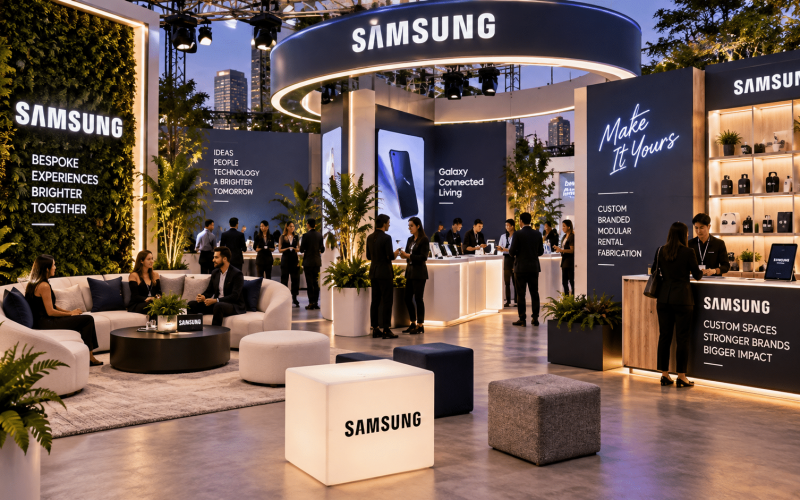
A trade show booth builder is responsible for turning a branded concept into a physical environment that works in the field. That can include custom fabrication, structural engineering, finishing, branded surfaces, integrated product displays, lighting, storage, interactive elements, packing strategy, and install considerations.
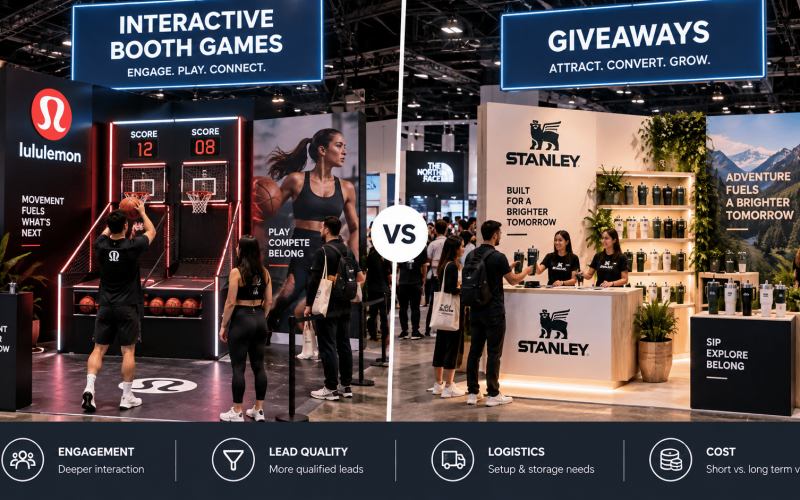
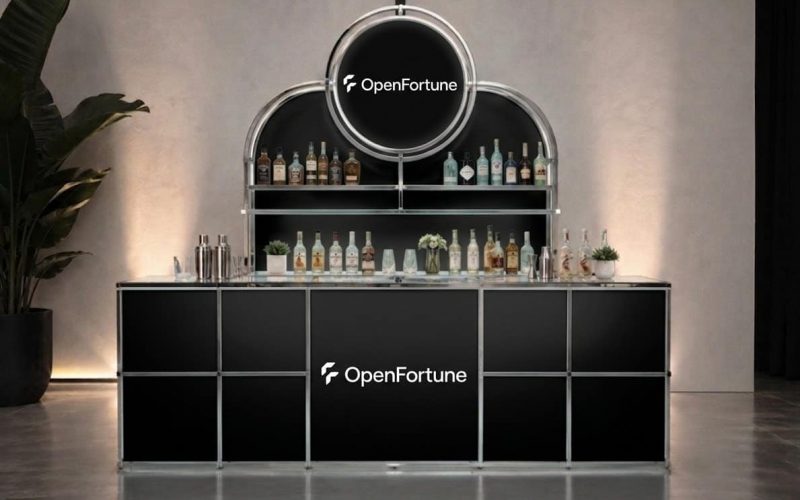
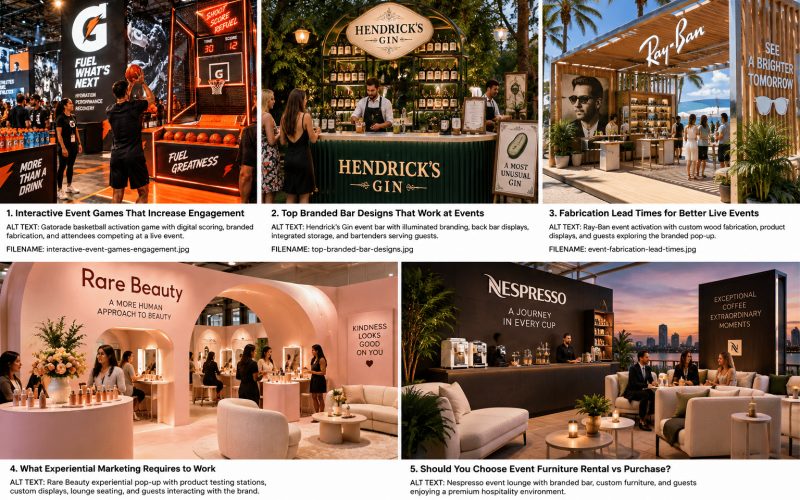
In practice, the scope varies. Some builders focus narrowly on booth construction. Others support a broader experiential program, which can matter if your exhibit needs custom furniture, branded games, activation components, or rentable pieces that extend the footprint without forcing a full custom build for every element.
That distinction matters because most trade show programs are not purely about square footage. They are about engagement, brand consistency, and operational control. A builder that understands experiential use cases will make different recommendations than one that only thinks in terms of walls and counters.
How to evaluate a trade show booth builder
The first thing to look at is fabrication capability. Many companies can coordinate a booth. Fewer can actually build one with quality control, material fluency, and production discipline. If custom elements are central to the design, in-house fabrication or tightly managed production oversight becomes a major advantage.
Ask practical questions early. What materials do they commonly build with? How do they approach finishes and durability? Can they fabricate branded structures, display fixtures, and interactive components as one cohesive package? If a booth includes multiple custom pieces, fragmented sourcing often creates the biggest problems – inconsistent finishes, missed dimensions, and avoidable delays.
You should also evaluate how they think about use beyond opening day. A booth that looks impressive in a rendering but breaks down poorly can create cost issues fast. Repack quality, modularity, repairability, and future reuse all affect the total value of the build.
Design intent versus field reality
A capable builder does not simply say yes to every visual request. They should be able to identify what will hold up on a show floor and what may need adjustment. That includes traffic flow, sight lines, code considerations, setup complexity, and shipping constraints.
This is where experience shows. A booth can be visually strong and still fail operationally if product demos bottleneck, storage is missing, monitor placement is awkward, or key branding gets blocked by attendees. Good builders catch those issues before production starts.
Timeline discipline matters more than promises
Trade show schedules compress quickly. Creative approvals run late, venue rules change, and shipping windows are not flexible. A reliable trade show booth builder should give you a clear production path, not just a delivery date.
Look for specificity. You want to understand drawing approvals, fabrication timing, finishing, crating, logistics coordination, and contingency planning. Fast turnaround is useful, but only if the process behind it is real. In event production, vague confidence is usually more dangerous than a conservative timeline.
Custom, modular, or hybrid build?
Not every booth needs to be fully custom, and not every modular solution supports the brand the way it should. The right answer depends on your event calendar, shipping strategy, budget, and how much visual differentiation matters in your category.
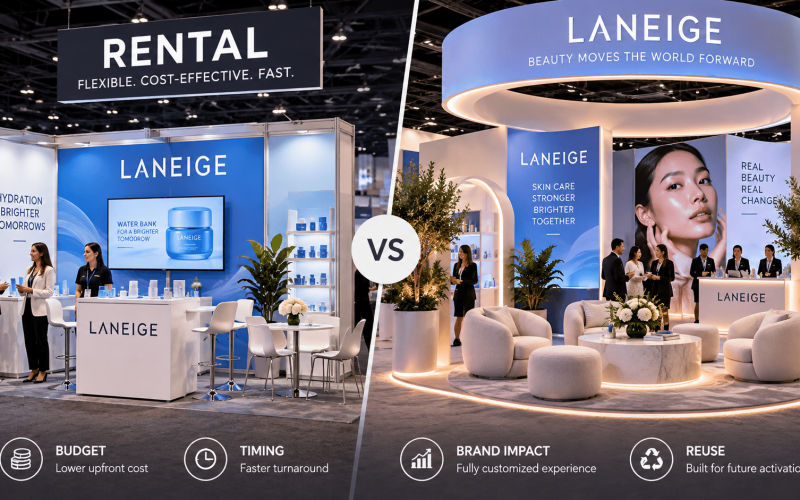
A custom build gives you the most control over brand expression, form, and interaction. It is often the best fit for launches, high-visibility industry shows, or programs where the environment itself is part of the campaign. The trade-off is cost, especially if the booth is designed for one limited use with little thought to reconfiguration.
A modular system can be more efficient for teams with repeat events, changing footprints, or internal pressure to maximize reuse. The risk is sameness. If the system is not adapted carefully, the booth can feel generic even when the graphics are strong.
For many brands, a hybrid approach works best. Core structural elements can be designed for reuse while high-impact branded features, product displays, or activation pieces are fabricated as custom components. That balance often protects budget without flattening the experience.
Fabrication quality is a brand issue
Booth quality is not just a production concern. It affects brand perception directly. Misaligned seams, weak finishes, unstable counters, poor lighting integration, and cheap-looking materials are all visible to attendees, clients, and internal stakeholders.
This is especially relevant for premium brands or agency-led programs where visual standards are high. If the booth is meant to communicate innovation, credibility, or attention to detail, the fabrication has to support that message. There is no separation between craftsmanship and marketing when the booth is the brand environment.
A builder with event-specific fabrication experience will also think about touchpoints that get ignored in static renderings. Edge conditions, laminate durability, surface cleanability, hidden access panels, cable management, and protected branding surfaces all affect how polished the booth feels in person.
Logistics should be part of the build conversation
A booth does not succeed because it was built well in a shop. It succeeds because it arrives correctly, installs efficiently, performs on site, and packs out without becoming a problem for the next event.
That is why logistics should be discussed before fabrication begins. Crating strategy, weight, piece count, assembly sequence, labor needs, and venue limitations all influence design decisions. If these issues are addressed too late, even a good-looking booth can become expensive to manage.
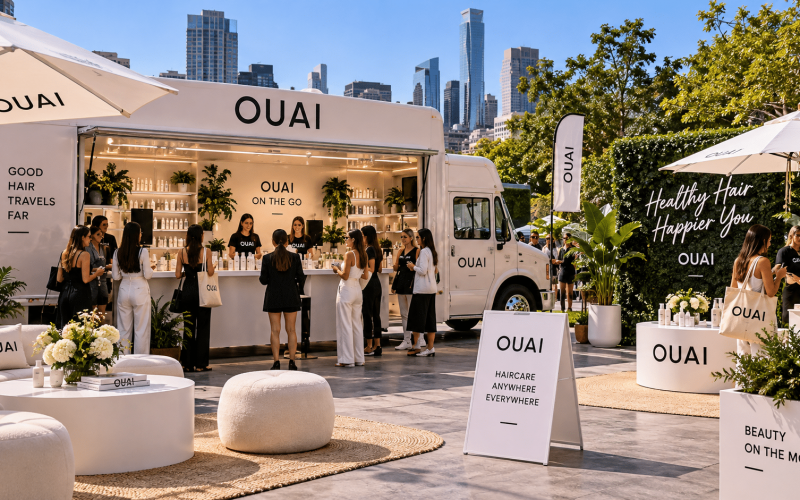
For brands exhibiting in multiple markets or managing roadshow-style programs, this becomes even more important. In some cases, combining custom-built assets with rental components is the smarter route. That can reduce shipping volume while keeping signature branded features intact. For teams activating in markets like New York, New Jersey, Boston, or Connecticut, regional rental support can also make execution more flexible when local event needs shift.
Questions worth asking before you commit
The best conversations with a booth builder are operational, not theoretical. Ask how they handle design revisions during production. Ask what happens if a finish is delayed or a component is damaged in transit. Ask whether they build with future events in mind or only the first installation.
You should also ask to see examples that reflect your actual needs. A beautiful booth portfolio is useful, but relevance matters more than variety. If your program includes product interaction, high attendee traffic, custom displays, or branded activation elements, look for proof that the builder has solved those exact problems before.
One more point often gets missed: ownership. You want to know who is managing the process from bid through build. A polished sales conversation means less if production details become fragmented once the project starts.
Why the right builder improves more than the booth
A reliable trade show booth builder improves internal workflow as much as show-floor results. Marketing teams get clearer production guidance. Agencies get a partner that can protect creative intent. Event managers get fewer surprises tied to logistics and install. Procurement gets a more realistic view of what drives cost and where value can be preserved.
That kind of partnership becomes more valuable over time. Once a builder understands your brand standards, event cadence, and operating constraints, projects move faster and with less friction. For organizations investing in recurring exhibits or broader experiential programs, that consistency has real commercial value.
Portadecor works in that space where custom fabrication, branded environments, and event execution need to align without guesswork. The goal is not simply to build a booth. It is to build an environment that performs the way the campaign needs it to.
If you are evaluating booth partners, the strongest choice is usually the one that can speak clearly about fabrication, logistics, and real-world use – not just aesthetics. A booth has one job on paper and another on the show floor. Choose the builder who understands both.