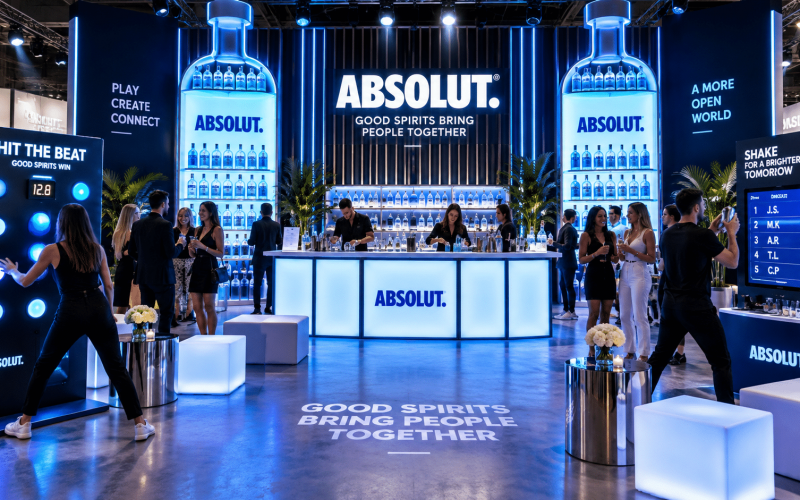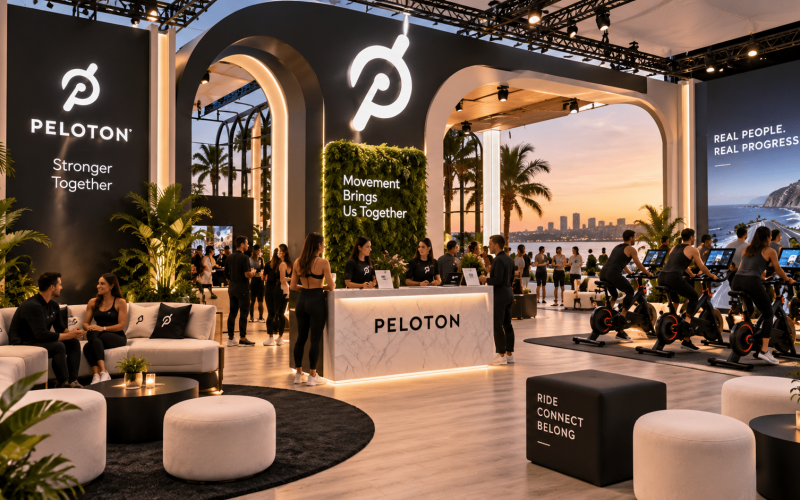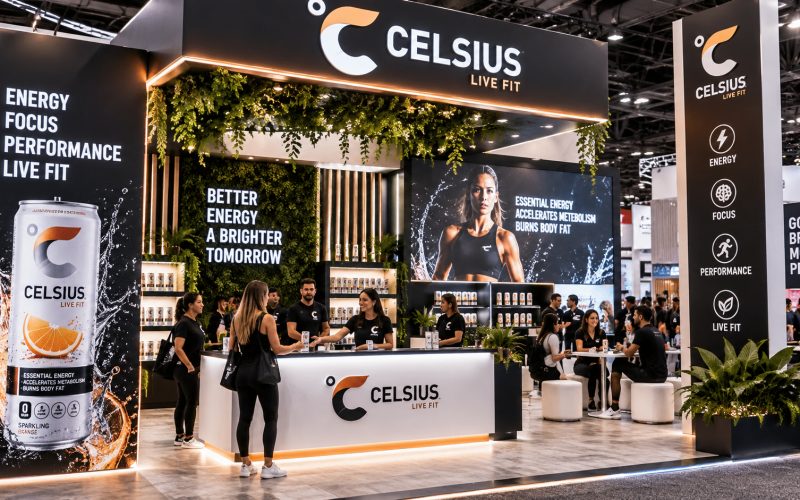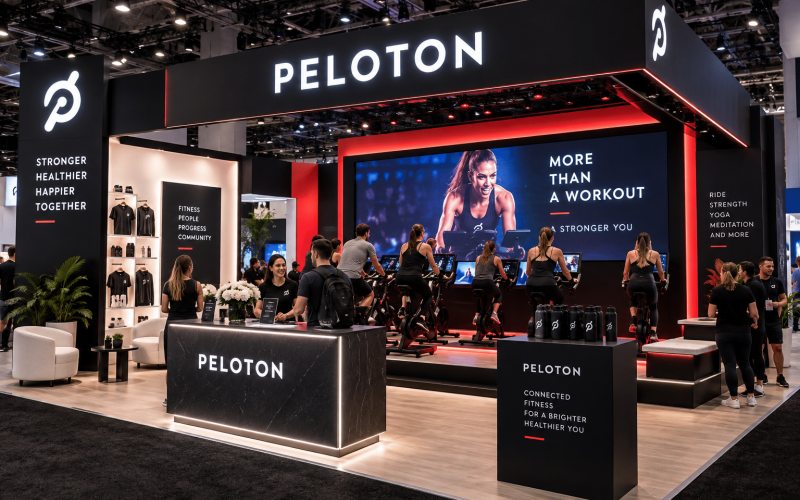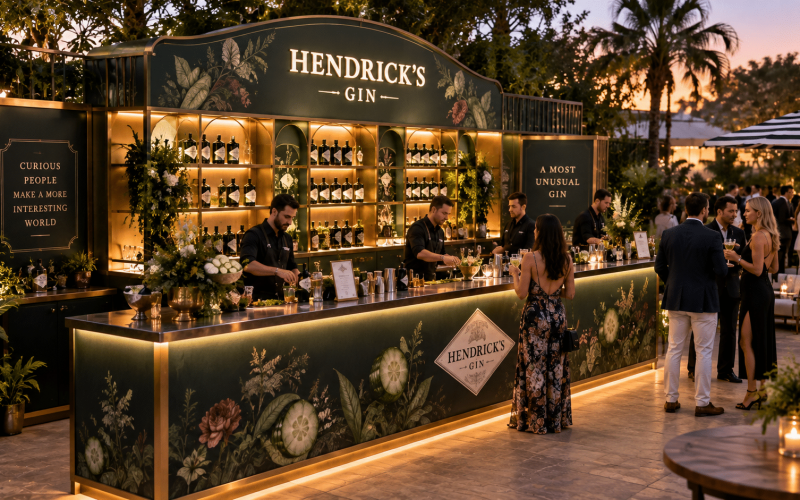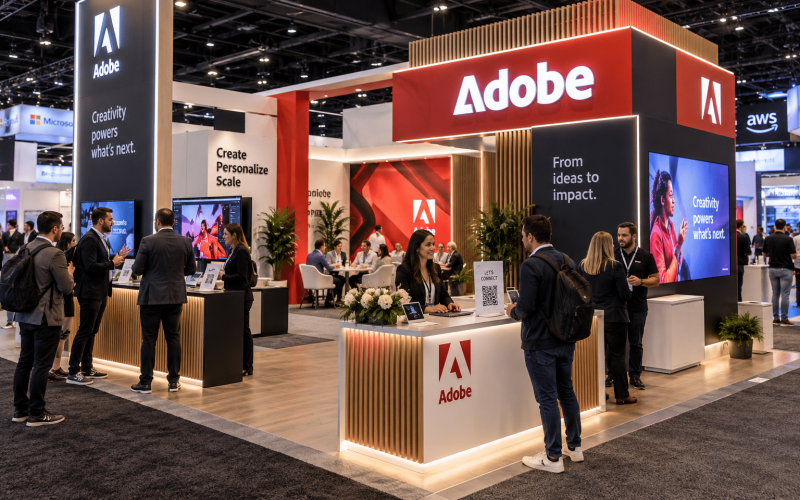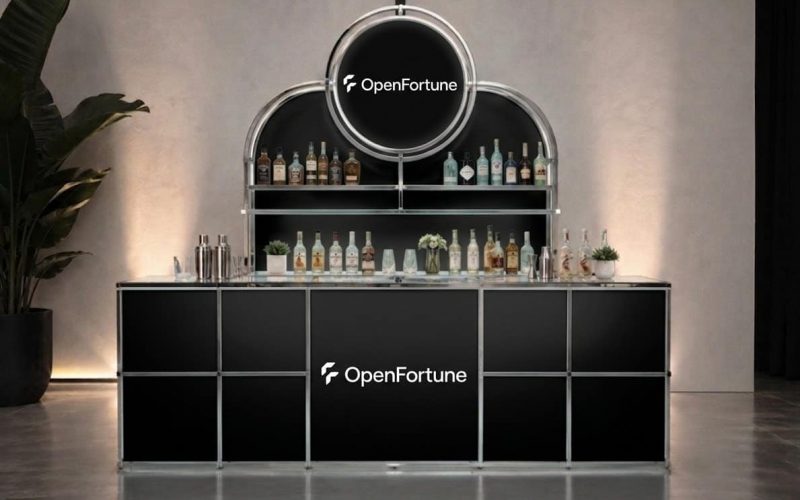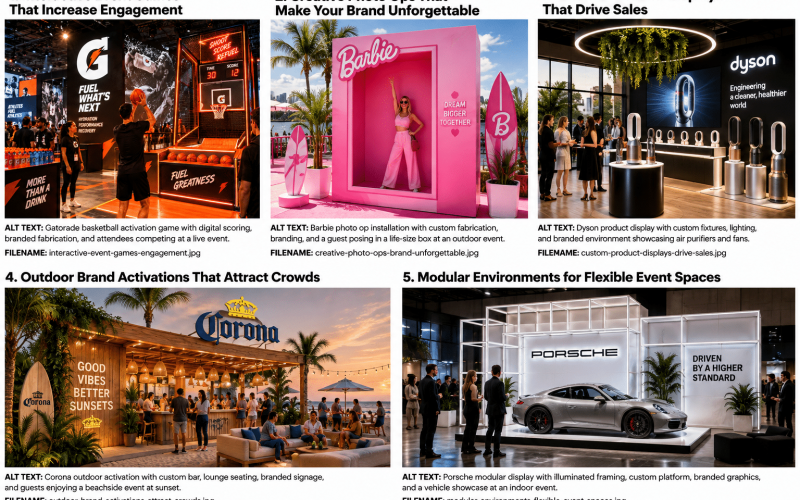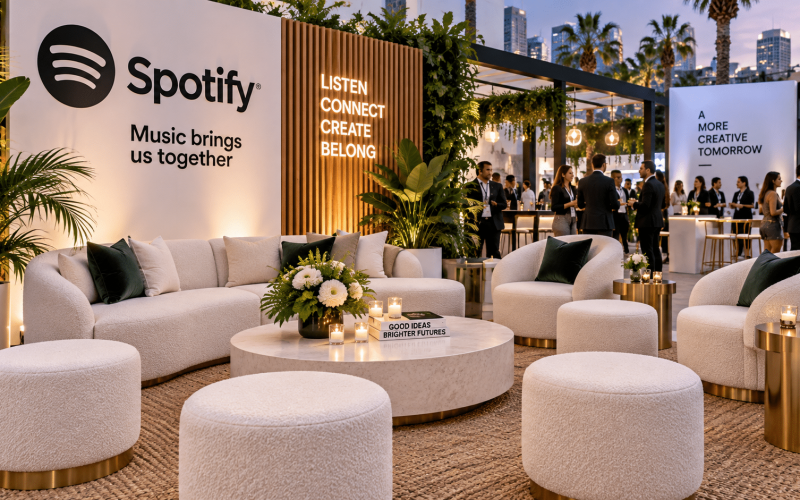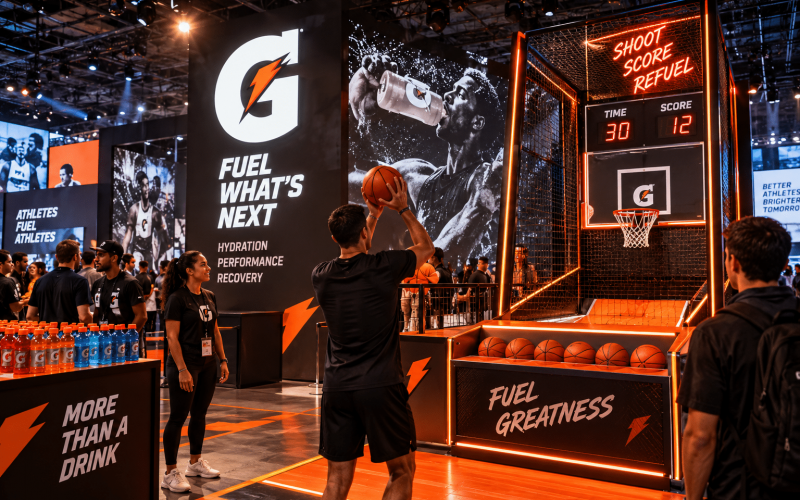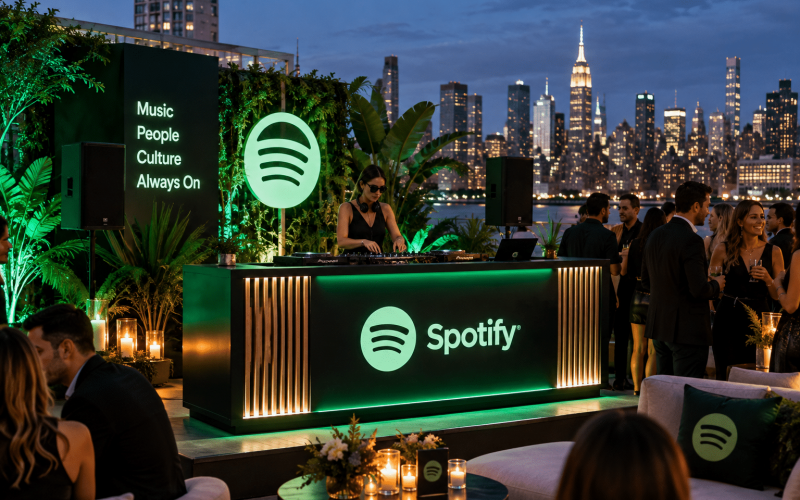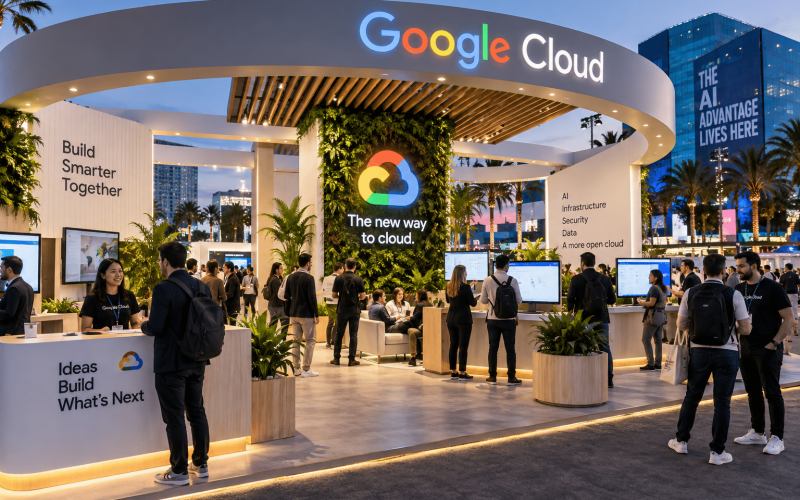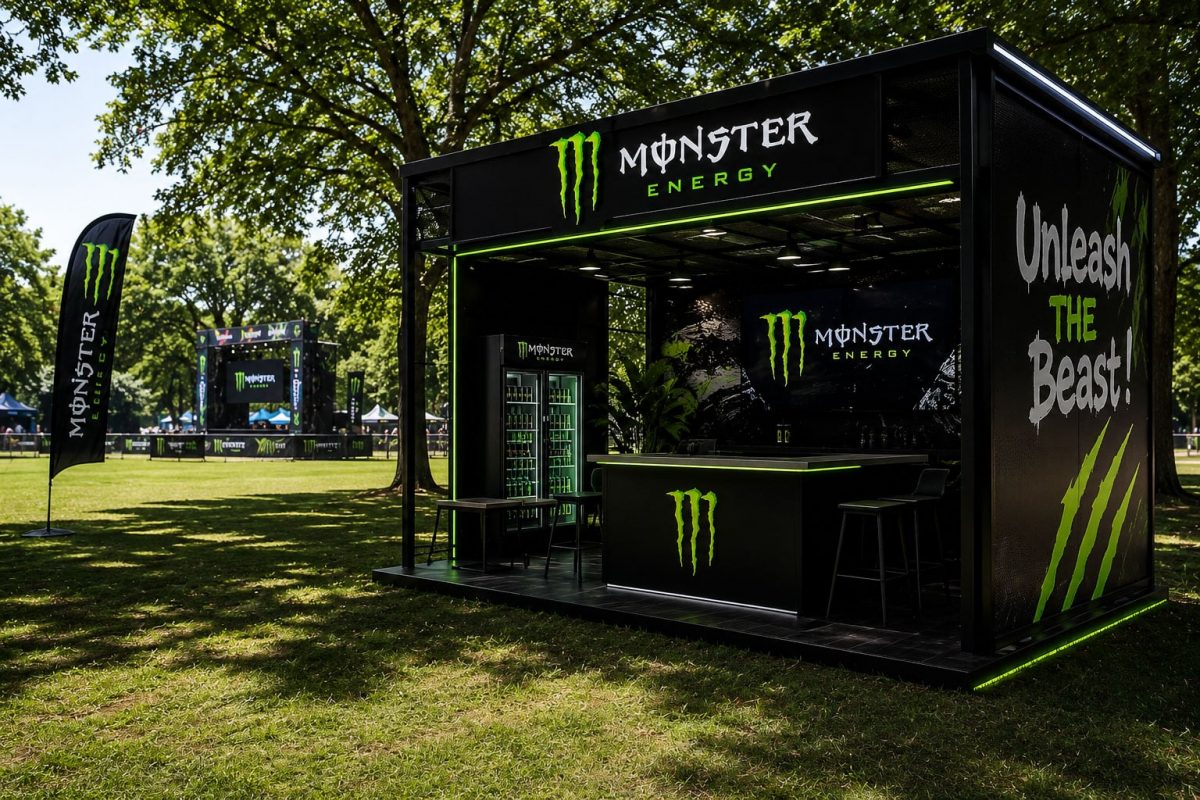
A crowded show floor makes one thing obvious fast: visibility is not the same as engagement. The brand activations that perform well are the ones that give people a reason to stop, interact, and remember what they experienced after the event ends.
For marketers, agencies, and event teams, that raises a practical question. What separates an activation that looks good in a rendering from one that works on-site, under real traffic, real timelines, and real production constraints? The answer usually comes down to the build. Creative matters, but the physical environment, the interaction design, and the execution details are what turn a concept into something people actually use.
What brand activations are really designed to do
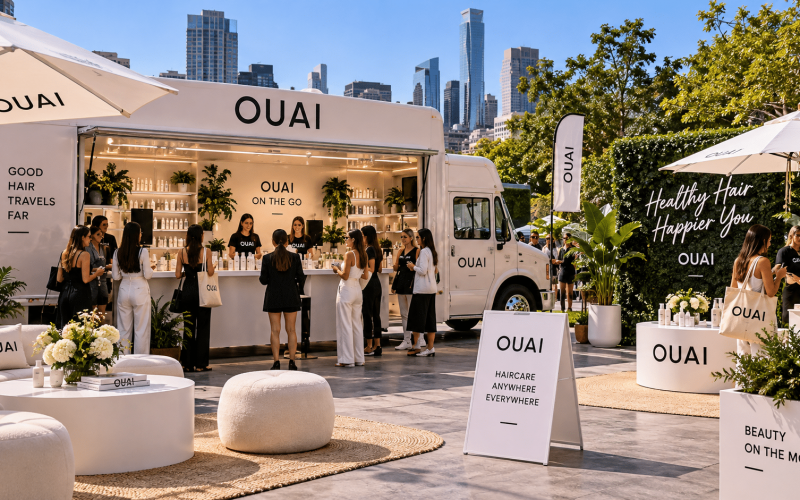
At a basic level, brand activations are live, physical experiences built to create direct audience engagement. That can happen at a trade show, a pop-up, a product launch, a retail event, a sponsorship footprint, or a mobile tour. The format changes, but the goal stays consistent: move people from passive awareness to active participation.
That participation can take different forms. Sometimes the objective is product trial. Sometimes it is content capture, lead generation, education, or social sharing. In other cases, it is about building recall through immersion. The strongest activations are clear about the priority, because every design and fabrication choice should support that outcome.
This is where many event programs get diluted. Teams try to make one footprint do everything at once – entertain, educate, collect leads, tell the full brand story, and support multiple stakeholders. In practice, that often creates clutter. A better approach is to define the primary action first, then build the environment around it.
Why the physical build matters in brand activations
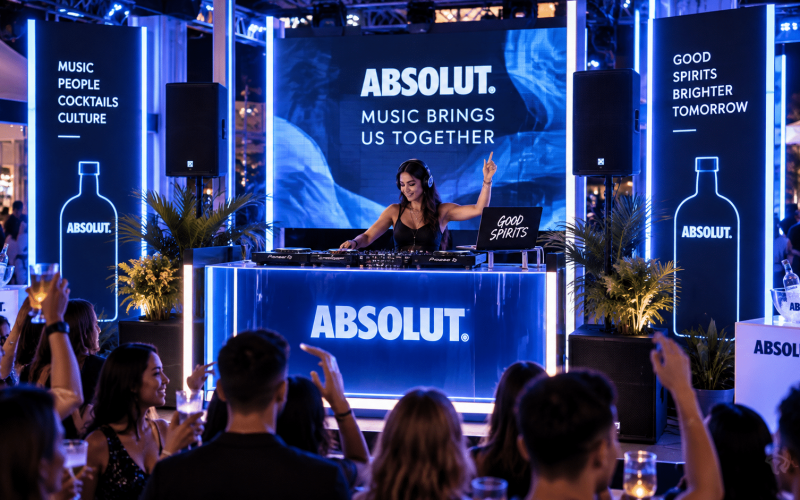
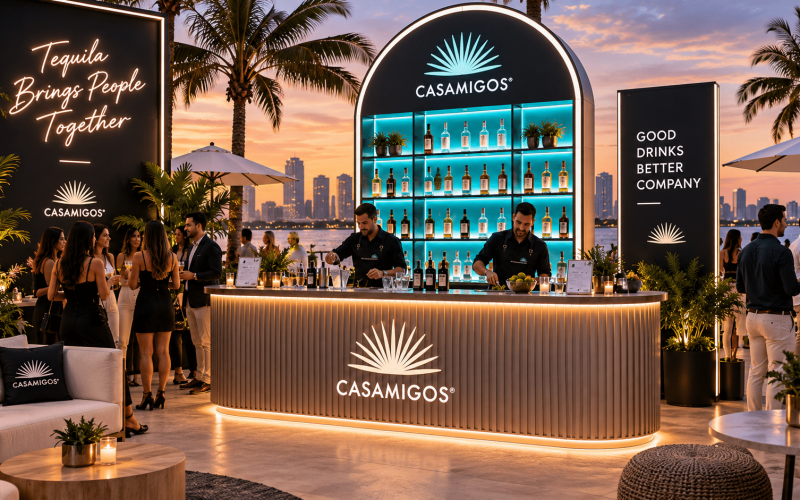
In experiential marketing, the environment is part of the message. A custom counter, a branded game element, a product display, a modular wall, or a fabricated scenic feature is not just decor. It shapes traffic flow, signals quality, and influences how long people stay.
That matters because attendees make decisions quickly. They read a space before they read a sign. If the footprint feels confusing, temporary in the wrong way, or disconnected from the brand, engagement drops. If it feels polished, intentional, and easy to enter, people are more likely to participate.
Fabrication also affects operational performance. A concept may look strong in a deck, but if it is difficult to ship, slow to install, fragile under repeated use, or impractical for venue rules, it becomes expensive fast. Good activation design accounts for both appearance and field conditions.
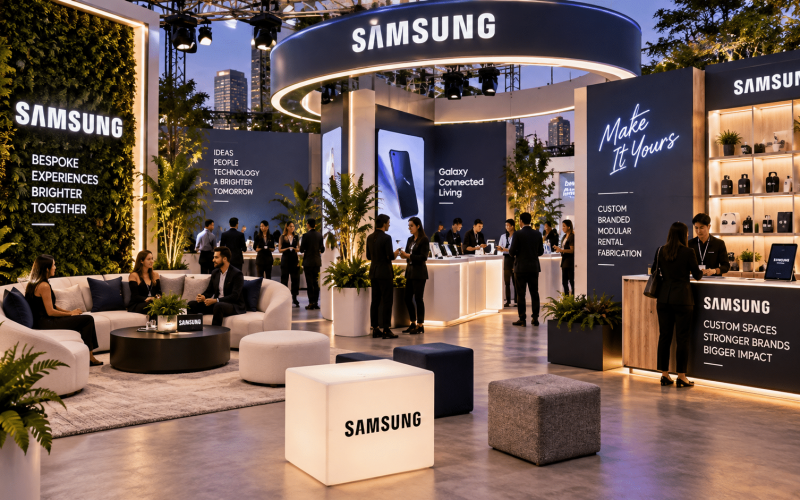
There is always a trade-off between custom impact and repeatability. A one-off hero build can create major presence, but modular assets often deliver better value across multiple markets or event cycles. The right answer depends on campaign goals, schedule, and budget. For brands with recurring experiential programs, reusable fabricated components usually provide more control and better long-term efficiency.
The strongest activation concepts are built around behavior
A successful activation is not just visually branded. It is behavior-led. It gives attendees something simple and compelling to do.
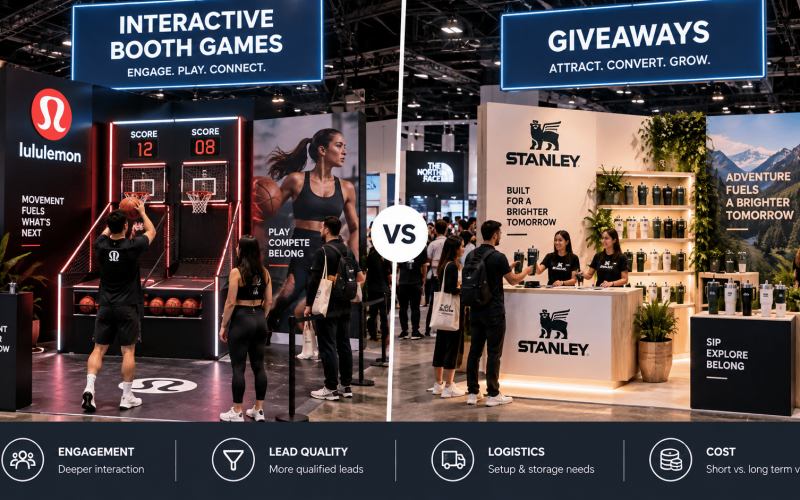
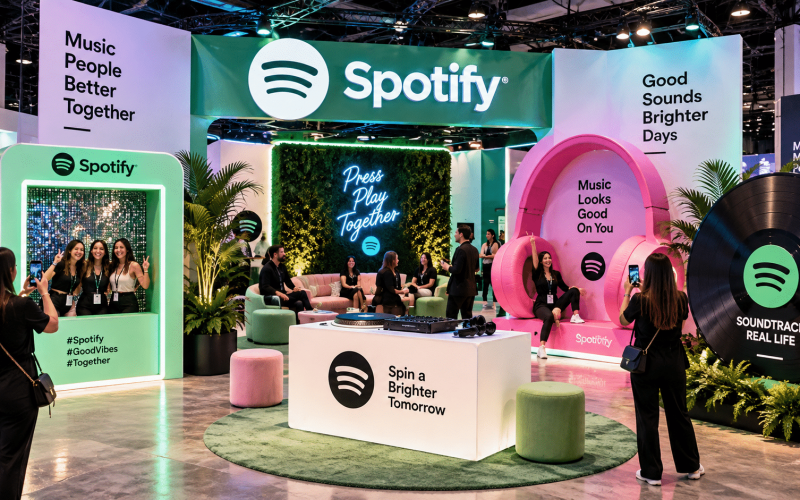
That action might be playing a branded game, testing a product, stepping into an immersive photo moment, interacting with a touchscreen, or moving through a guided demo. The format matters less than the clarity of the interaction. If people understand it within a few seconds, staff can engage faster and throughput improves.
This is especially important at trade shows and high-traffic events. Long explanations slow down participation. So does overbuilt storytelling that asks attendees to process too much before acting. Clear interactions, visible rewards, and intuitive layouts consistently outperform concepts that require heavy interpretation.
That does not mean every activation should be simplified to a giveaway mechanic. For some brands, especially in B2B categories, depth matters. A more consultative product experience can be the right choice when the audience is qualified and the sales cycle is complex. The point is alignment. A fast consumer sampling moment and a technical enterprise demo should not be built the same way.
What to build into a high-performing activation
The physical components of brand activations should support three things at the same time: attraction, participation, and execution. If one is missing, performance usually suffers.
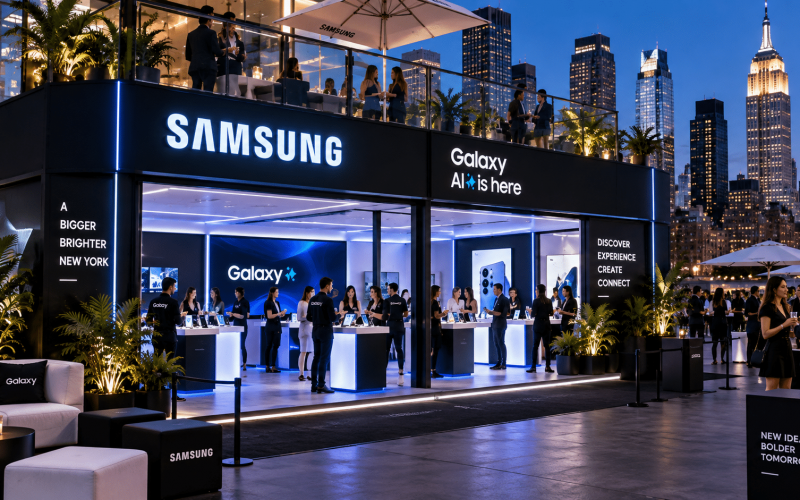
Attraction starts with structure, scale, branding, and sightlines. People need to notice the footprint from a distance and understand, at a glance, that something is happening there. Custom fabrication helps create that presence through dimensional branding, elevated scenic elements, display architecture, and interactive features that feel purpose-built rather than pieced together.
Participation depends on layout and touchpoints. Attendees need a clear point of entry, enough space to engage without congestion, and a focal activity that is easy to understand. This is where custom counters, demo stations, game units, display plinths, and branded furniture do real work. They organize the experience physically and help staff manage flow.
Execution comes down to the less glamorous details that determine whether the idea holds up in the field. Can the pieces be packed efficiently? Are materials appropriate for the venue and duration? Does the build allow for quick setup, safe power management, and clean branding from every key angle? Production quality is often what protects the concept once the event goes live.
Common reasons brand activations underperform
Most underperforming activations do not fail because the idea was weak. They fail because the experience was not translated into a practical build strategy.
One common issue is overdesign. The footprint tries to include too many surfaces, messages, and interactions, leaving no clear focal point. Another is underestimating physical wear. Interactive elements get touched constantly, furniture gets moved, and scenic components take abuse during shipping and install. If the assets are not built for that reality, the event starts looking tired early.
Timing is another factor. Fabrication, approvals, graphics, logistics, and venue requirements all affect delivery. Compressed schedules are common in this industry, but they narrow options. Late-stage redesigns often force compromises in materials, finishes, or functionality.
There is also the issue of mismatch between concept and audience. A flashy game mechanic may attract traffic but produce low-value conversations if the target is a narrow B2B buyer. On the other hand, an activation that is too static may not pull enough people in to create momentum. Performance depends on fitting the interaction to the business objective, not just creating movement.
How to plan brand activations with fewer production problems
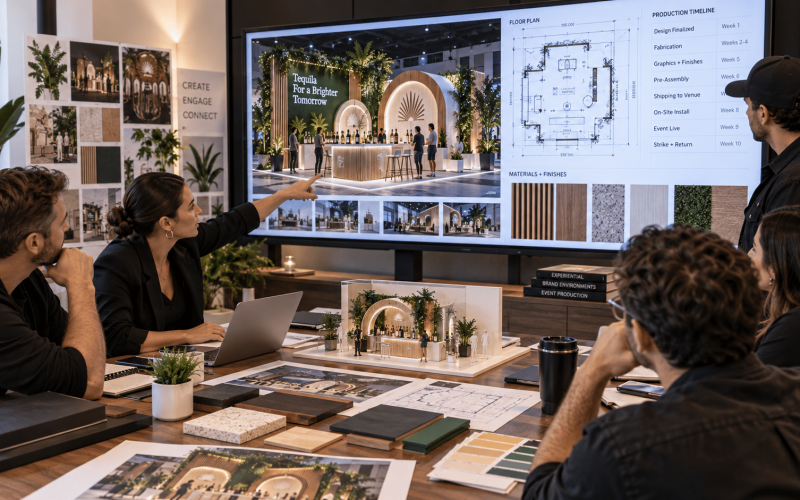
The most efficient activations are planned backward from the real-world event environment. That means starting with footprint size, venue rules, traffic expectations, setup window, staffing model, and campaign lifespan before finalizing the physical build.
That process usually improves creative decisions, not limits them. When teams know what the space needs to do, they can invest in the elements that matter most. Maybe that means a custom centerpiece with rentable support pieces around it. Maybe it means designing modular branded assets that can flex between a trade show booth and a pop-up. Maybe it means simplifying the scenic package so the interaction itself can carry the experience.
This is where a fabrication-first partner adds value. The goal is not just to manufacture what is drawn. It is to identify what should be custom, what can be modular, what needs to be durable, and what will create the strongest result within the timeline.
For nationwide activation programs, that planning becomes even more important. Reusability, crate strategy, install consistency, and replacement planning can affect total campaign cost as much as the initial build.
Custom, rental, or hybrid? It depends on the program
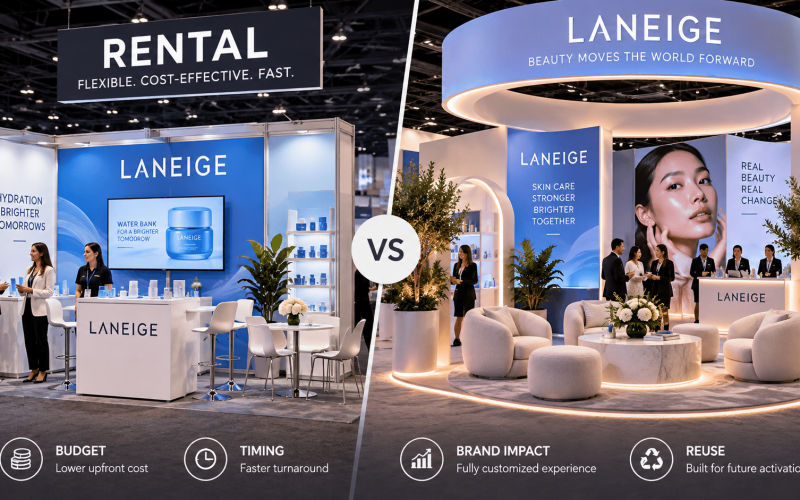
Not every activation needs to be fully custom fabricated. For some event teams, a hybrid model makes more sense. A campaign may require custom branded hero pieces paired with rental furniture or standard support components. That can reduce cost and lead time without sacrificing presence where it counts.
The decision usually comes down to frequency, uniqueness, and brand standards. If the activation is highly specific, visually distinctive, or built around a custom interaction, fabrication is often the right investment. If the need is shorter-term or regional, incorporating rentals can improve flexibility. In markets like New York City, New Jersey, Boston, and Connecticut, rental-supported event execution can be especially useful when speed and logistics are major factors.
The key is cohesion. Audiences should not be able to tell which elements are custom and which are rental because the environment should read as one branded experience.
What brands should expect from an activation partner
A strong activation partner should do more than produce assets. They should help pressure-test the concept against budget, schedule, and on-site use. That includes reviewing materials, finishes, interaction points, packing logic, and installation requirements before production starts.
They should also understand that event environments are unforgiving. Assets need to photograph well, hold up physically, and support brand consistency in person. For experiential teams, reliability is part of the creative outcome.
Portadecor works in that space as a fabrication and event products partner focused on turning activation concepts into built environments that are ready for real event conditions. That kind of support matters when expectations are high and there is little room for rework.
The best brand activations do not just fill space or create a backdrop for photos. They give your audience a clear experience with your brand – one that feels intentional, well built, and worth their time. When the physical execution matches the strategy, the event works harder long after the footprint comes down.