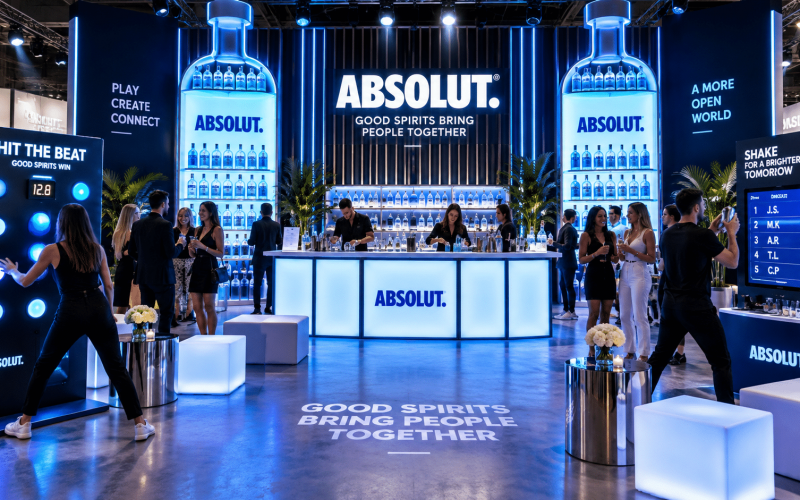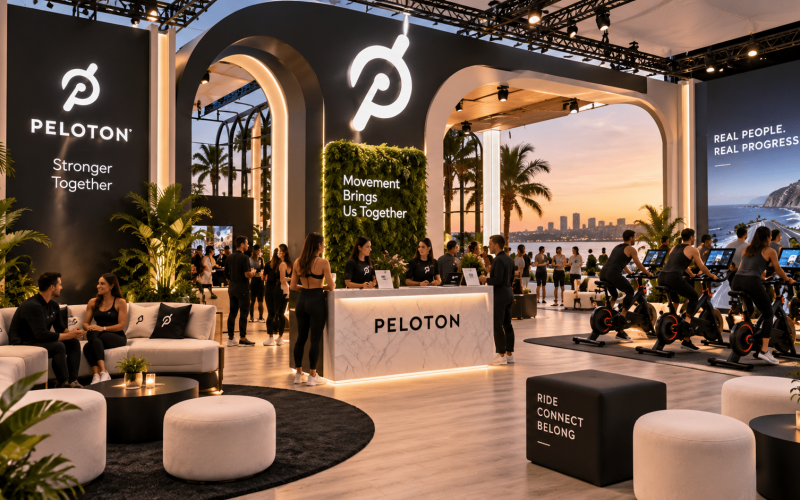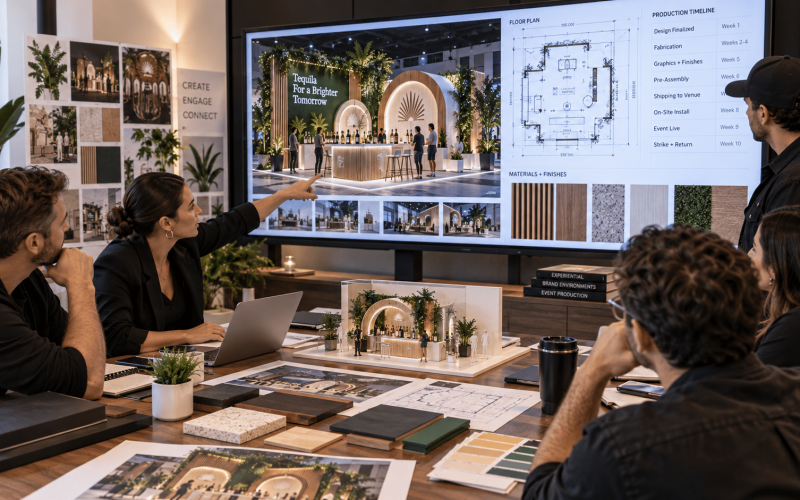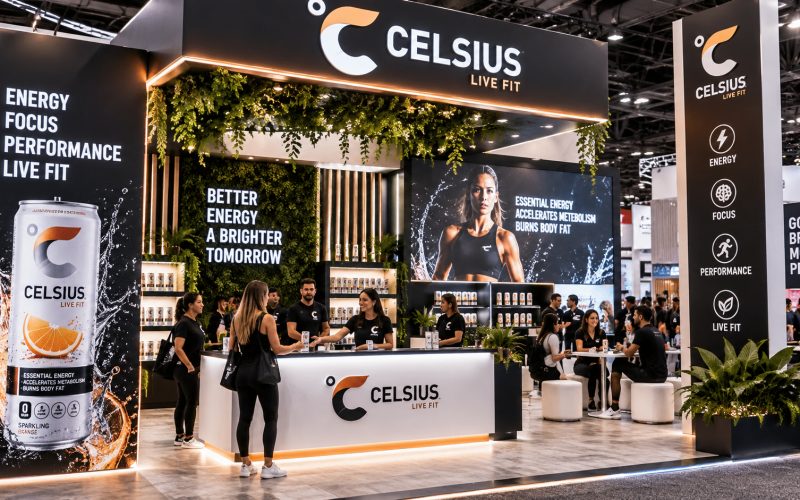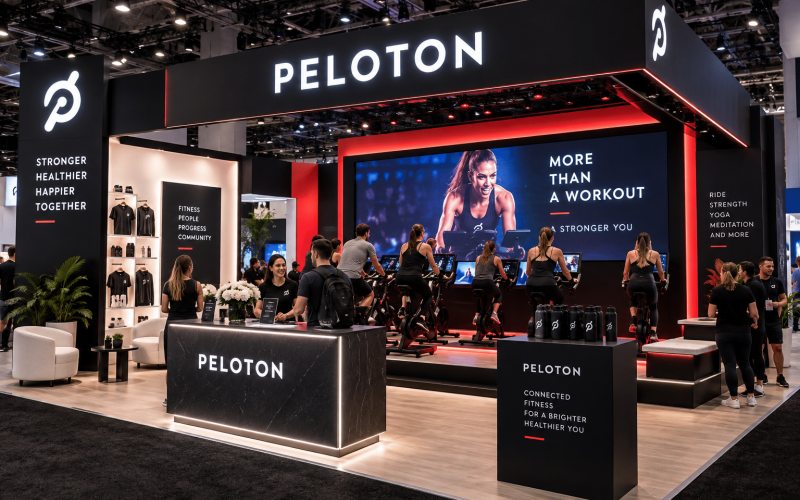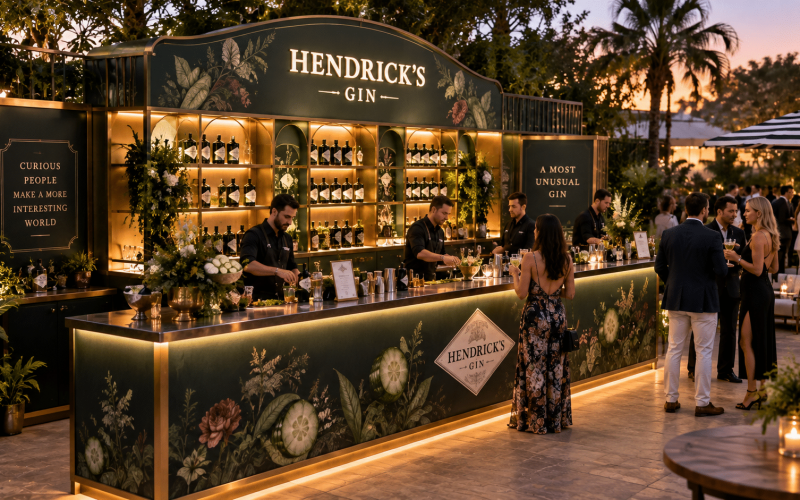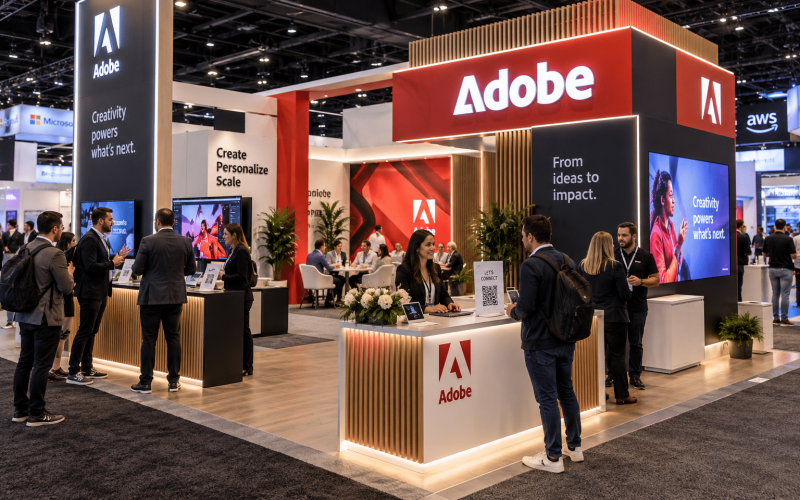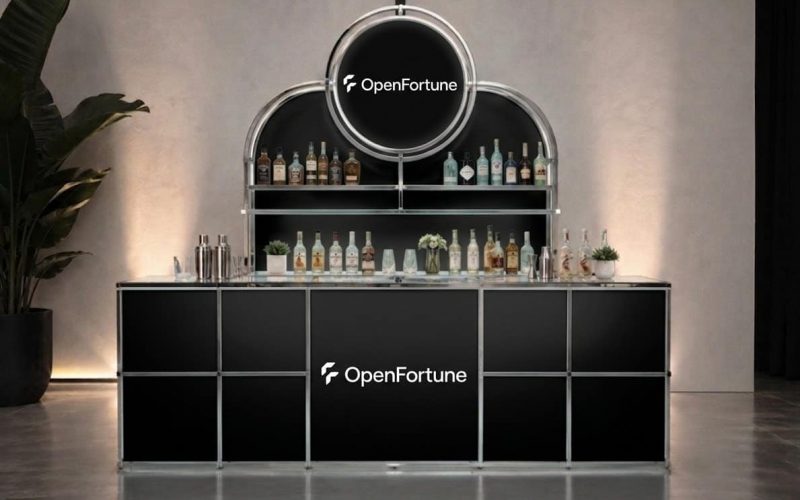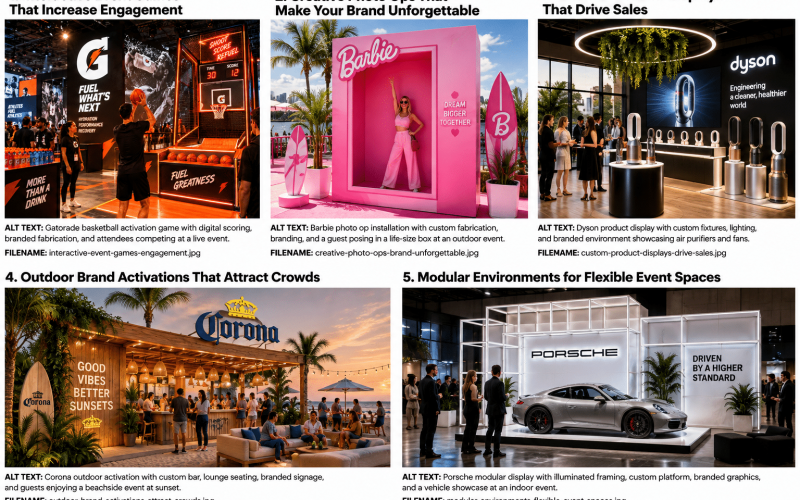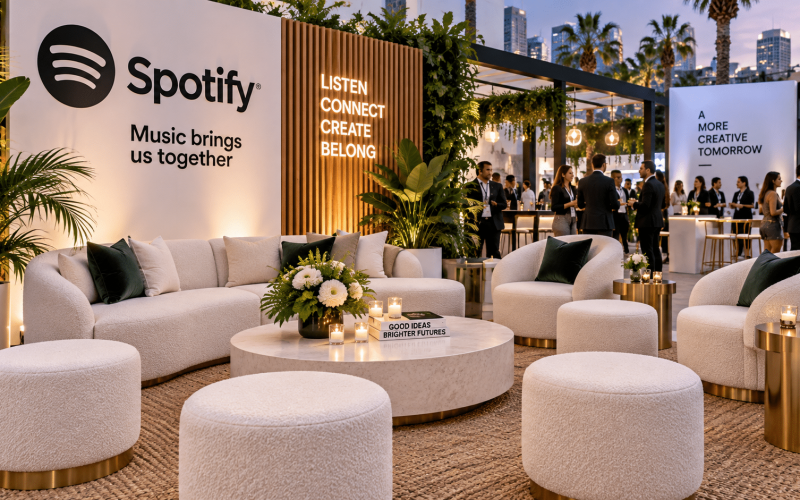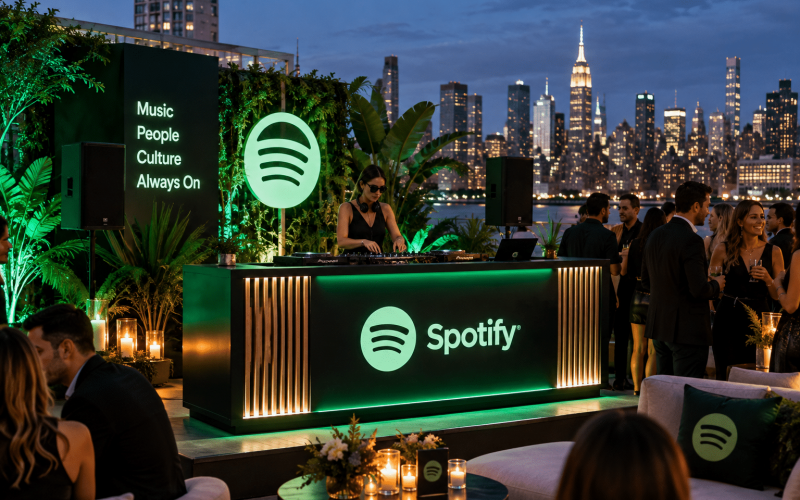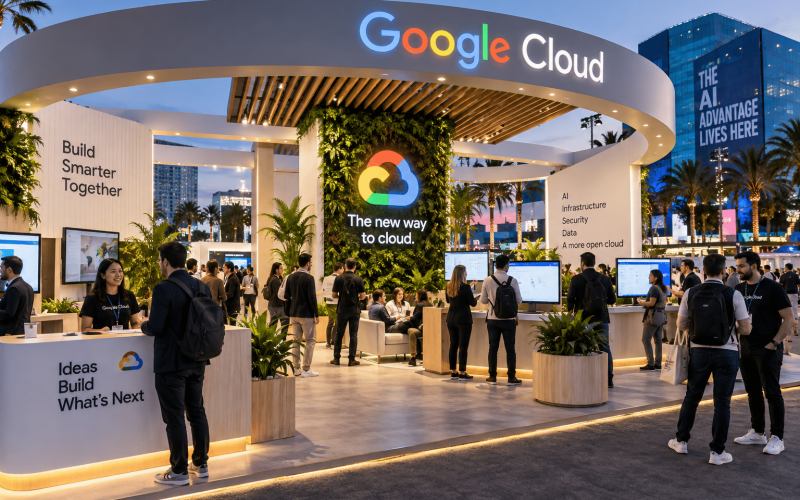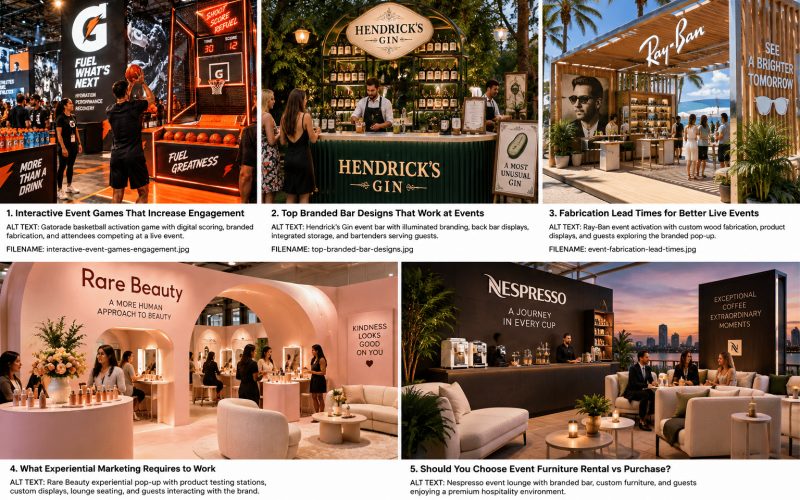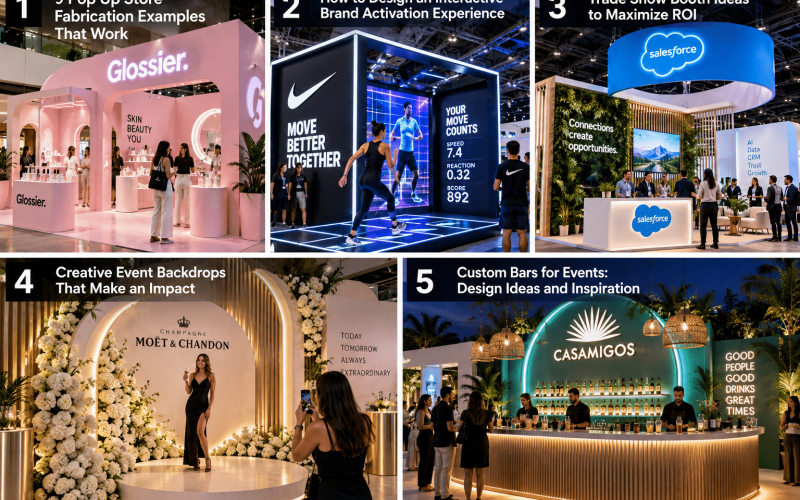
A crowded expo floor exposes weak concepts fast. The best trade show booth ideas are not the ones with the most screens, the tallest walls, or the biggest budget. They are the ideas that stop the right attendee, communicate the brand in seconds, and support the way people actually move, ask questions, and buy.
For brand marketers, trade show managers, and agency teams, that distinction matters. A booth is not just a display. It is a physical sales environment, a brand experience, and an operational system that has to perform under pressure. Good ideas look strong in renderings. The right ideas still work after freight, install, staffing, and three days of foot traffic.
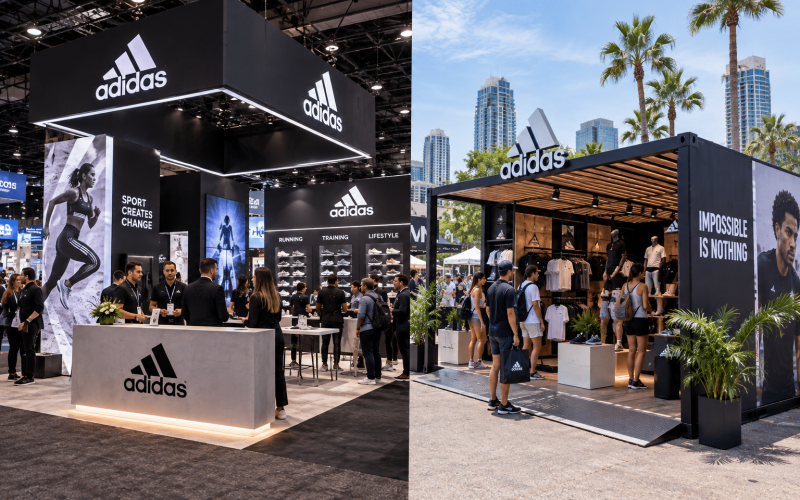
What makes the best trade show booth ideas effective
The strongest booths usually do three things well. They create visual clarity from a distance, give attendees a reason to step in, and support meaningful conversations once people arrive. If one of those pieces is missing, the booth can still look expensive without producing much value.
This is where many teams overbuild the wrong elements. A dramatic structure can attract attention, but if the messaging is unclear or the layout creates bottlenecks, traffic drops off. On the other hand, a simpler footprint with smart fabrication, strong product positioning, and one memorable interaction often outperforms a more complex build.
The best approach depends on your goal. A product launch booth needs a different layout than a lead-generation booth. A brand awareness activation may prioritize shareable moments, while a B2B sales team may need private meeting space and controlled messaging. Booth ideas only work when they match the event objective.
15 best trade show booth ideas for real event performance
1. Build around one core message
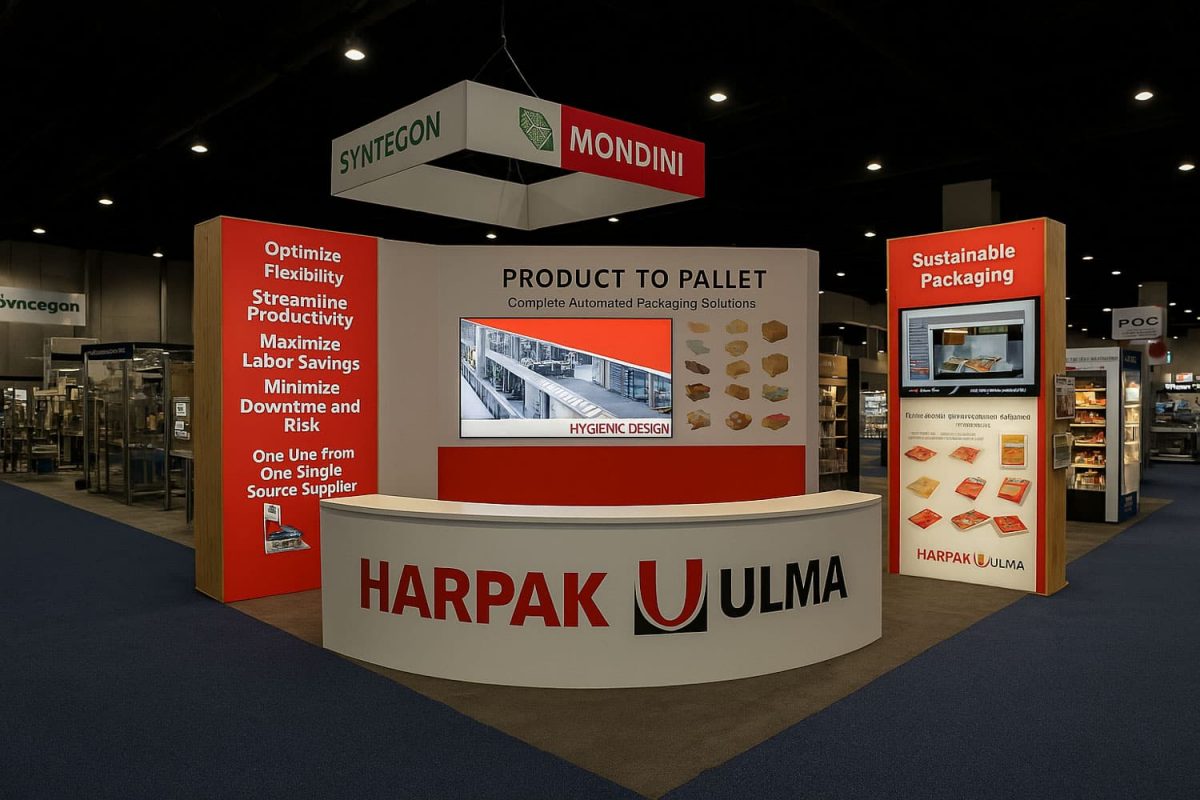
If attendees cannot tell what your company does within a few seconds, the booth is already underperforming. One clear message, supported by concise graphics and disciplined branding, usually beats a wall full of competing claims.
This does not mean the booth has to feel minimal. It means every physical element should reinforce the same story. When fabrication, signage, color, and product placement all point in one direction, the booth becomes easier to understand and easier to remember.
2. Use height strategically, not just dramatically
Tall structures matter because visibility matters. On a busy show floor, overhead branding can pull attention from multiple aisles away. But height should serve wayfinding and recognition, not just spectacle.
If upper structure adds weight, cost, and install complexity without improving readability, it may not be the best use of budget. Clean hanging signs, dimensional logos, and elevated branded elements often do more than oversized architecture with no clear function.
3. Create an open front entry
A booth that feels closed off loses traffic before staff can engage. Open corners, wider entrances, and lower front-facing elements make the space feel more accessible. That simple shift can increase dwell time because attendees do not feel like they are interrupting a private conversation.
This is especially useful for brands that need volume. If your team wants more scans, more demos, or more first-touch interactions, openness usually helps. If your objective is high-value meetings, a more controlled threshold may be worth the trade-off.
4. Design a hands-on product zone
People remember what they can touch, test, or compare. A dedicated product interaction area helps move visitors from passive viewing to active engagement. That can be as straightforward as a countertop demo station or as custom as a fabricated display tailored to how the product is used.
The key is functionality. If the demo area creates a crowd but blocks the rest of the booth, it needs adjustment. Product zones should invite participation without choking circulation.
5. Use custom fabrication to make the brand physical
Some of the best trade show booth ideas come from turning a brand concept into a built environment. Custom counters, branded architectural elements, dimensional logos, and material choices can make a booth feel owned rather than assembled from generic parts.
That does not always require a fully custom exhibit. Even selective custom fabrication can shift perception. A standard framework paired with custom-facing elements, branded furniture, or one signature centerpiece can create a more distinct presence while keeping the program practical.
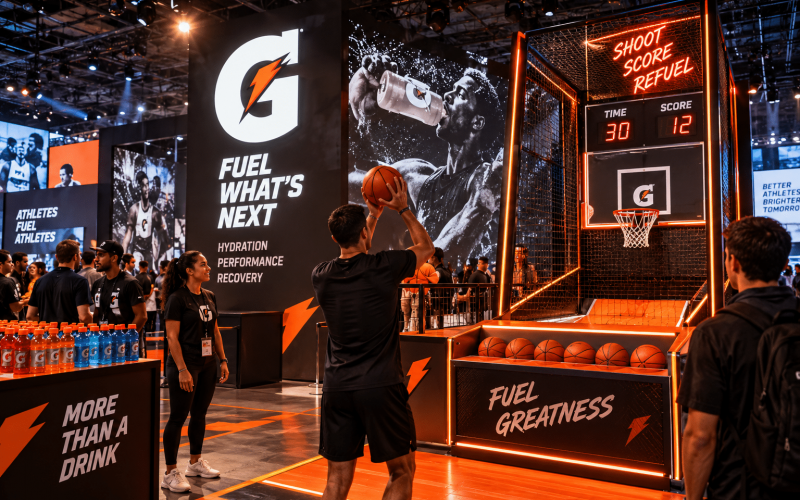
6. Add one interactive element with a clear purpose
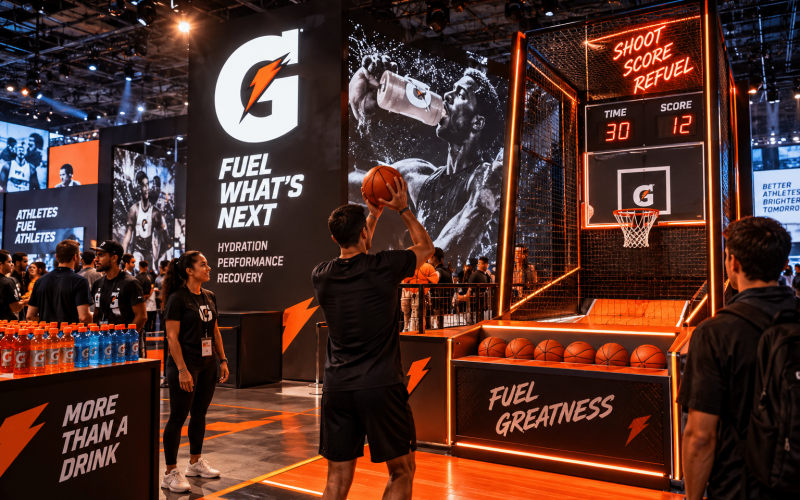
Interactivity works when it supports the sales or brand goal. A game, touchscreen, product configurator, live challenge, or prize mechanic can draw attention, but only if it makes sense for the audience and the message.
The mistake is adding interaction for its own sake. If the activity generates a line of people who never speak with staff or learn anything useful, it becomes floor theater rather than event marketing. The best interactive elements create a natural handoff into a conversation.
7. Use lighting to direct attention
Lighting is often treated as a finishing touch when it should be part of the booth strategy from the start. Focused lighting can pull attention to featured products, create contrast in a crowded hall, and improve how materials and colors read in person.
It also helps shape mood. A premium technology brand may want crisp, controlled lighting, while a lifestyle activation may benefit from warmer tones. Either way, lighting should support visibility and brand alignment, not just decoration.
8. Incorporate branded storage from the beginning
Operational reality affects presentation. Bags, literature, giveaways, staff supplies, and personal items all need a place to go. If storage is not built into the booth, clutter appears quickly and weakens the brand impression.
Integrated cabinetry, hidden compartments, and back-of-house planning keep the public-facing space clean. It is one of the less glamorous booth ideas, but it has direct impact on execution quality.
9. Create a quick-stop conversation point
Not every attendee is ready for a full demo. A front-edge counter, sampling station, or simple branded touchpoint gives people an easy reason to pause. That pause is often enough for staff to qualify interest and guide the next step.
This is especially effective at high-traffic shows where people move fast. A low-commitment engagement point can capture more opportunities than forcing every interaction into the same formal sales flow.
10. Give your team a real meeting space
For B2B exhibitors, serious conversations rarely happen well in the middle of open traffic. Even a small semi-private area with the right furniture and acoustics can improve conversation quality, especially for pricing, partnerships, or product detail.
The trade-off is footprint. Meeting space reduces open demo area, so it only makes sense when the event goal supports deeper discussions. For many exhibitors, though, this is where the actual value of the show is created.
11. Make the booth shareable without chasing gimmicks
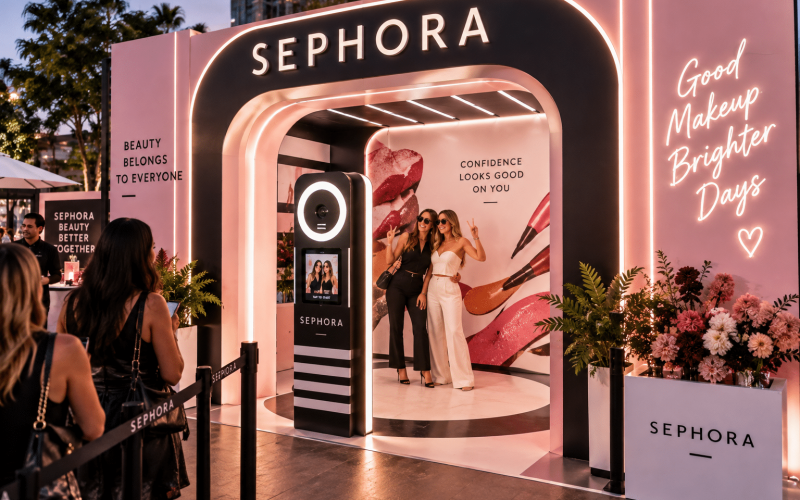
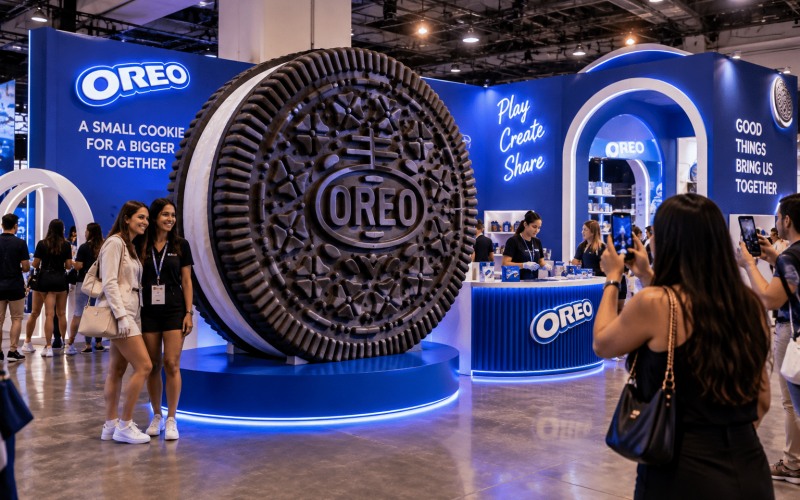
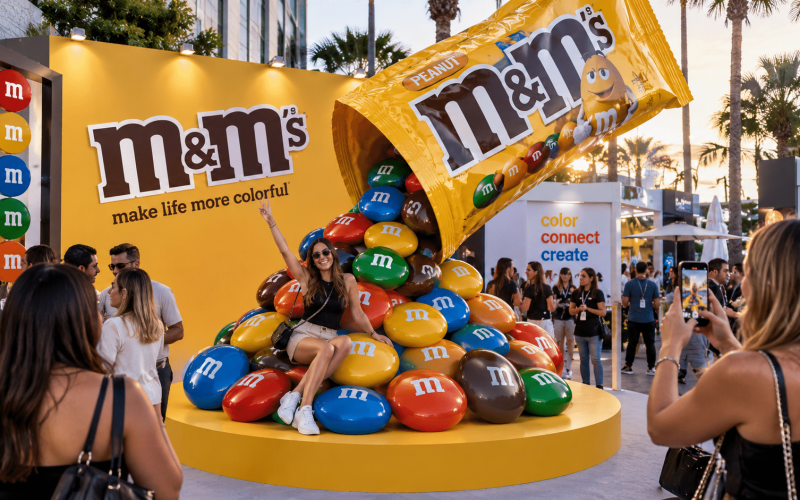
Attendees still respond to booths that photograph well, but the standard has changed. A shareable booth is not just a neon sign and a hashtag wall. It is a space with a clear visual focal point, strong brand cues, and enough design discipline that photos look intentional.
If social sharing matters, build one moment worth capturing. That could be a sculptural brand element, a clever product display, or an immersive background tied directly to the campaign. The point is relevance, not novelty for novelty’s sake.
12. Use modular elements for multi-show flexibility
Some of the best trade show booth ideas are not tied to one event. Modular components allow a booth program to adapt across different footprints, audience types, and budgets. That matters for brands managing multiple shows throughout the year.
Flexibility can come from reconfigurable walls, counters, display towers, and branded furniture that can be reused in different layouts. A well-planned modular system often reduces long-term cost without forcing the brand into a generic presentation.
13. Integrate rentals where they make sense
Not every component needs to be custom built. Rentals can be the smart choice for event furniture, select display pieces, and support elements that do not need to be permanently owned. This approach helps allocate budget toward the parts of the booth that truly define the brand experience.
For teams exhibiting in New York, New Jersey, Boston, or Connecticut, regional rental support can also simplify logistics and speed. The right mix of custom fabrication and rental inventory often creates a more efficient program than an all-or-nothing approach.
14. Plan the staff experience as carefully as the attendee experience
A booth can look excellent and still fail if the staff has nowhere to stand, no clear demo sequence, and poor sightlines. Booth planning should account for where people greet, where they stage materials, and how they move between conversations.
This is where practical fabrication decisions matter. Counter height, monitor placement, power access, and traffic lanes all affect how well the team can perform on show day. Good design supports behavior. It does not fight it.
15. Design for setup, durability, and reset
Ideas that work in concept still need to survive production and live use. Materials, assembly method, packing logic, and surface durability all matter. A beautiful finish that scratches during install or a feature wall that takes too long to assemble can create avoidable problems.
Experienced exhibitors know this is not a minor detail. Execution quality is part of the idea. The booth should look strong at opening and still look strong at the end of the show.
How to choose the right booth idea for your brand
The best trade show booth ideas are rarely the most elaborate. They are the most aligned. Start with the event objective, then work backward through audience behavior, product story, booth size, staffing plan, and production timeline.
If the goal is lead generation, prioritize open flow, clear messaging, and quick engagement points. If the goal is launching a new product, make the product zone the centerpiece. If the show is about relationship-building, protect space for conversations. Once that strategy is defined, fabrication and design decisions become easier and more effective.
At Portadecor, that is typically where the real value gets created – not by chasing trends, but by building branded environments that are practical to produce, strong on the floor, and designed to support measurable event outcomes.
The booth does not need to do everything. It needs to do the right few things exceptionally well.