If your 2026 booth plan still starts with square footage and a backdrop, you are already behind. Trade show booth trends 2026 are being shaped by a different question: how does the environment perform once attendees step in, interact, and move on? For brand teams and agencies, the shift is practical. Booths are being judged less by static appearance and more by how efficiently they create traffic, support engagement, and extend campaign value beyond the show floor.
What trade show booth trends 2026 are really signaling
The biggest change is not one visual style replacing another. It is the move from one-off booth design toward systems thinking. Brands want environments that can travel, adapt, and support multiple objectives without starting from scratch every time. That affects fabrication choices, content planning, storage strategy, and staffing flow.
This matters because event budgets are under pressure even when expectations are rising. Marketing teams still need impact, but they also need reuse, speed, and cleaner execution. The booths that stand out in 2026 will usually be the ones built around operational logic as much as creative ambition.
1. Modular custom builds are replacing fully single-use environments
Custom still matters. In fact, highly branded environments remain a clear advantage when a company needs authority, visibility, and a distinct physical presence. What is changing is how custom gets built. More brands are asking for modular fabrication that can be reconfigured across different footprints, shows, and activation formats.
That means walls, counters, product displays, overhead features, and engagement stations are being designed as reusable components rather than fixed one-show assets. A 20×20 can become a 10×20. A trade show booth can also support a roadshow or product launch with the right planning.
There is a trade-off here. True modularity requires discipline early in the design and fabrication process. If every element is treated as a custom exception, reuse disappears fast. But when modular strategy is built in from the start, brands gain more control over cost per use and setup efficiency without giving up presence.
2. Booths are being designed around behavior, not just branding
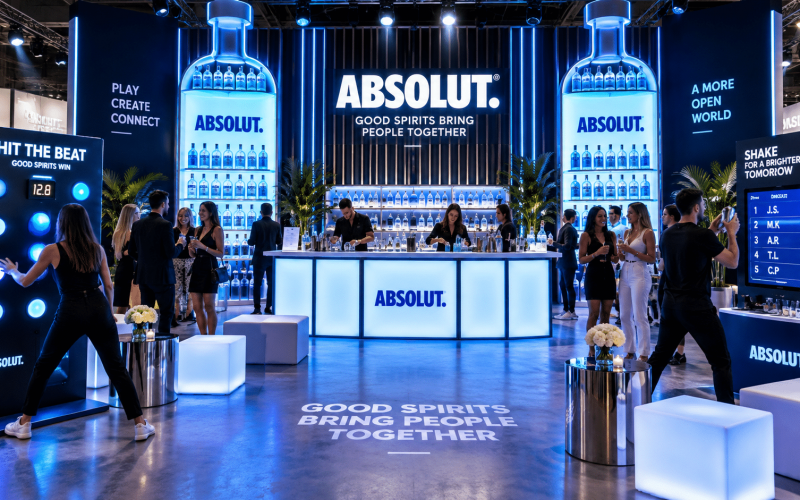
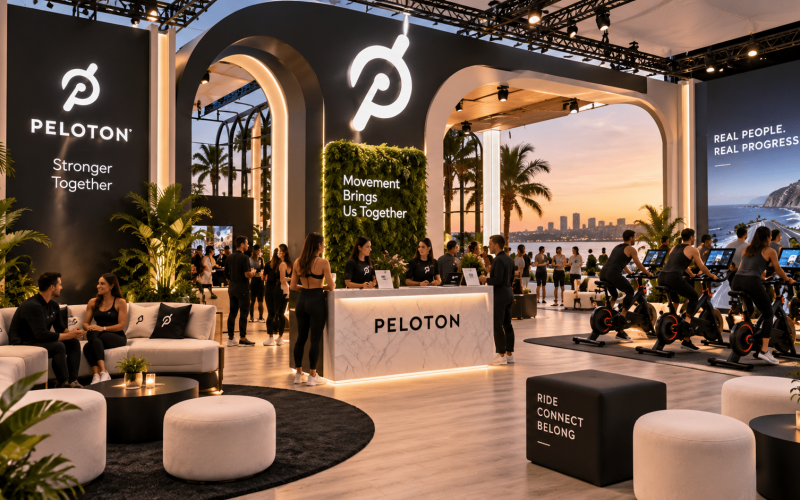
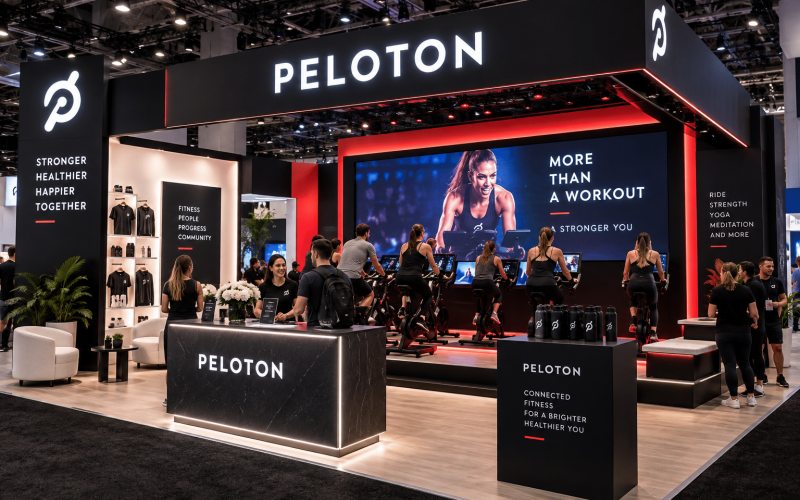
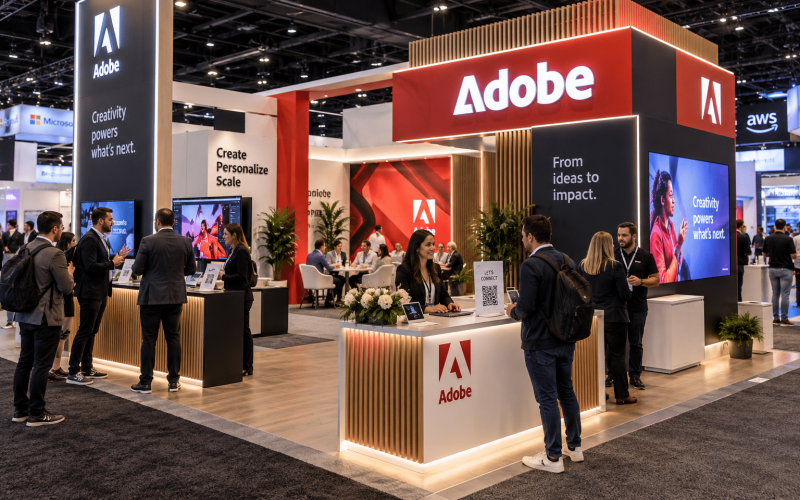
A booth can be visually strong and still underperform if people do not know where to go, what to touch, or how to engage. One of the clearest trade show booth trends 2026 is the rise of behavior-based layout planning. This means circulation, dwell points, product interaction, demo visibility, and staff positioning are becoming core design decisions.
In practice, that often leads to cleaner entrances, fewer physical barriers, and more intentional zoning. Instead of filling space with branded surfaces, brands are creating areas with a job to do. One zone captures attention. Another supports product demonstration. Another facilitates short conversations or lead capture.
This shift is especially relevant for brands with complex offerings. If the product needs explanation, the environment has to help simplify the story. Good booth design now works like a live interface. It reduces friction and guides the attendee without making the experience feel scripted.
3. Interactive elements are becoming more selective and more measurable
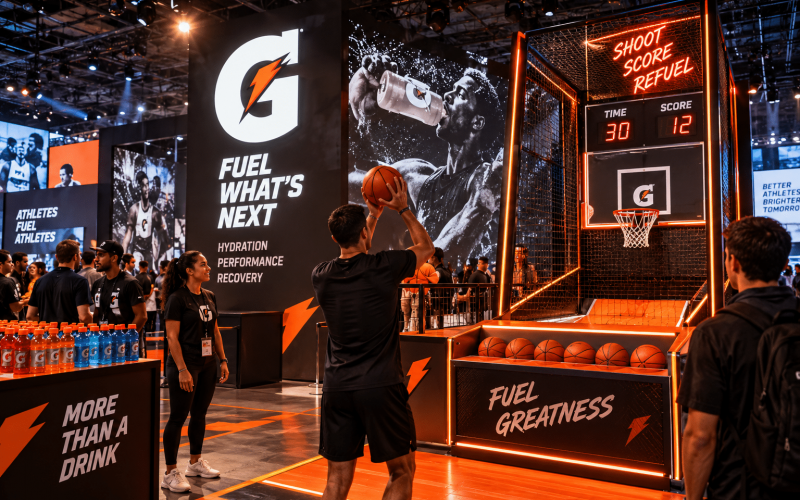
Interactivity is not new, but the standard has changed. In the past, many booths added games or touchpoints because they looked engaging on paper. In 2026, teams are asking harder questions. Does the interaction fit the brand? Does it qualify leads, reinforce messaging, or create usable content? Or does it only create a short line and a few photos?
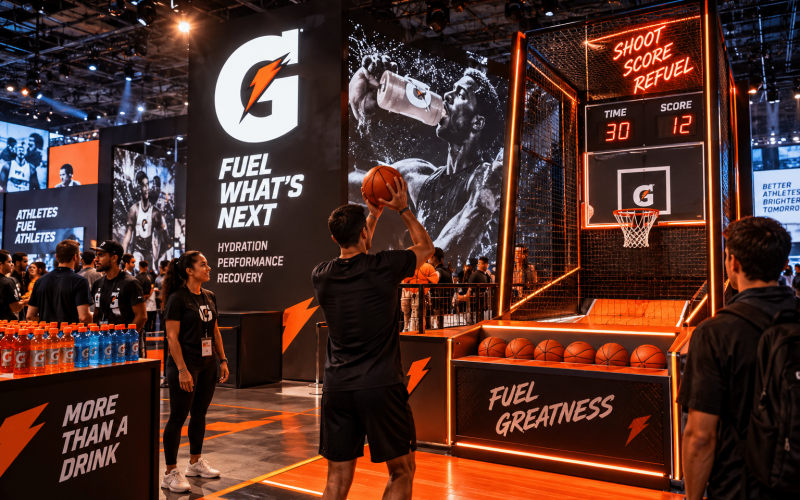
That is pushing more brands toward purposeful interaction. A digital element, physical game, product challenge, or branded installation needs a clear role within the campaign. The strongest executions connect interaction with data capture, product education, or social amplification rather than treating engagement as a standalone attraction.
Physical fabrication still plays a major role here. Not every interactive moment should be screen-based. Custom-built game elements, tactile product demos, and branded participation stations often outperform generic digital experiences because they feel more memorable in person. It depends on the audience and category, but the common thread is accountability. Engagement now needs to lead somewhere.
4. Rental and custom are being combined more strategically
One of the more practical trade show booth trends 2026 is the smarter blending of rental inventory with custom fabrication. For many exhibitors, this is the most effective way to balance budget, speed, and impact. Instead of building every component from scratch, teams are identifying which elements need to be custom for brand recognition and which can be sourced through high-quality rental solutions.
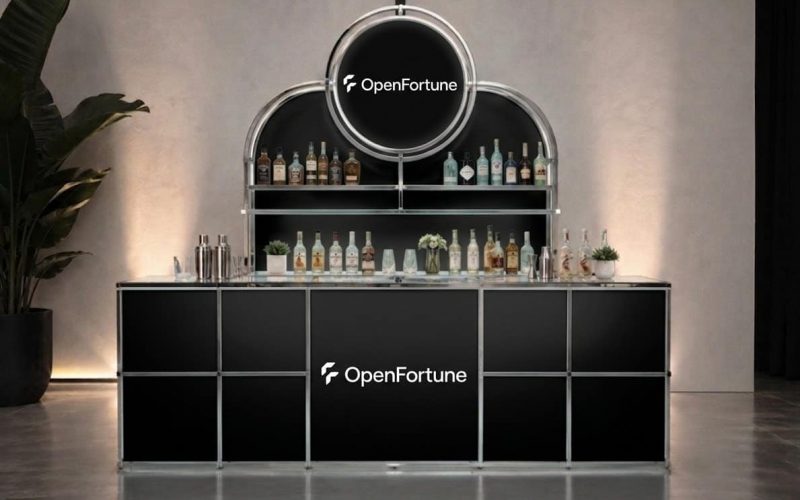
Furniture is a good example. Lounge seating, counters, shelving, and support pieces do not always need to be fabricated custom if rental options meet the functional and aesthetic standard. The same logic can apply to support structures or secondary elements, while hero features, branded displays, and interaction points stay custom.
This hybrid approach works best when it is planned as one environment, not assembled as separate decisions. A booth should not look like a custom activation with borrowed filler around it. It should feel integrated. For brands exhibiting in markets like New York, New Jersey, Boston, or Connecticut, rental flexibility can also help simplify logistics for regional event schedules.
5. Sustainability is moving from messaging to material decisions
Sustainability remains part of event planning conversations, but in 2026 it is becoming more concrete. Brands are asking how booths are made, how often they can be reused, how efficiently they ship, and whether certain materials can be replaced with smarter alternatives. That is a more useful conversation than broad claims.
The strongest sustainability decisions often overlap with operational efficiency. Modular construction reduces waste. Durable fabrication increases reuse. Lighter components can reduce shipping burden. Rental integration can prevent unnecessary production for items with limited brand value.
That said, sustainable decisions are rarely all-or-nothing. A premium product launch may justify a more custom-heavy build. A multi-city tour may prioritize durability and repeat use. The key is being honest about what the booth needs to achieve and where material choices can improve the outcome without compromising the brand.
6. Smaller footprints are demanding tighter, higher-performing design
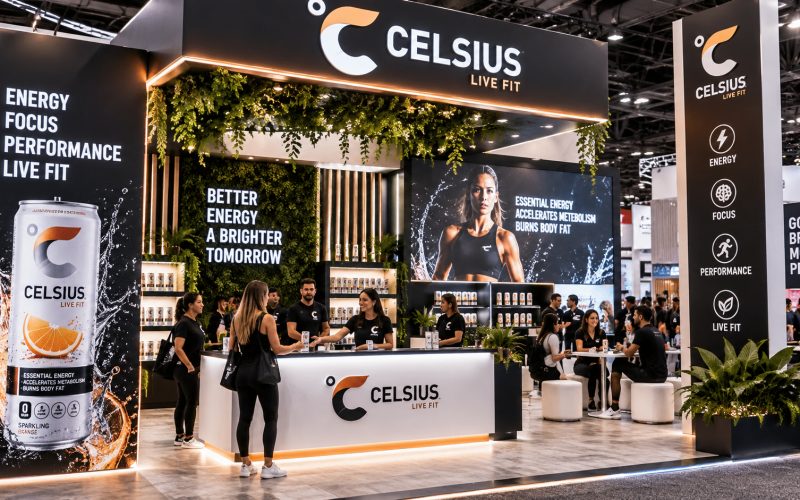
Not every brand is expanding booth size in 2026. In many cases, the opposite is true. Teams are being asked to do more with tighter footprints, which means design quality and fabrication precision matter even more. A smaller booth has less room for wasted space, cluttered messaging, or awkward circulation.
This is where custom product strategy becomes valuable. When display surfaces, storage, counters, and engagement features are designed to work together, a compact footprint can still feel premium and active. When those pieces are improvised, the same space can feel crowded and underpowered.
Smaller booths also make discipline more visible. Every graphic, finish, and fixture has to earn its place. In 2026, efficient design is not being seen as a compromise. In many cases, it signals confidence. Brands that know exactly what they want attendees to do can often create a stronger experience in less space.
7. Fabrication partners are being evaluated on execution, not just ideas
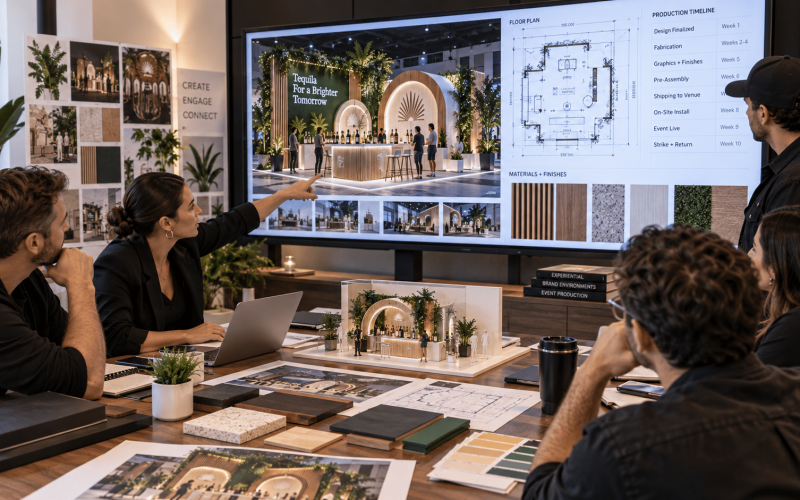
Creative concepts still open doors, but execution is deciding more outcomes. As booth programs become more modular, measurable, and deadline-sensitive, brands are putting more weight on fabrication expertise, production planning, and install-readiness. A strong rendering is not enough if the built environment arrives with avoidable issues.
This is one reason fabrication-first partners are gaining importance in the process. The more a booth needs to perform across shipping, setup, engagement, and repeated use, the more build quality matters. Details like material durability, assembly logic, branded finish consistency, and integration of custom elements are no longer background concerns. They directly affect event success.
For agencies and in-house teams, this also changes how booth projects should be scoped. The best outcomes usually happen when fabrication considerations are brought in early, before design choices create avoidable cost or complexity. A booth that looks impressive in concept but creates freight problems, labor inefficiencies, or reuse limitations is expensive in ways that do not show up on the initial rendering.
Where brands should focus next
If you are budgeting now, the smart move is not chasing every new feature. It is identifying which of these trade show booth trends 2026 actually align with your event program. Some brands need a modular system that can scale across multiple shows. Others need one high-impact environment with custom interaction built around a product story. Others will get the best return by blending rentals and fabrication more effectively.
What matters most is treating the booth as a working asset, not a temporary set piece. That means planning for attendee behavior, logistical reality, reuse potential, and measurable engagement from the start. The brands that will look current in 2026 are usually the ones making better build decisions now, while there is still time to shape the environment around results rather than react to the floor plan later.
A better booth is rarely about adding more. It is usually about building the right things, with the right purpose, before the deadline gets to make those decisions for you.