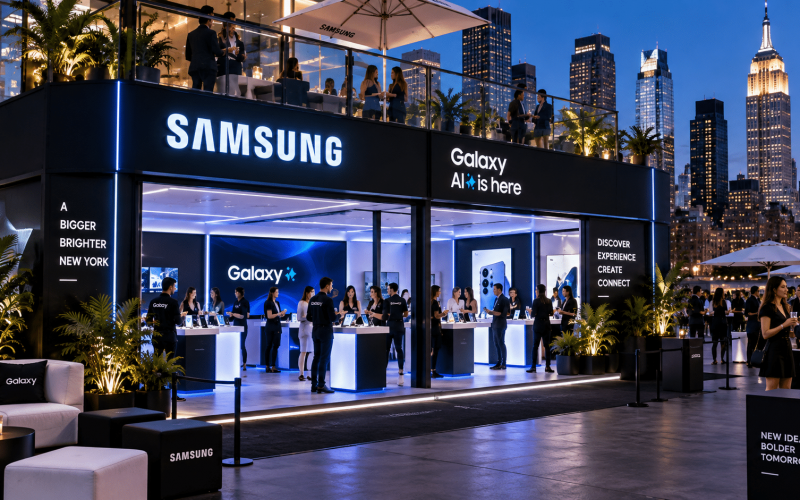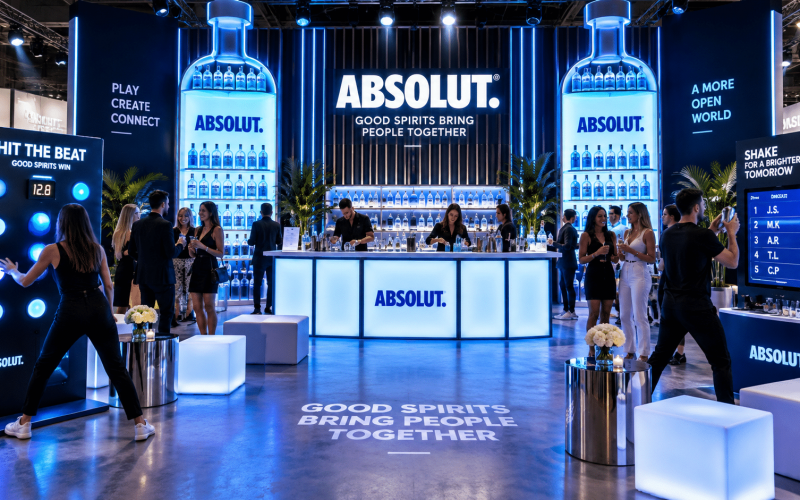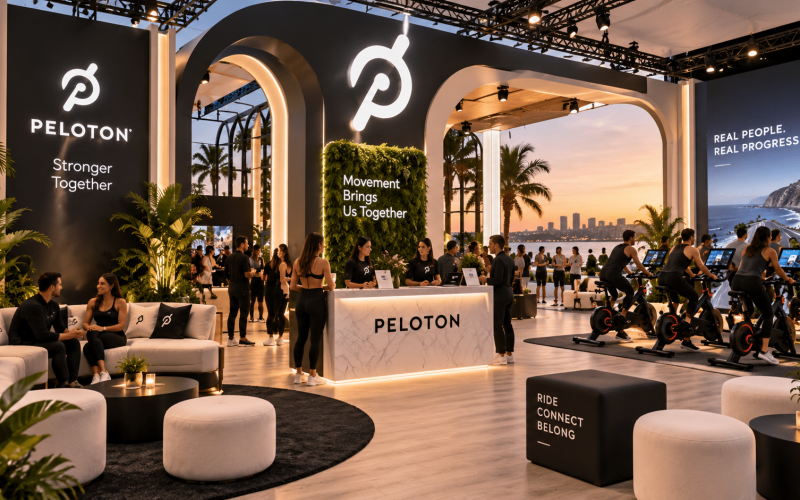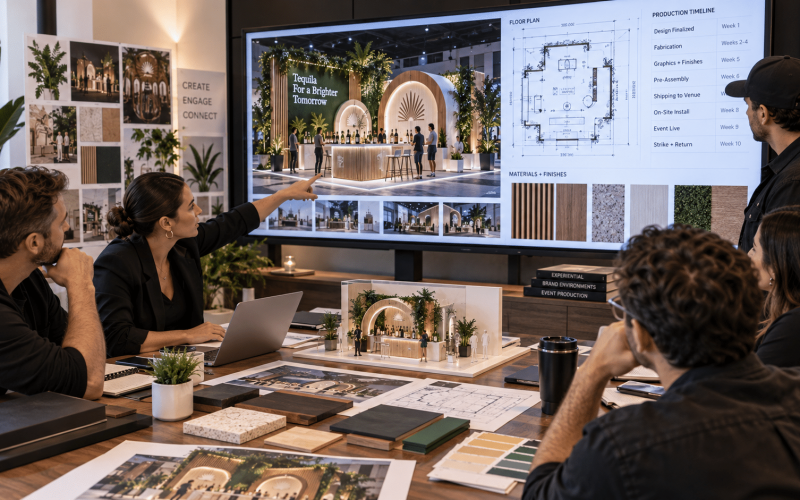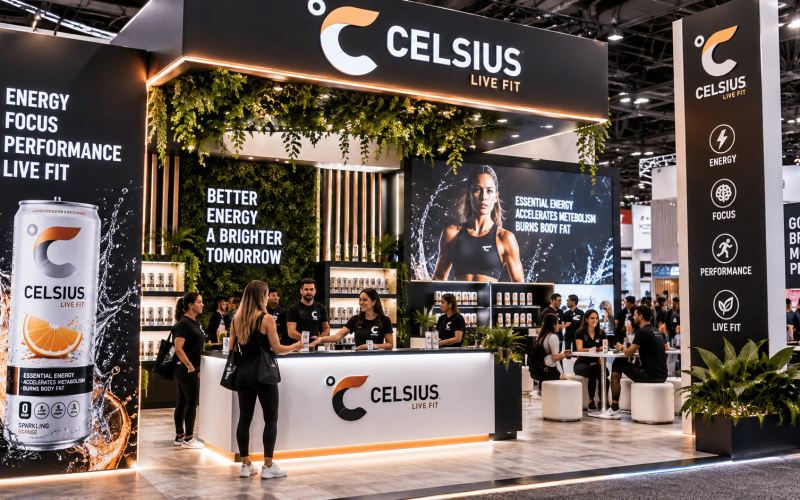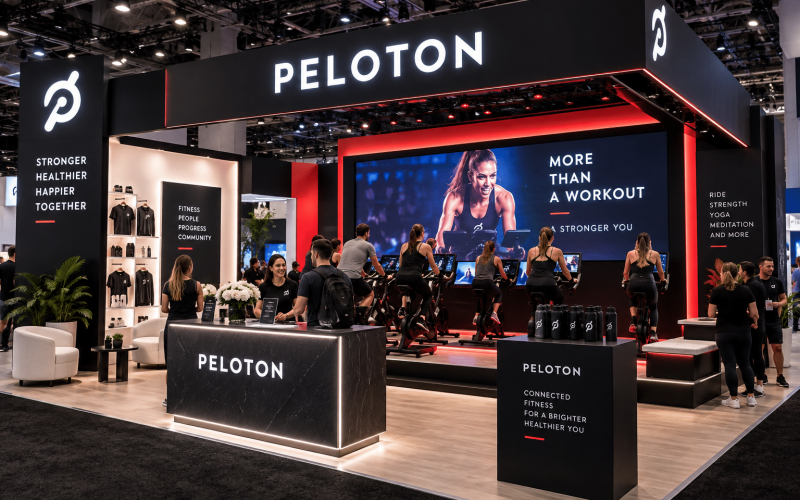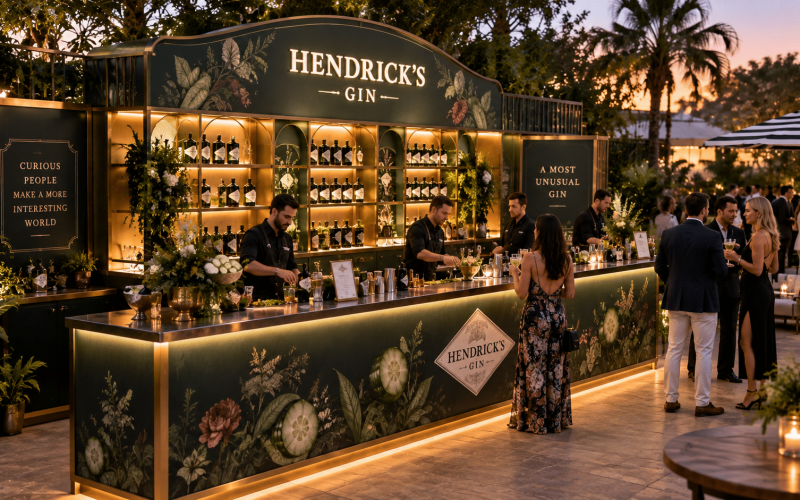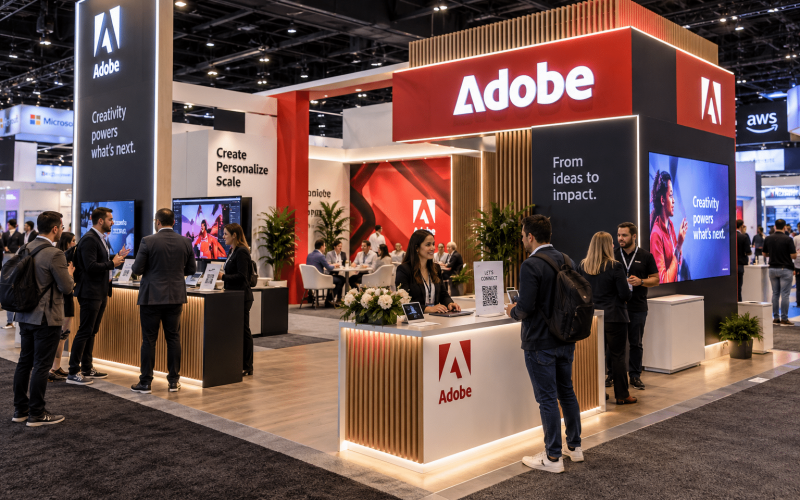
A Boston venue can look exceptional on a site visit and still create real production problems once the guest list, brand footprint, loading schedule, and furniture plan arrive. Finding the best Boston event rentals is less about filling a room with attractive pieces and more about selecting components that support the experience your audience is meant to have.
For brand marketers, agencies, and event producers, rentals affect far more than comfort. They establish the visual tone of a product launch, determine how people move through an activation, create places for conversations and content capture, and influence whether a branded environment feels intentional or temporary. The right rental plan supports the creative concept while giving the production team a practical setup that can be delivered, installed, and struck on schedule.
What Makes the Best Boston Event Rentals Different
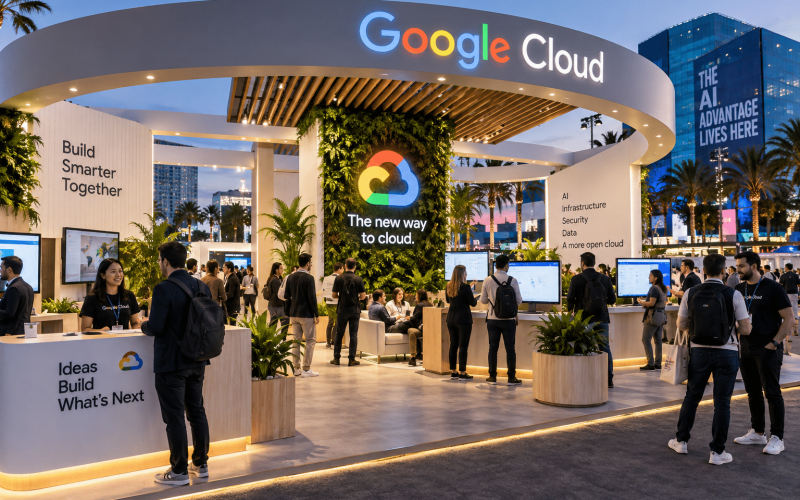
A rental package is only as good as its fit with the event objective. A lounge grouping that works at a client reception may be the wrong choice for a fast-moving consumer activation. Likewise, a trade show booth needs furnishings that encourage short, useful conversations without obstructing demos, lead capture, or product displays.
The best options combine event-ready condition, dependable logistics, and a clear relationship to the larger environment. That may mean clean white furniture for a modern technology launch, modular seating for an adaptable conference footprint, or bar-height tables that keep traffic moving during a tasting or networking event. The standard is not simply whether an item looks good in a catalog. It is whether it performs under live-event conditions.
Boston also presents practical variables worth considering early. Historic venues can have narrow access points, limited elevators, protected flooring, or strict loading windows. Downtown locations may require precise truck timing. Waterfront, campus, and outdoor sites can introduce weather exposure, uneven ground, or longer transport paths. A rental strategy needs to account for these conditions before the creative is locked.
Start With the Experience, Not the Furniture
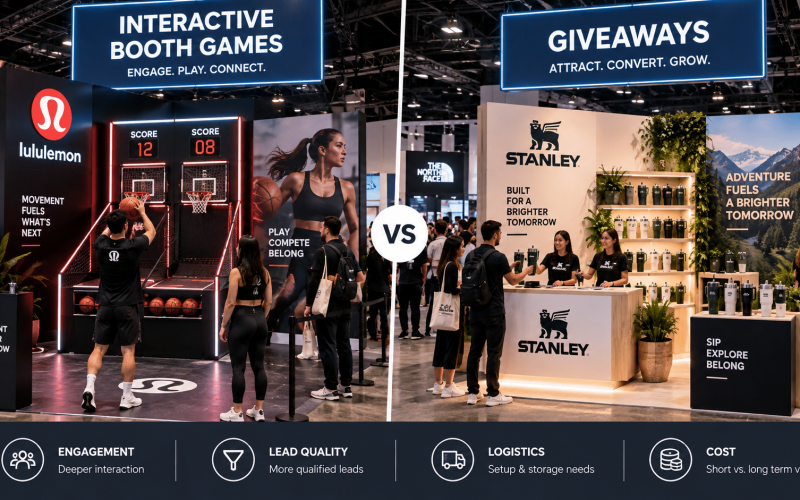
Before selecting sofas, stools, counters, or games, define what guests should do when they enter the space. Are they sampling a product, watching a demonstration, meeting with sales representatives, attending a press moment, or creating social content? The answer shapes the rental mix.
For example, a product demonstration area needs clear sightlines and enough standing room for viewers. Comfortable lounge furniture may be valuable nearby for longer conversations, but it should not block the main presentation. A VIP area needs more separation and a stronger hospitality feel, while a pop-up store may need durable surfaces, storage, and checkout-adjacent fixtures before it needs decorative seating.
This is where generic rental planning often falls short. Ordering individual pieces without a guest-flow plan can leave an event with too many seats in the wrong place, underused corners, or a crowded entry. Begin with zones: arrival, engagement, product interaction, hospitality, content, and staff operations. Then choose rental pieces that give each zone a specific job.
Use Furniture to Direct Traffic
Furniture is a functional part of the floor plan. A well-placed communal table can create a natural gathering point. Low lounge seating can signal a slower, more conversational area. Highboy tables can support networking without committing guests to long stays. Counters can create an obvious place for check-in, product trial, or staff engagement.
Consider the capacity and dwell time of each area. If guests will remain for an hour, prioritize comfort and surface space. If the experience is designed for five-minute interactions, reduce obstacles and use pieces that keep circulation open. The visual plan should reinforce that rhythm.
Choose Rentals That Can Carry the Brand
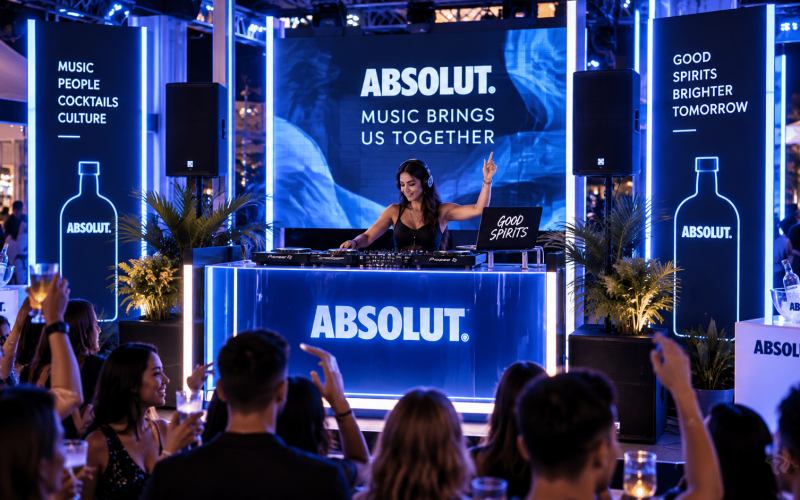
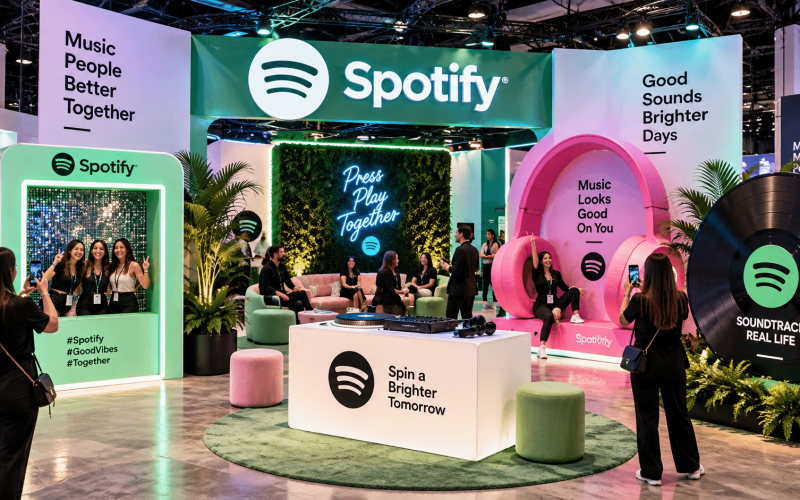
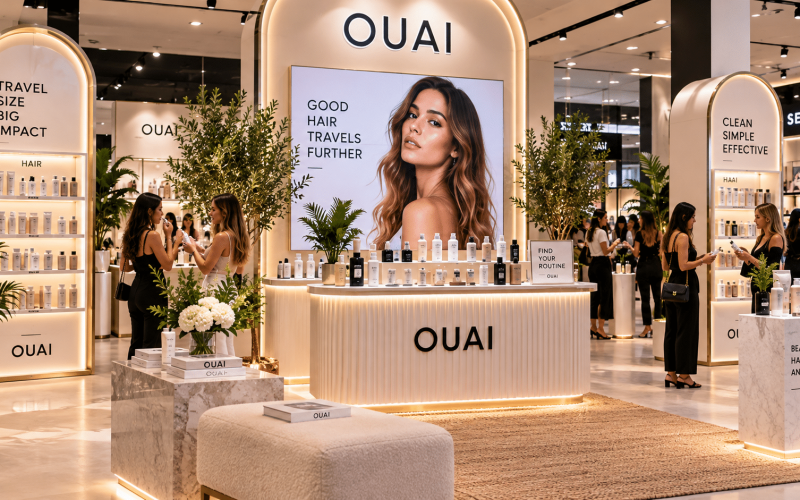
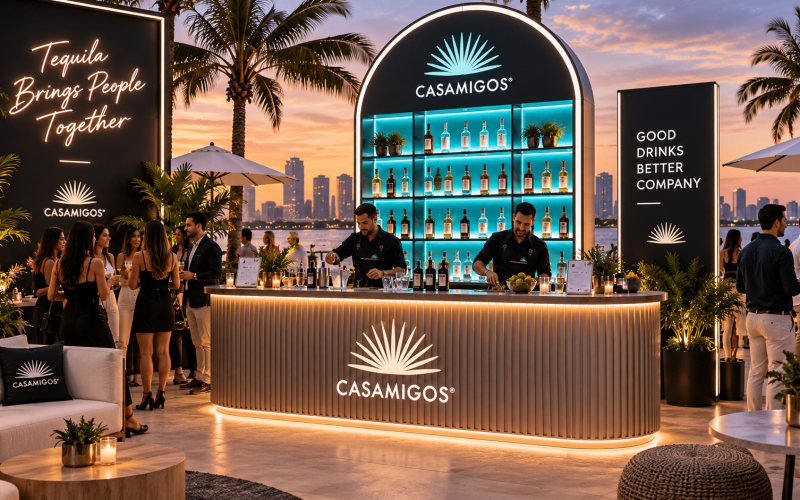
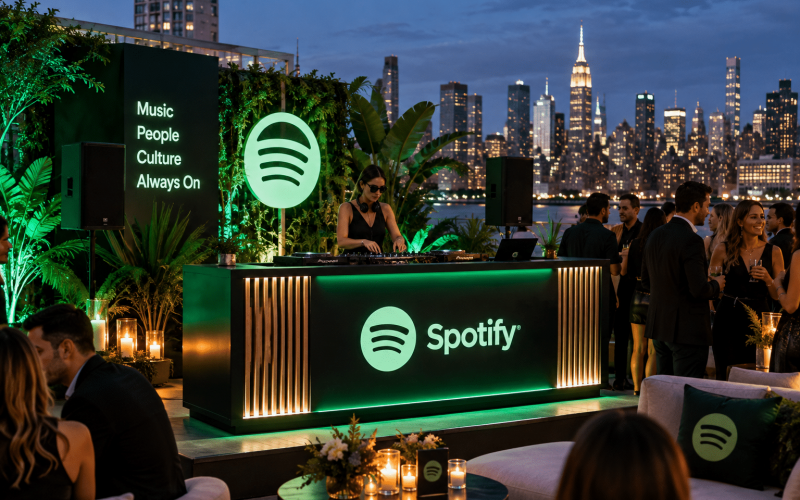
A strong branded event does not need every surface covered in graphics. In fact, overbranding can make an environment feel cluttered and reduce the impact of the most important message. Rentals should create a polished foundation for the branded elements that matter most: a hero backdrop, product display, custom counter, photo moment, or interactive installation.
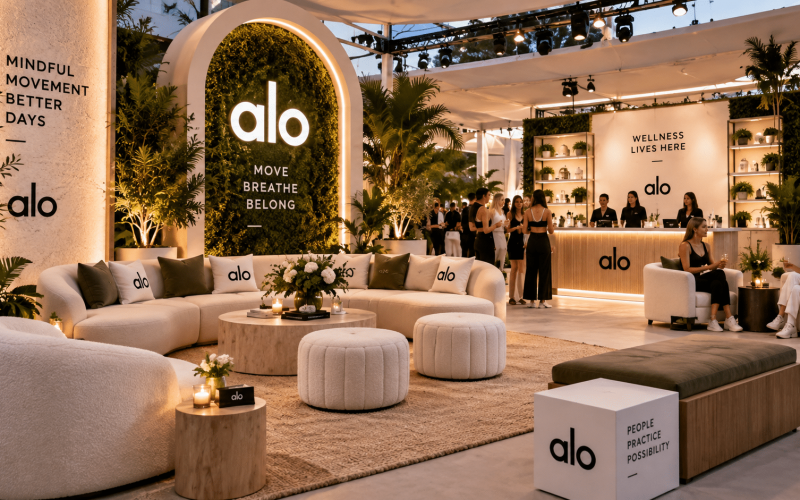
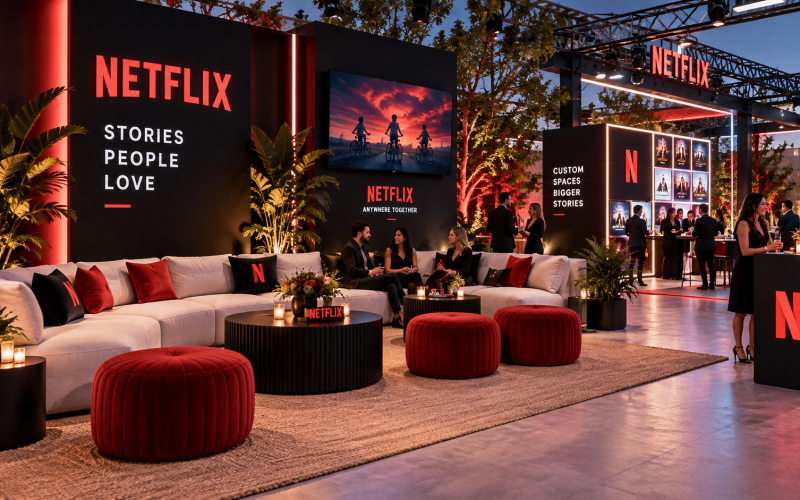
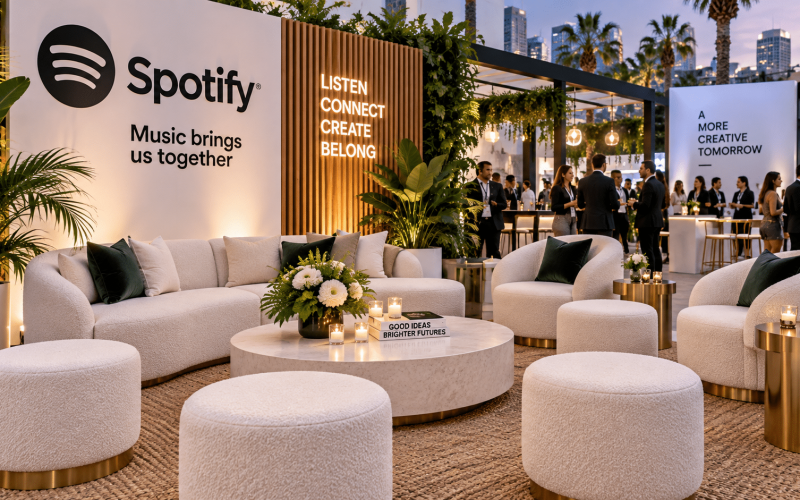
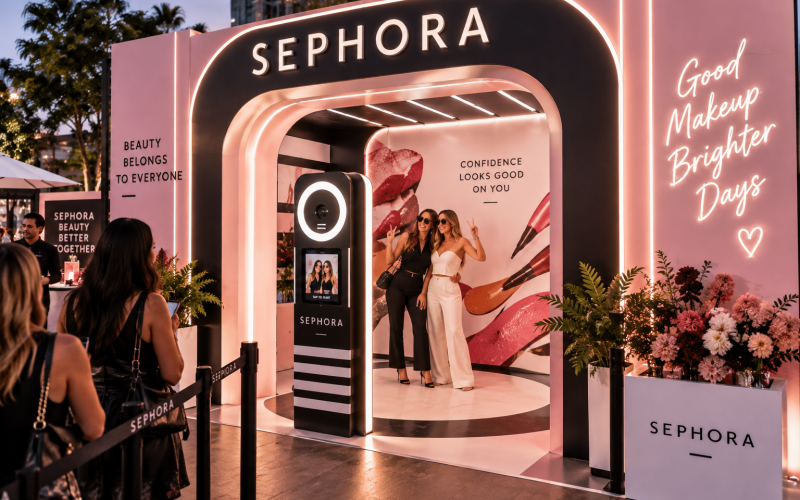
Neutral rentals are often the most flexible choice because they let product packaging, lighting, graphics, and custom fabrication lead the visual identity. White, black, clear, wood-tone, and restrained upholstered pieces can work across a broad range of brand systems. But neutral does not mean generic. The scale, material, silhouette, and condition of each piece still affect the perceived quality of the activation.
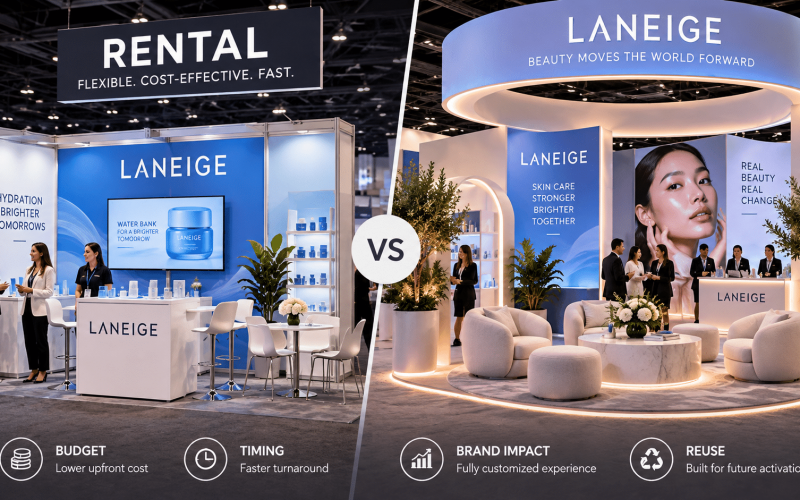
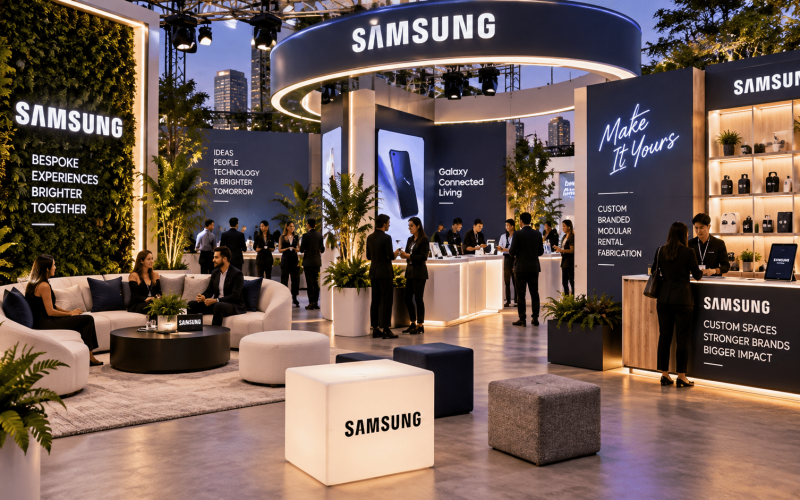
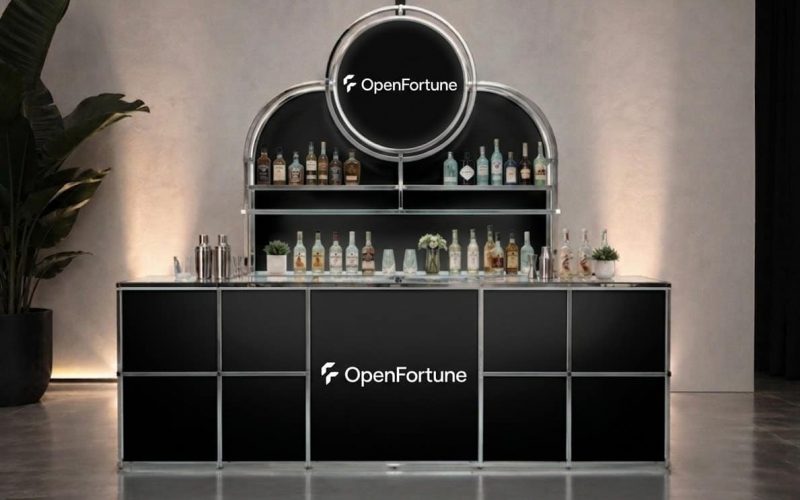
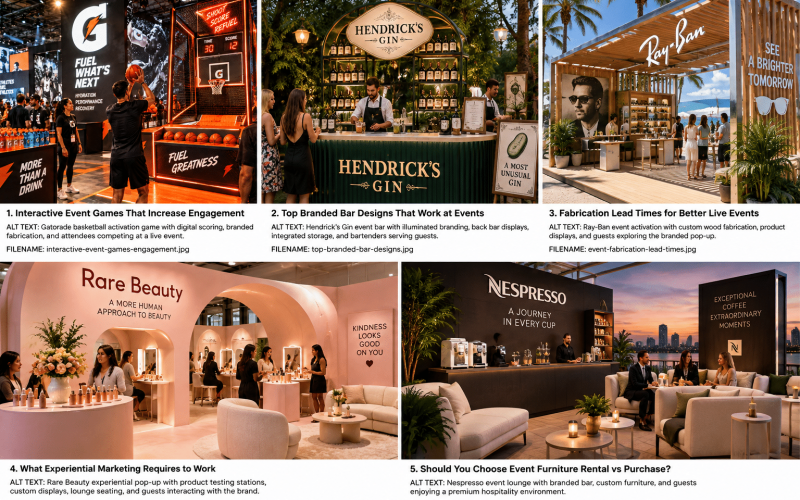
When the concept requires a more distinctive environment, standard rentals may need to be paired with custom elements. A branded façade can transform a basic counter. Custom vinyl, dimensional logos, color-matched panels, product shelving, and fabricated display structures can connect rental furniture to the campaign creative. This approach is often more practical than building every component from scratch, especially when the event has a short run or repeated regional dates.
Portadecor supports this type of rental-plus-fabrication approach for teams that need an event environment to feel specific to the brand rather than assembled from off-the-shelf pieces.
Compare Rental Partners on Execution, Not Inventory Alone
A broad inventory matters, but it is not the only indicator of a capable event rental partner. The production team needs accurate information, clear ownership, and confidence that the items arriving on site match the approved plan.
Ask how the partner handles site access, delivery windows, placement, installation, and pickup. Confirm whether they can coordinate around venue rules and other vendors. For complex activations, determine who is responsible for assembling custom components, installing branded wraps, and resolving issues if the layout changes on site.
Condition standards also matter. Event furniture is highly visible in guest photos, influencer content, press coverage, and executive walk-throughs. Scratched tabletops, worn upholstery, or mismatched finishes can undermine an otherwise polished creative execution. Request current visuals when finish consistency is critical, particularly for high-visibility lounges, stages, and VIP spaces.
Price should be evaluated in context. A lower line-item rate may become more expensive if it excludes delivery, labor, floor protection, after-hours access, or necessary on-site adjustments. A detailed quote that identifies these costs early gives producers a more reliable view of the actual event budget.
Plan for Boston Logistics Early
Rental decisions should be made alongside venue planning, not after the floor plan is final. Start by confirming the venue’s loading route, dock availability, elevator dimensions, labor rules, parking limitations, and approved setup times. If an event is in a high-traffic area, build extra contingency into the delivery schedule.
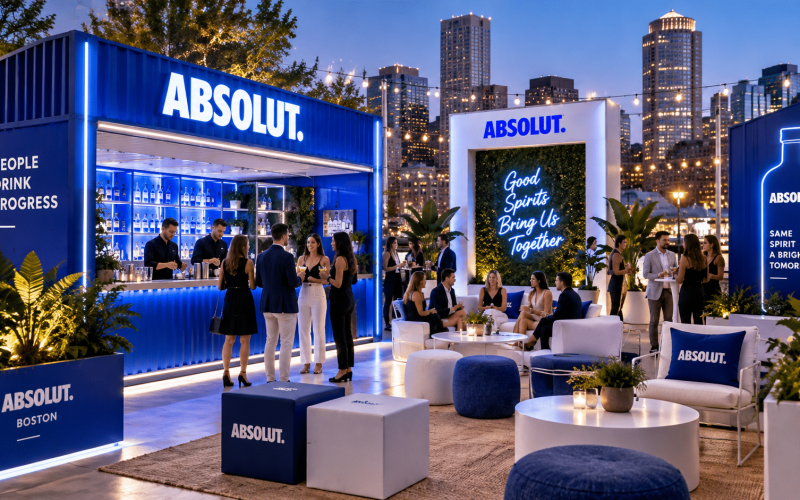
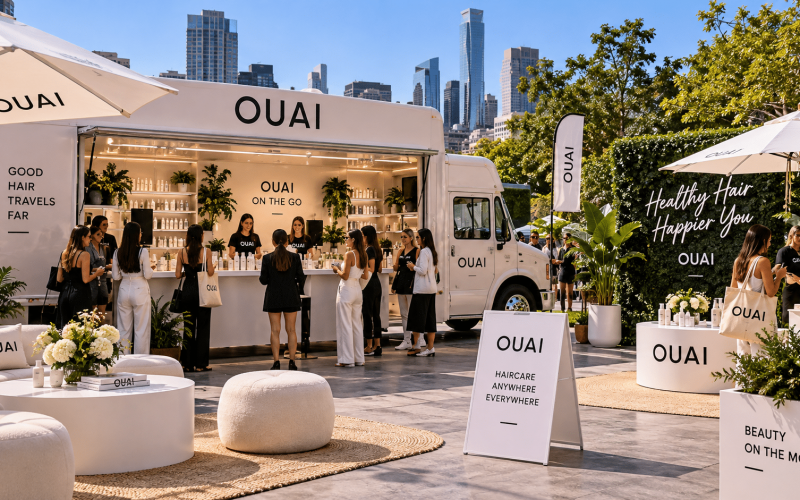
For outdoor activations, confirm how rental items will be stabilized, protected, and recovered if conditions change. A lightweight stool may be suitable for an indoor brand lounge but impractical for a windy waterfront footprint. Outdoor flooring, tenting, power distribution, and weather protection may become part of the rental conversation depending on the scope.
It also helps to identify what must arrive first. Structural elements, flooring, large custom features, and main furniture groupings often dictate the setup sequence. Smaller accents can follow. A clear load-in plan avoids the common problem of crews moving the same furniture multiple times because a backdrop, wall, or display was installed later than expected.
Do Not Forget Back-of-House Needs
Guest-facing furniture gets most of the attention, but staff areas keep the activation running. Teams may need secure storage, prep tables, shelving, changing areas, staff seating, or charging locations. A compact back-of-house plan can protect the polished front-of-house environment by keeping supplies, personal items, and operational clutter out of sight.
For sampling events and product-heavy launches, calculate storage volume realistically. If replacement inventory is stored under tables or behind a branded wall without enough access space, staff efficiency suffers during peak traffic. Rental planning should make the work easier for brand ambassadors, not just improve the rendering.
Build a Flexible Rental Plan
Live events change. Guest counts shift, stakeholders request a last-minute meeting area, a speaker needs a revised stage layout, or weather forces an outdoor plan indoors. Not every element needs to be modular, but a rental package should have some capacity to adapt.
Modular lounges, movable tables, portable counters, and flexible queue-control elements offer useful options when the floor plan changes. The trade-off is that highly adaptable pieces can sometimes look less tailored than a fully custom build. The solution is usually a balanced plan: use custom fabrication where brand impact is highest, and use adaptable rentals where operational flexibility matters most.
That balance is especially effective for multi-city campaigns. A custom branded centerpiece can travel or be reproduced consistently, while locally supplied rental furniture supports the footprint around it. The result is stronger brand consistency without requiring every element to be shipped nationwide.
Make the Rental Plan Earn Its Footprint
The best rental choices do more than occupy open floor space. They give guests a reason to pause, engage, talk, recharge, watch, or share. They also make it easier for event staff to deliver the experience as designed.
When reviewing your Boston event rental plan, look beyond individual pieces and ask a better production question: does every major item support guest behavior, brand visibility, or event operations? If the answer is yes, the environment is far more likely to perform when the doors open.