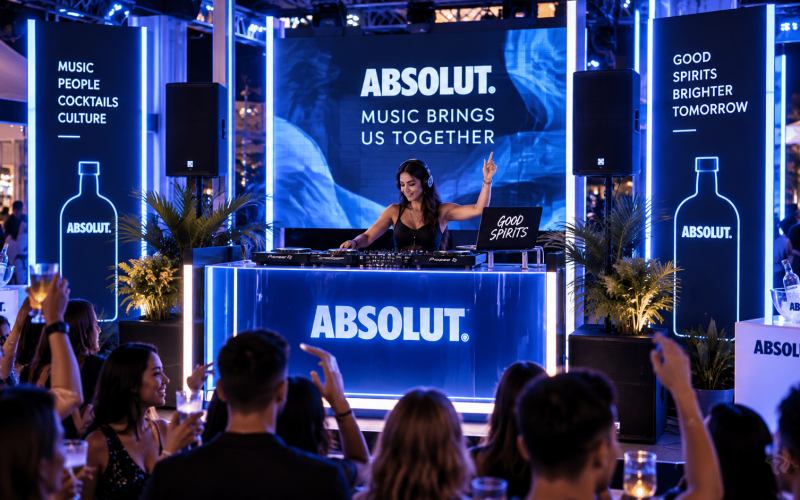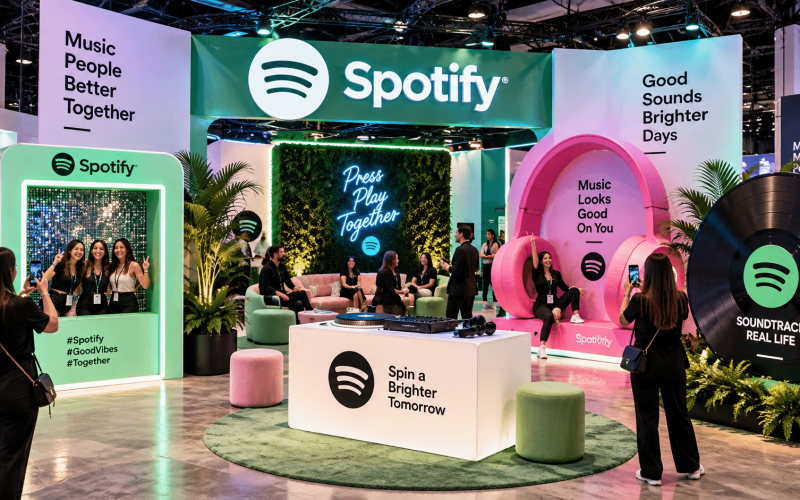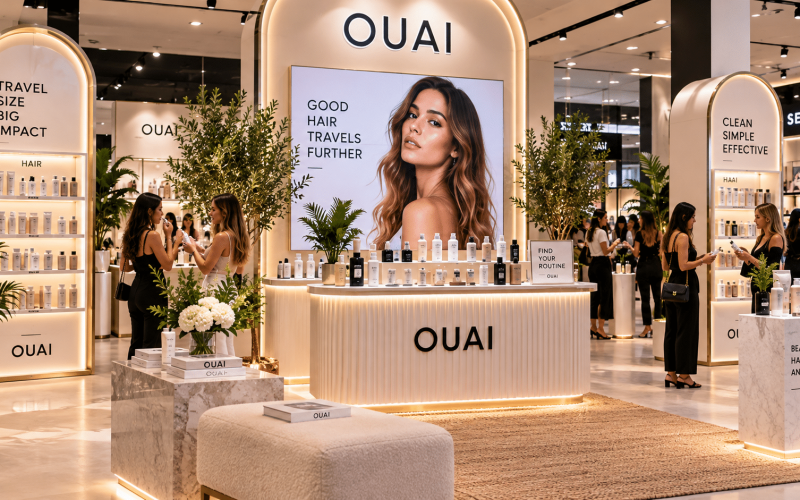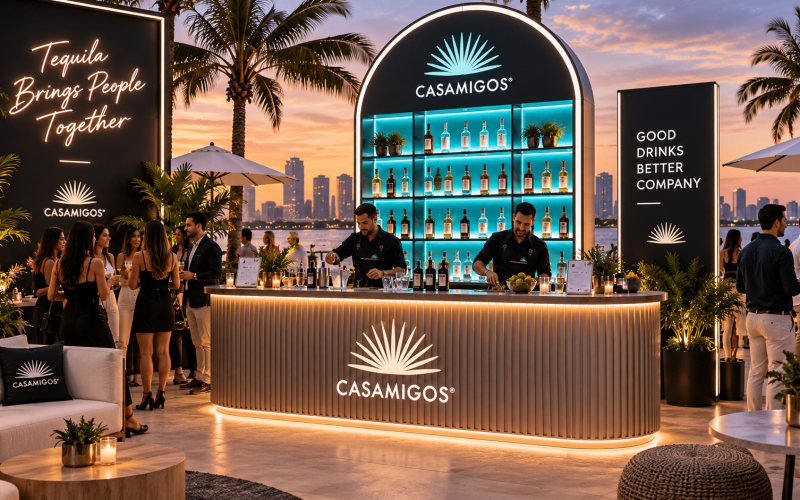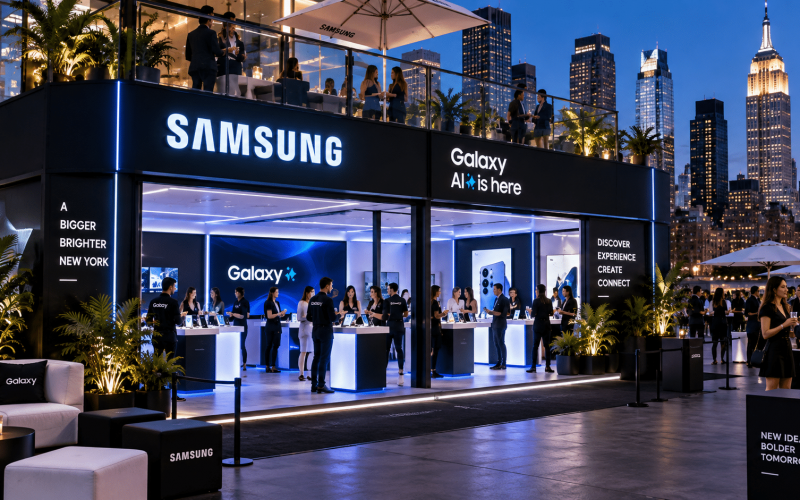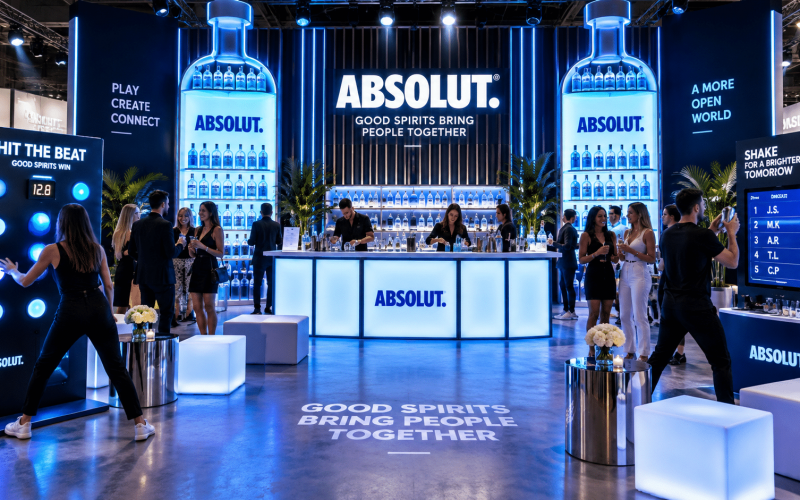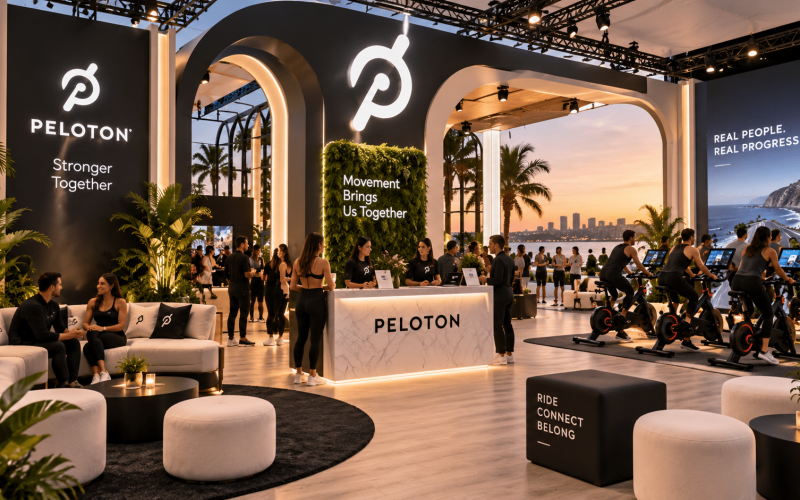
A product reveal can be technically flawless and still feel forgettable. The difference is often the environment around it: what guests see before the presentation starts, where they gather, what they touch, and how the brand’s story is expressed in physical space. Creating immersive product launch environments means designing those moments as one connected experience, not treating the stage, signage, furniture, and guest flow as separate deliverables.
For brand marketers and event producers, the goal is not to fill a venue with branded objects. It is to give attendees a clear reason to step in, stay engaged, share what they see, and remember what the product represents after they leave. That requires creative direction, fabrication planning, and event operations to work together from the beginning.
Start With the Product Story, Not the Floor Plan
A launch environment should make the product proposition tangible. Before selecting finishes, structures, or interactive elements, define the single idea attendees should understand within the first few minutes. A performance product may call for an environment built around motion, testing, or competition. A premium beauty launch may need controlled lighting, refined materials, and personal discovery moments. A technology product may require clear demonstrations that turn unfamiliar features into hands-on experiences.
This decision gives the physical design a job to do. It also prevents a common production problem: adding visual elements late in the process because the space looks empty. Empty space is not always a problem. If it creates anticipation, improves sightlines, or gives guests room to engage with the product, it is doing useful work.
The product story should guide practical decisions, including the arrival sequence, the reveal moment, the interaction model, and the take-home or shareable moment. When each decision connects back to the same core idea, the launch feels deliberate rather than decorated.
Design the Guest Journey in Zones
Immersion is built through progression. Guests need to understand where to enter, what to do first, where the main reveal is happening, and how to move through the environment without being managed at every turn. A strong launch layout creates these cues through architecture, lighting, furniture placement, color, graphics, and sound.
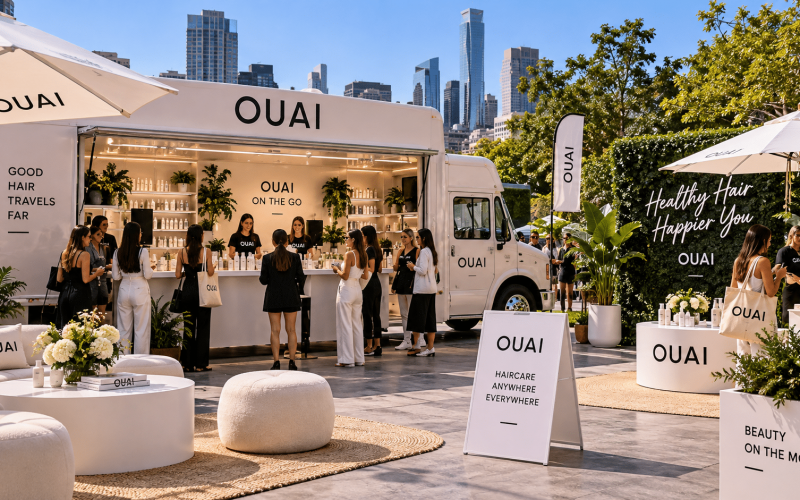
The entry zone sets expectations. It can establish the campaign world with a branded portal, sculptural feature, oversized product detail, or a controlled view into the event. The goal is not necessarily to show everything at once. A partially concealed environment can create more impact when the product reveal is meant to feel dramatic.
The central zone is where the product earns attention. This may be a presentation stage, a product display platform, a demo bar, or a feature wall designed for content capture. It needs enough visual authority to hold a crowd, but it must also work at close range for attendees, media teams, and staff.
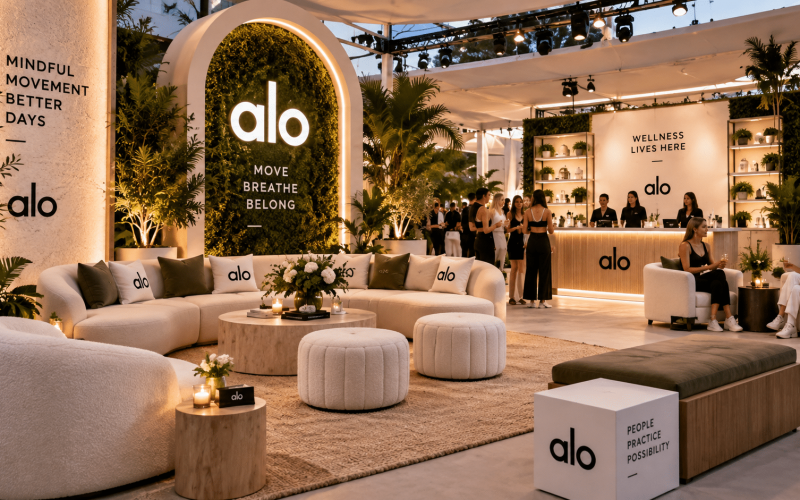
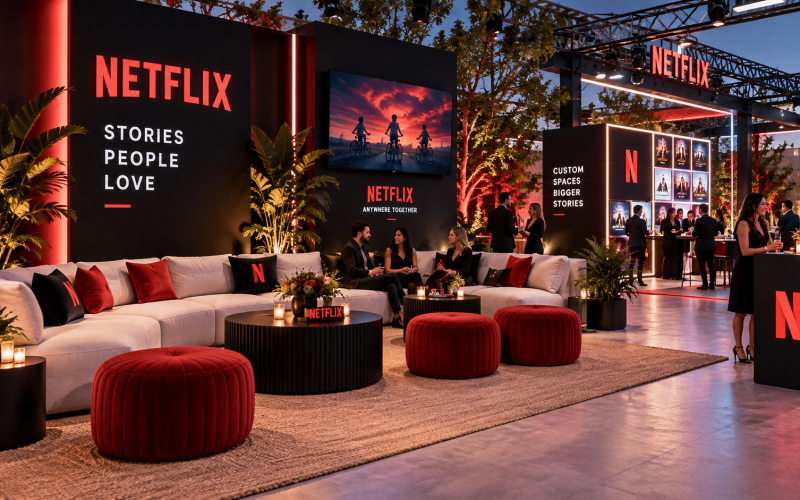
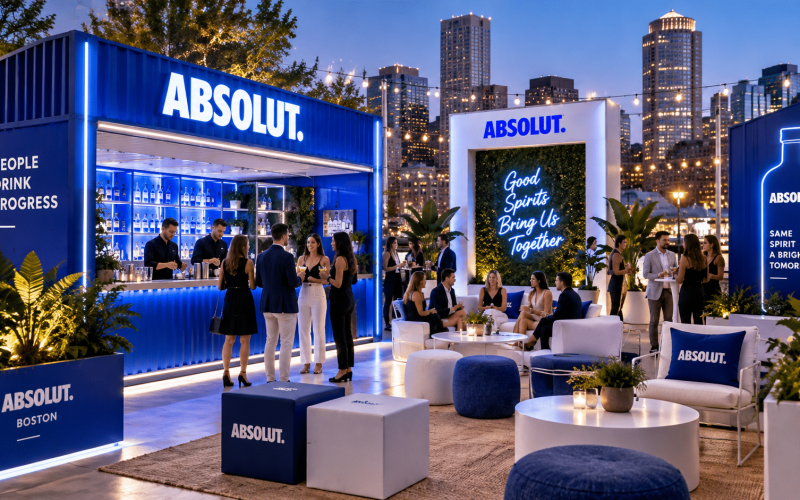
Supporting zones give people reasons to stay. Consider consultation areas, hands-on demos, photo moments, charging stations, hospitality, or game-based interactions that reinforce the launch message. These spaces should have distinct functions, but they should not look like unrelated booths placed in the same room.
Plan for Different Types of Attention
Not every attendee engages the same way. Some want a quick photo and a clear product message. Others want a detailed demonstration or a conversation with an expert. Press and creators may need clean sightlines, quiet interview space, and controlled content backgrounds. A launch environment should accommodate each behavior without forcing everyone into one route.
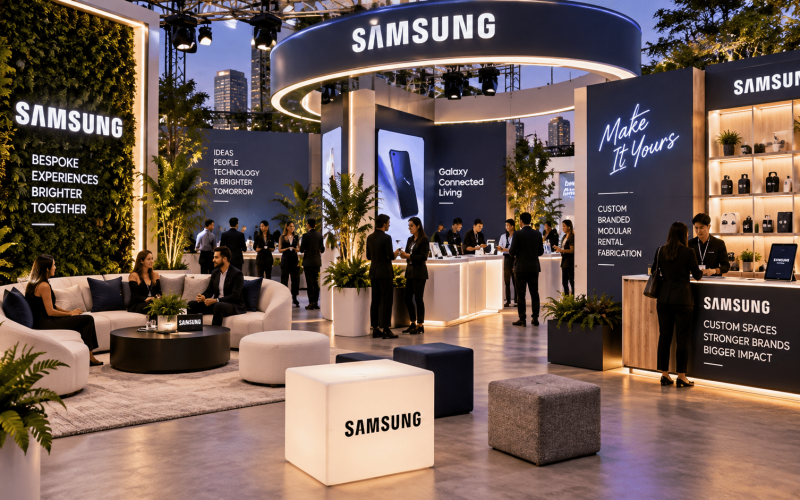
This is where event furniture matters more than many teams expect. Lounge seating can support longer conversations. Highboys and standing surfaces create short-form gathering points. Custom counters organize demonstrations and product handling. The right mix helps regulate crowd density and gives the room a more intentional rhythm.
Creating Immersive Product Launch Environments Through Fabrication
Fabrication is where a concept becomes credible. Custom-built elements can establish scale, create branded architecture, conceal operational infrastructure, and turn a campaign visual into something guests can physically enter. They also introduce decisions that must be made early: material selection, structural needs, transportation, installation access, and how the piece will perform over the full event schedule.
The best fabrication choices balance visual impact with real-world use. A high-gloss finish may look exceptional under controlled lighting but show fingerprints in a high-touch demo area. A large scenic wall may provide a strong backdrop but require a plan for venue loading, assembly time, and storage. A custom interactive feature may draw a crowd but needs durable components and an attendant workflow to keep lines moving.
Build details should support the audience experience. Hidden storage keeps branded counters clean. Integrated power supports tablets, product charging, and lighting. Replaceable graphic panels make it easier to adapt a concept for multiple markets or product variations. These are not secondary production details. They protect the visual standard once doors open.
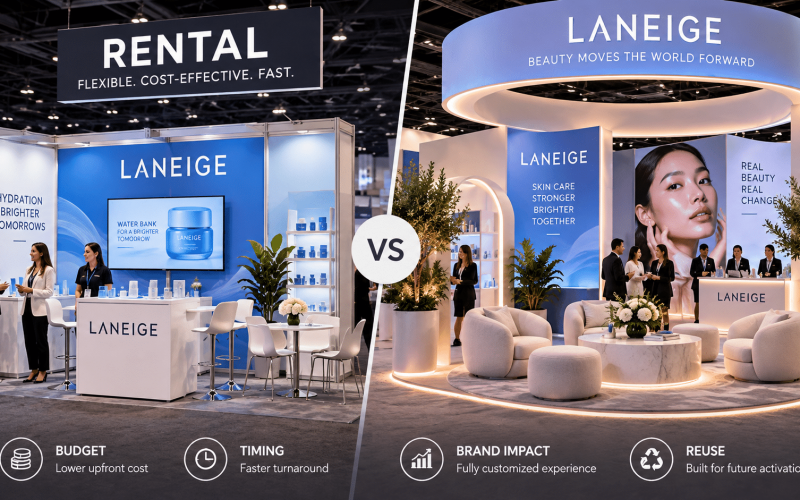
Rental components can be equally valuable when speed, budget, or regional logistics are priorities. Pairing custom hero pieces with selected event rentals often delivers the right balance of distinction and efficiency. The decision depends on what must be uniquely branded, what needs to be reusable, and what can be sourced as a proven event-ready component.
Make Interaction Worth the Wait
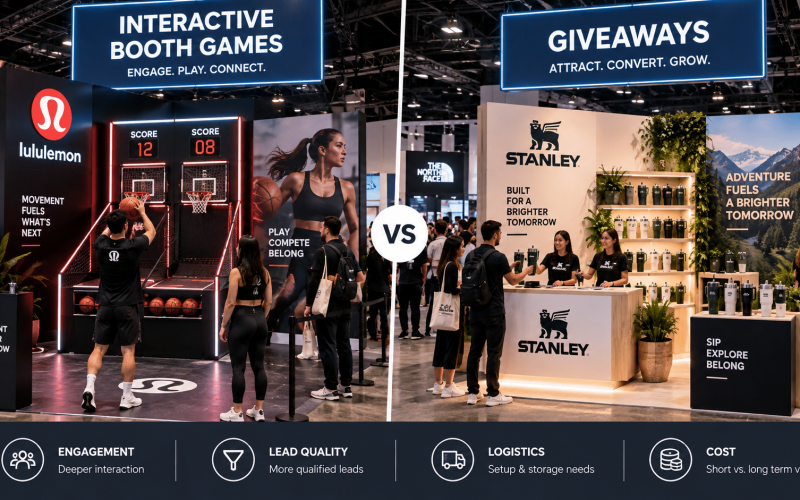
Interactive elements are effective when they reveal something meaningful about the product. They are less effective when they exist only to collect a crowd. A game, challenge, personalization station, or digital experience should connect directly to a product benefit, campaign theme, or measurable engagement goal.
For example, a fitness product launch might use a timed challenge that demonstrates performance data. A beverage launch could use a flavor-selection interaction that leads to a tailored sampling moment. A software launch may need guided product scenarios rather than a large screen playing generic brand content. The interaction should help attendees understand, compare, test, or personalize the offering.
Throughput matters. A compelling installation that processes only a handful of people per hour can frustrate guests and strain staffing budgets. Estimate how long each interaction takes, how many people can participate at once, and where the queue will form. Sometimes a simpler activation with multiple entry points produces stronger engagement than one elaborate centerpiece.
Treat Content Capture as Part of the Build
Product launches increasingly live beyond the room through attendee posts, creator coverage, press photography, and brand-owned video. That does not mean every surface needs a hashtag. It means the environment should provide deliberate, camera-ready moments that still feel true to the launch concept.
Plan for both wide and close shots. Wide shots need scale, clean composition, and a clear brand signal. Close shots need tactile details, product visibility, and lighting that flatters people as well as materials. A custom photo moment can perform well, but the most useful content often comes from a product demo, a reveal wall, or a branded interaction that people naturally want to document.
Avoid placing major logos where they will be blocked by crowds or staff. Test important camera angles during setup, especially if the event includes a staged reveal. Small changes to platform height, lighting direction, or furniture placement can significantly improve the footage captured throughout the event.
Build for Operations Before You Build for Applause
An immersive environment has to withstand the realities of live production. Ask how staff will restock products, reset demos, manage cables, clean surfaces, and address technical issues without disrupting the guest experience. If an installation is difficult to maintain, its visual impact can decline quickly during a multi-hour launch or multi-day activation.
Venue rules also affect the design. Ceiling height, loading dock access, fire codes, power availability, freight elevator dimensions, floor protection, and installation windows all shape what is practical. A fabrication partner should be involved before the concept is locked so the creative ambition is matched to the actual site conditions.
Budget should be allocated according to audience impact. Spend where guests will touch, photograph, and remember the brand. Reduce spend on unseen structural complexity when a simpler method will accomplish the same result. This is not about making the environment less ambitious. It is about directing resources toward the moments that carry the product story.
Choose a Production Partner That Can Translate the Concept
Agencies and brand teams often work under compressed timelines, with multiple stakeholders reviewing every finish, graphic, and interaction. The production partner needs to be more than a vendor receiving a final drawing. They should be able to assess buildability, recommend materials, identify operational risks, and fabricate assets that arrive ready for installation.
Portadecor supports this process with custom fabrication, event furniture, branded activation elements, trade show environments, and rental-ready components built for experiential use. For nationwide activations and fabrication projects, that specialized focus helps bridge the gap between a creative presentation and an event environment that performs on site.
The most effective launch spaces do not ask guests to admire the brand from a distance. They give them a role in the story. When the product, environment, interaction, and operations are designed together, the result is not simply a well-produced event. It is a physical experience that makes the launch message easier to understand, share, and act on.