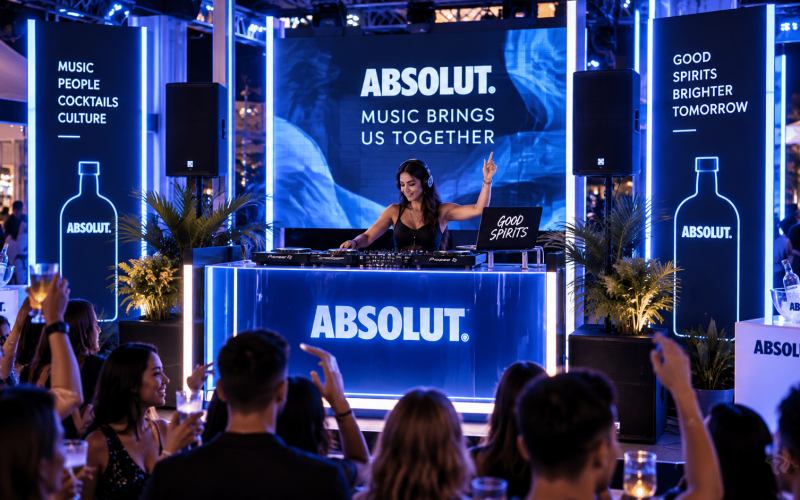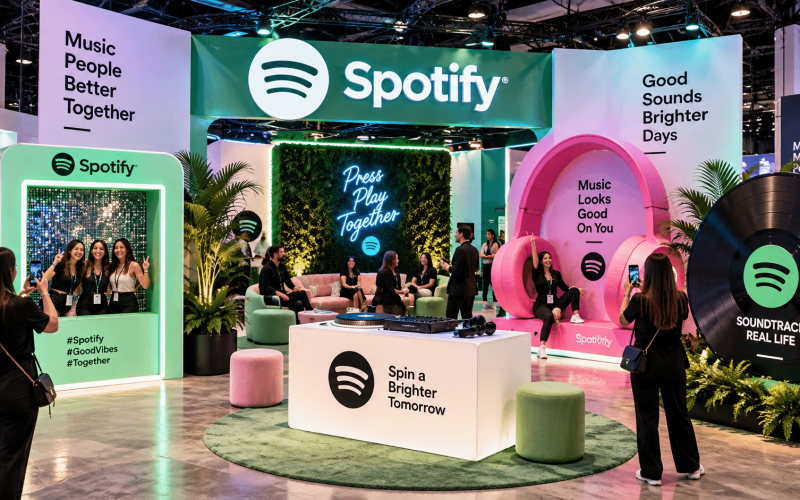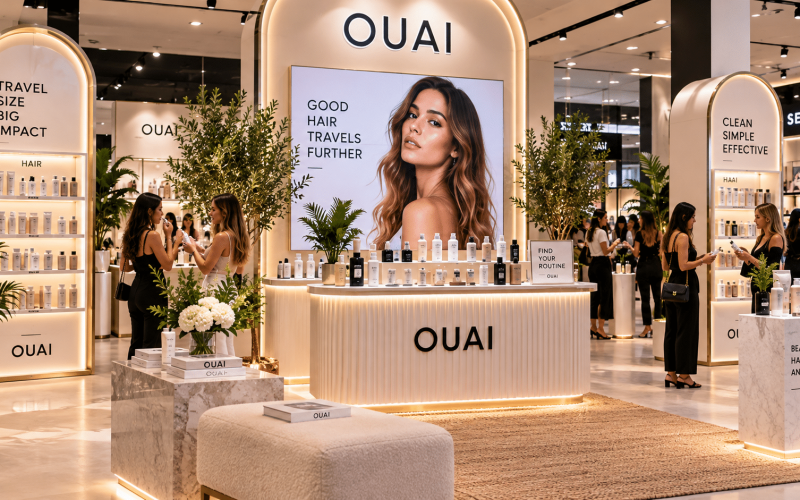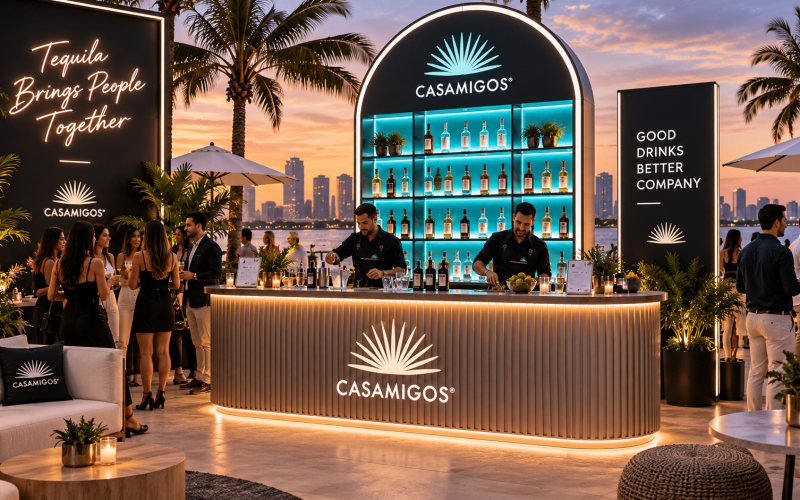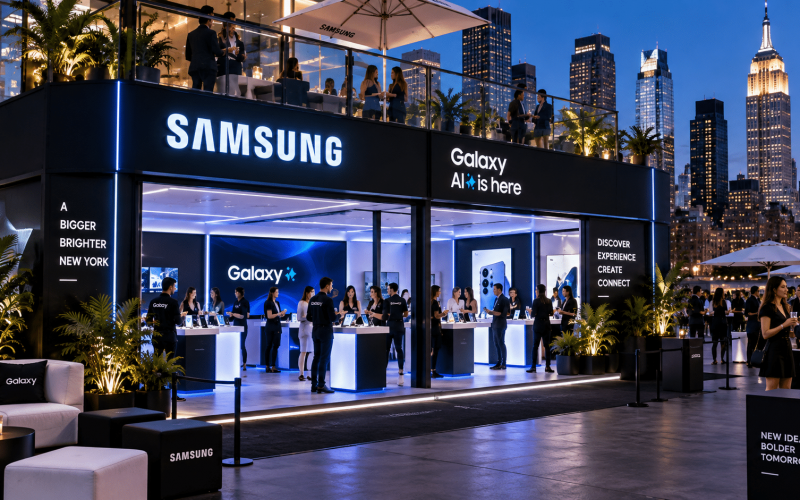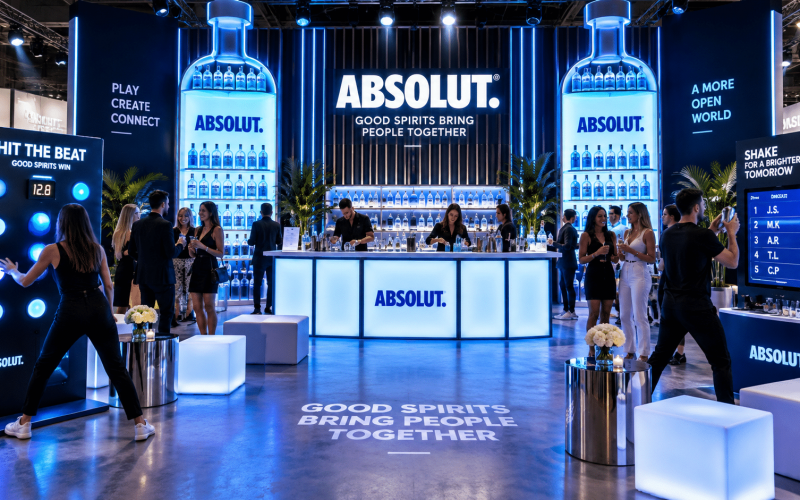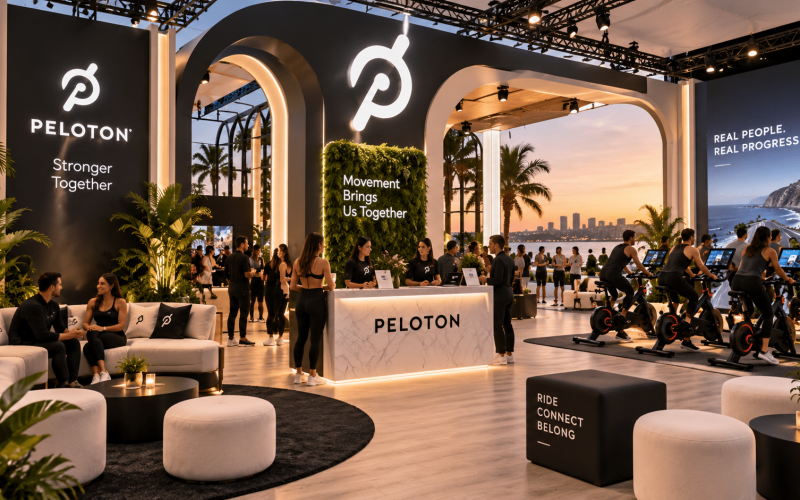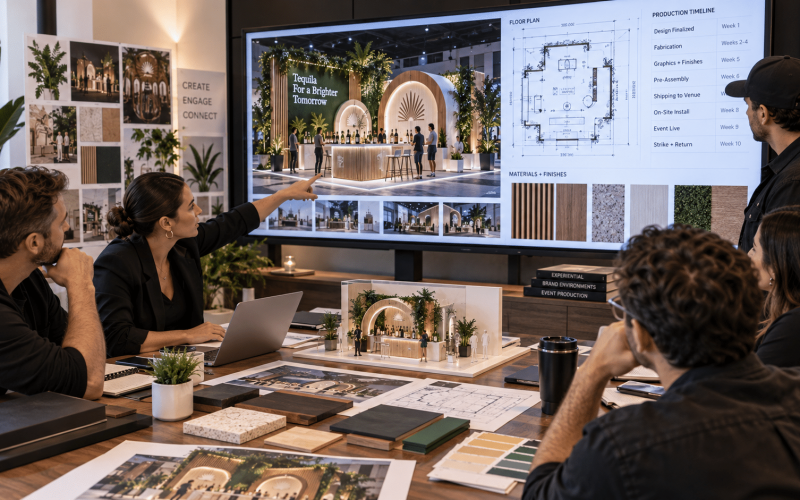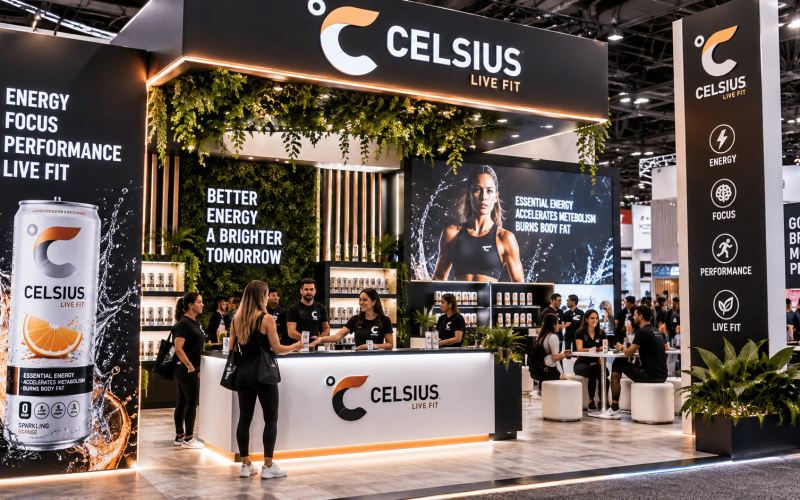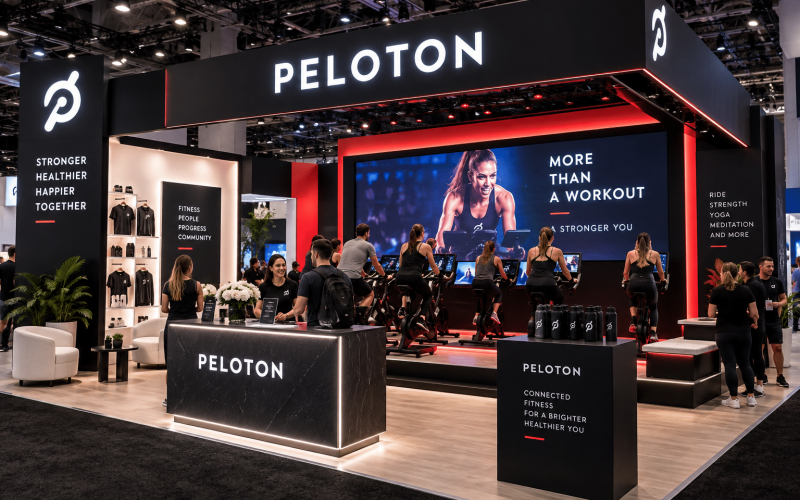
A product display can get noticed. A well-built experience can get people to stop, participate, share, and remember why the brand was there. That difference is central to what are brand activations: live or physical marketing experiences designed to turn an audience from observers into active participants.
For brand marketers and event teams, an activation is not simply a decorated booth, a step-and-repeat wall, or a giveaway table. It is a purpose-built environment or interaction that gives people a direct connection to the brand. The most effective activations combine a clear audience action with physical design, brand messaging, and a realistic production plan.
What Are Brand Activations?
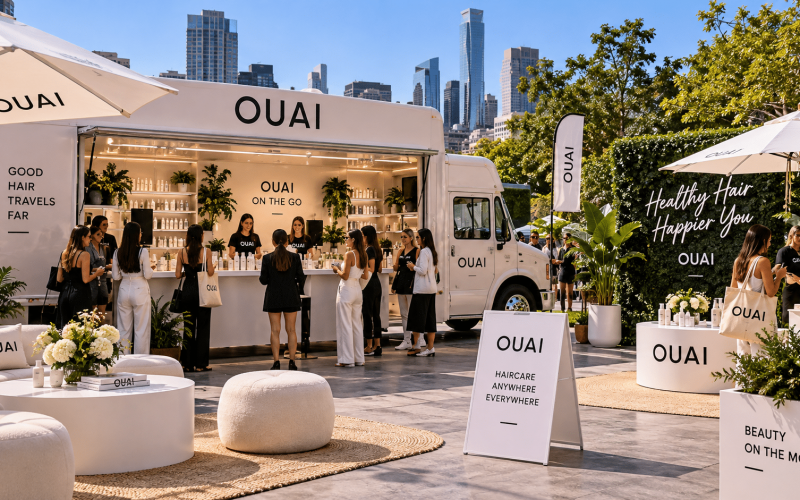
Brand activations are campaigns or event experiences that bring a brand to life through direct audience engagement. They may appear at trade shows, product launches, retail pop-ups, festivals, sporting events, conferences, campus tours, or private industry events.
The format varies, but the intent stays consistent: create a memorable moment that encourages a specific response. That response could be trying a product, learning a feature, entering contact information, creating social content, speaking with a sales team, or simply forming a stronger association with the brand.
A skincare company might create a personalized product-matching station. A beverage brand may build a lounge where attendees can sample a new flavor. A software company could use an interactive game to demonstrate how its platform solves a business problem. In each case, the audience is doing more than looking at signage. They are taking part in the brand story.
How Brand Activations Differ From Standard Event Displays
A standard event display is primarily informational. Its job is to identify the company, support conversations, and make products or services visible from the aisle. It may be effective, especially when the sales process relies on one-to-one meetings.
An activation adds an experience layer. It gives attendees a reason to enter the space, stay longer, and leave with a stronger recall of the brand. This might involve a challenge, a demonstration, a photo opportunity, a hospitality moment, or a hands-on product trial.
The distinction matters because an activation requires different planning. A display can succeed with strong graphics and a functional footprint. A branded experience also needs an audience flow, staffing plan, engagement mechanic, appropriate technology or physical interaction, and fabrication that can withstand repeated use. If the experience is difficult to understand or creates a long line without enough payoff, even a visually impressive build can underperform.
The Business Purpose Behind an Activation
Brand activations should support a defined marketing objective, not exist only because a team wants something visually ambitious. The objective shapes the creative concept, footprint, materials, staffing, and measurement plan.
For a product launch, the priority may be hands-on trial and education. At a trade show, the goal may be qualified lead capture and scheduled demos. At a public event, the focus could be awareness, social reach, or sampling volume. For an established brand, an activation may reinforce a campaign platform or show a new side of the business to an existing audience.
This is why the same activation format cannot be copied blindly from one event to another. A large photo moment can generate useful user-created content at a festival, but it may be less valuable at a B2B conference where the client needs decision-maker conversations. The right idea depends on who is attending, what they need from the interaction, and what the brand needs to achieve afterward.
What Makes a Brand Activation Effective?
The best activations tend to solve several practical problems at once. They are recognizable from a distance, understandable within seconds, and rewarding enough to justify participation. Just as important, they are designed for the real conditions of live events: limited setup time, high attendee volume, changing weather when outdoors, shipping constraints, and frequent handling.
A clear engagement mechanic is essential. Attendees should quickly understand what they can do and why they should do it. A game should be easy to play. A product demo should show a meaningful benefit. A customization station should have a process that keeps people moving. Complexity may feel creative during concepting, but it can create friction on the show floor.
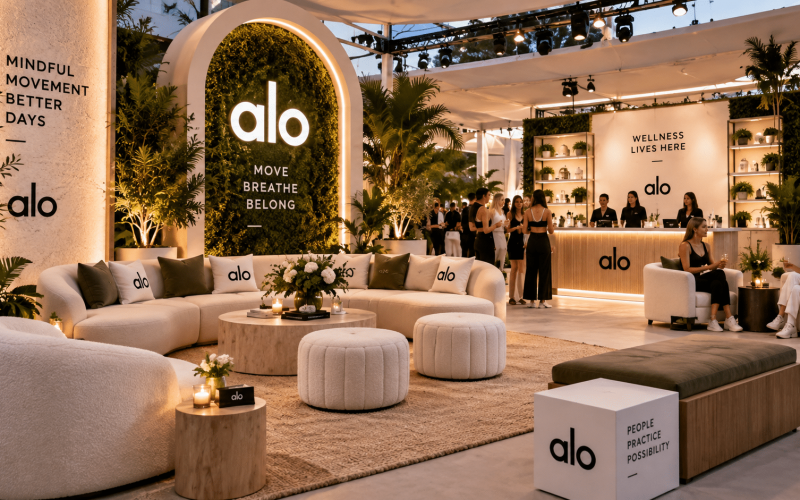
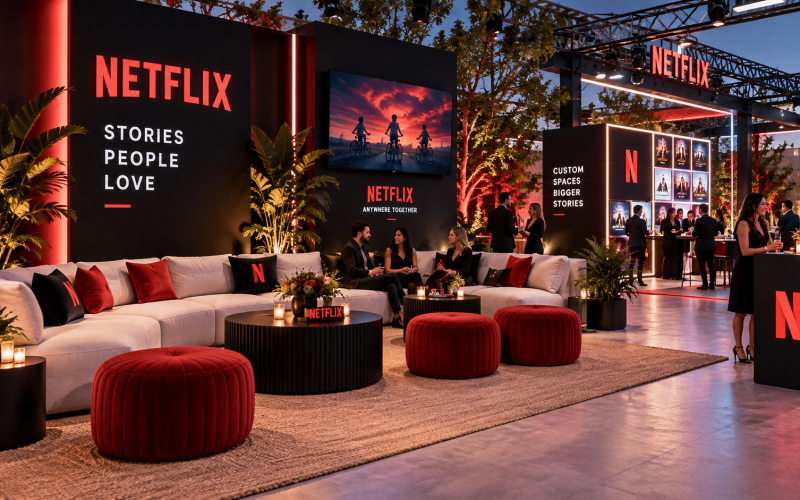
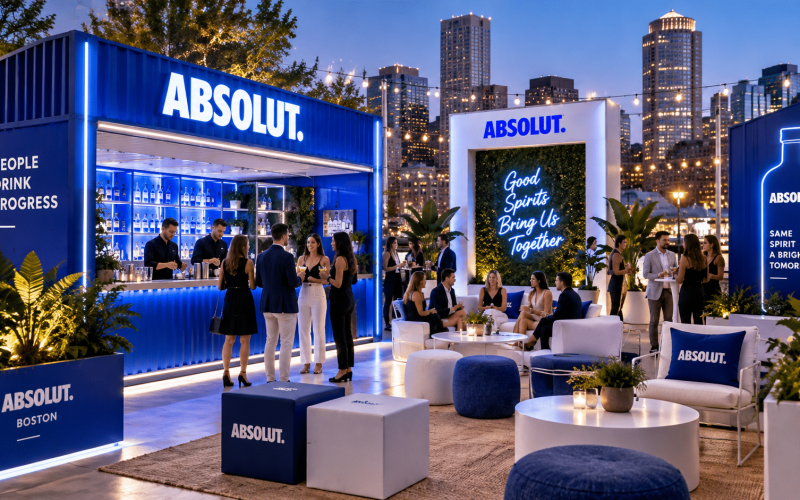
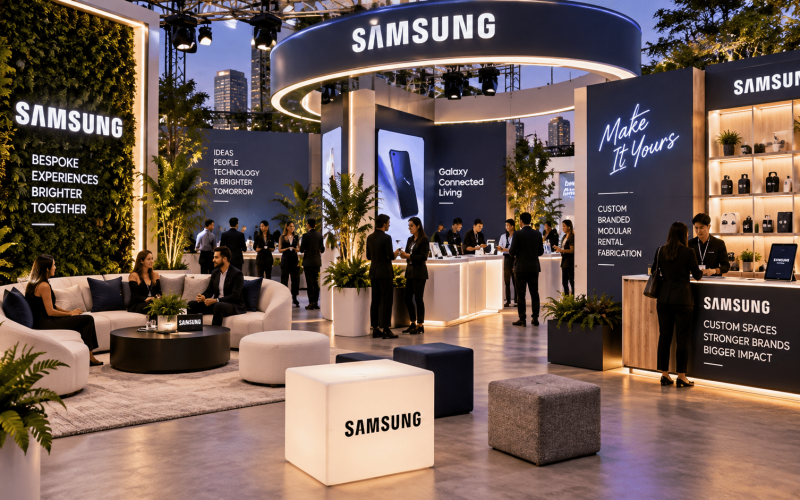
Physical design carries much of the burden. Custom event furniture can define zones for demos, conversations, and hospitality. Branded walls, dimensional logos, counters, displays, and game structures can turn an open floor plan into a cohesive environment. Materials, finishes, lighting, and printed graphics all need to support the campaign rather than compete with it.
Durability is also part of the experience. A warped counter, unstable game element, or damaged graphic panel affects brand perception immediately. Fabrication decisions should account for transport, assembly, use, and storage or reuse after the event. A one-day pop-up and a six-city tour have very different build requirements.
From Creative Concept to Physical Experience
A brand activation often begins with a creative brief, but the final result depends on production discipline. Event teams need to pressure-test the concept before fabrication starts.
First, define the attendee journey. What catches attention from the aisle or approach? What is the first action? Where do people wait, participate, receive information, and exit? This sequence helps prevent a common problem: building a beautiful environment that has no practical flow for guests or staff.
Next, establish the event constraints. Floor plans, ceiling heights, power access, venue rules, union requirements, loading dock schedules, fire codes, and shipping deadlines all influence the solution. A concept that works in a rendering may need structural or dimensional adjustments to work safely on site.
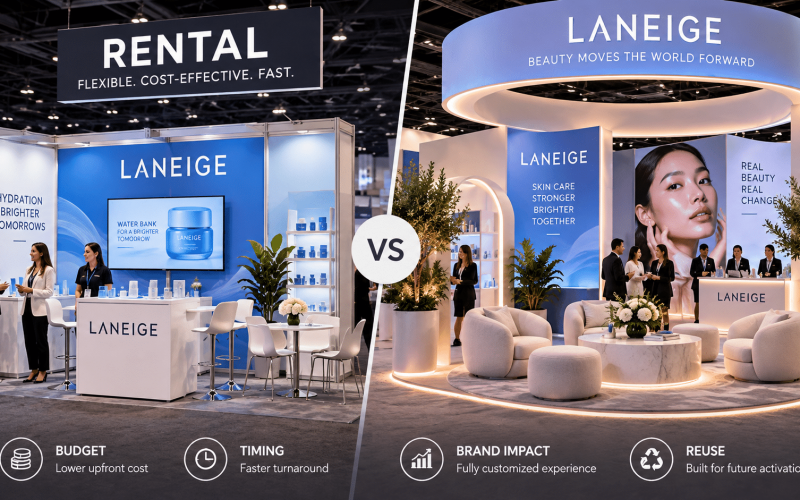
Then, align fabrication with the activation’s life cycle. Some assets are built for a single high-impact launch. Others need modular components, replaceable graphics, protective cases, and repeatable assembly for a tour. Rental furniture and standard event components can also be a smart fit when speed, budget, or local logistics matter more than owning every element.
The strongest production partners contribute at this stage, not just after designs are final. They can identify where a material choice may be impractical, where a structure needs additional support, or where modularity can reduce freight and labor costs without weakening the visual result.
Common Types of Brand Activations
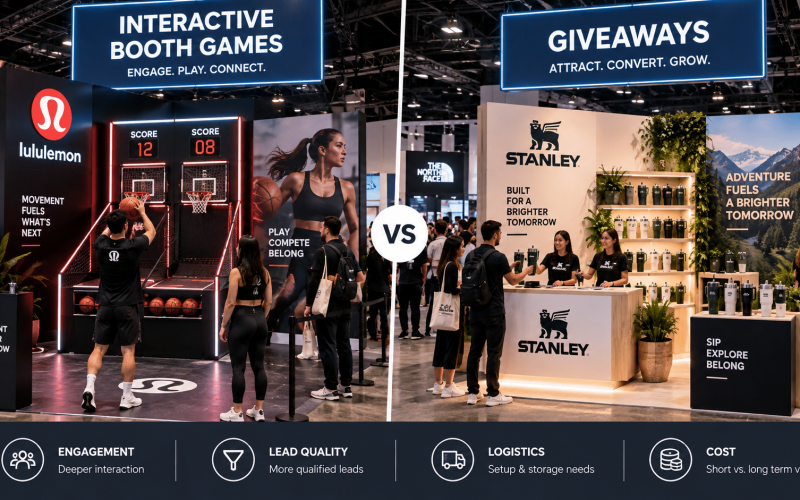
Activations can take many forms, but several approaches appear consistently because they create straightforward ways to engage attendees. Product sampling and live demonstrations work well when the offering can be tasted, tested, or experienced directly. Interactive games encourage participation and can connect a brand message to a memorable challenge or reward.
Photo moments and content studios are useful when the campaign benefits from organic social sharing, provided the visual is distinct enough to make people want to post it. Customization stations, such as personalized merchandise or product selection, create a sense of ownership. Educational experiences, including guided demos and hands-on displays, are often the better choice for complex B2B products.
These formats can overlap. A trade show booth may include a product demo area, a branded game to draw traffic, and a private meeting space for qualified conversations. The important decision is not which format is trending. It is whether each element contributes to the campaign objective.
Measuring Results Beyond Foot Traffic
Foot traffic is useful, but it is only one signal. A crowded activation does not automatically produce business value. Measurement should reflect the job the experience was built to do.
For lead-generation programs, track qualified contacts, demo requests, meeting bookings, and post-event opportunities. For consumer campaigns, measure samples distributed, participation rate, opt-ins, redemption activity, social posts, and sentiment. For a product introduction, consider how many attendees completed a demonstration or could recall the key message afterward.
It also helps to calculate engagement quality. If 500 people pass through a space but only 20 interact meaningfully, the activation may need a clearer invitation or better staff prompting. If fewer people participate but a high percentage become sales-qualified leads, the experience may be performing exactly as intended.
Build for the Audience, Not the Mood Board
A brand activation has to work in the field, not just look strong in a pitch deck. The most successful projects balance creative ambition with fabrication expertise, operational planning, and a clear reason for attendees to participate.
When the concept calls for custom structures, interactive elements, branded furniture, or a complete trade show environment, involve a fabrication partner early enough to make smart production decisions. Portadecor helps brands and agencies turn those concepts into activation-ready physical environments built for the demands of live events. Start with the audience action you need, then build the experience around making that action easy, credible, and worth remembering.