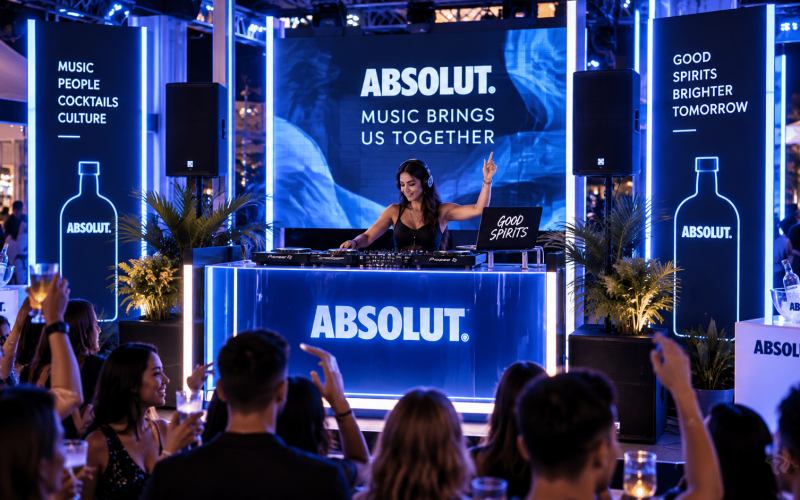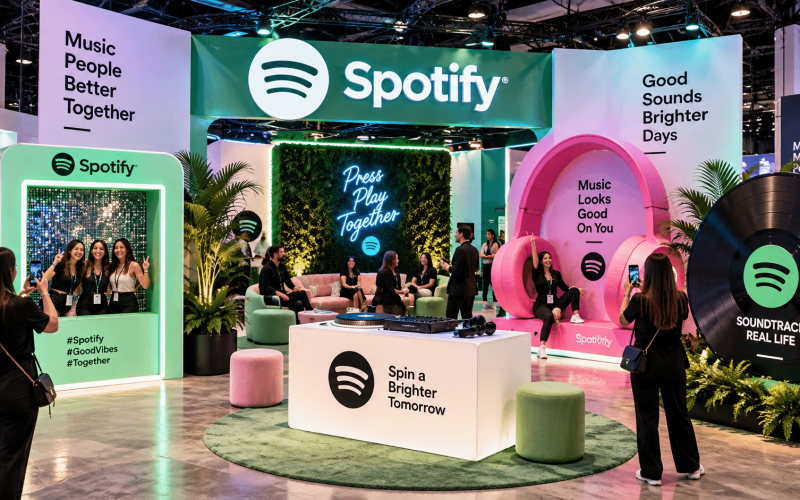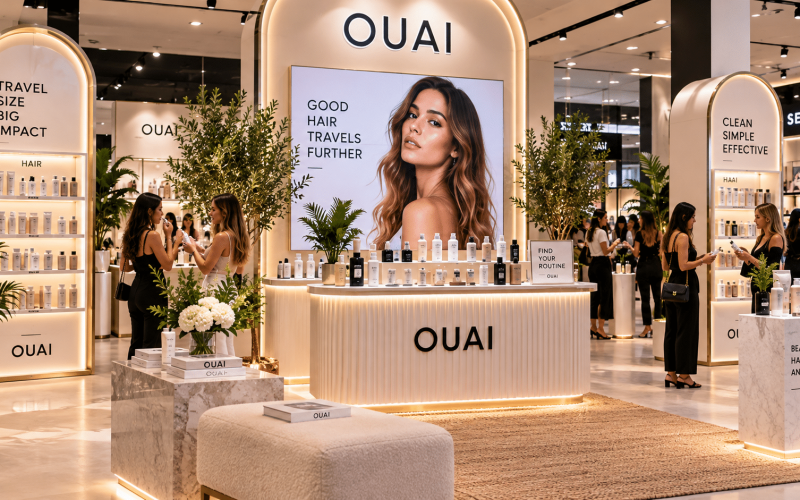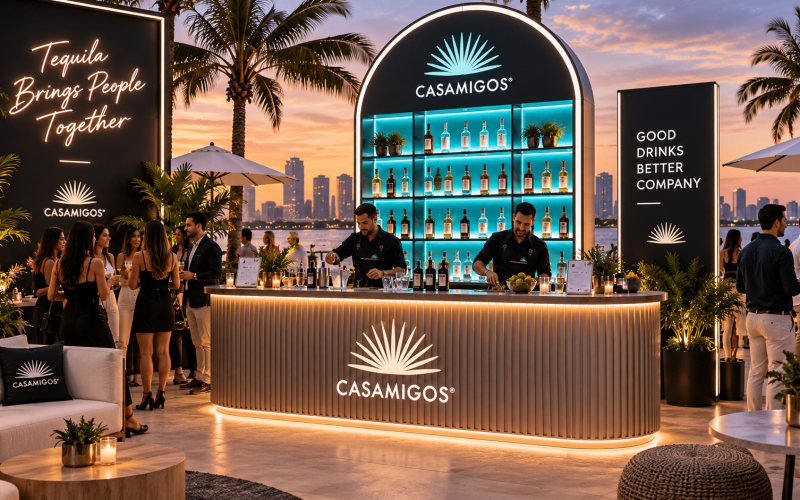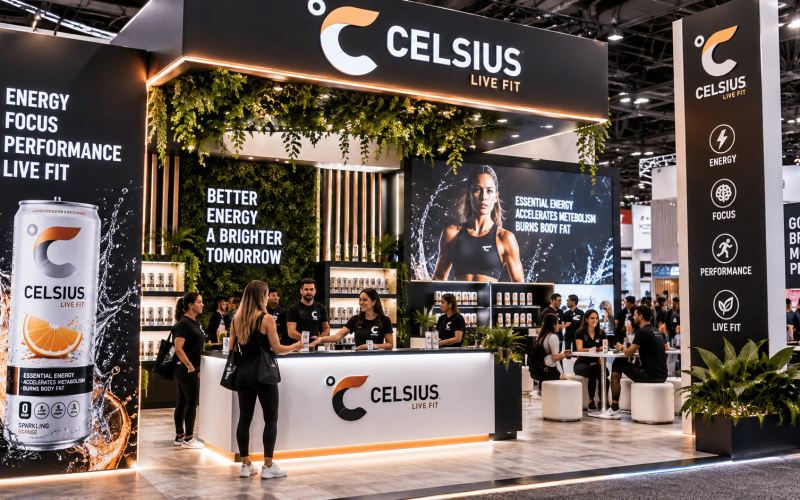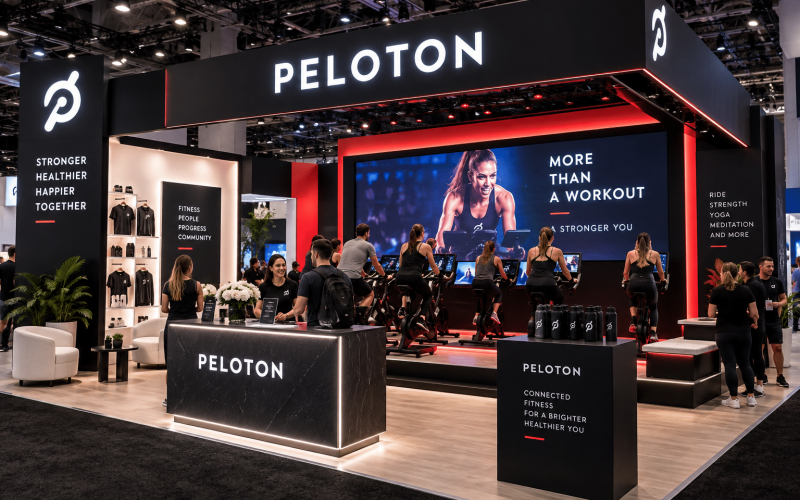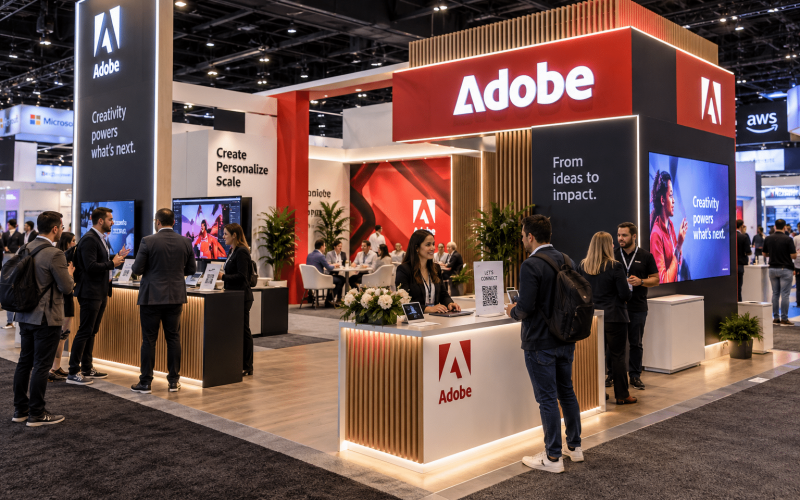
A trade show booth that looks straightforward in a rendering can require weeks of engineering, sourcing, finishing, and testing before it reaches the show floor. So, how long does fabrication take for an event? For most custom experiential builds, plan on four to eight weeks from approved design to delivery. Larger, more technical, or highly customized activations can require eight to twelve weeks or longer.
The usable answer is not one number. Fabrication timing depends on what is being built, how complete the design is, which materials are specified, and how quickly decisions move through approval. The strongest event timelines account for the physical build and the work surrounding it: design lock, graphics production, crating, freight, venue coordination, and installation.
How Long Does Fabrication Take? A Realistic Range
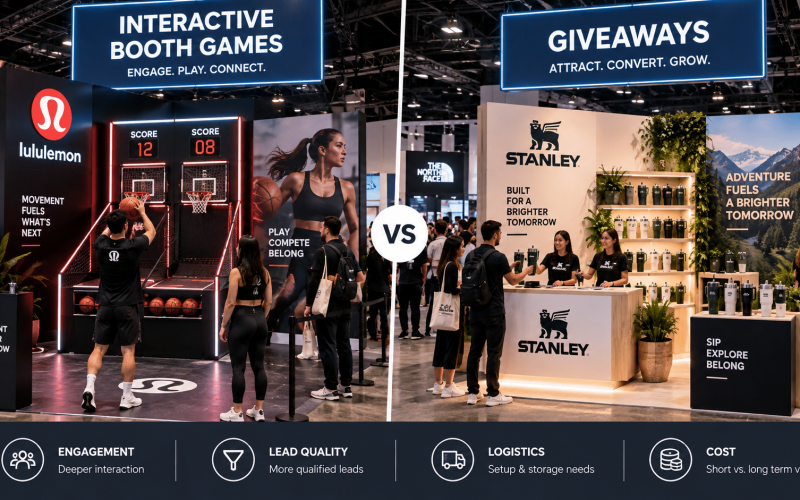
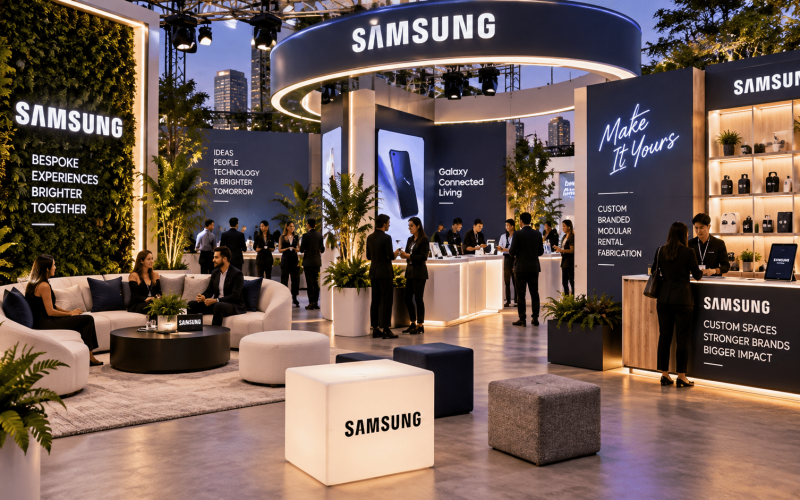
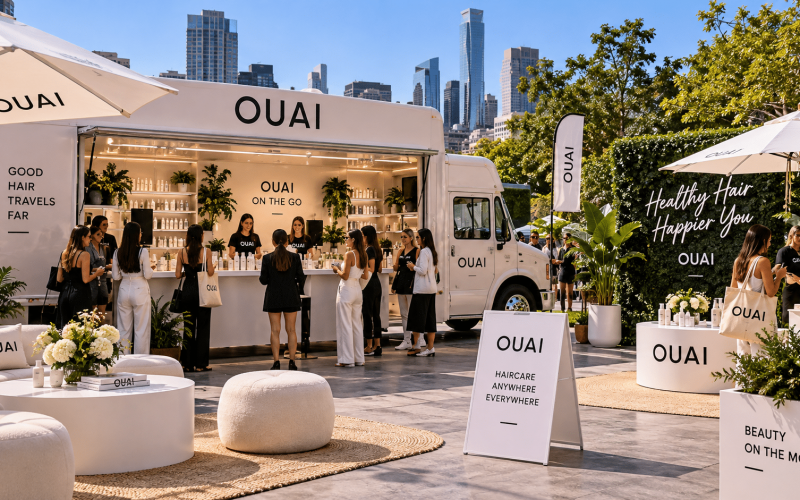
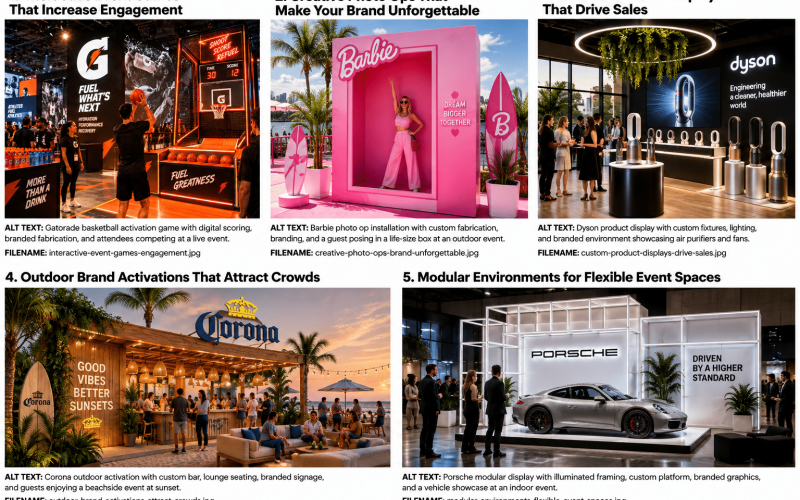
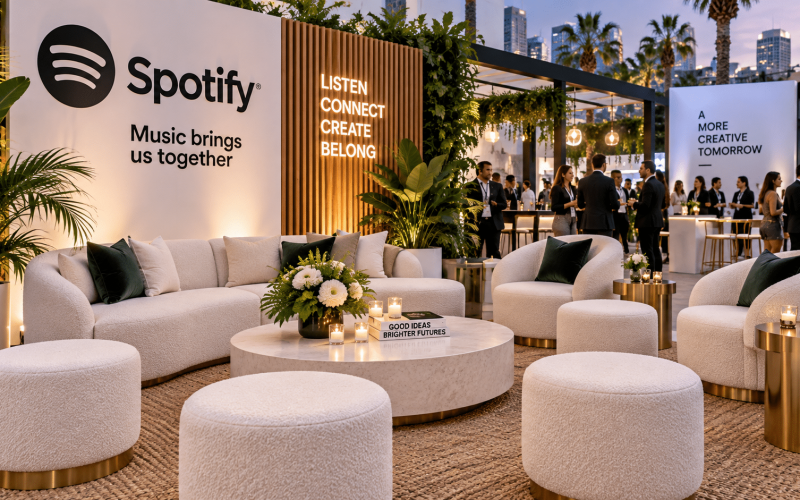
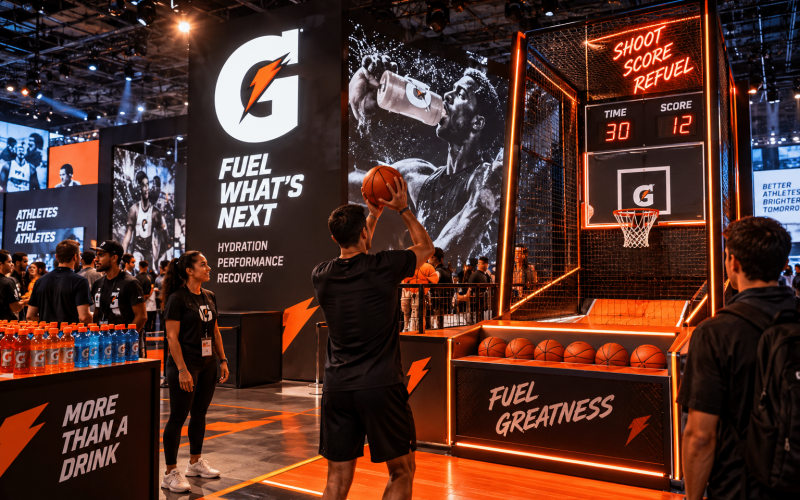
A simple branded element, such as a vinyl-wrapped counter, dimensional logo, or basic display fixture, may be fabricated in two to four weeks when artwork and specifications are complete. A custom trade show booth, branded lounge, pop-up environment, or interactive game typically needs four to eight weeks. These builds involve multiple production disciplines, often including carpentry, metalwork, CNC cutting, paint, graphics, electrical integration, and final assembly.
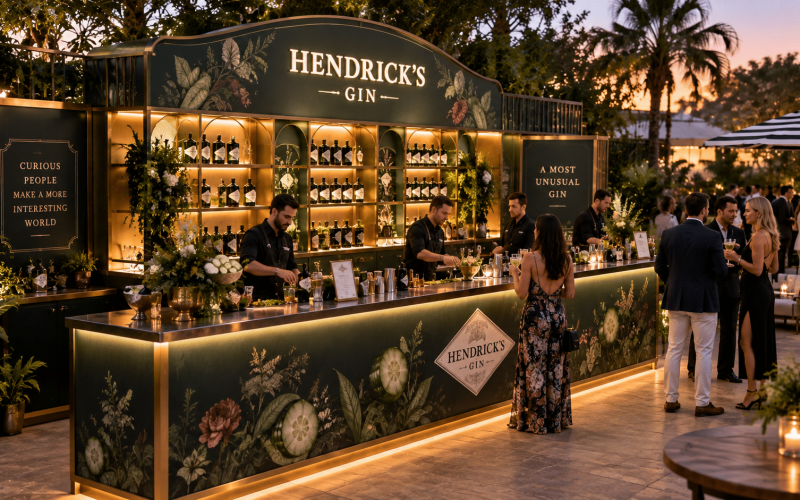
Complex brand activations should be scoped earlier. If a build includes custom electronics, motion components, specialty finishes, integrated lighting, a photo moment, product displays, or safety-sensitive structural elements, an eight-to-twelve-week production window is a more responsible baseline. A concept may be approved quickly, but custom parts, finish samples, programming, and testing still require time.
There are exceptions. An experienced fabrication partner can sometimes accelerate a project when the design is focused, materials are available, and the client can approve details quickly. Fast turnaround does not remove the sequence of work. It compresses it, often with added labor, expedited freight, and fewer opportunities to revise after production begins.
The Stages Behind a Fabrication Timeline
Design development and production engineering
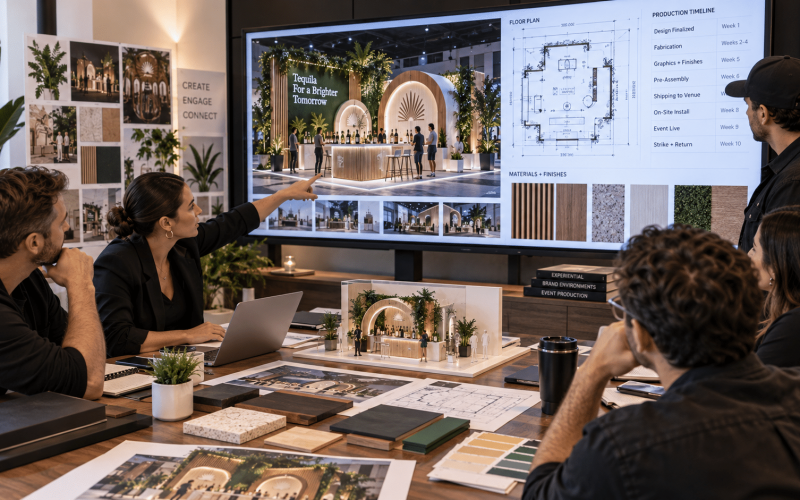
Fabrication starts when a concept becomes buildable. A creative rendering establishes visual direction, but the production team must determine dimensions, material thicknesses, structural support, access panels, hardware, electrical requirements, and how the asset will break down for shipping and installation.
This stage can take several days for a simple fixture or one to two weeks for a substantial environment. It becomes longer when drawings are incomplete or when the concept must adapt to a specific venue footprint. For trade show booths, booth regulations, height limits, hanging-sign rules, and utility locations can all affect the final construction plan.
Material sourcing and shop scheduling
Once the design is released, materials must be sourced and labor scheduled. Standard lumber, acrylic, laminate, and common hardware are often available quickly. Custom metal fabrication, specialty acrylic colors, premium laminates, custom upholstery, uncommon finishes, and branded components may have longer lead times.
Shop capacity matters too. Event production has seasonal pressure points, especially around major trade shows, holiday campaigns, and spring or fall activation calendars. A build that takes four weeks in a quiet production period may need more lead time when the fabrication schedule is full. Booking early gives the production team room to sequence work properly rather than treating every task as an emergency.
Fabrication, finishing, and graphics
The physical build is where timelines vary most. A custom counter might move through cutting, assembly, paint, graphics application, and quality review in a few days. A full environment may require separate teams to fabricate structures, produce graphics, upholster seating, assemble interactive elements, and integrate lighting before the pieces come together.
Finishes deserve particular attention. Paint, stain, clear coats, adhesive applications, and vinyl wraps each require preparation and curing time. Rushing this work can create visible defects, weak adhesion, or damage during packing. For a brand activation, finish quality is not cosmetic overhead. It directly affects how the brand appears in photos, social content, and in-person engagement.
Quality control, packing, and logistics
A completed asset is not automatically event-ready. Before shipment, it should be assembled or dry-fit when appropriate, checked against approved specifications, photographed, and packed for its travel conditions. Components need labels, protective packing, and clear installation instructions, particularly for multi-part booths or displays moving through a convention center.
Freight adds its own timeline. Ground transit can take days or more than a week depending on destination and carrier scheduling. Advance warehouse deadlines, dock appointments, union labor requirements, and venue delivery windows should be included in the master schedule. For nationwide activations, the last mile is often the least forgiving part of the plan.
What Usually Delays a Custom Event Build
The most common delay is not fabrication itself. It is a late change after a build has already been engineered or started. Changing a logo scale, finish color, product footprint, monitor size, or floor plan can trigger revisions across drawings, materials, graphics, and structural components.
Approvals also have an outsized effect. A project with one designated decision-maker and a clear approval process moves far more efficiently than one that requires feedback from several departments without a final owner. Brand, legal, venue, product, and agency stakeholders may all have valid input, but their review points should be planned before fabrication begins.
Other frequent schedule risks include incomplete artwork, late venue details, specialty materials on backorder, untested technology, and unclear shipping requirements. These issues are manageable when identified early. They become expensive when they surface during the final production week.
How to Build a More Reliable Timeline
Start with the event date, then work backward from the actual delivery requirement, not the opening hour. Include warehouse deadlines, freight transit, installation time, client review, packing, quality control, and a realistic fabrication window. This approach reveals whether the schedule is genuinely feasible before commitments are made.
A strong fabrication brief should define the event objective, dimensions, brand standards, desired finishes, interactive requirements, expected audience use, venue constraints, and whether assets will be reused. Reuse changes the construction approach. A one-day pop-up can use lighter materials than a touring activation that will be installed, packed, and shipped repeatedly.
It also helps to separate decisions that must be final from decisions that can remain flexible. Structural dimensions, monitor sizes, electrical needs, and graphics templates should be resolved early. Small decor details may be held longer, provided they do not affect the underlying build. That distinction protects the production schedule without limiting creative development.
When Rentals Can Shorten the Schedule
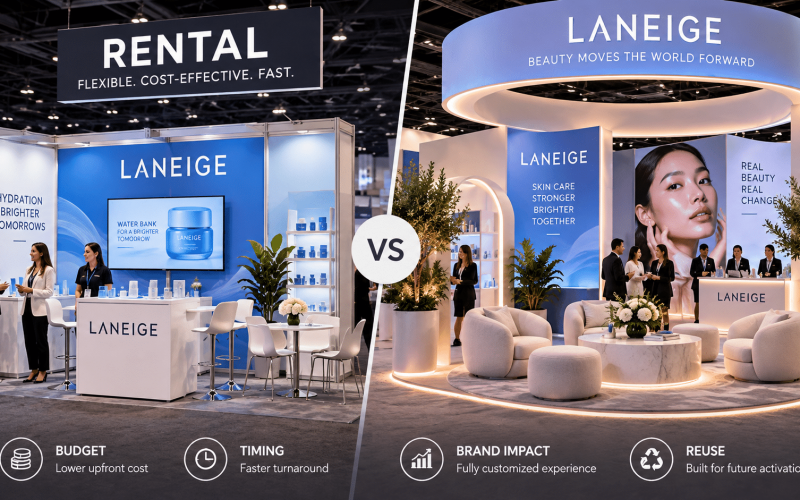
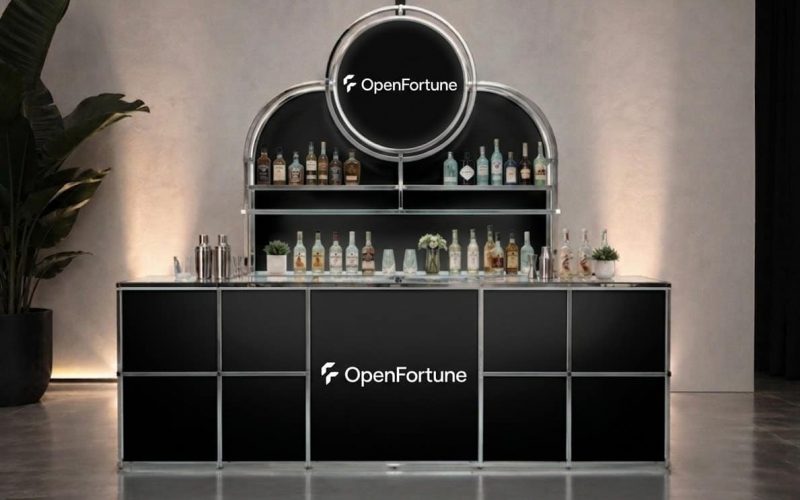
A rental strategy can reduce fabrication time when the event needs standard furnishings, bars, shelving, seating, or foundational display components. Renting established event pieces allows the custom budget and schedule to focus on the parts attendees will remember: branded facias, graphics, product moments, custom games, or a distinctive centerpiece.
This is not always the right solution. A rental item may not match an exact brand form, color, or footprint, and it may have availability constraints during busy event periods. But for a tight-turn activation, combining rental inventory with custom fabrication can protect the date while preserving a branded, intentional experience.
The Best Time to Engage a Fabrication Partner
Bring a fabrication partner in when the creative direction is established, not after every visual detail is locked. Early production input can identify costly assumptions before they become commitments. A fabricator can advise on material alternatives, transport-friendly construction, assembly time, durability, and which visual details will have the greatest impact on-site.
For a custom trade show booth or major brand activation, start the conversation eight to twelve weeks before the event whenever possible. Four to six weeks can work for many focused builds. If the schedule is shorter, be direct about the deadline, budget, venue, and non-negotiable elements from the first conversation.
The practical goal is not simply to fabricate faster. It is to arrive with a polished, brand-correct environment that installs cleanly and performs under live-event conditions. Give the build enough runway, and your team can spend show week engaging attendees instead of managing preventable production problems.