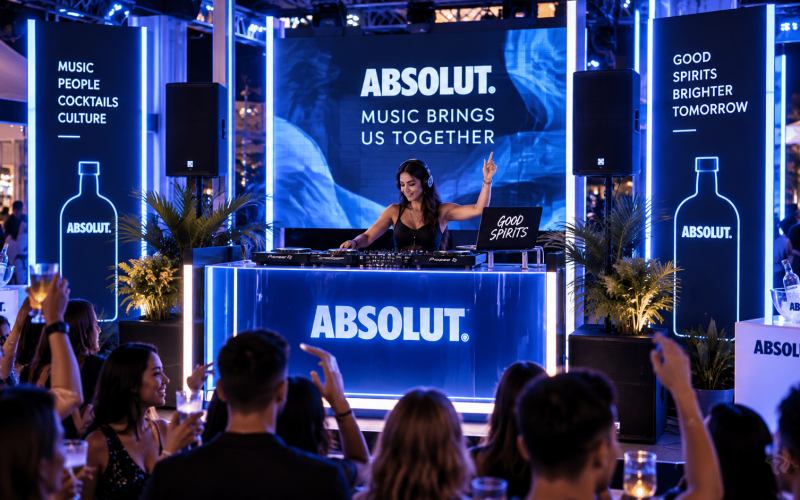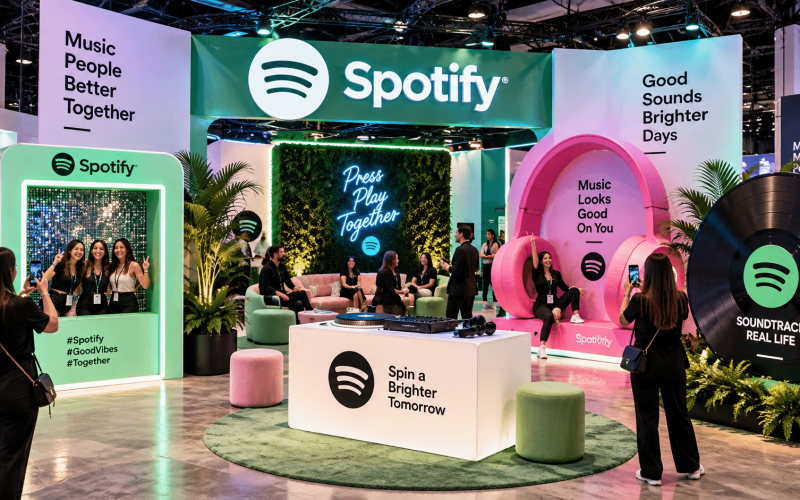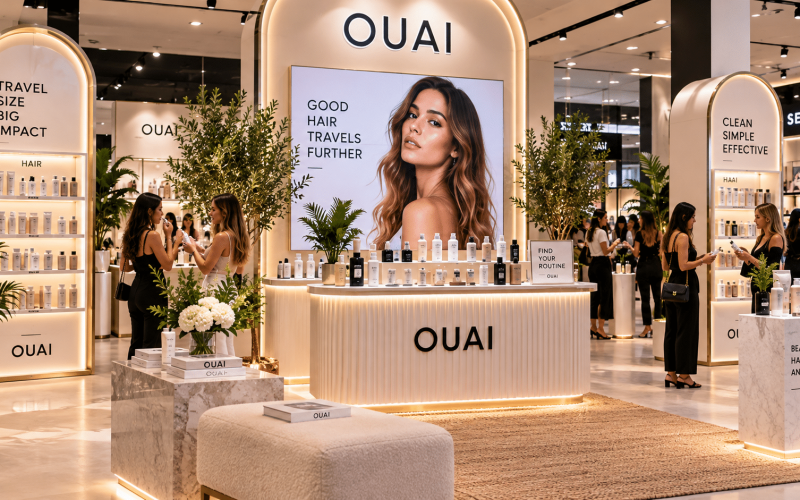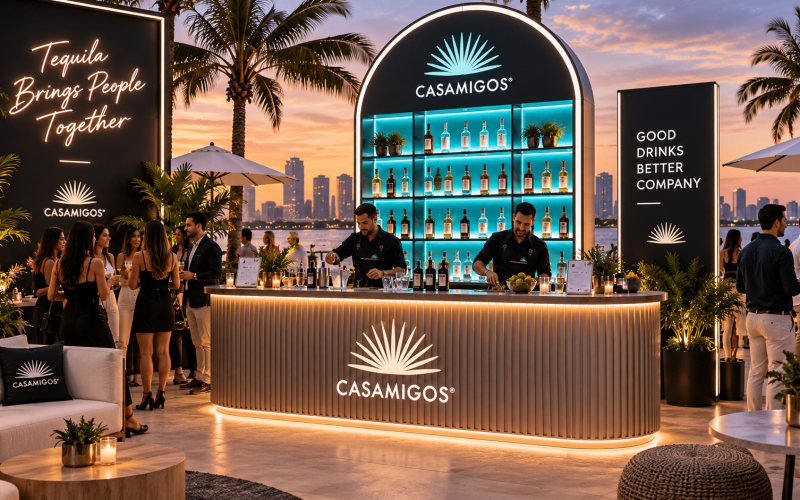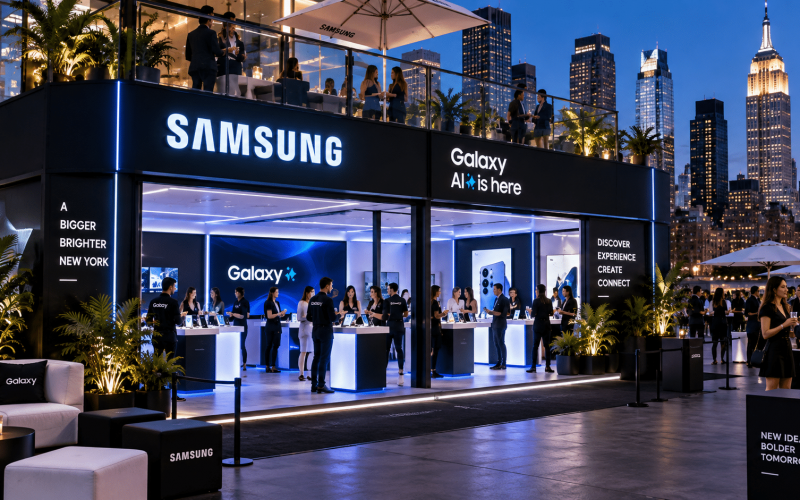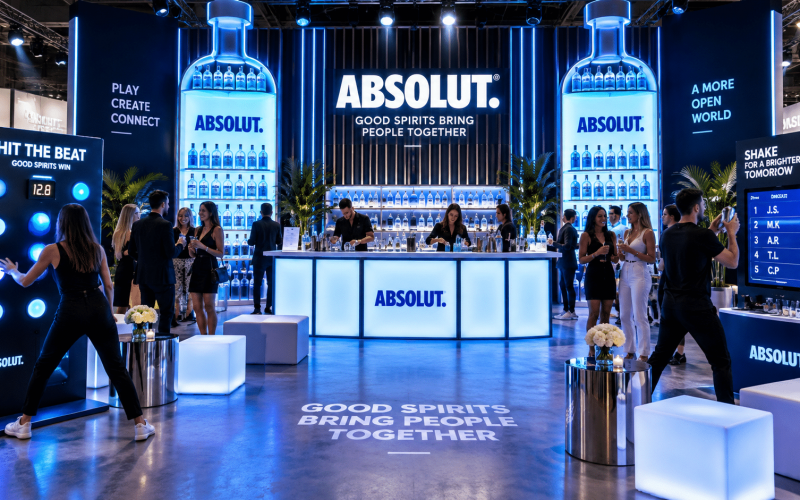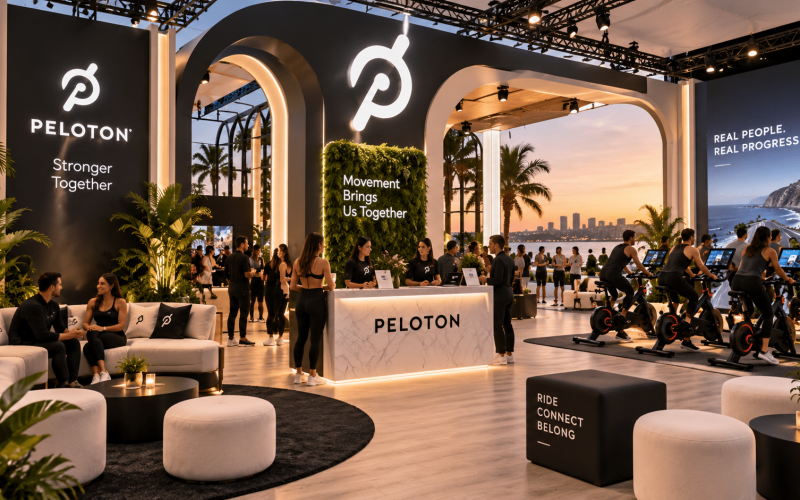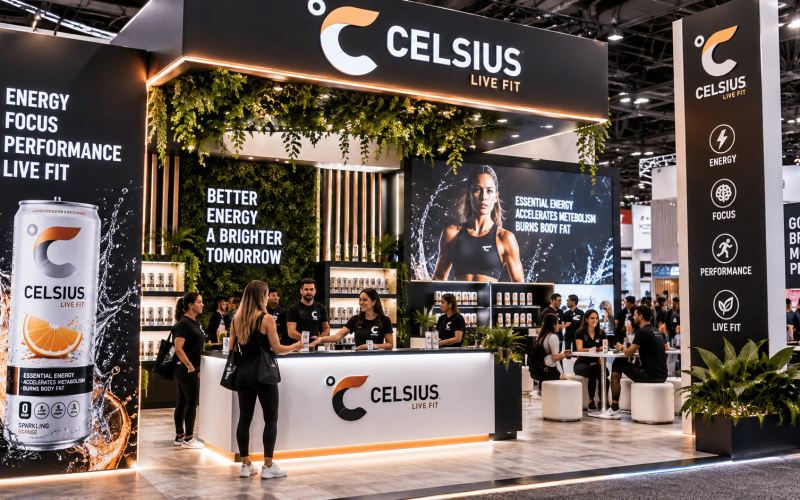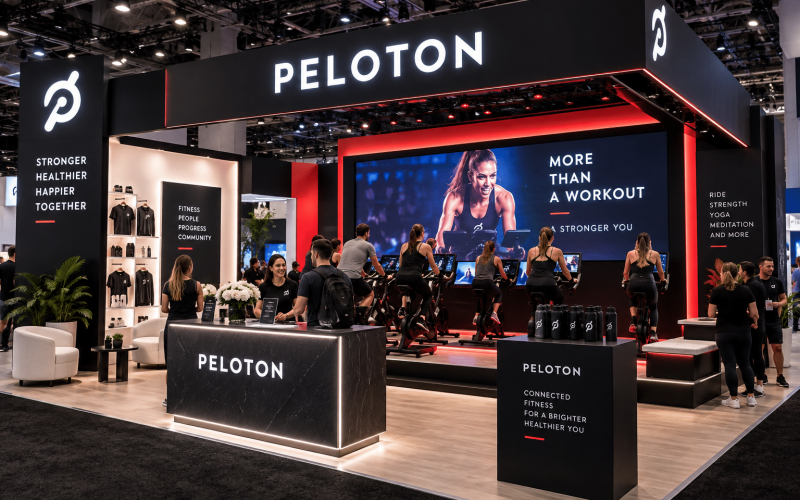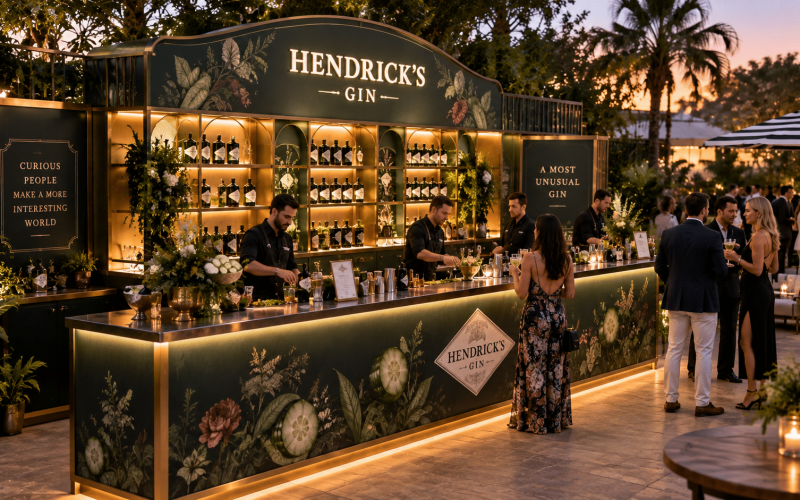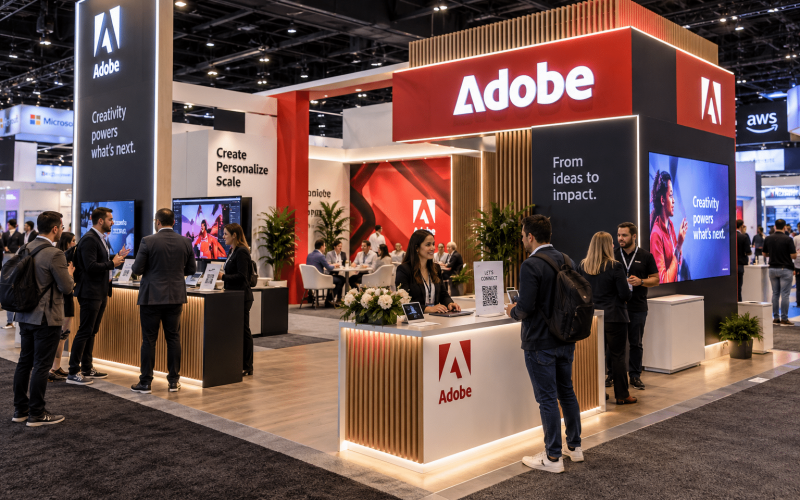
A crowded show floor is not the place to discover that a lounge chair is undersized, a branded counter lacks power access, or a rental delivery misses the dock appointment. Event rentals are not simply a line item for filling space. For brand activations, trade show booths, and live campaigns, they are working parts of the guest experience and the production plan.
The right rental package supports the creative concept without slowing down install, compromising brand standards, or creating avoidable labor on site. That requires more than selecting furniture from a catalog. It requires evaluating how every piece will look, function, travel, and perform in a live environment.
What Event Rentals Need to Accomplish
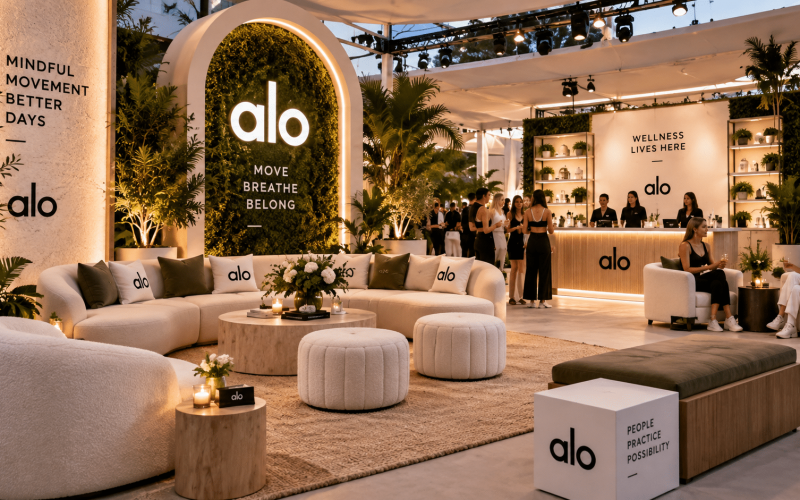
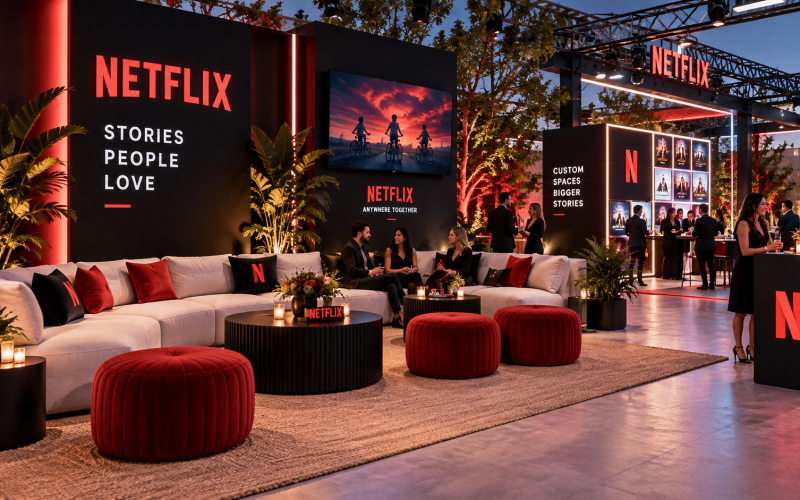
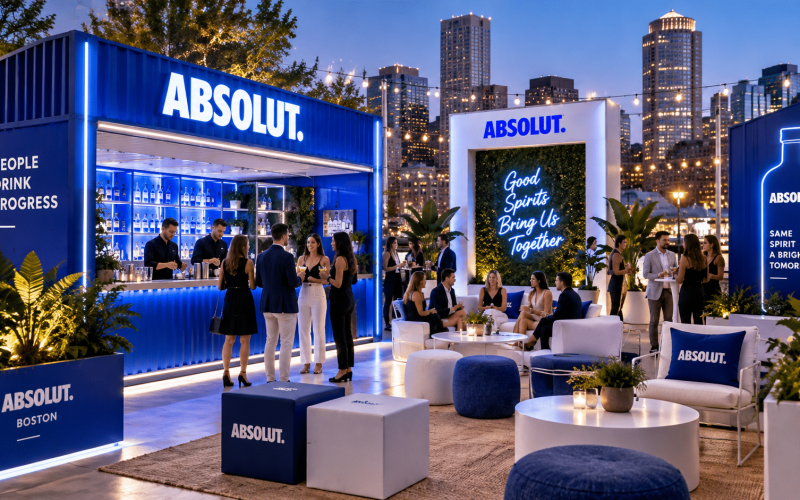
For experiential teams, rentals should solve practical needs while reinforcing the reason people stop, engage, and remember the space. Seating, counters, shelving, bars, displays, game units, and supporting decor all influence traffic flow and dwell time. A well-placed communal table can encourage product conversations. A polished check-in counter can establish a professional first impression. A lounge setup can give guests a reason to stay longer.
The challenge is that a product can look good in a rental inventory image and still be wrong for the event. Dimensions may conflict with the floor plan. Finishes may fall flat under venue lighting. A piece may create visual clutter when paired with a large-format graphic wall or an interactive experience. Event producers need assets that work as a complete environment, not a collection of unrelated objects.
This is where an event-focused production partner adds value. The conversation should begin with the experience: Who is attending, what should they do in the space, and what does the brand need them to take away? Rental recommendations should follow those answers.
Start With Function, Then Build the Look
Creative teams often begin with a visual direction, which is necessary. But the most reliable rental plan starts by defining the operational jobs each zone must perform. Reception needs storage and an efficient guest path. A product demonstration needs the right counter height, concealed cable management, and adequate space for staff. A hospitality area needs furniture that is comfortable enough to use but durable enough for constant turnover.
Once function is clear, the visual package can be built around it. This approach helps teams make better trade-offs when budgets or footprints tighten. A smaller number of high-impact pieces, paired with custom-branded focal points, can often create a stronger environment than filling every open area with generic furniture.
For example, a 10-by-20-foot trade show booth may need only a reception counter, two meeting tables, a product display, and a small lounge grouping. If the counter and display are fabricated to carry the brand story, the rental furniture can provide polish and utility without competing for attention. In a larger brand activation, the balance may shift toward more rental inventory to support guest volume, while custom elements create the signature moments.
Consider the Audience’s Behavior
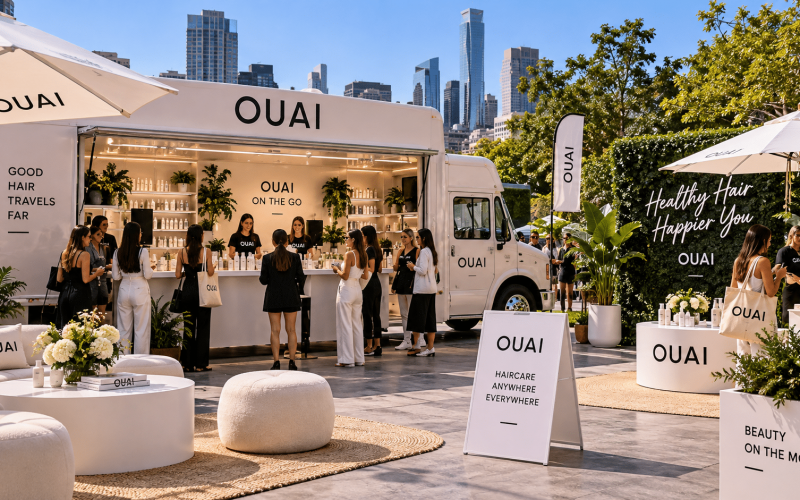
Rental selection should reflect how guests will move and participate. A fast-moving convention audience may benefit from upright tables that support short conversations. A consumer pop-up built around sampling or demonstrations may need queue management, transaction-height counters, and durable surfaces that can be wiped down throughout the day.
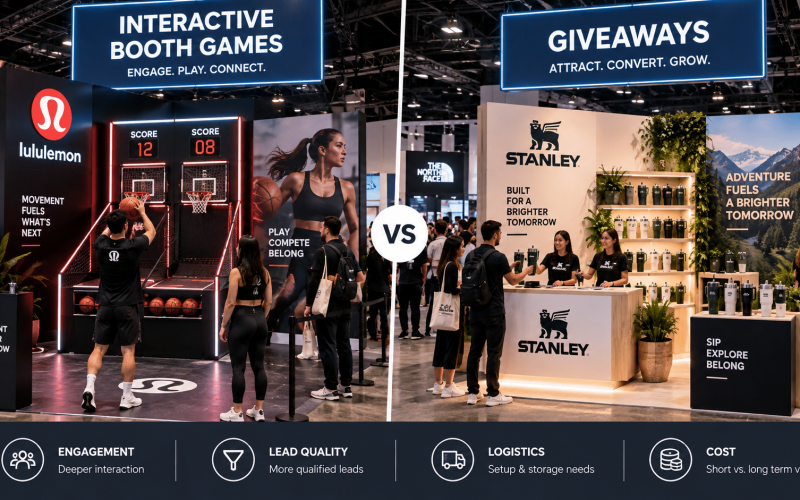
For a VIP or press event, comfort and finish quality may carry more weight. For a high-energy game or social activation, flexibility and circulation matter more. There is no universal furniture package because the goal is not to furnish a room. The goal is to support a specific interaction.
The Details That Protect the Production Schedule
Reliable event rentals are planned with logistics in mind from the beginning. Teams should confirm venue rules, loading dock procedures, elevator dimensions, delivery windows, union requirements, and install access before finalizing major pieces. A large lounge sofa or oversized display may fit the floor plan but still be difficult or expensive to move into a second-floor ballroom.
Measurements also need to account for more than the asset itself. Leave room for guests pulling out chairs, staff working behind counters, equipment doors opening, and attendees entering or exiting an experience. Tight clearances can make a polished design feel difficult to use within minutes of doors opening.
Power is another frequent source of late changes. If a counter will hold tablets, point-of-sale equipment, lighting, or charging stations, determine where cables will run and how they will be concealed. The same applies to display fixtures that incorporate screens or interactive technology. Rental furniture and custom fabrication must be coordinated with the technical plan, not added after it.
A clear production schedule should establish when assets are confirmed, when custom graphics or branded components are approved, and when installation teams receive final floor plans. This reduces substitution risk and gives the fabrication team time to solve details before the truck is loaded.
When Standard Rentals Are Not Enough
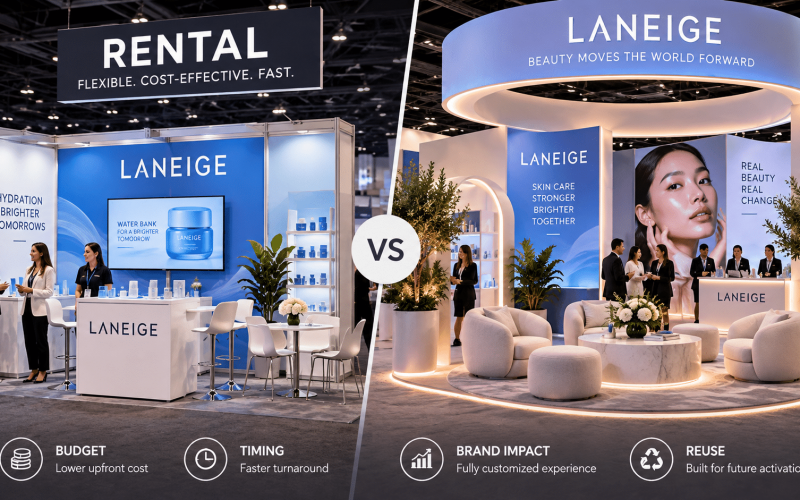
Standard inventory is efficient, particularly for seating, tables, bars, and support furnishings. It can also be the right choice when an event has a short run, a tight schedule, or a footprint that changes across multiple markets. Renting avoids building one-time assets that may not have a future use.
However, standard rentals have limits. They cannot always express a campaign concept, accommodate a specialized product demonstration, or create the visual distinction a major launch requires. When the experience depends on a memorable centerpiece, a custom product is often the more effective investment.
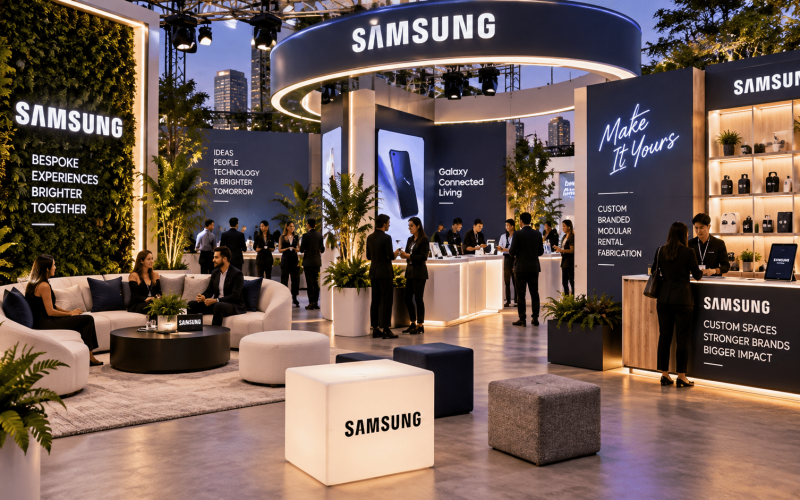
The strongest approach is frequently a hybrid one: use event rentals for the functional foundation, then add fabricated elements where customization has the greatest impact. That may mean a branded bar front, a dimensional product display, custom shelving, an interactive game element, or a modular reception structure designed around the campaign. The result is more intentional than an all-rental environment and more efficient than fabricating every component from scratch.
For teams executing in New York, New Jersey, Boston, or Connecticut, local rental support can also reduce complexity around delivery, installation, and return timing. For nationwide activations, custom fabricated assets can be designed with freight, assembly, and repeat deployment in mind.
Ask Better Questions Before You Request a Quote
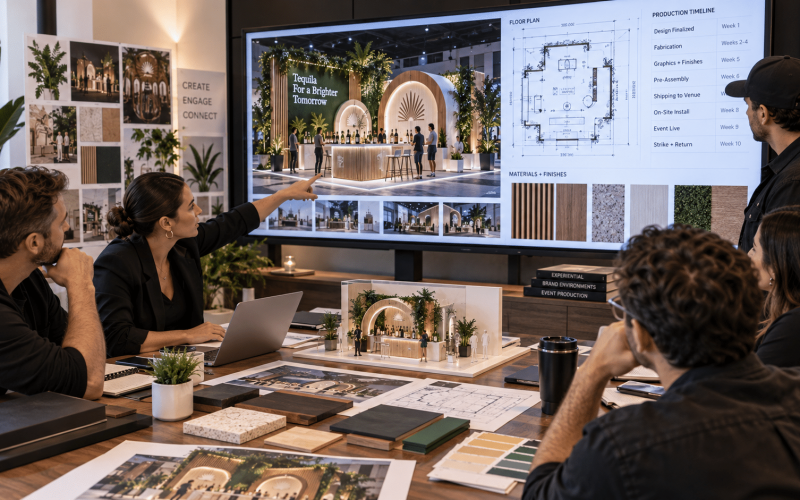
A rental quote is most useful when the production partner receives enough information to recommend the right package. Share the event date, venue, floor plan, access schedule, audience size, and the intended purpose of each zone. Include renderings or mood boards when available, but do not rely on imagery alone to explain what the space needs to accomplish.
It also helps to be direct about the nonnegotiables. If the brand requires a particular color direction, if the venue has strict load-in windows, or if the booth must accommodate a product with specific dimensions, raise it early. These constraints are not obstacles to hide. They are the information that shapes an accurate solution.
Ask whether pieces can be modified with branded graphics or paired with custom-built components. Confirm who manages delivery, installation, strike, and return. Clarify what happens if a venue changes access rules or if the final footprint shifts. A capable partner will address those realities before they become day-of-event problems.
Build for the Moment Guests Actually See
The most effective event environment is rarely the one with the most furniture. It is the one where every visible element has a purpose: to draw people in, make participation easier, support the staff, and keep the brand presentation consistent from opening to strike.
Portadecor approaches rentals as part of that larger execution plan, combining event-ready inventory with custom fabrication when the concept calls for more than an off-the-shelf setup. The practical question is not, “What can we rent?” It is, “What does this experience need to work?” Start there, and the right pieces have a clear role to play.