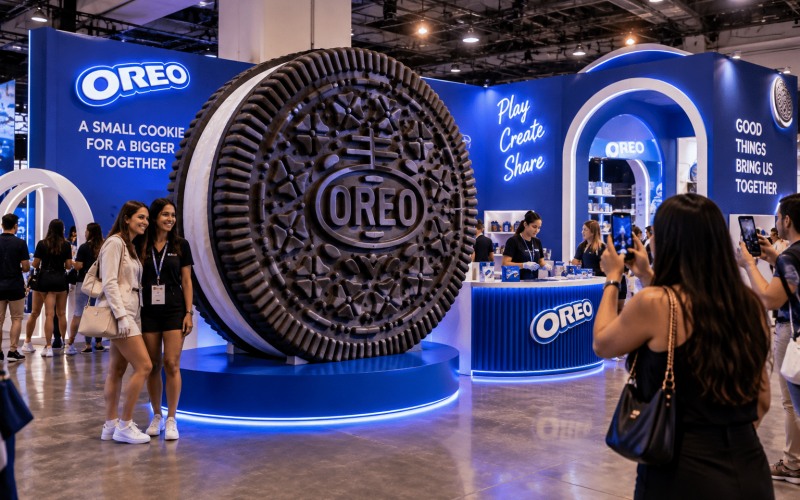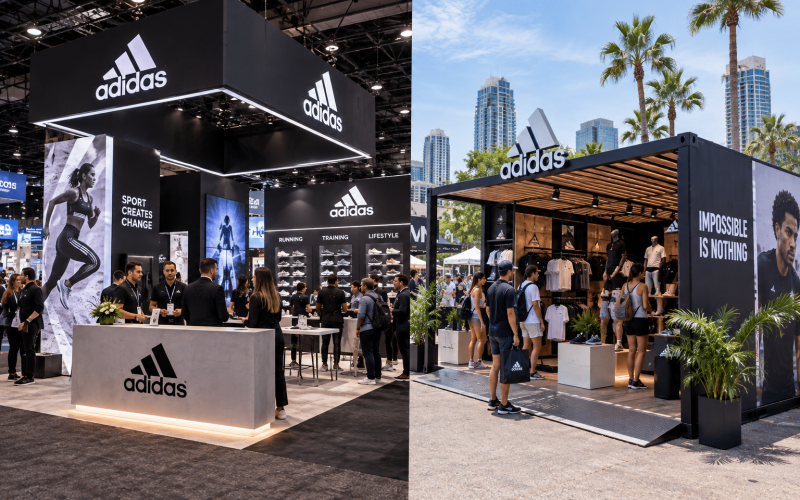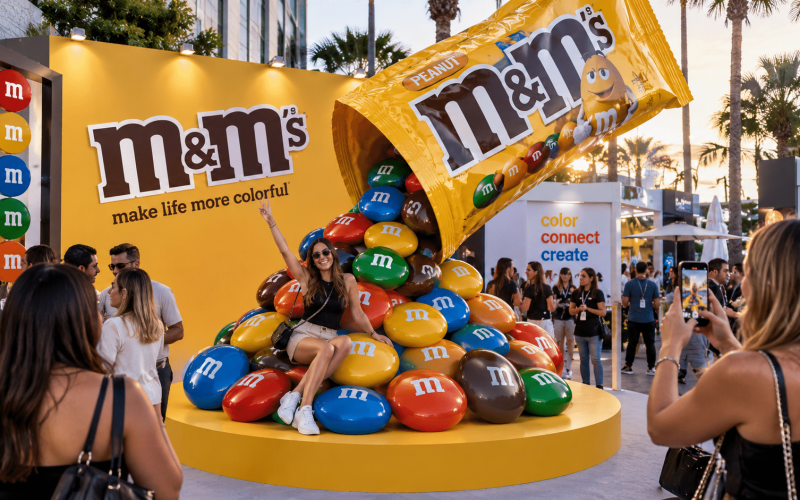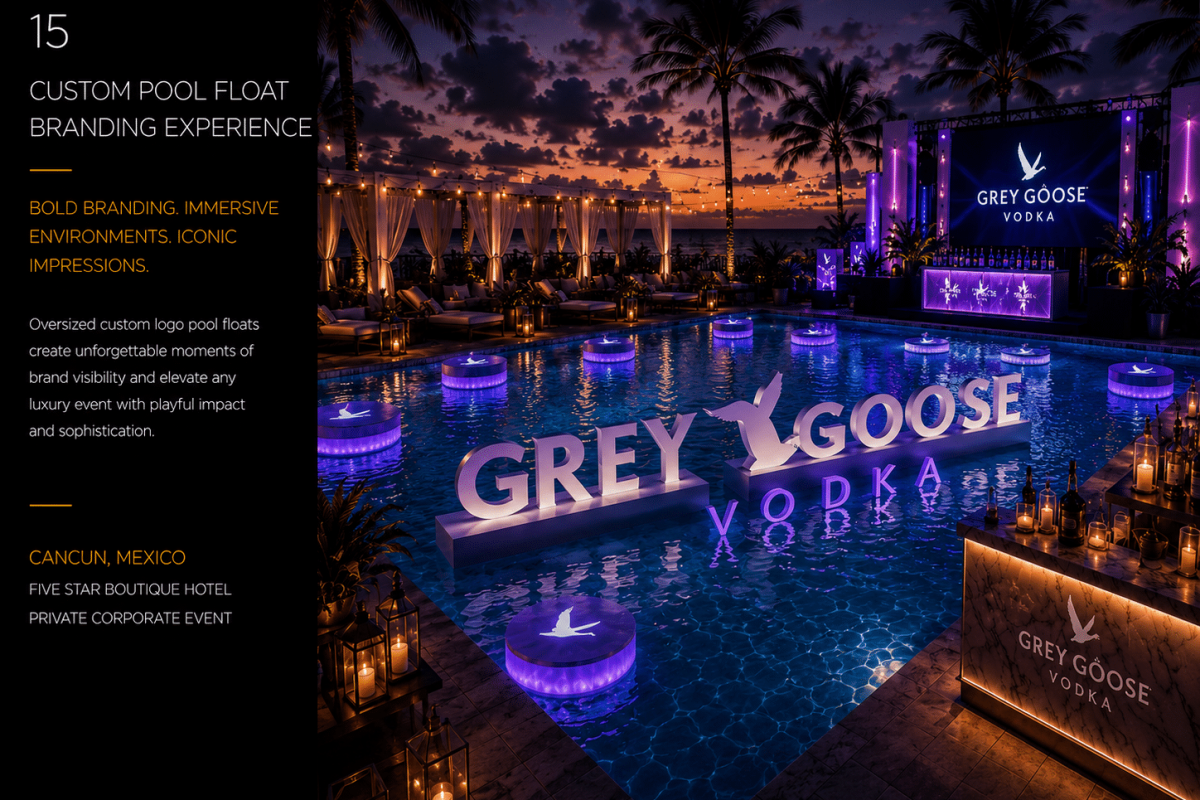
A launch date moves up. The booth footprint changes. Creative wants a finish that looks premium on camera but still holds up through load-in, show hours, and teardown. That is usually the moment a custom experiential fabrication company stops being a vendor category and starts becoming a critical production partner.
For brand marketers, agency teams, and event producers, the work is not just about building something that looks good in a rendering. It is about translating a concept into a physical environment that can be manufactured, branded, transported, installed, and used by real attendees without losing the original idea. That gap between concept and execution is where strong fabrication support matters most.
What a custom experiential fabrication company actually delivers
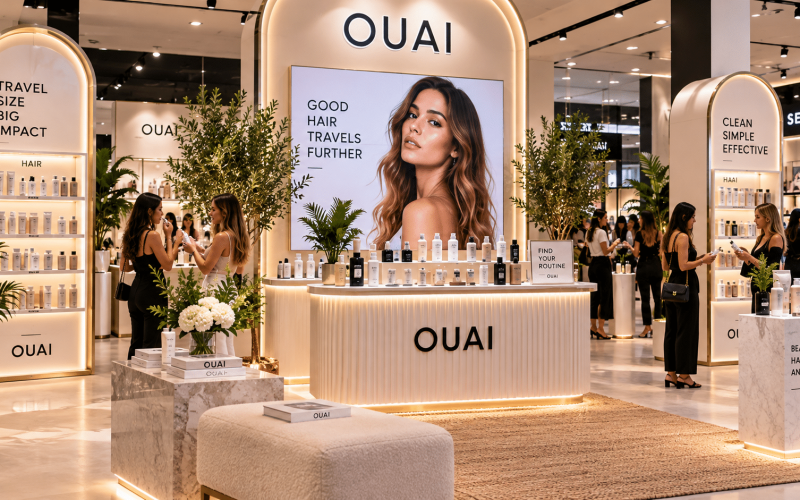
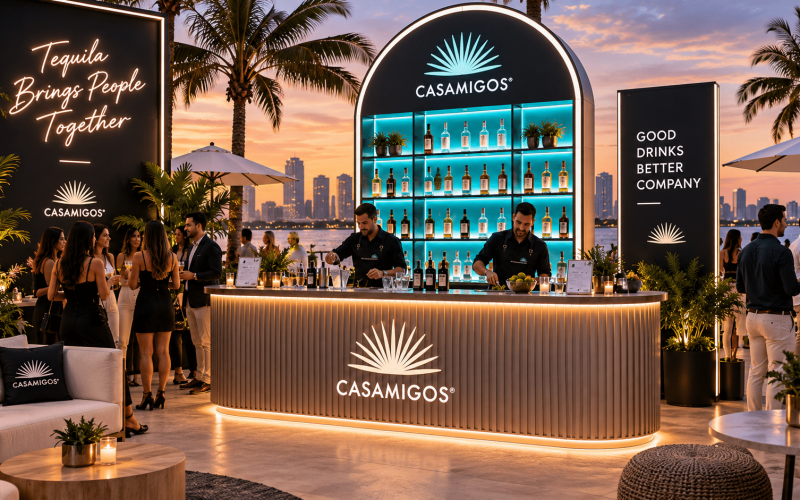
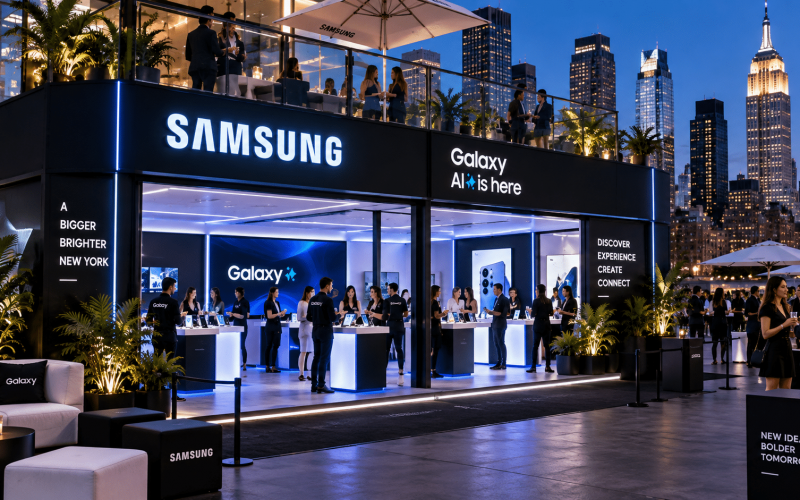
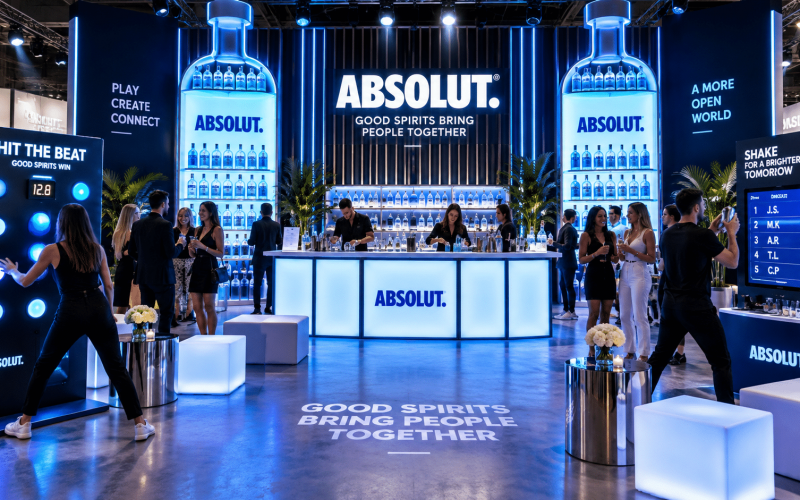
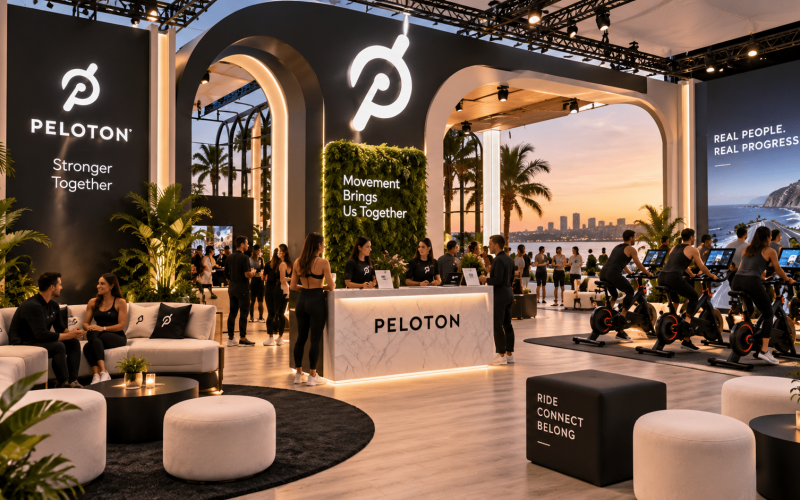
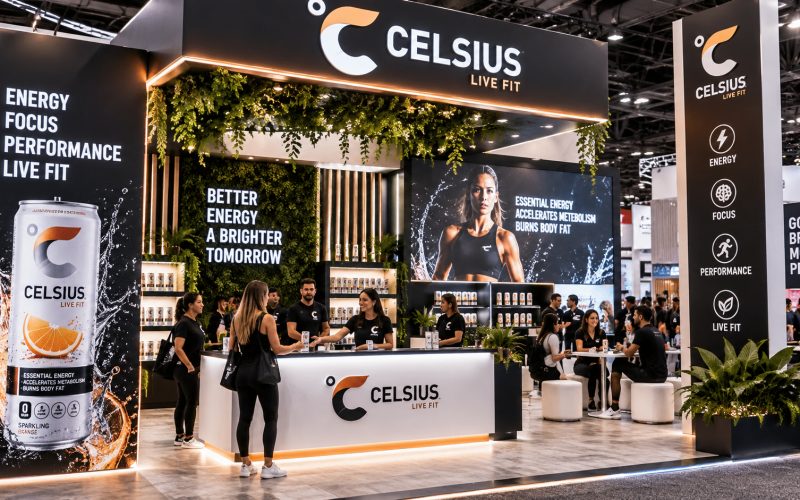
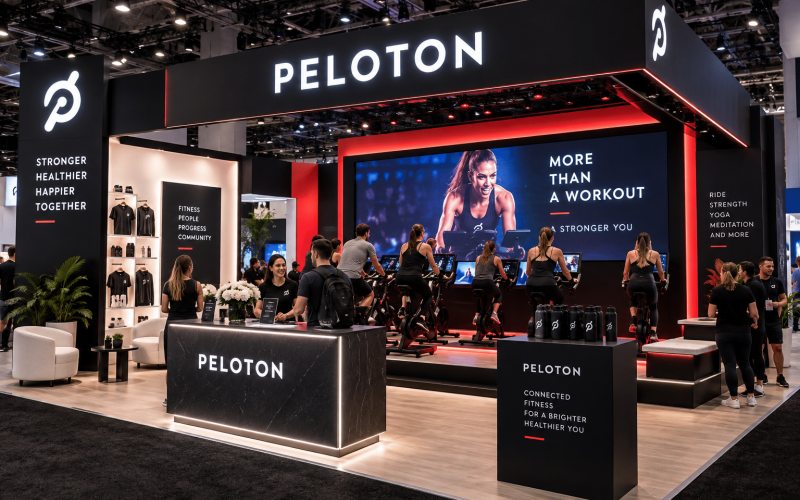
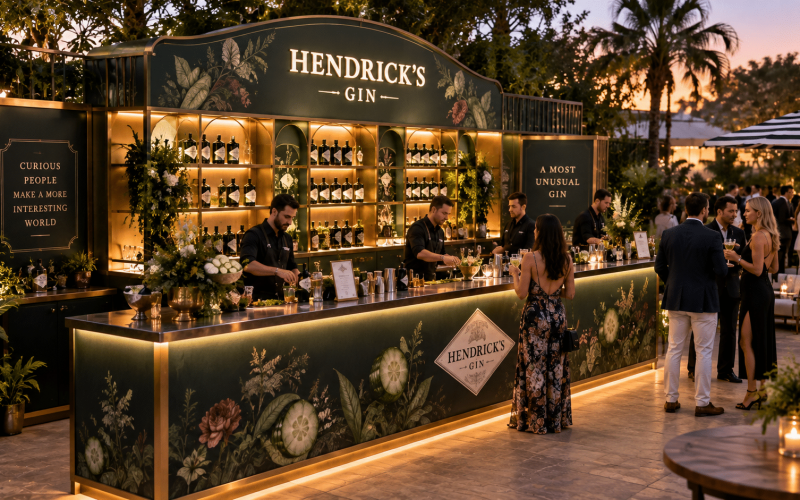
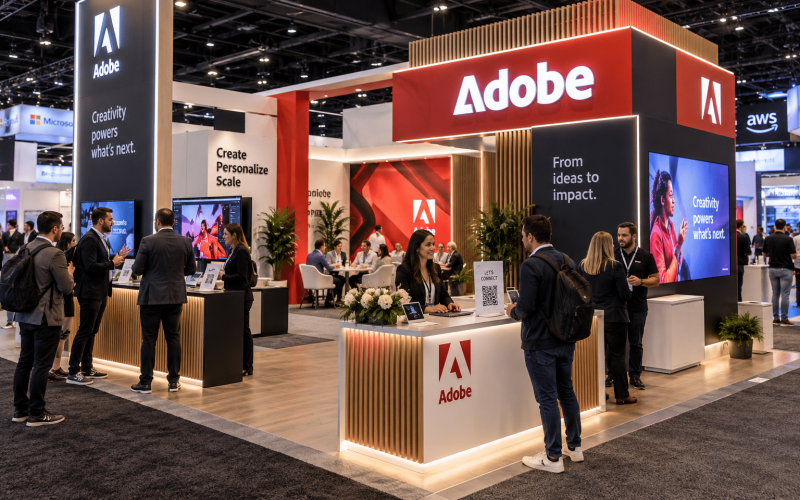
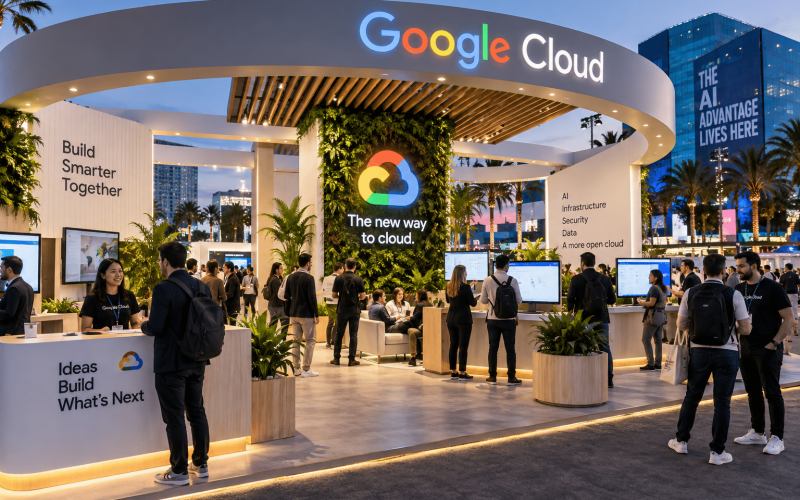
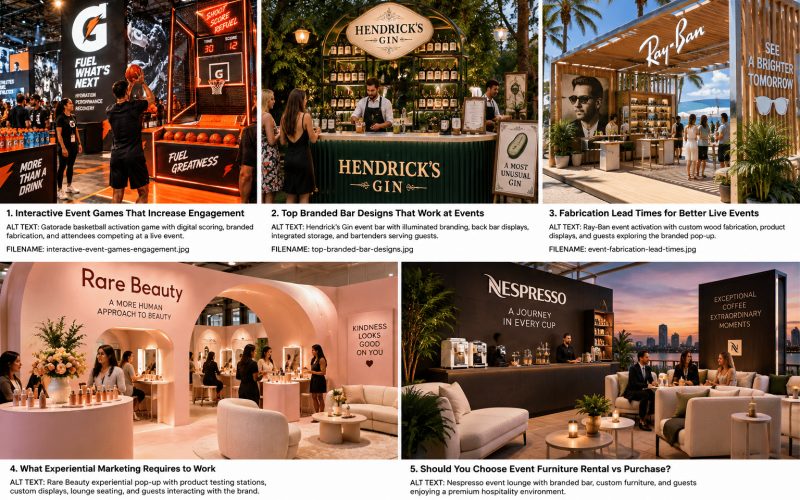
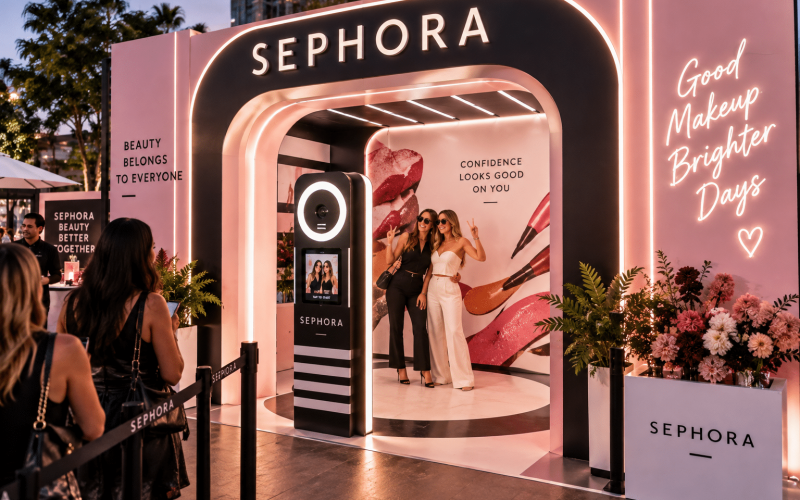
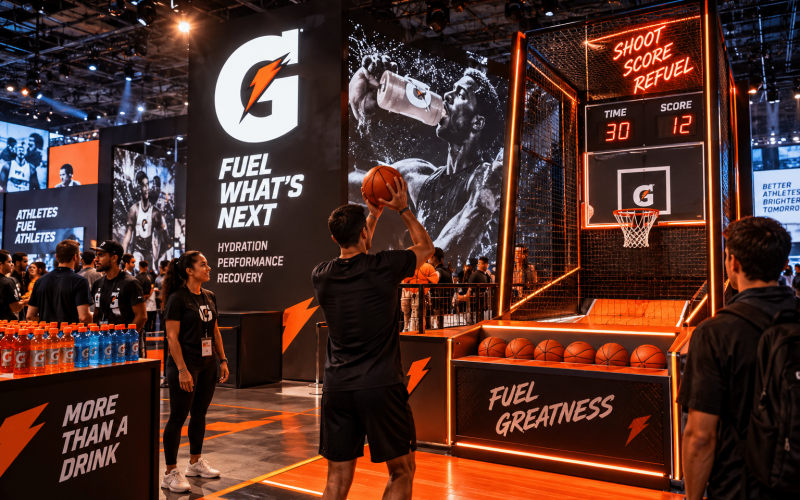
A custom experiential fabrication company builds the physical components behind live brand experiences. That can include trade show booths, branded display structures, event furniture, product showcases, pop-up environments, interactive game elements, scenic builds, and activation assets designed for repeated use.
The key distinction is that the work is not generic production. It is fabrication planned around brand presentation, attendee interaction, venue conditions, and event logistics. A display for a convention hall has different demands than a touring activation. A one-day product launch requires different material and assembly decisions than a multi-city campaign. The fabrication partner should be making those decisions with the event use case in mind, not simply producing parts from a file.
That matters because experiential projects fail in predictable ways. Finishes look right in the shop but wrong under venue lighting. Structural pieces become harder to install than expected. Interactive components attract attention but create staffing or traffic-flow issues on site. Good fabrication reduces those risks early, before they become expensive change orders or event-day problems.
Why fabrication expertise matters in experiential marketing
Experiential marketing asks more from physical builds than many other forms of branded production. The environment has to support visual impact, audience movement, brand consistency, and practical operations at the same time.
In a retail fixture or permanent installation, the design can be optimized for a stable setting. In an event environment, the build often needs to be portable, modular, fast to assemble, and durable enough to survive freight, install crews, attendee traffic, and tight schedules. Those are not side considerations. They directly affect the success of the activation.
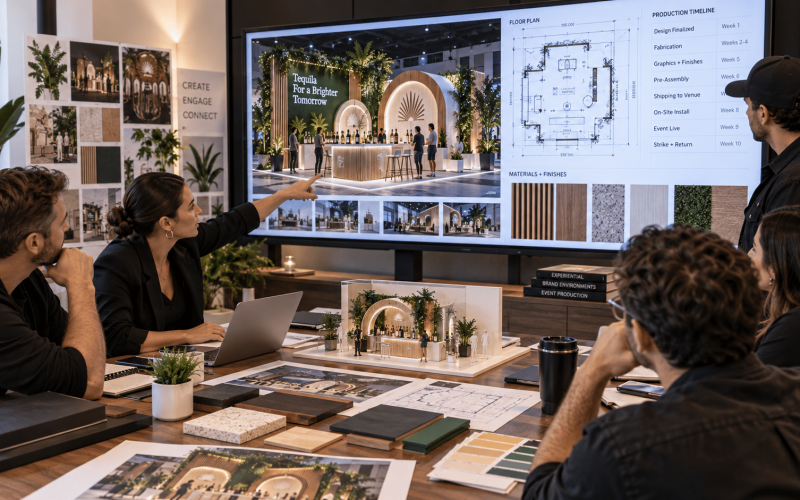
This is why marketers and agencies benefit from a fabrication-first mindset. When fabricators are involved early, they can flag where a concept needs engineering support, where a finish choice may not travel well, or where a feature could be redesigned to save cost without weakening the brand experience. That kind of input protects both the creative vision and the budget.
The difference between general fabrication and event-focused fabrication
Not every fabricator is built for experiential work. General custom shops may be excellent at millwork, metalwork, or scenic construction, but live events introduce pressures that require a more specific operating model.
Event-focused fabrication starts with timing. Deadlines are fixed because event dates are fixed. There is rarely room for production drift. It also requires familiarity with branding standards, venue restrictions, shipping realities, and install sequencing. A beautiful build that arrives late, packs poorly, or takes too long to assemble can still underperform.
There is also the matter of audience use. Experiential assets are not static showroom pieces. People touch them, lean on them, photograph them, and interact with them in unpredictable ways. The fabrication plan has to account for that wear while preserving presentation quality.
For buyers, this means the right partner is not simply the lowest bidder or the shop with the broadest capabilities. It is the team that understands how fabrication decisions affect activation performance.
What to look for in a custom experiential fabrication company
The first thing to evaluate is whether the company can translate design intent into production reality. That means more than saying yes to a concept. It means understanding dimensions, materials, finishes, branding applications, transport requirements, and assembly methods well enough to anticipate issues before fabrication begins.
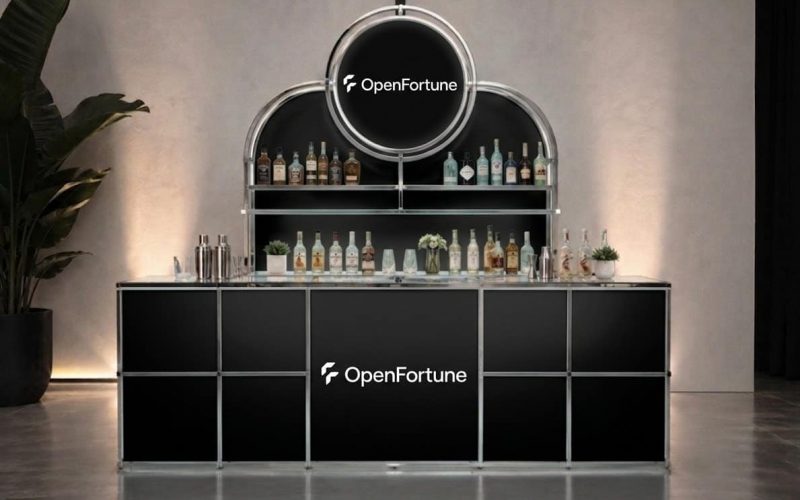
The second is range. Many experiential programs need more than one fabricated element. You may need a booth structure, branded counters, product displays, event furniture, and an interactive component that ties the activation together. Working with a partner that can coordinate those assets under one production approach usually leads to better consistency and fewer handoff problems.
The third is operational discipline. Can the team manage approvals cleanly? Can they adapt when venue specs shift or creative changes late? Do they build with install and teardown in mind, not just the final photo? These questions often matter more than a dramatic capabilities list.
A fourth consideration is whether the company can support both custom builds and rentable event elements when the program calls for it. In many cases, a hybrid model makes the most sense. Fully custom fabrication should be reserved for the pieces that carry the strongest brand value, while rental components can support speed and cost efficiency where customization is less critical.
Where the right partner adds value
A strong experiential fabricator adds value long before production starts. During design development, they can help simplify overbuilt concepts, recommend materials that hit the right visual target, and structure a build for easier logistics. This is often where the biggest savings happen, not by cutting corners, but by making smarter production choices early.
They also add value during execution. Fabrication quality affects how an activation feels in person. Tight branding application, clean finishes, stable construction, and well-resolved details signal professionalism to attendees and stakeholders alike. If the environment looks improvised, the brand impression suffers even if the campaign strategy is strong.
Then there is reuse. Many brands now want assets that can be adapted across multiple events, markets, or booth sizes. That requires thoughtful fabrication planning. Modular components, replaceable graphics, and durable construction can extend the life of a build and improve return on spend. The trade-off is that modularity sometimes limits total design freedom, so the right solution depends on how often the assets will travel and how many formats they need to support.
Common trade-offs in experiential fabrication
There is no single ideal build strategy for every event. Most projects involve trade-offs between cost, speed, appearance, durability, and reuse.
If visual impact is the only priority, a team might choose premium materials and highly custom finishes. That can produce a strong first impression, but it may increase freight costs, extend production lead times, or make the asset less practical to reuse. On the other hand, if portability is the main concern, lighter modular systems may reduce transport and labor costs but limit certain design features.
Budget is another variable. Sometimes the smartest approach is not to fabricate everything from scratch. It may be better to invest in hero elements that define the activation and use standard or rental-based components for supporting functions. For campaigns moving through multiple cities or venues, that balance can be more effective than full customization across the board.
This is where an experienced partner is valuable. They should be able to explain what each decision affects, rather than pushing a one-size-fits-all answer.
How custom fabrication supports trade shows and activations
Trade show booths and brand activations share some requirements, but not all. Trade shows often demand efficient footprint planning, message clarity, product visibility, and repeatable setup. Activations usually place more weight on immersion, interaction, and shareable audience moments.
A capable fabrication partner understands both. In a trade show setting, they may focus on traffic flow, meeting areas, demo stations, storage integration, and durable branded surfaces. In an activation setting, the emphasis may shift toward scenic impact, interactive elements, custom games, and physical features designed to pull attendees into the brand story.
For agencies and in-house teams managing multiple event formats, it helps to work with a fabricator that can support this full range. One project may need a polished convention booth. The next may require a pop-up with custom products, branded furniture, and interactive buildouts. Production systems should be flexible enough to handle both without sacrificing quality.
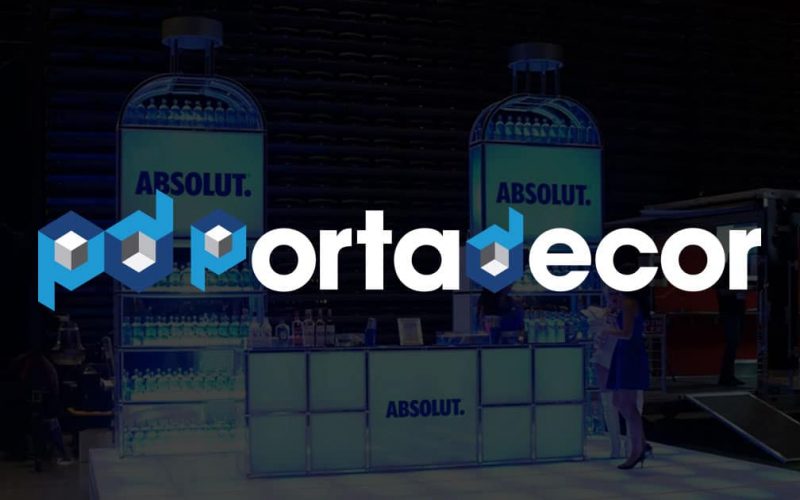
Companies such as Portadecor are built around that event-specific need, combining custom fabrication with branded event products and rentals to support practical execution.
Choosing a company that fits your workflow
The best fabrication partner is not just the one with the best shop output. It is the one that fits how your team works. Brand marketers may need confidence that visual standards will be protected. Agencies may need a partner that can move quickly from concept revisions to production-ready solutions. Event producers may care most about packing, install efficiency, and field reliability.
Ask how the company approaches approvals, revisions, engineering, and production timelines. Ask what happens when details change late. Ask whether they build for one event or for a broader event lifecycle. Those answers reveal more than a gallery ever will.
A custom experiential fabrication company should make the path from concept to event floor more controlled, more predictable, and more effective. When that happens, your team spends less time solving production problems and more time focusing on the audience experience you set out to create.
The best builds do not just fill space. They make the brand feel real, usable, and worth remembering.