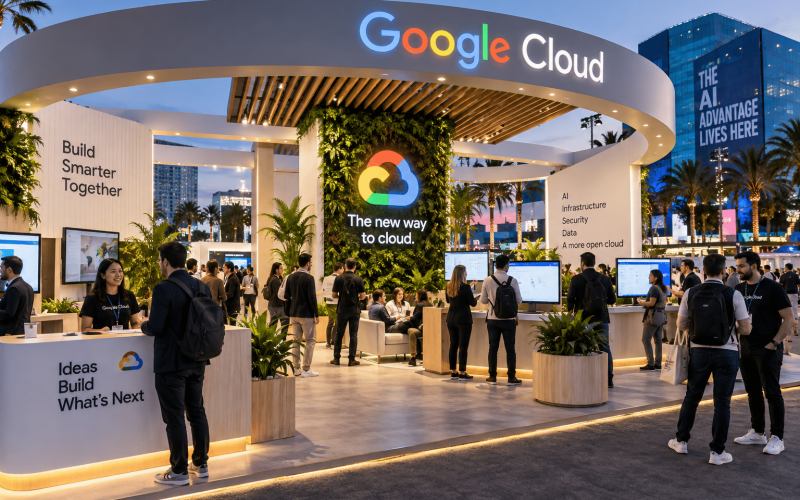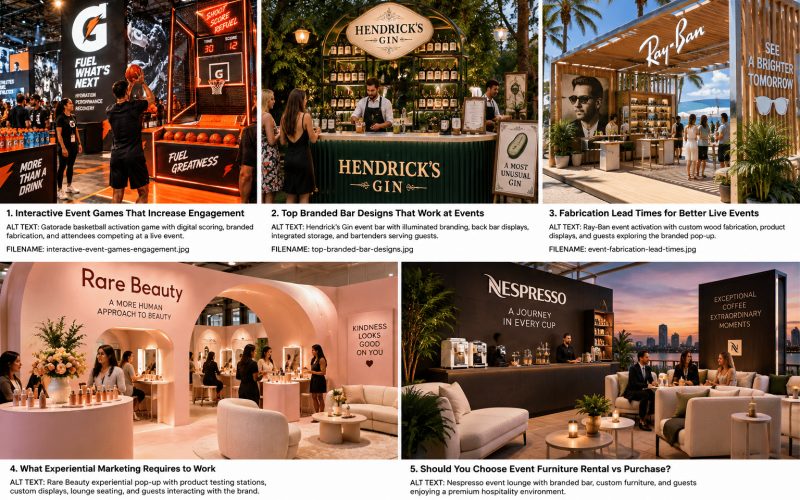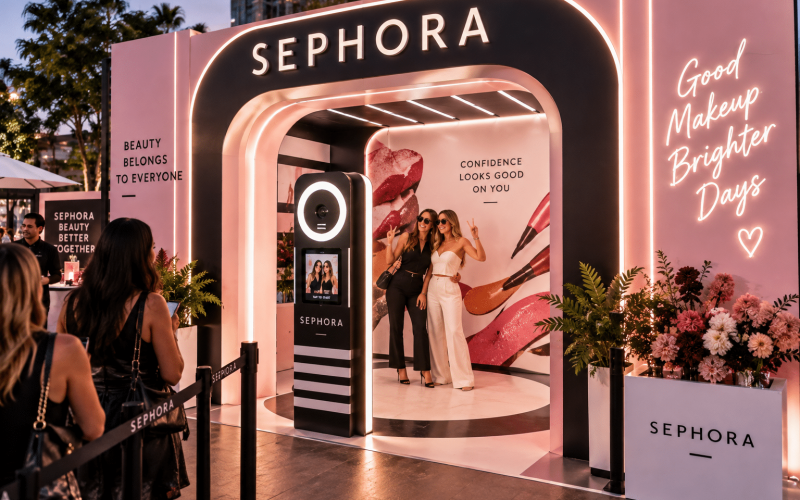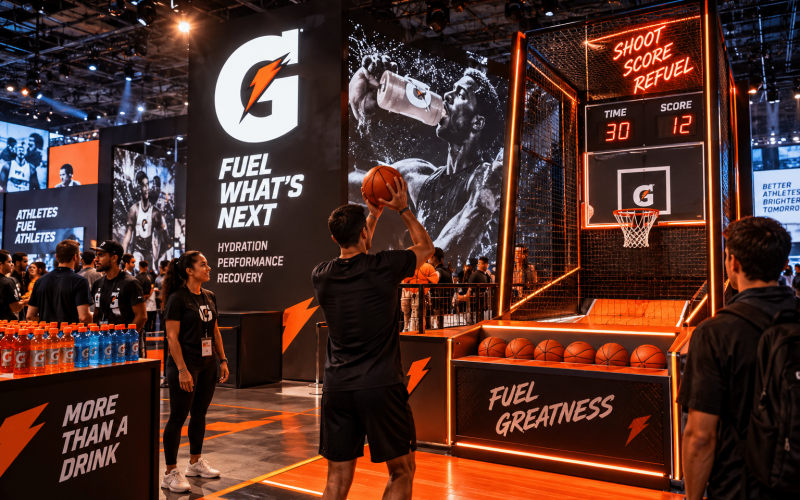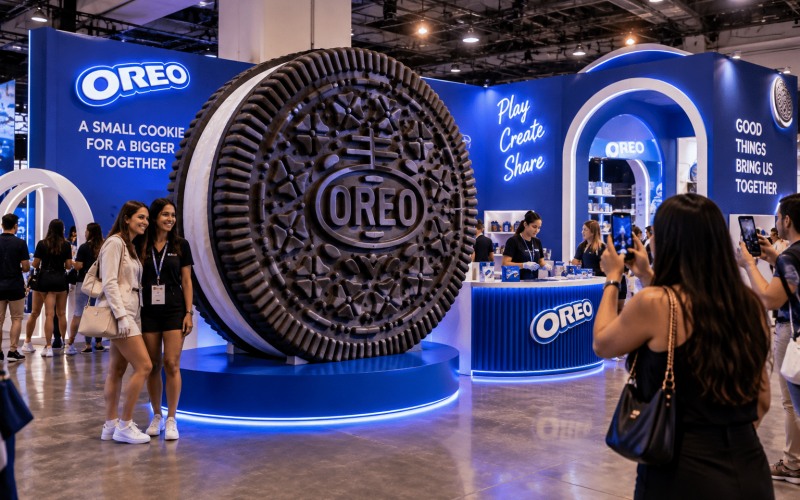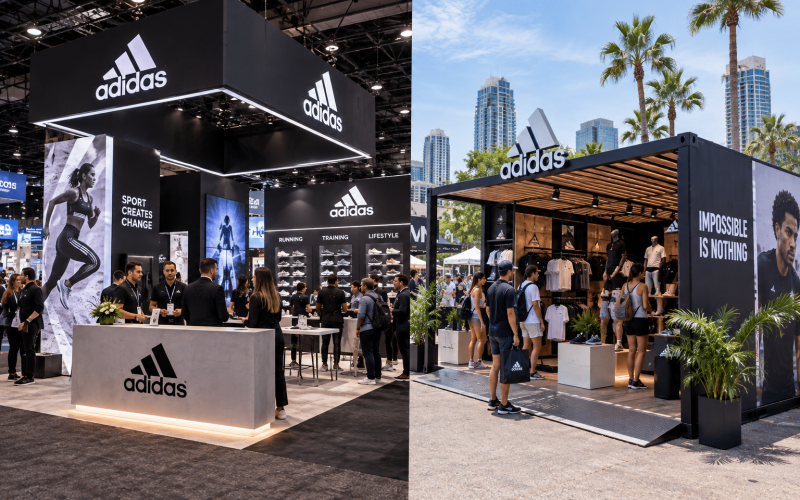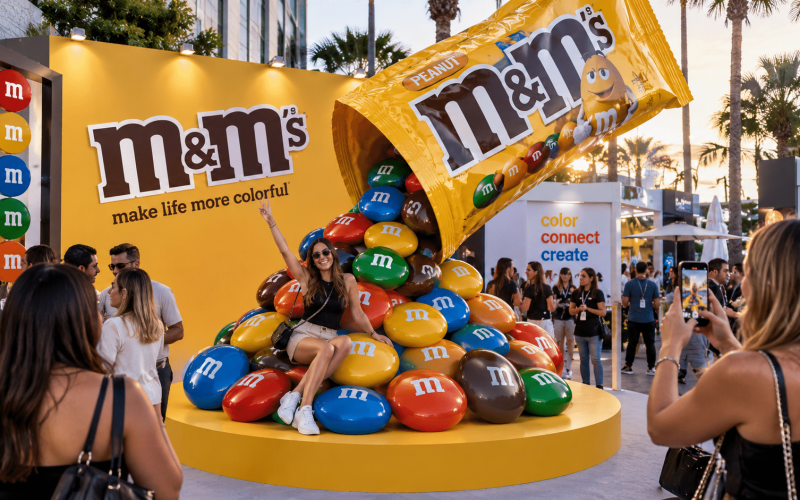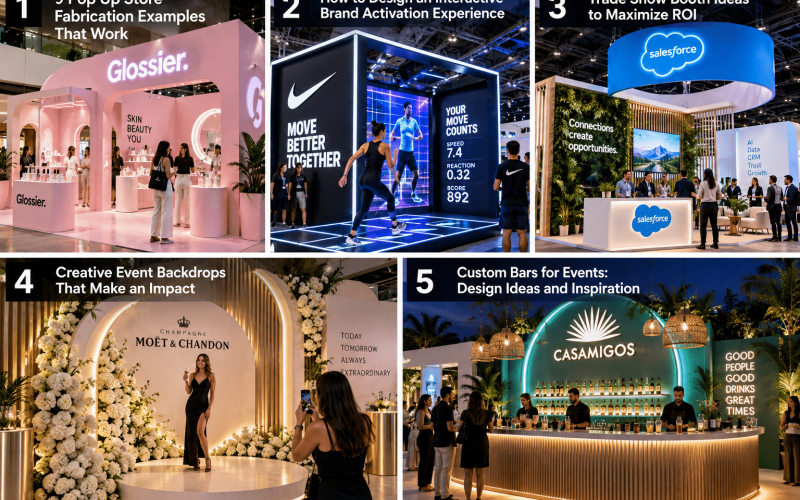
A standard booth package can get you on the show floor. It rarely gets you remembered. That gap is exactly why use custom event fabrication is a serious question for brands, agencies, and event teams that are measured on traffic, engagement, and brand recall.
When a physical environment is built around your campaign instead of adapted from stock components, every element works harder. The footprint feels intentional. The brand reads clearly from a distance. The interaction makes sense in real space. For experiential marketing, trade show booths, product launches, and pop-ups, that difference shows up fast – in attention, in audience flow, and in how confidently your team can execute onsite.
Why use custom event fabrication for live experiences
Custom event fabrication gives you control over the parts of an event that matter most: visibility, functionality, and brand consistency. Instead of forcing a concept into available rental pieces or generic displays, you build the environment around the objective.
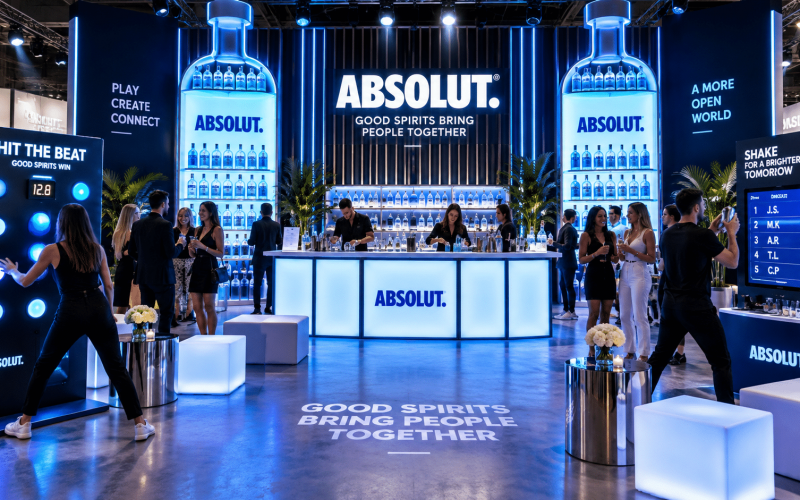
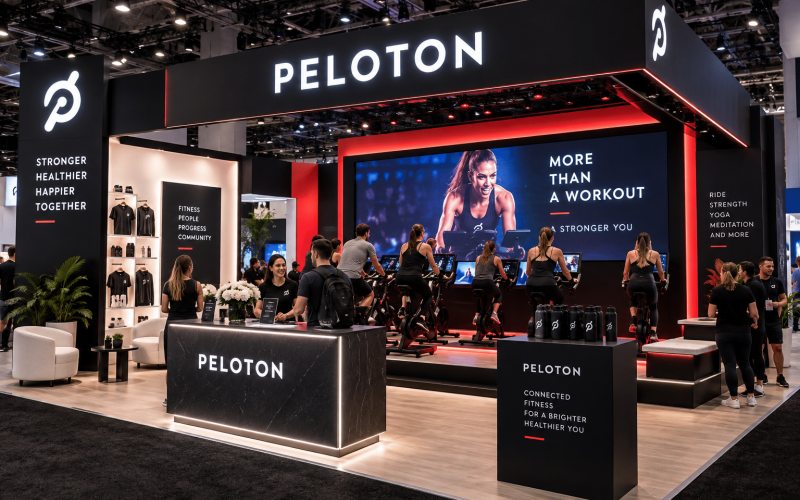
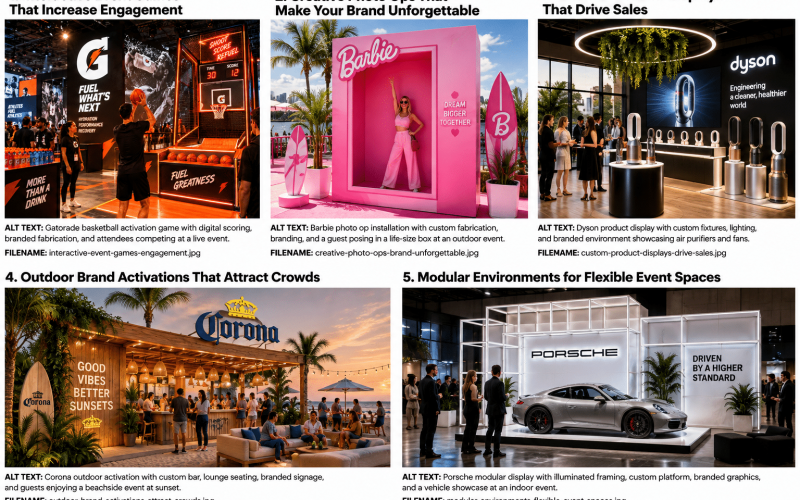
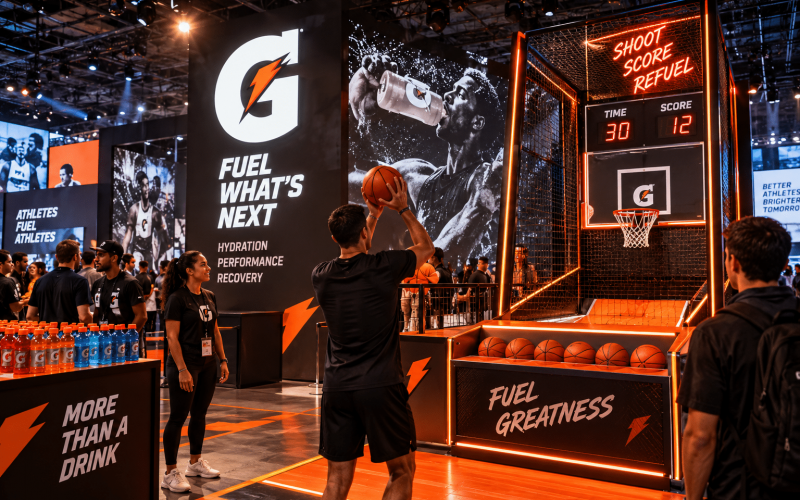
That matters because most event goals are specific. One brand may need to launch a product with a tactile demo area. Another may need a trade show booth that supports meetings, storage, and lead capture without looking crowded. An agency may need an activation with oversized branded elements, a game mechanic, and a photo moment that can survive a multi-city run. These are not interchangeable use cases, and they usually do not perform well with one-size-fits-all solutions.
Custom fabrication allows the physical build to support the strategy, not compete with it. Dimensions, materials, finishes, graphics integration, and interactive components can all be developed with the attendee experience in mind. The result is an environment that looks more polished and functions more effectively under event conditions.
Brand presence is stronger when the build is purpose-made
At crowded events, attention is won in seconds. People notice shape, scale, lighting, color, and movement before they read copy. Custom fabrication helps brands use those signals with more precision.
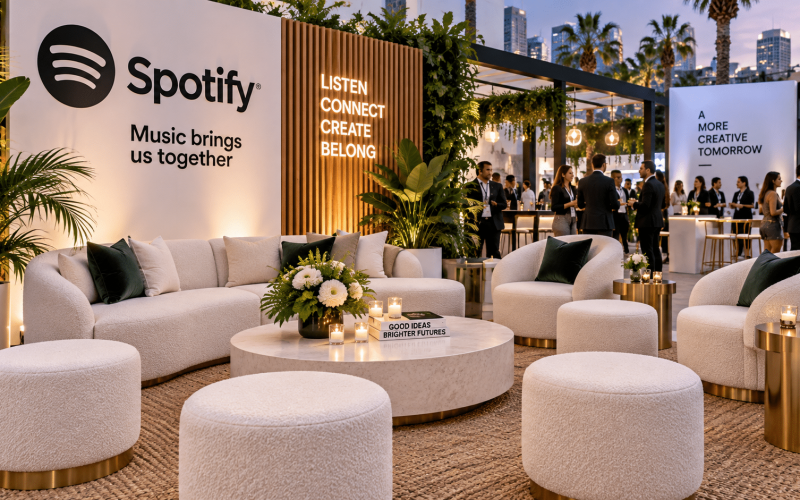
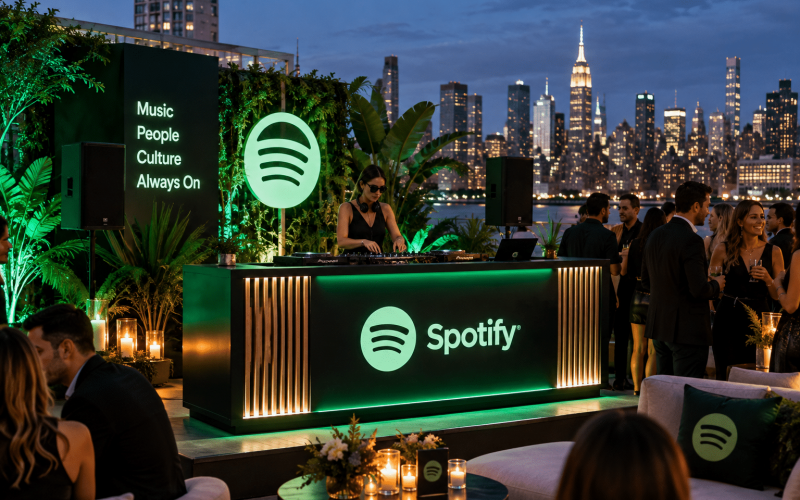
A fabricated centerpiece, branded furniture set, product display, or interactive game station creates a visual hierarchy that standard components usually cannot. It tells attendees where to look and what to do next. It also creates a more consistent impression across the entire footprint. When every element is designed to work together, the experience feels like a brand environment rather than a collection of event parts.
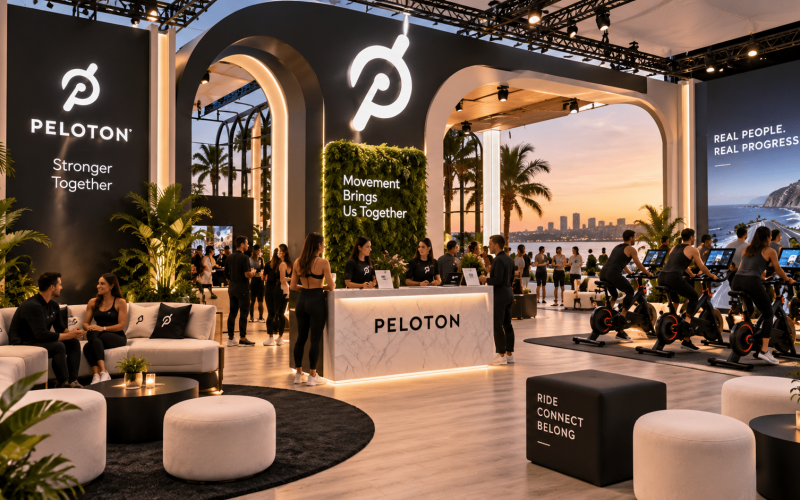
This is especially valuable for experiential campaigns where the physical space is part of the message. If your event is meant to communicate innovation, premium positioning, playfulness, or utility, the build has to reflect that. Generic fixtures can dilute the idea. A custom-fabricated environment can reinforce it at every touchpoint.
Custom fabrication improves how people move, stop, and engage
The best event environments do not just look good in renderings. They manage real behavior. People approach from odd angles. Staff need space to reset demos. Product samples need hidden storage. Lines form where you did not plan for them. Technology needs protection and access.
This is one of the most practical reasons why use custom event fabrication. A custom build can be designed around traffic flow, dwell time, staffing needs, and interaction points from the start. If you need a counter at a specific height for product trials, a concealed compartment for replenishment, or a branded wall that doubles as structure and signage, fabrication solves for both appearance and performance.
That operational advantage often gets overlooked early in planning. Teams focus on visual concepts, then find themselves troubleshooting the basics onsite. A well-fabricated build reduces those compromises because the details have been considered before production begins.
It supports more memorable activations
Experiential marketing depends on participation. If people are going to step in, play, test, photograph, share, or stay longer, the environment has to give them a reason.
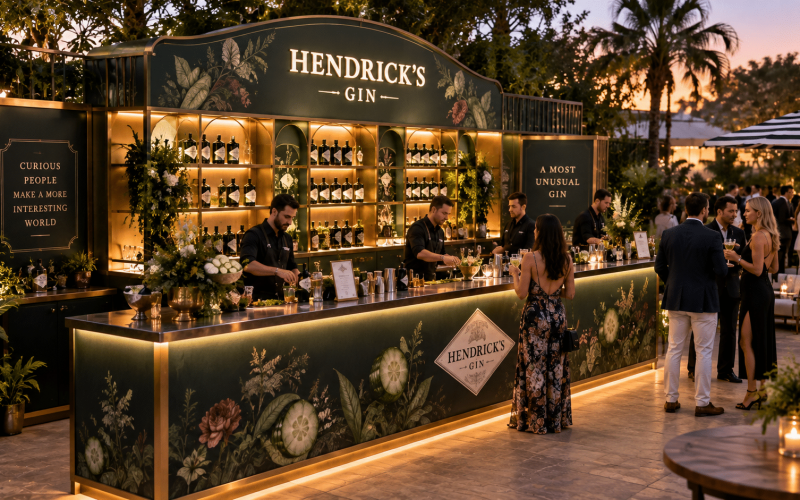
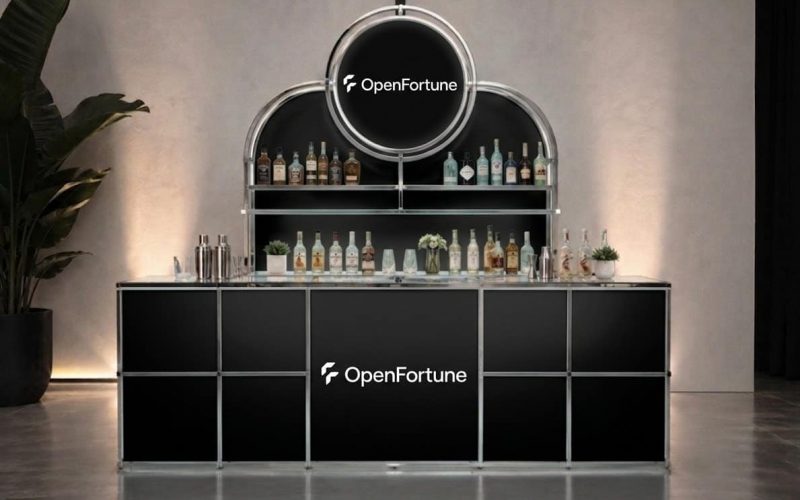
Custom event fabrication helps create those reasons in a physical, visible way. Interactive game elements, product reveal structures, branded bars, display moments, and architectural features can all be built to match the campaign instead of approximating it. That makes the activation easier to understand and more inviting to engage with.
Memorability is not just about making something large or complicated. In many cases, it is about building the right focal point. A clean, well-made branded environment with one strong interactive feature often outperforms a cluttered setup with too many borrowed pieces. Fabrication gives teams the ability to prioritize what should stand out and shape the space accordingly.
Trade show booths benefit from custom thinking too
Trade shows are often where budgets get scrutinized hardest, which is exactly why custom fabrication deserves a practical review rather than an automatic yes or no.
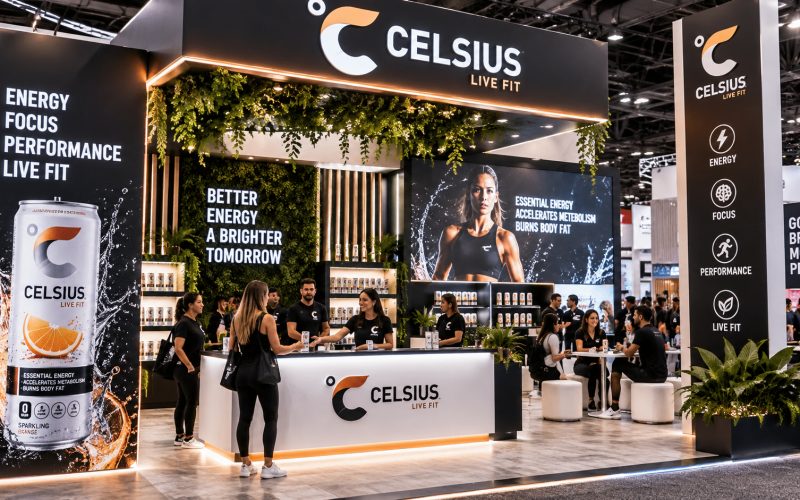
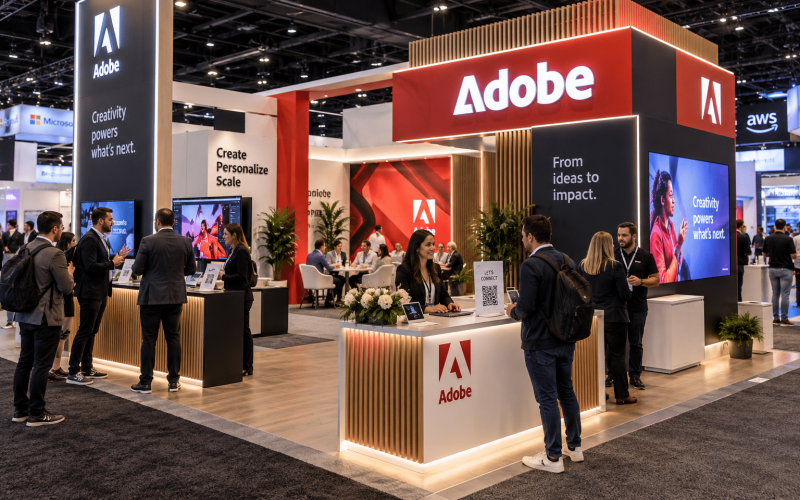
If your goal is simple presence, a modular system may be enough. But if your team needs a booth that supports meetings, demos, product display, storage, and strong branding in a competitive aisle, custom fabrication becomes much more attractive. It can solve multiple business needs in one build while helping your booth look like a serious extension of the brand.
For exhibitors with recurring events, custom fabrication can also create a better long-term asset mix. Some components may be fully custom. Others can be fabricated to work alongside rental elements or reusable structures. That balance often makes more sense than choosing between all-custom and all-standard. A capable fabrication partner should be able to guide that decision based on schedule, budget, and event frequency.
Why use custom event fabrication instead of only rentals
Rentals have a clear role in event production. They are fast, flexible, and often cost-effective for common needs such as seating, counters, shelving, and support pieces. For many programs, the best solution is not fabrication versus rentals. It is fabrication where the brand impact matters most, with rentals filling in the rest.
The limitation of relying only on rentals is that you are working from available inventory, not from the actual concept. That can affect scale, finish, fit, and overall cohesion. If the campaign depends on a distinctive visual identity or a custom interaction, rentals alone may leave the event looking close enough rather than fully resolved.
A blended approach usually works best. Use custom fabrication for hero elements, branded architectural features, display pieces, and interactive structures. Use rentals for supporting furniture or utility items when customization is not necessary. That keeps the spend focused where it has the most impact.
The execution quality matters as much as the design
A strong concept can still fail if the build quality is weak. In live events, every flaw gets exposed under lights, under pressure, and under time constraints. Graphics misalign. Surfaces chip. Pieces wobble. Load-in takes longer than planned.
That is why choosing custom event fabrication is really a decision about execution, not just creativity. Fabrication quality affects setup speed, onsite durability, safety, and the final look of the environment. It also affects how confidently agencies and brand teams can present the work to stakeholders.
For event teams, this is a major risk-management issue. A fabrication partner that understands activations, trade show booths, branded environments, and real production schedules can build with those conditions in mind. Materials, assembly methods, packing strategy, and transportation all need to support the event, not just the shop drawing.
When custom fabrication is worth it – and when it may not be
Custom fabrication is worth serious consideration when the event has high visibility, the brand standards are strict, the audience interaction is central to success, or the concept requires physical elements that do not exist off the shelf. It also makes sense when a brand wants repeatable assets for a roadshow or activation series.
It may be less necessary for smaller events with short dwell times, limited branding needs, or one-day setups where speed matters more than differentiation. In those cases, strategic rentals and light customization may be the better fit.
The key is to evaluate what the environment needs to do. If the physical build is central to attracting people, communicating the brand, and supporting engagement, custom fabrication usually earns its place.
What buyers should look for in a fabrication partner
Not every fabricator is built for events. Some can manufacture attractive pieces but are not equipped for the pace and realities of experiential production. That difference matters.
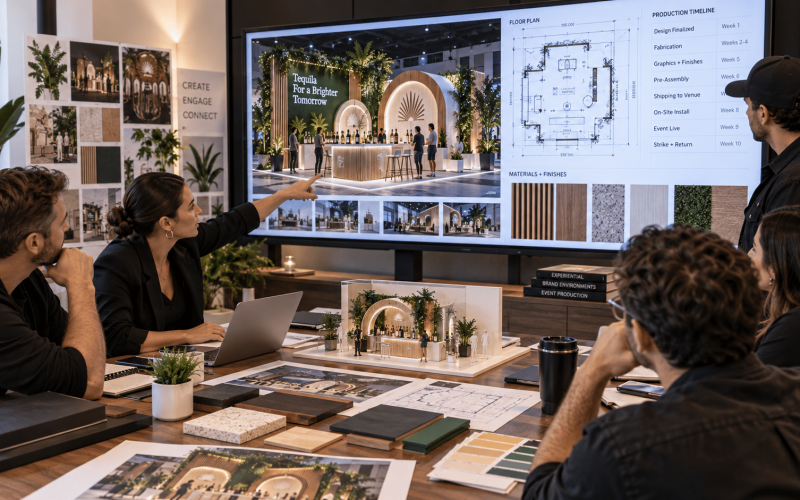
Buyers should look for a partner that understands branding, engineering, material selection, install requirements, and the operational side of live events. The right team can translate a creative direction into buildable assets without losing the intent. They can also advise when to custom-build, when to rent, and where to simplify without weakening the experience.
For agencies and marketers, that kind of partnership saves time and reduces avoidable revision cycles. It leads to better decisions earlier, which usually means better outcomes onsite. This is where a fabrication-first event partner such as Portadecor can add value – not just by producing assets, but by helping shape them for activation-ready use.
Custom event fabrication is not about making every event bigger. It is about making the environment work harder for the brand, the audience, and the team responsible for delivering results. When the stakes are high and the physical experience matters, the right build does more than fill a footprint – it gives the campaign a stronger chance to perform.