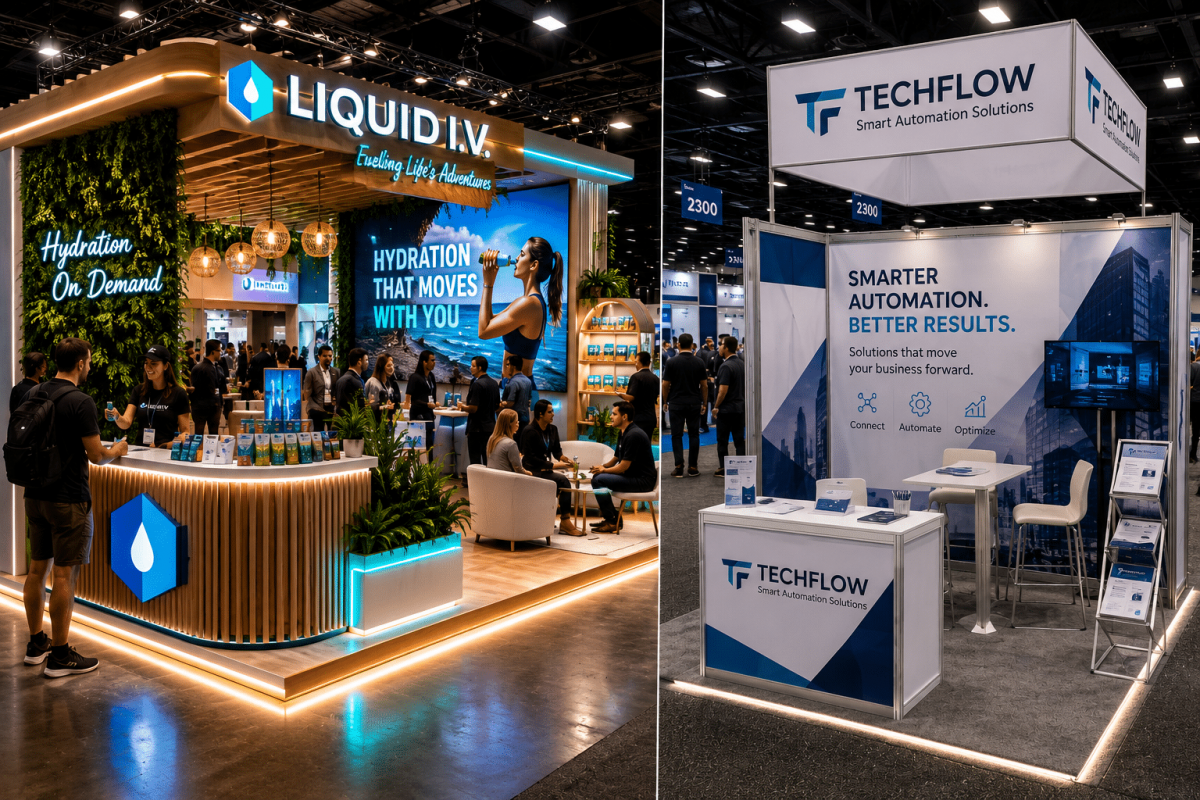
Experiential Fabrication vs Exhibit Houses

Experiential fabrication versus exhibit houses comparison for trade show booths, branded environments, custom fabrication, and experiential marketing activations.

A booth can look sharp on a render and still miss the mark once it hits the show floor. That is usually where the real question behind experiential fabrication vs exhibit houses shows up – not in theory, but in production, logistics, and whether the finished environment actually supports the brand experience you planned.

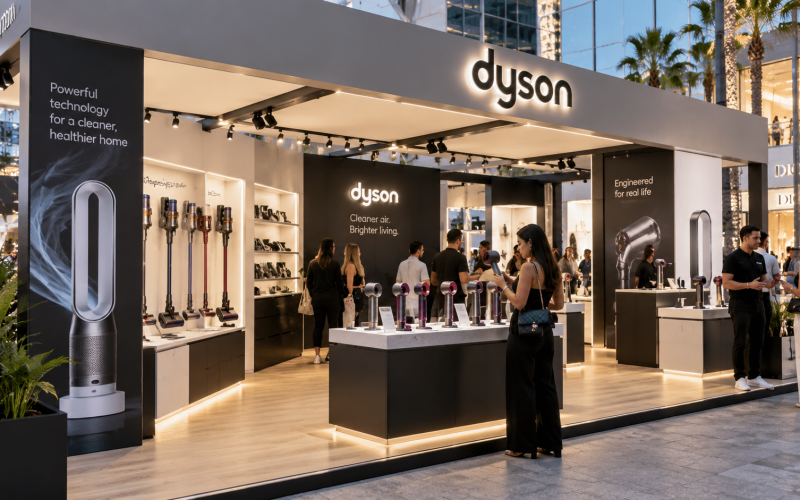
For marketing teams, event producers, and agencies, the distinction matters because these partners are not built the same way. An exhibit house is typically structured around trade show displays, program management, and booth system execution. An experiential fabrication partner is usually built around custom products, branded environments, and the physical production of activations that do not fit inside a standard booth model.

That does not mean one is always better. It means the right choice depends on what you are trying to build, how custom it needs to be, and how much of the experience depends on fabrication rather than display management.

What experiential fabrication vs exhibit houses really means

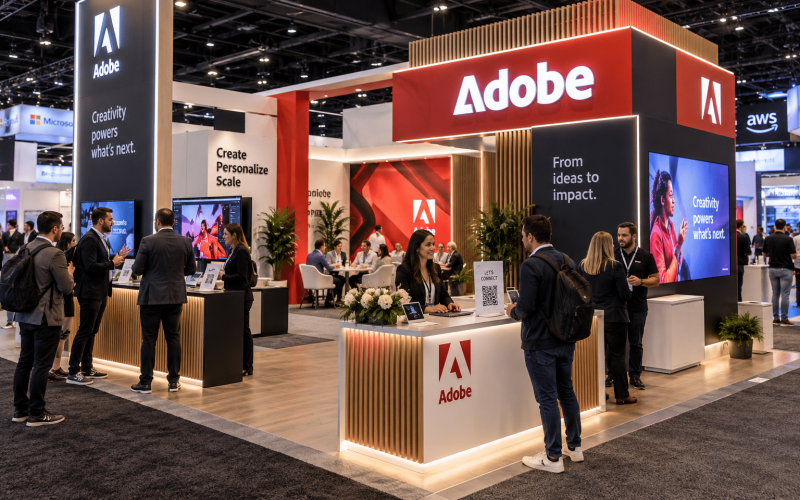
At a high level, exhibit houses are traditionally focused on exhibits. Their core strengths often include modular booth systems, exhibit design, storage, show services coordination, and repeatable trade show programs. If a brand needs a clean 10×10, 20×20, or island exhibit that can travel from city to city with controlled updates, that model can work well.

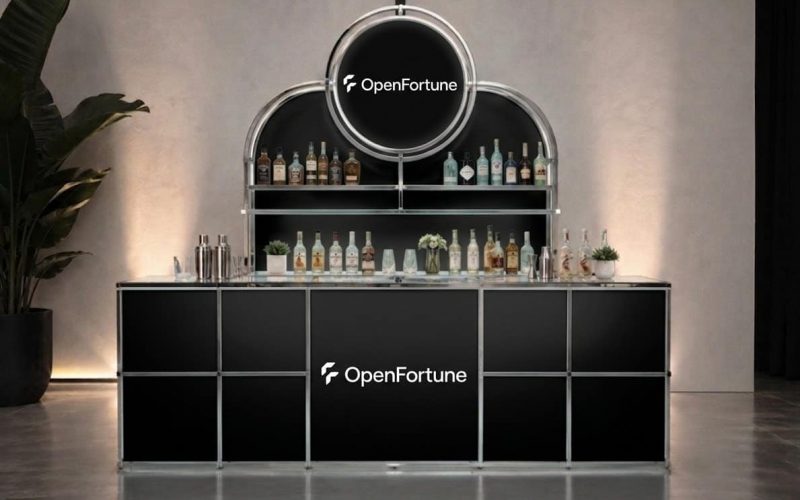
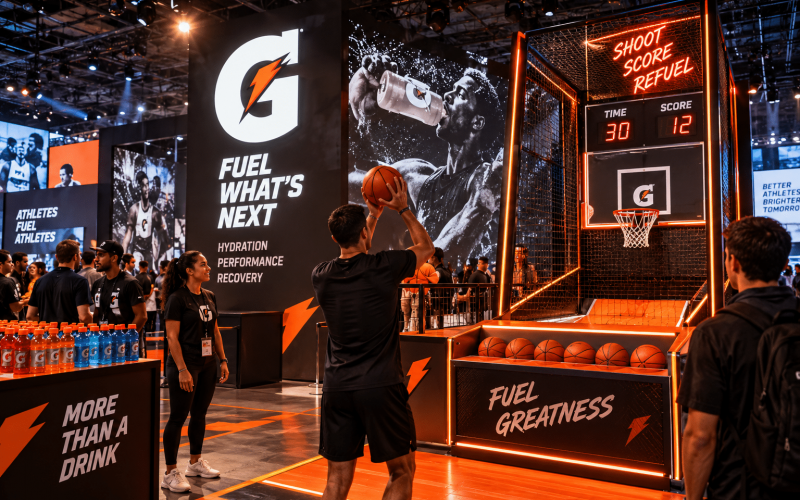
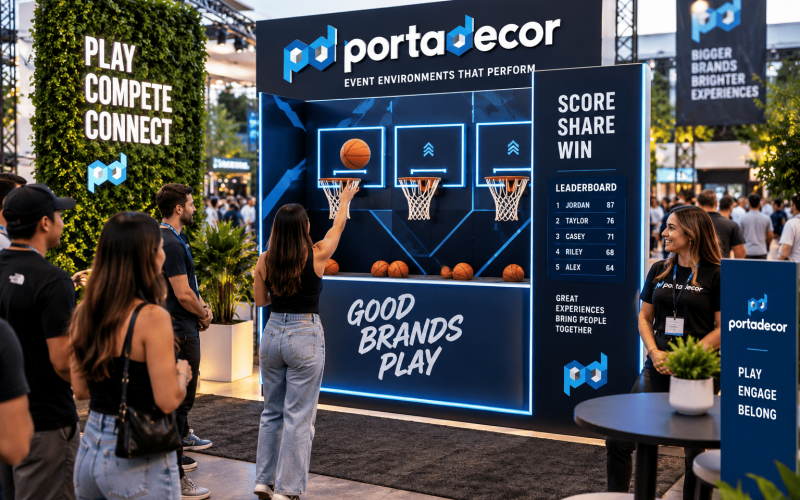
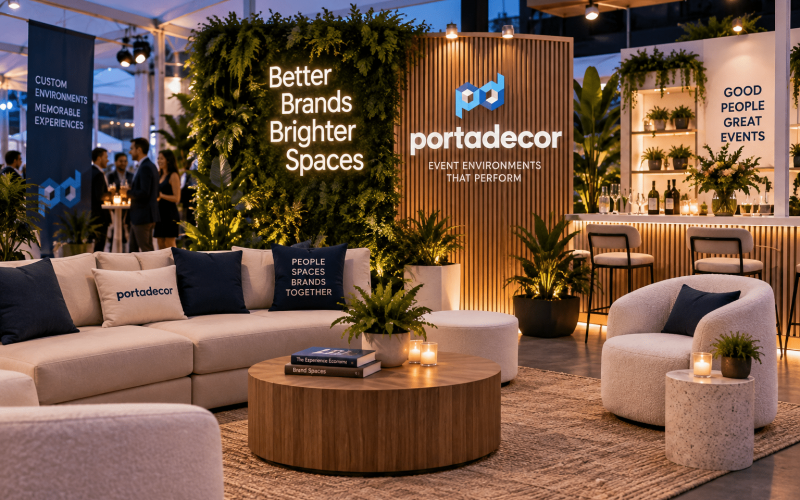
Experiential fabrication is a different operating model. It is centered on building physical brand elements from the ground up – custom counters, branded bars, display structures, demo stations, scenic builds, event furniture, interactive game elements, pop-up environments, and activation pieces that support audience engagement. The emphasis is less on standard exhibit inventory and more on manufacturing custom products that bring a concept into real space.

That difference affects nearly every part of the project. It changes how design gets interpreted, how materials are selected, how engineering decisions are made, and how much freedom you have when the concept calls for something unusual.

Where exhibit houses usually make sense

Exhibit houses are often a practical fit when the event strategy is trade show driven and operational consistency matters more than one-off fabrication. If your team is managing a national show calendar and wants a booth property that can be installed, dismantled, stored, and reused with minimal redesign, an exhibit house may align well with that need.

They also tend to be useful when the project is display-first rather than experience-first. For example, if the main objective is presence on the floor, meeting space, product shelving, graphics, and standard lead capture, an exhibit house can provide a stable system. Their model is often designed to support repeat exhibiting, not necessarily highly custom interaction.

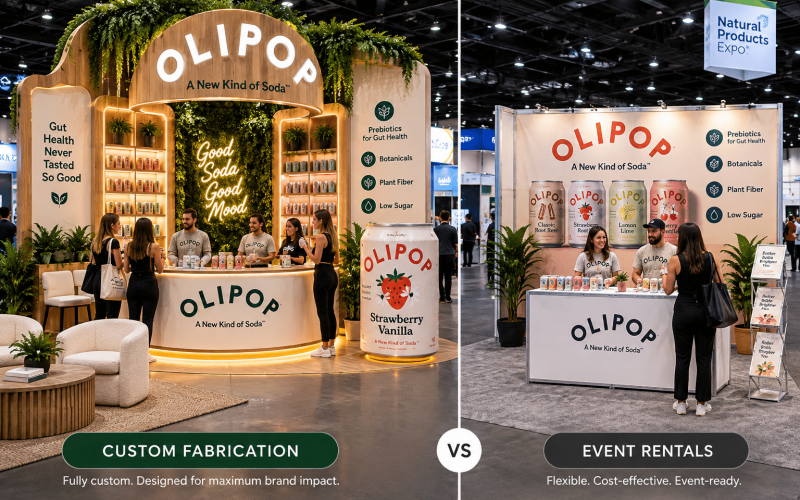
There is a cost advantage in some cases too. Standardized systems and rental exhibit components can reduce custom build costs, especially if the brand can work within existing formats. For teams that do not need specialized scenic production or fabricated engagement elements, that efficiency can be the right call.

The trade-off is creative flexibility. Once you move outside standard exhibit logic, some exhibit houses become less efficient. A concept that depends on unusual shapes, layered materials, tactile interaction, branded custom products, or activation-based traffic flow may require a production approach they are not really built around.

Where experiential fabrication has the advantage

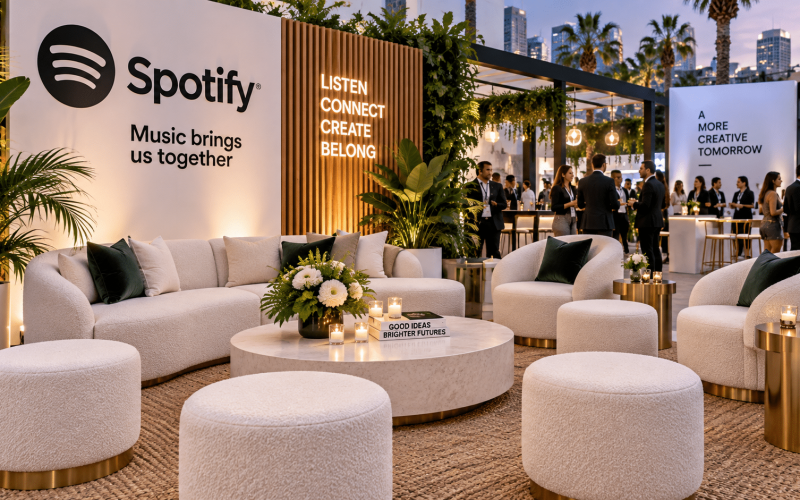
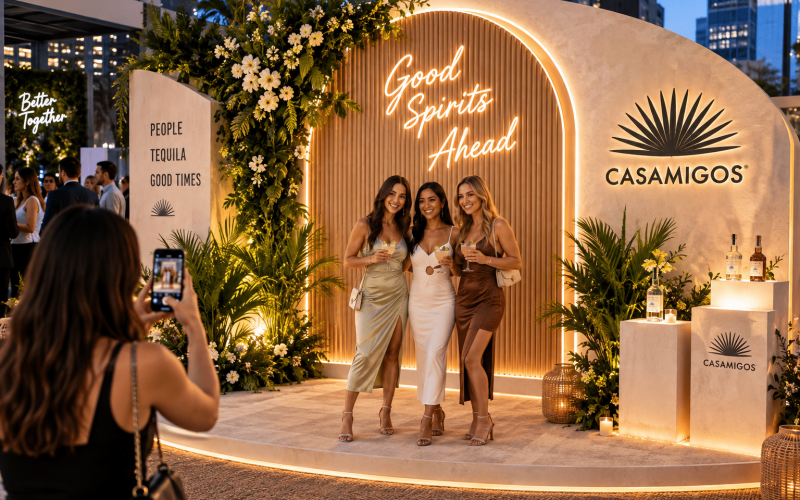
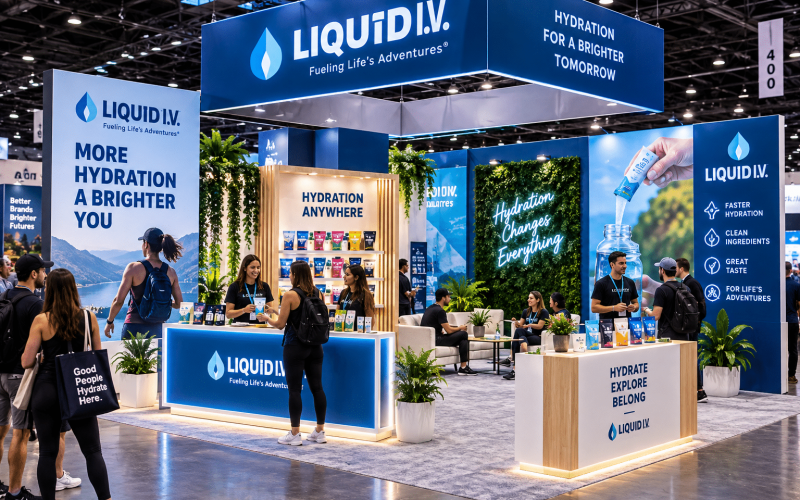
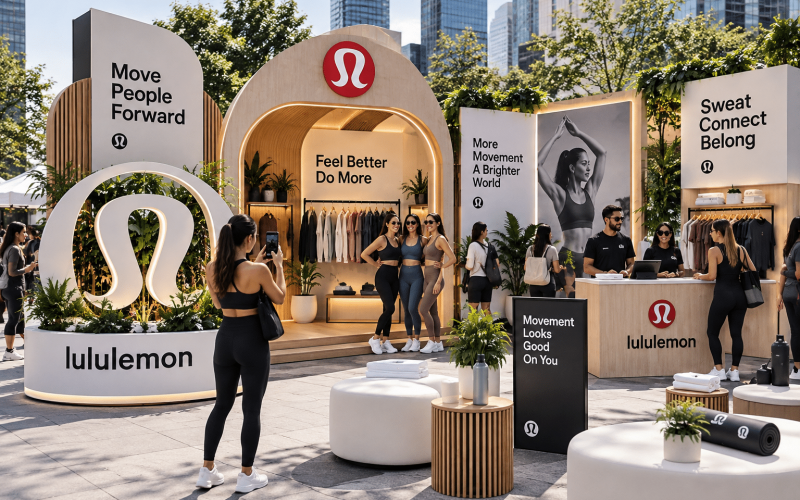
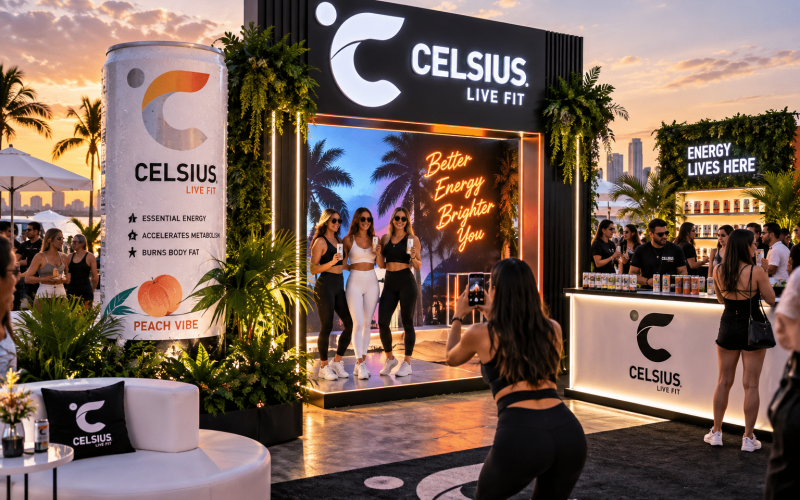
Experiential fabrication becomes the stronger option when the environment itself is the campaign. That is common in brand activations, product launches, pop-ups, mobile tours, sponsor installations, and trade show booths that need to function more like immersive branded experiences than conventional exhibits.

In those cases, the job is not just to place graphics on a structure. The job is to build the structure, engineer the interaction, and make sure each physical detail supports the brand. That may include custom finishes, integrated storage, product demonstration fixtures, photo moments, signage structures, retail-style display zones, or game elements designed to drive participation.

A fabrication-first partner is usually better equipped for this because production is not a side capability. It is the core capability. That changes how the project is approached from the start. Design concepts are evaluated through the lens of buildability, transport, durability, setup time, audience interaction, and brand impact.

For agencies and brand teams, that can reduce the gap between what gets sold creatively and what can actually be executed on site. It also helps when the same partner can produce both large scenic pieces and smaller event-ready components, whether those are custom products or rentable support items.

Customization is the real dividing line

If there is one factor that separates experiential fabrication vs exhibit houses most clearly, it is customization.

Exhibit houses often customize within a framework. They may adapt booth systems, modify layouts, update graphics, and add selected custom elements. That can be enough for many exhibitors. But it is still usually customization inside an exhibit-led model.

Experiential fabrication starts from a different place. It assumes the branded environment may need to be built specifically for the campaign. The shape of the structure, the material palette, the audience path, the interaction points, and the branded objects inside the footprint can all be purpose-built.

That matters when the brief includes phrases like immersive, social, tactile, premium, or interactive. Those outcomes depend on physical decisions. A standard wall system with new graphics rarely delivers the same result as fabricated brand architecture, custom counters, dimensional logos, integrated product displays, or interactive elements built to fit the concept.

Of course, higher customization can also bring more complexity. Lead times, engineering review, packaging, and logistics all need tighter coordination. A fabrication partner should be able to manage that complexity rather than simply accept it.

Budget, timeline, and reuse are not simple yes-or-no decisions

Buyers often assume exhibit houses are for efficiency and fabricators are for expensive one-offs. Sometimes that is true. Sometimes it is not.

If you need a reusable booth program with minor variations, an exhibit house can absolutely be more economical. But if your event requires extensive adaptation to make a standard system behave like an activation, costs can stack up fast without ever producing a fully resolved result.

On the other side, custom fabrication is not automatically wasteful or single-use. Well-planned fabrication can be modular, road-ready, and designed for reuse across multiple events. Custom assets can also be paired with rentals to control budget where full ownership does not make sense.

Timeline works the same way. Standard exhibit inventory may move faster if your needs are straightforward. But when a project needs custom products, unusual branding, or interactive fabrication, trying to force it through a partner built for standard exhibit workflows can create delays of a different kind – redesign, compromise, and production limitations discovered too late.

The better question is not which model is cheaper or faster in general. It is which model is more efficient for the actual scope.

How to choose the right partner for your event

Start with the function of the environment. If the space mainly needs to display, host meetings, and support a repeatable trade show presence, an exhibit house may be the right fit. If the space needs to engage, surprise, demonstrate, and physically express a campaign idea, experiential fabrication is often the better route.

Then look at the asset mix. Are you mostly working with booth structures and graphics, or do you need custom products, activation counters, branded furniture, interactive stations, scenic pieces, and fabrication-led display elements? The answer usually tells you which partner type is equipped for the job.

It also helps to ask operational questions early. Who is engineering the custom components? Who is thinking through setup time and packing? Who is accounting for audience wear and tear? Who can produce both fabricated assets and supporting event elements without splitting responsibility across multiple vendors?

That last point matters more than many teams expect. Fragmented production creates risk. When design, fabrication, and event execution are handled by disconnected providers, accountability gets blurry. A specialized fabrication partner can close that gap, especially on activations and custom trade show booths where the physical details carry the experience.

For brands and agencies building high-visibility environments nationwide, that is often where the value becomes clear. The partner is not just supplying a booth. They are manufacturing the branded experience in a way that is meant to perform on the floor.

The better question is what you need the space to do

Experiential fabrication vs exhibit houses is not a debate with one winner. It is a choice between operating models.

If your priority is exhibit program consistency, standardization, and efficient booth management, an exhibit house may be exactly right. If your priority is customization, physical brand expression, and fabricated environments designed around interaction, experiential fabrication is the stronger fit.

The smartest buyers do not choose based on labels. They choose based on what the event has to accomplish once attendees walk into the space. That is where the difference stops being academic and starts affecting results.
Share this post with your friends

We Create One-of-a-Kind Custom Event Products That Showcase Your Brand in Bold, Memorable Ways!

Request more information about our custom products!

Fill out the form below and we will get back to you

Related Blog Articles

Experiential fabrication versus exhibit houses comparison for trade show booths, branded environments, custom fabrication, and experiential marketing activations.

Experiential Fabrication vs Exhibit Houses

Experiential fabrication vs exhibit houses: learn the differences in design, production, flexibility, and event execution for branded environments.
Event fabrication project timeline showing custom booth production, fabrication scheduling, installation planning, and event logistics coordination.

Event Fabrication Turnaround Times Explained

Event fabrication turnaround times depend on scope, materials, approvals, and logistics. Learn what affects lead times and how to keep builds on track.
Experiential fabrication trends featuring modular event structures, interactive technology, sustainable materials, and modern trade show booth design.

Experiential Fabrication Trends That Matter

Experiential fabrication trends are shifting toward modular builds, tech integration, and faster production for activations and trade show booths.
Custom illuminated DJ booth with branded graphics, LED lighting, and experiential event fabrication for corporate events and brand activations.

Custom DJ Booths

Discover why custom DJ booths have become a popular event branding tool for corporate events, experiential marketing activations, festivals, and live entertainment environments.
Custom branded sampling cart for experiential marketing, product sampling, beverage promotions, and live event activations.

Custom Sampling Cart Fabrication That Performs

Custom sampling cart fabrication helps brands serve, demo, and engage at events with mobile builds designed for workflow, durability, and brand impact.
Experiential pop-up activation featuring custom fabrication, branded environments, interactive engagement, and immersive consumer experiences.

How to Plan Experiential Popups That Work

Learn how to plan experiential popups that drive engagement, fit your budget, and stay on-brand from concept through fabrication and setup.
Luxury product launch brand activation featuring a custom experiential marketing environment with interactive displays, branded elements, product sampling stations, and attendee engagement areas.

9 Brand Activation Examples for Product Launches

See 9 brand activation examples for product launches that drive engagement, support product storytelling, and improve event execution.
Modern event lounge rental setup featuring branded furniture, soft seating, custom décor, and activation space designed for corporate events and experiential marketing.

Event Lounge Rentals New Jersey Brands Use

Event lounge rentals New Jersey teams use for activations, trade shows, and corporate events - built for brand impact, comfort, and fast execution.
How to Choose a Trade Show Booth Builder

How to Choose a Trade Show Booth Builder

Need a trade show booth builder? Learn how to evaluate fabrication, timelines, logistics, and brand fit before you commit to a partner.
Experiential pop-up activation featuring custom branded architecture, interactive engagement areas, product displays, sampling stations, and consumer marketing experiences designed to drive traffic and brand awareness.

12 Experiential Pop Up Examples That Work

12 experiential pop up examples that show how brands drive traffic, engagement, and ROI through smart design, fabrication, and execution.
Custom trade show counters featuring branded fabrication, integrated storage, product displays, and attendee engagement areas designed for modern exhibit booths.

Best Custom Trade Show Counters for Booths

Find the best custom trade show counters for branded booths, demos, lead capture, and storage with fabrication tips for better event performance.
Choosing a Branded Event Display Manufacturer

Choosing a Branded Event Display Manufacturer

Learn how to choose a branded event display manufacturer for trade shows, activations, and tours with fabrication quality and event-ready execution.
Custom event furniture setup for a brand activation featuring branded bars, lounge seating, cocktail tables, and attendee engagement areas

How to Design Event Furniture That Performs

Learn how to design event furniture for brand activations, trade shows, and live events with the right balance of function, flow, durability.
Activation fabrication project planning meeting focused on event budgets, production costs, fabrication scope, and execution strategy

How to Budget Activation Fabrication

Learn how to budget activation fabrication with realistic cost planning, scope control, and production decisions that protect event results.
Experiential event fabrication guide featuring custom trade show booths, branded activations, modular event structures, and immersive marketing environments.

Experiential Event Fabrication Guide

An experiential event fabrication guide for brands and agencies planning activations, booths, and custom builds that perform on site.
Trade show engagement ideas featuring interactive booth experiences, branded activations, attendee participation, and experiential marketing design.

12 Best Trade Show Engagement Ideas

Explore 12 best trade show engagement ideas that drive booth traffic, qualify leads, and turn branded spaces into measurable event results.
Modern trade show booth trends for 2026 featuring modular fabrication, experiential marketing environments, interactive displays, and branded event design.

7 Trade Show Booth Trends 2026 Will Reward

Trade show booth trends 2026 point to smarter layouts, modular builds, and measurable engagement. Here's what brands should budget for now.
Modern trade show booth ideas featuring experiential marketing design, illuminated branding, modular fabrication, and interactive event environments.

15 Best Trade Show Booth Ideas That Work

Explore the best trade show booth ideas for stronger engagement, better traffic flow, and branded impact that supports real event results.
Interactive event game activation featuring branded engagement, custom fabrication, attendee participation, and experiential marketing design.

12 Best Interactive Event Games for Brands

Discover the best interactive event games for brand activations, trade shows, and pop-ups that increase engagement and support measurable results.
Custom experiential fabrication company producing trade show booths, branded environments, event displays, and immersive marketing activations for live events.

What a Custom Experiential Fabrication Company Does

See how a custom experiential fabrication company turns concepts into branded environments for activations, trade shows, and live events.
Custom experiential fabrication company building branded trade show booths, event displays, immersive activations, and experiential marketing environments.

Nationwide Brand Activation Fabrication

Nationwide brand activation fabrication turns campaign concepts into build-ready event assets with consistent quality, logistics, and execution.
Custom event furniture fabrication featuring branded lounge seating, illuminated counters, and experiential activation furniture designed for trade shows and brand events.

Custom Event Furniture Fabrication That Performs

Custom event furniture fabrication helps brands create durable, on-brand environments for activations, trade shows, and live events.
LED Round Bar Rentals. Curved Bar Buy or rent

Custom Event Furniture Rentals NYC That Fit

Custom event furniture rentals NYC teams use to match brand goals, venue needs, and timelines for activations, trade shows, and live events. Curved Bar or Round bar
Custom trade show booth exhibit with LED branding and modern event fabrication

Trade Show Booth Planning Guide That Works

A practical guide to custom trade show booth planning, covering layout strategy, fabrication, logistics, branding, staffing, and attendee engagement for experiential events.
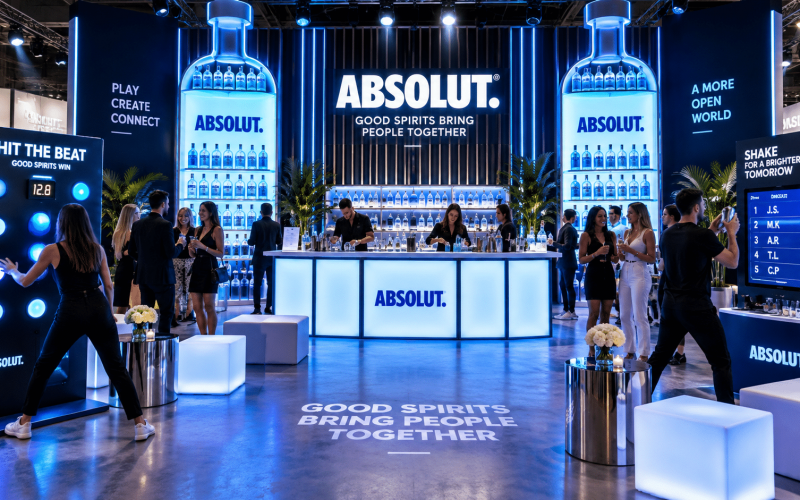
Custom Absolut Vodka trade show booth with LED branding and experiential event design

Why Use Custom Event Fabrication?

Discover how custom event fabrication and branded booth design help experiential companies create stronger audience engagement, premium brand presence, and memorable live event experiences.
Luxury skincare trade show booth with warm amber lighting and custom experiential display fabrication

How to Fabricate Event Displays That Work

Learn how to fabricate event displays that fit your brand, venue, budget, and timeline, from concept and materials to install and reuse.
Modern trade show booth with warm wood finishes, ambient lighting, and custom experiential fabrication

How to Plan Trade Show Booths That Perform

Learn how to plan trade show booths with the right goals, layout, fabrication, staffing, and logistics to drive traffic and better event results.
Outdoor experiential marketing activation with illuminated branding, lounge seating, and wellness-focused event design

Experiential Marketing Trends 2026

Explore the top experiential marketing trends shaping 2026, including immersive brand activations, interactive environments, modular event builds, and audience-driven live experiences.
Modern Absolut branded modular trade show booth with illuminated bar, experiential lounge seating, LED lighting, and custom fabricated activation design.

Modular Booths vs Custom Exhibits

Compare modular booths and custom exhibits for trade shows, conventions, and experiential activations. Learn the differences in flexibility, branding, setup speed, and overall event impact.
Spotify SXSW brand activation featuring immersive experiential design, neon lighting, interactive environments, and custom fabricated festival structures.

Brand Activations SXSW Marketers Notice

Brand activations SXSW brands remember are built for traffic, shareability, and speed. See what works, what fails, and how to plan smarter.