A product launch can have strong creative, a solid media plan, and a good guest list – and still fall flat on the show floor. The gap is usually physical execution. The strongest brand activation examples for product launches are built around one practical idea: give people a clear, memorable way to experience the product, not just hear about it.
For brand marketers, agency teams, and event producers, that means activation design has to do more than look good in renderings. It has to manage traffic, support product storytelling, hold up operationally, and create moments worth sharing. The examples below are useful not because they are flashy, but because they show how physical environments, custom fabrication, and interaction design work together at launch.
What makes brand activation examples for product launches effective
At launch, attention is limited and expectations are high. People need to understand what the product is, why it matters, and what to do next within a few minutes. A strong activation helps that happen by reducing friction. It creates an obvious path into the experience, puts the product at the center, and gives the audience a reason to engage.
That sounds simple, but the trade-offs are real. A visually ambitious build may create better stopping power, while a more modular footprint may be easier to transport, install, and reuse across markets. A highly interactive setup can increase dwell time, but it also requires staffing, power planning, and maintenance. Good launch activations balance impact with reliability.
1. The hero product demo environment
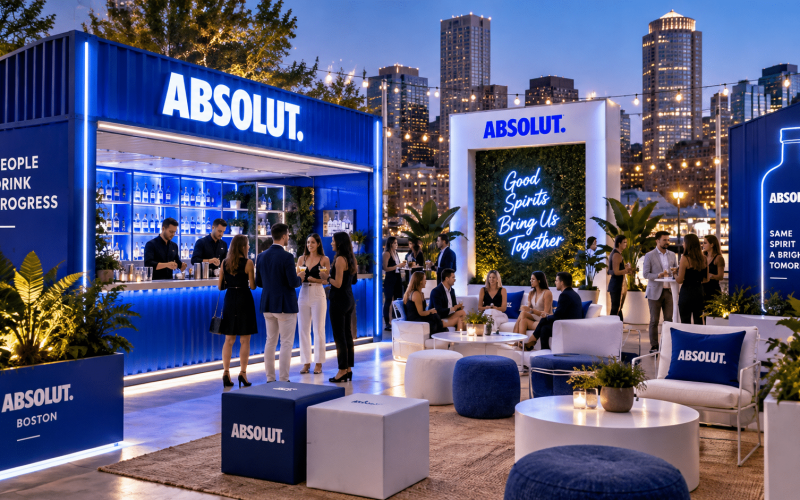
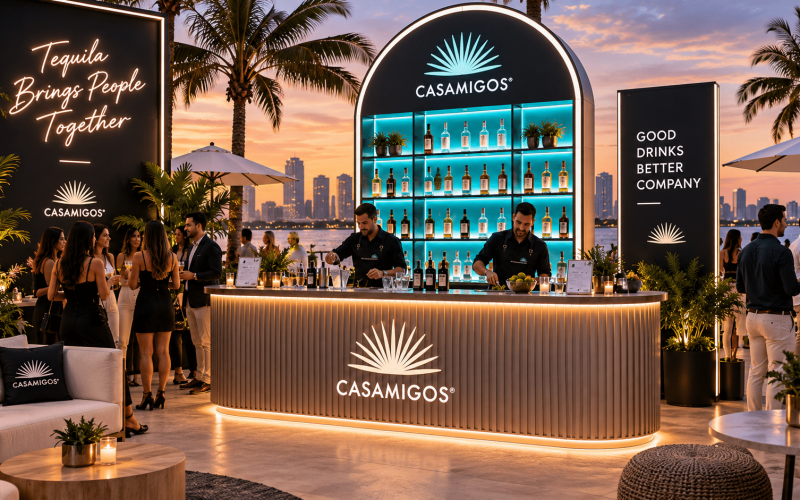
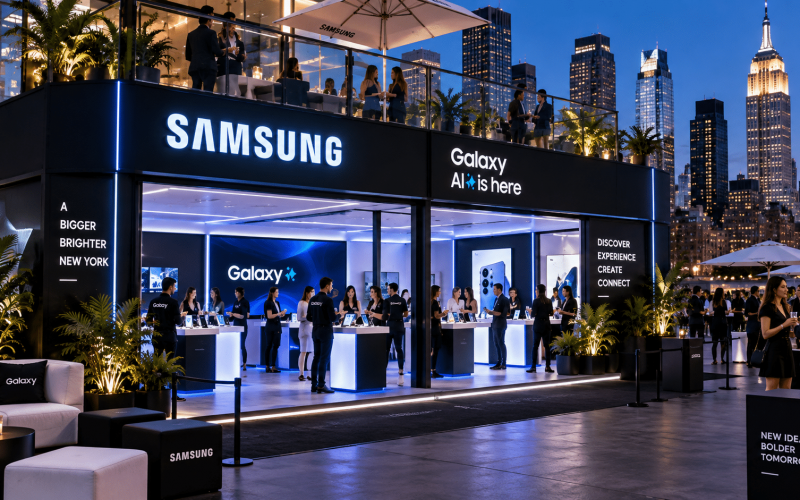
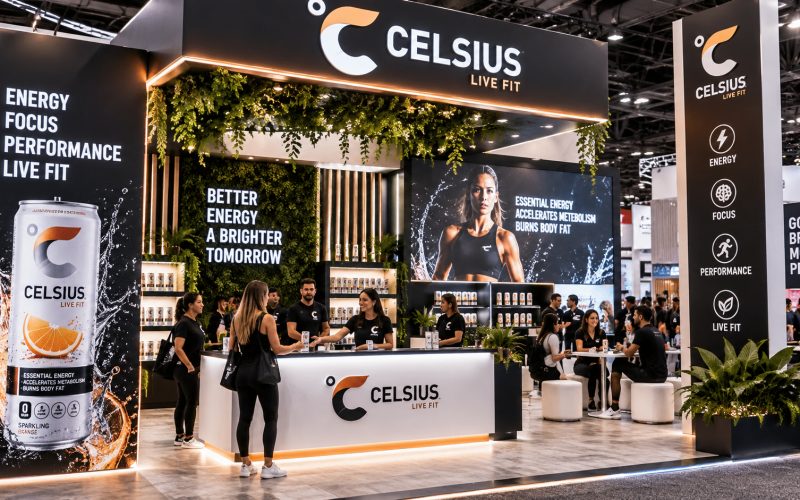
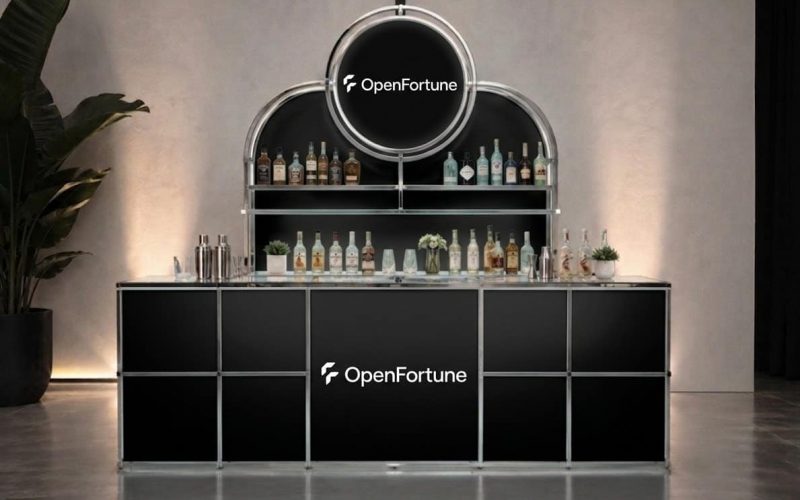
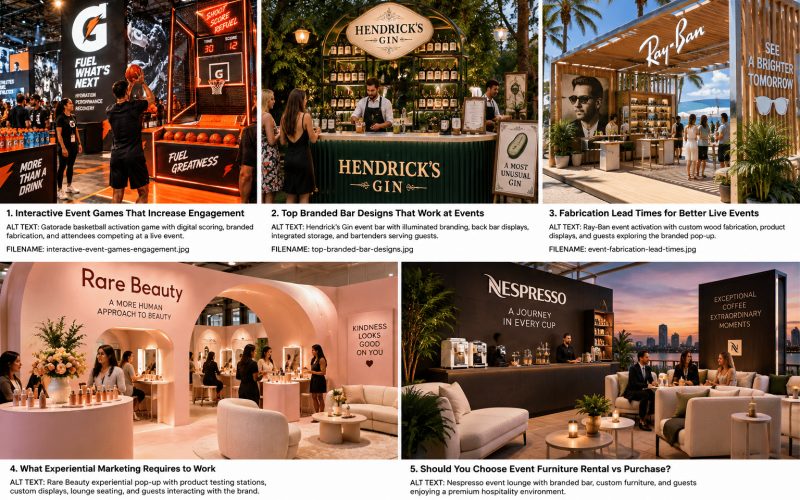
This is one of the most dependable formats for launches because it puts the product in active use. Instead of displaying the item on a pedestal, the activation recreates the context where it matters. That might be a skincare testing bar, a tech hands-on station, a beverage sampling counter, or a consumer goods setup that shows the product solving a real problem.
The key is environmental support. Custom counters, branded display walls, integrated storage, and lighting all shape how the audience perceives the product. If the physical setting feels improvised, the product can too. If the setup feels intentional and polished, the brand message becomes easier to trust.
This format works especially well when the product needs explanation. It is less effective when lines build too quickly or when product education depends entirely on staff. In those cases, built-in graphics, repeatable demo sequences, and visible callouts keep the experience moving.
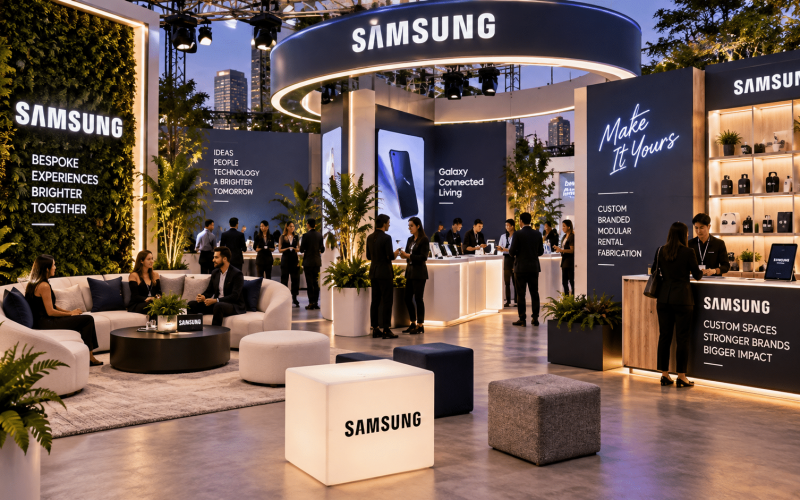
2. The immersive branded room
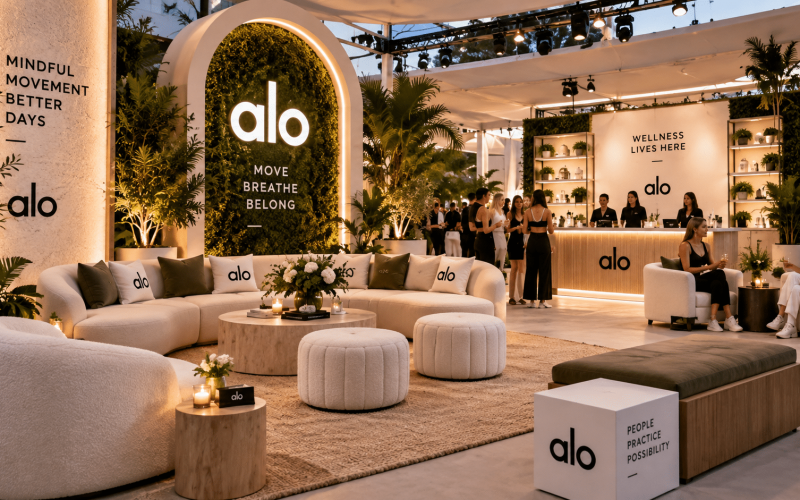
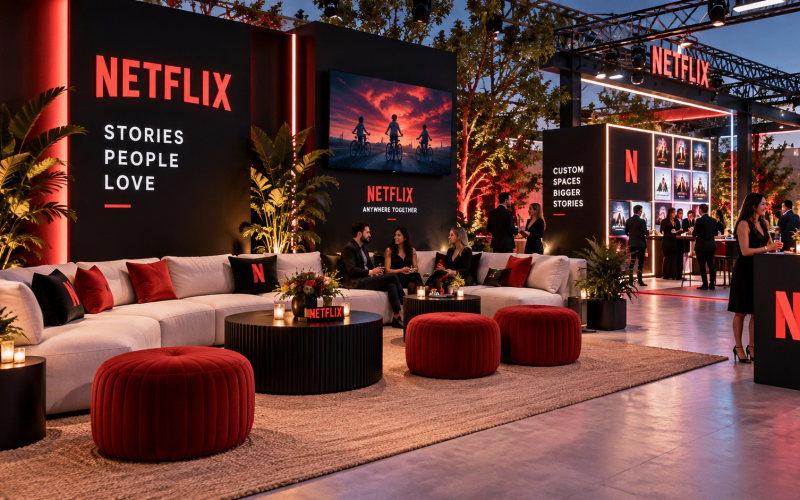
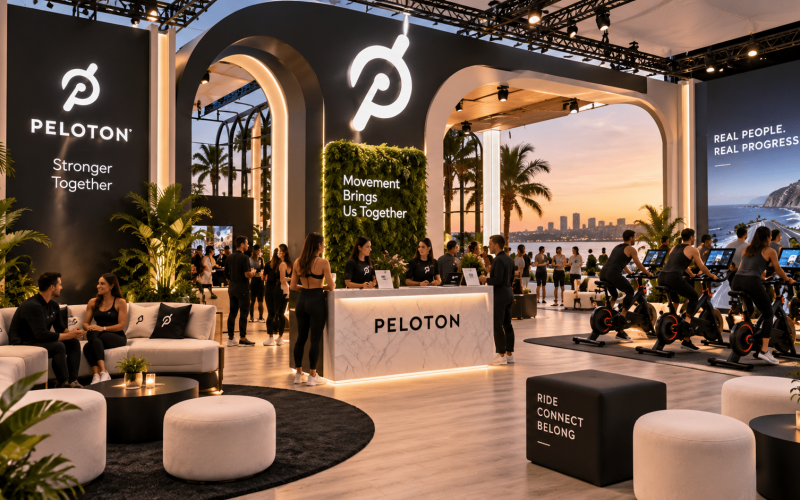
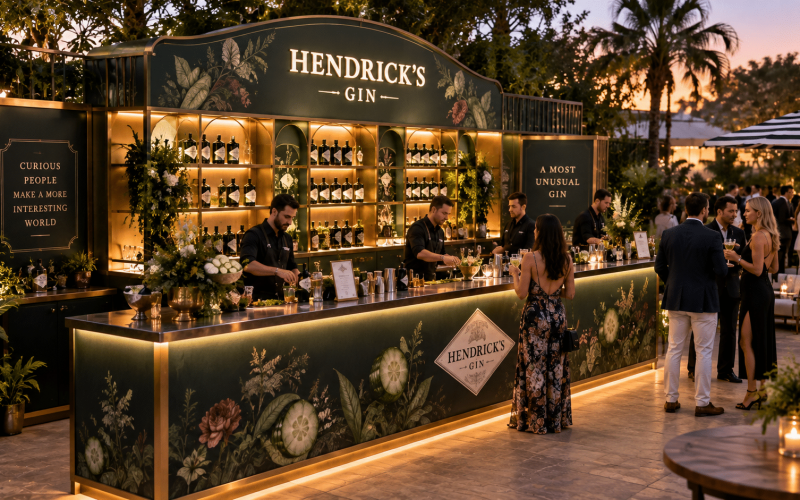
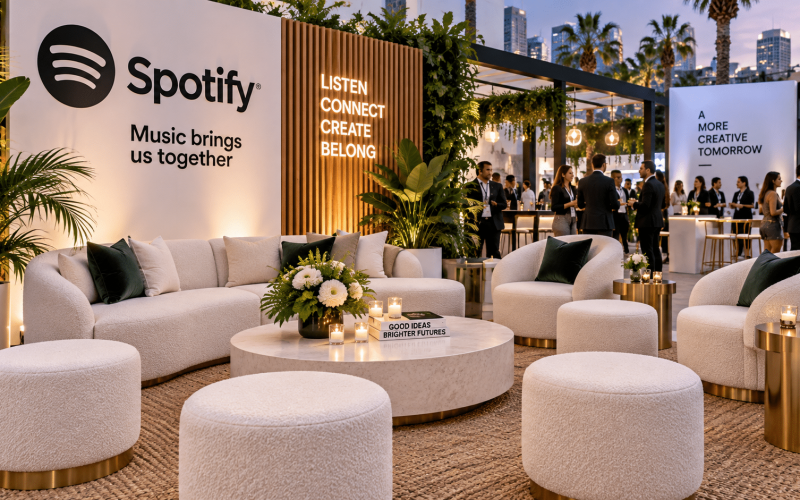
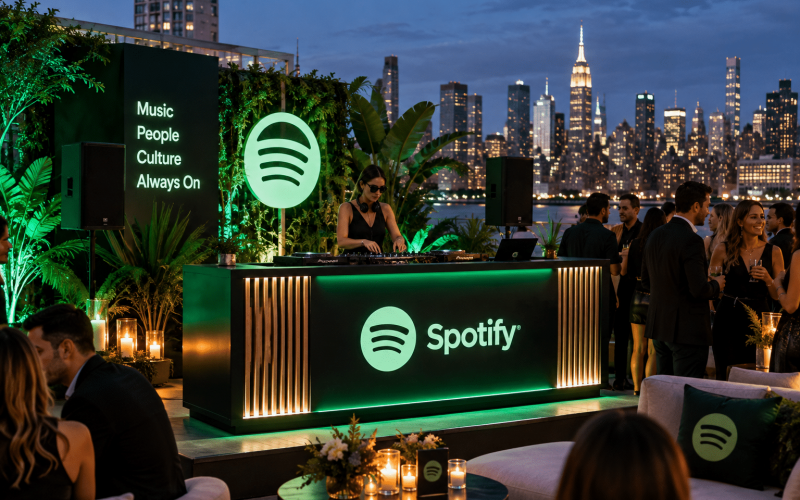
Some launches need more than a demo. They need a controlled environment that lets the audience step into the brand story. An immersive branded room uses walls, furniture, lighting, scenic fabrication, and sensory details to create a cohesive product world.
This is common for beauty, lifestyle, entertainment, and premium consumer launches where emotional positioning matters as much as feature communication. The room itself becomes part of the message. The product is not just introduced – it is contextualized within a fully branded experience.
The upside is stronger memorability and better visual content. The downside is complexity. Scenic builds require tighter production planning, freight coordination, and install discipline than simpler pop-up formats. When done well, though, this type of activation creates a launch environment that feels complete rather than temporary.
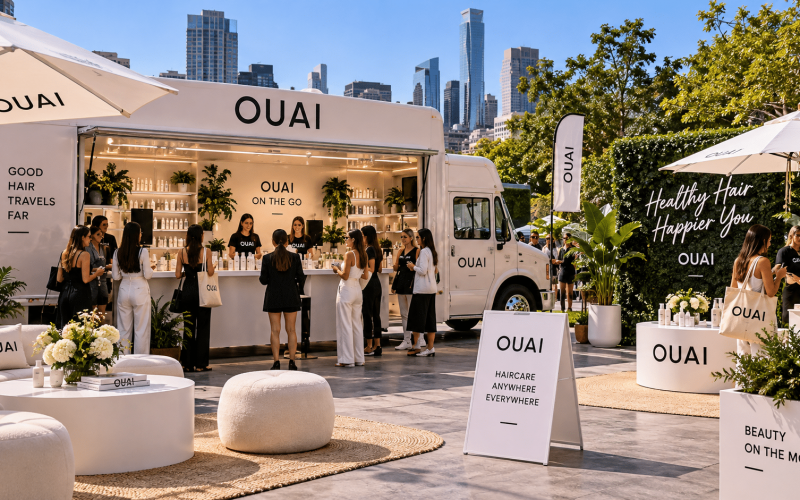
3. The modular roadshow launch
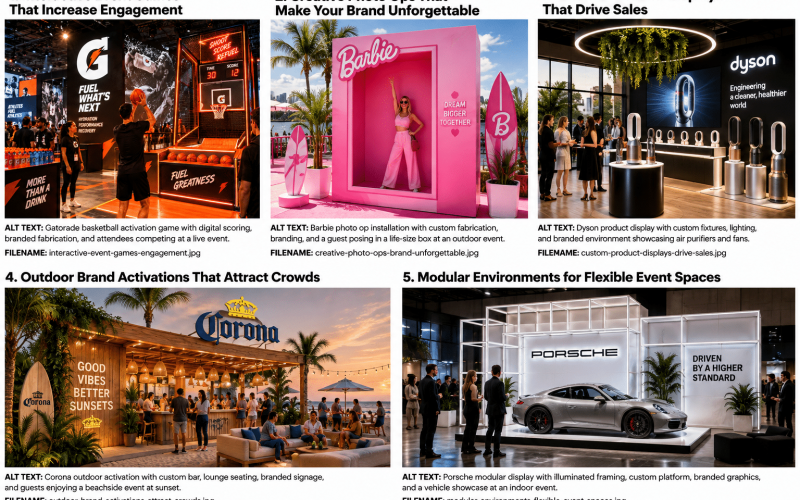
Not every product launch happens in one flagship location. Many brands need a format that can move across multiple cities, retail partners, campuses, or event venues. A modular roadshow activation is built for repeat deployment without losing brand consistency.
This is where fabrication strategy matters. The best roadshow concepts break into durable, manageable components that can be installed quickly, packed efficiently, and adapted to changing footprints. Counters, backwalls, branded kiosks, demo zones, and game elements need to work as a system, not as one-off pieces.
For national programs, this format often outperforms a single high-budget launch event. It extends reach and creates more opportunities for direct audience contact. The compromise is that every component has to be engineered for wear, transport, and simple setup. Creative that ignores those realities usually becomes expensive fast.
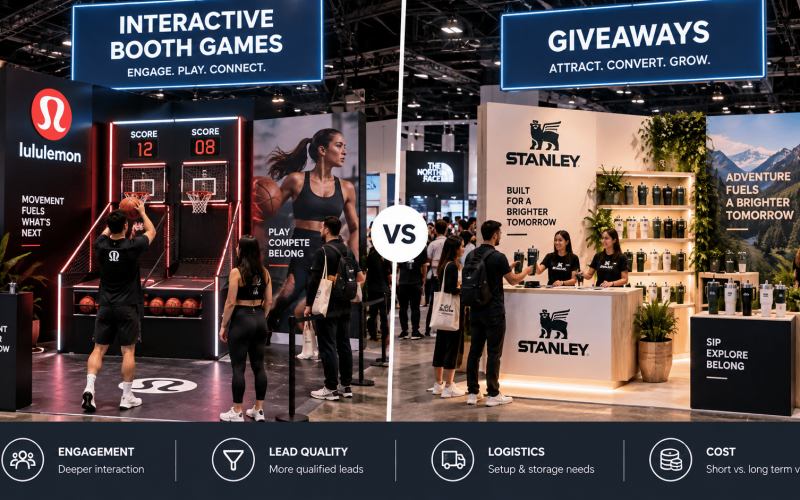
4. The interactive challenge or game-based activation
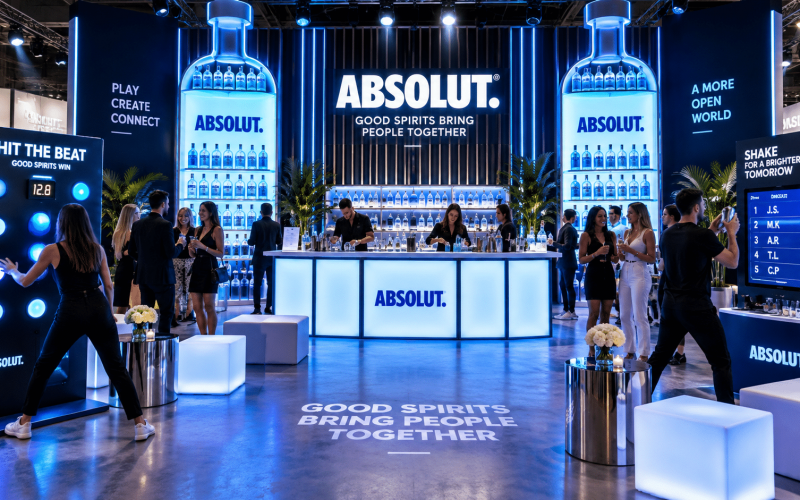
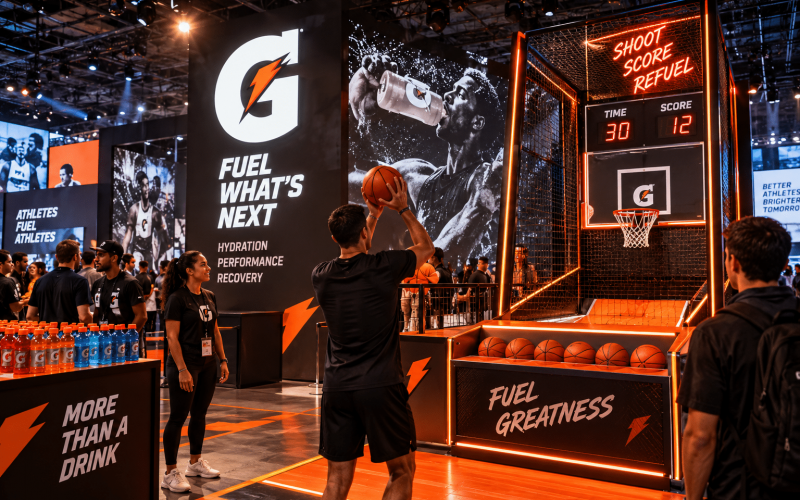
If the product benefit can be translated into a simple action, a game-based activation is often the strongest engagement tool available. It turns passive guests into active participants and creates a natural reason to gather, compete, and share content.
This approach is especially effective for products tied to speed, performance, personalization, or problem solving. A timed challenge, digital leaderboard, prize mechanic, or physical game element can express those traits more clearly than signage alone. It also helps staff start conversations without forcing a sales pitch.
The caution here is relevance. The game should reinforce the product story, not distract from it. If attendees remember the giveaway but not the launch, the activation missed the mark. Custom-fabricated game units, branded scenic pieces, and clear messaging usually make the difference between novelty and meaningful engagement.
5. The social-first photo moment with substance
Photo opportunities are common at launches, but not all of them function as true activations. A branded backdrop with a logo step-and-repeat may support visibility, yet it rarely carries the launch on its own. A better approach is a photo moment that is tied directly to product messaging and built into the event flow.
That could mean a dimensional set piece, an oversized product replica, a reveal wall, or a stylized environment that visually communicates the product’s key benefit. The asset needs to do more than look branded. It should be easy to approach, quick to use, and instantly understandable on camera.
This type of activation works well when launches depend on earned social exposure or influencer attendance. It works less well when it consumes too much footprint without moving guests toward product interaction. The best versions pair content capture with a nearby demo, sample, or guided touchpoint.
6. The guided journey activation
Some products require a sequence. A single station cannot fully communicate the offer, especially in categories like tech, wellness, automotive, or B2B solutions. In those cases, a guided journey activation breaks the experience into stages.
Guests move from introduction to education to hands-on interaction and then to a closing action such as sign-up, consultation, or content capture. Physical design supports the sequence through zoning, sightlines, and fabricated structures that clearly define each step.
This format is valuable when the audience needs more depth, but it depends on good pacing. If transitions are unclear or stations feel too similar, people drop off. Distinct environments, clear wayfinding, and staff roles aligned to each zone help maintain momentum.
7. The retail-adjacent pop-up launch
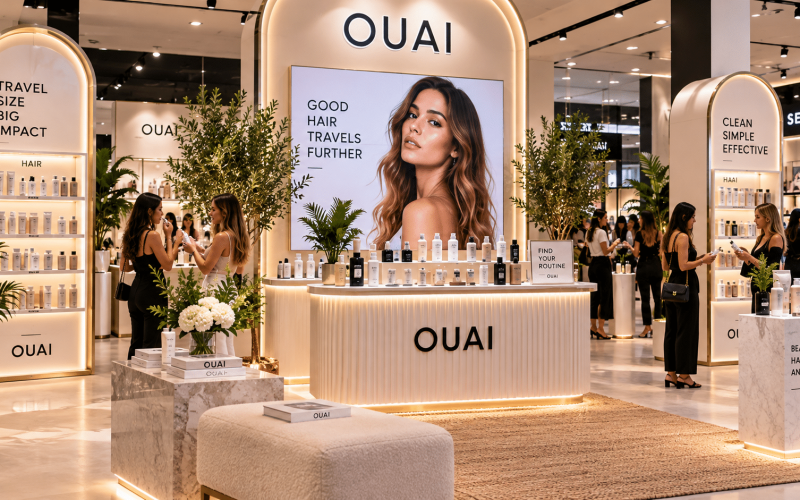
For launches tied to immediate conversion, a retail-adjacent activation closes the gap between awareness and purchase. The setup may live in a mall, storefront, retail forecourt, or branded temporary space where sampling, demonstration, and transaction can happen close together.
This model is practical because it supports product education and purchase intent at the same time. Fixtures, display shelving, branded counters, and compact scenic elements have to work harder here because the footprint is usually tighter than a large event venue.
Execution matters more than scale. A small pop-up with clean fabrication, smart storage, and a well-defined customer path often performs better than a larger setup with too many competing elements. For launch teams under pressure to show commercial impact quickly, this is often the right balance.
8. The press and creator preview space
Media and creator events need a different kind of activation. The environment has to be visually strong, but also functional for interviews, content capture, product handling, and controlled messaging. A preview space gives invited guests structured access before the broader public launch.
These activations usually include hero display moments, demo stations, branded interview backdrops, lounge areas, and product education surfaces. Every element should support camera-ready presentation while still feeling operationally efficient for teams managing schedules and talent.
The mistake many brands make is treating this as a scaled-down party. It is better viewed as a production environment with brand polish. When the space is fabricated with that in mind, it becomes easier to generate consistent content and more useful coverage.
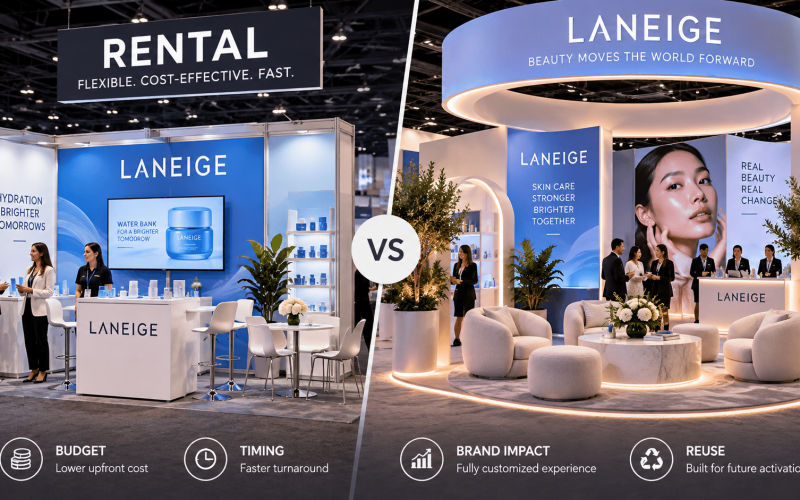
9. The hybrid trade show launch booth
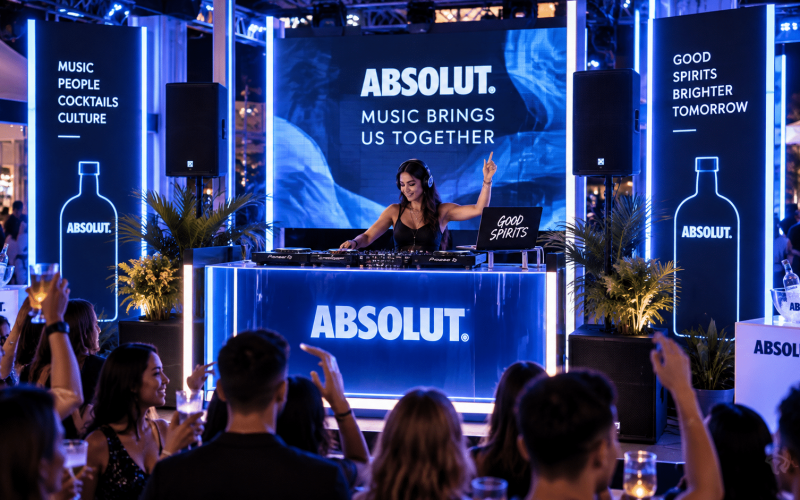
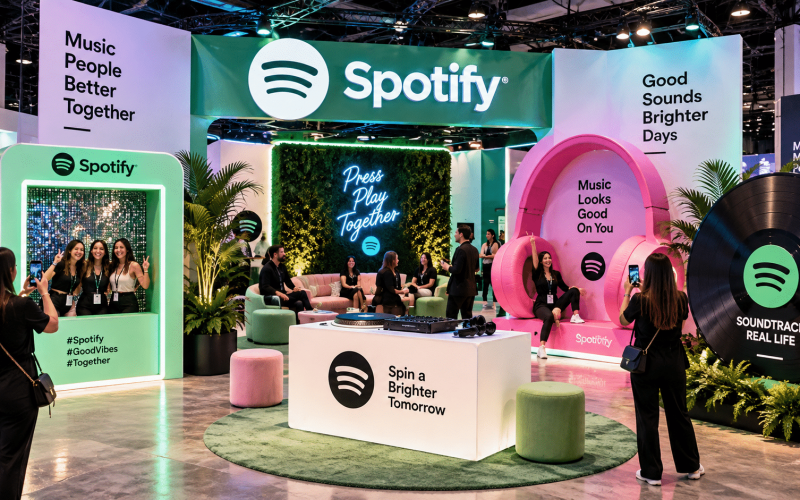
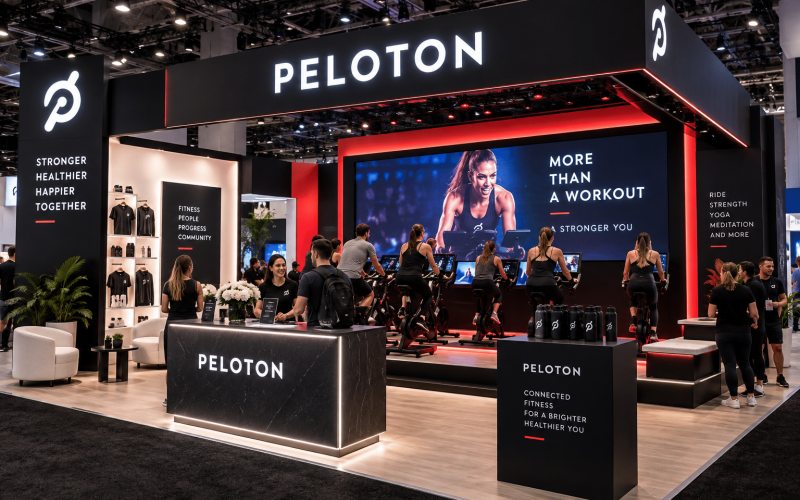
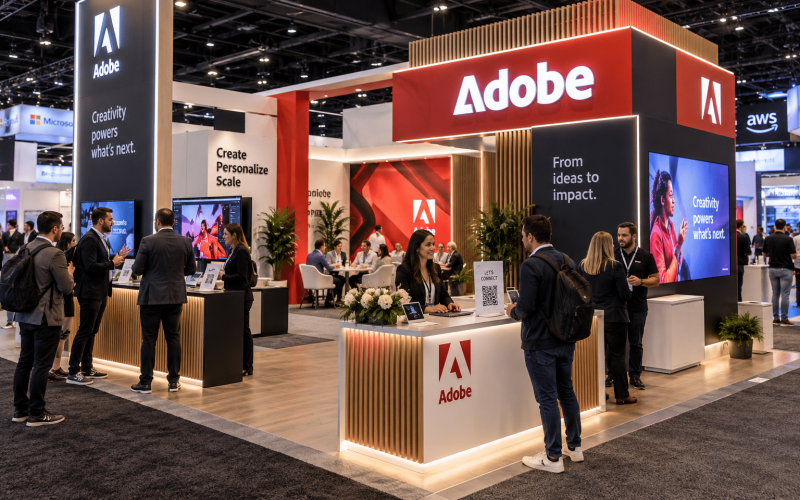
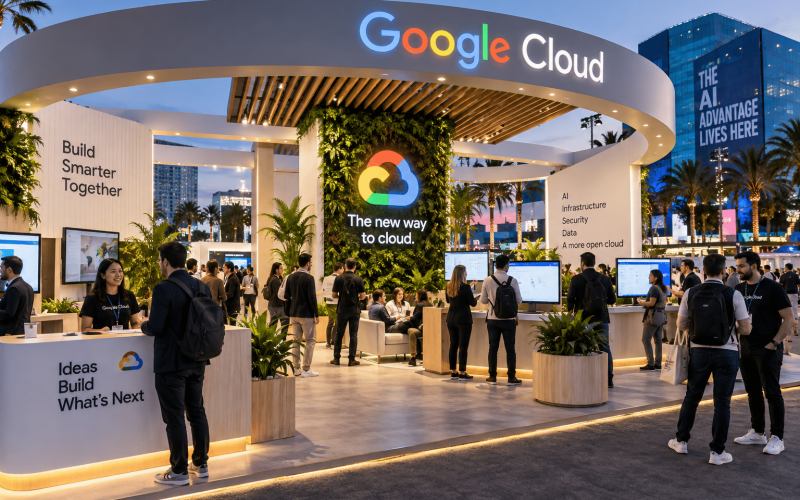
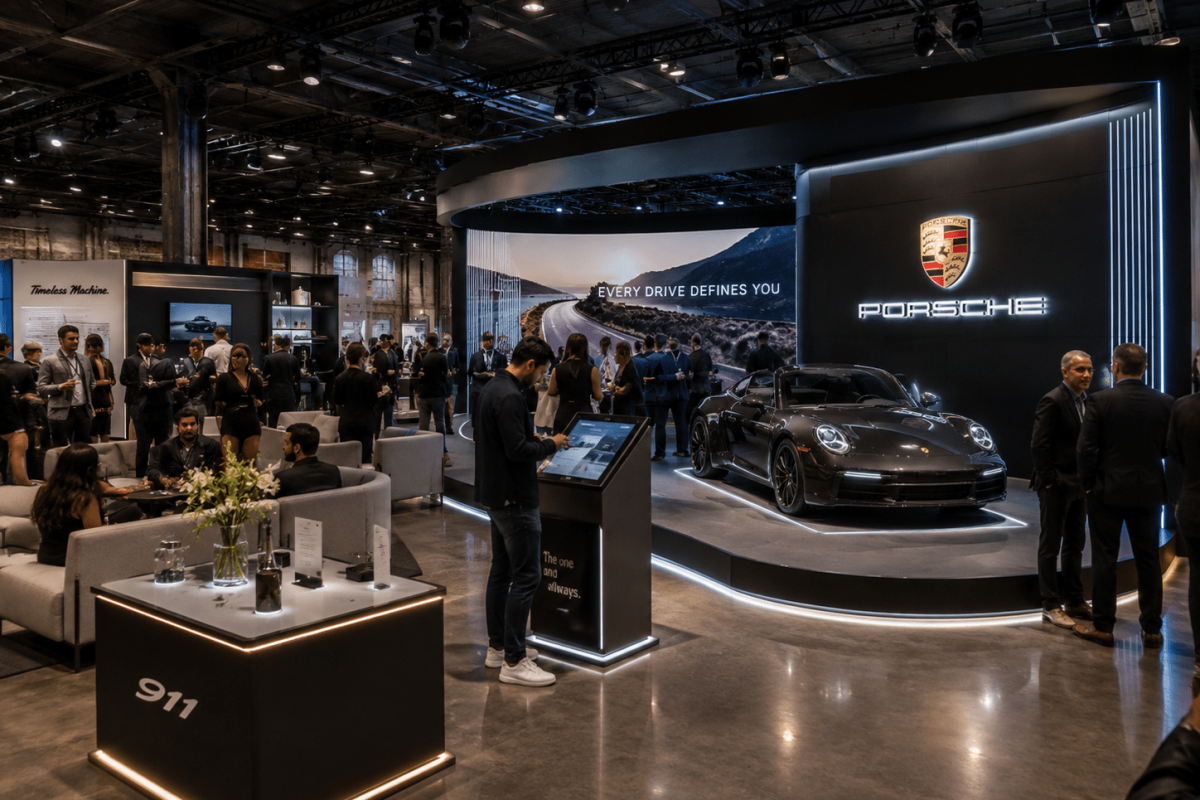
For companies launching at an industry event, the booth itself has to do the work of both exhibit and activation. A standard trade show layout is rarely enough if the goal is to create launch energy. The booth needs a central experience that gives attendees a reason to stop, engage, and remember the product after the aisle traffic moves on.
That can take the form of a live demo theater, interactive product station, branded game area, or a semi-private presentation zone supported by custom display fabrication. The best hybrid booths combine open visibility with focused engagement areas so the launch does not get lost in the surrounding event noise.
This is one area where fabrication-first planning pays off. Launch booths often need to integrate branding, technology, storage, product security, and traffic flow within a fixed footprint. When those needs are addressed early, the result is a better show-floor experience and fewer compromises during install.
How to choose the right launch activation format
The right concept depends on what the product needs from the audience. If people need to try it, build around demonstration. If they need to feel the brand position, invest in scenic immersion. If the launch is multi-market, prioritize modular fabrication and repeatable deployment. If attention is the challenge, interaction and competition may be the better route.
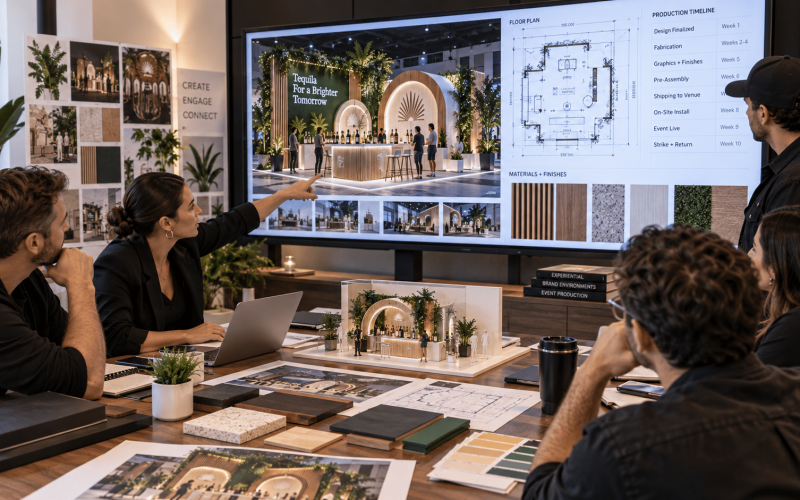
Budget matters, but not in the obvious way. A smaller activation with well-made custom products and a clear engagement path usually performs better than an oversized concept that drains resources in logistics and labor. Reliability is part of the audience experience. If an activation is difficult to set, maintain, or reset, that problem shows up on site.
For teams managing product launches across agencies, venues, and internal stakeholders, the most useful activation examples are the ones that can actually be executed well. That is where a fabrication-minded partner adds value – not just by building assets, but by helping shape an experience that works in real event conditions.
The strongest launch environments do not try to do everything at once. They make the product easier to understand, easier to interact with, and harder to forget.