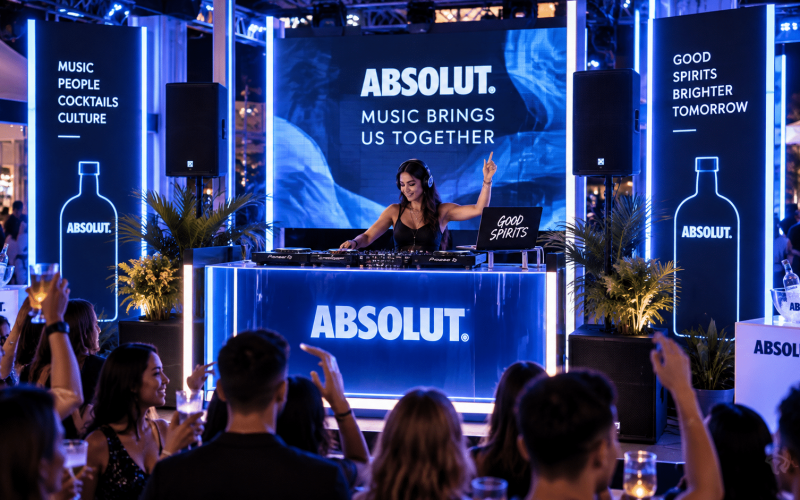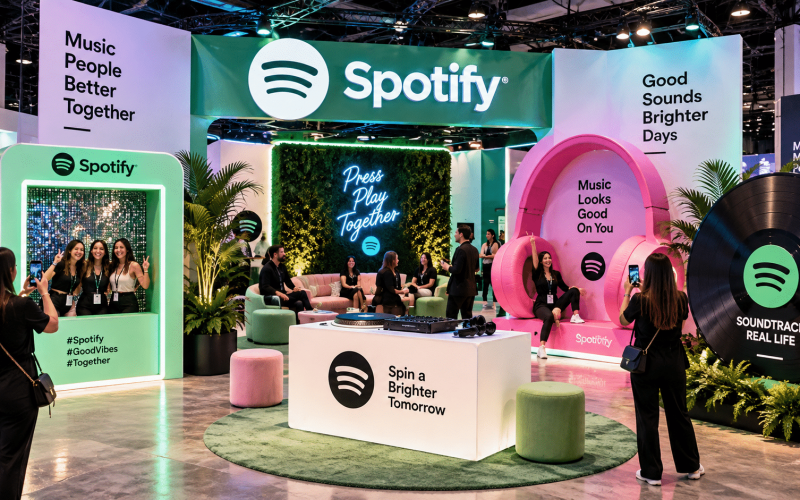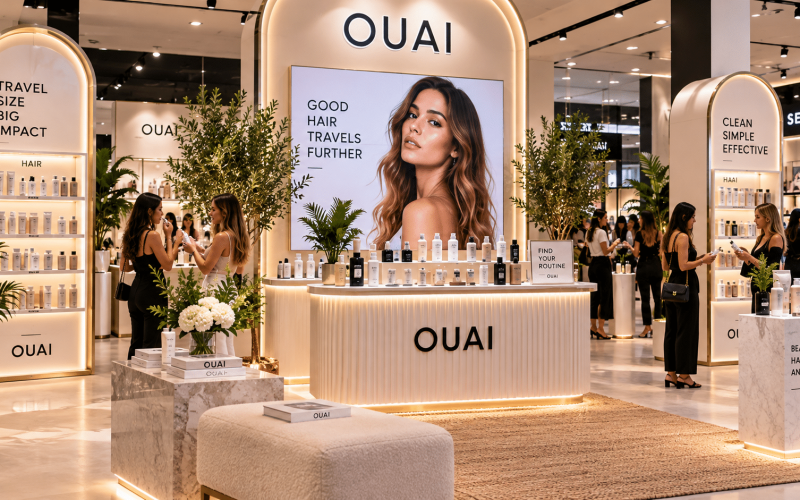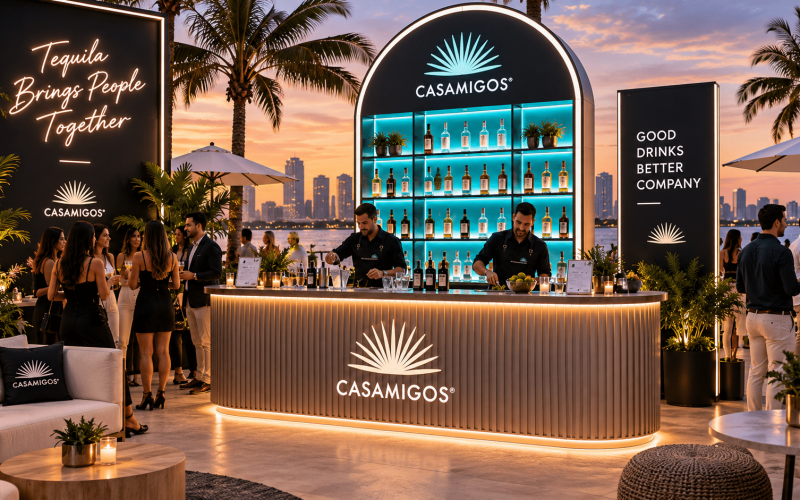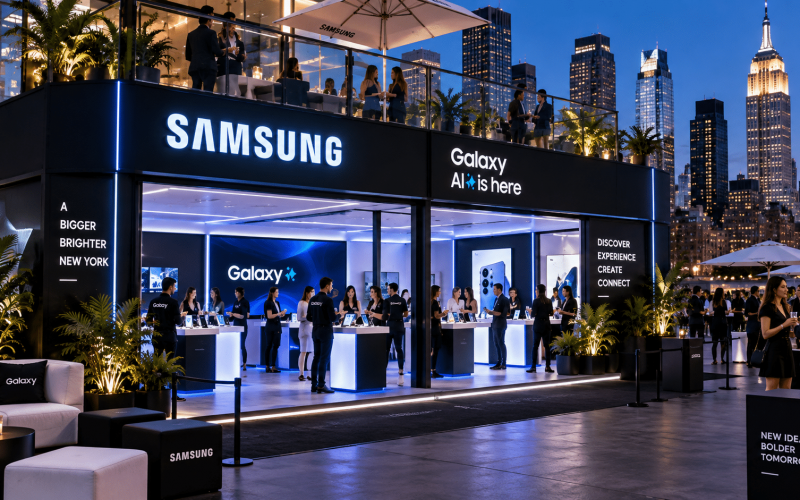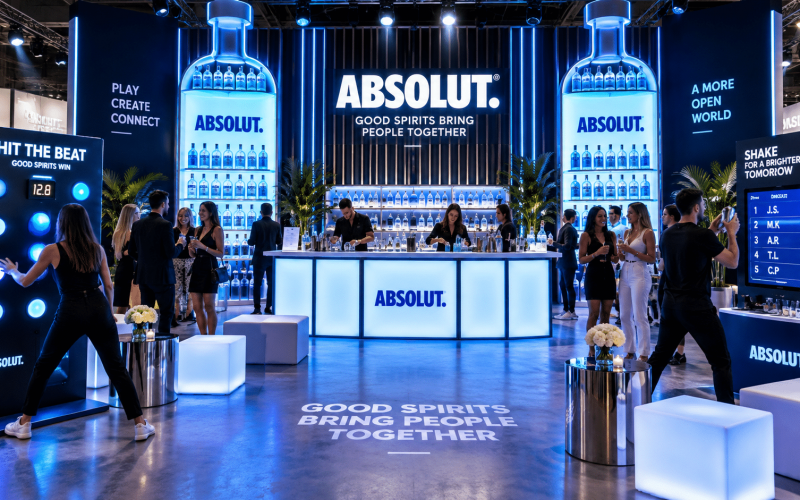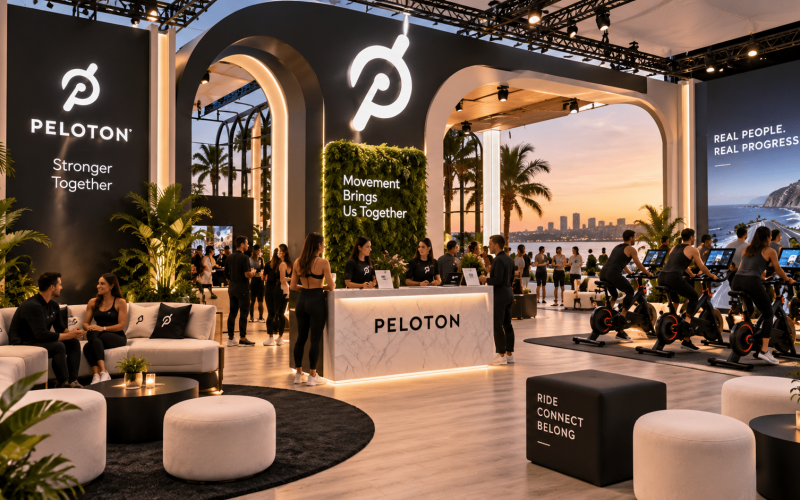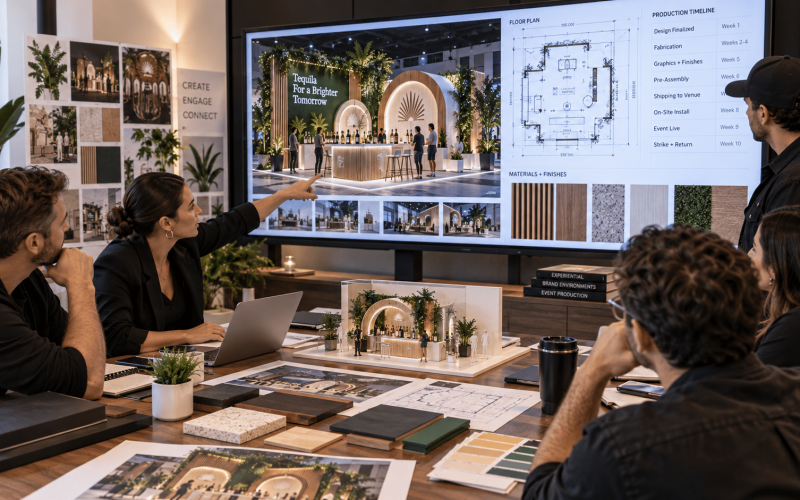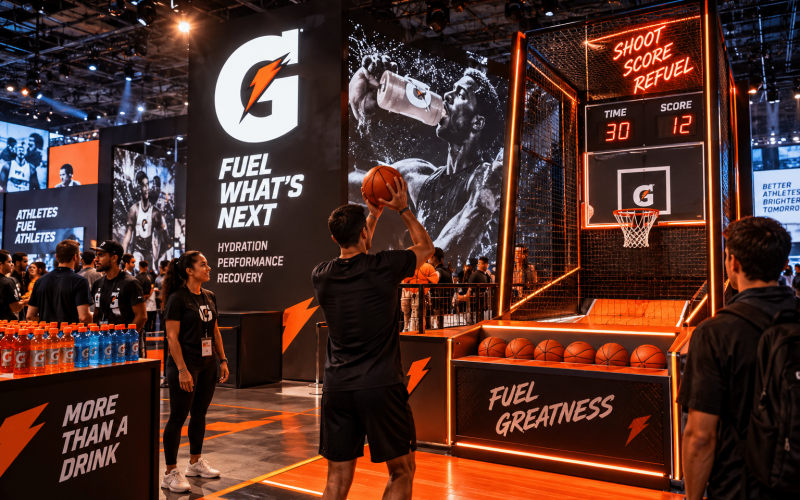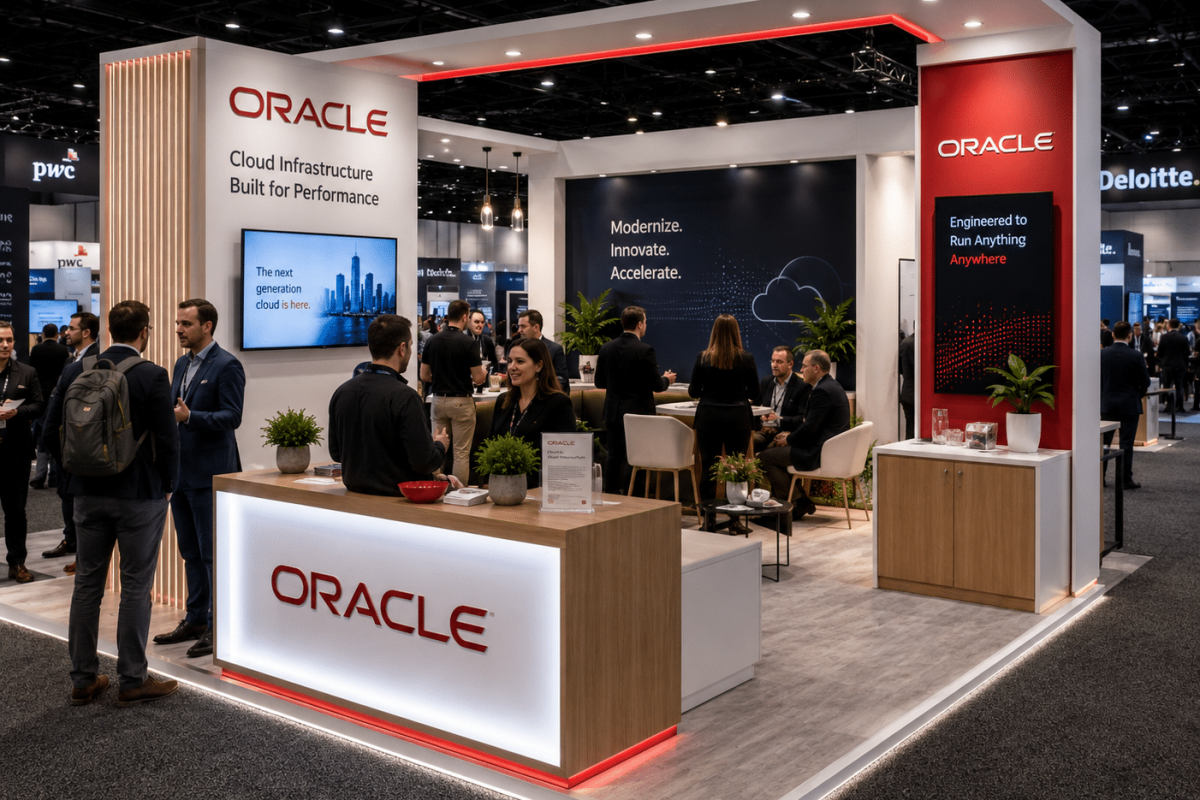
A branded event display manufacturer can make your concept look sharp in a rendering and still fail where it counts – on the show floor, during install, or after the third stop on a tour. For event marketers and agencies, that gap matters. The real job is not just producing something branded. It is building an event asset that holds up operationally, supports the audience experience, and arrives ready for activation.
That is why selection should go beyond pricing and visuals. In experiential marketing, the manufacturer is often an execution partner with direct impact on timelines, logistics, brand consistency, and attendee engagement. If the booth, custom product, display wall, branded game, or event furniture is central to the experience, fabrication decisions affect performance just as much as creative decisions do.
What a branded event display manufacturer actually does
The term can sound narrower than the work itself. A strong branded event display manufacturer is not just printing graphics or assembling standard frames. For live events, the scope usually includes design interpretation, material selection, engineering, custom fabrication, finish execution, packaging, shipping preparation, and sometimes installation planning or on-site support.
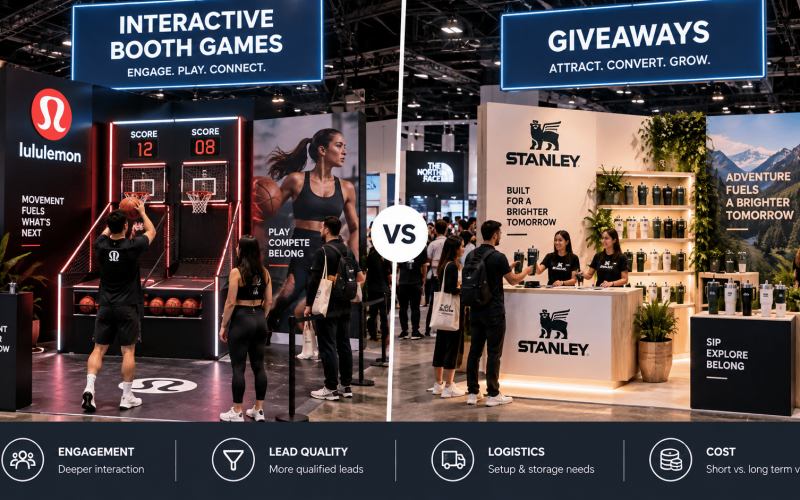
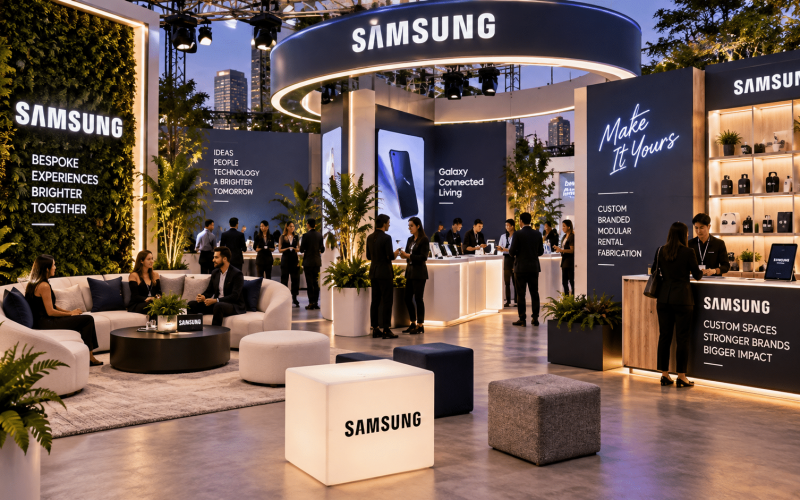
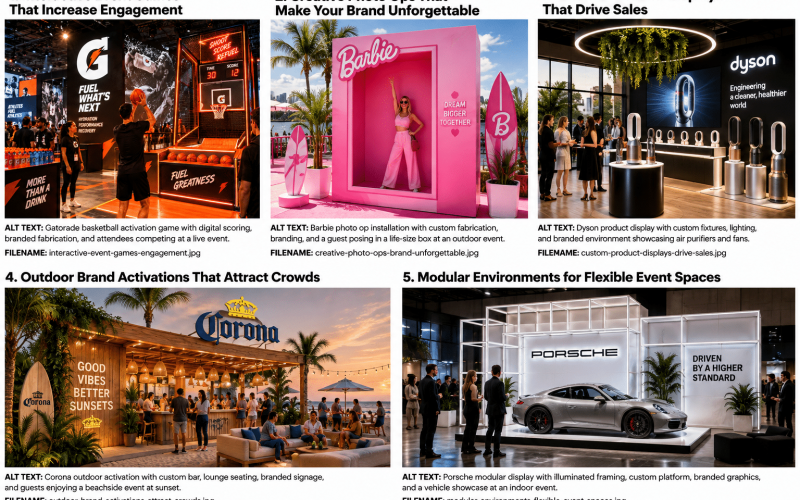
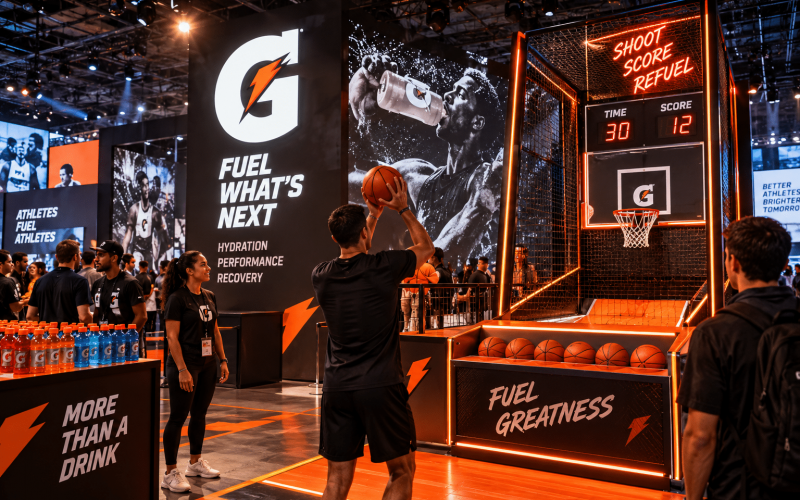
That matters because event environments are rarely made of one element. A single activation may require branded counters, product display units, dimensional logos, backdrops, demo stations, integrated storage, interactive features, and rental components that all need to work together. If the manufacturer only handles one slice of that picture, your team may end up coordinating multiple vendors, more approvals, and more opportunities for inconsistency.
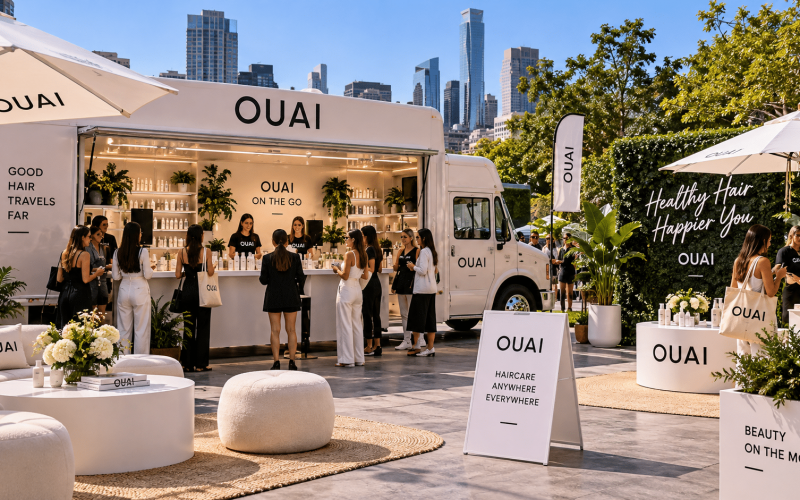
The more event-specific the fabrication partner is, the better they tend to understand how branded environments behave in the field. Trade show booths have different demands than permanent retail fixtures. Mobile tours have different durability requirements than a one-day press event. A product launch with photo moments and heavy foot traffic needs different structural thinking than a conference lounge.
Why event specialization matters
Not every fabricator is built for experiential work. Some are excellent at millwork or architectural fabrication but less experienced with fast-turn event production, repeated assembly, or temporary environments that still need premium finishes. Others may produce displays but lack the custom capability needed for a brand activation with unusual forms, integrated lighting, or interactive features.
Event specialization shows up in practical ways. It shows up in how drawings are reviewed for install efficiency, how pieces are crated for shipping, how finishes are chosen for camera readiness, and how branding is applied across multiple surfaces and components. It also shows up in knowing where to simplify a build without weakening the visual impact.
For agencies and in-house teams, this specialization reduces friction. You are not educating a vendor on basic event realities like tight dock windows, labor costs, reset speed, or the need to conceal wear over multiple uses. You are working with a partner who already understands them.
How to evaluate a branded event display manufacturer
The strongest evaluation process starts with a simple question: can this partner build what was sold creatively, within the actual conditions of the event? That means looking at capability from several angles at once.
First, review the range of fabrication work. If your program includes custom products, branded environments, trade show booths, and activation elements, the manufacturer should show experience beyond a single category. A polished display wall does not automatically translate into a well-executed interactive footprint.
Second, ask how the team handles production realities. This includes lead times, engineering review, file preparation, finish sampling, substitutions, and packaging. Experienced event manufacturers are usually direct about trade-offs. If your concept includes specialty materials, hidden fasteners, or complex shapes, they should be able to explain what is feasible, what may affect timeline, and where value engineering can help.
Third, assess whether they think like operators, not just builders. A display that looks excellent but takes six hours to assemble with specialized labor may not be right for a multi-city program. A booth with beautiful surfaces but no practical storage may create problems during show days. Good event fabrication accounts for use, transport, install, and reuse from the start.
Quality is more than finish
Buyers often focus on visible quality first, and that is fair. Paint finish, graphic application, edge detail, color accuracy, and overall presentation all shape how the brand is perceived. But for event assets, quality also includes how components fit together, how they hold up in transit, and how consistently they perform over time.
This is especially important for activations and touring builds. If a branded display is expected to travel, reset, and maintain appearance across multiple markets, hidden construction choices become critical. Hardware selection, panel reinforcement, protective packaging, and modular design all affect life span and field performance.
There is also a cost trade-off here. The cheapest path can work for a single appearance with a forgiving environment. It often does not work for programs where the same asset needs to support repeated use or a premium brand standard. On the other hand, not every event calls for overbuilding. A capable manufacturer should help match the build to the use case rather than push one production approach for every project.
The role of rentals in the build strategy
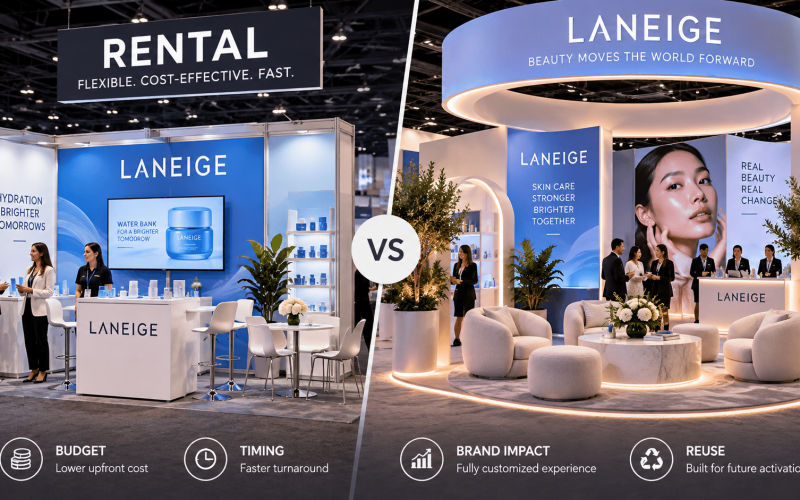
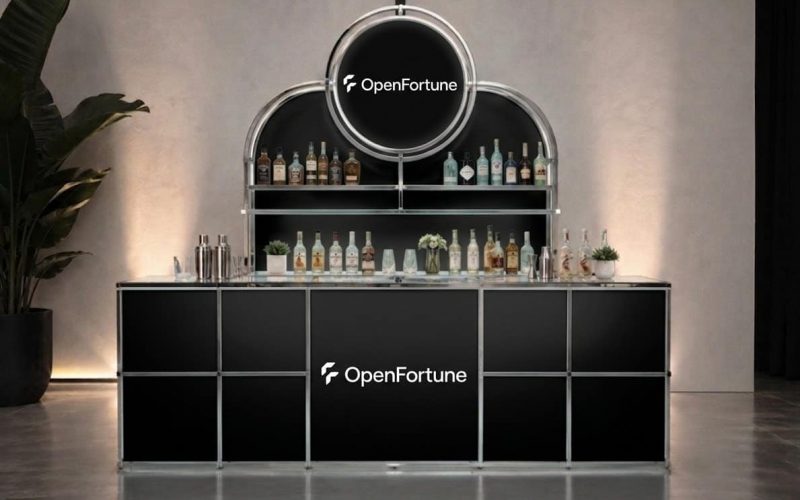
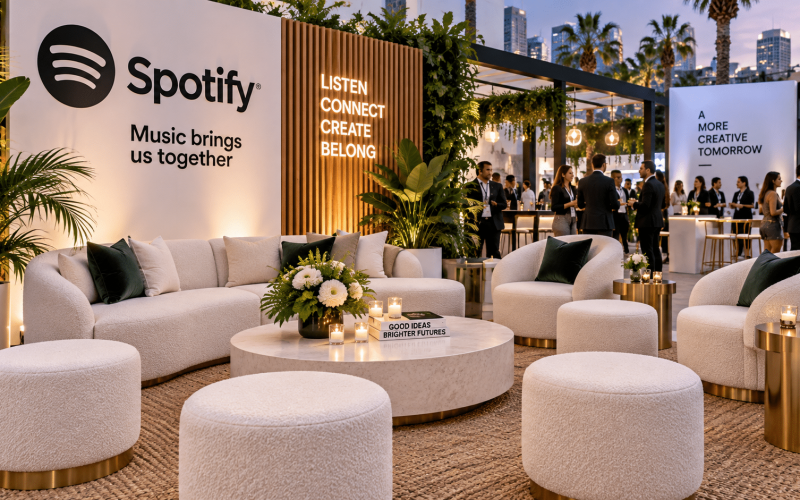
For many event teams, the smartest solution is not fully custom or fully rental. It is a combination. Custom fabrication can be reserved for the branded hero elements that define the experience, while rental components cover practical needs like seating, counters, shelving, or support furniture.
That hybrid model can improve budget efficiency without making the footprint feel generic. It also helps when timelines are compressed. If part of the environment can come from a rental inventory and part is fabricated specifically for the campaign, your team can move faster while keeping the brand presence distinctive.
This approach is especially useful in regional event markets where staging speed matters, including programs in New York, New Jersey, Boston, and Connecticut that require dependable rental support alongside custom branded elements. The key is coordination. The custom and rental pieces should feel like one environment, not two separate orders placed side by side.
Communication is a production capability
One of the clearest signs of a reliable branded event display manufacturer is the way they communicate before production starts. Strong partners ask the right questions early. They want to know venue constraints, shipping deadlines, storage expectations, power requirements, audience interaction, and whether the asset will be reused.
That level of detail is not bureaucracy. It is risk control. Misalignment in those areas usually turns into cost overruns, rushed changes, or on-site compromises. A production partner with event experience will surface those issues before materials are cut.
Clear communication also matters when timelines tighten, which they often do. You want direct answers on what can still be delivered, what needs to change, and what trade-offs are acceptable. Vague optimism is expensive in live events.
Red flags to watch for
The first red flag is a portfolio that looks broad but says little about execution. Attractive final photos matter, but they do not tell you how the asset shipped, assembled, or held up. Ask questions that get beyond appearance.
Another red flag is a vendor that cannot explain fabrication choices in commercial terms. If every answer defaults to aesthetics without discussing durability, schedule, logistics, or reuse, they may not be thinking like an event production partner.
You should also be cautious with teams that rely too heavily on standard solutions when the brief clearly requires custom execution. Standardization can be useful, especially for budgets and speed, but forcing a custom brand activation into an off-the-shelf format often weakens the result.
Finally, be wary of gaps between sales language and shop capability. The right manufacturer should be able to back up creative ambition with practical production depth.
What the right partner helps you achieve
A good manufacturing partner delivers more than a finished object. They help protect the integrity of the event. They make it easier to turn approved concepts into physical assets that are brand-aligned, install-ready, and built for the actual conditions of live use.
That is where fabrication-first event support stands apart. When custom products, branded displays, event furniture, and activation elements are developed with production discipline from the outset, teams spend less time solving preventable problems and more time focusing on audience experience.
For marketers, producers, and agencies managing real deadlines and real expectations, the right choice is usually the manufacturer that understands both the build and the event. If a partner can translate concept into a durable, functional, branded environment without losing speed or quality, they are not just supplying displays. They are helping the program succeed where it counts – in person.