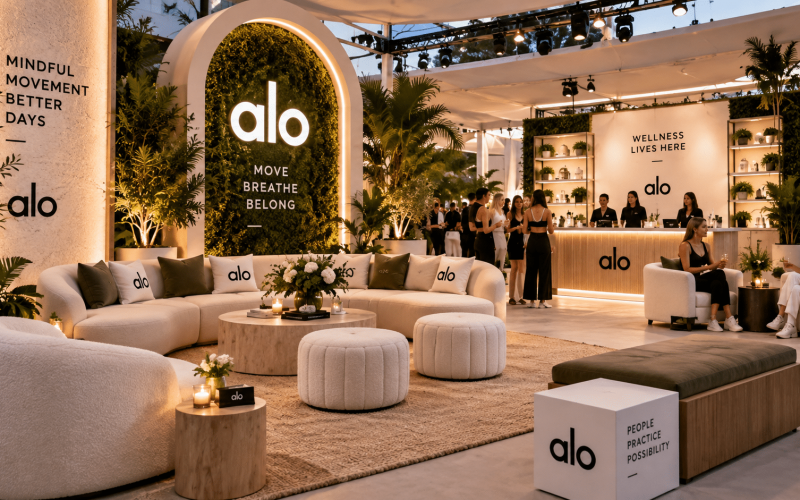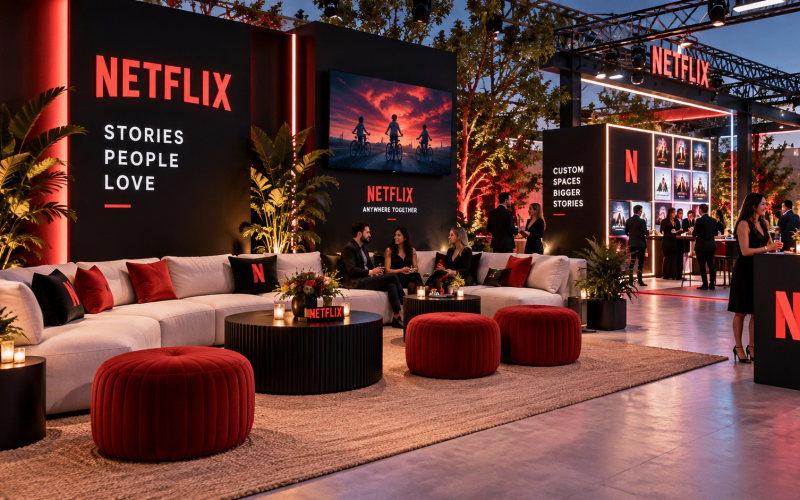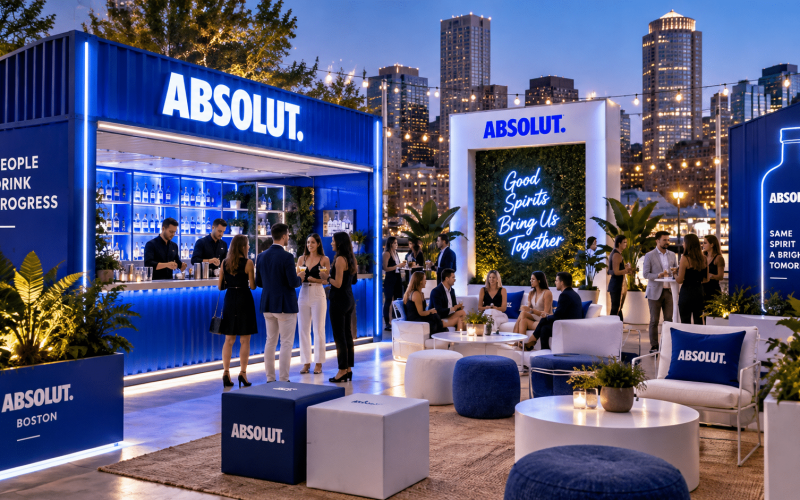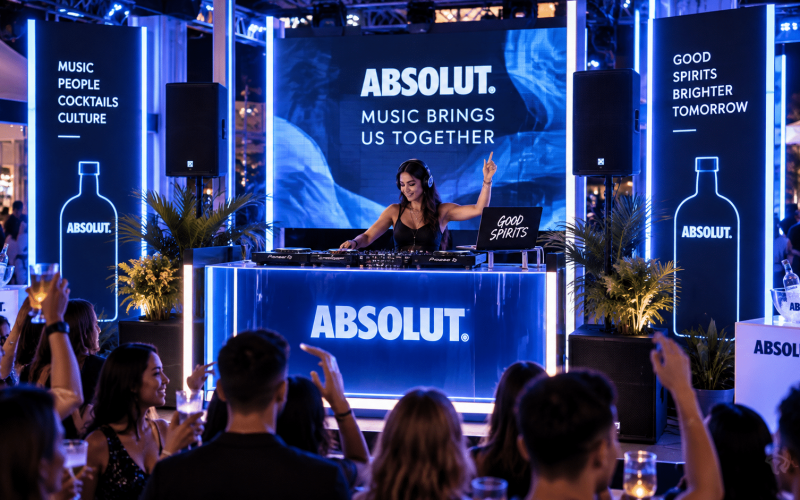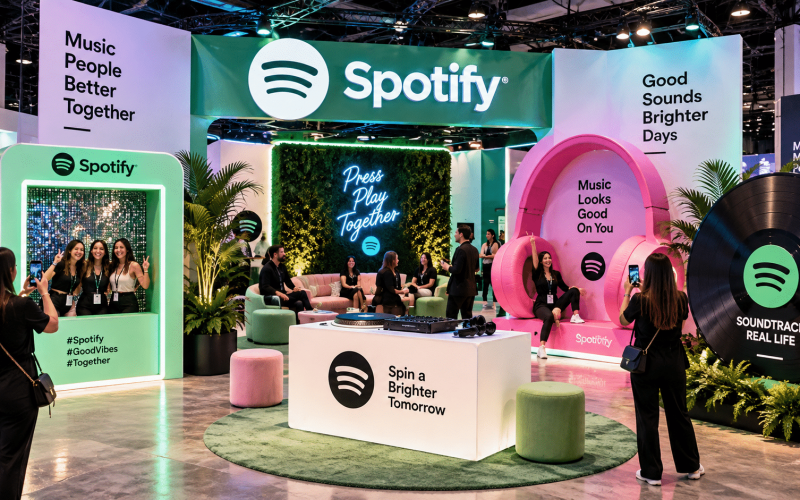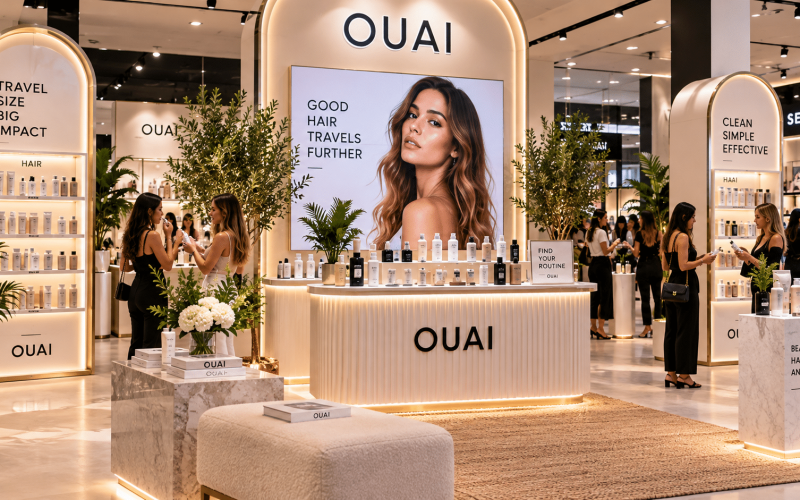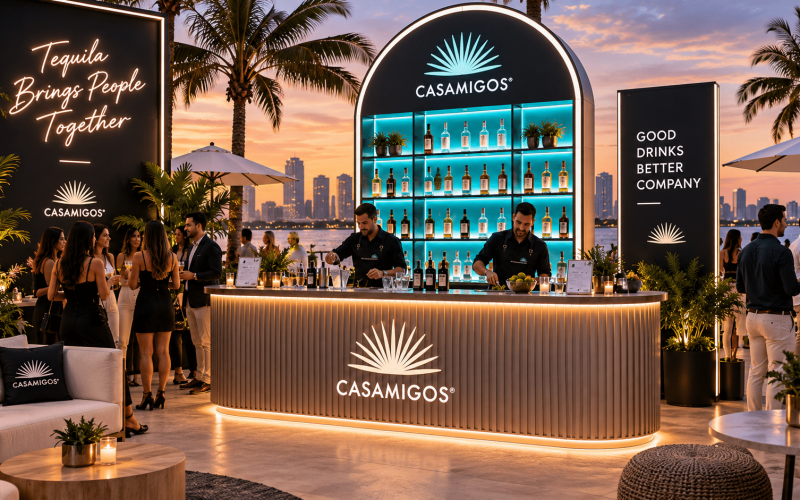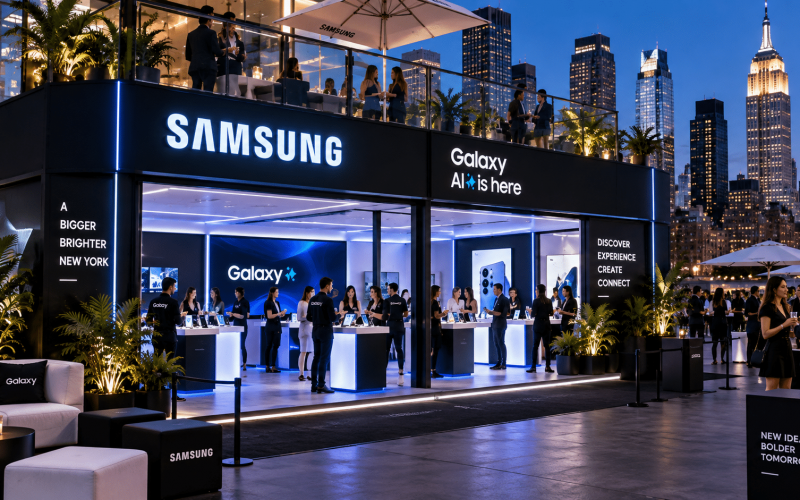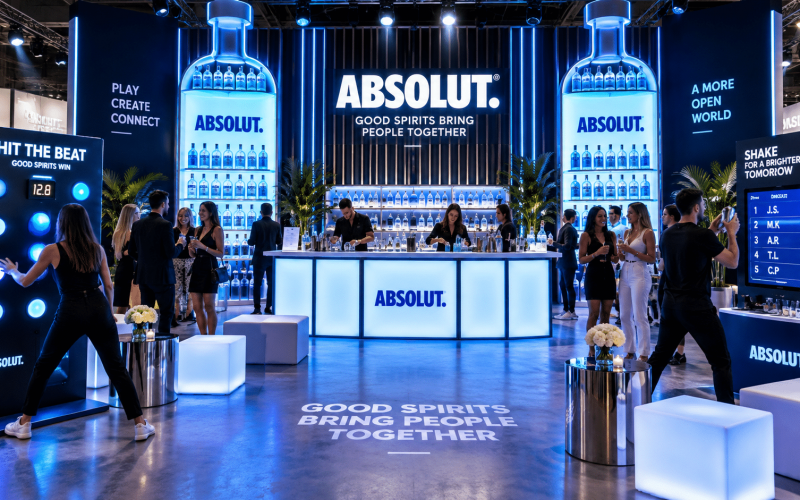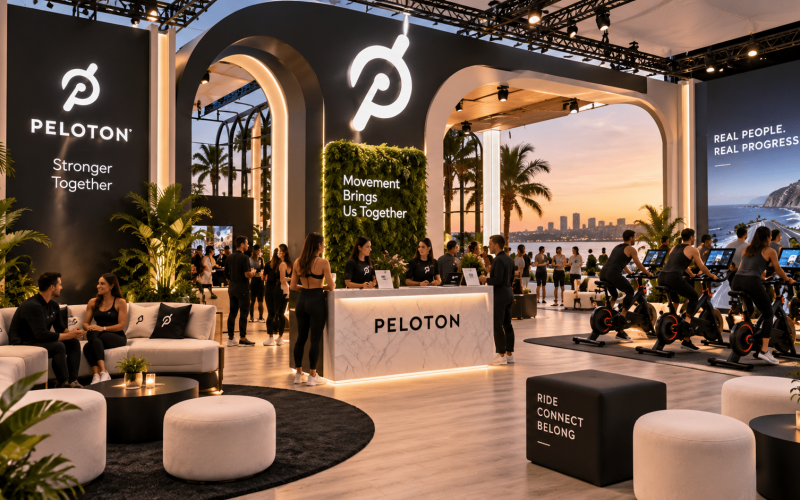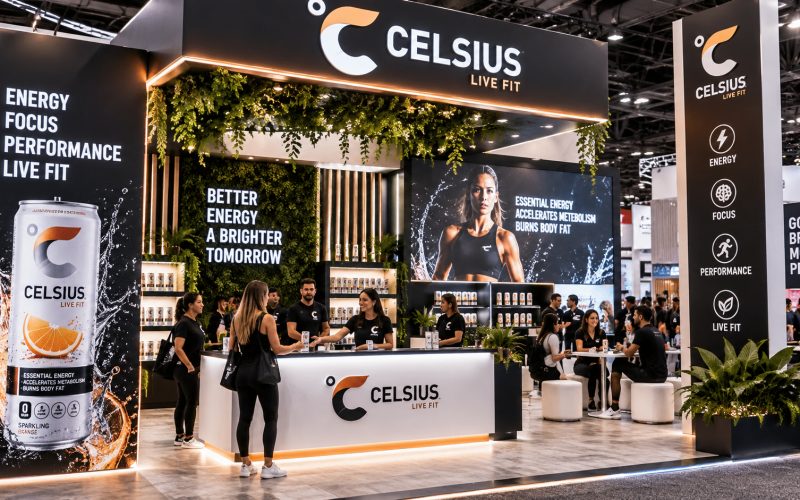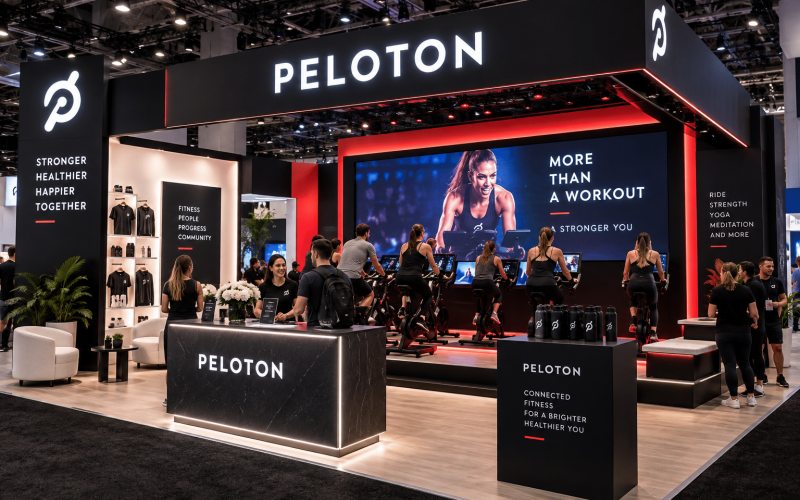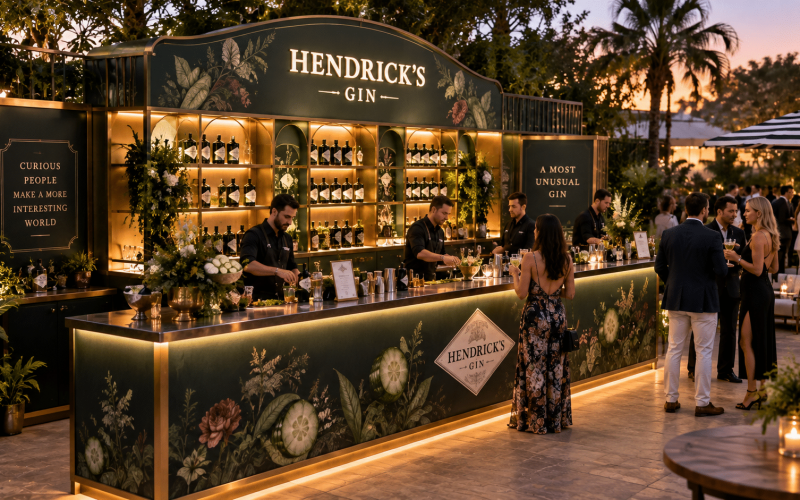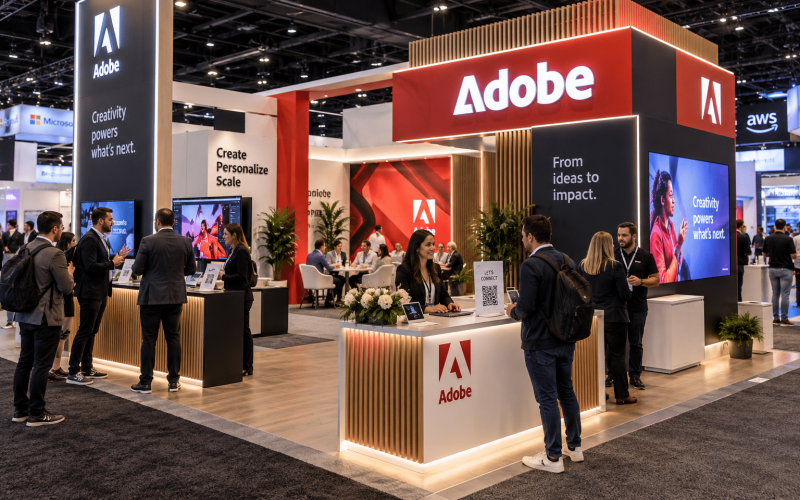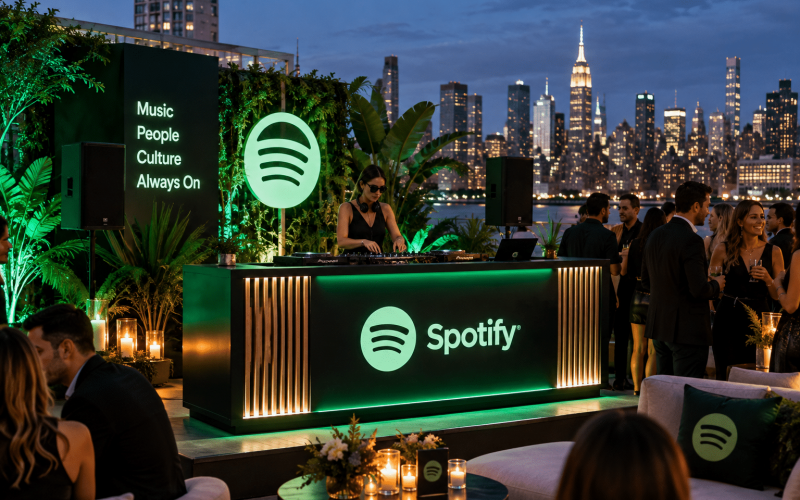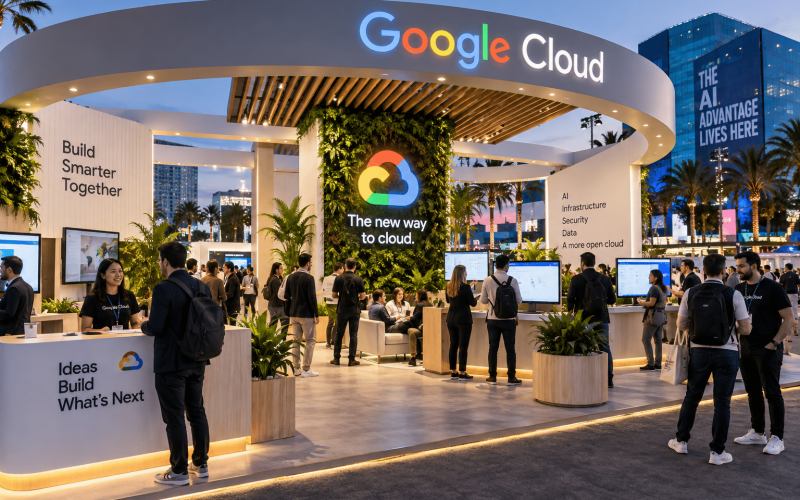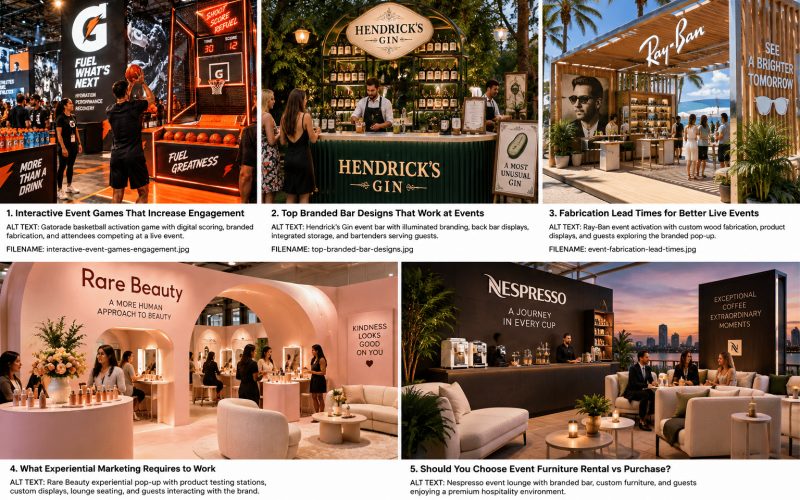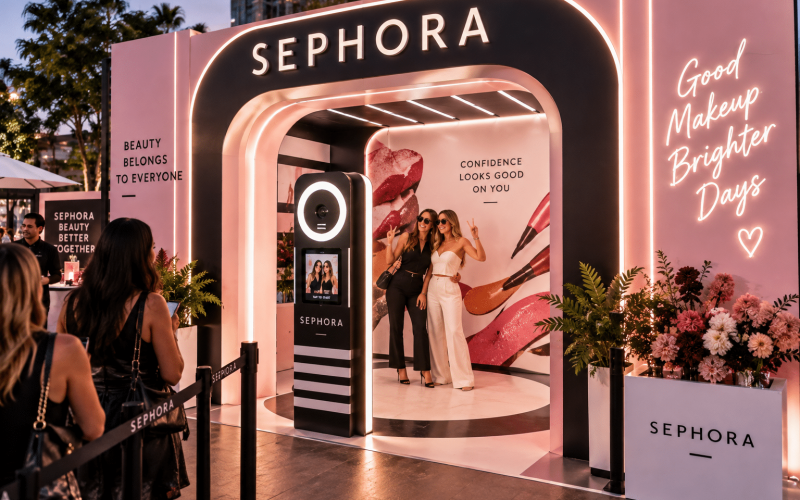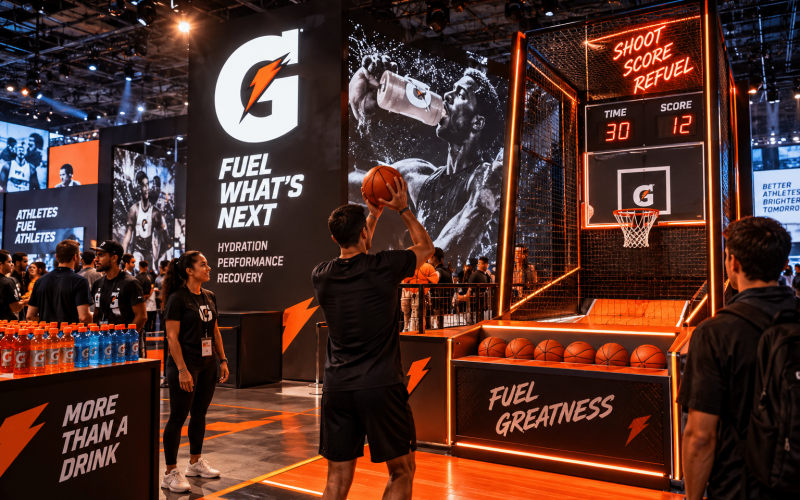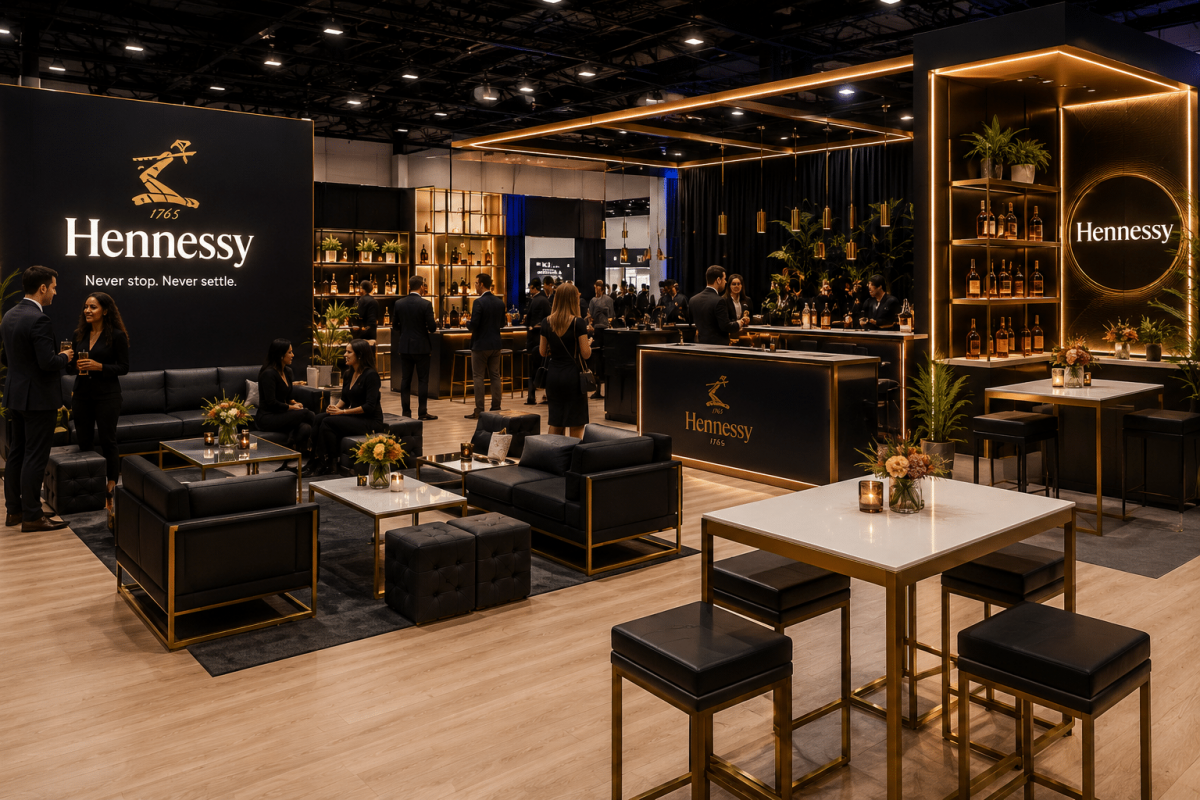
A lounge setup can either hold people in the experience or push them to the edges of the room. That is why event lounge rentals New Jersey teams choose are rarely just about seating. For brand activations, trade shows, sponsor hospitality, and corporate events, the lounge has to support flow, reinforce the brand environment, and hold up under real event traffic.
For marketers and producers, that changes the buying criteria. The question is not simply whether the furniture looks good in a catalog. The real question is whether the lounge package works inside the demands of a live program – load-in windows, venue rules, brand standards, guest comfort, and the pressure to make every square foot do something useful.
What event lounge rentals in New Jersey need to do
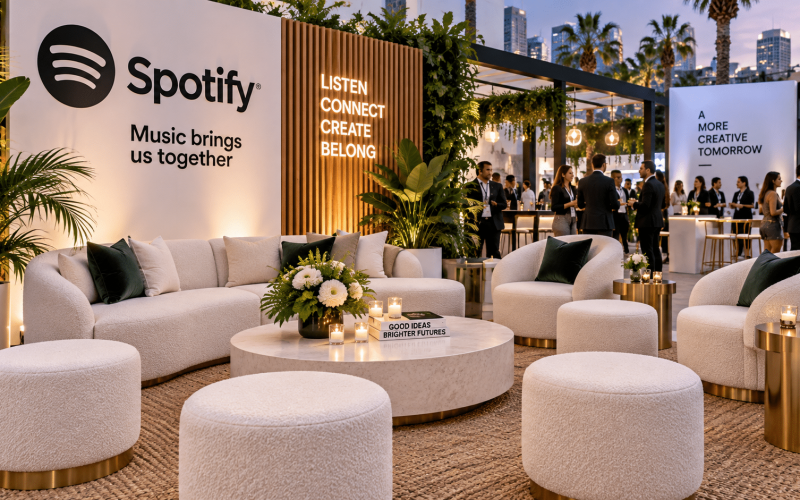
At a professional event, a lounge is usually performing more than one job. It may be a VIP holding area, a networking zone, a casual meeting space on a trade show floor, or a branded footprint within a larger activation. In many cases, it also becomes a visual anchor that helps attendees understand where to gather and how to move through the space.
That means furniture selection has to go beyond style. Scale matters because oversized pieces can shrink usable floor area, especially in convention halls and hotel ballrooms where aisle clearance and sightlines are already tight. Material choice matters because light fabric that looks clean in a showroom may not hold up well after hours of guest turnover, food service, or high-touch traffic. Layout matters because a lounge that photographs well from one angle can still fail if it creates dead zones or blocks key engagement points.
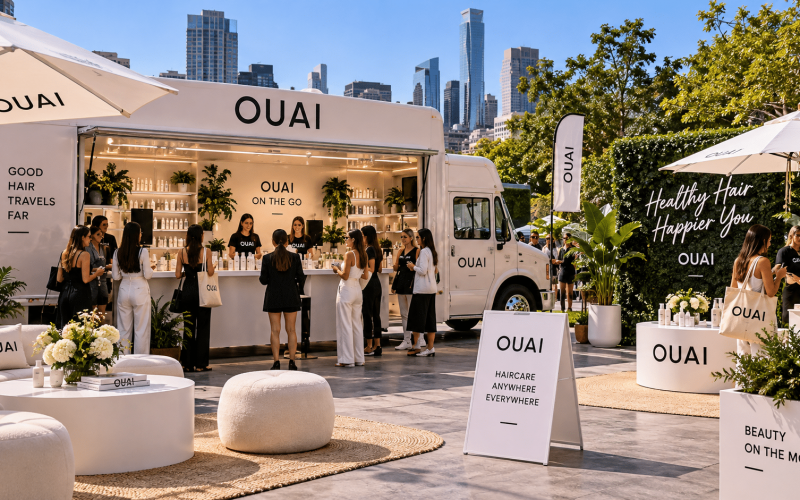
For New Jersey events, venue type also changes the decision. A corporate event in Jersey City has different needs than a consumer activation at a convention center or a pop-up near the shore during peak season. The furniture package has to fit the environment, not just the mood board.
Event lounge rentals New Jersey planners should evaluate first
The fastest way to lose time in sourcing is to focus on color before function. A better approach is to define the use case first, then build the lounge around that operational need.
If the lounge is meant for dwell time, comfort should lead. Sofas with proper seat depth, supportive chairs, and tables at workable height make a difference when guests are expected to stay, talk, and engage. If the lounge is part of a high-volume activation, modular pieces often make more sense because they can be configured tightly, reset quickly, and adapted on site if traffic patterns change.
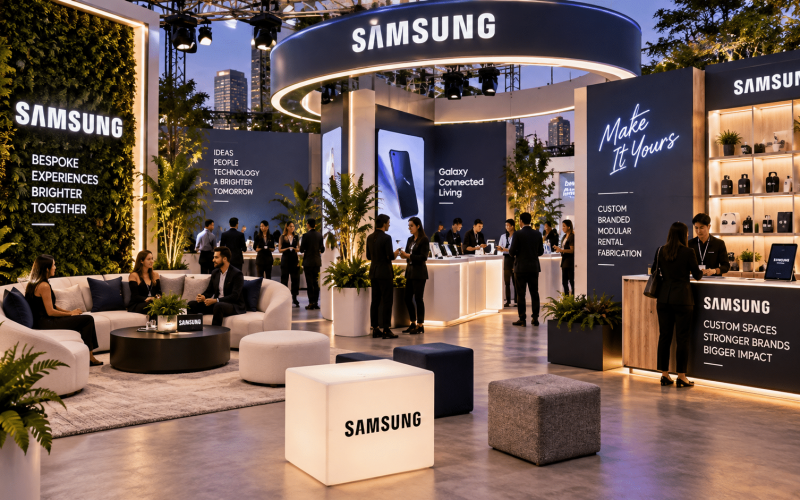
Brand alignment is the next filter. Some events need a neutral lounge package that supports a broader scenic build. Others need furniture that feels integrated with custom fabrication, product displays, branded counters, or interactive elements. In those cases, the lounge should not feel like an add-on. It should feel like part of the built environment.
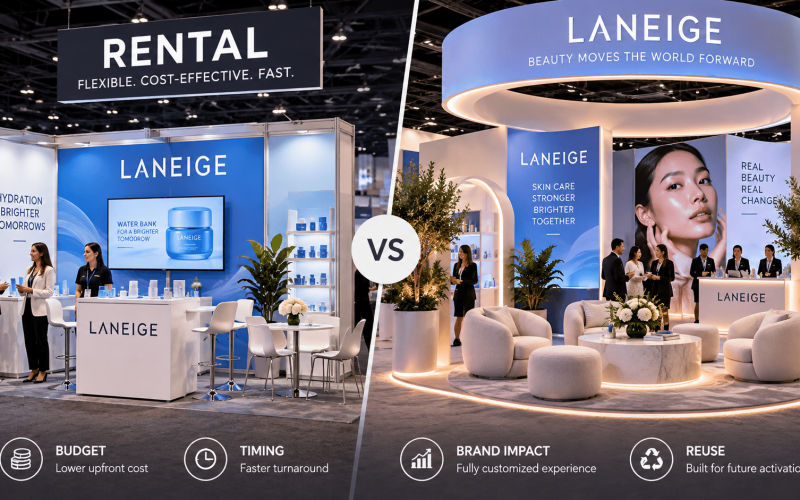
There is also a practical trade-off between standard inventory and custom treatment. Standard rental furniture is faster and often more budget-efficient. Custom wraps, branded pillows, logo treatments, matching scenic pieces, or fabricated coffee tables create stronger visual ownership, but they add production time and planning requirements. For many agencies and brand teams, the right answer is a hybrid – use rental foundations, then customize the visible touchpoints that matter most.
Layout should support behavior, not just appearance
A common mistake is treating the lounge as a decorative island. In practice, lounge layouts work best when they are designed around what attendees are expected to do. If the goal is networking, smaller conversation clusters often outperform one large seating block. If the goal is sponsor hospitality, clearer boundaries and premium finishes may matter more. If the goal is social sharing, the lounge needs camera-friendly angles and enough spacing to avoid visual clutter in photos.
This is especially relevant in trade show environments. A booth lounge that turns its back to the aisle or shields staff from attendees can reduce engagement. The furniture should create an invitation, not a barrier.
Where lounge rentals add the most value
Not every event benefits equally from a lounge, but there are several formats where it consistently earns its footprint.
At trade shows, a lounge can give prospects a place to pause long enough for meaningful conversations. That matters when exhibitors are competing for limited attention and every interaction needs room to progress beyond a quick scan of the booth.
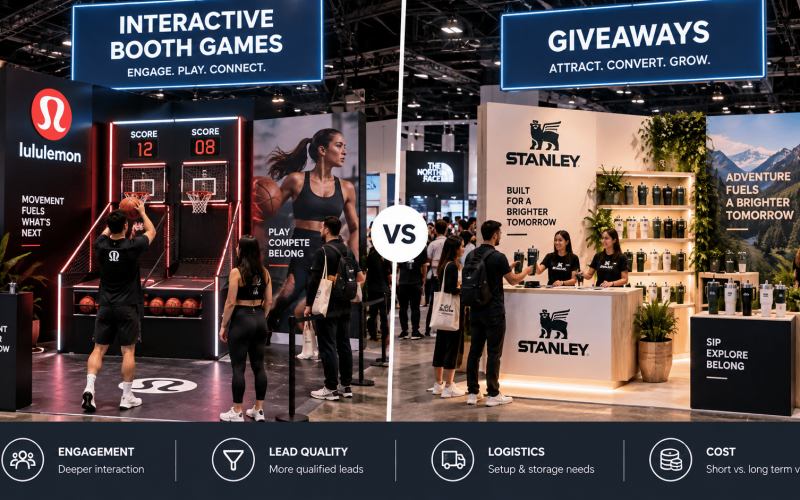
At brand activations, lounge space often acts as a transition zone between the high-energy front end of the experience and deeper engagement areas. Guests can recharge, post content, sample product, or wait for a timed interaction. In those scenarios, the lounge is part of the activation strategy, not just guest convenience.
For corporate events and internal programs, lounge rentals help soften large venues and make networking feel less forced. Instead of rows of tables or scattered highboys, a well-built lounge creates pockets of conversation and makes the room feel intentionally designed.
VIP hospitality is another strong use case. Here, furniture quality carries more weight because the audience notices finish, comfort, and overall presentation. The expectation is not just function. It is a polished environment that signals value.
What separates a reliable rental partner from a basic furniture source
The furniture itself is only part of the service. For event teams, execution usually matters more than selection. A rental partner should be able to discuss inventory, substitutions, delivery timing, staging constraints, and install planning without slowing the project down.
This is where many sourcing decisions shift. A broad catalog can look impressive, but if the provider cannot support production realities, the risk moves back onto the agency or brand team. Reliability comes from operational discipline – accurate counts, clean inventory, coordinated delivery windows, and a crew that understands event environments.
For more complex programs, fabrication capability becomes even more useful. When lounge rentals need to integrate with branded bars, display pedestals, scenic walls, sponsor signage, or interactive components, it helps to work with a partner that understands both rentable products and custom-built event elements. That reduces handoff issues and keeps the environment visually consistent.
Portadecor fits that model by combining event rentals with custom products and fabrication support for experiential builds. For teams managing lounges inside a larger branded footprint, that combination can simplify execution.
Timing affects your options more than most teams expect
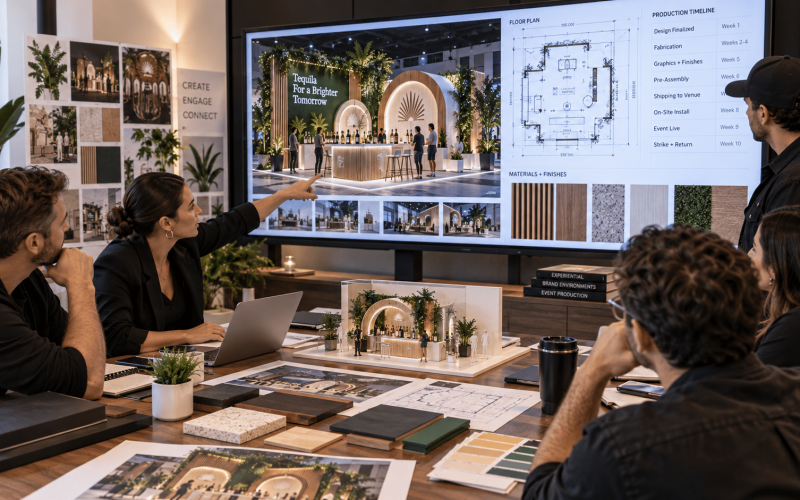
The best lounge plans usually start earlier than the furniture order. As soon as the event footprint, audience type, and brand treatment are known, the lounge should be part of the space plan. Waiting too long narrows inventory choices and makes custom enhancements harder to produce.
That does not mean every event needs a long lead time. Straight rental packages can move quickly. But if the program calls for matching finishes, branded fabrication, or coordination with a booth or activation structure, early planning protects both design quality and install efficiency.
Budget decisions that actually change the outcome
Most event teams are balancing visual impact against cost, and lounge sourcing is no exception. The cheapest package is not always the most economical if it forces compromises in guest flow, comfort, or brand presence. At the same time, premium furniture in the wrong quantity can eat budget without improving the event experience.
A better budgeting approach is to invest where the lounge will be seen, used, and photographed the most. Anchor pieces, focal-point seating, coffee tables, and branded elements usually do more work than filling every corner with extra inventory. In many cases, fewer better pieces create a stronger result than a crowded setup.
Transportation, labor, and install complexity should also be considered early. A layout that looks simple on paper can become expensive if it requires difficult access, multiple floor transitions, or strict move-in timing. For New Jersey venues tied to urban delivery windows or convention schedules, these details matter.
Choosing the right lounge concept for the event
There is no single best lounge style because the right answer depends on audience, brand position, and event objective. A tech product launch may need a clean, modern arrangement with integrated charging and sharp lines. A luxury hospitality event may call for softer silhouettes, richer finishes, and more spacing between pieces. A sampling activation may need durable materials and flexible seating that can be reset throughout the day.
What stays consistent is the need for alignment between the lounge and the rest of the environment. Furniture should support the event architecture, not compete with it. When the lounge, scenic elements, and branded touchpoints feel connected, the event reads as intentional. That is what clients, attendees, and stakeholders notice.
The most effective event lounge rentals in New Jersey are not selected as decor. They are specified as part of the experience build. When the lounge supports movement, comfort, conversation, and brand presence at the same time, it stops being a background element and starts doing real work for the program.
If you are planning a branded event, trade show booth, or activation, treat the lounge the same way you treat every other high-visibility asset – as a production decision with creative and operational consequences. That is usually where better events start.