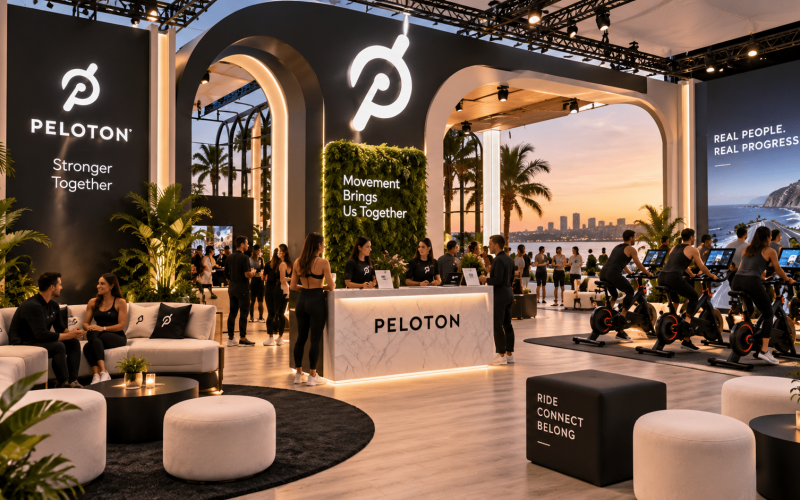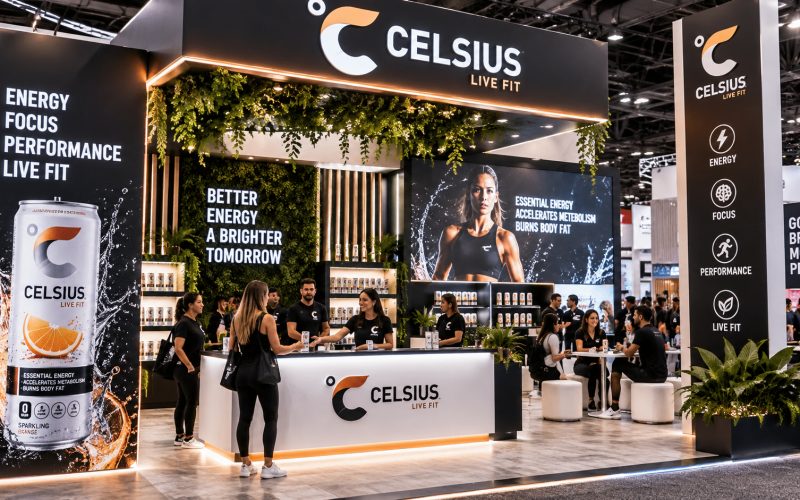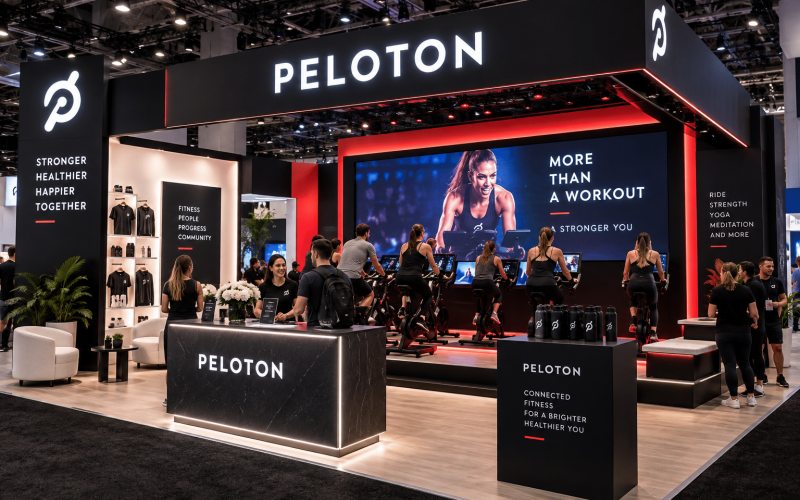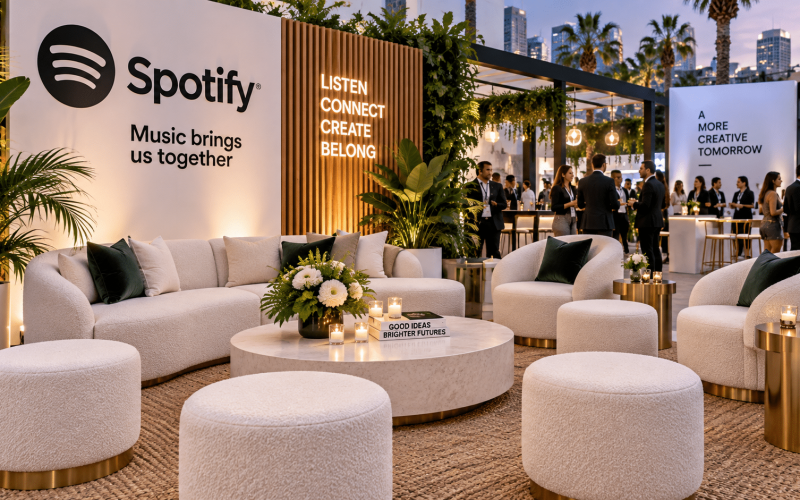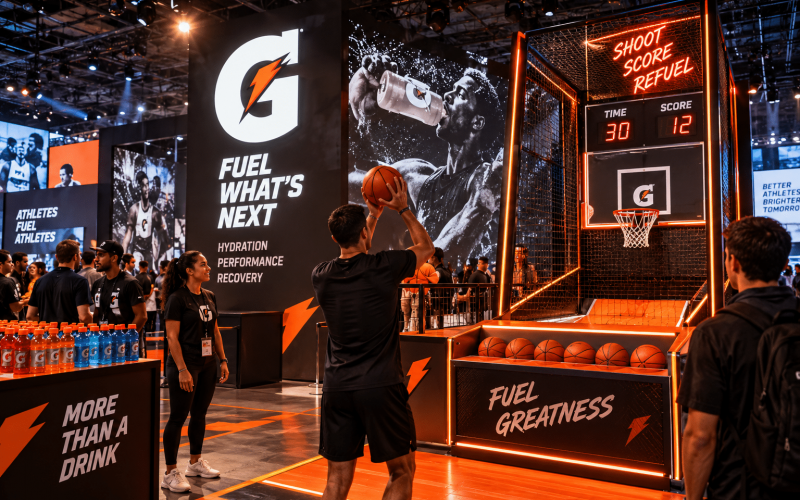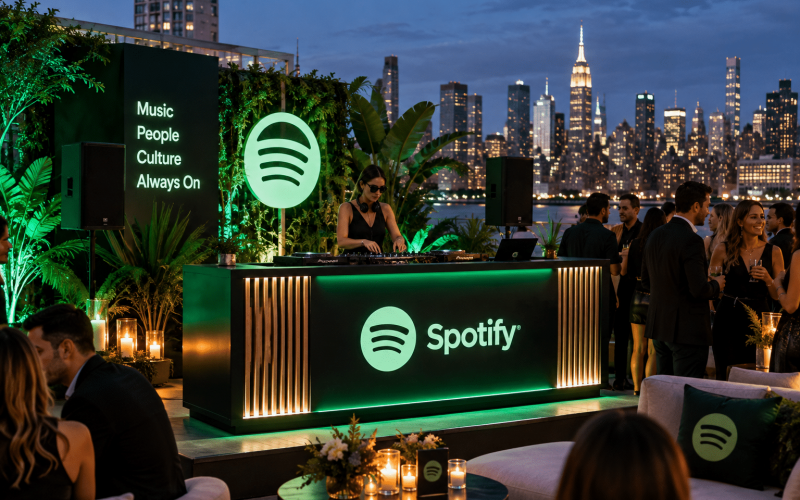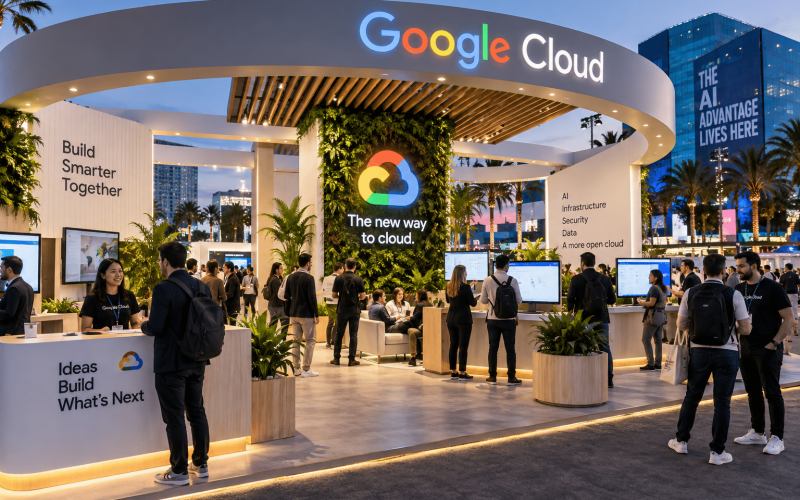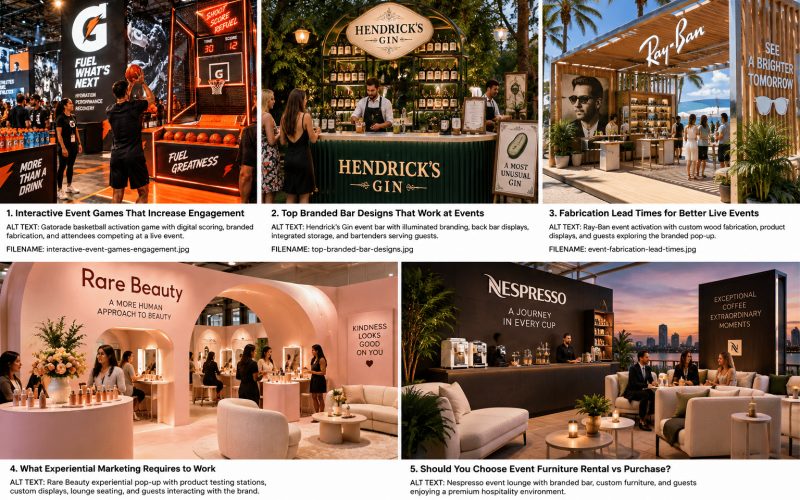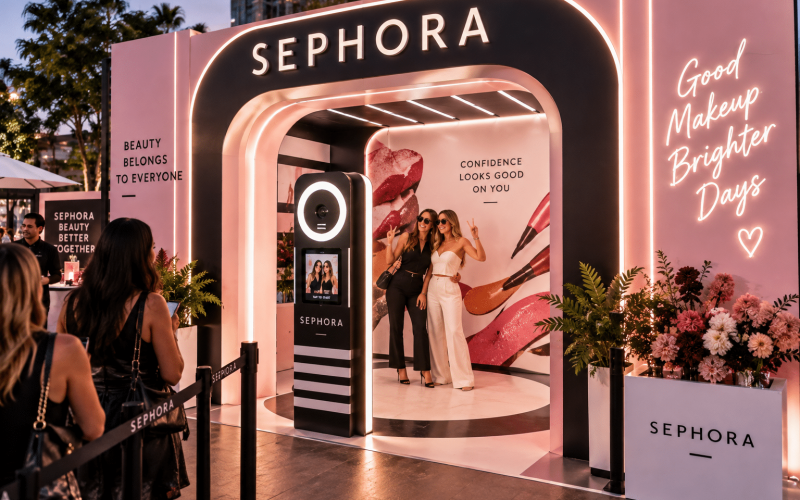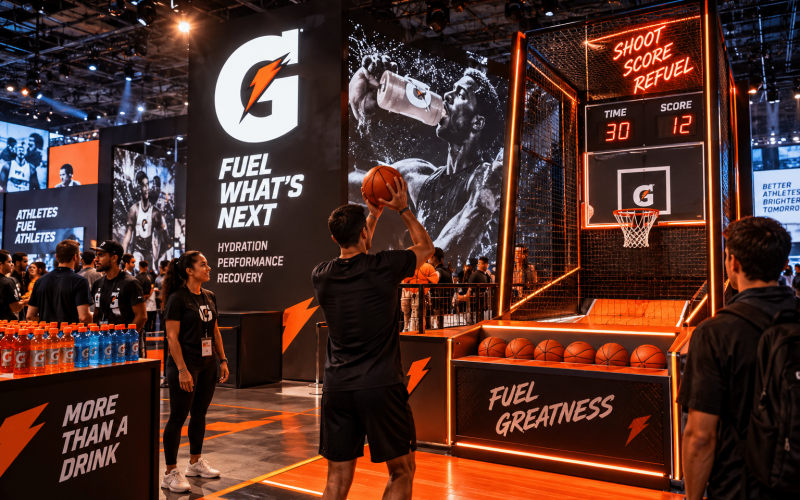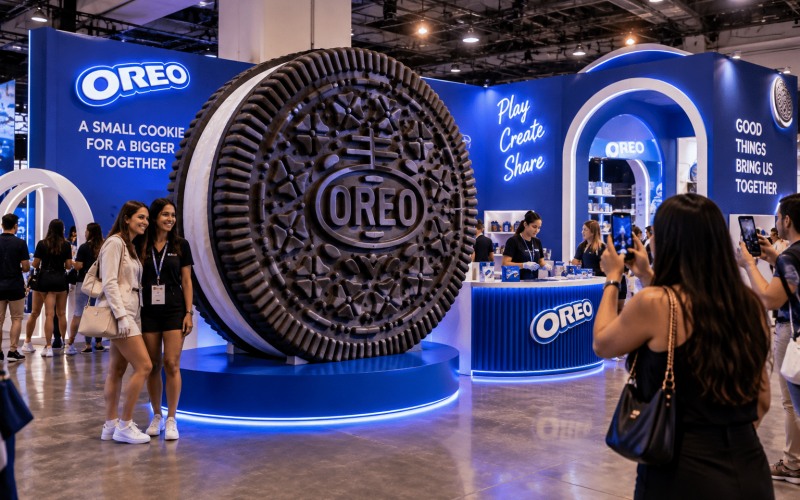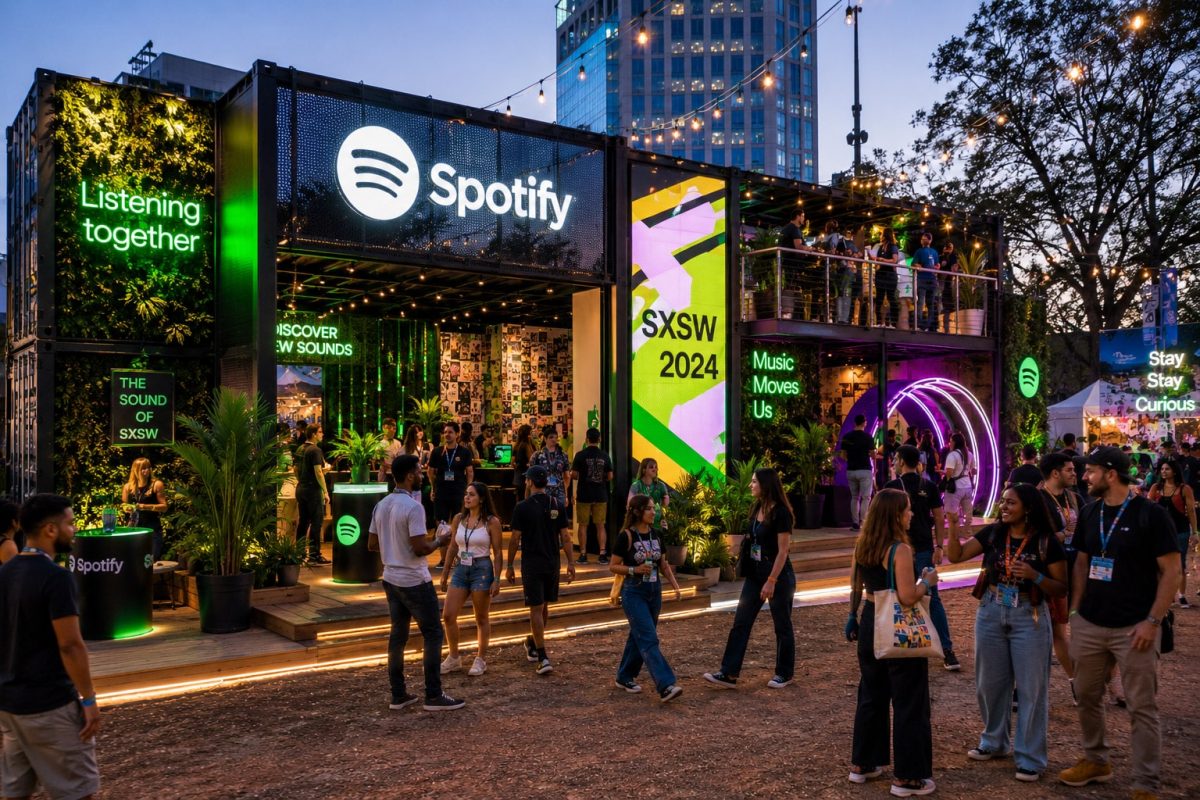
By the second day of SXSW, attendees have already seen too many step-and-repeats, too many forgettable lounges, and too many branded pop-ups that looked stronger in the pitch deck than they did on the ground. That is why brand activations SXSW tend to reward the teams that think beyond footprint and focus on function. In Austin, the winner is rarely the brand with the biggest build. It is the brand with the clearest experience, the smartest fabrication plan, and the shortest path from curiosity to participation.
For marketers and agencies, SXSW is not a standard event environment. It is compressed, crowded, mobile, and heavily documented by attendees in real time. People move fast. Venues vary widely. Weather can change the plan. Load-in windows are tight, city rules matter, and every physical decision affects throughput, staffing, and social visibility. If an activation is going to perform here, the built environment has to do more than look branded. It has to work under pressure.
What makes brand activations SXSW different
SXSW combines festival behavior with brand marketing expectations. That mix changes how activations need to be designed and fabricated. Guests are not entering a conventional trade show hall expecting booth visits. They are walking city blocks, making spontaneous decisions, and comparing your experience against everything happening around it.
That has three direct implications. First, visual impact matters immediately. An attendee should understand the premise from a distance and feel invited within seconds. Second, the interaction has to be intuitive. If participation requires too much explanation, you will lose people before they step in. Third, your activation has to support content capture without forcing it. People should naturally find a photo moment, a branded interaction, or a tactile element worth sharing.
This is where many concepts break down. Teams often overinvest in the reveal and underinvest in the mechanics. A dramatic facade may get attention, but if the line stalls, the staff lacks storage, or the hero interaction takes too long per person, the activation underperforms. At SXSW, operational efficiency is part of the creative.
The build strategy behind successful SXSW activations
The strongest SXSW activations usually share a practical production mindset. They are built around what can be installed reliably, serviced quickly, and reset without friction. That does not mean playing it safe. It means aligning fabrication with event reality.
A good activation build starts with traffic assumptions. How many people can move through in an hour? Where do they queue? What part of the structure needs to attract from the street, and what part needs to support the experience after entry? These are fabrication questions as much as planning questions because structure, furniture, counters, signage, and interactive components all influence flow.
Material choice also matters more than many teams expect. SXSW environments can include outdoor exposure, heavy touchpoints, repeated resets, and fast installation schedules. Finishes need to hold up visually and physically. Graphics need to read clearly in daylight and at night. Furniture and counters need to support both brand presentation and staff use. A beautiful piece that chips during install or becomes unstable after a day of traffic creates a downstream problem that no creative rationale can fix.
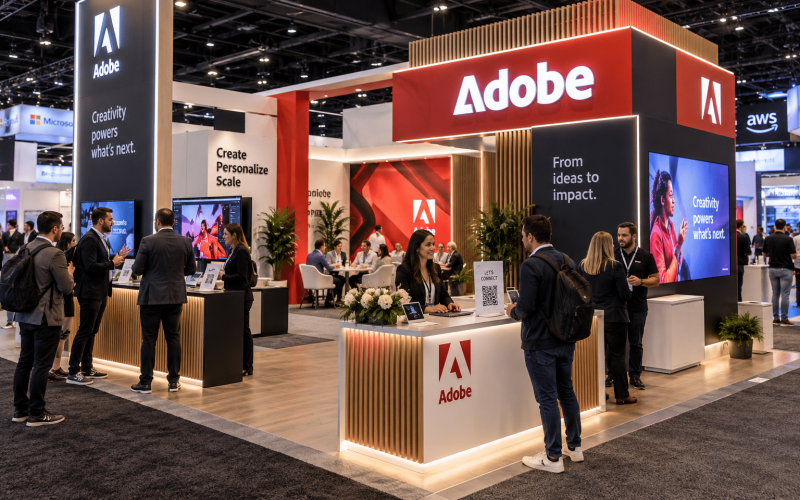
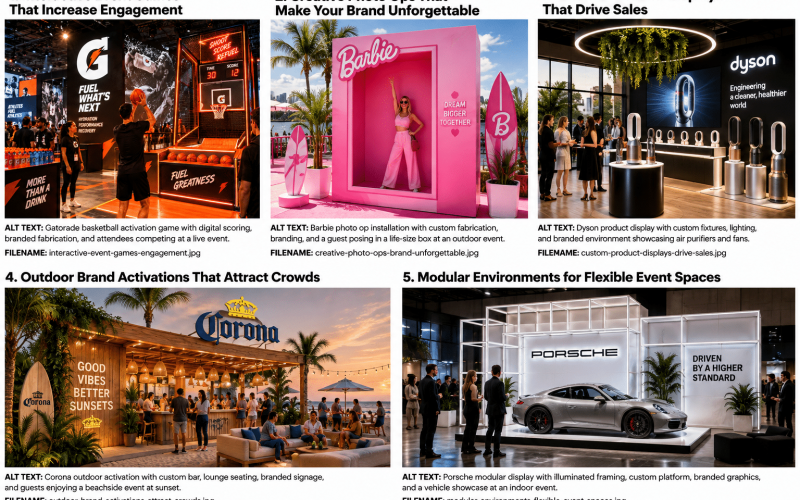
Modularity is another advantage. When brands build with reusable scenic elements, branded fixtures, custom counters, demo stations, and rental-supporting components in mind, they gain flexibility without sacrificing presentation. In some cases, a hybrid model is the best answer – custom fabrication for signature brand moments, paired with rental elements for speed and budget control.
What brands get wrong at SXSW
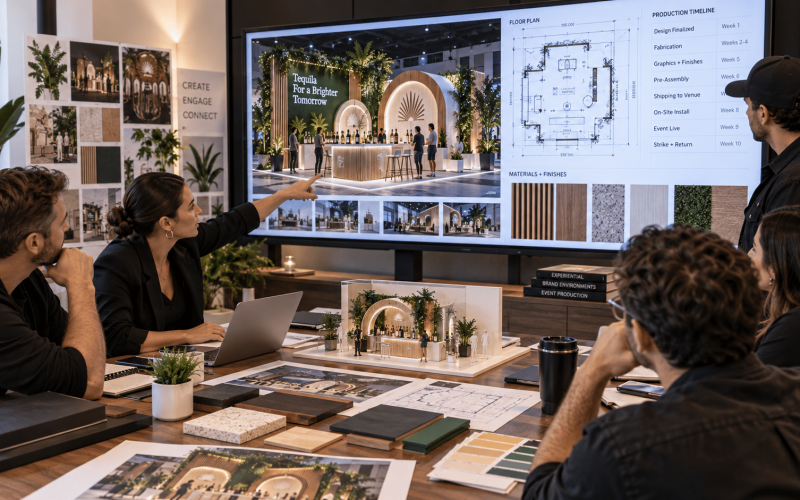
The most common mistake is designing for approval rather than execution. A rendering may look strong because it is clean, open, and cinematic. But live environments need back-of-house planning, cable management, storage, staff positions, replenishment access, and structural realism. If those details are missing, the experience starts to feel improvised once doors open.
Another mistake is trying to do too much. SXSW audiences respond well to activations that make one strong promise and deliver it quickly. A product trial, an interactive game, a content-driven installation, or a hospitality environment can all work. Combining all four into a small footprint usually weakens the result.
Timing is another pressure point. Late-stage fabrication changes can be managed, but only if the production partner is involved early enough to flag risk. When agencies wait too long to test assumptions about dimensions, power, material lead times, or venue restrictions, they reduce their own options. What looks like a creative change is often a production reset.
There is also the issue of line value. Some teams see a long line and assume success. Sometimes that is true. Sometimes it means the experience is moving too slowly, frustrating attendees, and limiting total reach. At SXSW, a packed queue can create buzz, but only if it is intentional and manageable.
How to plan a stronger activation from the start
The best path is to treat fabrication and experience design as one conversation. Start with the objective. Is the goal product education, sampling, content capture, VIP engagement, lead generation, or broad awareness? Each goal points to a different physical layout and a different staffing model.
From there, define the one thing attendees should remember. That memory might come from a custom scenic feature, a branded game element, a premium hospitality moment, or an interactive product demo. Once that centerpiece is established, the rest of the environment should support it rather than compete with it.
Then pressure-test the experience operationally. Ask how guests enter, what they touch first, where they pause, how long they stay, and what happens when traffic doubles. Think through replenishment, damage control, staff movement, and nightly reset. These are not secondary details. They determine whether the activation can maintain quality from opening hour to closing hour.
A fabrication-first partner can add value here because many problems are solvable before they become field issues. Custom counters can be designed with hidden storage. Display walls can be engineered for branding and stability. Interactive game setups can be built for durability and repeat use. Event furniture can be selected or fabricated to match the brand while supporting turnover and guest comfort. Those decisions improve both appearance and performance.
Fabrication choices that improve results
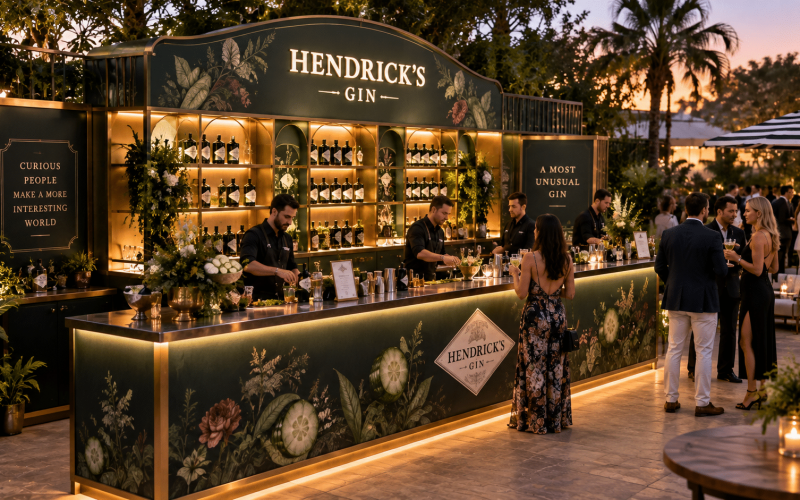
At SXSW, every built element should earn its place. Custom fabrication is most valuable when it solves for both brand expression and event function. A statement entry can establish presence, but it should also guide flow. A branded bar or service counter should look polished, but it should also support speed of service and storage. A photo moment should be visually distinct, but it should also work in different lighting conditions and stand up to constant use.
Interactive elements deserve particular discipline. If a brand game, digital touchpoint, or hands-on product interaction is part of the concept, the physical setup needs to reduce friction. That can mean accessible control placement, branded housings for technology, protected cable routing, and surfaces built for repeated engagement. The more attendees need to guess what to do, the less effective the interaction becomes.
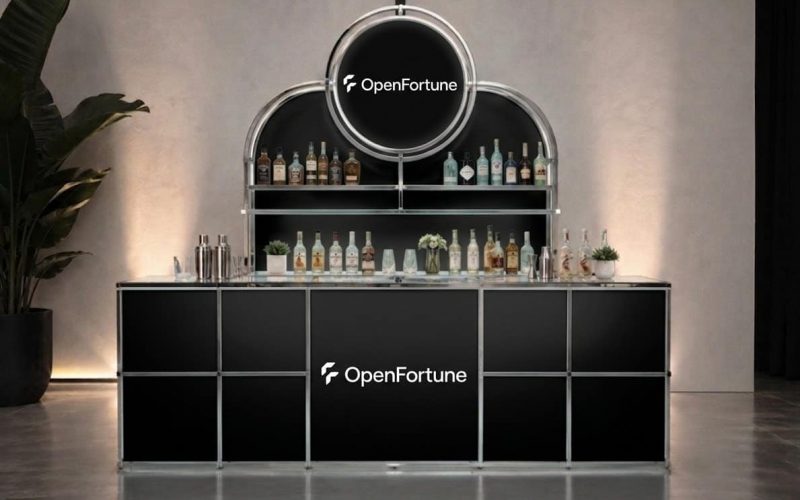
This is also where rental inventory can support a better outcome. Not every component needs to be custom built. In many activations, the right mix is custom focal pieces paired with rental furniture, support counters, soft seating, or queue tools. That balance can help maintain timeline and budget without losing brand presence.
Measuring whether the activation actually worked
A successful SXSW activation is not just visually busy. It produces a useful result. That might be sustained dwell time, qualified leads, earned social content, product trial volume, meeting attendance, or brand lift in a target audience. The key is to match the build to the metric.
If the metric is reach, your footprint needs to communicate instantly and process attendees efficiently. If the metric is deeper engagement, the environment needs to support longer dwell without confusion or fatigue. If the metric is premium perception, material quality and finish consistency matter more than novelty alone.
Post-event evaluation should include production feedback too. Which elements held up? Where did staffing bottleneck? What got photographed most? What required constant adjustment? Those insights should inform the next activation because repeatability is part of ROI.
For agencies and brand teams planning SXSW, the smartest move is to stop separating concept from execution. The physical environment is not just a container for the idea. It is a major part of why the idea succeeds or fails. When the fabrication strategy is right, the activation feels easy to the guest – even when a lot is happening behind the scenes.
At SXSW, attention is expensive and patience is limited. The brands that perform best are the ones that build experiences people can understand quickly, move through comfortably, and remember after the street has moved on.