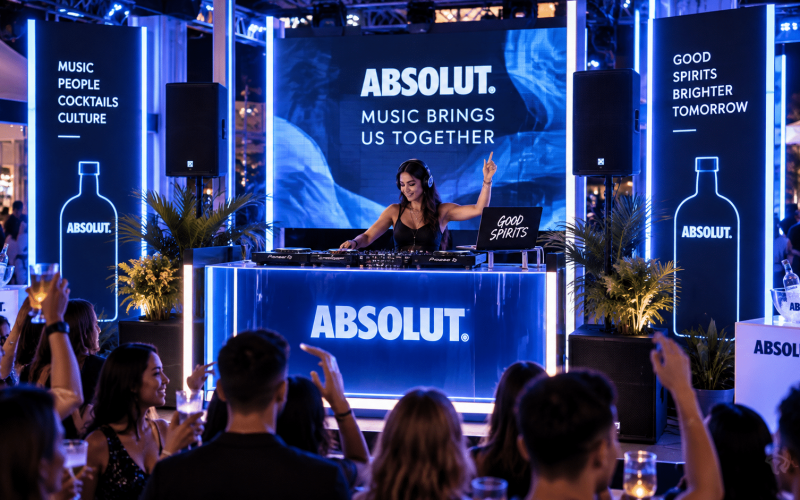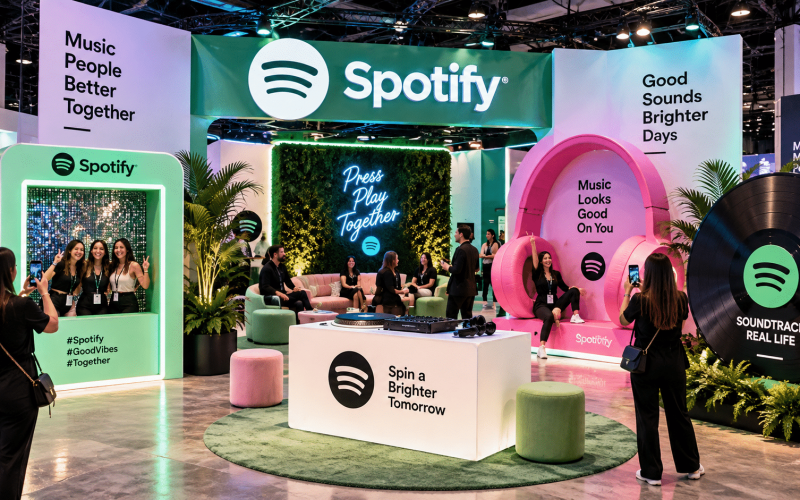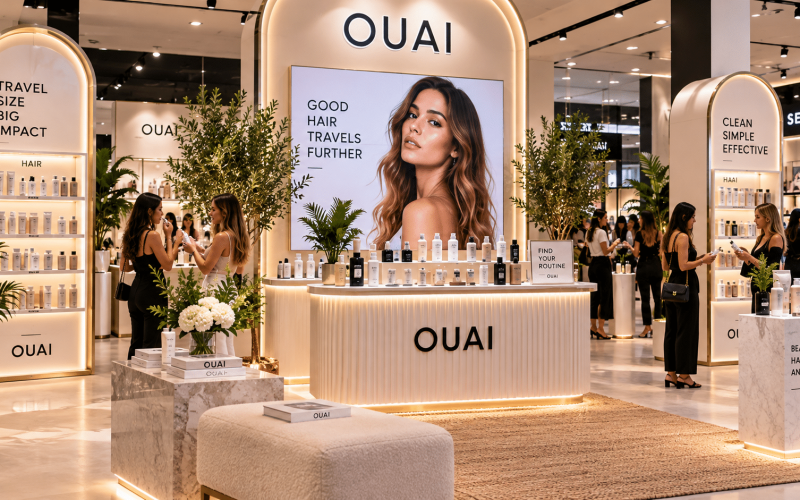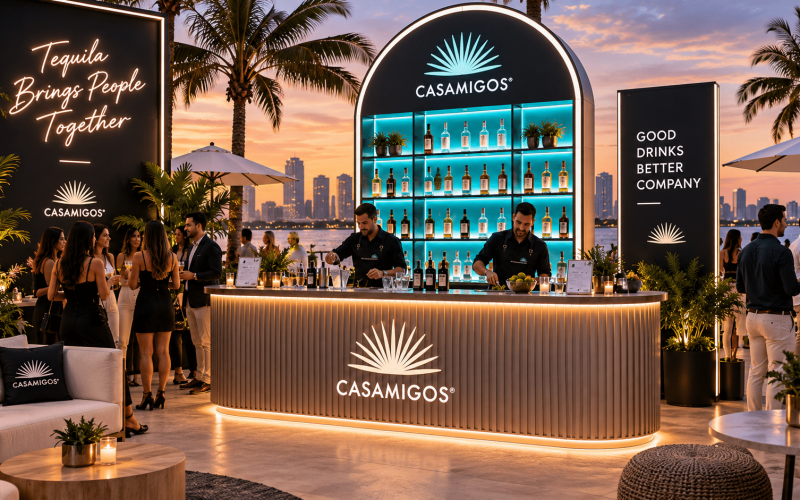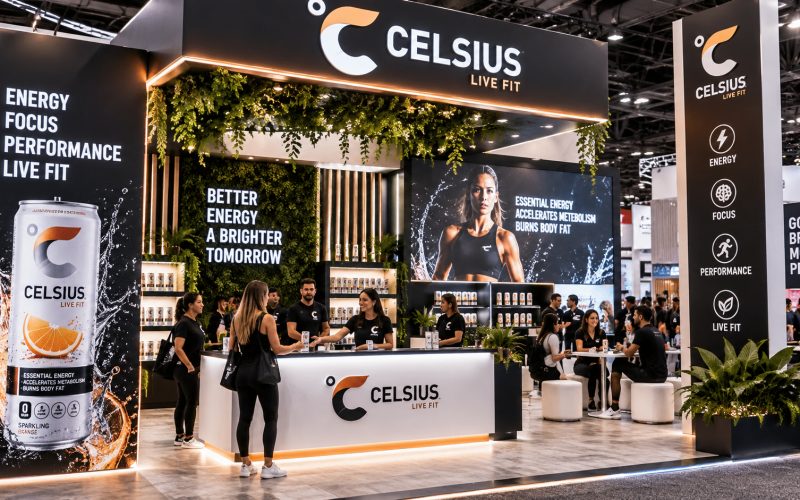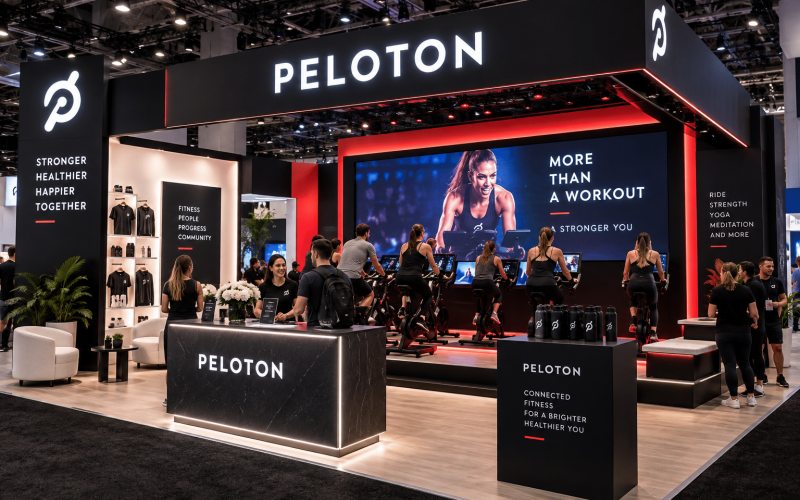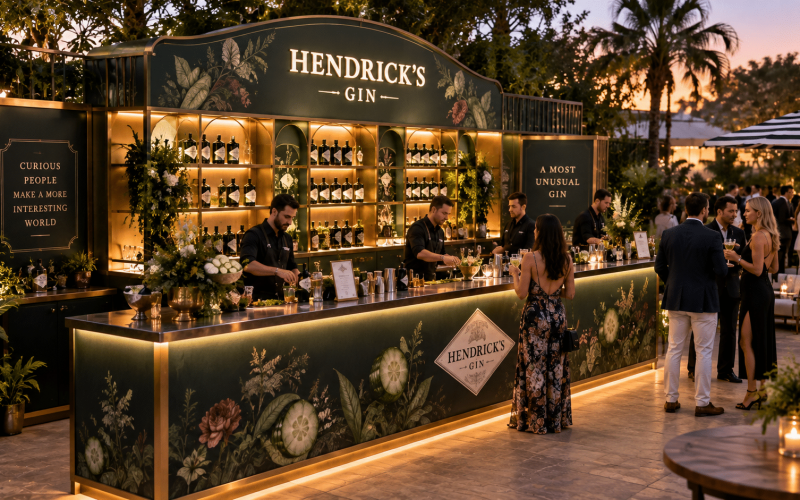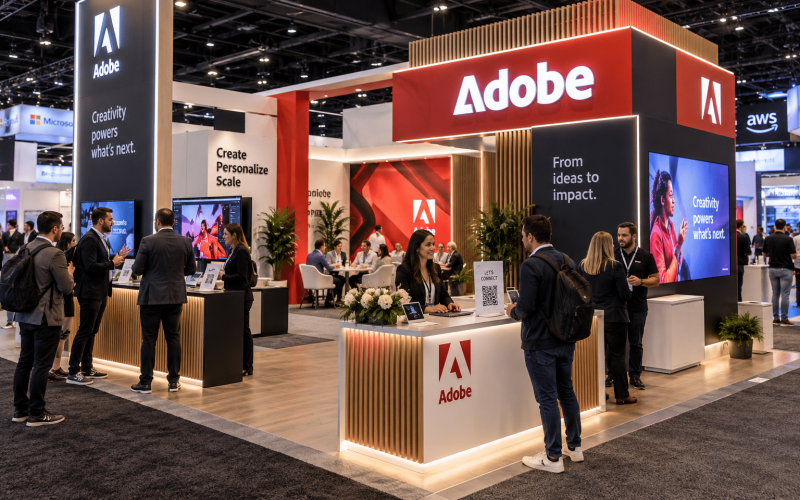
A lounge set that looks great in a rendering can fail fast on a show floor. Seats end up facing the wrong direction, storage gets overlooked, branding lands in low-visibility areas, and suddenly the furniture is working against the experience instead of supporting it. That is why knowing how to design event furniture matters well beyond aesthetics.
In experiential marketing, event furniture has a job to do. It has to support traffic flow, reinforce the brand, hold up through install and strike, and help people engage with the space in a natural way. Whether you are planning a trade show booth, a branded pop-up, or a full activation, the right furniture design starts with function and finishes with fabrication realities.
How to design event furniture around event goals
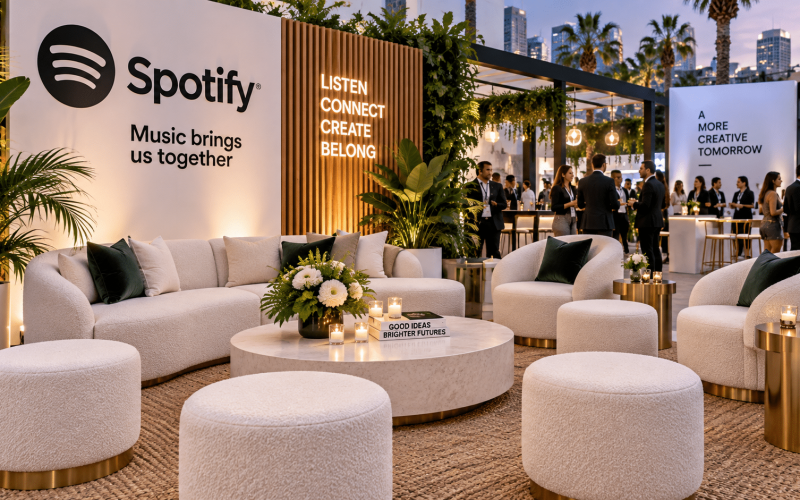
The first design decision is not shape, finish, or upholstery. It is purpose. Event furniture should be built around what the environment needs to achieve. A product demo area needs different seating and surface heights than a VIP lounge. A lead-gen booth needs furniture that supports conversation without creating barriers. A retail-style activation may need pieces that guide visitors toward interaction points while keeping the footprint open.
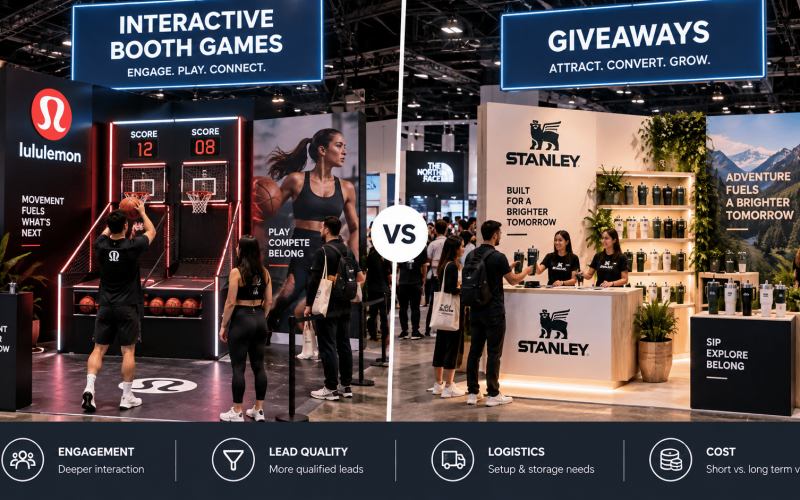
When teams skip this step, furniture becomes decorative filler. That usually leads to wasted floor space and weak attendee engagement. Start by defining what people should do in the space. Should they sit and stay, stop briefly, post content, sample a product, charge a phone, or meet with staff? Once that is clear, the furniture can be shaped around behavior instead of guesswork.
This is also where brand teams need to separate must-haves from nice-to-haves. If the primary objective is throughput, oversized lounge furniture may slow the experience down. If the goal is premium hospitality, lightweight rental pieces may not deliver the right presence. The right answer depends on the event format, dwell time, and audience expectations.
Start with traffic flow, not furniture selection
One of the most common mistakes in event environments is choosing pieces too early. Furniture should come after the layout logic is established. If the floor plan does not work, no chair or custom table will fix it.
Begin with circulation. Map how attendees enter, where they pause, what sightlines matter, and where staff need room to operate. Furniture should support those paths, not interrupt them. That means keeping aisles open, avoiding visual clutter at entry points, and using furniture placement to create zones without building hard barriers.
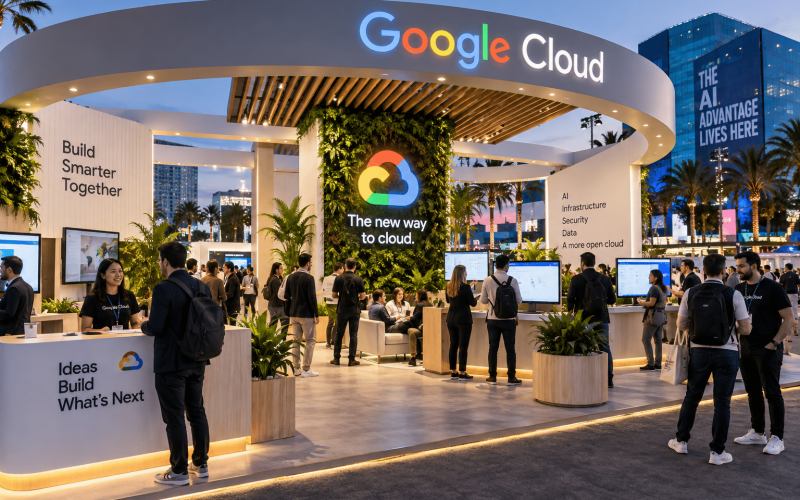
At a trade show, this often means lower-profile seating near the perimeter and more active touchpoints toward the front. At a brand activation, it may mean using furniture to slow guests down just enough to encourage participation. In both cases, scale matters. A piece that works in a large ballroom may overpower a 10×20 booth.
Designers also need to account for ADA considerations, cable routing, storage access, and reset speed. A beautiful custom bench loses value if staff cannot easily clean around it or if it blocks power access during a live demo. Event furniture has to perform in real operating conditions, not just in concept decks.
Brand expression should be built in, not applied later
If you are figuring out how to design event furniture for branded environments, branding should not be treated like a decal package added at the end. The strongest pieces carry brand identity through form, material, color, and function.
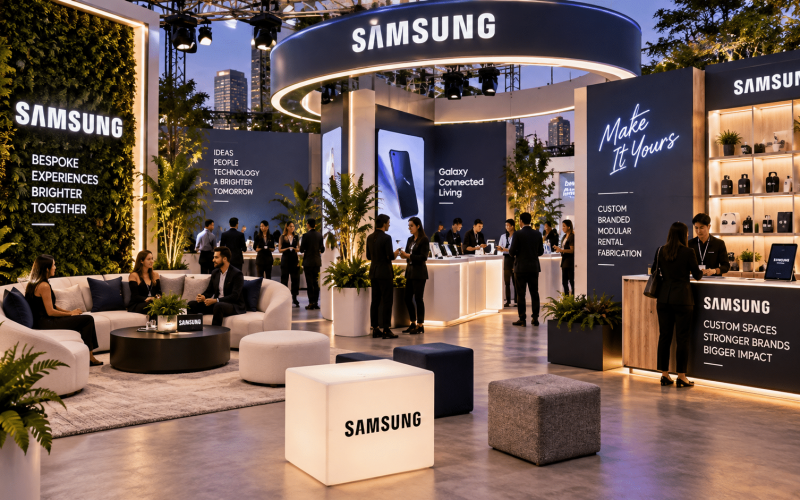
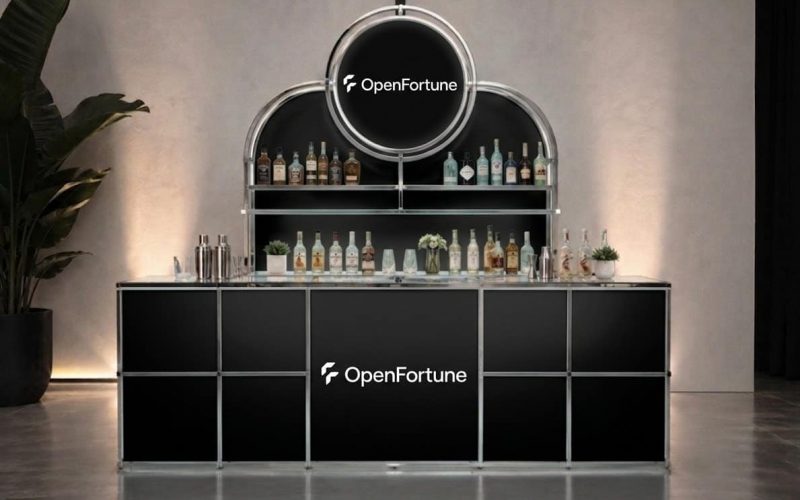
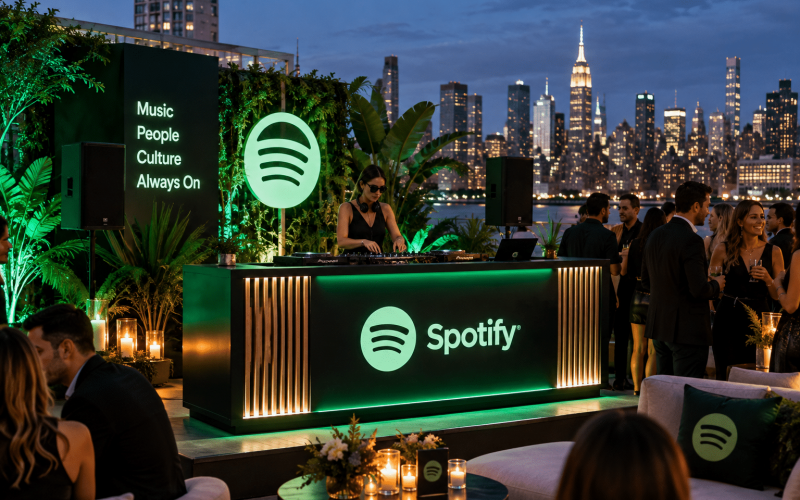
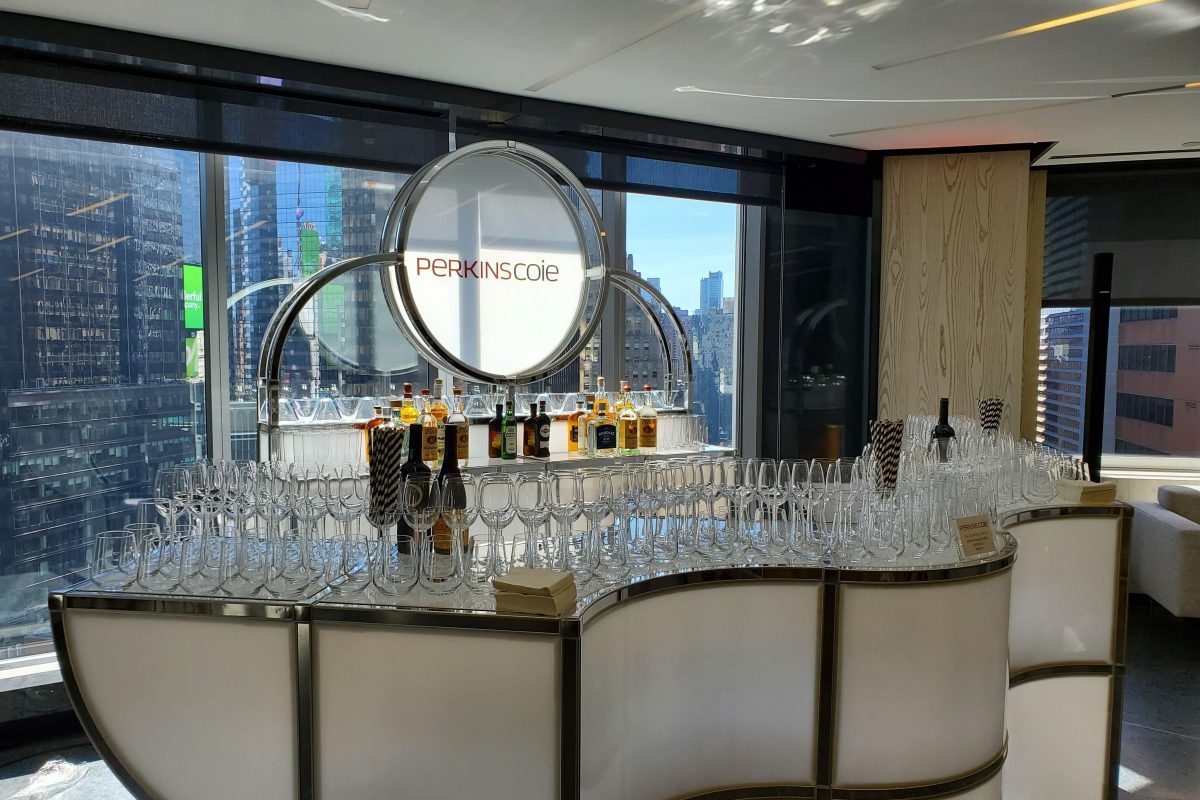
That does not always mean making every surface loud. In many cases, subtle integration performs better. A custom communal table can reflect a brand through edge detail, finish choices, and integrated lighting. A charging station can incorporate logo placement where users naturally face it. A branded bar can echo campaign geometry instead of relying only on printed graphics.
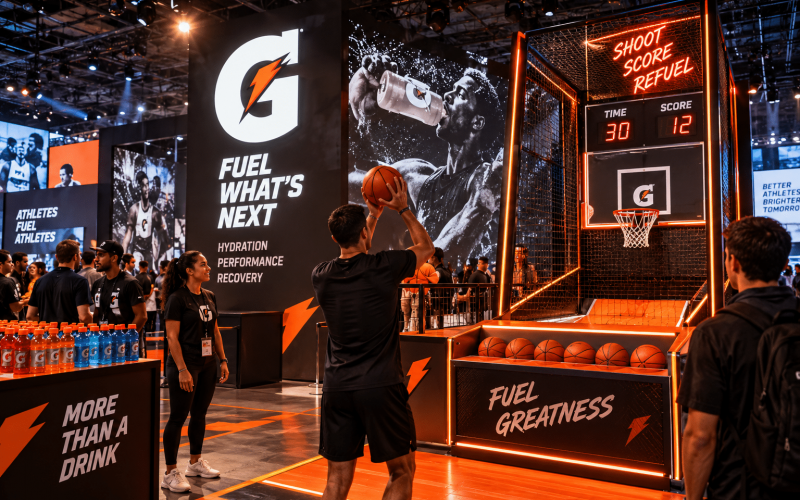
The key is visibility with intent. Ask where attendees will stand, sit, photograph, and interact. Those are the moments that determine whether branding gets seen. A logo placed on the outside panel of a seat may disappear once people are using it. A brand color used on the inside reveal of a product display table may create a stronger visual cue in photos.
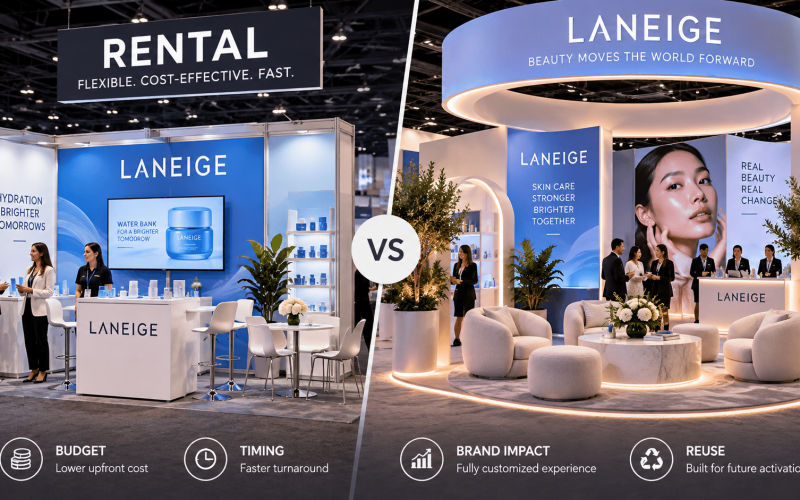
This is where custom fabrication creates real value. Off-the-shelf rentals can fill space quickly, but custom-built event furniture gives teams control over dimensions, branding integration, and user experience. The trade-off is lead time and budget, so not every event needs a fully custom package. But for launches, tours, and high-visibility activations, custom pieces often deliver better operational and brand alignment.
Materials matter more than most teams expect
Event furniture gets handled hard. It is loaded in and out, moved by crews, used continuously, and exposed to spills, scuffs, and weather in some cases. Design decisions need to reflect that reality.
Material selection should be based on event duration, venue type, transport conditions, and desired finish quality. High-gloss surfaces can look sharp on camera but may scratch easily during repeated use. Upholstered seating may create comfort in lounge settings but can become a maintenance issue in high-traffic public activations. Powder-coated metal, laminates, commercial vinyl, and sealed wood products are often practical choices because they balance appearance with durability.
Weight is another factor. Heavier pieces may feel premium and stable, but they can increase labor costs and complicate install schedules. Lightweight builds help with mobility, yet they may shift too easily in busy environments. This is a constant trade-off in experiential fabrication. The best event furniture feels solid to attendees while remaining manageable for production teams.
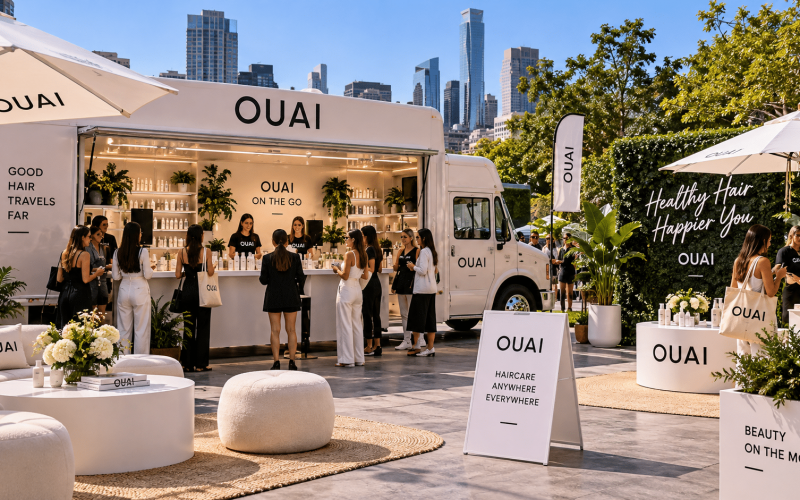
Outdoor events add another layer. Sun, moisture, wind, and uneven surfaces all affect design choices. A branded bar or pedestal that performs well indoors may need a different base construction, finish system, or anchoring approach outdoors. Teams that plan for those conditions early avoid last-minute substitutions later.
Design for setup, transport, and storage
Furniture is often approved based on how it looks during the event, but production teams feel the consequences before and after the doors open. Smart design accounts for logistics from the start.
That means thinking about how pieces break down, stack, crate, and move through loading docks and freight elevators. It also means considering whether a piece can be reused across multiple events with minor graphic or finish updates. For agencies and brands managing recurring programs, modularity can protect budget without sacrificing presentation.
A custom reception desk, for example, may be designed with removable branded panels, internal storage, and concealed casters. A demo table may need integrated power access and a knockdown structure to simplify shipping. These are not secondary details. They are part of the design brief.
For rental-heavy programs, standardization can make more sense than one-off fabrication. For flagship activations, a hybrid approach often works best: custom hero pieces paired with rental furniture that supports the environment without driving fabrication costs up unnecessarily. Portadecor often works in that middle ground because many event teams need both custom products and practical event execution support, not just one or the other.
Comfort, utility, and dwell time are connected
Good event furniture changes behavior. It can encourage longer conversations, create better product interaction, and make a booth feel organized instead of chaotic. That only happens when comfort and utility are designed together.
Seat height, table depth, back support, foot clearance, and device charging all influence dwell time. If guests are expected to stay for a product consultation, shallow stools may not be the right choice. If the goal is quick turnover, deep lounge chairs may work against the program. Furniture should match the pace of the experience.
Utility also includes what attendees carry with them. Bags, coffee, phones, giveaways, and laptops all need a place to go. A table without enough surface area or a bench without nearby landing space creates friction fast. In B2B event settings especially, furniture should support conversation and materials without making the space feel crowded.
This is where prototypes, mockups, or even taped floor plans can help. Reviewing dimensions on paper is useful, but physically testing clearances and interaction points catches problems early. Small adjustments in width, height, or orientation can materially improve the final install.
The best event furniture is designed with fabrication in mind
Concept and execution need to stay connected. A design that requires unrealistic lead times, fragile finish details, or complex assembly can create risk no matter how strong it looks in presentation.
That is why furniture design should involve fabrication thinking early. Build methods, substrate choices, hardware, finish durability, and production timelines all affect the final result. Event teams that collaborate with fabricators during the design phase usually get better outcomes because the creative intent is shaped by what can actually be built, transported, and used successfully.
That collaboration also helps avoid false economies. Cutting costs on structure, finish protection, or assembly design may save money upfront but create expensive issues on site. The better approach is to prioritize what attendees will see, touch, and use most, then engineer the piece to support repeatable performance.
If you are deciding how to design event furniture, the real goal is not to fill a footprint. It is to create pieces that support the brand, the audience, and the event operation at the same time. When furniture is designed that way, it stops being background and starts doing measurable work for the experience.
The most effective event environments are built by teams that respect both the creative idea and the physical reality. Furniture sits right at that intersection, which is exactly why it deserves more attention at the start of the process, not after the layout is already locked.