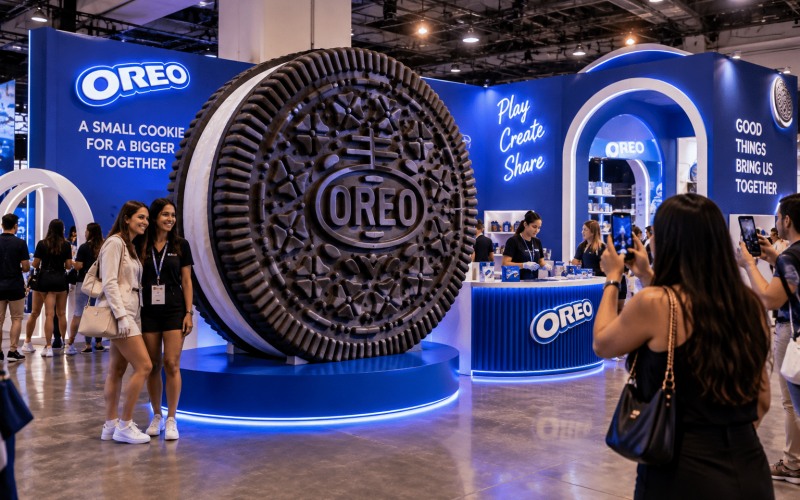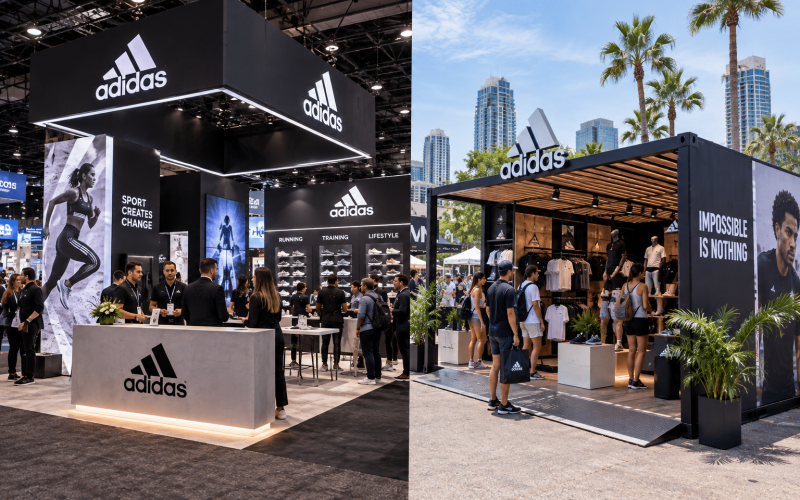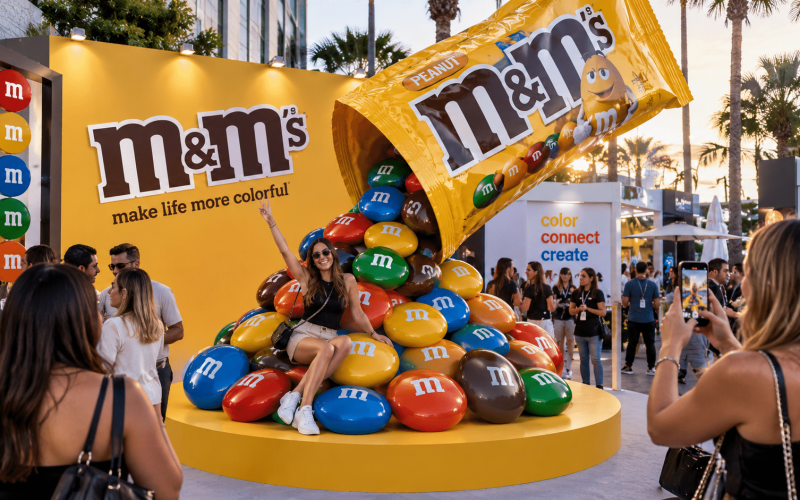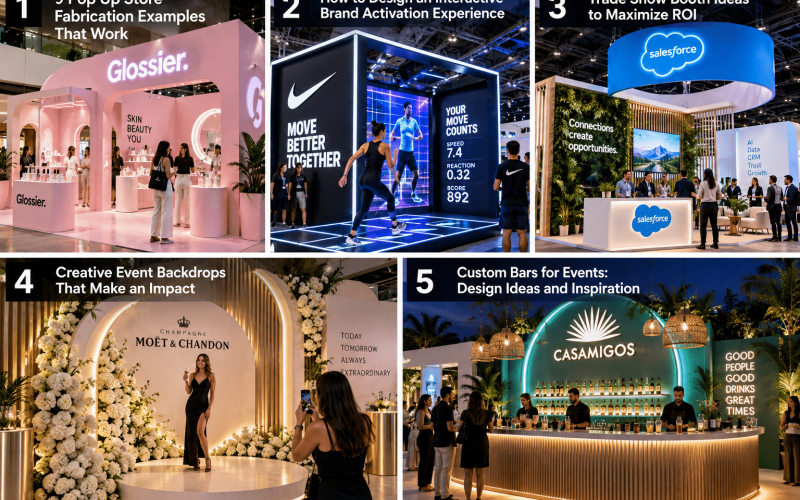
A flashy concept is not the hard part anymore. The hard part is building an activation that looks premium, runs on schedule, survives load-in, supports content capture, and still gives attendees a reason to stop. That is why experiential marketing trends 2026 are less about novelty for novelty’s sake and more about execution that performs in the real world.
For brand marketers, event producers, and agency teams, the shift is practical. Budgets still face scrutiny. Timelines are still compressed. Expectations for visual impact are still high. The difference is that live experiences now need to do more at once – create engagement, produce usable media, support lead capture, and justify fabrication spend across multiple stops or campaigns. The trends shaping 2026 reflect that pressure.
Experiential marketing trends 2026 are getting more operational
The market is moving toward ideas that can actually be produced, transported, installed, and reused without losing creative value. That sounds obvious, but it changes how activations are designed from the start.
In previous cycles, many programs were sold on visual ambition first and production feasibility second. In 2026, stronger teams are developing activations with fabrication realities in mind early in the process. Materials, structural requirements, footprint constraints, code considerations, and install labor are not back-end details. They are shaping the concept itself.
This is good news for brands that care about consistency. When production strategy is built into the creative plan, the final environment is more likely to match the original vision instead of becoming a rushed compromise two weeks before show day.
Modular fabrication is replacing one-off thinking
One of the clearest experiential marketing trends 2026 is the move toward modular event assets. Brands still want custom fabrication, but they want it with flexibility built in.
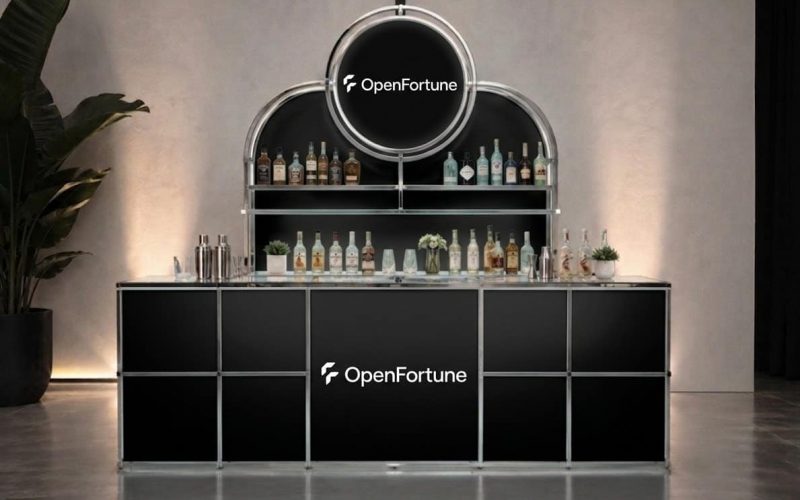
That means booths, branded environments, counters, display structures, product showcases, and interactive stations that can be reconfigured for different venues and campaign phases. A launch event may need a full footprint. A regional tour may require a condensed version. A trade show booth may need pieces from the activation repurposed into a lead-gen environment later.
The advantage is not just cost control. Modular design improves speed, storage efficiency, and consistency across markets. It also makes it easier to refresh graphics, swap branded panels, or add campaign-specific messaging without rebuilding everything from scratch.
There is a trade-off, though. Modular does not mean generic. If the system is designed too conservatively, the activation can lose the visual sharpness that makes people notice it in the first place. The stronger approach is custom fabrication with modular intent – built for reuse without looking rented or repetitive.
Interactivity is becoming more physical again
Digital engagement is still part of the mix, but the most effective activations are leaning back into physical interaction. Attendees are overloaded with screens. They respond more strongly to environments that give them something tangible to do.
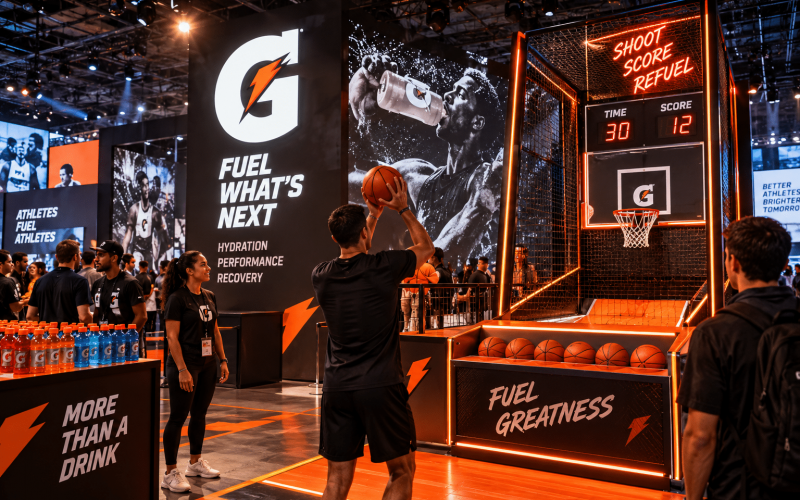
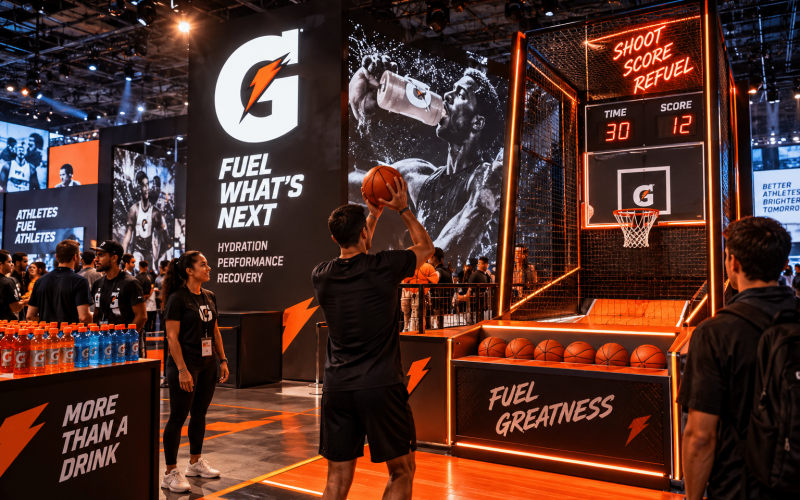
That does not mean technology is fading out. It means technology works better when it is embedded in a physical experience instead of acting as the experience. Interactive games, product demos, challenge-based stations, motion-triggered elements, and tactile branded installations are gaining traction because they create dwell time and social content at the same time.
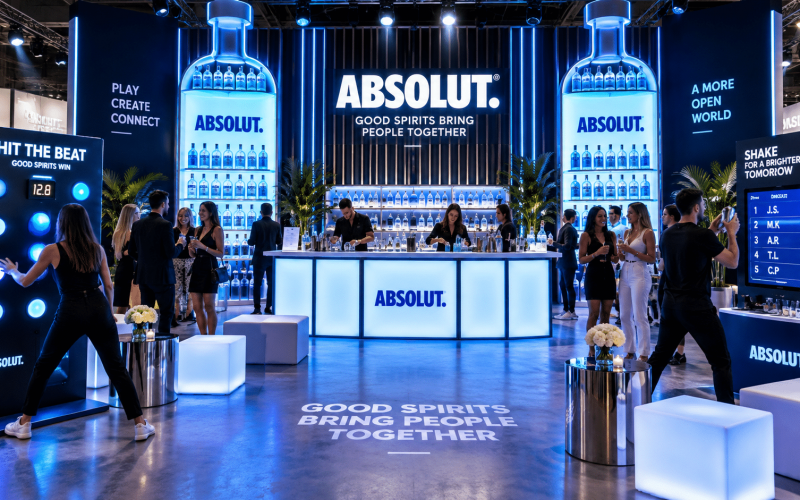
For agencies and brand teams, this matters because physical interaction tends to be more visible on the show floor. It draws a crowd, creates a sense of momentum, and gives staff a natural opening to engage. From a production standpoint, it also requires better planning. A game element or interaction point has to withstand repeated use, maintain clean branding, and operate reliably for the full event window.
Content capture is now part of the build brief
In 2026, an activation that only works for the in-person audience is leaving value on the table. Event environments are increasingly being designed to support photo, video, short-form social clips, creator content, and post-event campaign assets.
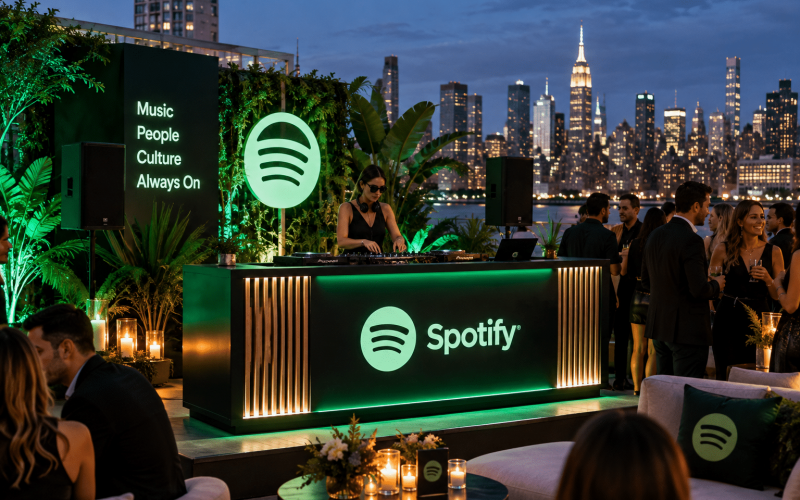
That changes fabrication decisions in subtle but important ways. Sightlines matter more. Lighting integration matters more. Surface finishes, dimensional logos, scenic backdrops, and branded focal points have to read well both in person and on camera. Even queue areas and side angles need attention because attendees and creators rarely shoot from the perspective shown in a rendering.
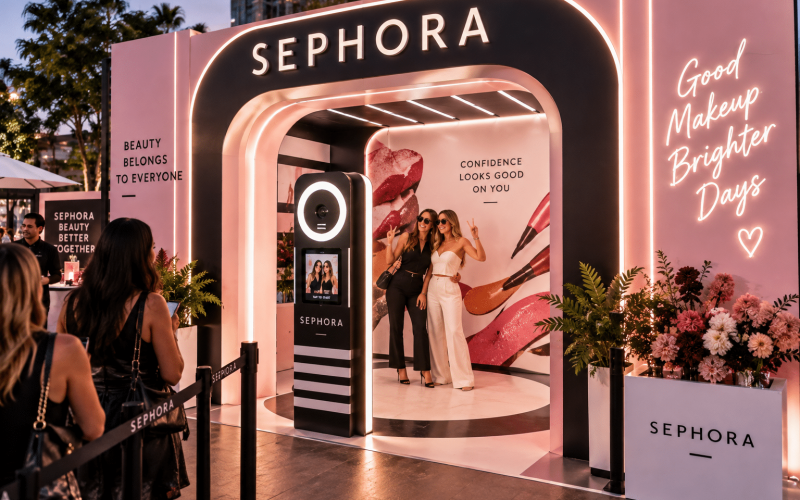
This is where many builds underperform. They may look strong head-on, but they do not offer enough camera-ready moments throughout the footprint. The better standard for 2026 is a branded environment with multiple content zones, each one deliberate in how it frames the logo, product, or interaction.
Trade show booths are becoming more activation-driven
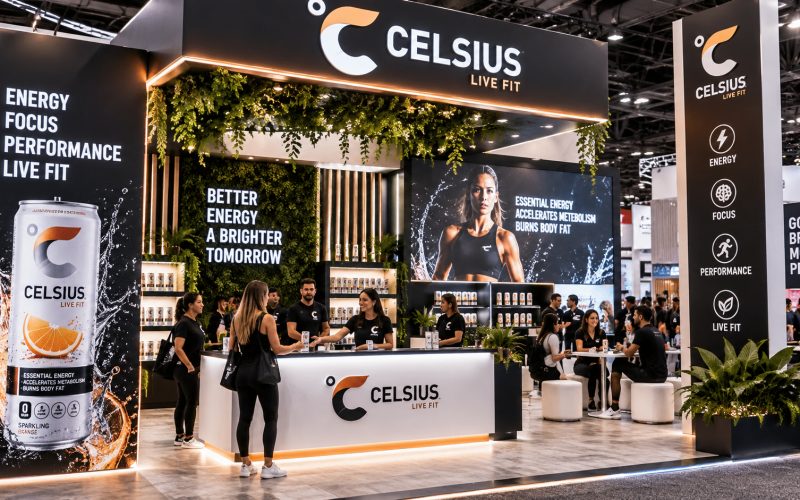
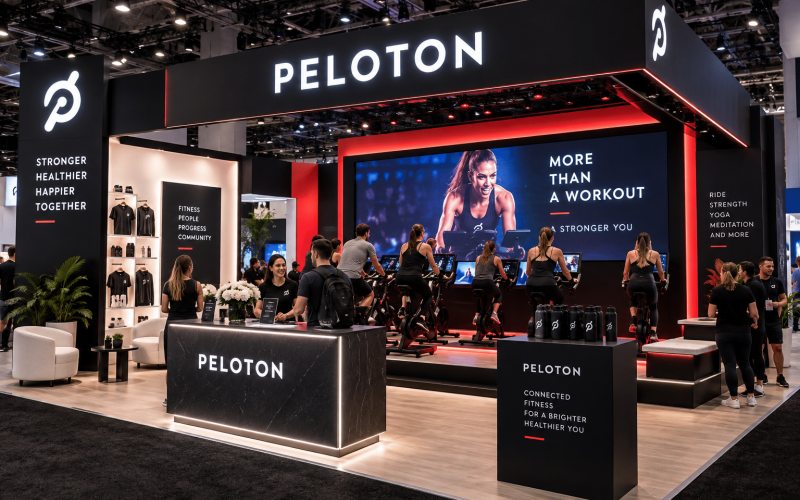
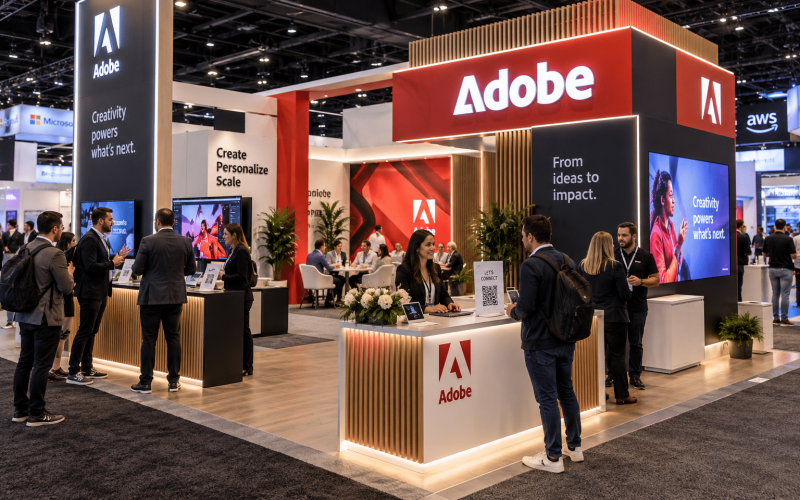
The old split between trade show presence and brand activation is narrowing. More exhibitors want trade show booths that do more than display messaging and hold meetings. They want engagement built into the footprint.
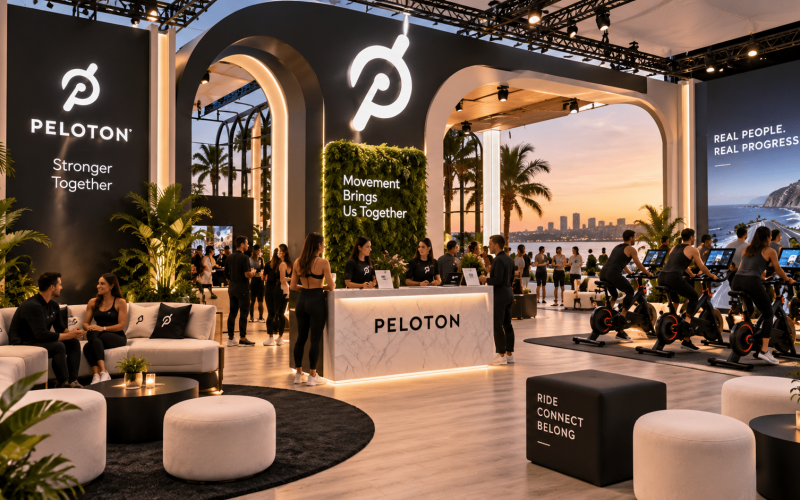
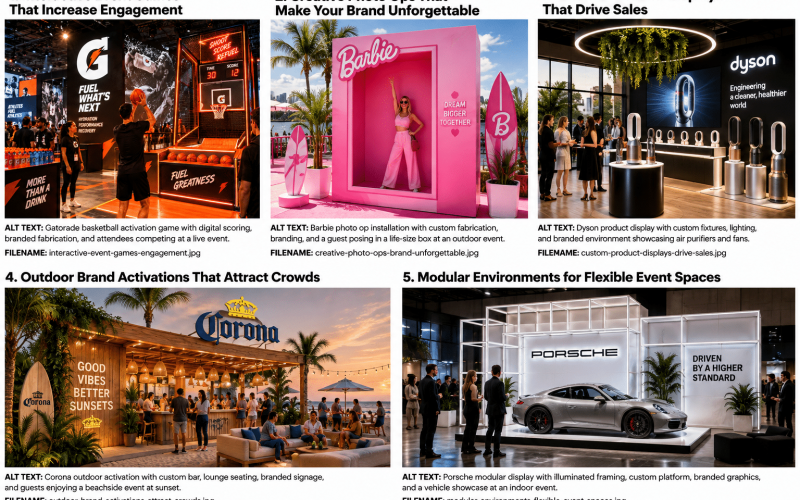
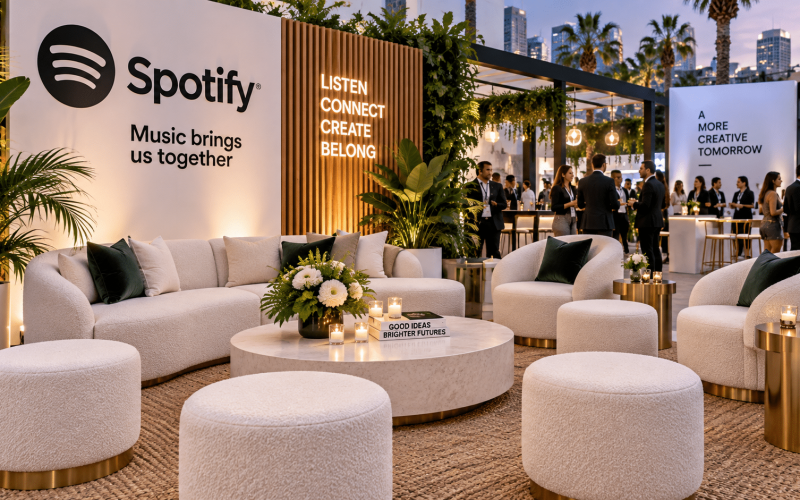
That can take different forms depending on the audience. For some brands, it means interactive demo counters or gamified product education. For others, it means scenic fabrication, branded lounges, or modular features that bring campaign energy into a conventional exhibit hall setting.
Not every show supports a high-energy activation style. Some industries still require a more restrained environment. But even in conservative categories, the pressure is the same: create a booth that earns attention without sacrificing professionalism. In practice, that often means combining clean architectural structure with one standout engagement feature rather than trying to turn the entire booth into a spectacle.
Rental and custom are working together more often
Another practical shift in experiential marketing trends 2026 is the hybrid use of rental inventory and custom-built elements. More teams are blending the two to hit budget targets while preserving a branded look.
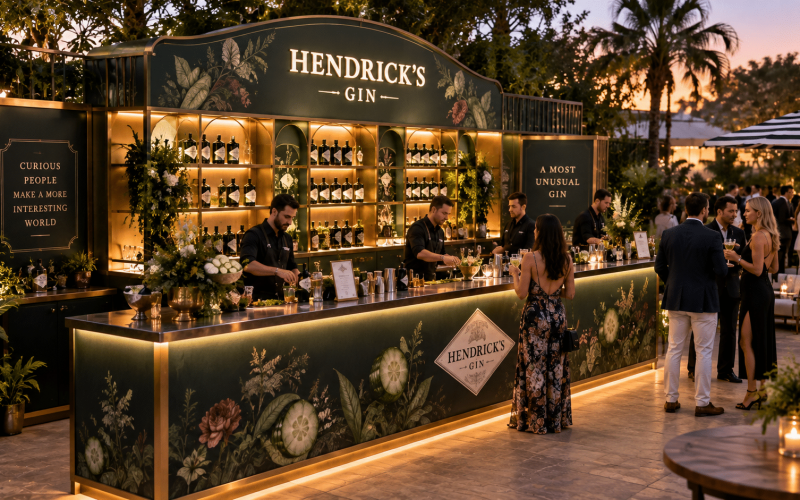
This approach works especially well when the custom components are used where they matter most – hero pieces, branded facades, product displays, game units, feature walls, and statement furniture. Rental elements can then support the environment in less brand-critical areas.
For marketers, this creates useful flexibility. A campaign can maintain a premium visual standard without overcommitting fabrication dollars to components that do not need to be fully custom. For production teams in markets like New York City, New Jersey, Boston, and Connecticut, where logistics and venue conditions can vary widely, that balance can also reduce complexity.
The caution is straightforward. Hybrid environments only work when the pieces feel intentionally integrated. If rental items and fabricated elements clash in finish, scale, or brand tone, the result feels pieced together. The standard should still be one cohesive experience.
Sustainability is shifting from messaging to asset planning
Sustainability remains part of the conversation, but in 2026 it is becoming more tied to production decisions than to headline claims. Buyers are asking better questions: Can this be reused? Can graphics be swapped without replacing the structure? Can the assets ship efficiently? Can parts be repaired instead of remade?
That is a healthier direction than treating sustainability as a vague branding layer. In live events, the most credible progress often comes from smarter asset planning rather than from broad promises.
For fabrication partners, that means designing with lifecycle value in mind. Durable materials, replaceable branded components, modular construction, and storage-friendly formats are not just operational advantages. They are part of a more responsible event strategy.
Speed is becoming a differentiator, not just a requirement
Everyone in this space works with tight timelines. What is changing is how much speed now influences vendor selection and campaign structure.
Brands and agencies increasingly need partners who can move from concept to production without excessive handoff friction. That includes quick estimating, practical value engineering, clean shop drawings, and fabrication processes that account for real deadlines instead of ideal ones.
Fast turnaround does not mean rushed quality. In fact, the opposite is usually true. Speed becomes useful when the production system is disciplined enough to avoid rework, spec confusion, and last-minute changes caused by poor planning.
This is one reason specialized experiential fabricators continue to matter. General production support can be helpful, but when the ask involves custom products, scenic builds, interactive elements, branded furniture, and activation-ready structures, event-specific fabrication experience reduces risk.
What marketers should do with these trends now
The smartest move is not to chase every new format. It is to tighten the brief. If you are planning activations or trade show programs for 2026, define early how the environment needs to function, not just how it should look.
Decide whether the build needs to tour, whether components should be modular, which touchpoints must be custom, and how much content capture the footprint should support. Clarify traffic goals, staffing needs, and reset requirements for any interactive element. Those details shape fabrication, labor, logistics, and budget from day one.
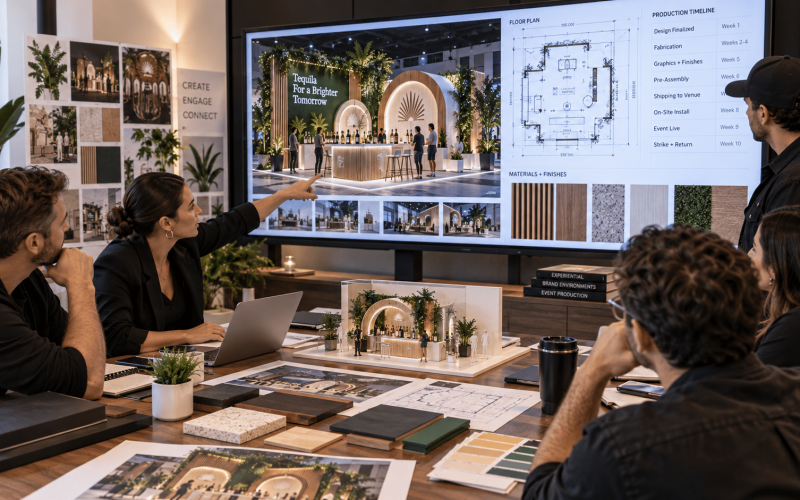
Just as important, bring production thinking into the conversation earlier. The strongest experiential work usually comes from creative and fabrication teams solving the environment together, not from passing a fully imagined concept downstream and hoping it survives engineering intact.
A good activation in 2026 will still need strong ideas. But the programs that stand out will be the ones built to perform after the renderings are over.