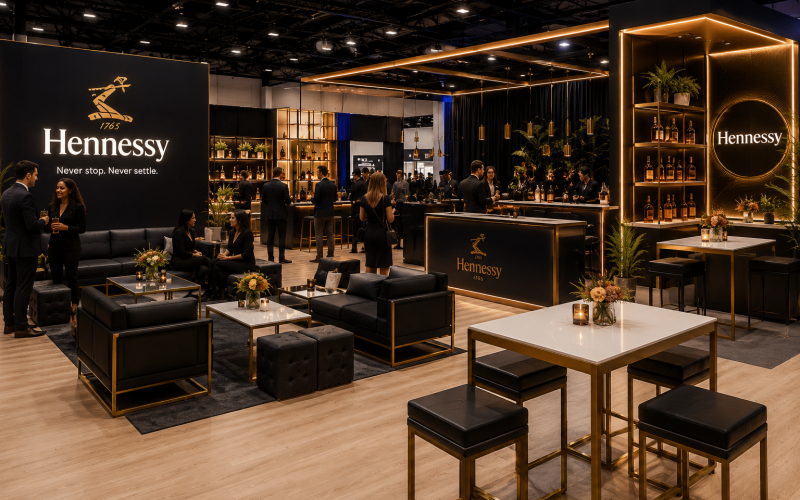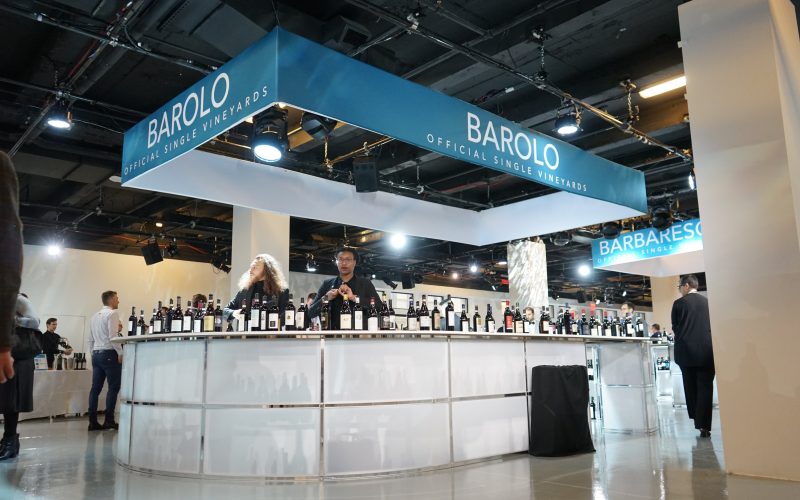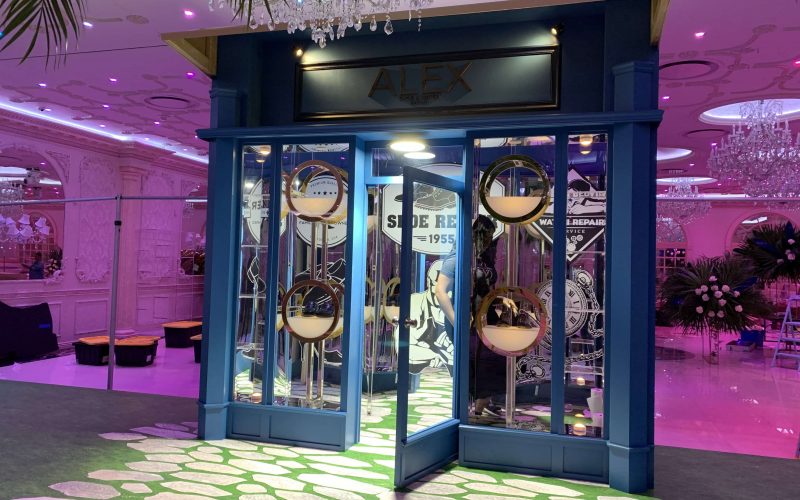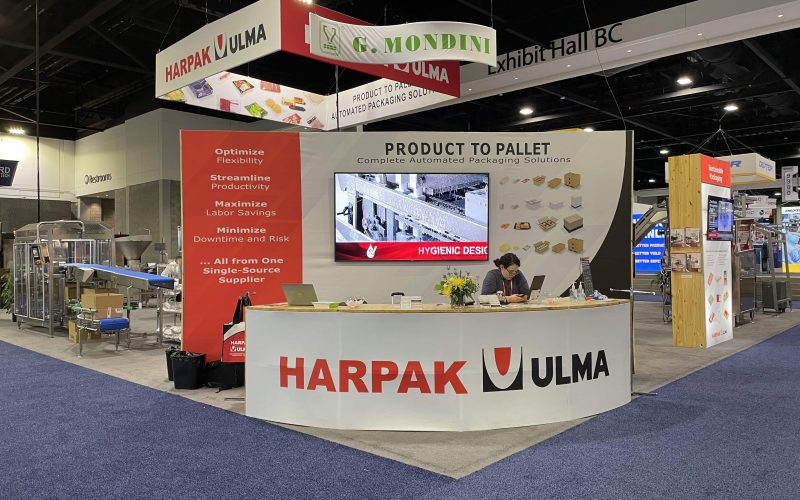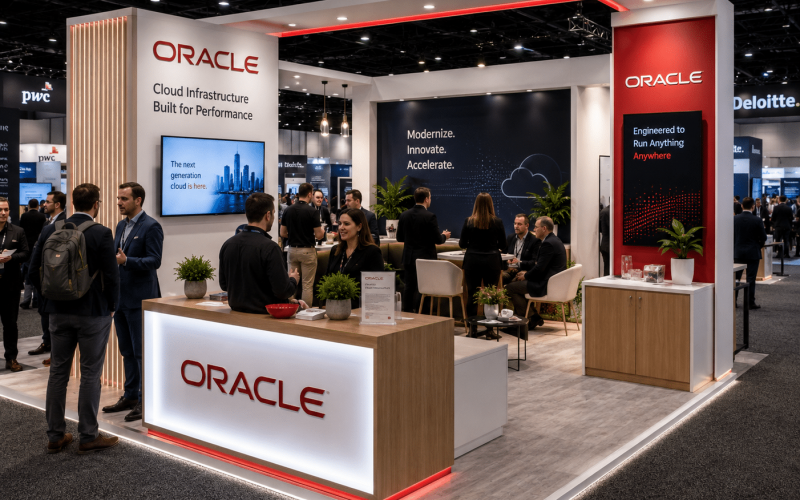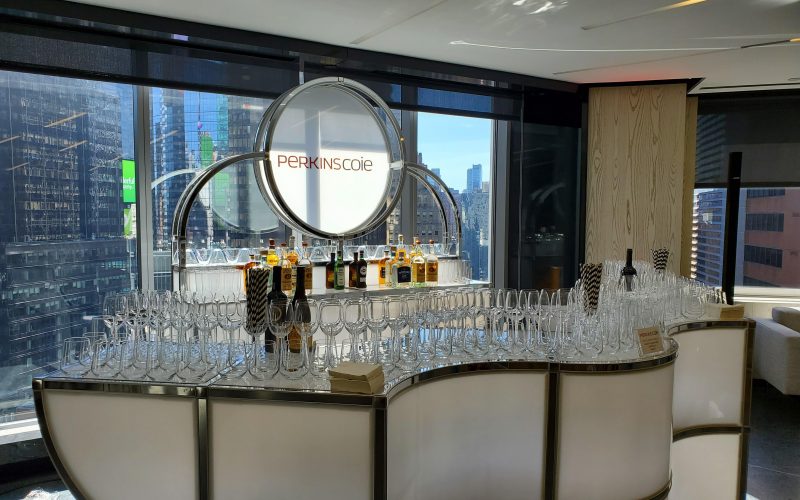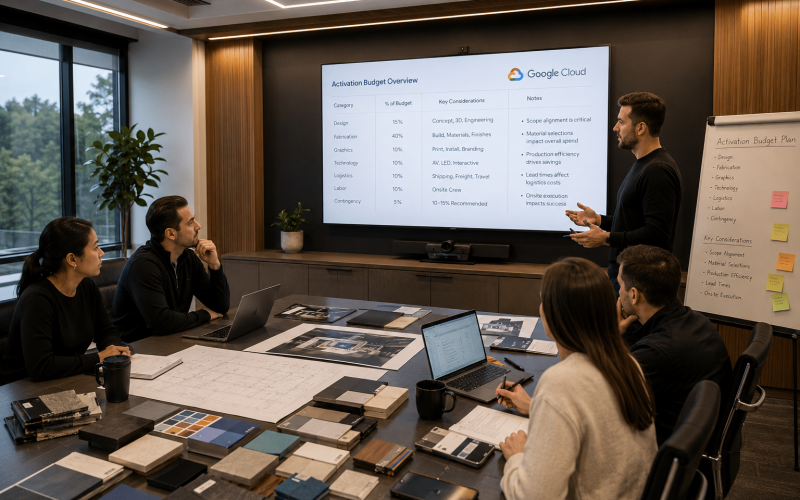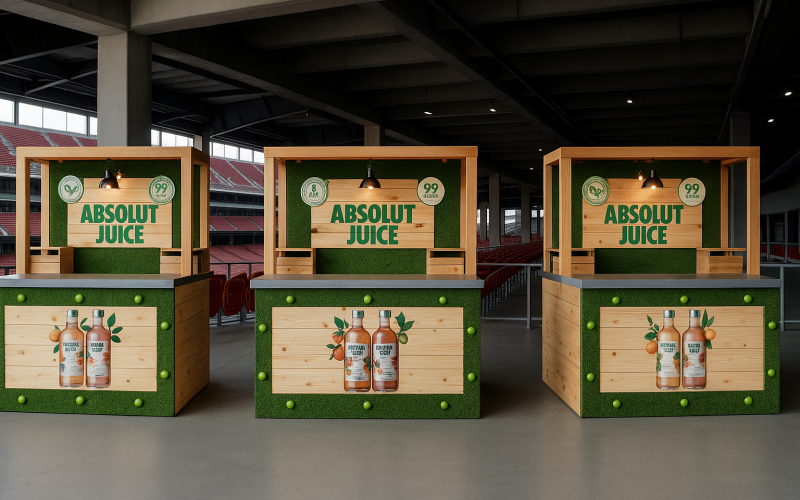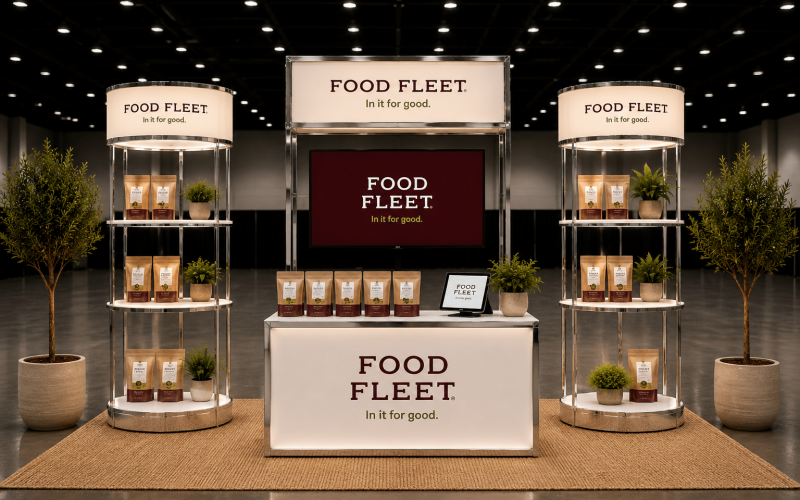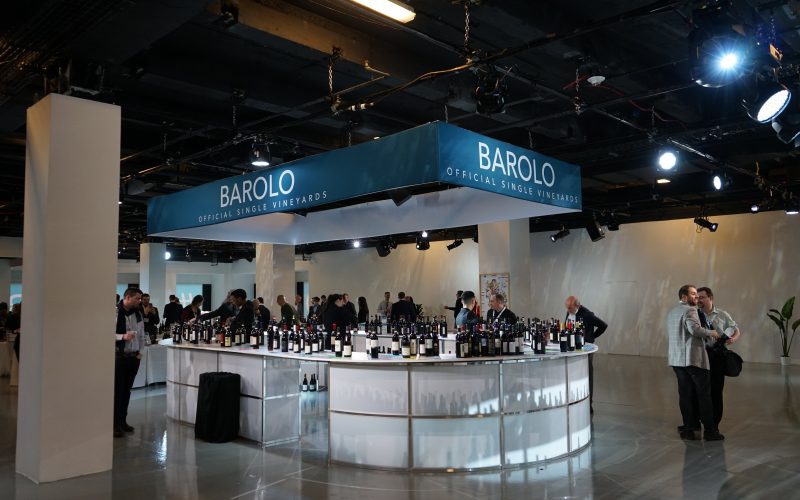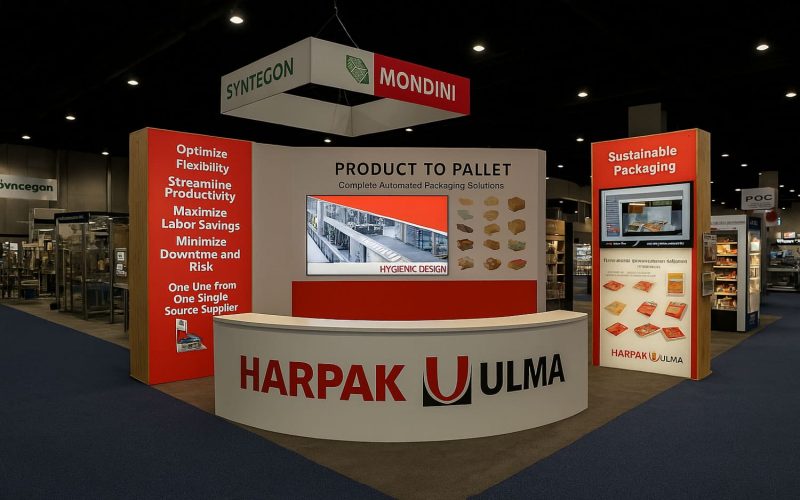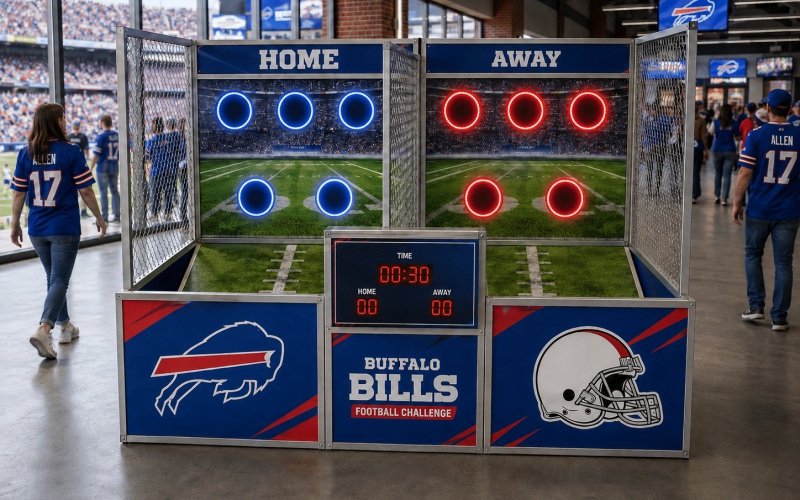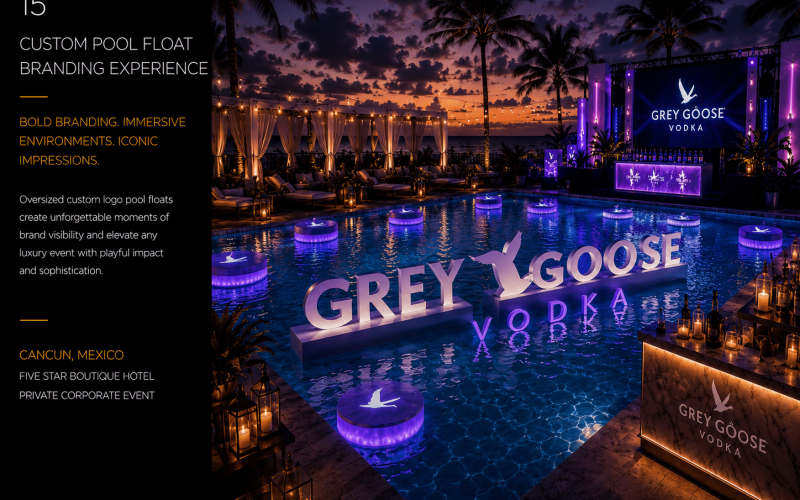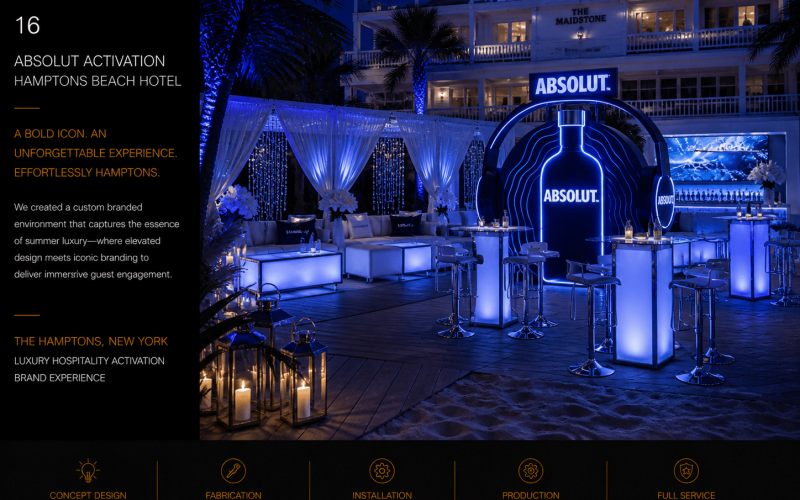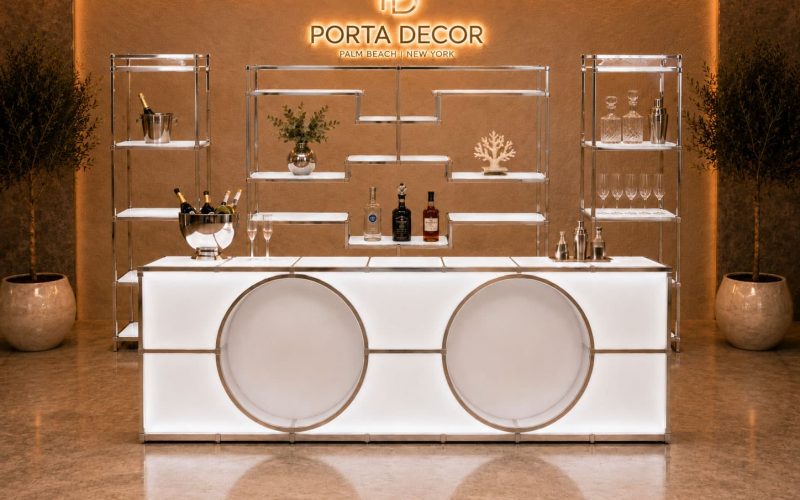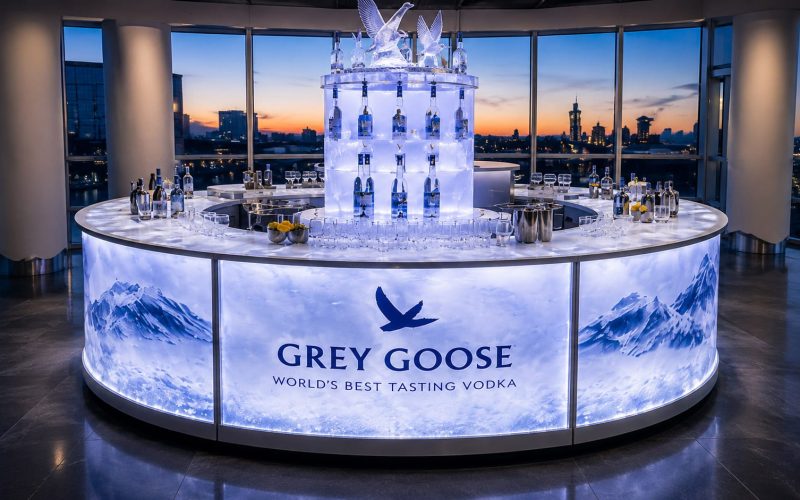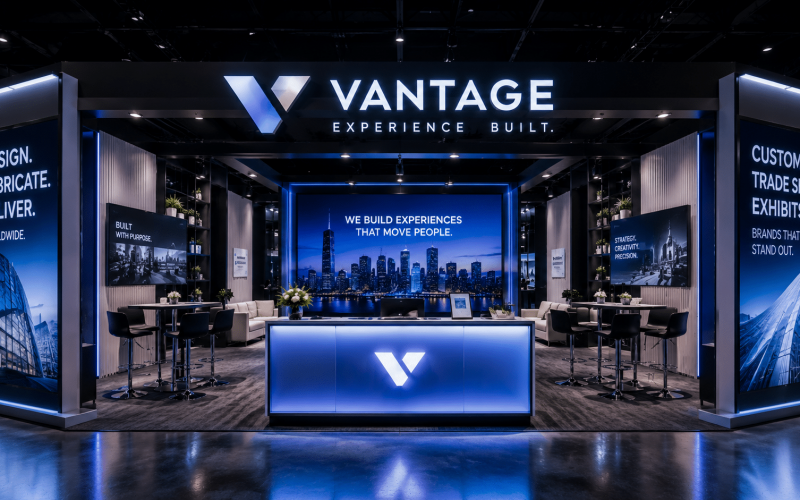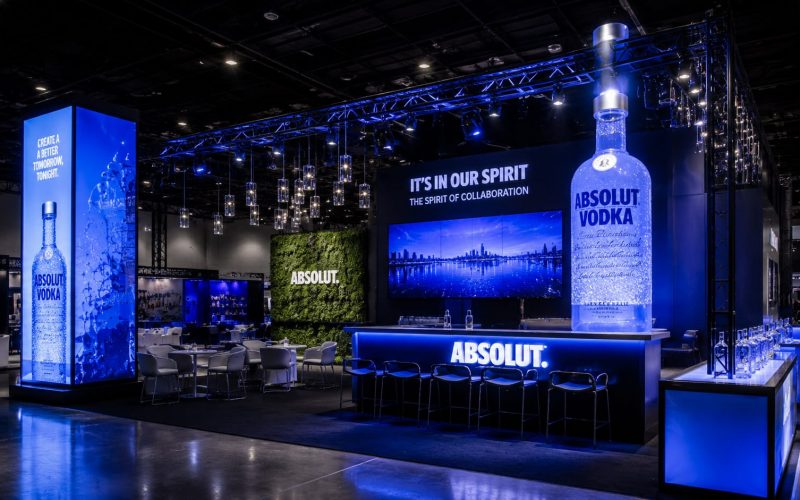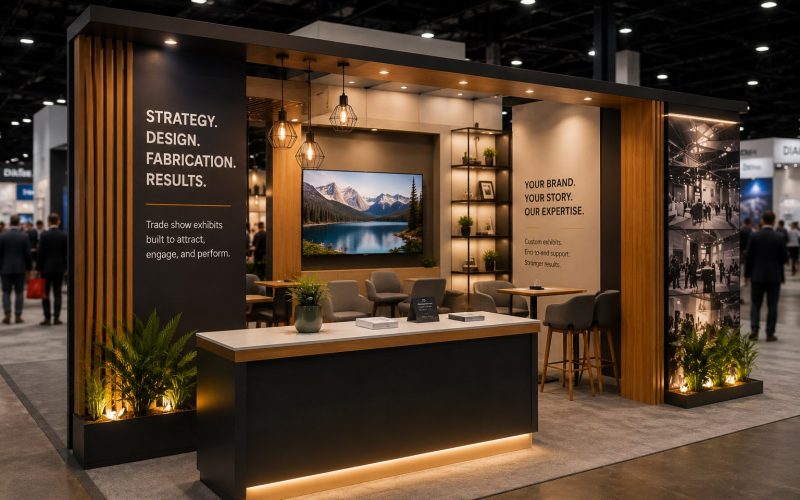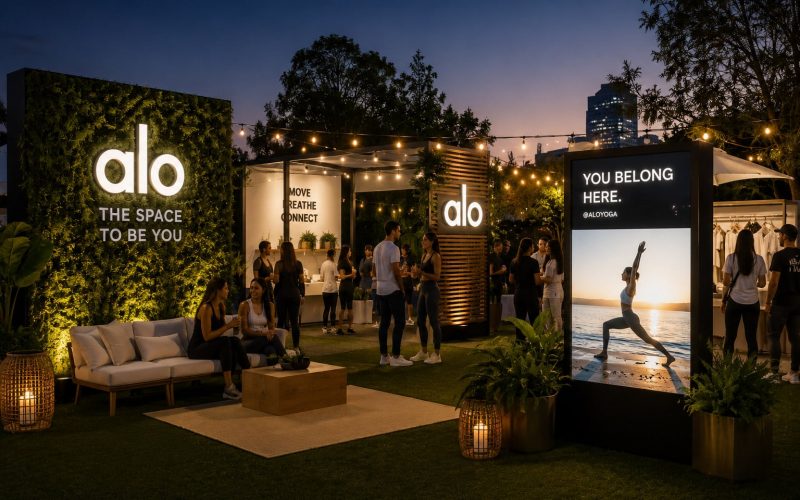
A strong brand activation case study usually looks impressive on the surface – big footprint, clean branding, high traffic, lots of photos. But for the teams responsible for producing the work, the real value is in what happened behind the scenes. What made people stop, participate, share, and remember the brand? What design choices supported that outcome? And what operational decisions kept the activation on track under real event conditions?
For marketers, agencies, and event producers, that is where the useful analysis starts. A case study is not just proof that an activation happened. It is a way to evaluate whether the physical environment, the fabrication approach, and the audience experience were aligned from the beginning.
What a brand activation case study should actually measure
Many activation recaps focus too heavily on appearance. Visual impact matters, but it is only one part of the job. A more useful brand activation case study measures whether the build supported business goals, whether the attendee flow made sense, and whether the installation could perform in a live environment without slowing down staff or frustrating guests.
That means looking at several layers at once. The concept has to be recognizable and on-brand. The fabricated elements have to hold up through transport, install, event use, and strike. Interactive pieces have to be intuitive. Furniture, counters, product displays, and scenic structures have to support the activation rather than compete with it.
When those pieces line up, the activation feels easy to attendees. When they do not, even a well-branded environment can underperform.
A practical brand activation case study framework
If you are reviewing an activation or planning the next one, it helps to look at the work in four stages: objective, environment, interaction, and execution.
Objective comes first
The strongest activations are built around a defined purpose. That may be product trial, lead capture, social sharing, content creation, retailer support, or general brand awareness. Each goal creates different production requirements.
A product sampling program needs queue management, service surfaces, storage, and fast reset capability. A photo-driven activation may need scenic fabrication, lighting integration, and clear visual framing. A lead generation footprint often needs private conversation space, branded counters, device placement, and a flow that moves visitors naturally toward staff.
If the goal is vague, the build often becomes vague too. That usually leads to oversized set pieces, underused space, or attractive elements that do not contribute much once the show starts.
The environment has to do more than look branded
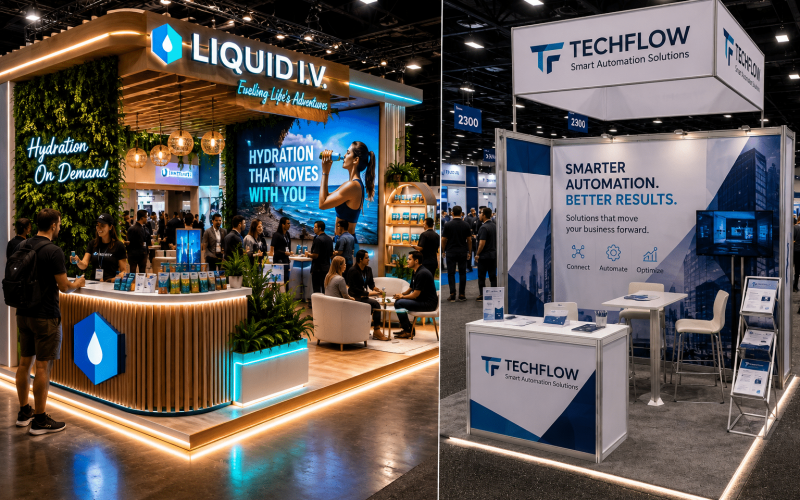
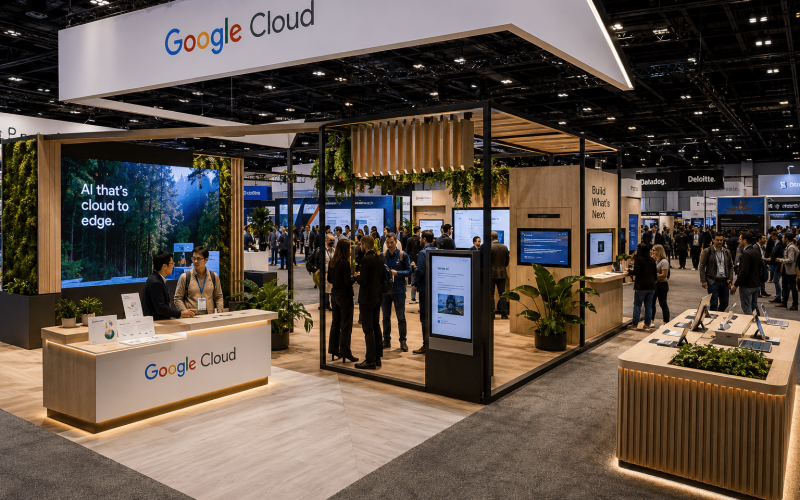
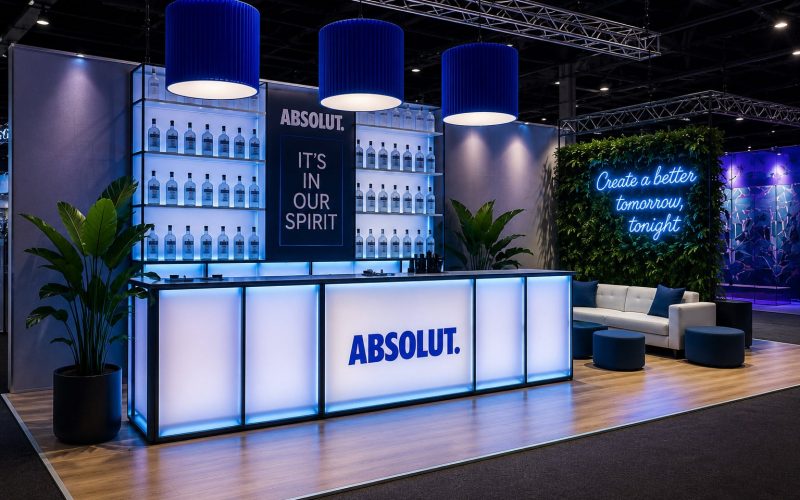
The physical footprint is where strategy becomes real. Booth structures, custom displays, branded furniture, game stations, product pedestals, and signage all work together to shape how people move and what they notice first.
A good case study should examine whether the environment made participation obvious. Could attendees understand where to enter, where to engage, and where to speak with staff? Did the fabrication reinforce the brand’s identity without making the space feel cluttered? Were there multiple engagement points, or did everything depend on one central feature?
This is where fabrication quality matters. Clean finishes, consistent color application, durable materials, and stable assembly all affect how the brand is perceived. In experiential marketing, people may not use the word fabrication, but they notice when a display feels polished and when it does not.
Interaction is where memory is built
An activation is not successful just because people walked by it. The question is whether they did something meaningful once they arrived.
That interaction could be a game, a product demo, a customization moment, a hands-on trial, a giveaway mechanic, or a content capture experience. The best activations make that interaction quick to understand and satisfying to complete. They also make it easy for staff to manage volume without creating confusion.
There is always a trade-off here. More immersive interaction can increase dwell time and memorability, but it may reduce throughput. Simpler mechanics can move more people through the space, but may not create the same level of recall. The right answer depends on the event, the audience, and the campaign objective.
Execution determines whether the concept survives contact with reality
This is the section too many recaps skip. Live events expose every weak point. Tight freight windows, venue rules, power limitations, uneven floors, staffing changes, and weather can all affect the final result.
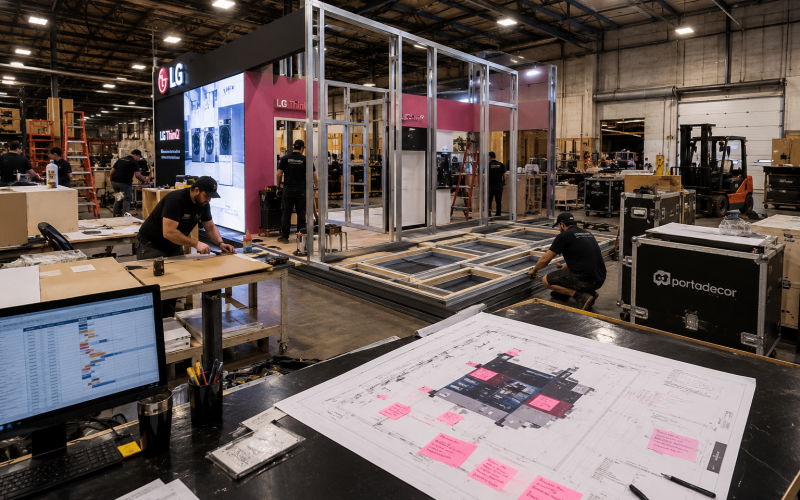
A serious case study should address whether the activation was built for transport, install, reset, and reuse. Modular fabrication, efficient packing, replaceable graphics, and clear assembly methods often matter as much as the hero element itself. If a structure takes too long to install, or if interactive components are difficult to troubleshoot onsite, the campaign becomes harder and more expensive to scale.
For agencies and brand teams, this is often the difference between a one-off success and a repeatable activation system.
Example analysis: what separates a strong activation from a weak one
Imagine two brands with similar budgets launching a new product at a high-traffic public event. Both have custom builds, staffed footprints, branded signage, and a promotional giveaway.
The first activation centers on a large scenic structure designed mainly for visibility. It photographs well and attracts initial attention, but the attendee path is unclear. Guests stop at the perimeter, take a quick look, and move on. Staff conversations happen wherever space allows. Giveaway inventory is stored awkwardly. The main interactive feature requires explanation every time, which slows down participation.
The second activation uses the same basic footprint more strategically. Branded entry points draw people inward. A clear central interaction gives attendees one obvious action to take first. Display elements frame the product story rather than overwhelm it. Staff positions are built into the layout. Storage is hidden but accessible. Counters, game elements, and scenic pieces are fabricated to support flow rather than just decoration.
On paper, both activations may appear successful. In practice, the second one is likely to produce better engagement, cleaner operations, and more usable learnings for the next event.
That is the kind of distinction a worthwhile case study should make.
What event teams should look for before approving a build
The earlier these questions are addressed, the better the final result. Before fabrication starts, teams should pressure-test whether the activation can work in the field and not just in a rendering.
A few issues usually deserve close attention. First, ask how the custom elements support attendee behavior. If every piece is branded but no piece improves participation, the budget may be leaning too heavily toward appearance. Second, ask how the build will travel and adapt. A beautiful activation that is difficult to install across multiple venues can create avoidable production risk. Third, ask how rental and custom components can work together. In many programs, that mix improves speed and budget control without sacrificing brand presence.
This is where an experienced fabrication partner adds value. They are not just building to spec. They are helping identify where a concept needs structural refinement, material adjustments, or layout improvements to perform well onsite.
Why fabrication quality changes campaign results
Experiential teams often talk about creative and logistics as separate categories. In reality, fabrication sits in the middle of both.
A custom counter is not only a branded surface. It may also need to conceal storage, house technology, support product display, and survive repeated use. A scenic wall is not only a backdrop. It affects sightlines, traffic movement, and installation complexity. An interactive game unit is not only a fun feature. It has to be stable, intuitive, durable, and easy for staff to reset.
That is why a brand activation case study should never treat the physical build as a background detail. The build is part of the strategy. Good fabrication supports consistency, speed, and usability. Weak fabrication introduces friction, and friction is expensive at events.
For national activation programs, that matters even more. If a concept is expected to travel across markets, every production decision needs to account for repeatability. Materials, assembly methods, crating, and maintenance all affect whether the same experience can be delivered reliably from one venue to the next.
Turning case study insight into a better next build
The point of reviewing an activation is not to admire the final photos. It is to improve the next production cycle.
That means carrying forward what worked at the level of physical design and event operations. Which structures drew the most attention without blocking flow? Which interactive elements held interest without creating bottlenecks? Which fabricated components were easy to ship, install, and maintain? Which parts of the footprint were underused and should be reduced, redesigned, or replaced?
For brands and agencies planning future activations, the most useful case studies are the ones that connect audience response to build decisions. They show how custom fabrication, branded environments, and practical event design come together in measurable ways.
That is also where the right production partner makes a difference. A company like Portadecor is not just fabricating parts. It is helping shape activation environments that are built for brand alignment, audience engagement, and real-world event performance.
The best activation work earns attention in the moment, but its long-term value comes from what it teaches your team about building the next experience smarter.