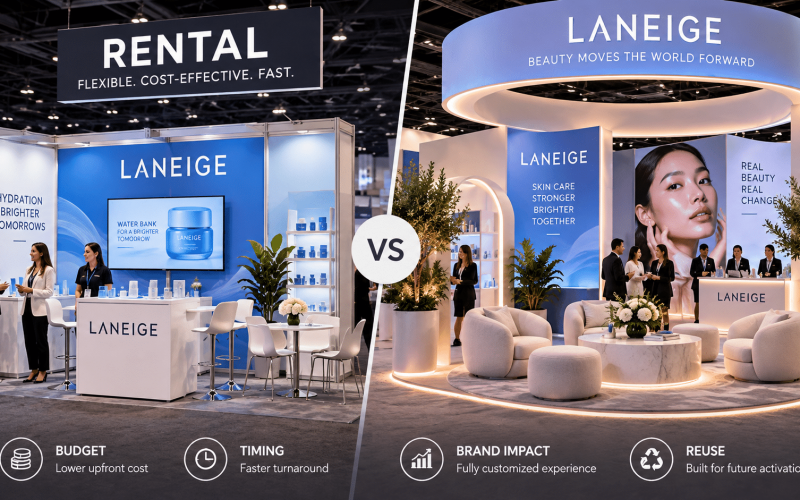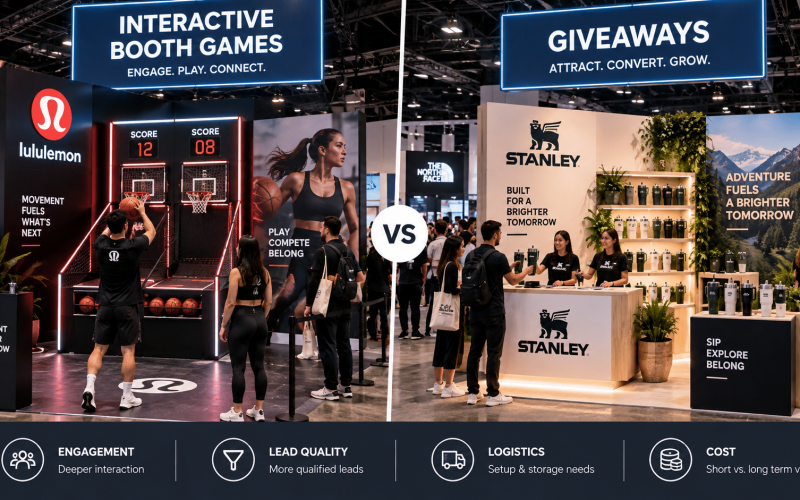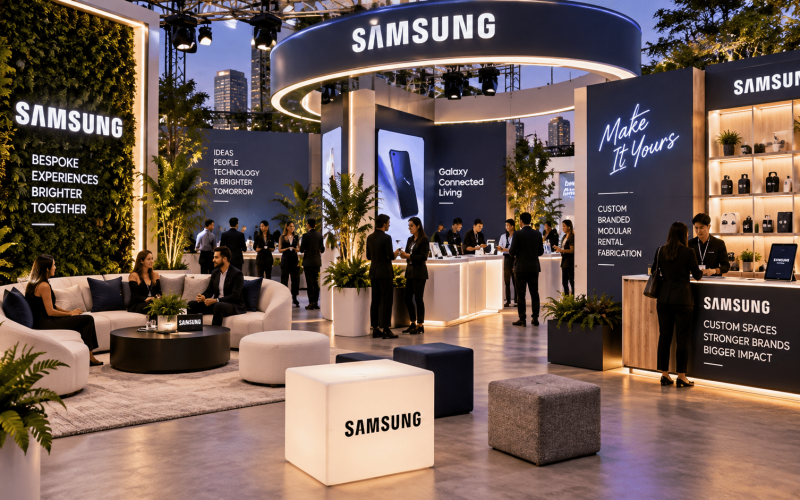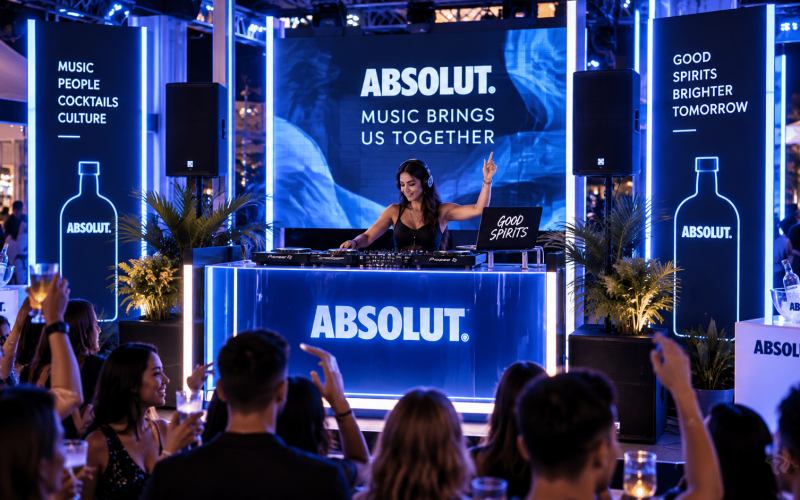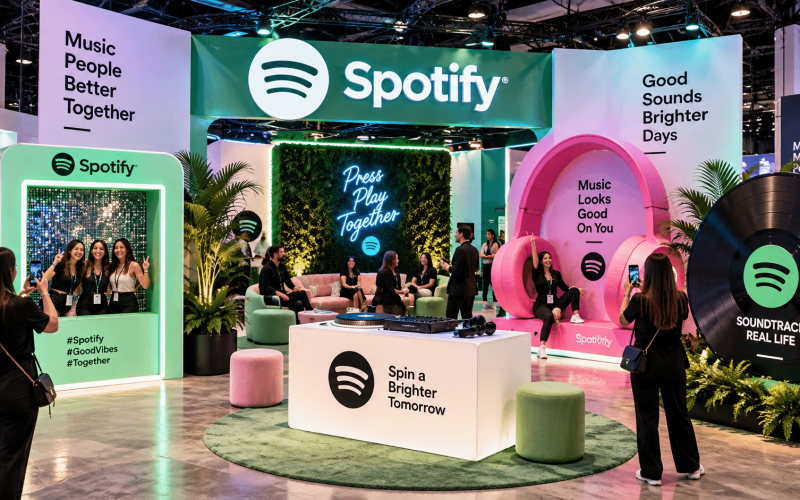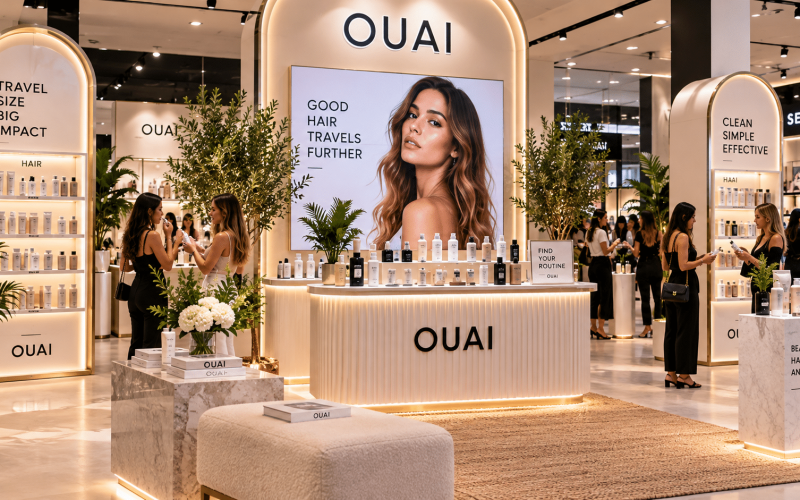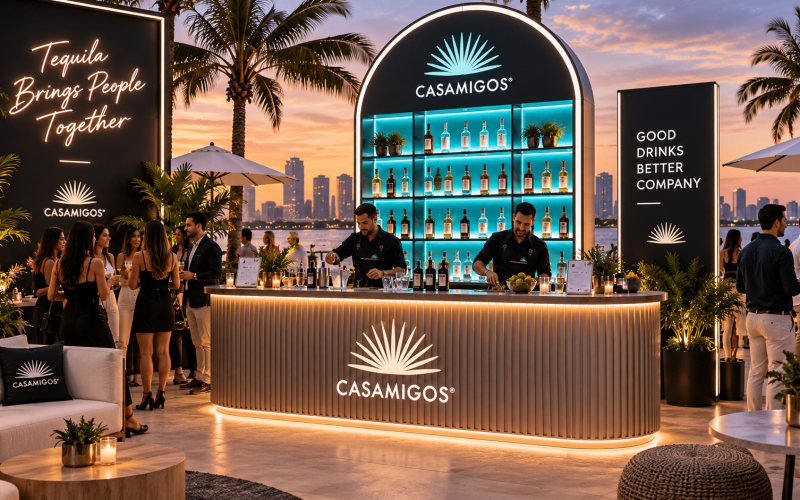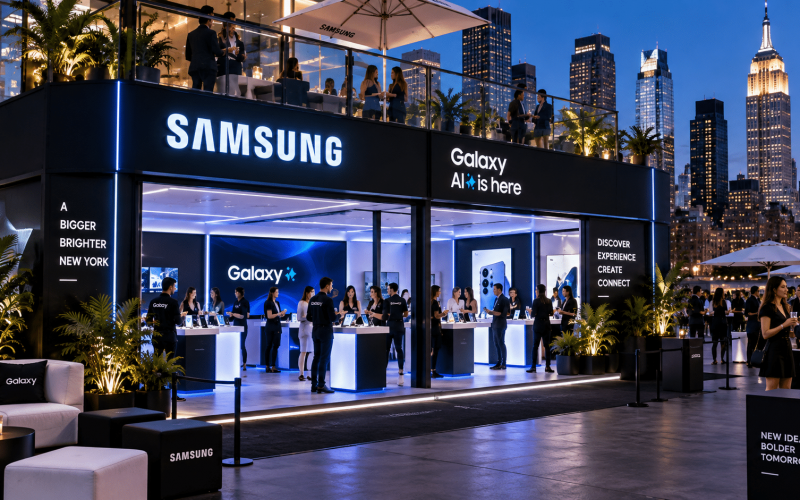
A booth can look exceptional in a rendering and still create problems on the show floor. The difference often comes down to trade show booth materials: whether finishes survive freight, walls stay rigid, graphics remain clean under show lighting, and every component can be installed on schedule. For marketing teams and event producers, material selection is not a finishing decision. It is a core production decision that affects visual impact, labor, shipping, storage, and reuse.
A custom booth does not need to be built from the most expensive material to perform well. It needs the right materials for its job. A one-time product launch, a multi-city brand activation, and a 20-by-30-foot annual exhibit each call for a different balance of durability, weight, finish quality, and adaptability.
How to Select Trade Show Booth Materials
Start with the event program, not the material sample. Ask how many shows the booth will attend, how far it will travel, who will install it, and whether the footprint may change. A permanent-looking structure can be built for a short campaign, but it may not be the practical choice if it must ship cross-country six times a year.
The second question is what the audience needs to experience. A tech product demonstration may need secure display mounts, integrated power, and clean cable management. A consumer activation may need an oversized scenic feature, durable counters, interactive game components, or photo-worthy textures. Materials should support the experience rather than compete with it.
Budget should also be evaluated as a total cost, not just a fabrication number. Lightweight systems can reduce drayage and freight. Modular components can lower future reconfiguration costs. A less expensive finish may cost more if it needs replacement after every show. The best decision is usually the one that protects the program over its expected life.
The Core Materials Behind Custom Booths
Aluminum frames and extrusion systems
Aluminum is a practical foundation for many trade show booths because it is lightweight, strong, and repeatable. Modular extrusion systems work especially well for exhibits that need to change size, travel frequently, or incorporate fabric graphics, shelving, monitors, and lightboxes. Components can often be packed efficiently and reconfigured for different booth footprints.
The trade-off is visual character. An extrusion booth can feel polished and architectural, but it may not deliver the fully custom, sculptural appearance of a fabricated environment without added cladding, millwork, graphics, or dimensional elements. It is an excellent choice when flexibility and shipping efficiency are priorities.
Wood, plywood, and MDF
Wood-based materials remain central to custom fabrication because they offer design freedom. Plywood is strong, accepts a wide range of finishes, and performs well for cabinetry, wall systems, counters, and structural scenic elements. MDF provides a smooth surface for paint and routed details, making it useful for branded shapes, decorative panels, and controlled indoor applications.
These materials are often the right answer when a booth needs to feel like a retail store, lounge, kitchen, studio, or premium product environment. They can support laminate, paint, vinyl, solid-surface details, and custom hardware. Their limitations are weight and vulnerability to moisture or impact when packed improperly. Crating, edge protection, and thoughtful panel sizing matter as much as the material itself.
Laminates and durable surface finishes
High-pressure laminate is a workhorse finish for event furniture and booth surfaces. It provides consistent color, wipeable durability, and better resistance to scuffs than many painted finishes. It is particularly useful for counters, tables, shelving, product display units, and other touchpoints that see repeated public use.
Painted finishes offer more flexibility for exact brand colors and can create a refined monolithic look. They also require more care. A high-gloss paint finish may look striking under lights but show fingerprints and transport damage more readily than matte laminate. When selecting between paint and laminate, consider the desired visual effect, the handling environment, and the refresh plan between shows.
Fabric graphics and tension systems
Tension fabric graphics are efficient, lightweight, and highly effective for large branded surfaces. They can be used on backwalls, lightboxes, hanging signs, partitions, and modular structures. Fabric packs smaller than rigid graphics and can be replaced when campaign messaging changes, which makes it a valuable option for evolving product lines or recurring event programs.
Fabric is not always the best choice for every surface. It can wrinkle if handled poorly, and it does not provide the physical depth of a dimensional wall or textured finish. The strongest booth environments often combine fabric graphics for scale and message flexibility with hard-built elements that create structure, interaction, and visual weight.
Acrylic, polycarbonate, and specialty plastics
Acrylic brings polish to product displays, illuminated signage, donor walls, and protective barriers. Clear, frosted, mirrored, and colored acrylic can all support a branded visual language. Polycarbonate is generally more impact-resistant and may be a better fit for high-contact applications or interactive features.
Plastic materials need careful detailing. Thin acrylic can crack around poorly placed fasteners, while highly reflective surfaces quickly show scratches. A fabrication team should account for thickness, mounting method, edge treatment, and how the component will travel before a material is approved.
Metal and solid-surface details
Powder-coated steel, aluminum sheet, and other metal components add strength and a more permanent architectural feel. Metal is useful for bases, frames, retail-style fixtures, custom brackets, secure product mounts, and elements that need to withstand heavy use. Powder coating provides durable color coverage and is a strong option for brand-specific accents.
Solid-surface materials can elevate reception counters, bar tops, demo stations, and hospitality environments. They create a clean, premium finish and can be repaired in some cases, but they add weight and cost. These materials make sense where guests will have close physical contact with the booth and the perceived quality of the surface matters.
Match the Material to the Touchpoint
Not every part of a booth needs the same construction standard. A high-touch counter should be more durable than a decorative overhead element. A wall that carries only a graphic can be lightweight, while a wall supporting a monitor, shelving, or interactive display needs engineered reinforcement.
This is where material planning becomes more efficient. Build durable, reusable assets where people touch, lean, sit, or engage. Use lighter and more replaceable materials where campaign graphics or messaging are likely to change. That approach preserves the budget for the parts of the environment that shape the attendee experience.
The same principle applies to flooring. Carpet tiles can be practical for broad coverage and easy replacement, while vinyl or laminate flooring can create a more finished retail feel. Raised platforms improve presence and help conceal cables, but they add labor, freight, and accessibility considerations. If a platform does not improve the experience, it may not justify the added complexity.
Build for Freight, Labor, and Reuse
A material that looks excellent in the shop can fail operationally if it does not fit the event program. Oversized panels may require special freight handling. Heavy booth elements can increase drayage charges. Fragile finishes may need custom crates and more time for inspection. These costs should be visible before fabrication begins, not discovered after the first show.
For reusable booth assets, design details matter. Numbered components, replaceable graphic skins, protected edges, durable hardware, and purpose-built packing all extend service life. A well-designed crate is part of the booth system, not an afterthought. It protects the investment and helps installation crews work faster with fewer surprises.
Rental components can also be the better answer for standard items such as seating, display cases, tables, and select event furniture. Custom fabrication should be focused where brand distinction, functionality, or scale requires it. Combining custom-built assets with rentals can create a polished environment without building every component from scratch.
Material Decisions Should Start Early
The most effective material conversations happen while the creative direction is still flexible. A concept may call for a floating wall, a high-gloss branded counter, or a dramatic illuminated feature, but each idea needs a production path that accounts for safety, transport, installation, and budget. Early collaboration between the creative team, fabricator, and event lead prevents last-minute substitutions that weaken the original idea.
Portadecor approaches custom products and trade show booths with that fabrication-first perspective: build what earns attention, engineer what must perform, and select materials that support the actual event program. The objective is not simply to fill a footprint. It is to create a branded physical environment that arrives ready to work.
When reviewing material options, ask one practical question: will this choice still look and function as intended after freight, install, attendee interaction, and teardown? The answer will lead to a better booth long before the doors open.