A 10×20 space can either feel like a branded environment or a temporary setup with your logo applied at the last minute. That is usually what teams are really weighing when they compare custom booths vs rentals. The right choice is not about which option sounds more impressive. It is about what you need the booth to do, how often you will use it, how quickly it needs to be produced, and how closely it must reflect the brand experience you are trying to create.
For event marketers and trade show managers, this decision affects more than appearance. It impacts lead flow, install complexity, freight, storage, updates between shows, and how confidently your team can walk prospects into the space. A booth is an operating tool, not just a backdrop.
Custom booths vs rentals: the real decision
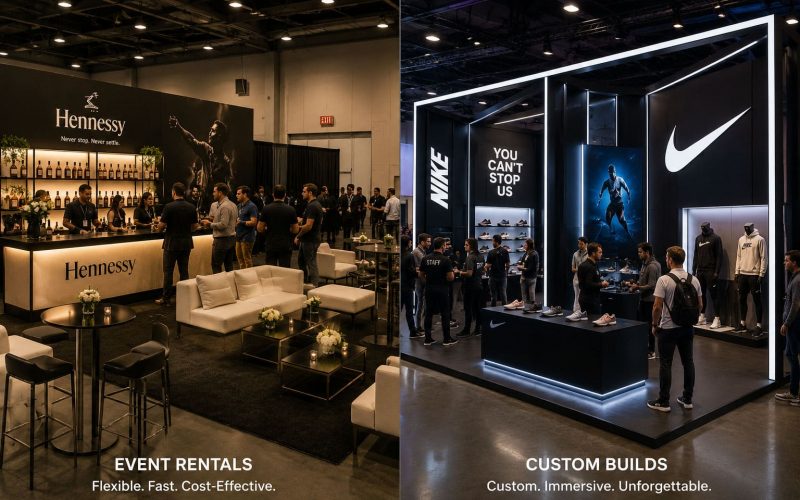
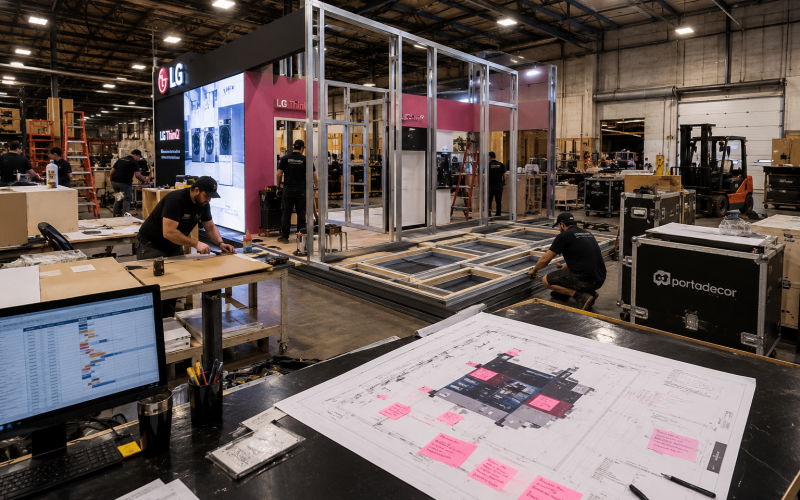
The simplest way to frame custom booths vs rentals is ownership versus access. A custom booth is designed and fabricated specifically for your brand, campaign, or product line. A rental booth uses an existing inventory system that can be configured, branded, and adjusted to fit your event footprint.
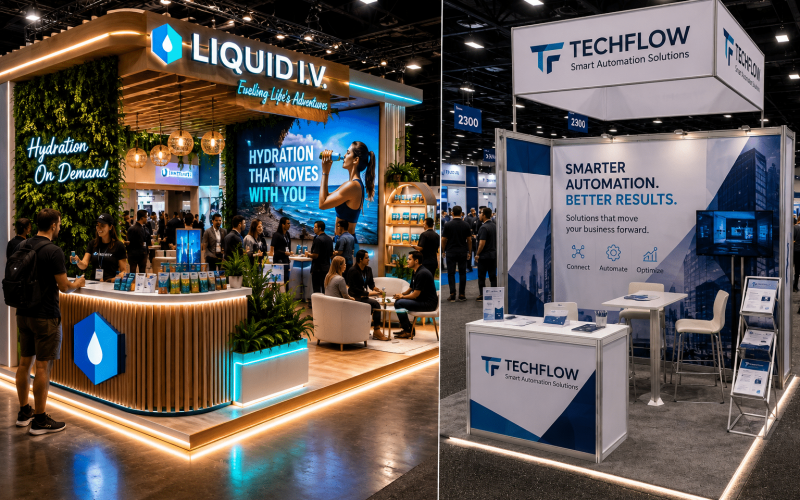
That sounds straightforward, but the trade-offs are more specific in practice. Custom fabrication gives you control over dimensions, materials, product displays, integrated lighting, storage, demo stations, and how every surface supports the brand. Rentals give you speed, lower upfront cost, and a practical way to build a polished exhibit without committing to a fully owned asset.
If your team is trying to create a flagship environment, support a product launch, or build a repeatable branded exhibit system, custom usually becomes more attractive. If you are testing a market, filling a short-term event need, or working with a compressed timeline, rentals often make more operational sense.
When custom booths make the strongest business case
A custom booth starts to justify itself when the booth is central to the marketing strategy rather than just necessary for attendance. If your event calendar includes multiple shows, recurring activations, dealer events, or high-value lead generation, ownership can create more long-term value than a series of one-off rentals.
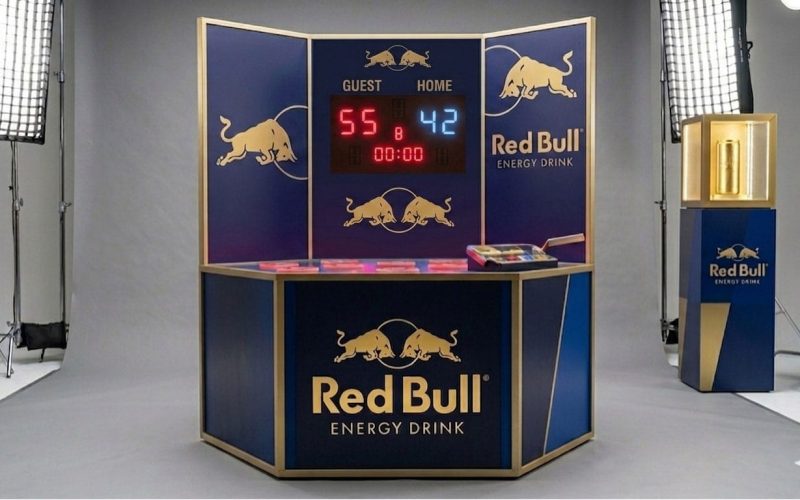
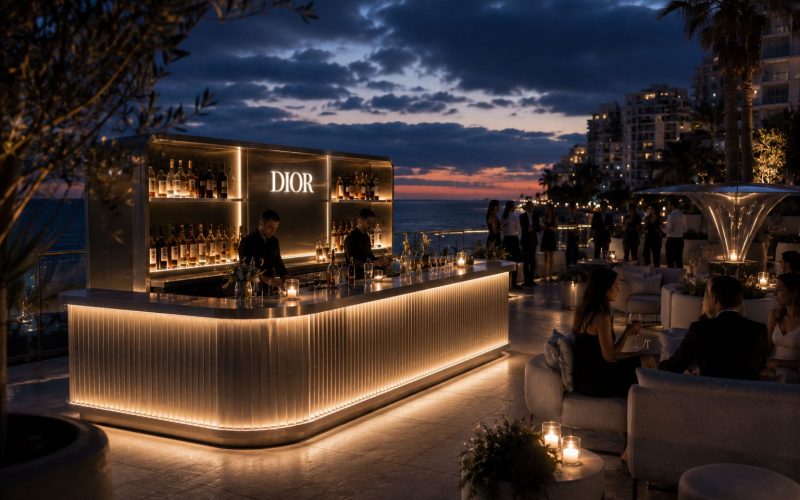
The biggest advantage is brand alignment. Custom fabrication lets you build around the actual experience you want attendees to have. That may mean a product demonstration wall, integrated sampling counter, concealed storage, interactive game area, premium hospitality touchpoints, or architectural forms that match your retail or campaign language. Instead of adapting your story to a rental structure, you build the structure around the story.
Custom booths also give teams more control over function. Experienced event producers know that awkward layouts cost more than they save. If staff traffic backs up near demos, if storage is missing, or if product displays are bolted onto a system that was never meant to support them, the exhibit works against your team. A custom booth can solve for these issues from the start.
There is also the matter of consistency. For brands with strict visual standards, custom assets reduce compromise. Colors, finishes, branded forms, and physical details matter more in person than they do in renderings. A booth that looks close enough on paper can feel generic on the show floor.
That said, custom is not automatically the better choice. It requires more planning, a larger initial investment, and a clear understanding of how the asset will be used over time. If your messaging changes every quarter or your footprint varies wildly from event to event, building a fully custom environment may create complexity you do not need.
Where rental booths outperform expectations
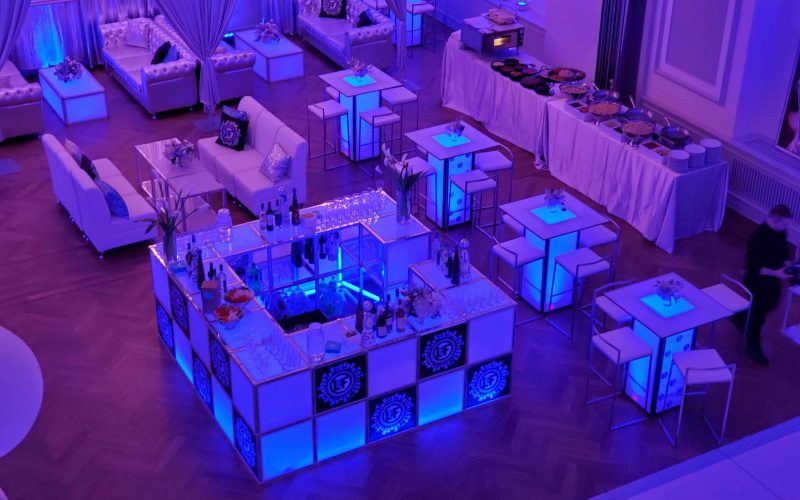
Rental booths are often underestimated because people associate them with basic exhibit kits. In reality, a well-selected rental can present professionally, support strong branding, and meet the needs of many campaigns without the cost or timeline of full fabrication.
The strongest case for rentals is flexibility. If you need to appear at one show in a 10×10 and the next in a 20×20, a modular rental approach can give you range without forcing a permanent build around one exact footprint. That is especially useful for agencies and brand teams managing multiple programs with shifting requirements.
Rentals also work well when speed matters. If an opportunity comes together late, a custom booth may not be realistic. A rental system can often be configured, branded, and prepared much faster. For many teams, that speed is not just convenient. It is what keeps the event possible.
Budget is another obvious factor, but it should be viewed correctly. Rentals usually lower upfront cost, which is valuable when an event is experimental, regional, or infrequent. They also remove some of the ownership burdens tied to storage, refurbishment, and long-term maintenance. If your team does not want to manage booth assets between shows, rental can simplify the program.
This is particularly relevant for companies executing events in the Northeast where short-term logistical efficiency matters. For example, rental support in markets like New York City, Manhattan, New Jersey, Boston, or Connecticut can be the practical answer when event windows are tight and local execution needs to move quickly.
The costs that matter most in custom booths vs rentals
When people compare custom booths vs rentals, they often focus only on fabrication price versus rental fee. That misses the bigger operational picture.
A custom booth may cost more upfront, but the economics can improve over multiple uses. If the exhibit is well designed, durable, and built for repeat deployment, the per-event cost can become competitive over time. On the other hand, a custom booth that requires special crating, high drayage, frequent repairs, or major redesigns can lose that advantage quickly.
Rental pricing looks simpler at first, but recurring fees add up. If you rent repeatedly for the same type of event, you may eventually spend enough to justify a more tailored owned solution. The threshold depends on your schedule, your footprint, and how much customization you need layered onto the rental structure each time.
This is why the real budget conversation should include fabrication or rental fees, graphic production, shipping, material handling, install and dismantle labor, storage, refurbishment, and the staff experience inside the booth. A cheaper booth that performs poorly is not actually the lower-cost option.
How to choose based on event goals
The fastest way to make the right choice is to match the booth type to the role the event plays in your pipeline.
If the event is a flagship trade show, major product introduction, investor-facing activation, or a category-defining industry appearance, custom is usually worth serious consideration. Those are the moments where differentiation, brand immersion, and operational precision matter most.
If the event is a pilot program, market test, regional appearance, sponsorship add-on, or a short-run campaign, rental often gives you enough presence without overcommitting resources. It keeps the team agile while still delivering a professional environment.
There is also a middle ground that many smart marketers use. A hybrid approach combines custom fabricated elements with rental infrastructure. For example, you might develop custom product displays, branded counters, demo stations, or interactive components and integrate them into a rental booth package. That approach can improve brand distinction without requiring a full custom build for every event.
For many organizations, that hybrid model is the most commercially sound answer. It balances speed and budget with enough customization to make the space feel intentional rather than generic.
Questions to ask before you commit
Before choosing either path, ask a few practical questions. How many times will this booth be used in the next 12 to 24 months? Does the booth need to support product interaction, hospitality, or storage in a specific way? Are you trying to create a recognizable physical brand asset, or do you just need a polished presence for a limited schedule?
You should also ask how fixed your brand and messaging are. If you expect major campaign shifts, a rental or hybrid solution may protect you from building an exhibit that becomes outdated too quickly. If your identity is stable and your event strategy is established, custom becomes easier to justify.
Most importantly, consider execution risk. The best booth choice is the one your team can deploy confidently, staff effectively, and adapt without unnecessary friction. That often matters more than whether the booth is owned or rented.
The best option is the one that fits the program
There is no universal winner in custom booths vs rentals because the decision depends on frequency, objectives, timeline, and how much the physical environment contributes to results. Strong event programs are built around fit, not assumptions.
If you need a highly branded environment that works hard across multiple events, custom fabrication can create real long-term value. If you need flexibility, speed, or a lower-commitment path to market, rentals can be the smarter move. And if your needs sit between those two, a hybrid solution may give you the best balance of control and efficiency.
A booth should make the event easier to execute and stronger to experience. Start there, and the right format usually becomes clear.