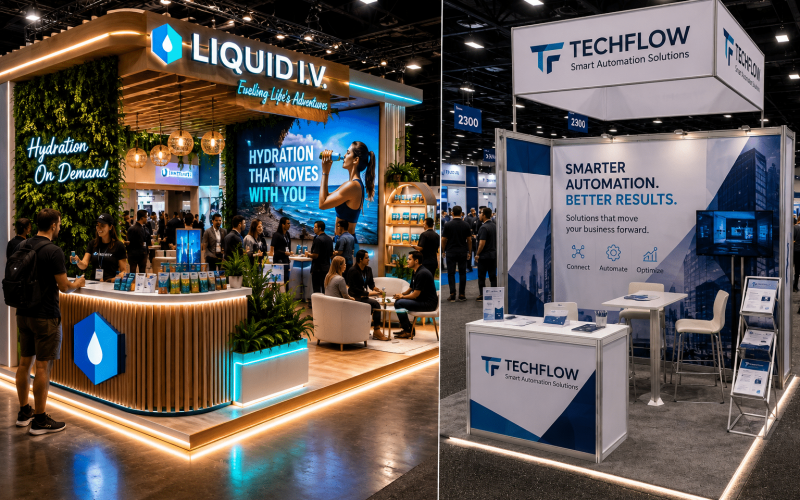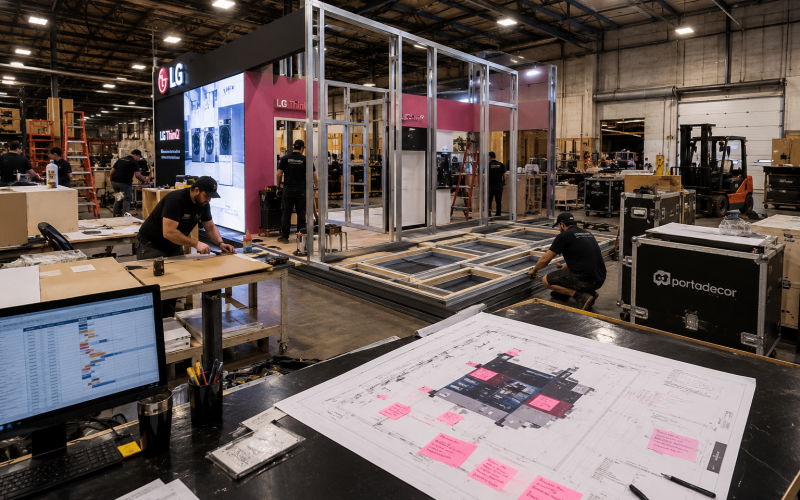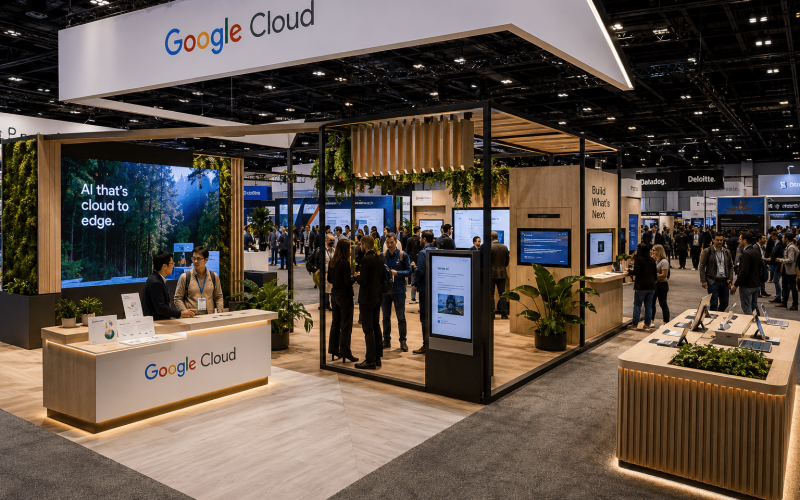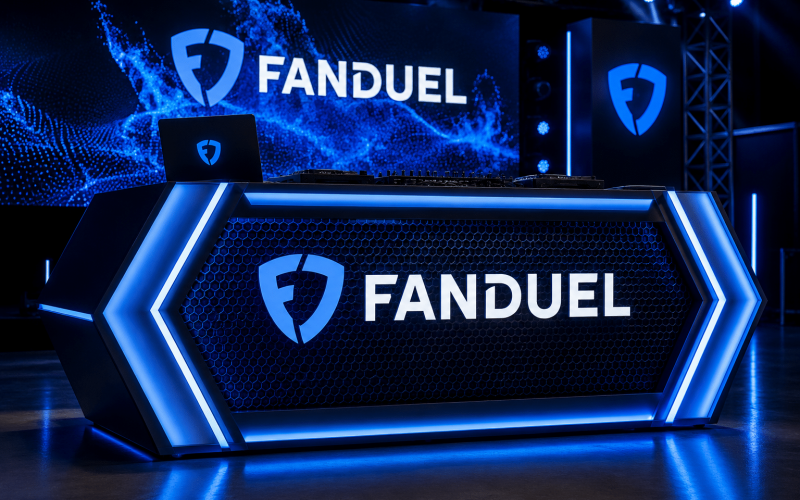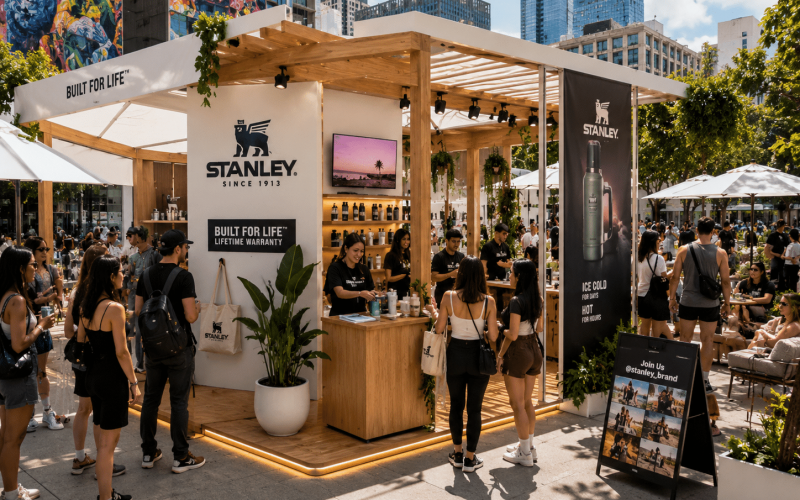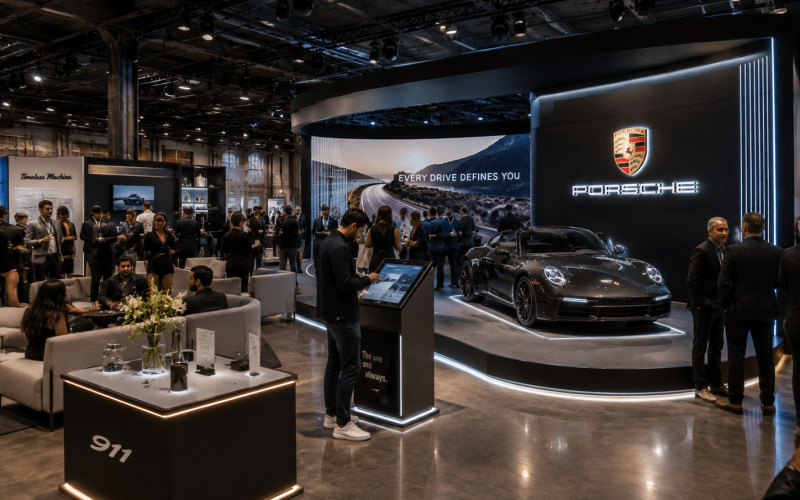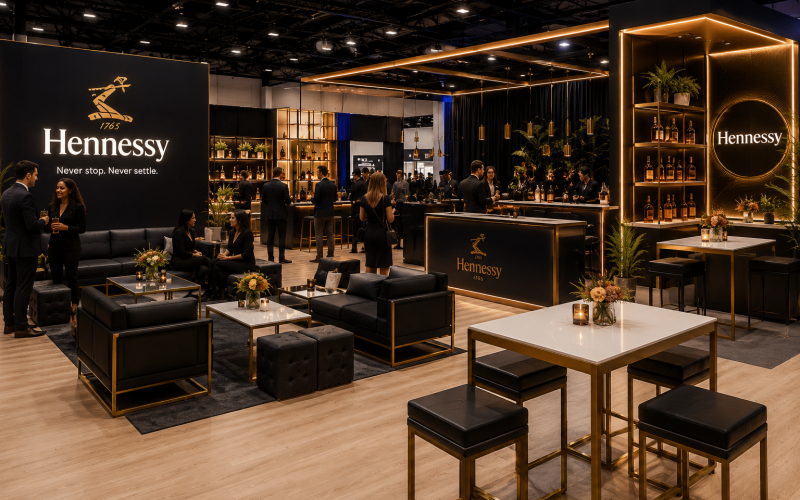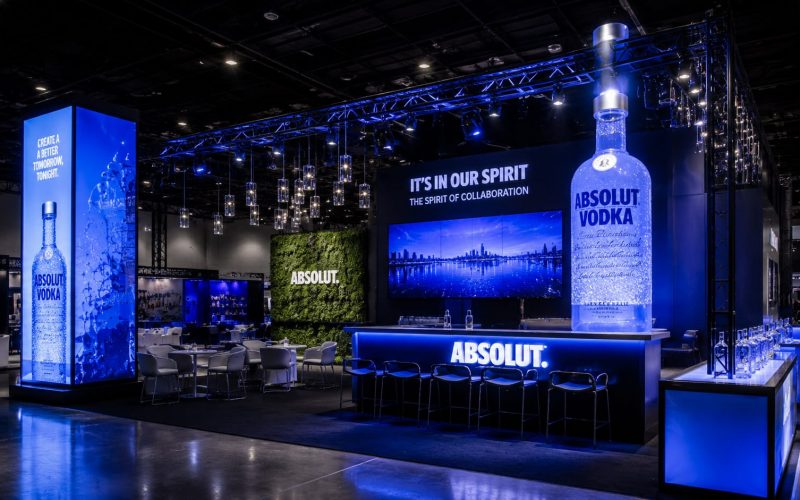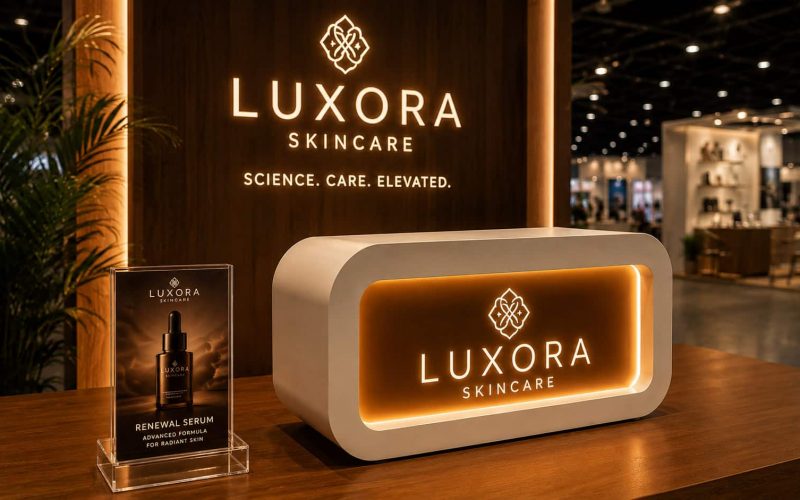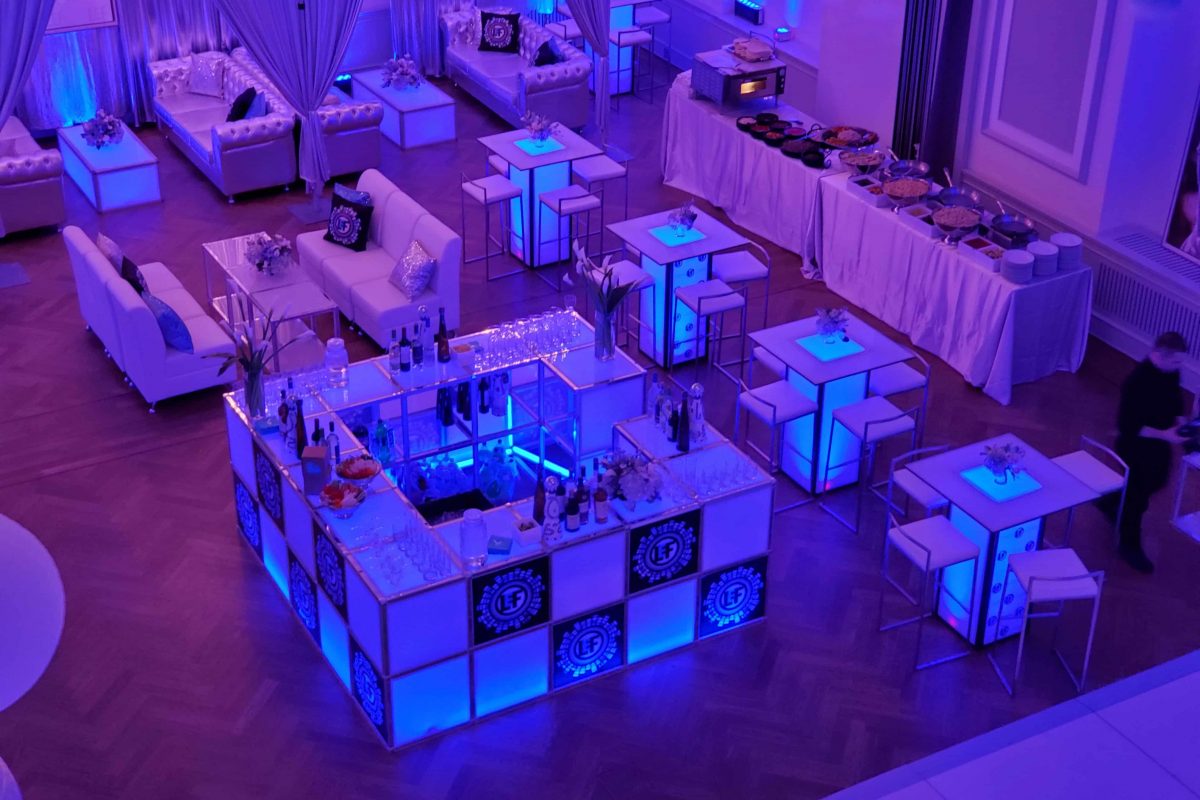
A branded pop-up in SoHo, a media event near Hudson Yards, a product launch in Flatiron – Manhattan does not give event teams much margin for error. Load-in windows are tight, venue rules are specific, and every visible detail reflects on the brand. That is why event rentals Manhattan buyers need are rarely just about filling a room. They are about getting the right assets, in the right finish, on the right timeline, with execution that holds up under pressure.
For marketers, producers, and agencies, the rental decision affects more than logistics. It shapes how the environment photographs, how guests move through the space, and how well the event supports the campaign objective. A lounge setup for a branded activation needs different thinking than furniture for a trade show booth or display elements for a retail pop-up. The strongest rental partners understand that distinction and build around it.
What event rentals in Manhattan really need to solve
In Manhattan, event rentals have to do more than arrive on time. They need to work within freight restrictions, elevator limitations, union rules at certain venues, and condensed production schedules. A piece that looks great in a catalog but is difficult to move, assemble, or brand can create problems quickly.
That is why experienced event teams evaluate rentals through an operational lens. They look at footprint, durability, finish quality, modularity, and how easily each piece integrates with scenic elements or branded graphics. If an item cannot support the activation concept or slows installation, it is not the right choice, even if it fits the budget.
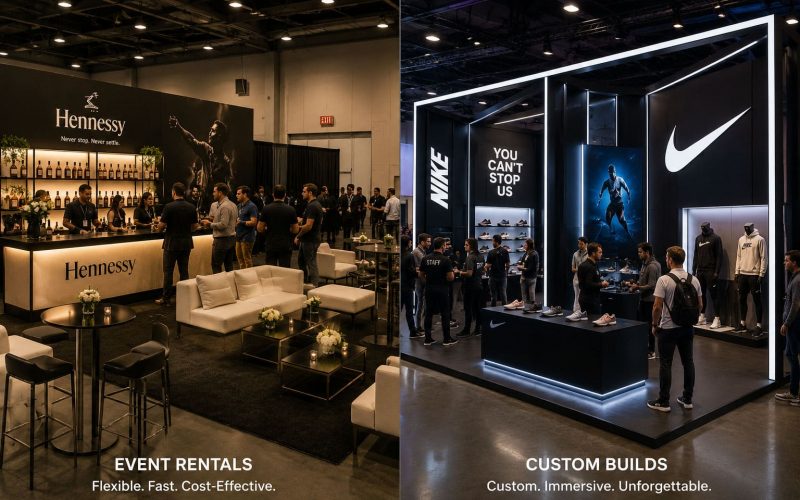
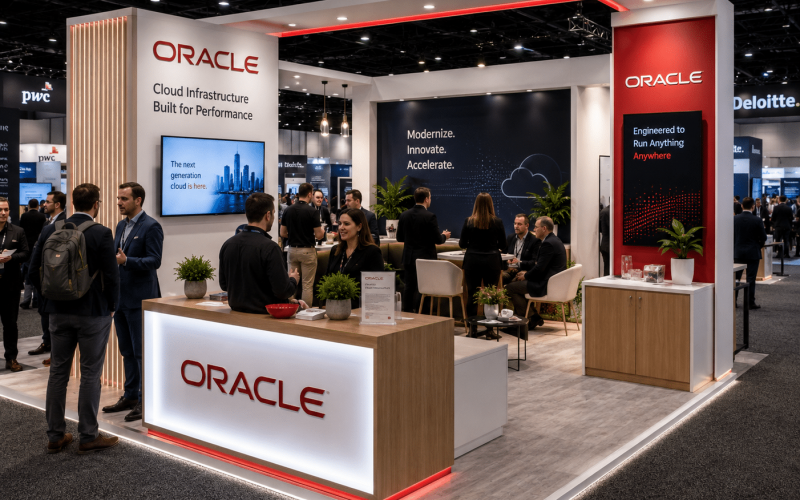
There is also the brand standard issue. National campaigns often have strict visual guidelines, and Manhattan events are usually high-visibility stops on a broader program. Rental inventory has to feel intentional, not generic. In many cases, the most effective solution is a mix of rental-ready pieces and custom fabricated elements that tie the entire environment back to the campaign.
Where standard event rentals Manhattan projects outgrow fast
Basic rentals can work for simple functions. They are less effective when the event needs to be immersive, branded, or highly specific to an audience journey. That gap shows up most often in experiential marketing, trade show environments, and sponsor-driven installations.
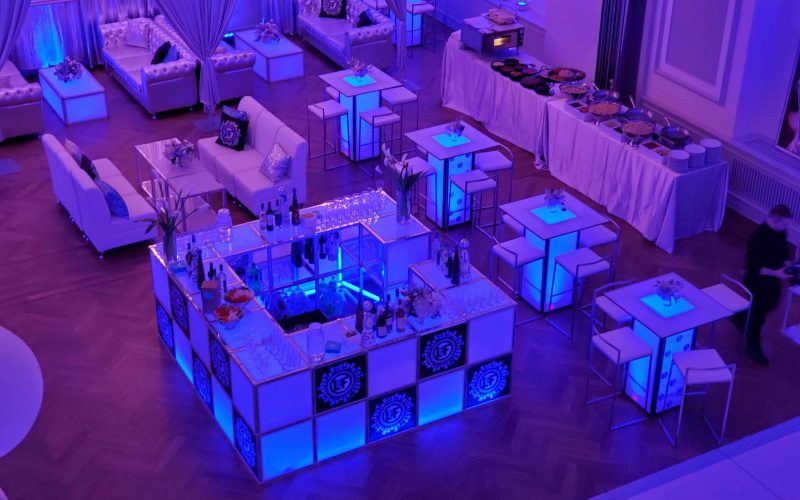
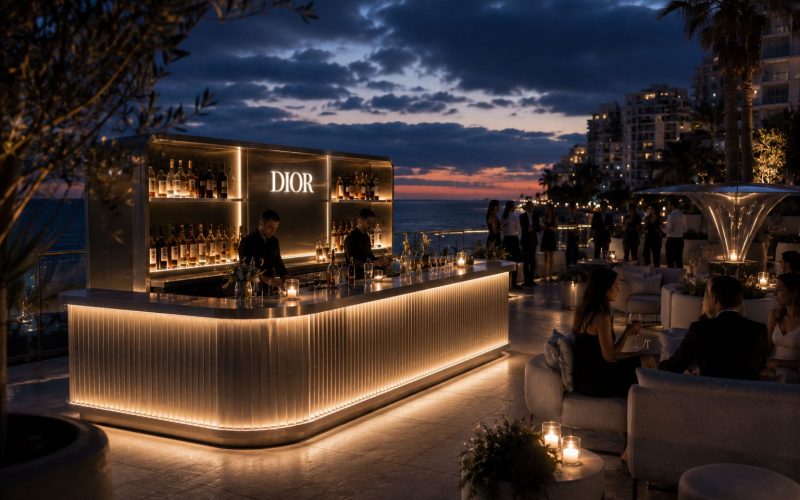
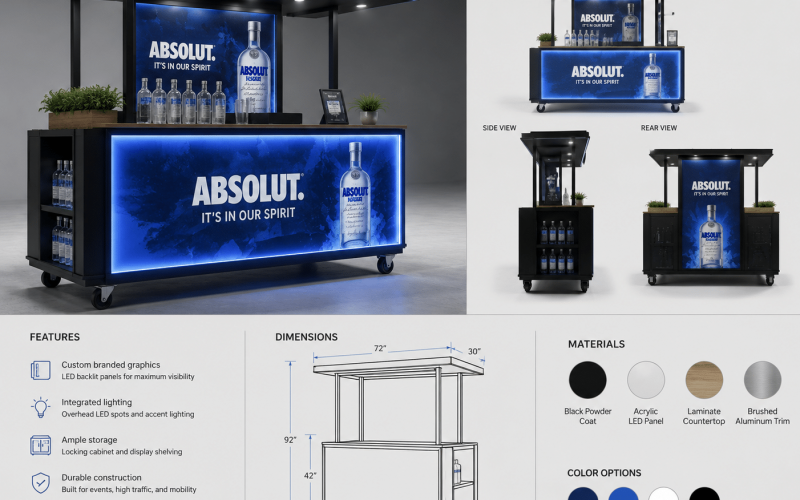
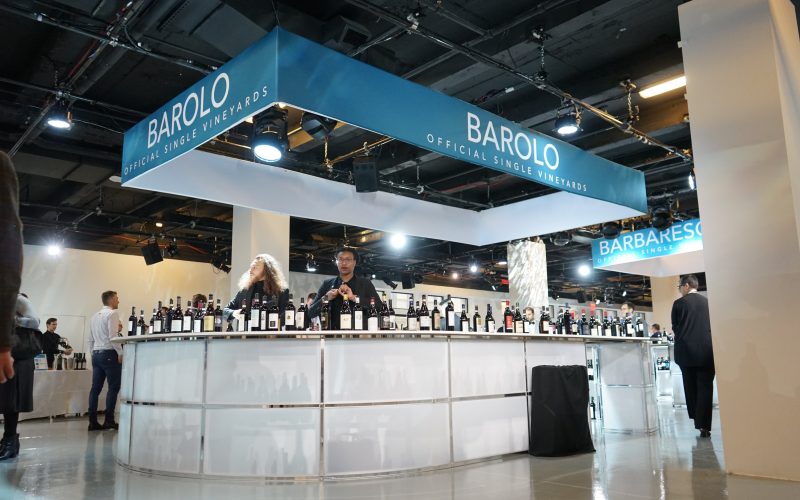
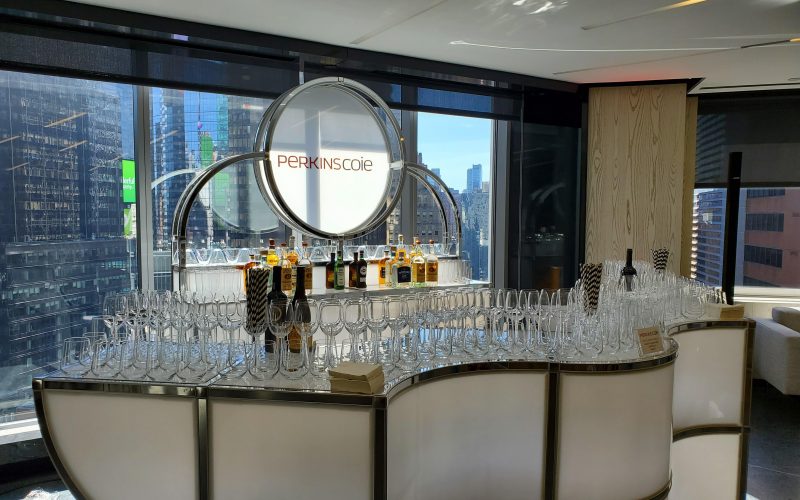
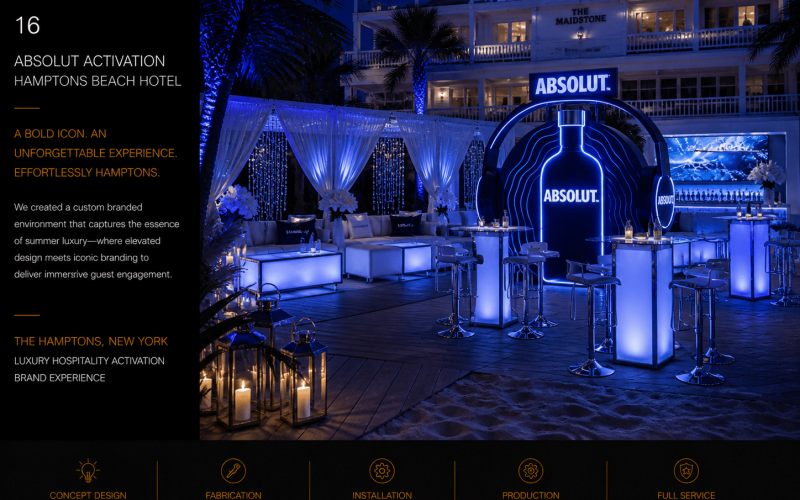
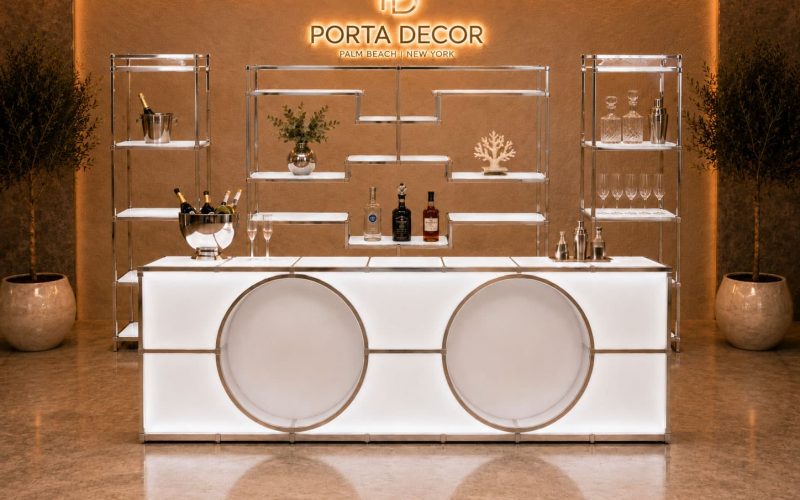
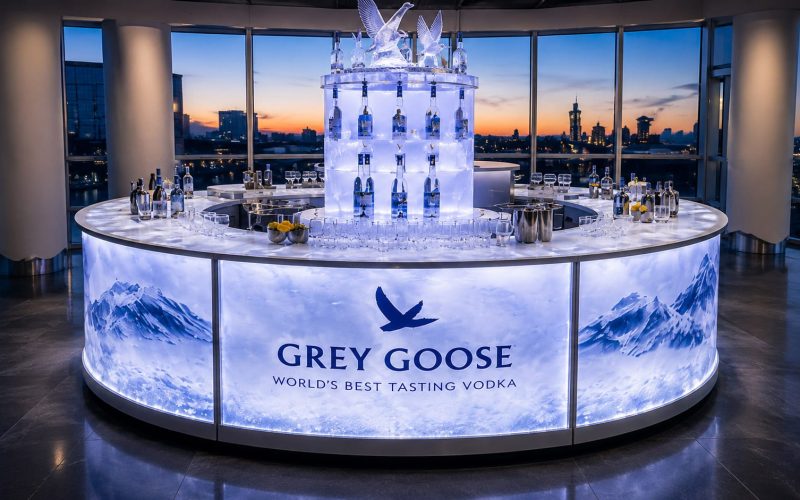
A standard cocktail table is fine until the concept calls for integrated brand color, custom wraps, product display capability, or an interactive component. A stock bar works until it needs shelving for hero products, hidden storage, LED integration, or a finish that matches the rest of the environment. This is where a fabrication-first partner adds value.
Instead of forcing a concept to fit whatever is in inventory, a stronger approach starts with the event objective. If the goal is sampling, social sharing, lead capture, or premium guest engagement, the physical assets should support that outcome directly. Rentals still play a role, but they are selected as part of an environment, not as isolated items.
Rental categories that matter most for branded events
For most Manhattan activations and exhibits, furniture is the baseline category, but not the whole picture. Lounge seating, bars, stools, tables, shelving, display pedestals, and registration counters all influence how the space functions. The question is less about whether those items are needed and more about what version of them best supports the event.
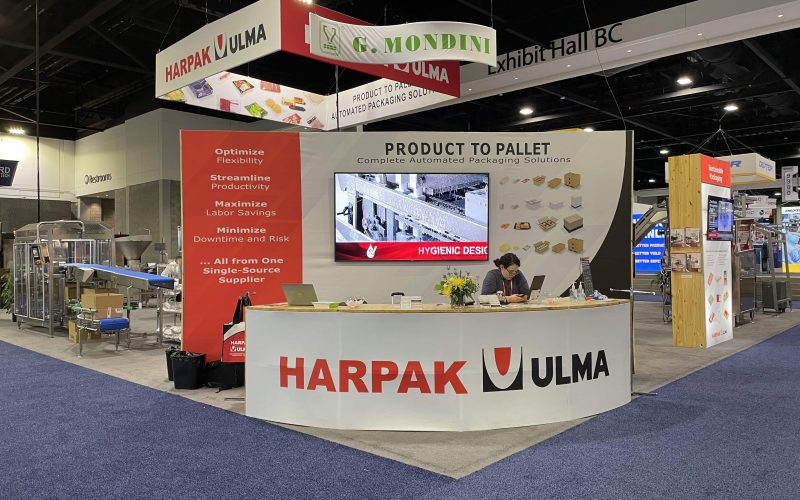
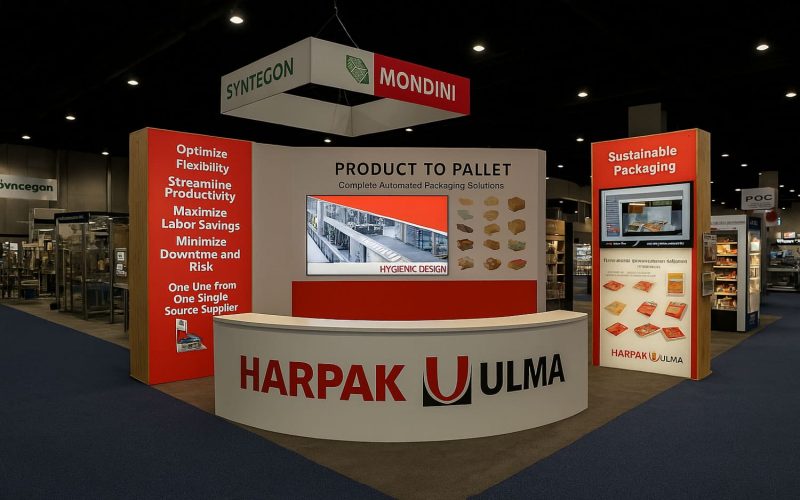
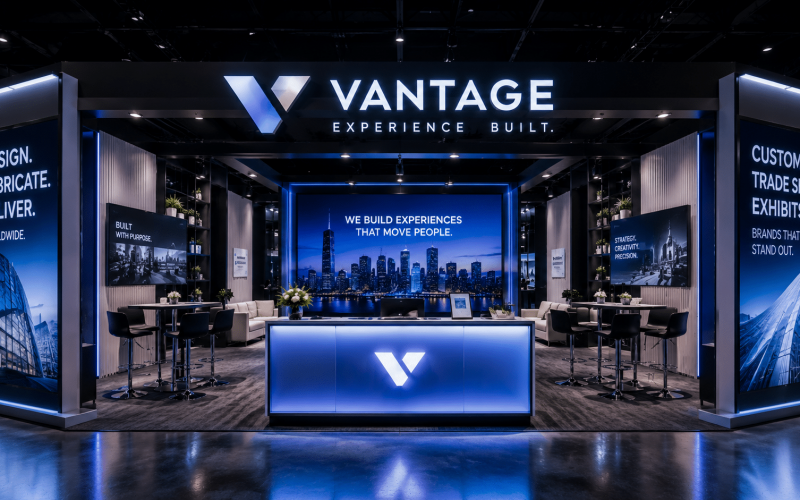
For example, a press-facing launch may need cleaner silhouettes and camera-friendly finishes. A high-volume consumer activation may need more durable surfaces and quicker reset capability. A trade show booth may prioritize storage, cable management, and tighter footprints. The right rental package reflects those realities rather than treating every event the same.
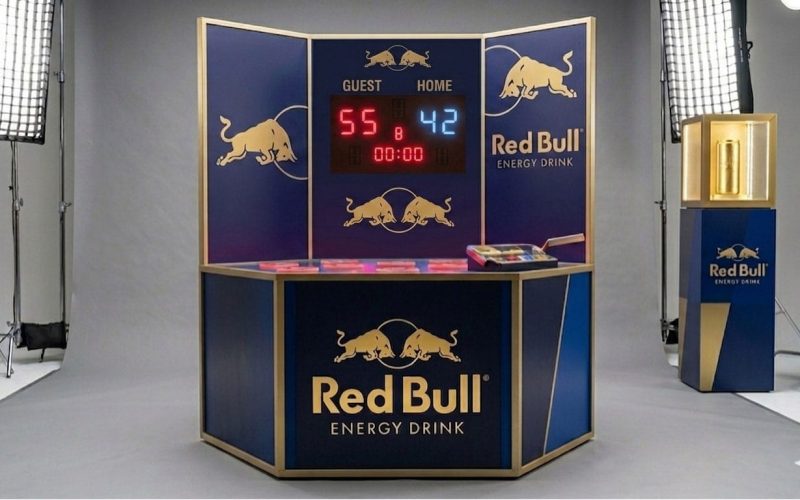
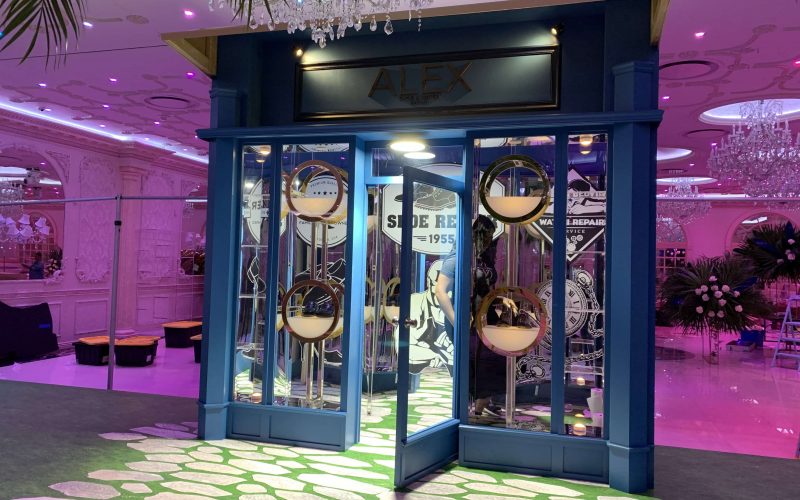
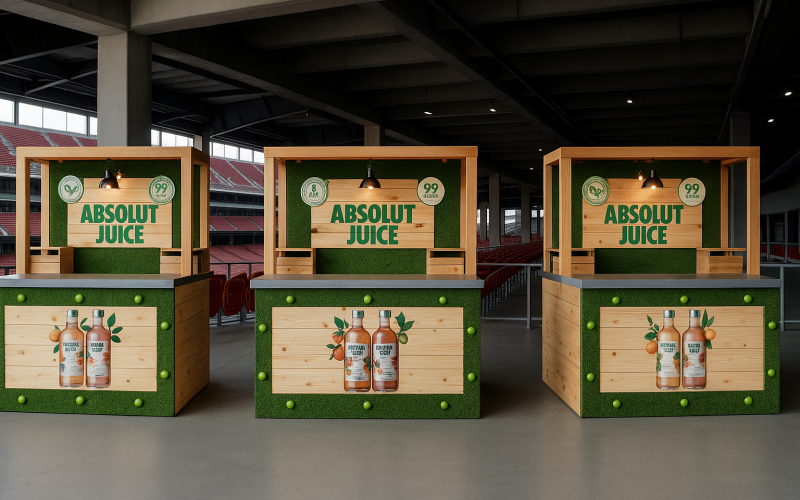
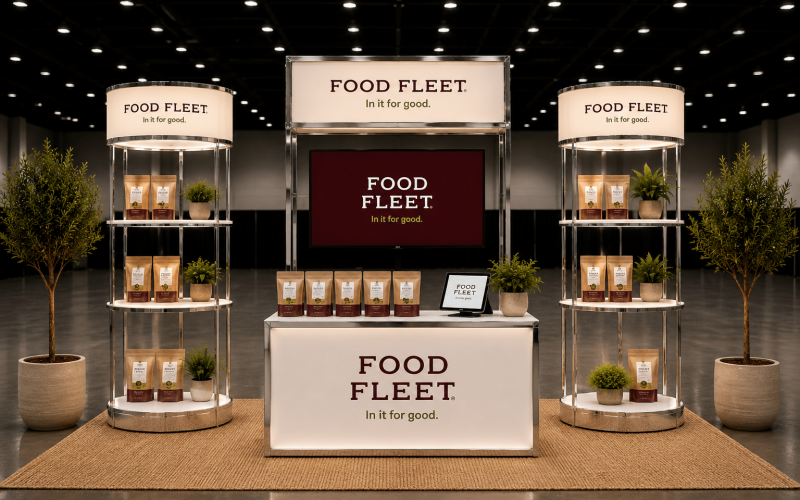
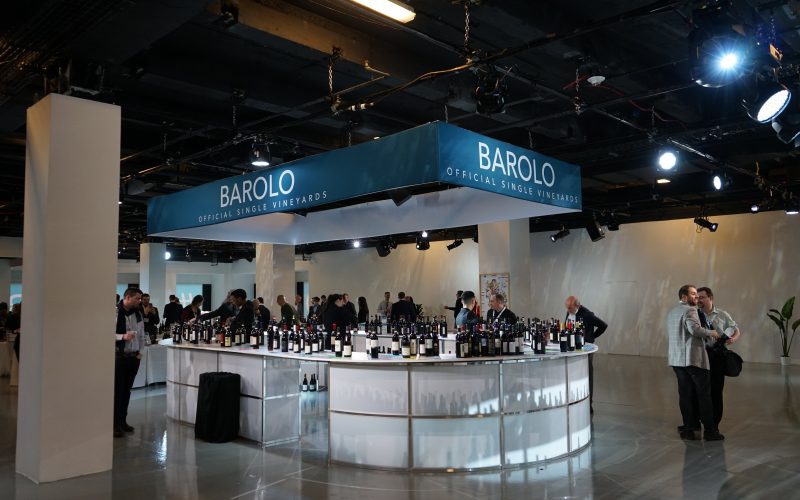
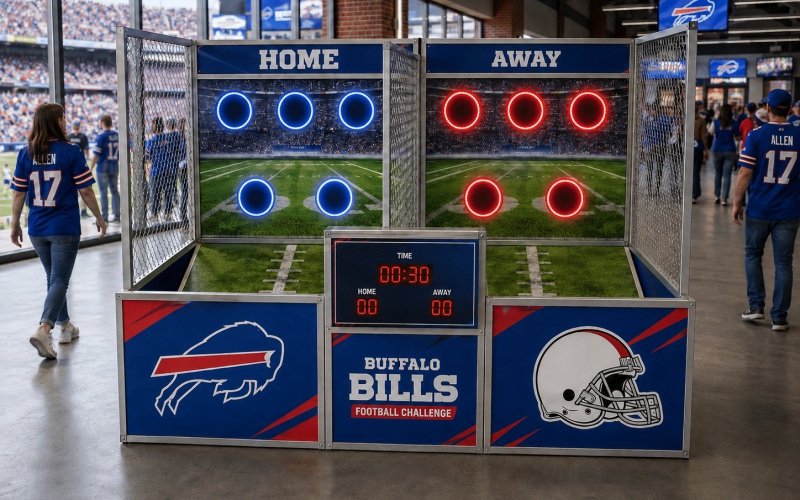
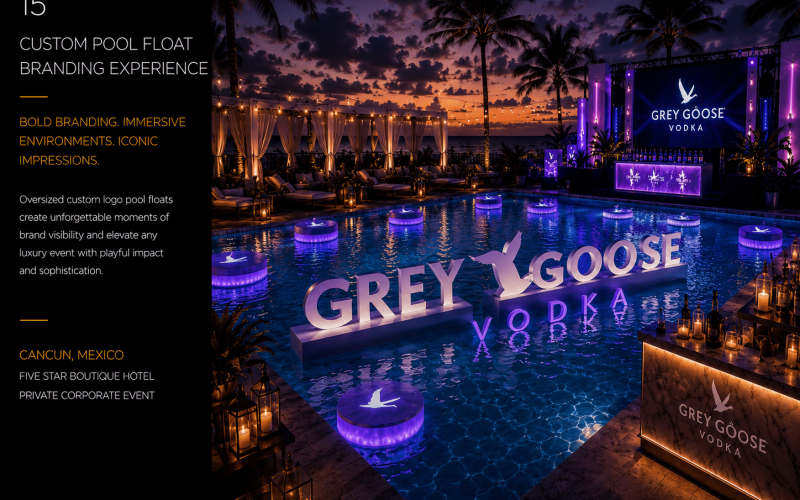
There is also growing demand for elements that sit between rental and fabrication. Think branded counters, custom game stations, product display structures, modular walls, and experiential fixtures built to align with a campaign look. These pieces often make the difference between an event that feels functional and one that feels fully produced.
Why fabrication changes the rental conversation
When a vendor understands custom products and fabrication, rental planning gets more efficient. You are not managing one provider for basic furniture and another for the pieces that make the environment memorable. You are working with a team that can identify where stock inventory makes sense and where custom fabrication will improve the result.
That matters in Manhattan because production time is compressed. If a venue walkthrough reveals a sightline issue, a spacing problem, or a need for custom branding, you need options quickly. A fabrication-capable partner can adapt faster than a rental house that only offers fixed inventory.
It also improves consistency. Custom bars, branded kiosks, display plinths, and interactive game elements need to feel like they belong with the seating, tables, and support pieces around them. If the finishes, dimensions, or visual language are off, the space starts to look patched together. For agencies and brand teams, that lack of cohesion is costly.
How to evaluate event rentals Manhattan vendors
The first question is not price. It is whether the vendor understands event production at the level your project requires. A corporate social event and a branded activation have different demands. So do a one-day pop-up and a three-city tour stop. You want a partner who can talk through use case, not just availability.
Look closely at how they handle customization. Some vendors can provide basic branded applications, while others can build fully integrated environments with rental furniture, scenic elements, and custom fabricated assets working together. If your program depends on visual impact, that distinction matters.
Ask about condition standards and finish consistency. In Manhattan, where events are often photographed heavily and attended by clients, media, or stakeholders, worn inventory shows immediately. The same goes for replacement planning. If a piece is damaged, delayed, or does not fit the venue on arrival, your vendor should have a clear contingency plan.
Logistics capability is another major factor. Delivery in Manhattan is not routine freight. Timing, building coordination, access limitations, and strike schedules all affect execution. Vendors that serve the city regularly tend to plan for those variables instead of reacting to them on site.
When to rent, when to customize, and when to do both
Not every project needs fully custom assets. If the event is short-term, budget-sensitive, or operationally simple, rentals may cover most needs effectively. That is often true for support furniture, back-of-house pieces, or standard guest flow elements.
Customization becomes more valuable when the physical environment is central to the campaign. If attendees are expected to engage with the space, share content from it, or connect the event directly to brand identity, off-the-shelf solutions usually fall short. In those cases, it makes sense to customize the focal points and rent the supporting pieces.
The hybrid model is often the smartest path. Rent the foundational furniture. Fabricate the hero elements that define the experience. That balance controls cost while protecting the parts of the event guests actually remember. For many agencies and experiential teams, it is the most practical way to achieve brand impact without overbuilding every component.
The value of a specialized event partner
Event rentals Manhattan projects demand are rarely standalone transactions for serious brand work. They are part of a larger production system that includes creative intent, fabrication decisions, schedule management, venue compliance, and install execution. The more those pieces connect, the fewer problems show up during load-in.
A specialized partner helps bridge the gap between concept and field reality. That includes recommending assets that fit the space, flagging production risks early, and fabricating custom elements when rental inventory alone will not get the job done. For brands and agencies managing high-visibility programs, that support is often more valuable than saving a small amount on line-item cost.
Portadecor operates in that lane – supporting event teams with rental solutions shaped by real fabrication and activation experience. That perspective matters when the goal is not simply to furnish a venue, but to build an environment that performs.
The best rental strategy is usually the one that looks simplest on site because the hard decisions were solved in advance. If your Manhattan event needs to carry brand weight, move efficiently, and hold up visually from first guest to final photo, choose assets and partners built for execution, not just inventory.