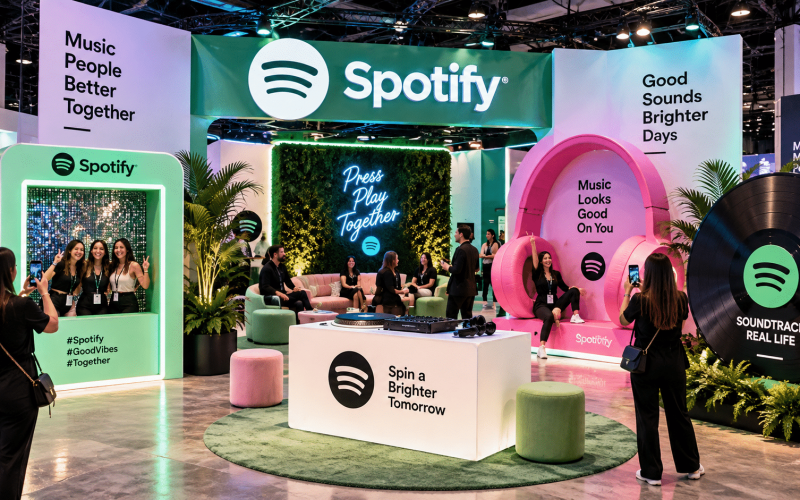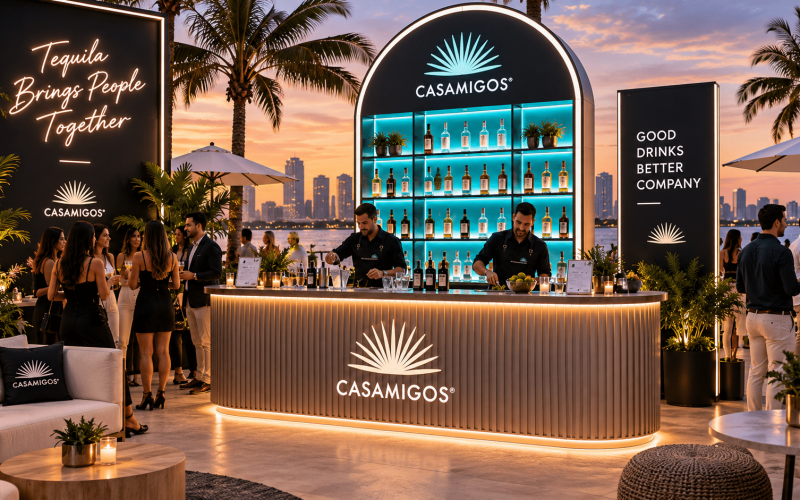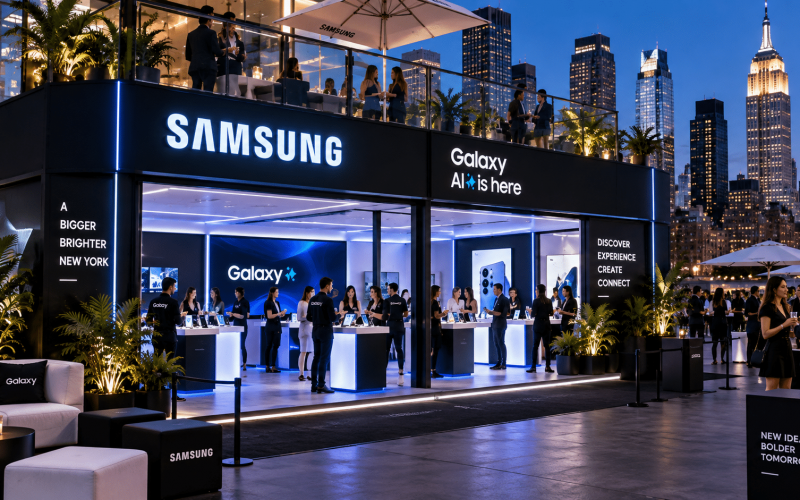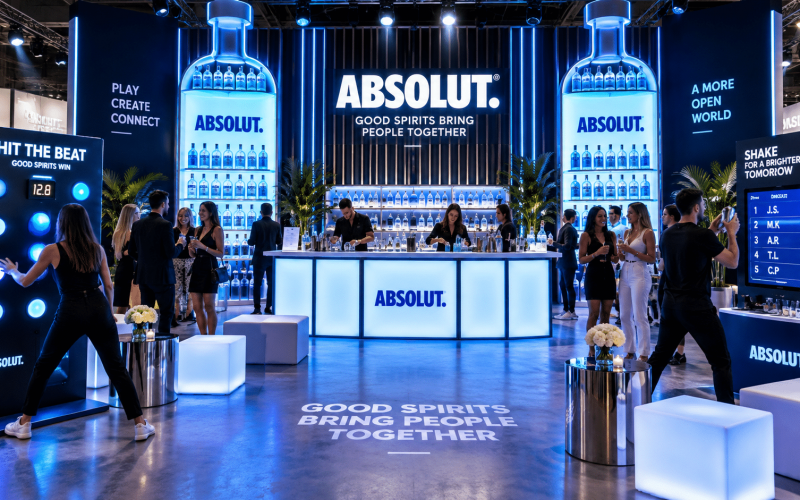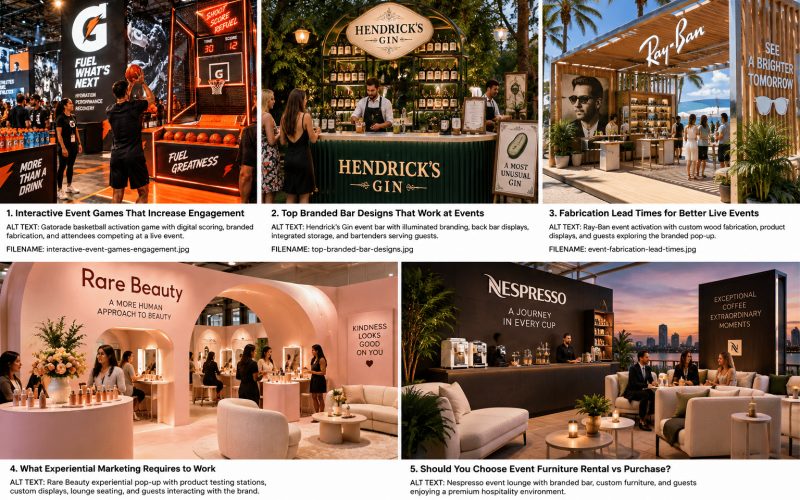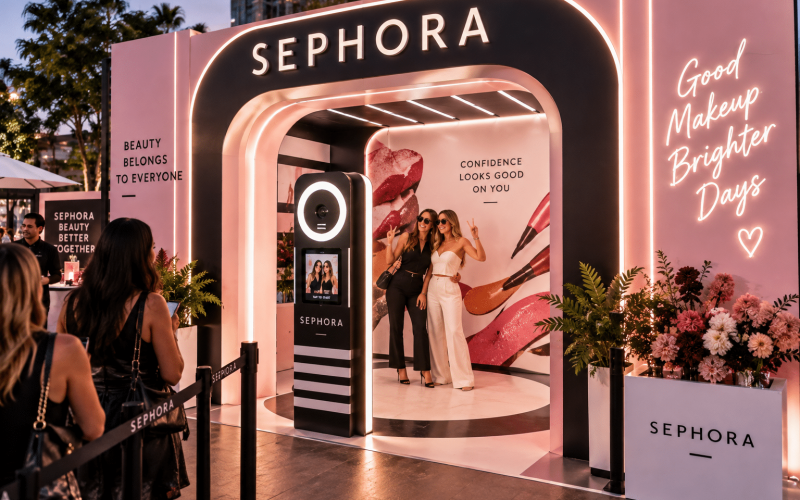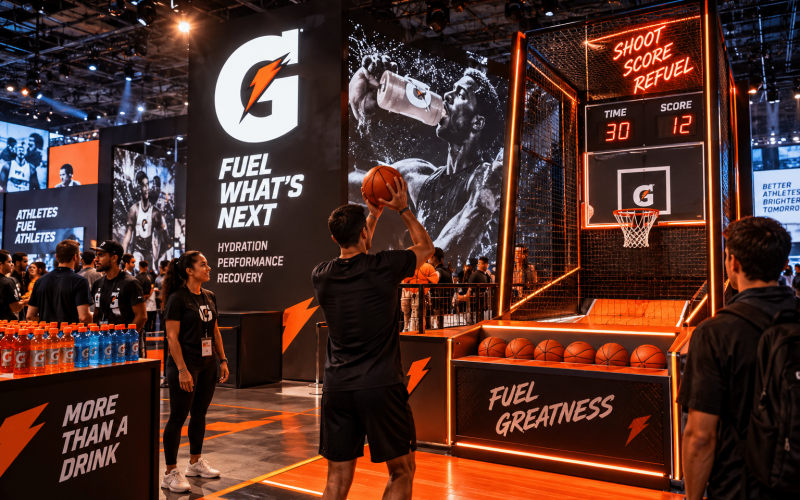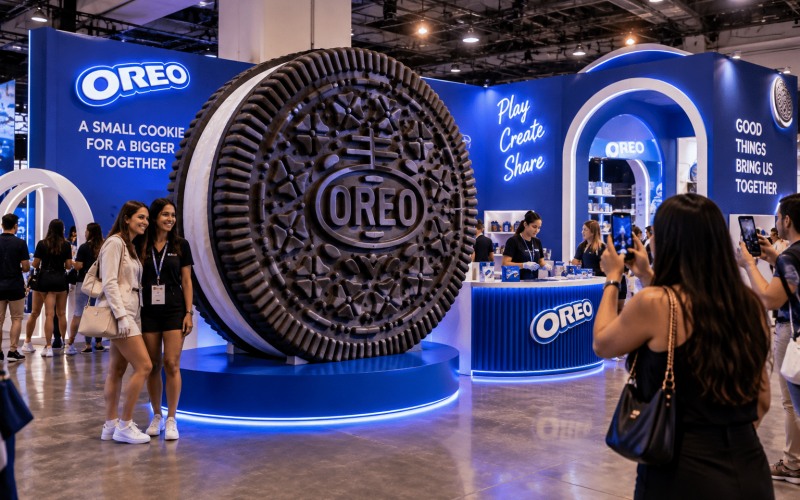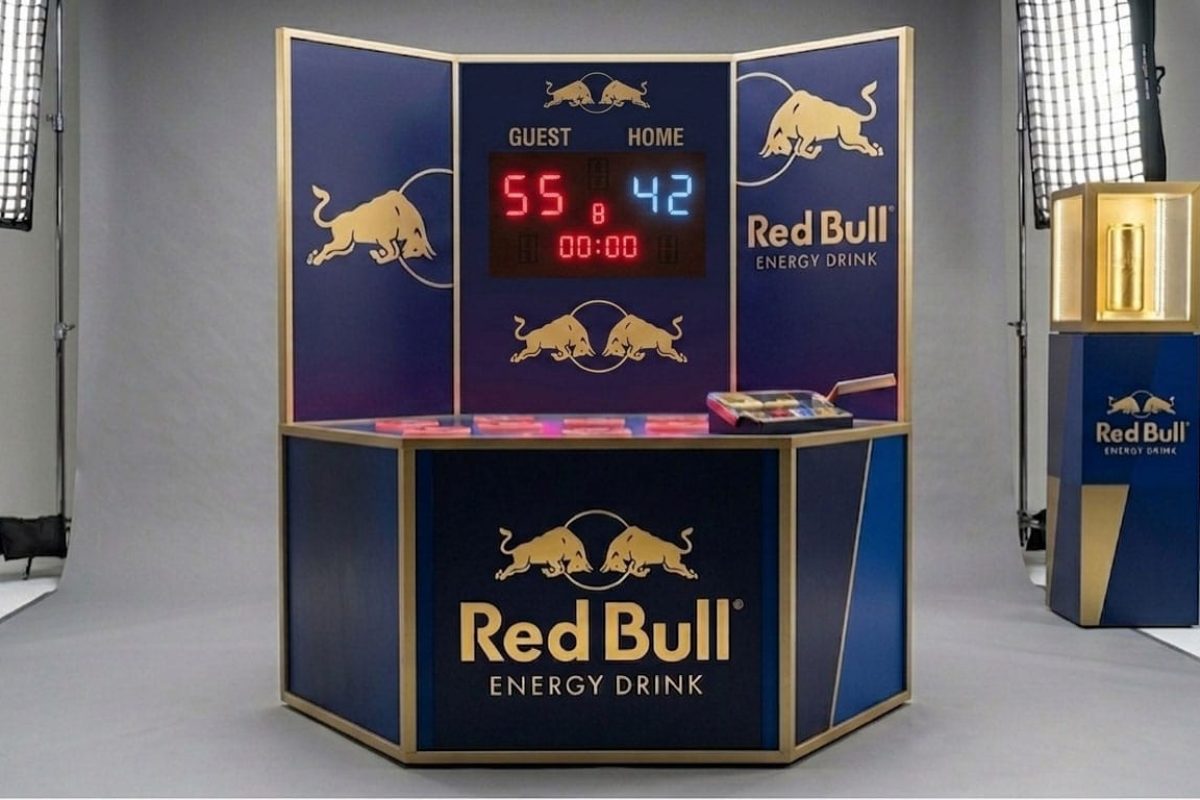
A booth game can pull a crowd in under 10 seconds – or create a line of people waiting to do something that has nothing to do with your brand. That is the difference between a game that looks fun and one that works. If you are planning how to design interactive booth games for a trade show, brand activation, or sponsored event, the real job is not adding play for its own sake. It is building an experience that earns attention, supports your message, and fits the operational reality of the event floor.
For marketing teams and event producers, the pressure is usually the same. You need engagement that feels fresh, branding that reads instantly, and an activation that can actually be fabricated, installed, reset, and staffed without creating problems all day. The best booth games do all of that at once.
Start with the outcome, not the game
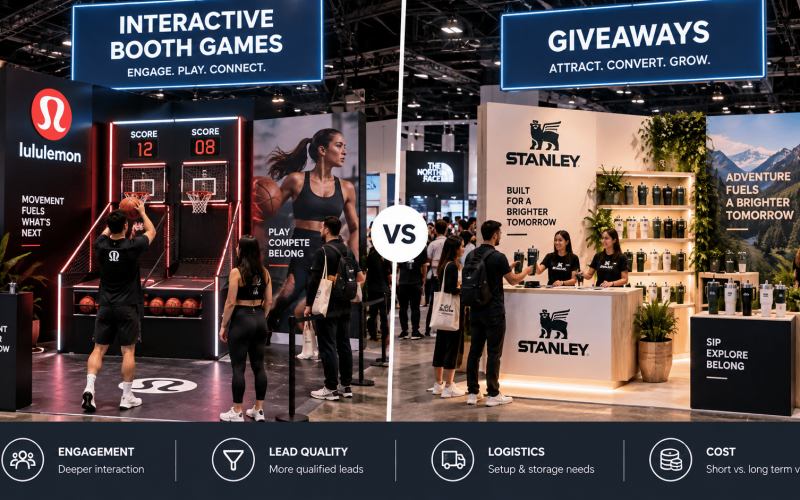
The most common mistake is choosing a game mechanic before defining the business goal. A prize wheel, reaction challenge, digital trivia wall, claw machine, or product-based competition can all work. None of them work automatically.
Before you decide what people will play, decide what success looks like. At some events, the goal is raw traffic and visual attraction. At others, it is qualified conversations, lead capture, product education, content creation, or social sharing. Those objectives shape everything from game length to prize structure.
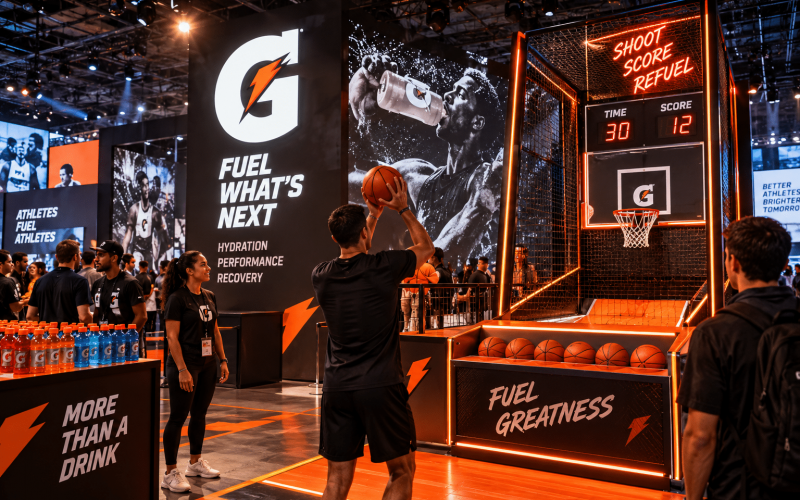
If your team needs fast booth turnover at a busy trade show, a 20-second challenge may outperform a deeper experience that ties up staff and creates bottlenecks. If your goal is product storytelling, a slightly longer format that teaches features through gameplay may be the better choice. There is no universal best game format. There is only the format that matches the event objective, audience behavior, and booth footprint.
How to design interactive booth games around audience behavior
A game that works for a consumer pop-up may fail at an industry expo. Trade show attendees are usually scanning quickly, filtering hard, and protecting their time. They need to understand what is happening from a distance, know whether it is worth stopping, and feel confident they will not get trapped in a long interaction.
That means your game concept needs immediate readability. A passerby should grasp the action in a few seconds. If they need a staff explanation before the experience makes sense, your participation rate will drop.
Audience profile also affects tone. A playful challenge may be ideal for a lifestyle or beverage brand. A B2B software or medical device exhibitor may need a more structured format that still feels interactive without looking gimmicky. In those cases, timed demos, category-based quizzes, controlled competition, or product-use challenges often create better alignment than arcade-style mechanics.
The strongest concepts respect the attendee mindset. They give people a reason to approach without making them work to understand the invitation.
Build the game around the booth environment
When teams think about how to design interactive booth games, they often focus on visuals first. Visual impact matters, but the physical environment decides whether the game is practical.
Start with the footprint. How much space will the game take when in use, not just when idle? A compact branded game unit may fit the floor plan, but once players, waiting attendees, and staff gather around it, the true operating zone can become much larger. You need to account for circulation, sightlines, nearby demo areas, storage, and compliance with venue rules.
Ceiling height, power access, rigging limitations, sound bleed, and flooring all matter too. A digital game with integrated screens and lighting may be effective in one venue and far less visible in another. A physical challenge with moving components may need a sturdier build than the creative concept originally assumed.
This is where fabrication planning becomes part of strategy, not just production. Custom booth games need to be designed for transport, install, reset, and durability. If the unit looks impressive but requires constant adjustment or technical troubleshooting, your staff will spend the event managing the object instead of engaging attendees.
Keep gameplay simple and brand integration strong
The best booth games have very little friction. People should know where to stand, what to do, how long it takes, and what happens next. Complexity reduces participation.
Simple does not mean generic. It means the mechanic is intuitive enough that the branding and message can do more work. This is where many activations miss the mark. They add logos after the game has been designed, rather than making the game feel native to the brand.
A better approach is to connect the action to the product story. If a brand is promoting speed, precision, customization, flavor discovery, performance, or sustainability, those qualities can shape the game mechanic itself. The physical build, graphic treatment, and scoring language should all reinforce the same message.
That level of alignment usually produces stronger results than a game that is fun but interchangeable. Attendees may not remember every detail, but they will remember when the interaction felt connected to the brand instead of pasted onto it.
Design for throughput, staffing, and reset time
A game can be popular and still underperform. This usually happens when throughput is too low.
At a busy show, every minute matters. If each session takes three minutes and includes explanation, participation, prize handling, and lead capture, your line may grow faster than your team can process it. That can be useful as a crowd signal, but only if the line itself does not block other priorities or discourage higher-value prospects.
Think through the event rhythm. How many staff members are needed to run the game properly? Can one person manage instruction and reset, or do you need separate staff for traffic flow, lead capture, and prize handling? Can the game reset in seconds, or does each round require manual reconfiguration?
These questions are not secondary. They directly affect performance. In custom fabrication, small design choices such as access panels, replaceable components, integrated storage, cable management, and modular assembly can make the difference between a polished activation and a stressful one.
Use incentives carefully
Prizes drive participation, but they also shape the quality of engagement. If the reward is too disconnected from the brand or too valuable relative to the ask, you may attract people who want the giveaway and nothing else.
That does not mean incentives are a bad idea. It means they need to support the goal. Instant-win items can help generate energy. Tiered rewards can encourage replay or competition. Premium prizes can work when paired with meaningful qualification or data capture.
The key is balance. The game should feel worth doing even before the prize is introduced. If the reward is carrying the entire interaction, the concept may need work.
Measure what the game is actually doing
A crowded booth is not the same as a successful booth. If you want the activation to justify its cost, decide in advance what you will measure.
That might include number of participants, average dwell time, leads captured, qualified conversations, product demo handoffs, content shares, or post-event follow-up rates. Different game formats support different metrics, so measurement should be built into the experience early.
For example, if lead quality matters more than volume, the game may need a gating mechanism, a score-based qualification step, or a staff handoff after participation. If social amplification matters, the game should include a photo moment that is visually clean, well lit, and clearly branded. If education matters, scoring may need to reflect product knowledge instead of pure chance.
A well-designed game is not just entertaining. It creates a measurable path from interaction to marketing value.
How to design interactive booth games that can be fabricated well
Creative ambition has to meet production reality. Some concepts look strong in a pitch deck but become expensive, fragile, or difficult to transport once they move into fabrication.
That is why material choices, assembly methods, finishes, and modularity should be considered early. A game built for one event can often be adapted for touring use, rental integration, or future campaign updates if the structure is planned correctly. That is a smarter investment than building a one-off unit that cannot evolve.
It also helps to decide what truly needs to be custom. In some cases, the highest-value approach is a hybrid model that combines custom branded fabrication with proven event components, integrated technology, and rental support. That can shorten lead times and improve reliability without sacrificing impact.
For brands and agencies managing deadlines, this practical side matters as much as the creative. A concept that is slightly less ambitious on paper but performs cleanly on site will usually produce better results than a complicated build that strains the schedule.
The strongest booth games feel intentional
Attendees can tell when a game has been added because someone wanted more activity in the booth. They can also tell when the interaction has been designed with purpose. The difference shows up in the details – how quickly it reads, how naturally the branding fits, how easily staff can run it, and how clearly it supports the campaign objective.
If you are evaluating how to design interactive booth games for an upcoming activation, start by narrowing the brief. Know the outcome, know the audience, know the space, and know what your team can realistically operate. From there, the right concept becomes much easier to build well.
The most effective booth games are not the loudest or the most complex. They are the ones that turn attention into action without making the event harder to manage.