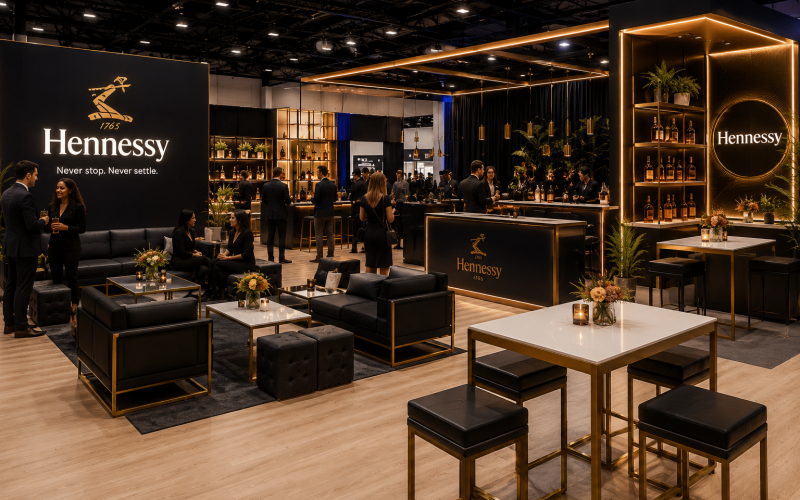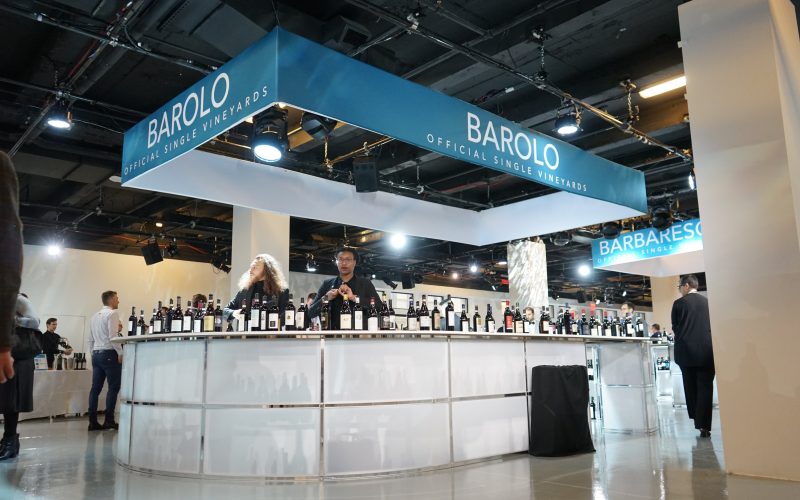
A 10-by-10 footprint can put your brand beside dozens of direct competitors. The difference is rarely the floor space alone. It is the environment you create inside it. That is why choose custom trade show booths is a question worth evaluating early in event planning, not after the show contract is signed and production deadlines are already tight.
A custom booth gives your team control over how the brand is seen, how attendees move through the space, and what they remember after the event. For marketers and agencies, it is not simply a larger display expense. It is a fabricated, campaign-ready setting built to support a specific business objective.
Why Choose Custom Trade Show Booths Instead of a Standard Package?
Standard shell schemes and modular packages serve a purpose. They are fast, familiar, and often appropriate for a first-time exhibitor, a small regional show, or a simple lead-generation presence. But their limits become clear when a brand needs to demonstrate a product, host meetings, launch a campaign, or create a visual moment that earns attention across a crowded show floor.
Custom trade show booths are designed around the experience rather than around a preset system. The structure, finishes, lighting, graphics, furniture, storage, and interactive elements can work as one physical expression of the campaign. That consistency matters when an audience has only seconds to decide whether to stop.
A custom approach also avoids the common problem of trying to force a brand idea into rented walls, standard counters, and generic display hardware. Instead of treating those constraints as the starting point, the booth is built around the message, audience behavior, and operational needs of the event.
Brand Recognition Needs More Than Graphics
Large-format graphics are useful, but graphics alone do not create an immersive brand presence. A recognizable exhibit uses dimensional form, material choices, color, lighting, and layout to make the brand feel intentional from multiple viewing angles.
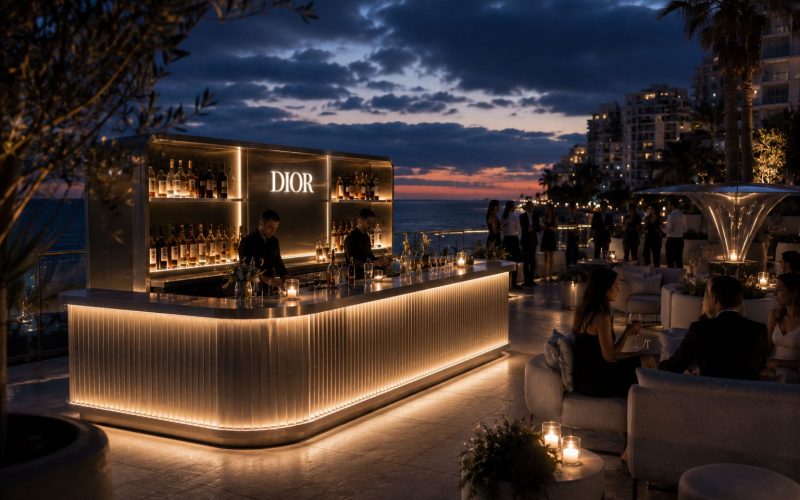
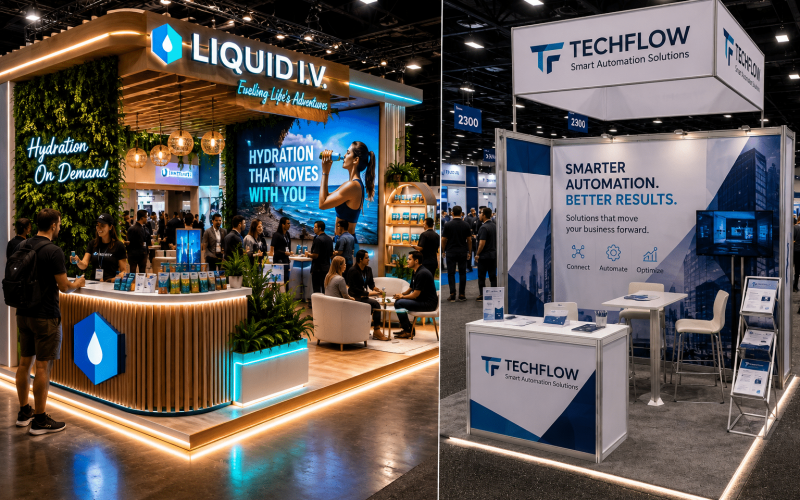
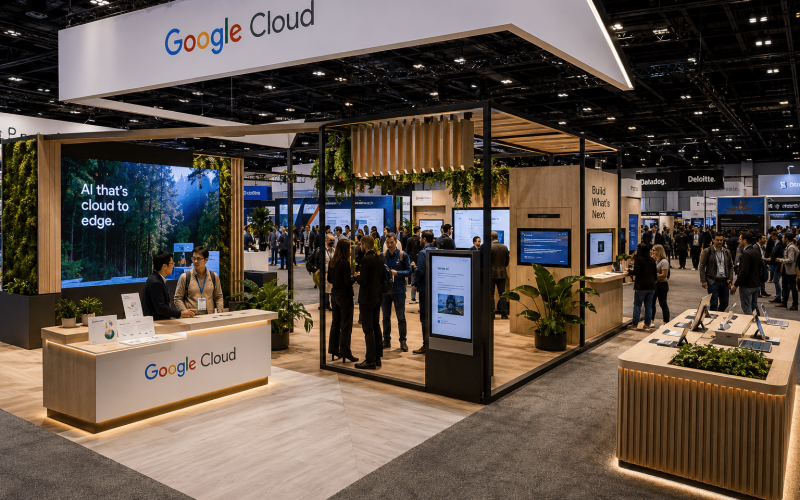
For example, a technology company may need a clean, controlled environment that reinforces precision and makes product demonstrations easy to follow. A consumer brand may need a high-energy activation with photo opportunities, product sampling, and game-based engagement. Both can use the same square footage, but neither should use the same booth design.
Custom fabrication gives creative teams more control over these details. Branded architectural features, integrated product displays, specialty counters, suspended elements, custom seating, and interactive components can be designed as part of the environment instead of added as disconnected pieces. The result is a booth that looks like the brand owns the space, not like it moved into a temporary rental package.
Physical Design Can Reinforce the Campaign Message
The strongest booth concepts turn a campaign idea into something attendees can understand without reading a wall of copy. A new product positioned around speed, for instance, might use a direct demo path, dynamic lighting, and a clear visual focal point. A brand built around craft may use elevated finishes and hands-on displays that let visitors see the product story in detail.
This does not require building for novelty alone. Every fabricated feature should have a role: draw traffic, explain the offering, create a meeting setting, support content capture, or move guests toward a call to action.
A Custom Booth Is Built Around Attendee Behavior
Trade show traffic is unpredictable, especially during peak hours. An attractive booth that creates bottlenecks, hides the product, or leaves staff without working space will underperform regardless of how polished it looks.
Custom booth planning starts with circulation. Where will attendees enter? What should catch their attention from the aisle? Can a product demonstration run without blocking conversations? Is there a natural transition from an open engagement area to a more private meeting zone? These questions shape the floor plan before fabrication begins.
A well-planned environment can support several interactions at once. One visitor might explore a product display while another participates in an activation and a sales team conducts a qualified conversation nearby. Built-in storage keeps promotional materials, personal items, and operational supplies out of sight, preserving the experience without adding clutter.
This is especially valuable for busy shows where the booth must perform as a retail-style display, demonstration space, hospitality area, and sales environment all at once.
Better Engagement Creates Better Event Data
A booth cannot guarantee qualified leads. It can, however, make engagement easier to initiate and easier for staff to manage. That is a meaningful advantage when teams are working to turn foot traffic into conversations, scans, demos, or appointments.
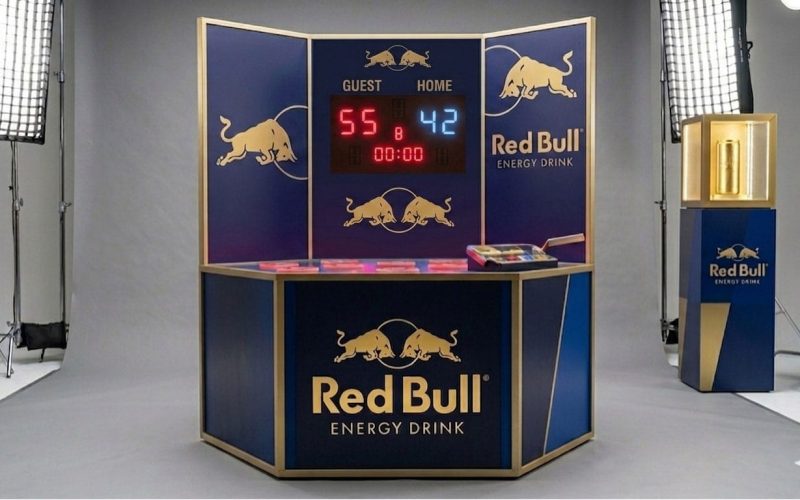
Interactive game elements, digital displays, product trials, branded photo moments, and guided demonstrations give attendees a reason to pause. The right feature depends on the audience and objective. A game can increase traffic, but it may not be the best choice if the event calls for focused executive meetings. Likewise, a private lounge may suit a high-consideration B2B sale but limit visibility if it dominates a small footprint.
The design should define what a valuable interaction looks like. If the goal is product education, build for demonstration and clear sightlines. If the goal is lead capture, create a simple, visible path to participation. If the goal is brand awareness, prioritize a memorable visual identity that encourages photography and social sharing.
Custom Does Not Mean Ignoring Practicalities
The best custom trade show booths are ambitious in concept and disciplined in execution. Fabrication decisions affect shipping, installation time, storage, electrical access, venue regulations, and the ability to use components again. Those details should be part of the creative process, not a late-stage production issue.
A fabrication-first partner can identify where a design needs structural support, where a finish needs to withstand repeated use, and where modular construction can reduce labor without making the booth look generic. Reusable custom assets can also create value across a roadshow, product launch, multiple trade shows, or retail pop-up program.
It depends on the exhibit strategy. A one-time, highly specific launch may justify a fully tailored build with limited reuse. A brand with an annual event calendar may benefit more from a flexible system of custom components that can be reconfigured for different footprints. In either case, the goal is not to make every element permanent. It is to invest in the components that continue to support the brand and the event program.
Plan Production Before the Design Is Final
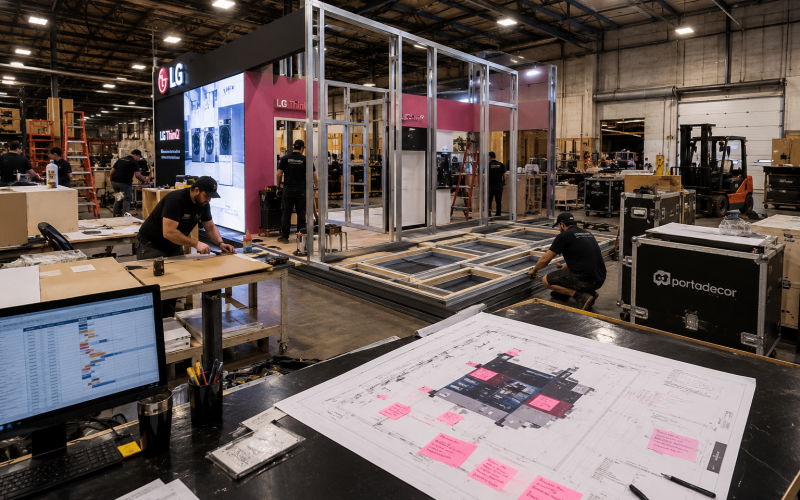
Creative concepts become more reliable when fabrication, logistics, and installation teams are involved early. A render can suggest almost anything. A production plan confirms what can be built, transported, installed safely, and delivered on schedule.
This collaboration protects the idea while reducing expensive redesigns. It also creates room to make informed choices about materials, AV integration, furniture, lighting, storage, and attendee-facing features. For agencies managing client expectations, that production clarity is as important as the visual concept itself.
When a Custom Booth Makes Commercial Sense
Custom fabrication is most effective when the exhibit has a clear role in the marketing plan. It makes sense when the brand needs to stand apart in a competitive category, showcase products that cannot be explained by a brochure, host important prospect meetings, or extend a larger campaign into a physical environment.
It is also a strong choice when the booth will generate content. A distinct, camera-ready setting can support event photography, video, press activity, sales follow-up, and social media assets long after the show closes. That broader use can change how the investment is evaluated.
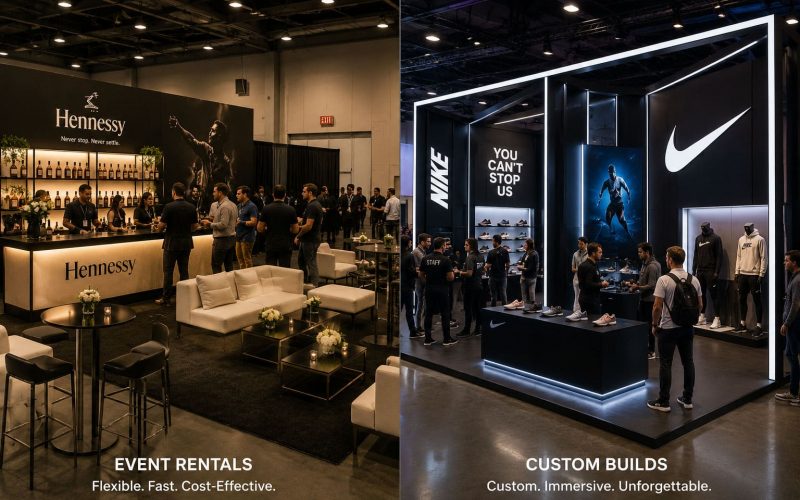
Budget still matters. A custom booth is not automatically the right answer for every event. If the appearance is limited, the exhibit goal is basic, or the team is testing a new show, a rental-based setup may be the more practical option. The decision should reflect expected outcomes, not simply the desire for a bigger build.
Portadecor helps brands and agencies translate creative direction into custom products, fabricated booth environments, event furniture, and activation-ready elements. The work is strongest when design intent and event operations are treated as one production challenge.
The booth should give your team more than a place to stand. It should give attendees a reason to stop, a clear way to engage, and a physical experience that makes the brand easier to remember when the show floor is long gone.